
China Spacesat(600118)

Search documents
风云骤变!商业航天再现断崖式下跌,军工ETF华宝(512810)重挫4%放量溢价,资金逆市吸筹?
Xin Lang Cai Jing· 2026-01-26 11:27
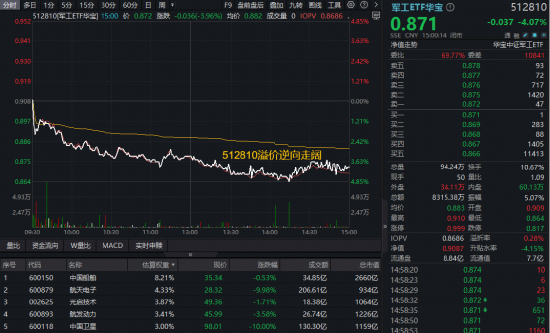
Core Viewpoint - The military industry sector is experiencing a significant downturn, with the military ETF Huabao (512810) dropping 4.07% on January 26, halting a three-day upward trend and losing key moving averages [1][7]. Group 1: Market Performance - The military ETF Huabao (512810) saw a notable decline, with a closing premium rate of 0.28%, indicating active buying interest despite the price drop [1][7]. - The total trading volume for the military ETF reached 83.15 million yuan, while individual stocks like Aerospace Electronics and China Satellite also showed strong trading activity, with Aerospace Electronics achieving over 20.6 billion yuan in daily trading volume [1][7]. Group 2: Market Dynamics - The shift in market sentiment may lead to high volatility in the military sector, particularly affecting smaller stocks and those in the commercial aerospace segment, which are more sensitive to market risk preferences [3][9]. - The military industry is expected to remain in a demand-up cycle over the next five years, with short-term pullbacks potentially presenting good buying opportunities [3][9]. Group 3: Investment Opportunities - Analysts recommend focusing on military trade, commercial aerospace, and large aircraft sectors, while also paying attention to developments in state-owned enterprise reforms [3][9]. - The military ETF Huabao (512810) covers various popular themes such as commercial aerospace, low-altitude economy, large aircraft, satellite navigation, military informatization, and controllable nuclear fusion, making it an efficient tool for investing in core military assets [10].


太空光伏火了!马斯克联手贝莱德冲刺100GW,低轨卫星+AI算力刚需爆发!
Xin Lang Cai Jing· 2026-01-26 11:09
Group 1: Industry Overview - The space photovoltaic industry is experiencing significant growth driven by the demand for gallium arsenide batteries and other advanced solar technologies, particularly in high-altitude satellites and deep space exploration [1][2][3] - Musk's 100GW solar power capacity plan is expected to boost the demand for space photovoltaic products, benefiting various companies in the supply chain [1][2][3] Group 2: Key Companies and Their Developments - Qianzhao Optoelectronics (300102) is a leading player in gallium arsenide space batteries with over 60% market share in China, achieving a production efficiency of 35% and an experimental efficiency exceeding 42% [1][12] - Dongfang Risen (300118) has successfully delivered small batches of HJT batteries to SpaceX, with its ultra-thin P-type HJT battery meeting the lightweight requirements for satellites [1][13] - Junda Co., Ltd. (002865) is a global leader in TOPCon batteries, with laboratory conversion efficiency surpassing 33.53%, and is rumored to be a potential supplier for SpaceX's perovskite batteries [1][14] - Yunnan Zhiyuan (002428) is a core supplier of germanium wafers for gallium arsenide space batteries, benefiting from the increasing demand for germanium substrates [1][15] - Sanan Optoelectronics (600703) holds the largest gallium arsenide production capacity globally and is expected to see significant revenue growth from its space photovoltaic applications [1][16] - Maiwei Co., Ltd. (300751) is a leading supplier of HJT production equipment and is well-positioned to benefit from the surge in demand for space photovoltaic manufacturing equipment [1][17] - Saiwu Technology (603212) specializes in photovoltaic packaging materials and is developing radiation-resistant encapsulation films for space applications [1][18][19] - China Satellite (600118) is a key player in satellite platform manufacturing and is expected to benefit from the growth in space photovoltaic systems [1][20] - Aerospace Electronics (600879) provides power systems and communication equipment for satellites, with increasing demand expected due to the growth in space photovoltaic applications [1][21] - Tuojin New Energy (002218) focuses on flexible photovoltaic components suitable for space applications, with expected growth in orders as the market expands [1][22] - Trina Solar (688599) covers multiple technology routes and is positioned to benefit from the expansion of space photovoltaic systems [1][23] - Shanghai Portwan (605598) supplies flexible solar wings and is accelerating the commercialization of perovskite batteries through in-orbit testing services [1][24] - Ruihua Tai (688323) is a leader in CPI film materials, essential for flexible space photovoltaic components, and is expected to see increased demand [1][25] - Jiejia Weichuang (300724) is a leading manufacturer of photovoltaic battery production equipment, poised to benefit from the demand surge in space photovoltaic manufacturing [1][26] - Lens Technology (300433) supplies protective covers for satellite batteries, with expected growth in orders due to the increasing demand for space photovoltaic applications [1][27]






航天装备板块1月26日跌9.75%,航天环宇领跌,主力资金净流出76.77亿元
Zheng Xing Xing Ye Ri Bao· 2026-01-26 09:41
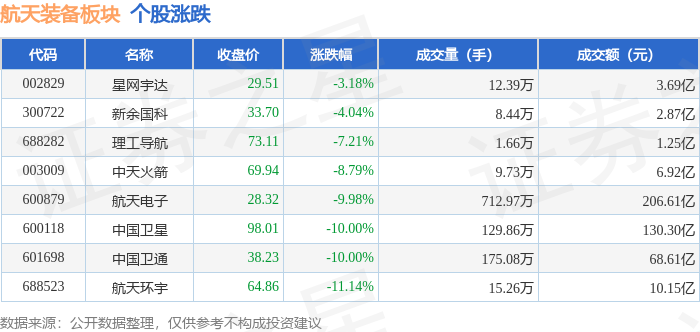
Group 1 - The aerospace equipment sector experienced a significant decline of 9.75% on January 26, with Aerospace HuanYu leading the drop [1] - The Shanghai Composite Index closed at 4132.61, down 0.09%, while the Shenzhen Component Index closed at 14316.64, down 0.85% [1] - Key stocks in the aerospace equipment sector showed notable declines, with China Satellite and Aerospace Electronics both falling by 10% [1] Group 2 - The net outflow of main funds from the aerospace equipment sector reached 7.677 billion yuan, while retail investors saw a net inflow of 4.966 billion yuan [1] - Individual stock performances indicated that Aerospace HuanYu had a net outflow of 1.42 million yuan from main funds, but a net inflow of 72.05 million yuan from retail investors [2] - China Satellite experienced a significant net outflow of 2.595 billion yuan from main funds, while retail investors contributed a net inflow of 1.231 billion yuan [2]





突发!尾盘巨额压单
Zhong Guo Ji Jin Bao· 2026-01-26 08:13
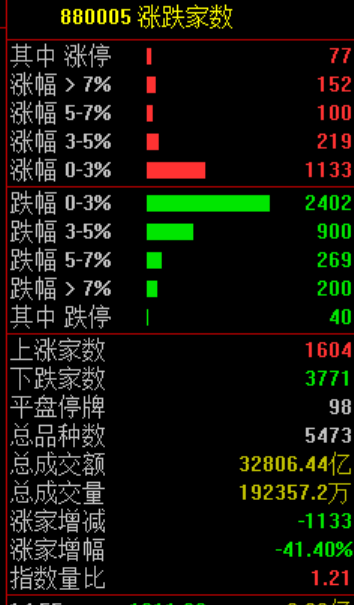
Market Overview - The market experienced a downturn with the Shanghai Composite Index closing down 0.09%, the Shenzhen Component down 0.85%, and the ChiNext down 0.91% [1] - A total of 1,604 stocks rose while 3,771 stocks fell, indicating a broader market weakness [1] Precious Metals Sector - The precious metals sector saw significant gains, with gold prices surpassing $5,000 per ounce for the first time, and silver prices also rising sharply [2] - Notable stocks in this sector included Zhongjin Gold and Xibu Gold, which reached their daily limit [2] Pharmaceutical Sector - The pharmaceutical sector strengthened, with stocks like Cap Bio and Mike Bio hitting their daily limit due to concerns over a Nipah virus outbreak in India [2][4] - The outbreak has prompted increased monitoring in countries such as Thailand and Nepal [2] Oil and Gas Sector - Oil and gas stocks rallied, with Zhongman Petroleum hitting its daily limit and China National Offshore Oil Corporation (CNOOC) rising over 6% to reach a new high [5] Commercial Aerospace Sector - The commercial aerospace sector faced adjustments, with stocks like China Satellite and China Satcom hitting their daily limit [6] Large Sell Orders - Significant sell orders were noted in major stocks, with Zijin Mining seeing over 4.07 billion yuan in sell orders and China Ping An over 2.05 billion yuan [6] Market Sentiment and Policy - Analysts from CITIC Securities indicated that the current reduction in broad-based ETFs by institutional investors may be a strategy to realize profits rather than directly suppressing speculative trading [10] - The report suggests that increasing margin requirements or trading fees could be more effective in cooling market enthusiasm [10]






主力个股资金流出前20:航天电子流出38.16亿元、中国卫星流出25.95亿元
Jin Rong Jie· 2026-01-26 07:37
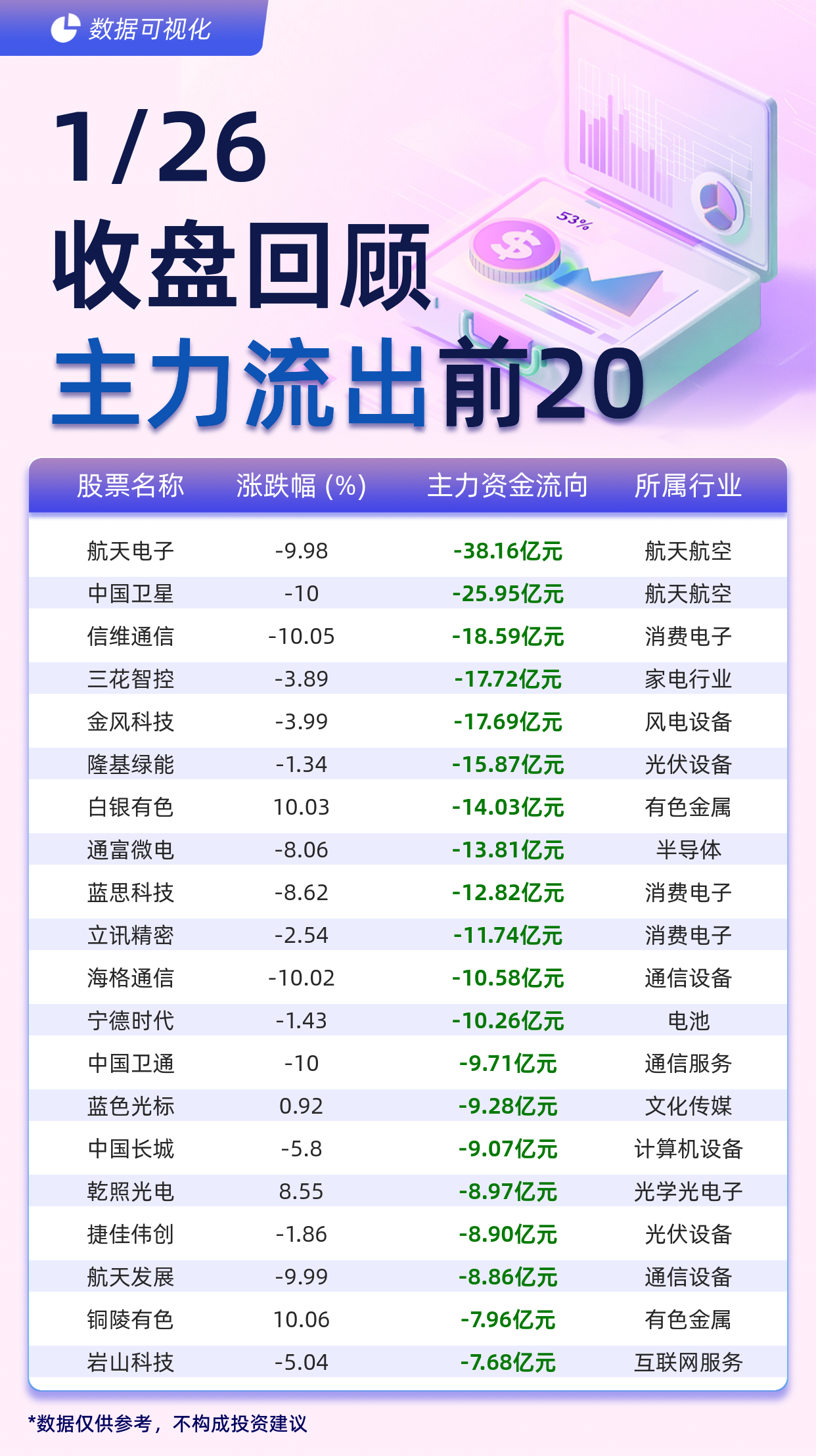
Core Viewpoint - The data indicates significant outflows of main funds from various stocks, particularly in the aerospace and consumer electronics sectors, reflecting a bearish sentiment among investors. Group 1: Stock Performance and Fund Flow - Aerospace stocks, such as Aerospace Electronics and China Satellite, experienced the largest fund outflows, with -38.16 billion and -25.95 billion respectively, and declines of -9.98% and -10% in their stock prices [1][2] - Other notable stocks with significant outflows include Xinwei Communication (-18.59 billion, -10.05%), Sanhua Intelligent Control (-17.72 billion, -3.89%), and Goldwind Technology (-17.69 billion, -3.99%) [1][2] - The outflow from Longi Green Energy was -15.87 billion with a stock price decrease of -1.34%, indicating a relatively smaller decline compared to others in the same sector [1][2] Group 2: Sector Analysis - The consumer electronics sector saw major outflows, particularly from companies like Xinwei Communication and Lens Technology, with outflows of -18.59 billion and -12.82 billion respectively [1][2] - The wind power equipment sector, represented by Goldwind Technology, also faced significant outflows, reflecting potential challenges in the renewable energy market [1][2] - The communication equipment sector, including companies like Haige Communication and China Satellite, showed substantial fund outflows, indicating investor caution in this area [1][3]




A股收评:创业板跌近1%,贵金属、生物疫苗板块逆势爆发
Ge Long Hui· 2026-01-26 07:37
Market Overview - On January 26, A-shares saw a collective decline with the Shanghai Composite Index down 0.09% at 4132 points, the Shenzhen Component down 0.85%, and the ChiNext Index down 0.91% [1][2] - The total market turnover reached 3.28 trillion yuan, an increase of 162.5 billion yuan compared to the previous trading day, with over 3700 stocks declining [1] Sector Performance - The commercial aerospace and satellite internet sectors experienced significant pullbacks, with stocks like China Satellite and Aerospace Development hitting the daily limit down [2][4] - The military industry sector also fell, with stocks such as Chaojie Co. dropping over 10% [2] - Conversely, international gold and silver prices surged to new highs, leading to a rally in precious metals and non-ferrous metals sectors, with stocks like Xiaocheng Technology and Western Gold hitting the daily limit up [2][10] - The outbreak of the Nipah virus in India caused a collective rise in the biopharmaceutical and vaccine sectors [2][14] Notable Stock Movements - In the military equipment sector, Aerospace Hanyu fell over 11%, while China Satellite and Aerospace Technology hit the daily limit down [4] - In the semiconductor equipment sector, stocks like Su Dawei and Wo Ge Optoelectronics saw significant declines, with some stocks dropping over 11% [5][8] - The humanoid robot sector also faced declines, with stocks like Haoshi Machinery and Lixing Co. dropping over 13% [6][9] - The biopharmaceutical sector saw notable gains, with stocks like Hualan Vaccine and Jindike hitting the daily limit up due to the Nipah virus outbreak [14] Investment Insights - The coal sector showed strength, with China Shenhua rising over 4% and other coal stocks following suit [18] - The insurance sector also performed well, with stocks like New China Life and China Pacific Insurance seeing gains [15][16] - The market outlook suggests a focus on sectors with performance verification, particularly in price increase chains, high-end manufacturing, and AI-related industries [19]





A股收盘:创业板指高开低走跌近1%,贵金属板块逆势大涨
Mei Ri Jing Ji Xin Wen· 2026-01-26 07:20
Market Performance - The Shanghai Composite Index experienced a day of sideways trading, closing down 0.09%, while the Shenzhen Component Index and the ChiNext Index fell by 0.85% and 0.91% respectively [1] - Over 3,700 stocks in the Shanghai and Shenzhen markets closed in the red, with total trading volume exceeding 3.28 trillion yuan [1] Sector Movements - The precious metals sector saw significant gains, with stocks like Zhongjin Gold and Western Gold hitting the daily limit [1] - Pharmaceutical stocks collectively strengthened, with companies such as Capstone Bio and Maike Bio also reaching the daily limit [1] - Oil and gas stocks experienced intraday surges, with Zhongman Petroleum hitting the daily limit and China National Offshore Oil Corporation rising over 6% to reach a new high [1] Declines - The commercial aerospace sector faced adjustments, with stocks like China Satellite and China Satcom hitting the daily limit down [1]

黄金股掀涨停潮,商业航天多股跌超8%,金饰价格普遍涨30元
21世纪经济报道· 2026-01-26 04:09
记者|黎雨桐 见习记者林芊蔚 编辑|金珊 1月26日,A股市场早盘冲高回落。截至收盘,沪指涨0.12%,深成指跌0.74%,创业板指跌0.86%。沪深两市半日成交额超2.26万亿, 较上个 | 上证指数 | 深证成指 | 科创综指 | | --- | --- | --- | | 4141.01 | 14332.86 | 1864.01 | | +4.85 +0.12% -106.80 -0.74% -35.77 -1.88% | | | | 万得全A | 创业板指 | 北证50 | | 6857.67 | 3320.81 | 1573.21 | | -35.44 -0.51% -28.70 -0.86% -15.45 -0.97% | | | | 沪深300 | 中证500 | 中证A500 | | 4715.12 | 8522.32 | 5936.21 | | +12.63 +0.27% -67.85 -0.79% +1.10 +0.02% | | | | 中证1000 | 深证100 | 中证红利 | | 8365.64 | 5871.66 | 5654.38 | | -105.10 -1.24% | - ...



半日主力资金丨加仓有色金属、非银金融股 抛售电子股
Di Yi Cai Jing· 2026-01-26 03:52
Group 1 - The main capital inflow in the morning was observed in sectors such as non-ferrous metals, non-bank financials, banking, oil and petrochemicals, coal, and telecommunications [1] - Specific stocks that saw significant net inflows include Zijin Mining, Zhejiang Wenhu Internet, and Dongfang Risheng, with inflows of 2.488 billion, 1.896 billion, and 1.746 billion respectively [1] - Conversely, the sectors that experienced net outflows included electronics, defense and military, automotive, computers, machinery, and electric equipment [1] Group 2 - The stocks that faced the largest net outflows were China Satellite, Aerospace Electronics, and Lens Technology, with outflows of 2.736 billion, 2.521 billion, and 1.434 billion respectively [1]



中国卫星2026年1月26日跌停分析
Xin Lang Cai Jing· 2026-01-26 03:44
Core Viewpoint - China Satellite (SH600118) experienced a limit down on January 26, 2026, with a price of 98.01 yuan, reflecting a decline of 9.96% and a total market capitalization of 115.943 billion yuan [1] Group 1: Company Performance - The company is facing significant operational pressure, with negative operating cash flow continuing, reporting -0.28 yuan per share in Q3, and accounts receivable increasing by 100%, indicating issues with cash collection [2] - Revenue is projected to decline by 25.06% in 2024, with non-recurring net profit expected to drop by 96.67%, and limited profitability anticipated for the first nine months of 2025, highlighting notable performance volatility [2] Group 2: Market Environment - Despite rapid development in the aerospace sector and the introduction of the "Aerospace Technology Group" concept, market focus may be more on short-term performance improvements, leading to investor skepticism regarding future growth [2] - The aerospace concept sector is experiencing fluctuating market trends, with funds potentially shifting towards sectors with more immediate profit opportunities, which could negatively impact China Satellite's stock performance [2] Group 3: Technical and Sentiment Factors - Market sentiment appears weak, with a lack of confidence leading to capital outflows from the company [2] - Technical indicators such as MACD crossovers and BOLL channel breaches may trigger panic selling among investors, contributing to the stock's limit down [2]