KWEICHOW MOUTAI(600519)

Search documents
食品饮料周观点:社零增长提速,关注春糖反馈-20260322
GOLDEN SUN SECURITIES· 2026-03-22 11:35
Investment Rating - The report maintains an "Accumulate" rating for the food and beverage industry [5] Core Insights - The retail sales growth has accelerated, with a focus on feedback from the Spring Sugar Festival. The report suggests that the overall rhythm of the liquor industry is expected to improve on a month-on-month basis, with key recommendations including leading companies like Kweichow Moutai and others focusing on supply clearance [1][2] - The beer sector is witnessing a recovery, with a notable increase in beer production and the launch of new products, indicating a positive trend in consumer demand [3] - The food sector shows a recovery in retail sales, particularly in the restaurant segment, which is expected to drive opportunities in related supply chains [4][7] Summary by Sections Liquor Industry - Jinhuijiu reported a revenue of 2.918 billion yuan for 2025, a year-on-year decrease of 3.4%, while Shide Jiuye reported a revenue of 4.42 billion yuan, down 17.5% year-on-year. The report highlights a significant divergence in performance among liquor companies, with Kweichow Moutai leading the recovery through reforms [2] - Jinhuijiu's product structure upgrade is notable, with high-end products (above 300 yuan) increasing by 25.21% year-on-year, while low-end products (below 100 yuan) decreased by 36.88% [2] Beer and Beverage Sector - In the beer segment, the cumulative production of major enterprises reached 5.797 million kiloliters in January-February 2026, reflecting a year-on-year growth of 6.5%. The launch of the new Yanjing A10 product is expected to enhance market presence [3] - The beverage sector is characterized by intense competition, with companies launching new products to capture market share. Notable new releases include flavored waters and teas targeting specific consumer scenarios [3] Food Sector - Retail sales in the food sector increased by 2.8% year-on-year in January-February 2026, with restaurant income growing by 4.8%. This growth is attributed to the recovery of consumer spending and seasonal factors [4][7] - Wanchen Group reported a record high net profit margin of 5.7% in Q4 2025, indicating strong profitability and market expansion potential [7]





食品饮料2026年春季投资策略:转折之年
GUOTAI HAITONG SECURITIES· 2026-03-22 07:45
Investment Rating - The industry investment rating is "Overweight" [3] Core Views - The report emphasizes that the turning point is approaching, highlighting the importance of price increases. The white liquor sector is nearing the end of its adjustment phase, with a long-term focus on pricing and continued concentration. The consumer goods sector is bottoming out, with increasing differentiation among segments, while condiments, beer, and beverages show strong resilience [3]. Summary by Sections White Liquor - The industry is transitioning from a "U-shaped adjustment" to a "V-shaped adjustment." Compared to the adjustment period from 2013 to 2016, the current cycle has a smaller adjustment in demand and expectations, with a notably extended adjustment period. The previous cycle saw a rapid clearing of the industry, while the current adjustment is expected to accelerate the bottoming process starting from Q3 2025 [4][16]. Beer & Beverages - With the stabilization of dining scenarios and gradual recovery of consumer spending, the beer industry is expected to improve. Structural upgrades, price increases, and efficiency optimization will continue to drive profitability. Historical trends during CPI recovery periods show that the beer sector generally benefits from expanded gross sales margins and improved profitability [5][45]. Consumer Goods - As cost advantages diminish, there is an increasing focus on companies with strong price transmission capabilities in the consumer goods sector. The report anticipates a turning point for condiments, with expected price increases. The dairy sector is also expected to see a rebound in supply-demand cycles, while the snack segment favors companies with new product categories and channel expansion logic [6][14]. Market Dynamics - The report notes that the white liquor industry is still in an adjustment phase, while soft drinks and snacks are less affected by economic cycles and are expected to lead in growth rates. Beer, dairy products, and condiments are showing marginal improvements after undergoing stress tests, with consumer goods outperforming white liquor [14][30]. Structural Changes - The report indicates that the current cycle will accelerate the concentration process in the industry, with leading brands benefiting from their brand and channel advantages. The differentiation among brands is expected to increase, with high-end brands like Moutai and Wuliangye continuing to lead, while competition intensifies in the mid-range and lower segments [30][39]. Valuation and Returns - The overall valuation of the white liquor industry and individual stocks is currently at historically low levels, reflecting pessimistic expectations. The report suggests that the micro-structure of the industry has improved, with a potential for recovery in valuations ahead of fundamental improvements [36][39]. Dividend Trends - There is an increasing awareness of shareholder returns in the white liquor industry, with leading companies likely to enhance shareholder value through dividends. The report notes that several companies have raised their dividend rates, making them attractive to investors [39][40].

行业周报:消费前景乐观展望,多维度布局龙头标的
KAIYUAN SECURITIES· 2026-03-22 07:45
Investment Rating - The industry investment rating is "Positive" (maintained) [1] Core Viewpoints - The food and beverage sector demonstrates strong defensive attributes, with multiple avenues for investment opportunities. The sector's recent performance shows a decline of 0.5% from March 16 to March 20, ranking third among primary sub-industries and outperforming the CSI 300 by approximately 1.7 percentage points. The sub-industries of liquor (+0.3%), other foods (+0.0%), and soft drinks (-0.7%) performed relatively well. The sector's stability is appealing to investors seeking refuge amid geopolitical tensions and a declining market risk appetite. The underlying logic supporting the current investment opportunity is based on consumer recovery, with expectations of improved corporate profitability as PPI continues to rise. Overall liquidity remains favorable, with social financing data for January-February 2026 exceeding market expectations, indicating a potential rebound in private sector loan growth, which will support valuation recovery in the sector [3][10][12]. Summary by Sections Weekly Insights - The food and beverage index experienced a decline of 0.5%, ranking third among 28 primary sub-industries, and outperformed the CSI 300 by about 1.7 percentage points. The liquor sector showed a slight increase of 0.3%, while other foods remained stable, and soft drinks saw a decline of 0.7% [10][12]. Market Performance - The food and beverage sector's performance indicates strong defensive characteristics, with a focus on consumer recovery as a key driver. The sector's valuation is currently at a relatively low level, making it an attractive investment opportunity [10][12]. Investment Strategy - The liquor sector is positioned for medium to long-term investment, with leading companies showing strong performance and reasonable valuations. The strategy includes prioritizing leading liquor companies, focusing on products with strong competitive advantages and cost transfer capabilities, and considering sectors like snacks and beer for short to medium-term investments. The beer sector is expected to benefit from the upcoming 2026 World Cup and potential high-temperature weather due to El Niño, which could drive sales growth [11][12]. Upstream Data - Recent data indicates a decline in some upstream raw material prices, with whole milk powder auction prices down 8.5% year-on-year, and fresh milk prices down 1.9% year-on-year. This trend suggests a continued decrease in domestic milk prices in the short to medium term [14][19]. Liquor Industry News - In January-February 2026, retail sales of tobacco and alcohol increased by 19.1% year-on-year, indicating a significant recovery in the liquor sector. The performance of major brands like Moutai and the expansion of international channels are noteworthy developments [37][38].




家里的猫猫狗狗也能喝上茅台了?
半佛仙人· 2026-03-22 05:21
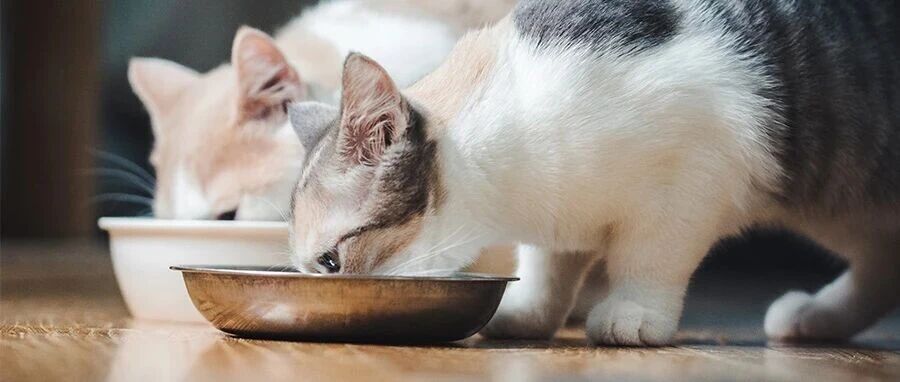
Core Viewpoint - Moutai is venturing into the pet food market by utilizing its byproduct, the spent grains from its liquor production, to create high-quality pet food, particularly for cats and dogs, leveraging the black soldier fly for protein production [4][9]. Group 1: Benefits to Moutai - Moutai's liquor production generates a significant amount of spent grains, approximately 4 tons for every ton of liquor produced, leading to an annual output of around 300,000 tons of spent grains from its 30 production facilities [4]. - The introduction of black soldier flies to consume the spent grains not only reduces waste management costs but also produces high-quality organic fertilizer, creating multiple revenue streams for Moutai [7]. - Moutai's strategy includes potential future applications of spent grains in cosmetics, further diversifying its product offerings and revenue sources [7]. Group 2: Consumer Advantages - The entry of Moutai into the pet food market is expected to enhance product quality, as the company is known for its stringent quality control, which could alleviate concerns over the quality of pet food [9][10]. - Moutai's pet food could potentially offer better nutritional value due to the use of insect protein, which is more sustainable and efficient compared to traditional protein sources [9]. - The brand recognition and marketing power of Moutai could lead to competitive pricing and widespread distribution, making high-quality pet food more accessible to consumers [11]. Group 3: Market Dynamics - The pet food industry is becoming increasingly competitive, with Moutai's entry signaling a shift in market dynamics, as established brands may struggle to compete with Moutai's resources and brand strength [11]. - Moutai's unique positioning allows it to integrate pet food into its existing distribution channels, creating a closed-loop system that enhances overall profitability [11]. - The potential for Moutai to innovate within the pet food sector could set new standards for quality and sustainability, influencing industry practices [11].

食品饮料行业周报20260316-20260320:茅台批价坚挺关注糖酒会反馈-20260321
Shenwan Hongyuan Securities· 2026-03-21 13:41
Investment Rating - The report maintains a positive outlook on the food and beverage sector for 2026, particularly focusing on cyclical opportunities in the liquor and restaurant supply chain [5][9]. Core Insights - The report indicates a recovery in demand for the food and beverage sector, with January-February retail sales in the restaurant sector growing by 4.8% year-on-year, and a notable increase in tobacco and alcohol sales by 19.1% [5][9]. - The white liquor sector is expected to stabilize, with Moutai prices maintaining above 1500 RMB, indicating a potential turning point in the industry cycle [5][10]. - The report highlights a trend towards consolidation in the industry, favoring large companies capable of nationwide distribution and those with regional integration potential [5][9]. - Key recommendations include Moutai, Luzhou Laojiao, Shanxi Fenjiu, and Wuliangye in the liquor sector, and companies like Anjuke Foods, Haitian Flavoring, and Yili in the consumer goods sector [5][12]. Summary by Sections Food and Beverage Sector Overview - The food and beverage sector outperformed the market, with a 0.48% decline compared to a 3.38% drop in the Shanghai Composite Index, ranking third among 31 sub-sectors [8][32]. - The report notes structural improvements in the consumer goods sub-sector, with competition shifting from price to quality, leading to a gradual balance in supply and demand [5][12]. White Liquor Sector - As of March 21, Moutai's bottle price is 1560 RMB, with a slight weekly decrease, while the case price increased by 35 RMB to 1640 RMB, indicating price stability [10][18]. - Moutai's new consignment policy aims to enhance price stability and reduce financial pressure on distributors, transitioning to a model that encourages sales volume growth [10][11]. Consumer Goods Sector - The consumer goods sub-sector is expected to recover, with a focus on supply chain-related products such as condiments and frozen foods, alongside structural opportunities in the dairy sector [12][5]. - The report anticipates a recovery in demand for convenience foods driven by tourism during the Spring Festival, recommending companies like Shuanghui Development and New Dairy [12][5].

食品饮料行业周报:茅台批价坚挺,关注糖酒会反馈-20260321
Shenwan Hongyuan Securities· 2026-03-21 12:40
Investment Rating - The report maintains a positive outlook on the food and beverage sector for 2026, particularly focusing on cyclical opportunities in the liquor and restaurant supply chain [5][10]. Core Insights - The report indicates a recovery in demand for the food and beverage sector, with a 4.8% year-on-year increase in restaurant revenue for January-February 2026, and a notable 19.1% increase in tobacco and alcohol sales [5][10]. - The white liquor sector is expected to stabilize, with Moutai prices maintaining above 1500 RMB, indicating a potential turning point in the industry cycle [5][10]. - The report highlights a trend of consolidation within the industry, favoring large companies capable of nationwide distribution and those with regional integration potential [5][10]. - Key recommendations include Moutai, Luzhou Laojiao, Shanxi Fenjiu, and Wuliangye in the liquor sector, and companies like Anjuke Foods, Haitian Flavoring, and Yili in the consumer goods sector [5][10]. Summary by Sections 1. Weekly Perspective on Food and Beverage - The food and beverage sector outperformed the market, with a 0.48% decline compared to a 3.38% drop in the Shanghai Composite Index, ranking third among 31 sub-sectors [9][36]. - Notable stock performances included *ST Spring with a 27.59% increase and New Dairy with a 4.47% increase [9]. 2. Market Performance of Food and Beverage Sectors - The report notes that the liquor sector outperformed the market by 4.44 percentage points, while other sectors like seasoning and dairy also showed positive performance [36]. 3. Industry Updates - Moutai's pricing strategy includes a new consignment policy aimed at stabilizing prices and reducing financial pressure on distributors, which is expected to enhance overall channel efficiency [11][20]. - The consumer goods sector is experiencing structural improvements, with competition shifting from price to quality, and a gradual balance in supply and demand [5][10]. 4. Valuation Table - The food and beverage sector's dynamic PE is reported at 19.57x, with a premium rate of 16%, indicating a slight increase from previous periods [20].
国信证券晨会纪要-20260320
Guoxin Securities· 2026-03-20 01:04
Group 1: Guizhou Moutai (600519.SH) Analysis - The report highlights that Guizhou Moutai's stock price has decreased by 33% from its peak between 2022 and 2025, with a PE (TTM) decline of 63%, primarily due to reduced demand and limited consumption scenarios [7][11] - The company has historically adapted to market changes through reforms, such as introducing special distributors and developing non-standard products during periods of demand decline, which has helped maintain its leading position in the industry [8] - Guizhou Moutai is focusing on consumer-oriented pricing mechanisms and expanding its product range to include non-standard products, aiming to enhance its market presence and consumer engagement [9][10] Group 2: Growth Potential and Market Strategy - The report estimates that Guizhou Moutai's sales volume is expected to grow at a CAGR of 2-3% over the next 3-5 years, with revenue growth projected at 8-10% CAGR, driven by price increases and the introduction of new product lines [10] - The company plans to enhance its direct sales channels and improve customer service capabilities, drawing parallels with Apple’s retail strategy to increase consumer loyalty and engagement [9] - Guizhou Moutai aims to transition its brand perception from a "relationship credit tool" to a symbol of high-end lifestyle and quality goods, which is expected to support sustainable growth [9] Group 3: Financial Performance and Investment Outlook - The financial forecast for Guizhou Moutai indicates expected revenues of 1812, 1818, and 1845 billion RMB for 2025-2027, with corresponding net profits of 895 billion RMB for each year, reflecting a stable growth trajectory [11] - The report assigns a reasonable market valuation range of 21181-23426 billion RMB, suggesting a potential upside of 15-28% from the current stock price [11] - The emphasis on long-term return on equity (ROE) improvement and operational longevity supports a premium valuation for the company, maintaining an "outperform" rating [11]



贵州茅台(600519):革故鼎新,与时偕行,再论茅台的护城河与增长潜力
Guoxin Securities· 2026-03-19 08:58
Investment Rating - The investment rating for Guizhou Moutai is "Outperform the Market" [7] Core Viewpoints - Guizhou Moutai's valuation has been under pressure due to multiple factors suppressing demand, with a significant decline in stock price and PE ratio from their peaks. The company has historically navigated market challenges through reforms and adaptations [1][27] - The brand's high-end luxury attributes are expected to strengthen, with a projected sales volume of approximately 52,000 tons during the 14th Five-Year Plan period, indicating limited growth potential but a solid foundation for premium pricing [2] - The company is focusing on consumer-centric reforms and market strategies to enhance growth potential, including a pyramid structure for product offerings and a robust online-offline channel strategy [3][4] Summary by Sections Market Performance - Guizhou Moutai's stock price has decreased by 33% from its peak, with a PE ratio decline of 63%. The main reasons include reduced demand and limited consumption scenarios, leading to a maximum price drop of 60% for Feitian Moutai [1][27] - The company has a strong historical ability to adapt to market changes, having successfully implemented market-oriented reforms during previous downturns [1][27] Historical Context - The company has a history of market-oriented reforms that have helped it overcome crises, such as introducing special distributors and developing non-standard products during periods of reduced demand [1][27] Comparison with Luxury Brands - Guizhou Moutai's production quality and brand positioning are compared to that of Hermès, emphasizing the importance of craftsmanship and brand culture in maintaining its luxury status [2] Growth Potential - The company plans to fully transition to a consumer-focused model by 2026, implementing a price formation mechanism and enhancing product offerings to attract younger consumers [3] - The projected CAGR for Moutai's sales volume is estimated at 2-3% over the next 3-5 years, with revenue growth expected at 8-10% [4] Financial Projections - Revenue forecasts for Guizhou Moutai are set at 181.2 billion, 181.8 billion, and 184.5 billion yuan for 2025, 2026, and 2027 respectively, with corresponding net profits of 89.5 billion, 89.5 billion, and 91.4 billion yuan [5][6] - The company maintains a high ROE, projected to be around 35% in the coming years, indicating strong profitability and operational efficiency [37]
融资融券周报:主要指数全部震荡调整,两融余额小幅下降-20260318
BOHAI SECURITIES· 2026-03-18 09:53
- The report does not contain any quantitative models or factors related to financial engineering or quantitative analysis[1][2][4][6] - The content primarily focuses on market data, financing and securities lending balances, industry characteristics, ETF financing, and individual stock performance[9][12][27][41][46] - No quantitative models, factors, or related testing results are discussed in the provided documents[1][2][4][6]




为什么无风险利率不断下行,但茅台的估值却不断走低?
雪球· 2026-03-18 09:13
Core Viewpoint - The valuation of Moutai has shifted fundamentally from a growth stock premium to a focus on stable cash flow and dividends, resulting in a significant drop in its price-to-earnings (P/E) ratio from 73 times to 19 times, aligning it with utility stocks [3][6]. Valuation Shift - Moutai's business model remains strong, with its brand barrier intact, but market expectations have changed drastically, leading to a new valuation anchor based on dividend yield rather than growth potential [4][5]. - The current P/E ratio of 19 places Moutai in the same category as utility stocks like Yangtze Power, with a dividend yield of approximately 3.7%, reflecting a shift in investor focus from growth to stable returns [6][7]. Market Dynamics - The decline in risk-free interest rates has not led to an increase in Moutai's valuation due to a fundamental change in how its value is assessed, with the market now prioritizing dividend certainty over growth [7][8]. - The market's growth expectations for Moutai have plummeted from 15% to around 1%, significantly altering the valuation dynamics and leading to a negative impact on its price [9][10]. Risk Factors - Increased risk premiums due to economic concerns, regulatory changes, and a shift back to consumer goods from investment assets have further pressured Moutai's valuation [10][11]. - The overall market sentiment has shifted, with capital moving away from traditional sectors like liquor towards emerging sectors such as AI and semiconductors, contributing to Moutai's valuation decline [11][12]. Comparative Analysis - In contrast to Moutai, Yangtze Power has successfully transitioned through different valuation phases, benefiting from stable growth expectations and lower risk premiums, which have allowed it to achieve a higher P/E ratio [14][16]. - Moutai's valuation challenges stem from a lack of growth expectations and increased risk premiums, while Yangtze Power has maintained a stable growth outlook, allowing for valuation appreciation [16]. Future Outlook - For Moutai to recover its valuation, it must stabilize its growth expectations above 10%, reduce risk premiums, and see a shift in market preference back towards the food and beverage sector [17].