
CPIC(601601)

Search documents
保险业应更好地为银发经济服务
Jin Rong Shi Bao· 2025-08-08 08:01
Core Viewpoint - The silver economy is recognized as a stable and significant industry, essential for constructing a new economic development framework, driven by the growing elderly population and their evolving consumption needs [1][2]. Policy and Market Development - In January 2024, the State Council issued the first policy document specifically addressing the silver economy, outlining 26 measures to enhance the welfare of the elderly [2]. - The silver economy in China is projected to reach 7 trillion yuan (approximately 1 trillion USD) in 2024, accounting for 6% of GDP [2]. - As of 2023, there are 74,000 elderly service enterprises in China, indicating rapid growth in the sector [2]. Challenges in the Industry - The elderly care industry is still in its early development stage, facing challenges such as insufficient supply of products and services, and a lack of market segmentation to meet diverse needs [3]. - The demand for personalized elderly care services is high, but the industry struggles with standardization, particularly in home care services, which are highly individualized [3]. Innovation and Solutions - Innovation in service delivery is crucial for addressing the challenges in the elderly care system, with a focus on problem-oriented approaches and service-driven supply [4]. - The development of elderly financial services is seen as a key area for promoting high-quality growth in both finance and elderly care sectors [4]. - The number of pilot cities for long-term care insurance has expanded from 15 to 49, with over 180 million participants, highlighting the growing importance of this insurance model [4]. Industry Trends and Future Directions - The insurance industry is increasingly investing in elderly care, with major companies accelerating their involvement in elderly communities and home care services [5]. - The integration of AI and technology in elderly care is anticipated to enhance service delivery and address the needs of the aging population [5].



多元活动绘就保险画卷 爱与责任守护美好生活
Jin Rong Shi Bao· 2025-08-08 08:01
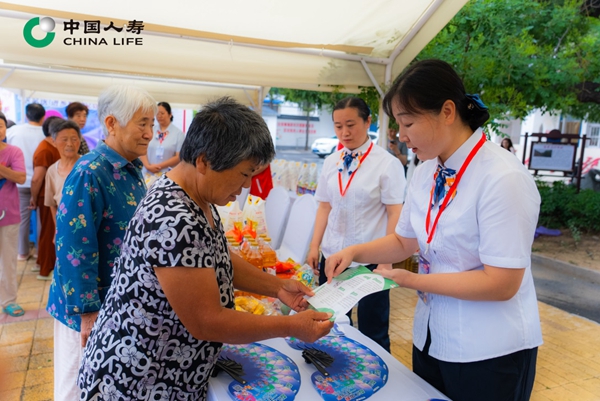
Core Viewpoint - The 13th "7·8 National Insurance Publicity Day" emphasizes the theme "Love and Responsibility: Insurance Makes Life Better," showcasing the insurance industry's commitment to public service and community engagement [1] Group 1: Innovative Promotion Methods - Insurance institutions are adopting new media and cross-industry collaborations to create immersive promotional experiences, enhancing public engagement with insurance concepts [2] - The China Insurance Industry Association launched a series of thematic posters to visually represent the industry's trustworthy and warm image [2] - Various companies, such as China Life and PICC, are conducting diverse consumer rights protection activities and community outreach programs to foster a strong promotional atmosphere [2][3] Group 2: Community Engagement and Service - The "Five Entering" initiative (entering communities, rural areas, schools, enterprises, and business circles) is being actively implemented by insurance companies to provide tailored services to the public [4] - Companies like China Taiping and Ping An are setting up consultation points and volunteer teams to offer financial knowledge and risk reduction services directly to the community [4][5] Group 3: Knowledge Dissemination - A key focus of the publicity day is to simplify insurance knowledge for the public, making it more accessible and relatable [6] - PICC's live broadcasts have attracted over 430,000 likes, highlighting the effectiveness of using digital platforms for knowledge dissemination [6] - Various companies are conducting financial knowledge lectures and community activities to enhance public understanding of insurance [6] Group 4: Risk Reduction Initiatives - Insurance companies are actively engaging in risk reduction services, integrating them into daily operations to demonstrate their social responsibility [7] - For instance, during severe weather events, companies like PICC have mobilized resources for risk assessment and public safety, showcasing their proactive approach [7] - The "7·8 National Insurance Publicity Day" serves as a platform for the insurance industry to illustrate its role in safeguarding lives and promoting community well-being [7]




两家上市险企披露上半年保费收入
Jin Rong Shi Bao· 2025-08-08 08:01
Group 1 - The core viewpoint of the articles highlights the growth in premium income for listed insurance companies in A-shares, specifically China Pacific Insurance and New China Life Insurance, both reporting year-on-year increases in premium income [1][2] - China Pacific Insurance reported a premium income of 282 billion yuan for the first half of the year, representing a 9% year-on-year growth, while New China Life Insurance reported 121.26 billion yuan, marking a 23% increase [1] - In terms of business lines, China Pacific's life insurance segment generated 168 billion yuan in premium income, up 9.7%, while its property insurance segment saw a premium income of 113.99 billion yuan, growing by 0.9% [1] Group 2 - New China Life Insurance emphasized its customer-centric strategy, enhancing branch performance, and improving its product system to drive business and income structure transformation [1] - A report from CITIC Securities noted that New China Life's individual insurance channel showed significant improvement, with monthly performance metrics and premium income per capita both achieving double-digit growth year-on-year [1] - The bancassurance channel for China Pacific Insurance experienced rapid growth, with premium income reaching 37.05 billion yuan, a 74.6% increase, while the agent channel saw a decline of 2.5% in premium income [2] Group 3 - The increase in demand for insurance products, particularly dividend insurance, is attributed to rising household savings and declining bank deposit rates [2] - The implementation of "reporting and operation integration" and the opening of "one-to-many" sales models have contributed to the rapid growth of the bancassurance channel, with a notable reduction in commission rates and enhanced value [2] - In the property insurance sector, China Pacific's motor vehicle insurance premium income was 53.61 billion yuan, up 2.8%, while non-motor vehicle insurance saw a slight decline of 0.8% in premium income [2]

广东保险业为群众筑牢坚实防线
Jin Rong Shi Bao· 2025-08-08 08:01
Core Insights - The insurance industry in Guangdong has rapidly mobilized to respond to Typhoon "Wipha," with significant efforts in disaster prevention and claims processing [1][6][8] Group 1: Insurance Response and Claims Processing - As of July 22, the insurance sector in Guangdong received 8,377 claims related to the typhoon, with estimated losses amounting to 211 million yuan [1] - Agricultural insurance providers have been proactive in disaster recovery, with companies like China Pacific Insurance quickly assessing damages and initiating claims processes, including a prepayment mechanism for affected farmers [2][3] - The rapid claims processing has been highlighted by cases such as a fish farmer receiving compensation of 2,034 yuan within 30 minutes of reporting the damage through an app [4][5] Group 2: Technology and Communication - The insurance industry utilized technology effectively, employing drones and social media to assess damage and communicate risk information to policyholders, reaching 300,000 vehicle owners with safety tips [6][7] - A total of 15.05 million warning messages were sent to the public through various channels, enhancing awareness and preparedness for the typhoon [8] Group 3: Coordination and Support - The Guangdong Financial Regulatory Bureau coordinated with insurance companies to ensure efficient disaster response, including sharing data on flood risk areas with emergency services [7] - Insurance companies assisted in the recovery of over 75,000 acres of rice and provided support for the reinforcement of aquaculture facilities, demonstrating a comprehensive approach to disaster management [7][8]
人身险 预定利率研究值最新发布
Jin Rong Shi Bao· 2025-08-08 08:01
Core Viewpoint - The adjustment of the predetermined interest rate for life insurance products is a response to the newly established dynamic adjustment mechanism, with the current research value set at 1.99% for the second quarter of 2025, indicating a downward trend in interest rates [1][2]. Group 1: Adjustment Mechanism - The dynamic adjustment mechanism for predetermined interest rates was established in January 2023, linking them to market interest rates such as the 5-year LPR and 10-year government bond rates [2]. - The current maximum predetermined interest rates are 2.5% for ordinary life insurance products, 2.0% for participating products, and 1.5% for universal life products [2]. Group 2: Expected Adjustments - Analysts predict a reduction of 25 basis points in the maximum predetermined interest rate, but some expect a more significant adjustment of 50 basis points to 2.0% due to anticipated further declines in the research value [3][4]. - Major insurance companies, including China Life and Ping An Life, have already announced adjustments to their new insurance products' maximum predetermined interest rates in response to the changes [4]. Group 3: Market Response - Several insurance companies have proactively adjusted their product offerings, with some introducing products with a predetermined interest rate of 1.75% ahead of the official announcement [5]. - The market is witnessing a shift towards participating insurance products, which are expected to become a significant focus for insurance companies, with some firms reporting that over 50% of their total life insurance premiums now come from participating products [6][7]. Group 4: Industry Trends - The insurance industry is increasingly embracing participating insurance products as a strategy to manage liability costs and enhance product competitiveness [6]. - Experts emphasize the need for a transition towards floating yield products, which can help stabilize financial performance and market expectations despite the downward pressure on traditional savings-type products [7].

保险业:织密防汛“安全网”
Jin Rong Shi Bao· 2025-08-08 08:01
Core Viewpoint - The insurance industry has rapidly activated emergency response mechanisms in response to the severe rainstorms in northern Beijing, focusing on disaster relief and ensuring the safety of people's lives and property [1][2][3][4]. Group 1: Emergency Response and Support - Insurance companies have established working groups to coordinate disaster relief efforts, ensuring adequate resources and support for affected areas [2][3]. - China Life Property & Casualty Insurance initiated a "pre-warning" mechanism to disseminate weather alerts and safety guidelines to high-risk areas [2][3]. - Ping An Insurance deployed nearly 300 claims personnel and provided essential supplies to approximately 1,000 affected villagers [3][4]. Group 2: Claims Processing and Efficiency - The insurance sector emphasizes rapid claims processing, adopting principles of "paying what should be paid, paying quickly, and reasonable pre-payment" [4][5]. - Taiping Property & Casualty Insurance opened a 24-hour claims hotline and simplified claims procedures to facilitate quick compensation [4][5]. - Multiple insurance companies established temporary claims points in affected areas to provide efficient and warm service to disaster victims [5][6]. Group 3: Risk Monitoring and Coordination - The insurance industry is actively monitoring risks and utilizing technology to oversee critical infrastructure and agricultural areas [6][7]. - Companies are coordinating with various regional branches to streamline claims processes and enhance service efficiency [7][11]. - Ongoing rescue operations are being conducted, with insurance firms committed to implementing tailored disaster response measures [7][11].
暴雨频发 如何为家庭财产筑起安全防线
Jin Rong Shi Bao· 2025-08-08 08:00
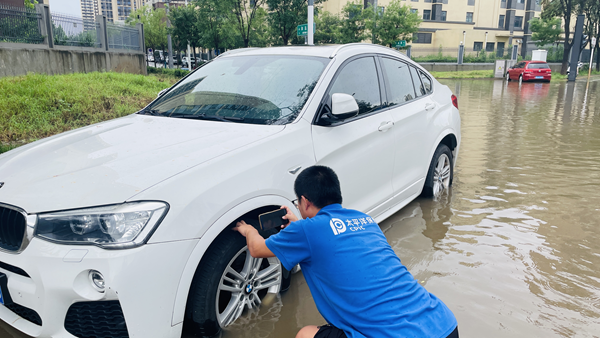
Core Viewpoint - The article discusses the impact of severe rainfall and flooding in Beijing and surrounding areas, highlighting the role of insurance in mitigating losses and facilitating rapid claims processing for affected individuals and businesses [1][2]. Insurance Claims and Response - As of August 1, insurance institutions in Beijing received 4,559 claims related to the heavy rainfall, with estimated losses amounting to 121 million yuan, including 2,666 vehicle insurance claims and 200 agricultural insurance claims [1][2]. - The insurance companies, particularly PICC, mobilized over 200 rescue and assessment vehicles to provide immediate assistance, prioritizing claims for vehicle, agricultural, and housing insurance [3][6]. Claims Processing Efficiency - The insurance companies implemented a "three exemptions and four quicks" service model, which includes exemptions from on-site assessments and meteorological proof, and emphasizes rapid rescue, damage assessment, repair, and compensation [6][10]. - The claims process for agricultural insurance was expedited, with a "first pay, then document supplement" mechanism in place for major disaster claims, allowing for quick compensation [10][11]. Types of Insurance and Coverage - Vehicle damage due to flooding is categorized into different scenarios, with specific handling methods based on water height and damage extent. The coverage includes both traditional fuel vehicles and electric vehicles without significant differences in claims processing [5][7]. - Agricultural insurance covers various types of crops and facilities, providing compensation for losses due to flooding and other natural disasters, with a focus on expediting claims for affected farmers [9][10]. Recommendations for Policyholders - Policyholders are advised to pay attention to insurance terms, including coverage scope, exclusions, compensation limits, and claims processes to ensure smooth claims in future disasters [11]. - The importance of timely reporting of claims within 48 hours is emphasized, along with the necessity of providing relevant documentation for claims related to lost vehicles [7][11].
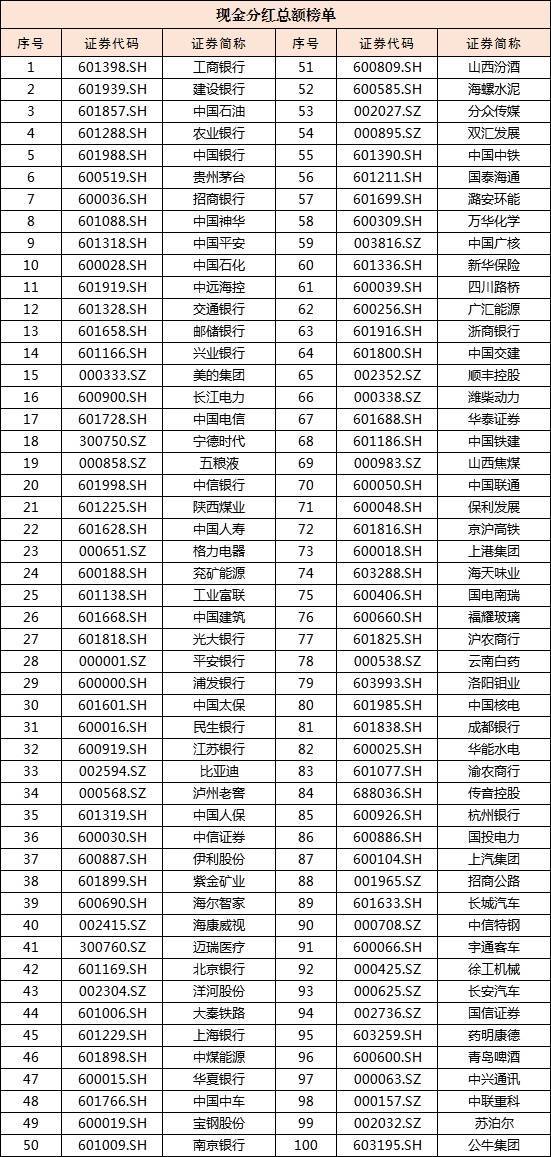
总额为2.4万亿元!中上协发布2025年上市公司现金分红榜单
Sou Hu Cai Jing· 2025-08-08 07:51
| 30 | 601601.SH | 中国太保 | 80 | 601985.SH | 中国核电 | | --- | --- | --- | --- | --- | --- | | 31 | HS'910009 | 民生银行 | 81 | 601838.5H | 成都银行 | | 32 | 45'616009 | 江苏银行 | 82 | 600025.SH | 华能水电 | | 33 | 002594.SZ | 比亚迪 | 83 | 601077.SH | 渝农商行 | | 34 | 000568.SZ | 湖北之以 | 84 | 688036.SH | 传言控股 | | 32 | 601319.5H | 中国人保 | 85 | 600926.SH | 杭州银行 | | 36 | 600030.SH | 中信证券 | 86 | 600886.SH | 国投电力 | | 37 | 600887.SH | 伊利股份 | 87 | 600104.SH | 上汽集团 | | 38 | 601899.SH | 三分彩彩 | 88 | 25'596T00 | 招商公路 | | 39 | HS'069009 | 海尔智家 | ...




保险业加力支持绿色发展
Jing Ji Ri Bao· 2025-08-08 07:27
Core Viewpoint - Green insurance is a crucial component of green finance, aimed at supporting the comprehensive green transformation of the economy and society through loss compensation, risk reduction, and capital guidance [1] Group 1: Policy and Development Goals - The recent implementation plan by the National Financial Regulatory Administration and the People's Bank of China outlines that insurance companies should develop targeted risk protection schemes and improve the green insurance system to enhance the quality and efficiency of green insurance business [1] - The green finance development goals for the next five years include establishing a comprehensive green finance system with strong regulations, leading standards, and a rich variety of products, significantly enhancing the professional service capabilities of banking and insurance institutions in green finance [1] Group 2: Industry Innovations and Products - The insurance industry has actively provided green insurance risk protection by focusing on key sectors and industries, developing innovative green insurance products tailored to the risk characteristics and protection needs of the new energy storage industry [2] - New green insurance products have been innovated, including forestry carbon sink index insurance and carbon trading loss insurance, with the first carbon asset loss insurance launched in Shanghai, providing risk protection for carbon asset holders [3] Group 3: Investment and Growth - The insurance industry is exploring various forms to expand investments in green projects, with significant investments made in energy infrastructure and renewable energy projects, contributing to the green and low-carbon transformation of the energy industry [3] - In 2024, China Pacific Insurance is expected to see a 27.4% year-on-year increase in green premiums and a 16.9% increase in green investments, reflecting a strong commitment to sustainable development [3] Group 4: Challenges and Recommendations - Despite the progress in supporting low-carbon transformation and green development, the insurance industry faces challenges such as weak innovation foundations and high pricing and risk control difficulties, necessitating further optimization of incentive policies and information sharing mechanisms [4]
国寿、人保、平安等险资入场黄金市场 黄金询价、黄金竞价等首单交易已落地
Mei Ri Jing Ji Xin Wen· 2025-08-08 07:26
Core Viewpoint - The entry of insurance funds into the gold market marks a significant shift in asset allocation strategies for insurance companies in China, enhancing potential returns and contributing to the development of the RMB gold market [1][2][3]. Group 1: Insurance Companies' Involvement - Major insurance companies such as China Life, PICC, and Ping An Life have completed transactions on the Shanghai Gold Exchange, officially initiating their gold investment activities [1][2]. - The approval of 10 insurance companies, including PICC, to invest in gold contracts signifies a broader diversification of asset allocation within the insurance sector [2][4]. Group 2: Benefits of Gold Investment - Gold is recognized as a hedge against inflation and market volatility, providing a stable source of returns that can diversify risks within insurance investment portfolios [3][4]. - The participation of insurance funds in the gold market is expected to enhance the stability and pricing mechanisms of the RMB gold market, contributing positively to the Shanghai International Financial Center [3][4]. Group 3: Market Impact and Future Outlook - The potential influx of approximately 200 billion RMB into the gold market from insurance companies could alleviate the long-standing asset shortage and interest margin pressures faced by these firms [4]. - Insurance companies are committed to a long-term investment strategy in gold, focusing on optimizing their asset allocation and improving risk-return profiles [5][6].