
BANK OF CHINA(601988)

Search documents
山西省政府与中国银行举行工作会谈
Zheng Quan Shi Bao Wang· 2026-01-15 11:37
Core Viewpoint - The meeting between Shanxi provincial leaders and the chairman of Bank of China emphasizes the importance of enhancing financial services to support the province's economic transformation and modernization efforts [1] Group 1: Government and Bank Collaboration - Shanxi provincial leaders expressed the desire to strengthen planning and work coordination with Bank of China, focusing on areas such as transformation finance, green finance, technology finance, industrial funds, and cross-border finance [1] - The collaboration aims to deepen government-bank-enterprise synergy to improve financial services for the real economy, achieving mutual benefits and development [1] Group 2: Bank's Commitment - Bank of China highlighted its solid foundation of cooperation with Shanxi and its intention to leverage comprehensive financial advantages to meet the province's development needs [1] - The bank plans to increase credit investment and innovate financial products and service models to provide stronger financial support for Shanxi's high-quality development and modernization [1]

从两个月到两周,中行上海市分行跑出QFI制度优化“加速度”
Zhong Guo Jin Rong Xin Xi Wang· 2026-01-15 09:12
近日,在相关监管部门和中国银行总行的指导下,中行上海市分行深入贯彻《合格境外投资者制度优化 工作方案》(以下简称《方案》)工作举措,以落实"高效办成一件事"为目标,仅用时15天,为某香港 头部金属贸易商完成合格境外投资者(Qualified Foreign Investors,以下简称"QFI")资质申请、外管登 记到账户开立、投资启用等全流程环节。从过去需要约两个月时长到如今短短两周,彰显了中行在跨境 领域的政策执行力和业务专业度。 近年来,中行上海市分行坚决落实国家高水平对外开放战略,以金融力量积极服务外资来华展业、兴 业。自2022年商品期货、期权可投品种开放以来,该行协助多家全球大宗商品贸易商取得QFI资格,并 顺利开展对华投资,不断拓展期货、期权市场加速扩容,服务实体企业稳健经营;积极支持上海国际金 融中心建设,借助中国银行集团全球化竞争优势,为全球知名资管机构的公募基金、合格境内有限合伙 人、合格境外有限合伙人等提供涵盖代销、托管、基金服务、外汇交易等在内的一揽子综合金融服务, 进一步擦亮"投资中国"金字招牌。 未来,中行上海市分行将持续深度融入上海国际金融中心建设,以更专业的综合服务方案、更高效 ...
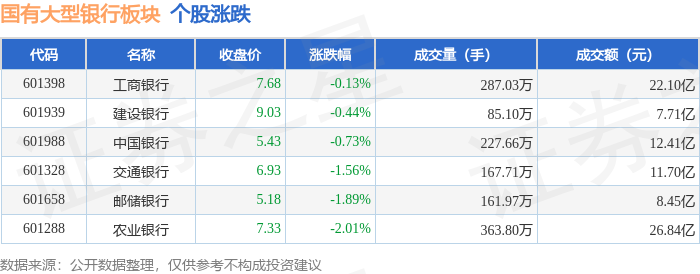
国有大型银行板块1月15日跌1.11%,农业银行领跌,主力资金净流出1.59亿元
Zheng Xing Xing Ye Ri Bao· 2026-01-15 08:59
Group 1 - The core viewpoint of the news is that the state-owned large bank sector experienced a decline of 1.11% on January 15, with Agricultural Bank leading the drop [1] - The Shanghai Composite Index closed at 4112.6, down 0.33%, while the Shenzhen Component Index rose by 0.41% to 14306.73 [1] - The trading performance of individual state-owned banks showed varying results, with Agricultural Bank falling by 2.01% to a closing price of 7.33 [1] Group 2 - The net outflow of main funds from the state-owned large bank sector was 159 million yuan, while retail investors saw a net inflow of 242 million yuan [1] - The detailed fund flow data indicated that Industrial and Commercial Bank had a main fund net inflow of 346 million yuan, while Agricultural Bank had a significant main fund net outflow of 462 million yuan [2] - The retail investor net inflow for Agricultural Bank was 302 million yuan, indicating strong retail interest despite the overall sector decline [2]




八家银行率先落地Visa支持Apple Pay绑卡,加码跨境支付场景布局
Bei Jing Shang Bao· 2026-01-15 08:14
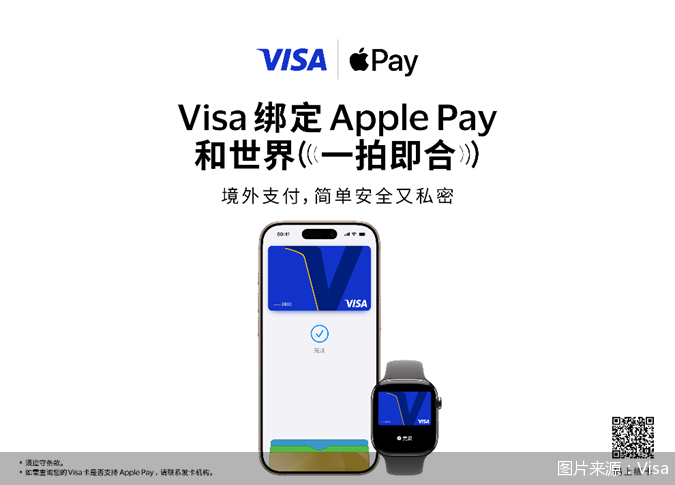
Core Insights - Visa and Apple Pay have launched a collaboration to allow Chinese cardholders to link their Visa cards to Apple Pay for seamless cross-border payments, enhancing the efficiency and experience of international transactions [1][3][6] Group 1: Collaboration Details - The partnership enables Chinese cardholders to use Apple Pay for payments at overseas merchants, mobile apps, and online platforms, facilitating contactless transactions [3][4] - The initial participating banks include Industrial and Commercial Bank of China, Bank of China, Agricultural Bank of China, and others, with more banks expected to join in the future [4][6] Group 2: Consumer Benefits - The integration of Visa and Apple Pay allows for a streamlined payment process, reducing the need for repeated entry of card information, thus enhancing user convenience [5][6] - Apple Pay's standardized interface is designed to lower the usage threshold for consumers, making it easier to conduct transactions abroad [5][6] Group 3: Security Features - The collaboration incorporates advanced security measures, such as the use of a unique device account number generated by Visa's tokenization technology, which helps mitigate fraud risks [6][7] - Sensitive payment information is not stored on devices or Apple servers, ensuring a higher level of security for users [6][7] Group 4: Bank Strategy - This partnership represents a strategic move for banks to deepen their cross-border financial services and enhance customer engagement by embedding their card products into global mobile payment scenarios [6] - Banks are also launching promotional activities to encourage users to link their Visa cards to Apple Pay, enhancing the overall value proposition for consumers [5][6]


谁是真正的行业巨擘? A股规模实力百强榜出炉|上市公司观察
Sou Hu Cai Jing· 2026-01-15 07:43
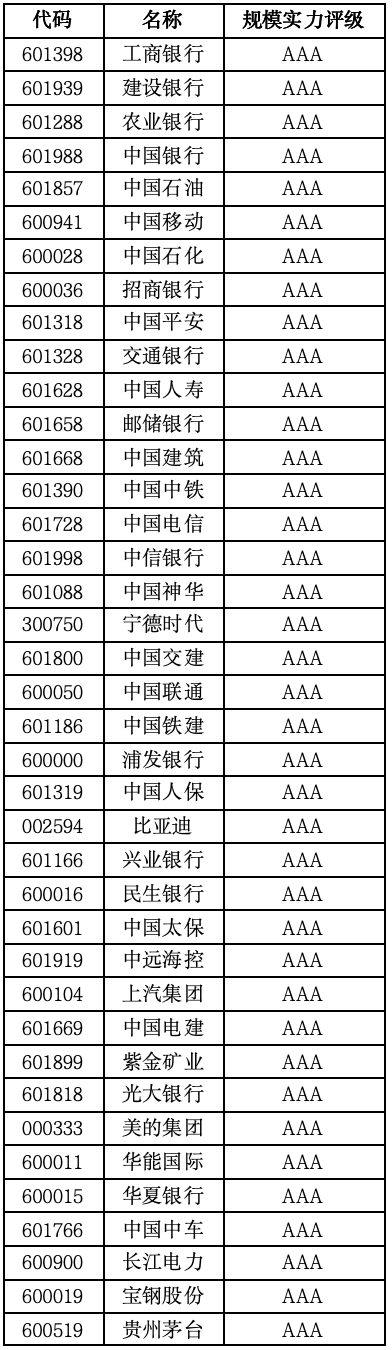
当竞争从"单点突破"转向"体系对抗",规模,就成为企业构筑护城河的基石。 基于济安金信最新发布的上市公司竞争力评级数据,我们整理出"A股规模实力"维度排名前100的公司 名单。这些企业不仅体量庞大,更在市场占有率、品牌知名度、供应链掌控力、资本运作能力等方面做 到行业领先。 如果说资产质量决定企业的内在价值,那么规模实力就决定了它在市场上的"话语权"。 在资本市场,规模可以靠并购快速做大,营收可以靠扩张短期拉高,但真正的规模实力,是经年累月积 累的市场份额、品牌影响力、产业链控制力与资本号召力的总和。 一场行业整合,最先胜出的是拥有庞大客户基础和渠道网络的巨头;一次技术革命,最能推动变革的是 具备雄厚研发资金和人才储备的庞然大物。 本期榜单,带你看清谁是真正的"行业巨擘"。 济安金信的"规模实力"评估,并非仅看总市值或营业收入,而是重点考察: - 总资产规模:衡量企业"盘子"有多大 - 营业收入规模:反映市场覆盖能力与销售能力 - 员工人数与分支机构数量:体现组织辐射力 - 行业龙头地位:是否为细分领域第一或前三 - 资本市场影响力:是否为指数成分股、机构持仓核心 更重要的是,所有评分均在同行业内横向比较,避 ...

2025中国企业ESG“金责奖”责任投资最佳银行奖揭晓
Xin Lang Cai Jing· 2026-01-15 07:37
Core Viewpoint - The 2025 China Enterprise ESG "Golden Responsibility Award" aims to recognize companies that have made significant contributions to ESG (Environmental, Social, and Governance) practices, with over 5,000 enterprises participating in the evaluation process [1][4]. Group 1: ESG Award Overview - The award was launched in November 2025 by Sina Finance ESG Rating Center, focusing on promoting sustainable development and responsible investment [1][4]. - The evaluation process included comprehensive performance assessments, professional scoring, and online voting, culminating in the announcement of the award winners after three months of competition [1][4]. Group 2: Award Winners - The "Best Responsible Investment Bank" award was given to six banks: Agricultural Bank of China, Industrial and Commercial Bank of China, China Construction Bank, China Merchants Bank, Industrial Bank, and Bank of China [2][5]. - The award committee expressed hopes that these leading enterprises will inspire others to enhance their ESG capabilities and contribute to high-quality development in China [2][5]. Group 3: ESG Rating Center Introduction - The Sina Finance ESG Rating Center is the first Chinese platform dedicated to ESG information and ratings, promoting sustainable development and responsible investment [3][6]. - The center aims to establish ESG evaluation standards suitable for China's characteristics and enhance corporate ratings through collaboration with leading ESG enterprises [3][6].


银行大额存单利率新低,部分跌破1%
Jin Rong Shi Bao· 2026-01-15 07:19
Core Insights - The deposit market is undergoing significant changes in 2026, with large-denomination certificates of deposit (CDs) seeing a decline in interest rates, with some small and medium-sized banks offering 3-month products below 1%, marking a historic low [1][2] - This shift is altering depositors' perceptions of "high-interest deposits" and is prompting a restructuring of asset allocation in the financial market [1] Summary by Category Interest Rate Trends - The interest rates for short-term large-denomination CDs have dropped below 1% for the first time, with most banks focusing on products with a maturity of one year or less, while the issuance of three-year products has significantly decreased [1] - The average interest rate for three-year products is now generally below 2%, and one-year rates are often less than 1.5%, with rates for products under one year falling below 1% [1] Market Dynamics - Small and medium-sized banks, which previously had an advantage over state-owned banks in terms of interest rates, are not showing expected competitive rates in new products, with some offering rates as low as 0.95% for 3-month CDs [2] - The downward trend in deposit rates is expected to continue, indicating a shift away from the era of "easy earnings" from savings [2] Regulatory and Competitive Landscape - The decline in interest rates is attributed to multiple factors, including sustained pressure on banks' net interest margins, leading them to lower long-term product rates [2] - Regulatory efforts to curb irrational deposit competition have also played a role in suppressing high-interest deposit offerings [2] Future Outlook - Experts predict that the interest rates for large-denomination CDs will continue to decline, particularly for short-term products, which may approach zero [4] - Investors are advised to diversify their asset allocations, with recommendations for stable investments like fixed-term deposits and government bonds, while those with higher risk tolerance may consider "fixed income plus" products and equity investments [4][5]
高效办成一件事,中行上海市分行持续助力合格境外投资者制度优化工作
Di Yi Cai Jing· 2026-01-15 06:01
Group 1 - The core viewpoint of the news is the significant improvement in the processing time for Qualified Foreign Investor (QFI) applications by the Bank of China Shanghai Branch, reducing it from approximately two months to just 15 days, showcasing the bank's execution capability and professionalism in cross-border operations [1][2] Group 2 - The "Optimization Work Plan for Qualified Foreign Investors" includes specific measures to enhance access management, facilitate investment operations, and strengthen service support [2] - The Bank of China Shanghai Branch has proactively identified global client needs and implemented the favorable measures from the plan, exemplified by their rapid response to a Hong Kong metal trader's interest in QFI channel investments [2] - A specialized service mechanism was established, involving a cross-departmental team to optimize the QFI process by reducing steps, materials, time, and movement, thereby enhancing financial service quality [2][3] Group 3 - Since the opening of commodity futures and options for investment in 2022, the Bank of China Shanghai Branch has assisted multiple global commodity traders in obtaining QFI qualifications and successfully engaging in investments in China [3] - The bank supports the construction of the Shanghai International Financial Center by leveraging its global competitive advantages to provide comprehensive financial services to well-known asset management institutions [3] - The Bank of China Shanghai Branch aims to continue enhancing its cross-border financial services and contribute to building a strong financial nation by creating a "golden bridge" for global investors to invest in China [3]
Apple Pay支持绑定Visa卡!有银行“即办即绑即用”
2 1 Shi Ji Jing Ji Bao Dao· 2026-01-15 05:50
Core Insights - Apple and Visa announced support for Visa cards issued in mainland China to be linked to Apple Pay, enhancing mobile payment options for users [1] - The initiative aims to address the mobile payment needs of existing cardholders, particularly for cross-border transactions and frequent travelers [2] Group 1: Market Context - The current mobile payment landscape in China is dominated by QR code payments, with lower acceptance of "tap-to-pay" methods like Apple Pay [3] - Visa reported that 79% of global offline transactions come from "tap-to-pay" solutions, indicating a significant gap in domestic adoption compared to international markets [2] Group 2: User Experience and Security - When a credit card is linked to Apple Pay, the actual card number is not stored on the device or Apple's servers, enhancing security through tokenization [3] - The system generates a unique device account number that is encrypted and stored securely, ensuring safe transactions for users [3] Group 3: Operational Details - Users can add their Visa cards to Apple Pay via the Wallet app or directly through their bank's app, enabling immediate use on compatible devices [4] - Some banks, like China Merchants Bank, are innovating with an "instant activation" process, allowing users to apply for and use Visa cards without waiting for physical cards [4] Group 4: Future Outlook - The support for Visa card linking is expected to attract new user groups and increase usage scenarios for Apple Pay, contingent on the growth of Apple's user base and outbound consumption demand [5] - Future integration of more international payment networks is anticipated, with existing technological infrastructure supporting such developments, although regulatory compliance remains a key challenge [5]

中国银行Visa信用卡正式支持Apple Pay,跨境支付更安全更便捷!
Jin Rong Jie Zi Xun· 2026-01-15 04:16
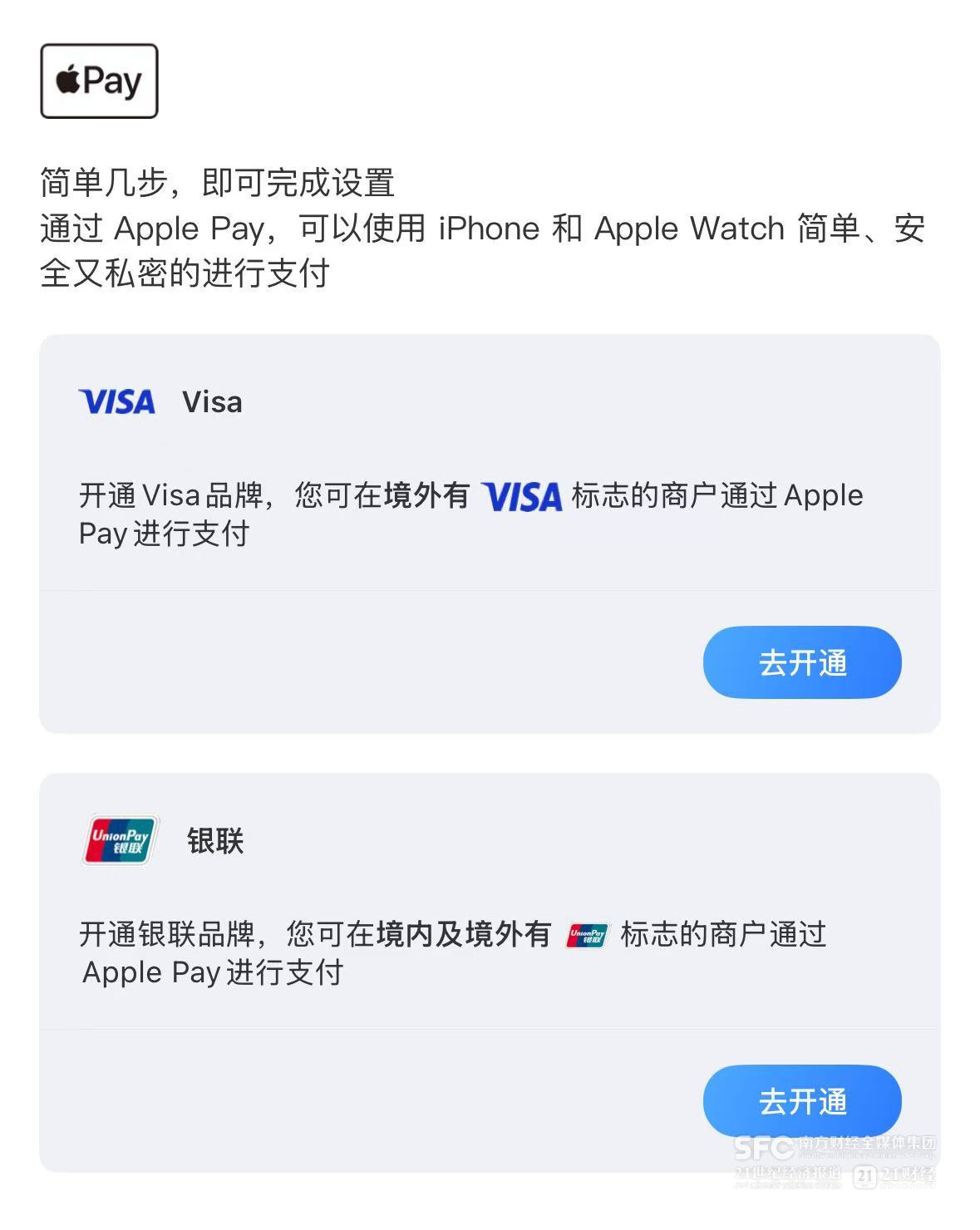
Core Viewpoint - Starting from January 15, China Bank Visa credit card holders can use Apple Pay for convenient payments at overseas merchants, mobile apps, and online websites, marking a significant step in expanding digital payment ecosystems and cross-border financial services [1] Group 1: Payment Features - In-store payments can be completed by double-clicking the side button on an iPhone or Apple Watch, allowing for contactless transactions with a unique dynamic security code generated for each transaction [2] - Online payments on iPhone and iPad using Apple Pay eliminate the need to repeatedly enter card numbers and addresses, streamlining the checkout process [2] Group 2: Security and Privacy - Apple Pay prioritizes security and privacy, with actual card numbers not stored on devices or Apple servers. Instead, a unique Device Account Number is generated and securely stored in the device's Secure Element [3] Group 3: Card Setup and Integration - Users can easily add their China Bank Visa credit card to Apple Wallet by opening the iPhone Wallet app and following prompts, or directly through the China Bank app [4] Group 4: Promotional Offers - From January 15 to March 31, 2026, users who successfully bind Apple Pay and meet conditions for overseas spending may receive a cashback of 100% on the transaction amount, applicable to travel, study abroad, and daily cross-border consumption [5] - Additional benefits such as first-time binding offers and transportation scene discounts can be accessed through the Visa "V享臻选" WeChat mini-program [6]