
ECOVACS(603486)

Search documents
科沃斯(603486) - 关于变更办公地址、联系电话及传真的公告
2026-01-11 12:30
一、本次变更事项 | 变更事项 | 变更前 | | 变更后 | | --- | --- | --- | --- | | 办公地址 | 苏州市吴中区友翔路 | 18 号 | 苏州市吴中区郭巷街道吴淞江产业园 淞苇路 518 号 | | 邮编 | 215104 | | 215124 | | 联系电话 | 0512-65875866 | | 0512-83880000-2 | | 传真号码 | 0512-65982064 | | 0512-83880001 | 除上述变更外,公司邮箱、公司网址均保持不变。 | 证券代码:603486 | 证券简称:科沃斯 | 公告编号:2026-005 | | --- | --- | --- | | 转债代码:113633 | 转债简称:科沃转债 | | 科沃斯机器人股份有限公司 关于变更办公地址、联系电话及传真的公告 本公司董事会及全体董事保证本公告内容不存在任何虚假记载、误导性陈述 或者重大遗漏,并对其内容的真实性、准确性和完整性承担法律责任。 科沃斯机器人股份有限公司(以下简称"公司")因经营发展需要于近日搬迁 至新办公地址。公司办公地址、邮编、投资者联系电话和传真号码发生变 ...

家电周报:石头科技等CES展“秀肌肉”,开能完成原能部分子公司股权收购-20260111
Shenwan Hongyuan Securities· 2026-01-11 11:14
Investment Rating - The report maintains a positive outlook on the home appliance sector, highlighting the potential for growth in leading companies due to their low valuations, high dividends, and stable growth attributes [6]. Core Insights - The home appliance sector has shown mixed performance, with air conditioning sales declining significantly while washing machine exports continue to grow. The report emphasizes the resilience of leading brands in navigating market challenges and capitalizing on emerging opportunities [5][6]. - The report identifies three main investment themes: the undervaluation and growth potential of leading white and black appliance companies, the technological advancements in core component manufacturers, and the strong demand for small appliances in international markets [6]. Summary by Sections Air Conditioning - In November 2025, the air conditioning industry produced 10.577 million units, a year-on-year decrease of 36.7%. Total sales reached 10.492 million units, down 31.8%, with domestic sales falling by 39.8% and exports declining by 25.6%. Midea led the market with a 36.2% share, followed by Gree at 19.5% [2][41]. Refrigerators - The refrigerator sector saw a slight overall decline, with production at 8.257 million units, down 3.9% year-on-year. Sales totaled 8.0531 million units, a decrease of 2.99%. Domestic sales dropped by 15.59%, while exports increased by 10.04% [2][43]. Washing Machines - The washing machine industry experienced growth, with production reaching 8.605 million units, up 8.2% year-on-year. Sales were 8.4619 million units, an increase of 7.61%. Domestic sales fell by 5.47%, but exports surged by 23.31% [3][47]. Industry Dynamics - Notable developments include the CES debut of the G-Rover robot vacuum by Stone Technology, showcasing innovative cleaning technology, and the acquisition of subsidiaries by Kaineng Health, indicating strategic expansion efforts [5][12][13]. Component Data - In November 2025, the sales of rotary compressors decreased by 13.6%, while the sales of refrigerator compressors increased by 7.2%. The report highlights the contrasting performance of different components within the appliance sector [23][32].


家用电器行业周度跟踪:消费机器人向具身智能迈进,供应链国产替代下降本可期-20260111
Western Securities· 2026-01-11 10:52
Investment Rating - The industry investment rating is "Overweight" [5][9] Core Insights - The report highlights Midea's acquisition of Carestream Health's global business, which is expected to create synergies with Midea's existing medical business in terms of channels and equipment resources [5][6] - The consumer robotics sector is advancing towards embodied intelligence, with a notable decline in domestic supply chain substitution expected [2][4] - The report emphasizes the performance of major brands in the vacuum cleaner market, noting a significant sales decline for some brands while others, like Roborock, have shown growth [2][3] Summary by Sections White Goods - Midea's acquisition of Carestream Medical's global business is expected to enhance its existing medical operations through effective resource synergy [5][6] Consumer Robotics - December sales data shows a year-on-year decline of 29% for the overall market, with leading brands like Ecovacs and Roborock experiencing varying sales changes [2] - New product launches at CES include Roborock's G-Rover, which is the world's first stair-climbing vacuum robot, and Ecovacs' T90 pro omni, which features upgraded roller lengths and new pre-spray functions [3] Laser Technology in Robotics - Hesai Technology announced that it will lead the market in 3D LiDAR shipments for lawn mowing robots by 2025, showcasing its new models at CES 2026 [4] - The integration of digital all-solid-state LiDAR in new lawn mowing robots was highlighted by Ninebot and other companies [4] Investment Recommendations - The report recommends focusing on white goods, particularly Haier, Midea, and Gree, due to their strong market positions and potential benefits from the current economic environment [7] - It also suggests selecting consumer technology stocks like Ecovacs and others, while keeping an eye on companies like TCL Electronics for overseas growth opportunities [7]



CES 2026观察:“物理AI时刻”要靠中国制造落地
Jing Ji Guan Cha Wang· 2026-01-10 11:01
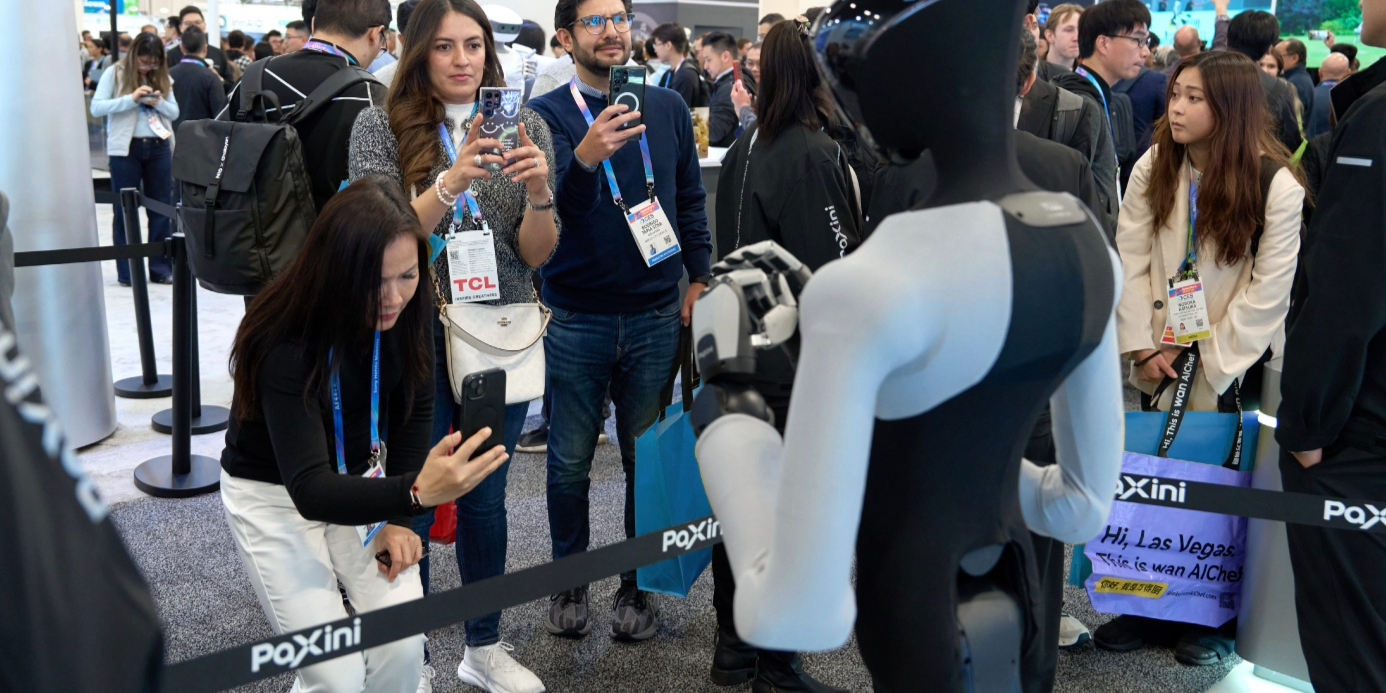
Group 1: Physical AI and Computing Power - The core theme of CES 2026 is the emergence of "Physical AI," where AI technology is transitioning from generating text or video to interacting with physical hardware [4][10] - AMD's chairwoman, Lisa Su, highlighted the increasing demand for computing power, predicting a 100-fold increase in global computing capacity over the next five years [3][4] - The presence of over 200 Chinese companies at CES indicates a strong support for the "Physical AI moment," showcasing various AI applications in physical products [4][23] Group 2: Robotics Innovations - The robotics sector at CES has shifted focus from mere physical movement to specific job functions and operational scenarios, with Chinese companies leading this evolution [5][9] - Companies like Pasoni and Fourier Intelligence showcased advanced robots capable of performing intricate tasks, such as ice cream making and automotive part sorting, demonstrating significant advancements in robotic dexterity [5][6] - The global sales of robots are projected to reach approximately $45 billion by 2026, with expectations to exceed $60 billion by 2030, driven by rising labor costs and efficiency in Chinese manufacturing [8][9] Group 3: Smart Glasses and AR Technology - Chinese companies are aggressively entering the AR/AI glasses market, aiming to redefine the concept of a "second screen" beyond smartphones [11][12] - Innovations include the launch of the world's first dual-lens AR glasses with eSIM functionality by Thunderbird Innovation, allowing users to make calls and connect to the internet without a smartphone [12][13] - The global market for smart glasses is expected to see significant growth, with sales projected to reach around $10.7 billion by 2026, reflecting an over 80% year-on-year increase [18][23] Group 4: Display and Chip Technology - Companies like Tianma Microelectronics and TCL Huaxing are pushing the boundaries of display technology, with innovations such as large-scale OLED screens and advanced automotive displays [19][20] - Lenovo and NVIDIA announced a partnership to enhance AI infrastructure, aiming to quadruple their business collaboration over the next few years [22] - The trend in AI chip development is moving towards high computing power, low energy consumption, and integration, with significant growth expected in AI terminal sales by 2028 [22][23]




供应链与技术创新双赋能!中国智能家电加速出海 全球市场份额持续攀升
Yang Shi Wang· 2026-01-10 07:59
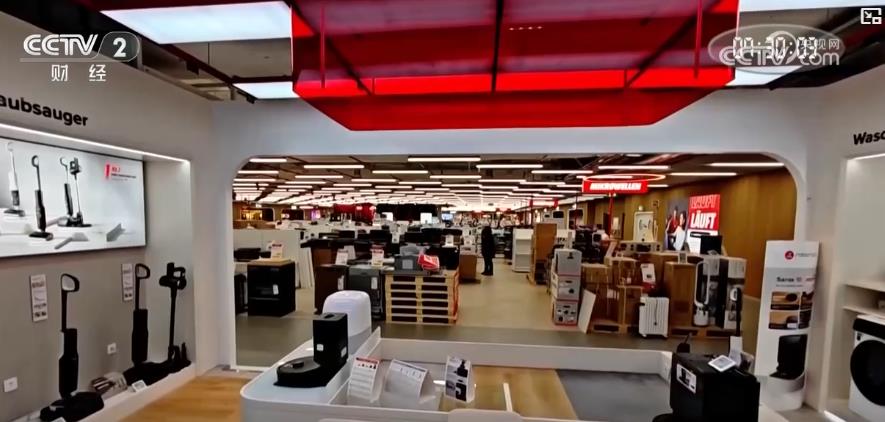
Core Insights - Chinese robotic vacuum cleaners are becoming a popular choice among global consumers, both at technology exhibitions and in retail markets across Europe and Southeast Asia [1] Market Presence - In Germany, Chinese brands like Roborock and Dreame occupy prominent positions in the robotic vacuum cleaner section, with prices ranging from €200 to €2000, and many consumers prioritize these products when shopping for smart home devices [3] - Germany is one of the most important overseas markets for Chinese robotic vacuum cleaners, with GfK data indicating that over 60% of robotic vacuums sold in Western Europe are from China [5] Market Growth - In Southeast Asia, the market share of Chinese robotic vacuum cleaners has significantly increased from 38.8% in 2024 to 64.1% in 2025, marking it as a rapidly growing emerging market [5] - In Ho Chi Minh City, Vietnam, numerous small appliance stores showcase cutting-edge Chinese brand robotic vacuums, with the Ecovacs brand having dozens of dedicated stores and hundreds of sales points [5] Global Shipment Data - According to IDC, the total global shipment of smart robotic vacuums reached 17.424 million units in the first three quarters of 2025, representing a year-on-year growth of 18.7% [7] - Chinese brands such as Roborock, Ecovacs, Dreame, Xiaomi, and Yunji dominate the global market, collectively accounting for nearly 70% of the total shipment volume [7] Competitive Advantage - The strong performance of Chinese brands is attributed to their robust supply chain advantages and superior innovation capabilities in robotic vacuum technology, allowing them to lead overseas markets by one to two generations in terms of technological advancements [7]

中国扫地机器人扫全球!中国扫地机器人占全球份额近70%
Ge Long Hui· 2026-01-10 04:56
Core Viewpoint - The 2026 Consumer Electronics Show in Las Vegas showcased the latest technologies in smart home cleaning devices, particularly highlighting the advancements in AI-integrated robotic vacuum cleaners from Chinese companies [1] Industry Summary - The event featured multiple new robotic vacuum models that incorporate artificial intelligence, demonstrating significant capabilities in perception, decision-making, and execution [1] - Chinese products dominated the exhibition, indicating a strong presence in the global smart home market [1] Market Performance - By the third quarter of 2025, the global shipment of smart robotic vacuums reached 17.424 million units, marking an 18.7% year-on-year increase [1] - Leading Chinese brands such as Roborock, Ecovacs, Dreame, Xiaomi, and Yunji captured nearly 70% of the global market share, ranking as the top five in worldwide shipments [1]

CES变成中国科技秀:机器人跳舞、熊猫获奖
3 6 Ke· 2026-01-09 08:24
Group 1: Core Themes of CES 2026 - The main theme of CES 2026 is "human-centered" AI applications, marking a shift from traditional consumer electronics to AI-centric technological transformations [1] - Chinese companies are increasingly taking center stage at CES, with 942 exhibitors, accounting for approximately 22% of the total, maintaining their position as the second-largest exhibiting nation [1] - In specific sectors, Chinese firms dominate, with 55% of humanoid robot exhibitors and nearly 70% of AI glasses brands coming from China [1] Group 2: Robotics and AI Innovations - Chinese manufacturers are expected to continue leading in cost reduction and efficiency improvements in humanoid robots, showcasing their capabilities in unstructured environments [2] - Notable products include the Unitree H1 humanoid robot with advanced sensing capabilities and the latest generation of the "绝影" series robotic dogs, which excel in indoor navigation [4][11] - The "Care-bot" humanoid robot by Fourier demonstrates embodied intelligence in real-life interaction scenarios [7] Group 3: Consumer Electronics and Smart Devices - Over 80% of global smart glasses supply chain manufacturers are from China, with 16 Chinese companies showcasing their products at CES [15] - Innovations in smart home devices include the AI-driven "安安" companion robot designed for elderly and cognitively impaired individuals [16] - Companies like Alibaba and XREAL are launching advanced AI glasses, with features such as ultra-lightweight designs and integration with various AI services [19][20] Group 4: Automotive and AI Integration - The automotive industry is transitioning from "software-defined" to "AI-defined" vehicles, with companies like Geely and Great Wall showcasing new technologies [28] - Geely's G-ASD smart driving solution and Great Wall's focus on new energy technologies highlight the industry's shift towards AI integration [30][32] - New products like the AI-driven logistics solutions from New Stone and advanced lidar technology from Hesai demonstrate the growing importance of AI in transportation [34][35] Group 5: Home Appliances and AI - Hisense introduced new RGB-Mini LED display technology and AI-controlled smart refrigerators, showcasing the integration of AI in home appliances [41] - TCL's innovations in display technology, including the world's first printed OLED car screen, reflect advancements in consumer electronics [43][44] - Companies are increasingly focusing on AI capabilities in home security and smart home management systems [51][49] Group 6: Overall Impact of AI - CES 2026 emphasizes the profound impact of AI on the consumer electronics industry, with expectations for AI user numbers to grow significantly [59] - The event serves as a platform for global tech companies to set the foundation for future technological development and transformation [59] - The integration of AI into various sectors, including robotics, automotive, and consumer electronics, indicates a trend towards deeper AI adoption in everyday life [59]


科沃斯:以技术破界,筑就全场景智能生态新标杆
Xin Lang Cai Jing· 2026-01-09 06:11
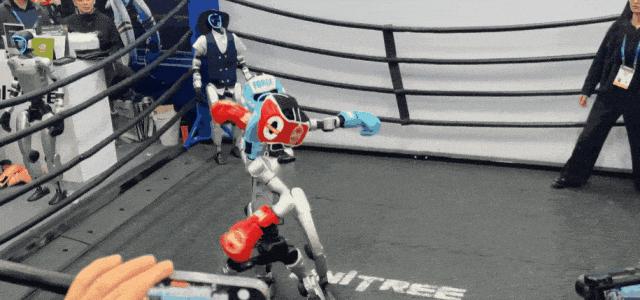
Core Insights - The article highlights the achievements of Ecovacs Robotics at the 2026 CES, where it received two prestigious awards, showcasing its technological strength and global presence in the smart home sector [1] - Ecovacs emphasizes its commitment to independent research and development, having invested over 4.5 billion yuan since 2018 to establish a strong technological foundation [2] - The company is expanding its product offerings beyond cleaning robots to create a comprehensive ecosystem that includes various types of robots for different household tasks [4] - Ecovacs has achieved significant global market penetration, serving over 38 million households across more than 180 countries, and is positioned as a leader in the smart home cleaning market [5] - The company is focused on fostering a healthy industry ecosystem through collaboration with academic institutions and other organizations to drive innovation [7] - Looking ahead, Ecovacs aims to evolve its robots from mere tools to companions, leveraging AI and IoT technologies to enhance user experience [8] Technological Development - Ecovacs has made significant advancements in cleaning technology, including the AIVI 3D 3.0 perception system and Smart Navi global planning system, which enhance the efficiency and effectiveness of its robots [2] - The latest flagship model, Deebot X12, features advanced cleaning capabilities, including infrared stain detection and high-pressure water spraying, significantly improving cleaning performance [2] Product Ecosystem - The company is redefining the perception of robots by integrating them into various household scenarios, including window cleaning, lawn mowing, and pool cleaning, thus expanding its product range [4] - The introduction of the LilMilo pet companion robot marks a shift towards emotional engagement and interaction with users, moving beyond functional satisfaction [4] Global Strategy - Ecovacs has established a complete and controllable supply chain to ensure product quality and adaptability to different regional needs, enhancing its global competitiveness [5] - The company has received international certifications, ensuring its products meet high safety and quality standards [5] Industry Collaboration - Ecovacs is actively involved in creating collaborative innovation ecosystems, partnering with universities and research institutions to accelerate technology development [7] - The company promotes rational pricing based on cost rather than engaging in price wars, setting a positive example for the industry [7]
中金:中国品牌有望凭借技术创新力打开北美割草机器人市场
智通财经网· 2026-01-09 05:57
Group 1 - The CES 2026 exhibition showcased significant advancements in Chinese robot brands, particularly in the lawn mower robot segment, which is crucial for entering the North American market due to its large lawn areas and complex terrains [1][3] - Key brands like Roborock, Ecovacs, and others have integrated technologies such as LiDAR for navigation, all-terrain drive systems, and robotic arms for various tasks, covering a wide range of lawn sizes from small to large [1][3] - The exhibition highlighted the evolution of floor cleaning robots, with innovations addressing stair climbing and enhanced cleaning capabilities, showcasing products like Roborock's G-Rover and the upgraded Cyber X from Dreame [1][2] Group 2 - Companies with a background in home appliances are better positioned to enter the home service robot market compared to pure robotics firms, making floor cleaning robots a practical application of embodied intelligence in domestic settings [2] - The CES event also featured advancements in pool cleaning robots and emotional companion robots, indicating a broader trend of Chinese brands moving towards comprehensive service robots [4] - The application of embodied intelligence is becoming pervasive across various service robots, suggesting a potential revaluation of industry leaders due to these technological advancements [4]
科沃斯:董事冷泠完成30万股减持股份
Hua Er Jie Jian Wen· 2026-01-09 01:37
Group 1 - The core viewpoint of the announcement is that the share reduction by the director is compliant with relevant regulations and aligns with the disclosed plan, indicating no violations [2] - The director, Mr. Leng Ling, reduced his holdings from 1.292 million shares, which accounted for 0.22322% of the total share capital, to 992,000 shares, representing 0.17135% of the total share capital after the reduction [4] - The reduction involved selling 300,000 shares through centralized bidding from November 12, 2025, to January 7, 2026, at a price range of 80.00 to 84.11 yuan per share, totaling approximately 24.38 million yuan [4]