VANKE(000002)

Search documents
2025房企业绩透视:大浪淘沙见真金
中指研究院· 2026-01-11 01:33
Investment Rating - The report does not explicitly provide an investment rating for the real estate industry but indicates a cautious outlook due to ongoing adjustments in the market [3]. Core Insights - The Chinese real estate market is still in a state of adjustment as of 2025, with 53 companies consistently ranking in the TOP100 for five consecutive years, showcasing strong operational capabilities and sustainable development potential [3][15]. - The report highlights that 30 companies have ranked in both sales and land acquisition TOP100 over the past two years, indicating their active role in the market [3][21]. - The report emphasizes the importance of companies with strong governance, financing, and investment capabilities, particularly those focusing on local markets and adapting to policy changes [3][18]. Summary by Sections Sales Performance - The report lists the top 10 companies by sales revenue for 2025, with Poly Developments leading at 253 billion, followed closely by Greentown China and China Overseas Land & Investment [4][10]. - The top 10 companies by sales area are also detailed, with Poly Developments again at the forefront, indicating a strong market presence [4][10]. Company Categories - Companies are categorized based on their sales performance and operational stability, with a distinction made between those exceeding 100 billion in sales and those below, highlighting the resilience of certain firms during market adjustments [15][18]. - The report identifies a group of state-owned enterprises and mixed-ownership companies that have maintained stable sales and investment levels, showcasing their adaptability in the current market [15][22]. Market Trends - The report anticipates that the average annual sales area for new residential properties will remain between 700-800 million square meters, with increasing urban differentiation [23]. - It suggests that the market is expected to stabilize after significant price corrections and supply-demand adjustments, with a gradual recovery anticipated in the latter half of the "14th Five-Year Plan" period [23]. Future Outlook - The report concludes that the real estate sector is likely to see a shift towards high-quality development, with companies demonstrating operational resilience becoming key players in supporting the industry's stability [23].



王石和田朴珺,风向变了
商业洞察· 2026-01-10 09:35
Core Viewpoint - The article discusses the contrasting life philosophies of Tian Pujun and Wang Shi, highlighting the generational conflict between traditional entrepreneurial values and modern social dynamics [7][9][10]. Group 1: Tian Pujun and Wang Shi - Wang Shi was once a hero in the real estate industry, embodying the spirit of entrepreneurship through self-discipline and professional accumulation [9]. - In contrast, Tian Pujun's success is characterized by leveraging social connections and information asymmetry, often seen as a "leveraged route" to success [10][11]. - The relationship between Wang Shi and Tian Pujun is framed not as a typical romantic narrative but as a clash of values, where traditional principles meet modern opportunism [12][13]. Group 2: The Consequences of Their Dynamics - The article suggests that the current social environment rewards individuals like Tian Pujun, who utilize social strategies to achieve success, undermining the traditional values of hard work and integrity [13][26]. - Wang Shi's adherence to traditional business ethics is likened to the historical figure Song Xiangong, who was ridiculed for his moral principles, suggesting that such values may be out of place in today's competitive landscape [14][15]. - The narrative indicates that Wang Shi's attempts to influence Tian Pujun's values ultimately led to his own public image suffering, as he became a tool for her ambitions rather than a partner [24][25].

多地租客被赶!郁亮谢幕,万科长租公寓爆发“清退潮”
新浪财经· 2026-01-10 07:23
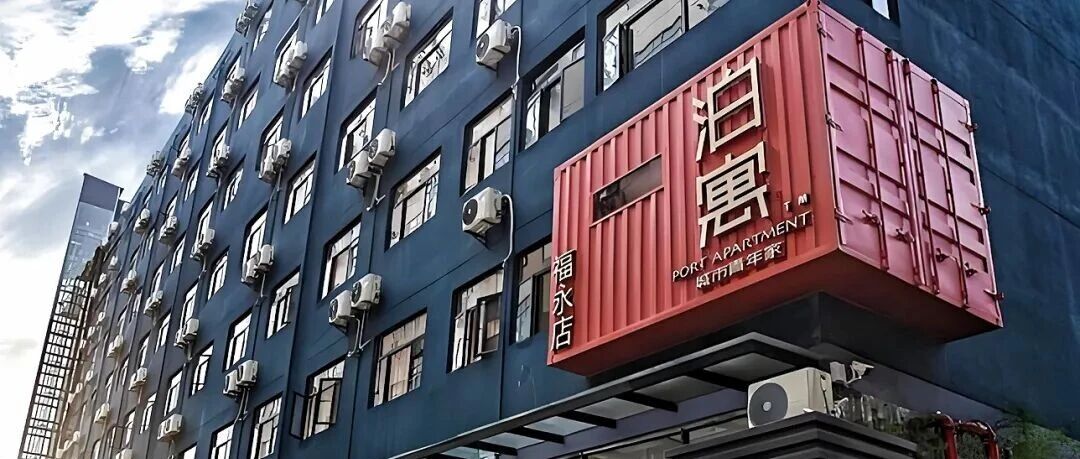
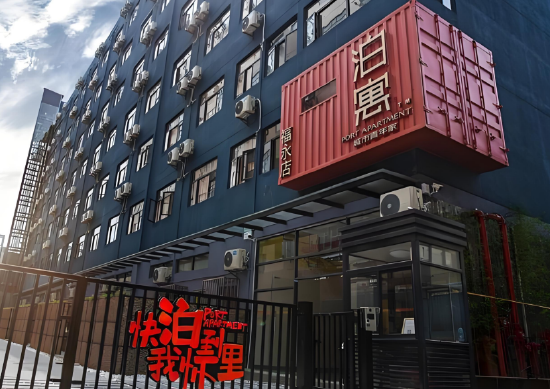
Core Viewpoint - The retirement of Yu Liang, a key figure in Vanke's operations for 36 years, marks the end of an era, coinciding with significant challenges in the company's long-term rental apartment business, "Boyu" [2][12]. Group 1: Management Changes - Yu Liang has officially retired from his positions as director and executive vice president, which is seen as a pivotal moment for Vanke [2]. - His leadership was instrumental in positioning long-term rental apartments as a core business, despite acknowledging the challenges and low profitability associated with this sector [2][12]. Group 2: Rental Business Challenges - Vanke's long-term rental brand "Boyu" is facing a crisis, with mass tenant evictions occurring in cities like Shenzhen, Wuhan, and Hangzhou, attributed to rental disputes with landlords [3][6]. - Landlords have reported significant rent arrears from Vanke, with some claiming overdue payments exceeding 100,000 yuan, leading to demands for contract termination before receiving owed rents [5][10]. Group 3: Financial Performance - Vanke's rental residential business has shown stable revenue growth, with revenues of 32.4 billion yuan in 2022, 34.6 billion yuan in 2023, and projected 37.02 billion yuan in 2024, although it still represents less than 2% of the company's total revenue [12]. - The overall financial situation of Vanke is concerning, with a reported revenue decline of 26.61% year-on-year and a net loss of 28.02 billion yuan in the first three quarters of 2025 [13][14]. Group 4: Debt and Cash Flow Issues - Vanke is under significant debt pressure, with total interest-bearing liabilities reaching 362.93 billion yuan and a cash shortfall exceeding 85 billion yuan [14]. - The company is exploring various measures to improve liquidity, including shareholder loans and asset sales, but faces challenges in debt negotiations and has seen support from its largest shareholder, Shenzhen Metro Group, diminish [17][18]. Group 5: Strategic Adjustments - Vanke is attempting to mitigate losses by terminating contracts with high-cost, low-yield properties, particularly in urban villages, to improve cash flow [15]. - The company has previously suspended new contracts for its "Wancun Plan" due to high renovation costs and long payback periods, indicating a strategic shift in its rental business approach [15].
多地租客被赶! 郁亮谢幕,万科长租公寓爆发“清退潮”
Xin Lang Cai Jing· 2026-01-10 06:12
Core Viewpoint - Vanke's long-serving executive Yu Liang has officially retired, marking the end of an era, coinciding with significant turmoil in its rental apartment brand "Boyu" due to tenant evictions and landlord disputes [2][3][4] Group 1: Management Changes - Yu Liang, a key figure in Vanke for 36 years, has stepped down from his roles as director and executive vice president [2] - Under Yu's leadership, Vanke prioritized long-term rental apartments as a core business, despite acknowledging the challenges and low profitability of the sector [2] Group 2: Tenant Evictions and Landlord Disputes - Vanke's rental brand "Boyu" is facing a large-scale tenant eviction crisis across cities like Shenzhen, Wuhan, and Hangzhou, with tenants receiving short notice to vacate [4][6] - The evictions are linked to disputes over unpaid rent between Vanke and landlords, with some landlords reporting overdue payments exceeding 100,000 yuan [3][4] - Tenants have been offered relocation options, including free moves to other Boyu locations or direct refunds, but many are concerned about the lack of prior notice [6][7] Group 3: Financial Performance and Challenges - Vanke's rental housing business has shown stable revenue growth, with revenues of 32.4 billion yuan in 2022, 34.6 billion yuan in 2023, and projected 37.02 billion yuan in 2024, but it still represents less than 2% of total revenue [8] - The company is experiencing severe financial difficulties, with a reported revenue drop of 26.61% year-on-year and a net loss of 28.02 billion yuan in the first three quarters of 2025 [9] - Vanke's total interest-bearing debt reached 362.93 billion yuan, with a cash shortfall exceeding 85 billion yuan, highlighting a critical liquidity crisis [9][10] Group 4: Strategic Adjustments - Vanke is attempting to mitigate cash flow issues by terminating contracts with high-cost, low-yield properties, despite the associated short-term pain [10] - The company has faced challenges in debt negotiations, with significant support from its largest shareholder, Shenzhen Metro Group, diminishing [11][12] - Upcoming meetings regarding debt extensions are crucial, as they are set against tight deadlines that could lead to defaults if not resolved [12]
预警“活下去”的郁亮谢幕,万科仍困“深渊”
首席商业评论· 2026-01-10 04:11
Core Viewpoint - The retirement of Yu Liang marks the end of an era for the Chinese real estate industry, symbolizing the transition from a period of rapid growth to one filled with uncertainty and challenges for companies like Vanke [7][23]. Group 1: Yu Liang's Career and Impact - Yu Liang, a key figure in the Chinese real estate sector, has been recognized as the "whistleblower" of the industry, known for his foresight and ability to predict market shifts [9]. - Under Yu's leadership, Vanke achieved significant milestones, including surpassing 100 billion yuan in sales in 2010, becoming the first real estate company in China to reach this scale [12]. - Yu's cautious approach, influenced by his financial background, led him to advocate for a shift from aggressive expansion to quality development, coining terms like "white silver era" and "black iron era" to describe the industry's evolution [12][10]. Group 2: Vanke's Challenges and Management Changes - Vanke has faced severe challenges, including a debt crisis, with total interest-bearing liabilities reaching 362.93 billion yuan and short-term debts of 151.39 billion yuan as of Q3 2025, while cash reserves stood at only 65.68 billion yuan [19]. - The company underwent significant management changes, with Yu Liang stepping down as chairman and the appointment of new executives from the Shenzhen state-owned enterprise system, marking a shift towards a dual management model [16]. - Vanke's financial struggles led to a downgrade by international rating agencies to "junk" status, with a reported net loss of 28.02 billion yuan in the first three quarters of 2025, a 56.14% increase year-on-year [20]. Group 3: Debt Management and Future Outlook - To address its debt issues, Vanke has received nearly 30 billion yuan in funding support from its major shareholder, Shenzhen Metro Group, and is exploring asset management strategies like REITs [20]. - The company aims to deliver 117,000 housing units in 2025, having completed about 70% of the required deliveries for the past two years [20]. - Despite attempts to restructure its debt, Vanke's proposals have faced significant opposition, indicating ongoing challenges in achieving financial stability [23].
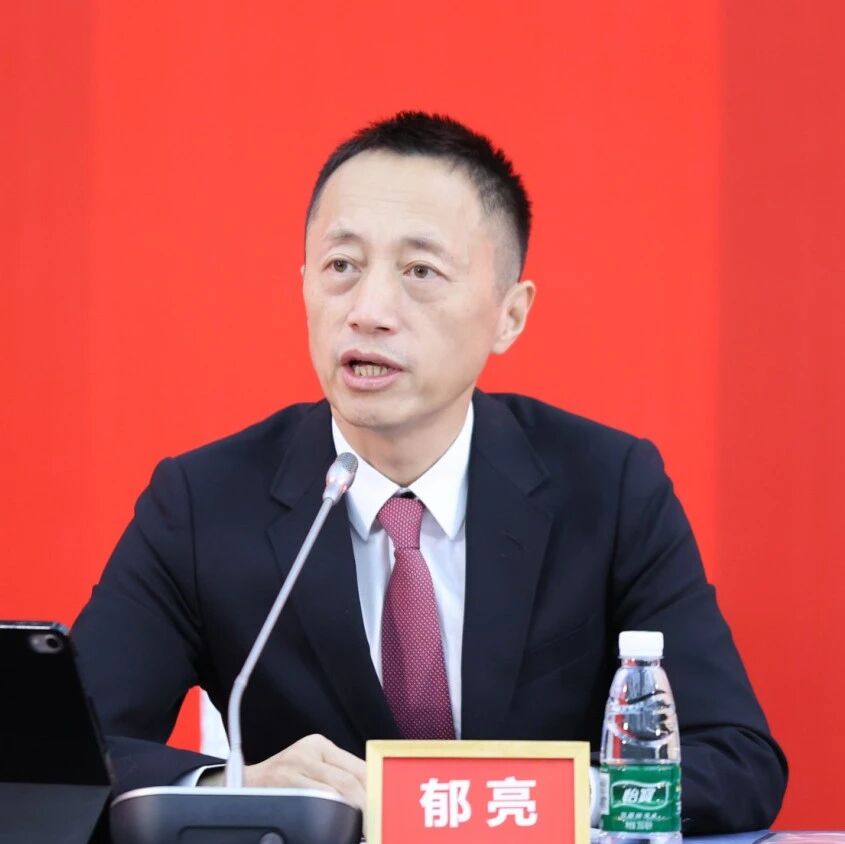
郁亮正式谢幕,留给万科的时间不多了
Xin Lang Cai Jing· 2026-01-10 03:08
Core Viewpoint - The resignation of Yu Liang marks the end of an era for Vanke and symbolizes the decline of the golden age of China's real estate industry [6][10][17]. Company Summary - On January 8, Vanke announced that Yu Liang, the company's executive vice president and board member, submitted his resignation due to reaching retirement age, effective immediately [3][14]. - Yu Liang joined Vanke in 1990 and served for 36 years, but his departure is seen as a reflection of the broader challenges facing the real estate sector in China [5][16]. - Vanke stated that Yu's resignation would not affect the company's normal operations and that there were no disagreements between him and the board [5][16]. Industry Summary - Yu Liang was one of the first to recognize the turning point in the real estate industry, predicting a shift from a "golden age" to a "silver age" as early as 2012, and later referring to the current state as the "black iron age" [7][19]. - As of September 2025, Vanke's total interest-bearing debt reached 362.9 billion yuan, a record high, with over 150 billion yuan due within a year, while available cash was only around 60 billion yuan [8][19]. - Vanke faced a significant default risk, with two medium-term notes totaling 5.7 billion yuan failing to secure an extension, leading to downgrades by international rating agencies [8][19]. - The real estate market has cooled significantly, with difficulties in selling land and properties, and banks tightening lending, impacting even established companies like Vanke [20]. - The management structure at Vanke has changed, with new leadership from Shenzhen state-owned enterprises, indicating a shift away from the previous management style [9][20]. - The era of high leverage and rapid turnover in the real estate sector has ended, with the current market conditions posing severe challenges for companies to sustain operations [20][22].
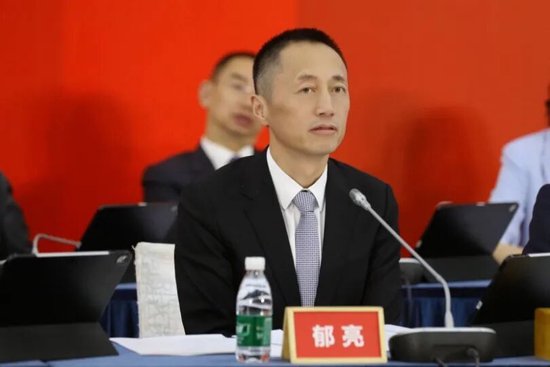
万科没有感谢他
Xin Lang Cai Jing· 2026-01-10 00:54
Core Viewpoint - The retirement of Yu Liang from Vanke is seen as a significant event, marking the end of an era for the company and reflecting the challenges faced by the real estate industry in China [3][6][10]. Group 1: Yu Liang's Career and Contributions - Yu Liang joined Vanke in 1990 and has been a pivotal figure in the company's growth, witnessing its rise to become one of China's leading real estate firms [3][4]. - Under his leadership, Vanke's sales grew from 3 billion in 2001 to over 700 billion, establishing it as a top player in the industry [3][4]. - Yu's tenure included navigating significant corporate governance challenges, successfully defending Vanke against hostile takeovers [3][4]. Group 2: Current Challenges and Context - Vanke is currently facing liquidity pressures, with the major shareholder, Shenzhen Metro, having injected 30.8 billion to help the company avoid default [6][9]. - The company's market value has dropped to below 60 billion, raising concerns about its financial stability and the effectiveness of its management [9][10]. - The transition of power within Vanke has shifted from professional managers to state-owned shareholders, indicating a significant change in governance and operational control [9][10]. Group 3: Retirement Implications - Yu Liang's retirement announcement lacked the customary expressions of gratitude typically extended to departing executives, highlighting the strained circumstances surrounding his exit [6][8]. - The timing of his retirement raises questions about accountability, as the company grapples with its current difficulties while he departs [10][12]. - The narrative suggests a disconnect between the rewards enjoyed by management during prosperous times and the responsibilities they face during downturns [9][12].
12月CPI涨幅创34个月新高,周五沪指站上4100点 | 财经日日评
吴晓波频道· 2026-01-10 00:21
Economic Indicators - In December 2025, China's Consumer Price Index (CPI) rose by 0.8% year-on-year, marking the highest increase since February 2023, with the previous value at 0.7% [2] - The Producer Price Index (PPI) fell by 1.9% year-on-year in December, continuing a decline for the 39th consecutive month, although the rate of decline narrowed by 0.3% compared to the previous month [2] - The core CPI, excluding food and energy, increased by 1.2% year-on-year, maintaining a growth rate above 1% for four consecutive months [2] Real Estate Sector - New policies allow for a five-year extension on loans for projects on the "white list" under the real estate financing coordination mechanism, providing more time for real estate companies to sell properties and potentially stabilizing market prices [4][5] - The total loan approval amount for "white list" projects has exceeded 7 trillion yuan, indicating significant financial support for the real estate sector [4] Corporate Developments - China Petroleum & Chemical Corporation (Sinopec) and China Aviation Oil have undergone a strategic merger, which is expected to reshape the domestic aviation fuel market and enhance Sinopec's position in the aviation fuel sector [6][11] - Vanke's CEO, Yu Liang, has retired due to age, marking a significant transition in the company's leadership amid ongoing liquidity challenges in the real estate market [8][9] Automotive Industry - Honda's sales in China fell by 24.28% year-on-year in 2025, marking the fifth consecutive year of decline, with total sales dropping nearly 1 million units from peak levels [12][13] - The company has announced plans to reduce production capacity significantly, reflecting the challenges faced by traditional automakers in adapting to market changes [12] Stock Market Performance - The Shanghai Composite Index rose above 4100 points, with a trading volume of 3.12 trillion yuan, indicating strong market performance and investor interest in new sectors such as AI and commercial aerospace [16][17] - The recent market rally has exceeded expectations, with significant participation from various sectors, suggesting a potential continuation of the upward trend into the new year [17]




知名房产巨头陷财务危机!市值蒸发500亿,千亿债务压顶难翻身
Sou Hu Cai Jing· 2026-01-09 15:25
Core Viewpoint - Vanke, once a benchmark in the real estate industry, is facing an unprecedented financial crisis amid a deep adjustment in the sector, marked by severe market fluctuations and mounting debt pressures [1][3][18]. Company Summary - Vanke's financial crisis became apparent in December 2025, with a 2 billion yuan bond (22 Vanke MTN004) due on December 15, which the company proposed to postpone for a year due to cash flow issues [5][18]. - The proposal faced collective opposition from creditors, with 76.7% voting against it, and subsequent attempts to extend another 3.7 billion yuan bond (22 Vanke MTN005) also failed, leading to a substantial default on 5.7 billion yuan of debt [7][9]. - The panic in the capital market was triggered by rumors of government intervention, causing Vanke's stock and bond prices to plummet, with a single-day bond drop exceeding 15% and stock price falling to 5.2 yuan, resulting in a market capitalization loss of over 80 billion yuan in five days [11][13]. - As of January 2026, Vanke faced its 13th equity freeze, totaling over 2 billion yuan, further eroding market confidence in its debt repayment capabilities [15][13]. - Credit ratings from S&P and Fitch were downgraded to selective default and restricted default, respectively, indicating severe challenges in accessing financing [15][18]. Industry Summary - The real estate market is experiencing significant differentiation, with core cities maintaining stable transaction volumes, yet Vanke's operational issues prevent it from benefiting from this market warmth [17][40]. - Vanke's crisis is attributed to a long-term high-leverage expansion model, with total interest-bearing debt reaching 362.9 billion yuan by September 2025, of which 43% is due within a year [21][20]. - The company's cash flow is insufficient to cover short-term debts, with only 48% of short-term liabilities covered by cash reserves, leading to a vicious cycle of debt repayment challenges and declining operational income [20][23]. - The overall real estate sector is transitioning from high-leverage growth to high-quality development, with many firms, including Vanke, struggling to adapt to the new market environment [27][40]. - Vanke's situation reflects broader industry challenges, as firms grapple with past debt burdens and seek new growth avenues amid a cooling market [29][40]. Future Outlook - Vanke is actively seeking solutions, including a framework agreement with Shenzhen Metro Group for up to 22 billion yuan in loans to help repay public market bonds [32][34]. - The company is also working on asset disposals and has received a 30-day grace period for debt negotiations, which is critical for its financial recovery [36][44]. - The outcome of Vanke's debt restructuring will serve as a reference point for the entire real estate industry, highlighting the need for balancing market clearing and systemic risk prevention [44][46].
万科这场马拉松,郁亮不跑了
3 6 Ke· 2026-01-09 11:29
Core Viewpoint - The retirement of Yu Liang from Vanke marks the end of an era for the company, which has faced significant challenges and leadership changes in recent years [1][3][14]. Group 1: Retirement Announcement - Vanke announced Yu Liang's retirement due to "age-related reasons," emphasizing that it would not affect the board's operations and that there were no disagreements within the board [3][14]. - The announcement lacked the customary expressions of gratitude typically extended to departing executives, raising questions about the nature of his exit [3][14]. Group 2: Leadership Changes - Yu Liang's retirement follows a series of high-profile departures, including the resignation of former President Zhu Jiusheng due to legal issues and the abrupt exit of Chairman Xin Jie [3][14][18]. - The company is transitioning to a leadership style influenced by local government, moving away from the previous market-driven management approach [17][18]. Group 3: Company Performance and Challenges - As of Q3 2025, Vanke's interest-bearing debt reached 362.93 billion yuan, with 151.39 billion yuan due within a year, while available cash was only 65.68 billion yuan, indicating a cash shortfall [18]. - The company's revenue for the first three quarters of 2025 was 161.39 billion yuan, a nearly 27% decline year-on-year, with a net loss of 28.02 billion yuan, worsening from the previous year [18]. Group 4: Yu Liang's Legacy - Yu Liang is recognized as a key figure in Vanke's history, having led the company from a small firm with sales of less than 2.5 billion yuan to the largest residential developer in China [10][11]. - He introduced the "5986" high turnover model, which became an industry standard and helped Vanke expand during the 2008 financial crisis [11][14]. Group 5: Future Outlook - The next leadership is expected to come from the Shenzhen Metro Group, indicating a shift towards a more government-influenced management style [17]. - The company faces significant challenges in addressing its debt and operational issues, with ongoing efforts to sell assets and negotiate with creditors [18].