
TCL TECH.(000100)

Search documents
自由现金流ETF中证全指(561080)跌1.70%,半日成交额416.72万元
Xin Lang Cai Jing· 2025-11-21 03:46
Core Viewpoint - The Freedom Cash Flow ETF CSI All Share (561080) experienced a decline of 1.70% as of the midday close on November 21, with a trading volume of 4.1672 million yuan [1] Group 1: ETF Performance - The Freedom Cash Flow ETF CSI All Share (561080) closed at 1.211 yuan [1] - The fund has a performance benchmark of the CSI All Share Free Cash Flow Index return rate [1] - Since its establishment on April 23, 2025, the fund has achieved a return of 23.00%, with a one-month return of 4.57% [1] Group 2: Major Holdings - Major stocks in the Freedom Cash Flow ETF include: - China National Offshore Oil Corporation (CNOOC) down 1.44% - Midea Group down 0.05% - Gree Electric Appliances down 0.74% - Wuliangye Yibin down 0.36% - China COSCO Shipping down 0.46% - Luoyang Molybdenum down 3.48% - TCL Technology down 1.92% - China Aluminum down 4.08% - SF Express down 1.34% - Shaanxi Coal and Chemical Industry down 0.43% [1]
印刷OLED突围,中国屏的新路径
2 1 Shi Ji Jing Ji Bao Dao· 2025-11-21 02:43
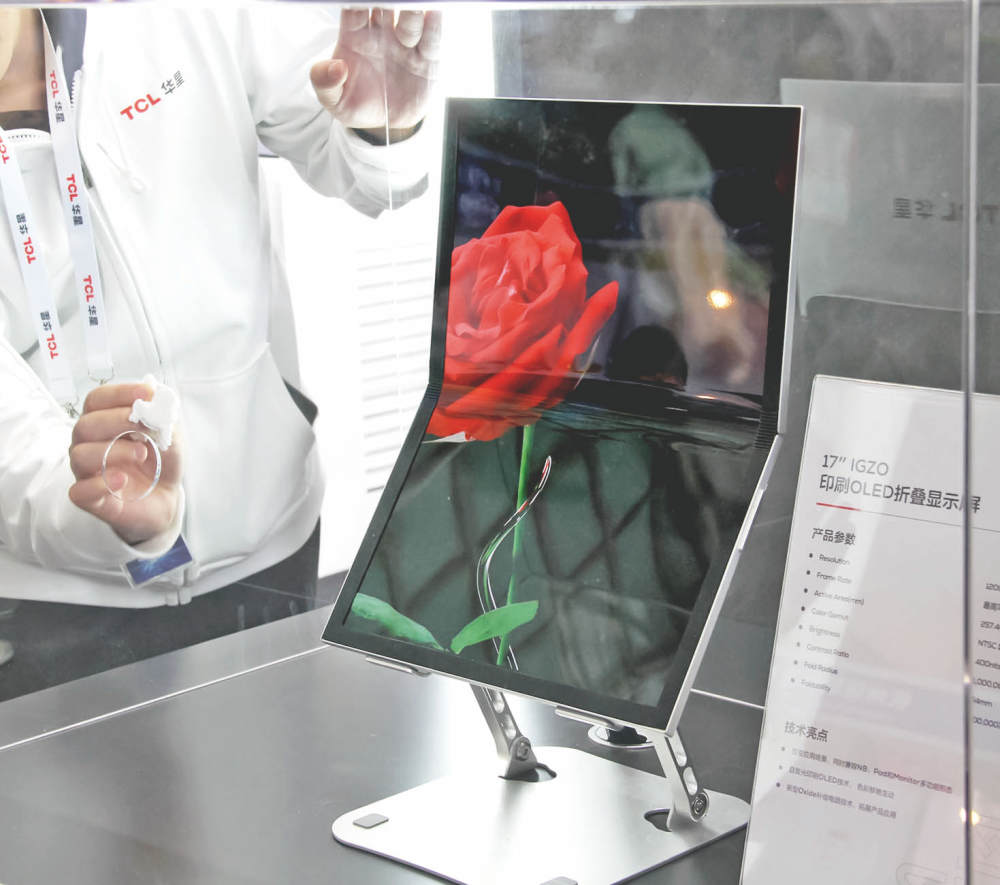
Core Viewpoint - The global display industry is undergoing a new round of technological upgrades, with OLED technology's penetration rate increasing, particularly in the area of printed OLED, which is being advanced by Chinese companies [1][2]. Group 1: Industry Trends - The display industry is moving towards high resolution, low power consumption, and wide color gamut, with OLED technology leading this transition [1]. - Printed OLED is recognized as a key technology that can cover applications from small mobile devices to large TVs, marking a significant shift in the competitive landscape of the OLED industry [1][2]. Group 2: Company Developments - TCL Huaxing has showcased the world's first Real Stripe RGB OLED mobile screen, achieving a resolution of 390 PPI, indicating a critical step towards small-size applications [1][6]. - The company is focusing on mid-size applications such as laptops, monitors, and automotive displays, with its first printed OLED product being a medical screen that achieved a 70% yield in production [6][7]. Group 3: Competitive Landscape - Four major panel manufacturers, including TCL Huaxing, are investing in high-generation OLED production lines, with a total investment nearing 170 billion yuan [6]. - The competition in high-generation OLED production is intensifying, and TCL Huaxing's ability to maintain competitiveness is under scrutiny as production capacity is set to be released between 2024 and 2028 [6][7]. Group 4: Strategic Decisions - TCL Huaxing made four key decisions to advance its printed OLED technology, including choosing the printed OLED route, shifting application focus to mid-size displays, relocating production lines to China, and initiating the Guangzhou T8 project with an investment of approximately 29.5 billion yuan [10][11][12]. - The company emphasizes the importance of supply chain stability, particularly in materials, to mitigate risks associated with production [11][12]. Group 5: Future Challenges - Key challenges for TCL Huaxing include improving power consumption, achieving higher yield rates, and enhancing resolution and material performance to meet market demands [15][16]. - The company aims to transition printed OLED from experimental stages to commercial viability, addressing issues such as resolution, material performance, and yield rates [14][15]. Group 6: Ecosystem Development - TCL Huaxing is focused on building an open, autonomous, and collaborative industry ecosystem, prioritizing upstream material and equipment collaboration, co-creating application scenarios with customers, and promoting industry standards [16].


印刷OLED突围,中国屏的新路径
21世纪经济报道· 2025-11-21 02:36
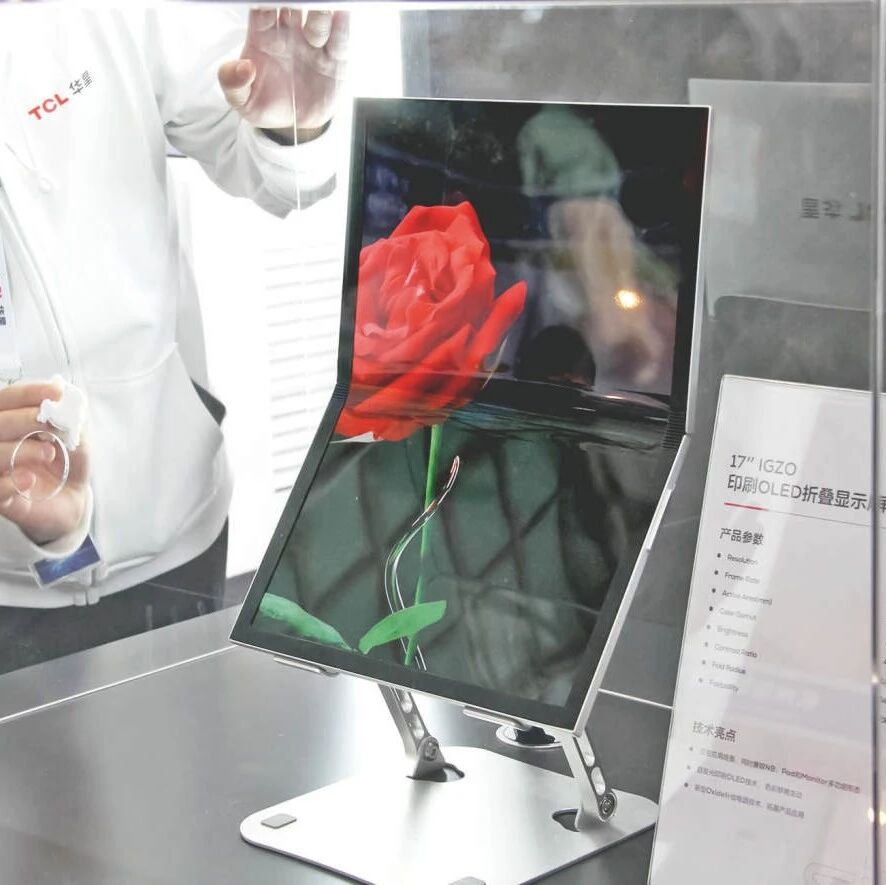
Core Viewpoint - The global display industry is undergoing a new round of technological iteration, with OLED technology's penetration rate increasing, particularly in the context of printed OLED technology being led by Chinese companies [1][2]. Group 1: Industry Trends - The display industry is moving towards high resolution, low power consumption, and wide color gamut, with printed OLED technology emerging as a key player [1]. - China’s share of the global OLED market has surpassed 46%, with predictions indicating it will exceed 50% by 2027-2028 as three major companies launch high-generation OLED lines [2]. Group 2: Competitive Landscape - Four panel manufacturers, including TCL Huaxing, BOE, Visionox, and Samsung Display, are investing in high-generation OLED production lines, with total investments nearing 170 billion yuan [5]. - The competition in high-generation OLED technology is intensifying, with TCL Huaxing focusing on maintaining competitiveness in its 8.6-generation printed OLED production line [5][6]. Group 3: Key Decisions by TCL Huaxing - TCL Huaxing made four critical decisions in the development of printed OLED technology, including choosing the printed OLED route, shifting application focus to mid-size displays, relocating JOLED's production line to China, and initiating the Guangzhou T8 project for large-scale commercialization [8][9][10]. - The decision to focus on mid-size applications was driven by the performance and cost advantages of printed OLED technology [8]. Group 4: Challenges and Future Directions - Key challenges for TCL Huaxing include improving power consumption, achieving high yield rates, and addressing material performance issues [11][12]. - The company aims to enhance the efficiency of its printed OLED technology to meet the stringent requirements of top-tier customers while ensuring compatibility with existing OLED materials [12]. - The future strategy involves building an open, autonomous, and collaborative industry ecosystem to enhance global competitiveness [13].
印刷OLED突围 中国屏的新路径
2 1 Shi Ji Jing Ji Bao Dao· 2025-11-20 13:22
Core Insights - The global display industry is undergoing a new round of technological upgrades, with OLED technology's penetration rate increasing, particularly in the context of mobile devices, AI PCs, and high-end displays [1][2] - Chinese companies are leading the way in the development and implementation of printed OLED technology, marking a significant shift in the global competitive landscape of the OLED industry [1][2] - TCL Huaxing has showcased the world's first Real Stripe RGB OLED mobile screen, achieving a resolution breakthrough of 390 PPI, indicating progress in the application of printed OLED technology in smaller devices [1][3] Industry Trends - The competition in the OLED market is intensifying, with four major panel manufacturers, including TCL Huaxing, BOE, Visionox, and Samsung Display, investing nearly 170 billion yuan in high-generation OLED production lines [2] - The focus of investment is primarily on 8.6-generation OLED lines, which signifies a competitive escalation in OLED technology [2] Company Developments - TCL Huaxing's CEO emphasized that the company has made significant investment decisions regarding high-generation OLED production lines, which are expected to release capacity between the second half of next year and 2028 [2][3] - The company is expanding its application of printed OLED technology into small-sized devices, with ongoing improvements in performance metrics such as brightness, lifespan, and yield rates [3][4] Strategic Decisions - TCL Huaxing has made four key strategic decisions to advance printed OLED technology, including choosing the printed OLED route, shifting application focus from large to medium-sized displays, relocating JOLED's production line to China, and initiating the Guangzhou T8 project for large-scale commercialization [5][6][7] - The T8 project, with an investment of approximately 29.5 billion yuan, marks a significant step towards the commercialization of printed OLED technology [6] Challenges and Future Outlook - The company faces challenges in improving power consumption and yield rates, which are critical for the successful commercialization of printed OLED technology [7][8] - TCL Huaxing aims to enhance its competitive edge by continuously innovating technology and improving cost efficiency in response to market competition [7][9] - The printed OLED technology is seen as a breakthrough for the Chinese display industry, with the potential to lead in global technology routes [9]
成交额超1000万元,光伏ETF华夏(515370)盘中回调1.36%
Sou Hu Cai Jing· 2025-11-20 07:03
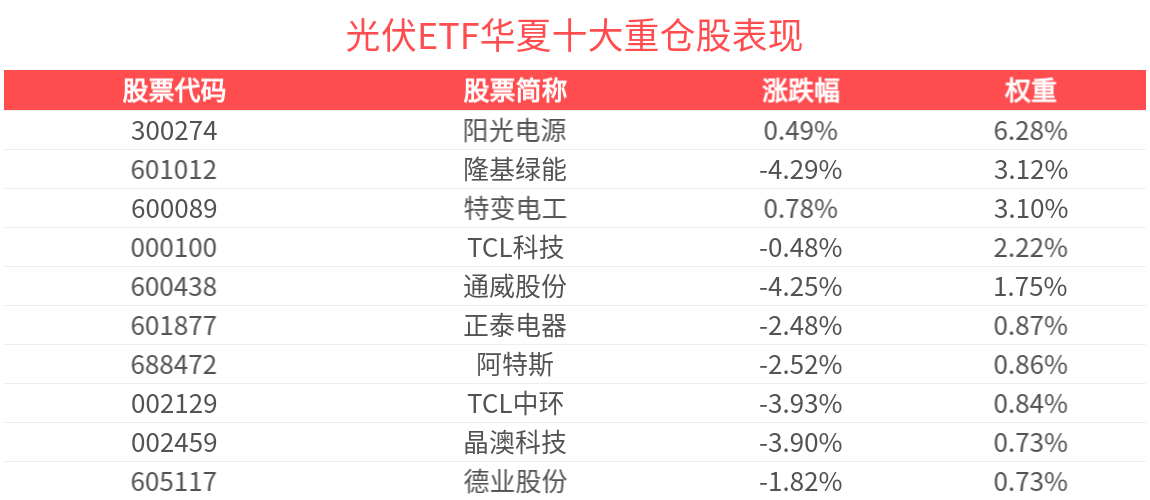
Core Insights - The photovoltaic ETF Huaxia (515370) has seen a decline of 1.36%, with the latest price at 0.94 yuan [1] - The ETF has a turnover rate of 3.67% during the trading session, with a transaction volume of 10.1985 million yuan [1] - Over the past year, the average daily transaction volume for the ETF was 16.2291 million yuan [1] - The management fee for the ETF is 0.40%, and the custody fee is 0.10%, indicating a relatively low fee structure [1] - The ETF closely tracks the CSI Photovoltaic Industry Index, which selects up to 50 representative listed companies involved in the photovoltaic industry chain [1] Index Performance - As of October 31, 2025, the top ten weighted stocks in the CSI Photovoltaic Industry Index (931151) include: - Sunshine Power (300274) with a weight of 6.28% and a price increase of 0.49% [3] - Longi Green Energy (601012) with a weight of 3.12% and a price decrease of 4.29% [3] - TBEA (600089) with a weight of 3.10% and a price increase of 0.78% [3] - TCL Technology (000100) with a weight of 2.22% and a price decrease of 0.48% [3] - Tongwei Co., Ltd. (600438) with a weight of 1.75% and a price decrease of 4.25% [3] - Chint Electric (601877) with a weight of 0.87% and a price decrease of 2.48% [3] - Canadian Solar (688472) with a weight of 0.86% and a price decrease of 2.52% [3] - TCL Zhonghuan (002129) with a weight of 0.84% and a price decrease of 3.93% [3] - JA Solar (002459) with a weight of 0.73% and a price decrease of 3.90% [3] - Deye (605117) with a weight of 0.73% and a price decrease of 1.82% [3] - The top ten stocks collectively account for 60.74% of the index [1]





自由现金流ETF中证全指(561080)涨0.32%,半日成交额269.76万元





Xin Lang Cai Jing· 2025-11-20 05:27
Core Viewpoint - The Freedom Cash Flow ETF CSI All Share (561080) has shown a positive performance with a 0.32% increase, indicating investor interest and potential growth in the underlying assets [1] Group 1: ETF Performance - The Freedom Cash Flow ETF CSI All Share (561080) closed at 1.239 yuan with a trading volume of 2.6976 million yuan [1] - Since its inception on April 23, 2025, the fund has achieved a return of 23.72%, with a monthly return of 5.52% [1] Group 2: Top Holdings Performance - Major holdings in the ETF include: - China National Offshore Oil Corporation (CNOOC) up by 0.34% - Midea Group up by 1.83% - Gree Electric Appliances up by 1.07% - Wuliangye Yibin up by 1.00% - COSCO Shipping Holdings up by 0.20% - Luoyang Molybdenum down by 0.19% - TCL Technology up by 0.48% - China Aluminum Corporation up by 1.09% - SF Holding up by 0.28% - Shaanxi Coal and Chemical Industry down by 0.42% [1]
印刷OLED领域获关注 企业布局规模化商用落地
Zhong Guo Zheng Quan Bao· 2025-11-19 21:31
Core Viewpoint - The "14th Five-Year Plan" emphasizes the need to enhance industrial ecosystems and accelerate the large-scale application of new technologies and products, particularly in emerging industries like printed OLED technology, which is gaining attention due to technological advancements and the leading role of major companies [1] Group 1: Industry Developments - TCL Technology's subsidiary, TCL Huaxing, showcased breakthroughs in printed OLED technology at the DTC2025 conference, highlighting its competitive advantages in cost and display quality, and plans to build an open and collaborative industrial ecosystem [2][4] - The global first Real Stripe RGB OLED mobile display (5.65") was introduced, achieving a resolution breakthrough of 390 PPI, indicating significant advancements in printed OLED technology [2][4] - The T8 project, a collaboration between TCL Huaxing and local government, represents the world's first mass production line for G8.6 generation printed OLED, with a total investment of approximately 29.5 billion [4][5] Group 2: Technological Advantages - Printed OLED technology offers significant cost advantages, with over 15% lower costs compared to traditional OLED technologies, and a material utilization rate exceeding 90% [7][8] - The technology allows for clearer text display and superior color performance, making it suitable for a wide range of applications from 5-inch mobile devices to 65-inch televisions [7][8] - TCL Huaxing is committed to building a collaborative ecosystem by working with upstream partners on key materials and equipment, and engaging with downstream customers to identify optimal application areas for printed OLED technology [8]
印刷OLED领域获关注企业布局规模化商用落地
Zhong Guo Zheng Quan Bao· 2025-11-19 20:13
Core Insights - The article discusses the advancements in printed OLED technology and its potential for large-scale commercial application, highlighting the role of leading companies like TCL Huaxing in driving innovation and establishing a competitive ecosystem [1][2][3] Group 1: Technological Advancements - TCL Huaxing has made significant breakthroughs in printed OLED technology, showcasing multiple new display solutions at the DTC2025 event, including the world's first Real Stripe RGB OLED mobile display with a resolution of 390 PPI [1][2] - The printed OLED technology offers competitive advantages in cost and display quality, with a material utilization rate exceeding 90%, significantly higher than the 30% of traditional evaporation methods [3][4] Group 2: Commercialization Efforts - The T8 project, a collaboration between TCL Huaxing and the Guangzhou government, represents the world's first mass production line for G8.6 generation printed OLED, with a total investment of approximately 29.5 billion [2][3] - The T8 project is expected to process about 22,500 glass substrates per month, accelerating the large-scale application of printed OLED technology in the global mid-to-high-end market [3][4] Group 3: Market Potential and Applications - Printed OLED technology is anticipated to cover a wide range of applications from 5-inch mobile devices to 65-inch televisions, indicating its versatility and broad market potential [4] - TCL Huaxing aims to build an open and collaborative ecosystem for printed OLED, working with upstream partners on key materials and equipment, and engaging with downstream customers to identify optimal application areas [4]
RGB-Mini LED电视双11复盘:尺寸下放、价格下探
WitsView睿智显示· 2025-11-19 08:57
Core Viewpoint - The article discusses the trend of RGB-Mini LED TVs in the market, highlighting the introduction of new models by Hisense and TCL, and the implications of size and price adjustments on market competition with OLED TVs [3][4][5]. Group 1: Product Launches and Market Trends - In the first half of 2025, Hisense was the only brand selling RGB-Mini LED TVs, with sizes of 85, 100, and 116 inches available during the 618 promotion [5]. - By the second half of 2025, both Hisense and TCL actively launched new RGB-Mini LED TV models, including TCL's Q9M and Q10M Ultra series, and Hisense's E8S Pro series [5][8]. - The size range for RGB-Mini LED TVs expanded to include 65 inches during the Double 11 promotion, indicating a trend towards smaller sizes [8][11]. Group 2: Pricing Strategy - The introduction of 65-inch RGB-Mini LED TVs during the Double 11 promotion was priced lower than comparable OLED models, suggesting a competitive pricing strategy [11]. - The 75-inch RGB-Mini LED TV was priced lower than the 77-inch OLED, and the 85-inch RGB-Mini LED TV was cheaper than the 83-inch OLED, indicating a price advantage for RGB-Mini LED TVs in the high-end market [11][13]. - The high-end RGB-Mini LED TVs, such as the 115-inch and 116-inch models, are priced around 100,000 yuan, reflecting their premium specifications [13]. Group 3: Market Impact - The expansion of sizes and competitive pricing for RGB-Mini LED TVs is expected to positively influence sales in the terminal market [9]. - The shift towards smaller sizes, including the introduction of 50-inch FHD TVs by multiple brands, is aimed at capturing demand previously held by 43-inch UHD TVs, contributing to an increase in average TV sizes [14][15].

从“执行命令”到“智慧服务”,AI重塑酒店住宿体验
Jiang Nan Shi Bao· 2025-11-19 03:06
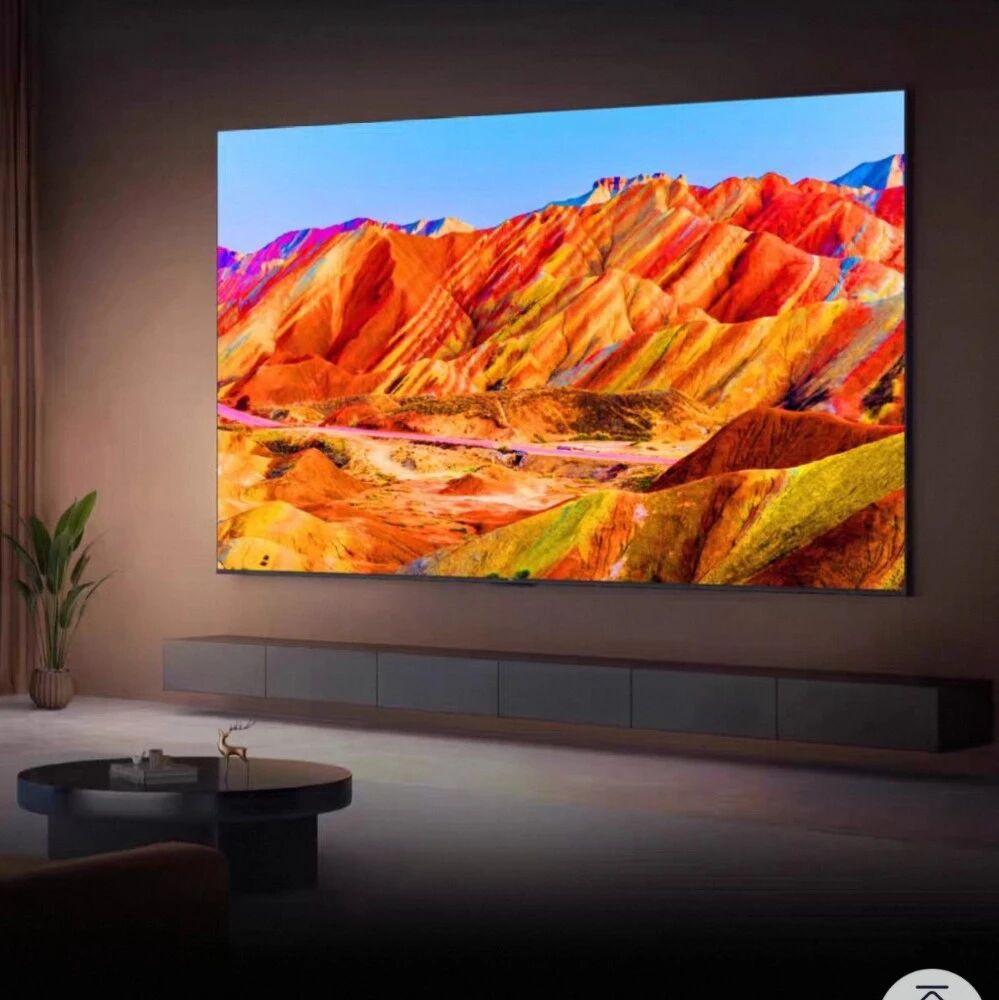
Core Insights - The article discusses the transformation of hotels into smart spaces through the implementation of TCL's smart hotel solutions, which utilize AI large model technology to enhance guest interactions and service efficiency [1][2] Group 1: Smart Hotel Solutions - TCL's smart hotel solution allows for natural language interaction, moving beyond rigid command systems to understand guest needs more intuitively [1] - The AI model can recognize vague semantic expressions, enabling it to respond to requests like "the room is too dark" and execute appropriate actions [1] - The system supports continuous dialogue and multi-meaning capabilities, allowing guests to issue complex commands without repeated wake words, significantly improving interaction fluidity and efficiency [1] Group 2: Industry Trends - The trend in the hotel industry is shifting towards intelligent transformation, with many investors pouring funds into smart devices to enhance guest experiences [1] - The evolution of AI large model technology is making traditional command-based interactions obsolete, as hotels evolve into spaces that can understand and respond to guest needs [2]