
TCL TECH.(000100)

Search documents
“抠”出利润,“解放”人力:智慧酒店的降本增效双螺旋
Jiang Nan Shi Bao· 2025-11-19 03:06
Core Insights - The TCL Smart Hotel Solution utilizes an innovative "double helix" model to achieve cost reduction and efficiency enhancement simultaneously, reshaping the operational lifeline of hotels [1] Group 1: Cost Reduction Strategies - The TCL Smart Hotel Solution reduces operational costs through three dimensions: energy consumption is significantly lowered by transforming guest room TVs from high-energy consumers to energy-efficient devices using low-power chips and smart standby technology [2] - Maintenance costs are reduced by upgrading from passive repairs to proactive management through remote batch management and durable commercial-grade design, leading to substantial savings on maintenance and parts replacement [2] - Human resources are optimized by leveraging AI models for smart services, allowing hotel staff to shift from content consultation roles to high-value services that enhance guest experiences [2] Group 2: Human Resource Transformation - The solution enables a redefinition of human resource roles, with engineering staff transitioning from repair roles to system management, front desk employees returning to their core hospitality roles, and management evolving from reactive problem solvers to proactive planners through data dashboards [3] Group 3: Positive Feedback Loop - The profits gained from cost reduction provide room for employee incentives, boosting team morale, while liberated human resources enhance personalized service, leading to increased guest satisfaction, higher repeat business, and improved word-of-mouth, which in turn lowers marketing costs [4] - This approach represents not just simple cost control but a revolutionary efficiency transformation in hotel operations, paving a new path that balances service quality with operational effectiveness [4]

破局与重构:2025 空调行业趋势与消费需求白皮书
艾瑞咨询· 2025-11-19 00:07
Core Viewpoint - The air conditioning industry is undergoing a critical phase of "breaking through and restructuring," driven by policies promoting low-carbon transformation, extreme high temperatures, and consumer subsidy policies, leading to increased market demand. The shift in consumer preferences is moving from basic temperature control to "comfort + health + high-end" features, with comfort and health-oriented air conditioners emerging as new growth points in the industry [1]. Group 1: Environmental Factors - The dual drivers of policy and technological innovation are reshaping the air conditioning market, promoting energy-efficient products and supporting the green transformation of the industry [2]. - National subsidy policies have reduced consumer purchase costs, while extreme high temperatures have directly stimulated market demand, enhancing air conditioning sales and positively impacting the related supply chain [3]. Group 2: Market Dynamics - The air conditioning market is entering a mature phase with stable growth, where online sales account for 60% of the market, and traditional e-commerce remains the core traffic entry point [5]. - The online price landscape shows a K-shaped differentiation, with both low-priced (below 1599) and high-priced (3000+) 1.5P wall-mounted units seeing increased market share [5]. Group 3: Consumer Demand - Social media discussions reflect the upgraded demand for air conditioning, with energy efficiency, comfort, cooling performance, aesthetics, and health being the top ten topics in 2025 [9]. - The evolution of air conditioning is shifting from a "single temperature regulator" to a "quality lifestyle hub" that integrates comfort, health, and aesthetics [11]. - The demand for high-end air conditioning is evolving towards a comprehensive experience that combines "extreme comfort + health purification + aesthetic integration + smart connectivity" [13]. Group 4: Opportunities - The transition from "selling products" to "selling lifestyles" is emerging, focusing on specific living scenarios, spatial functions, and emotional needs of users [15]. - The air conditioning market is seeing new segmentation, with specific user groups such as families with newborns or elderly members, and pet owners driving demand for features like air purification and no direct airflow [38][40]. Group 5: Purchasing Behavior - The main consumer groups for air conditioning are shifting, with post-00s and post-90s families becoming the primary buyers, particularly in first-tier cities where comfort is a significant concern [19]. - The motivation for purchasing air conditioning is evolving from basic needs to a desire for higher quality, better experiences, and compatibility with home environments [21]. - Consumers are increasingly rational and mature in their purchasing decisions, focusing on performance, quality, and comprehensive experience rather than just price sensitivity [28]. Group 6: Product Features and Feedback - High satisfaction rates (99%) are reported for features like "no wind feeling," "soft wind," and "quiet operation," indicating a strong consumer preference for comfort and health functionalities [56]. - The integration of health features, such as air purification and self-cleaning technologies, is becoming a key selling point for high-end air conditioning products [55]. Group 7: Industry Collaboration - Major e-commerce platforms like JD.com are collaborating with leading air conditioning brands to promote comfort and health technologies, achieving significant sales success [59].






探寻广东智能穿戴产业发展的“磁力密码”
Zheng Quan Ri Bao Zhi Sheng· 2025-11-18 16:09
Core Insights - The article highlights the rapid growth and competitive advantages of Guangdong's smart wearable industry, particularly centered around the Huaqiangbei market, which has become a global hub for smart wearable products [1][2][4]. Industry Overview - In the first three quarters of this year, the number of registered smart wearable products in China reached 181,000, a 91.4% increase from September 2020, with Guangdong accounting for 158,400 of these products [1]. - The smart wearable industry in Guangdong is characterized by a complete supply chain from research and design to manufacturing and marketing, enabling rapid product development and market responsiveness [2][4]. Competitive Advantages - The smart wearable products in Huaqiangbei exhibit three core competitive advantages: market sensitivity, rapid response capabilities, and high cost-performance ratio [2]. - Guangdong's smart wearable industry benefits from a multi-layered, three-dimensional structure, with leading companies showcasing strong product definition and technological innovation [3][4]. Policy Support - The growth of the smart wearable industry is supported by a series of government policies aimed at fostering research, innovation, and talent acquisition [4][5]. - As of October 2025, there are over 18,000 wearable device-related companies in China, with Guangdong housing more than 13,000, representing 70.54% of the national total [4]. Future Trends - The global consumer-grade smart wearable market is projected to reach $36.273 billion by 2025 and $97.371 billion by 2032, with a compound annual growth rate of 15.15% [5]. - Future developments in smart wearables are expected to focus on higher precision sensors for specialized applications in education and healthcare, as well as integrating large models for personalized services [5]. Transformation of the Industry - Guangdong's smart wearable industry has transitioned from a focus on low-end markets to becoming a leader in innovation, particularly in the smart glasses sector, where it produces over 50% of the country's smart glasses [6][7]. - The industry has shifted from being a follower in technology to becoming a leader, with companies developing new technologies and standards for smart glasses and other wearable devices [7].



面板企业竞相布局OLED显示技术
Zhong Guo Jing Ji Wang· 2025-11-18 11:25
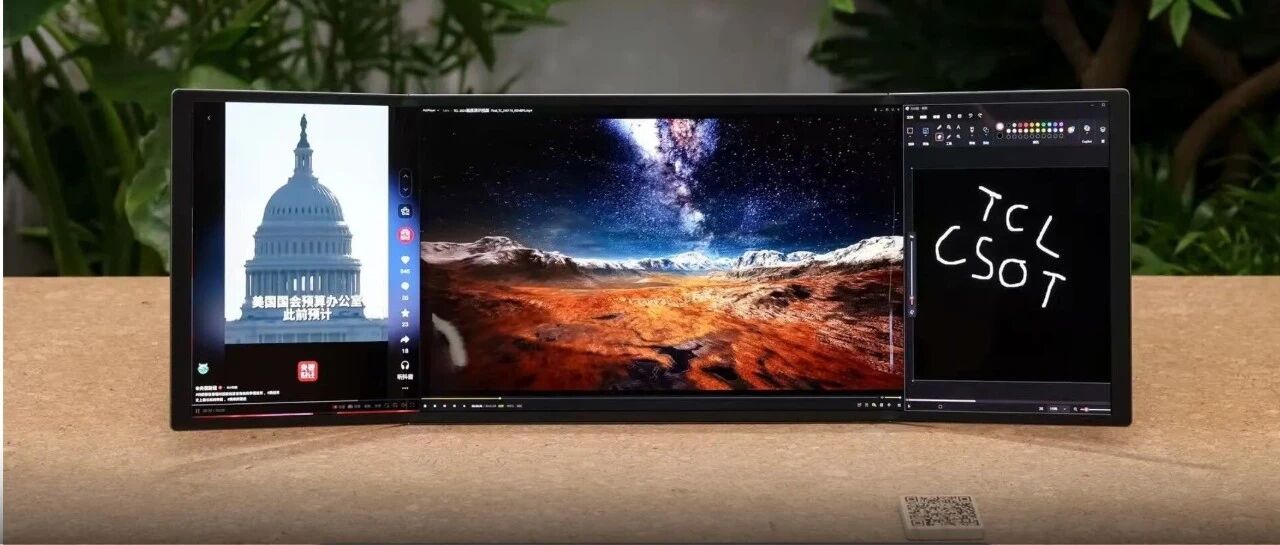
Group 1 - TCL Huaxing showcased multiple display solutions at the DTC2025 conference, including Real Stripe RGB OLED mobile displays and Micro LED displays, highlighting its comprehensive technology layout in the semiconductor display industry [1] - The Real Stripe RGB OLED mobile display utilizes high-precision OLED printing technology, offering enhanced visual effects and contributing to the high-quality development of the semiconductor display industry [1] - The printed OLED production line is designed to save 300 to 400 million kilowatt-hours of electricity annually by significantly reducing vacuum processes, demonstrating its advantages in green manufacturing [1] Group 2 - Domestic OLED production capacity has surpassed 46% of the global total in the first half of this year, marking a transition from a "chip shortage" to a "strong screen and strong chain" development phase in China's display industry [2] - TCL Huaxing aims to improve resolution, material performance, and product yield while reducing costs and enhancing image quality, providing more options for terminal manufacturers [2] - The company released the "Visual Health White Paper 2.0" in collaboration with partners, detailing research on natural light display technology and its six key characteristics [2] Group 3 - After 12 years of investment and research, TCL Huaxing has established a leading advantage in key technologies within the printed OLED field and seeks to collaborate with more partners to promote its application [3]
印刷OLED或将成为最具竞争力的中尺寸OLED解决方案
WitsView睿智显示· 2025-11-18 08:34
Core Viewpoint - OLED technology is recognized as a leading display technology due to its advantages such as high contrast, wide color gamut, and flexibility. TCL Huaxing has chosen the IJP OLED (Inkjet Printed OLED) technology route, aiming to capture the mid-size market, which includes laptops, monitors, automotive displays, and tablets, where there is significant demand and willingness to pay for better performance [1][3]. Group 1: Technology and Market Positioning - IJP OLED technology can cover all sizes, from small mobile devices to large TVs, and TCL Huaxing has launched a full range of IJP OLED products [3]. - The decision to focus on mid-size applications was made after evaluating market demand and technical advantages, as the large-size market is already mature and price-sensitive [3][4]. - Mid-size applications, such as gaming displays and automotive displays, have high performance and cost requirements, making IJP OLED a suitable solution to address issues like high costs and low yield in mid-size OLED production [3][4]. Group 2: Competitive Advantages - IJP OLED technology has a resolution range that aligns well with mid-size application needs, specifically between 50 PPI and 350 PPI, which is considered the optimal range for mid-size displays [4]. - TCL Huaxing's CEO emphasized that IJP OLED has unique advantages over other OLED technologies in terms of picture quality, cost, and efficiency [10][12]. - The transition to a small molecule material system has resulted in a 2 to 3 times improvement in efficiency and compatibility with existing OLED material systems, enhancing the overall material ecosystem [12]. Group 3: Future Development and Challenges - The company aims to improve power consumption and yield rates as key targets for future development, especially for mobile products that require high efficiency [13]. - TCL Huaxing has successfully increased the yield of its G5.5 production line from single digits to 70% and plans to replicate this success on its G8.6 line [13][14]. - The company is also focused on building a self-sufficient supply chain and optimizing equipment performance through collaboration with upstream material and equipment partners [15][16].
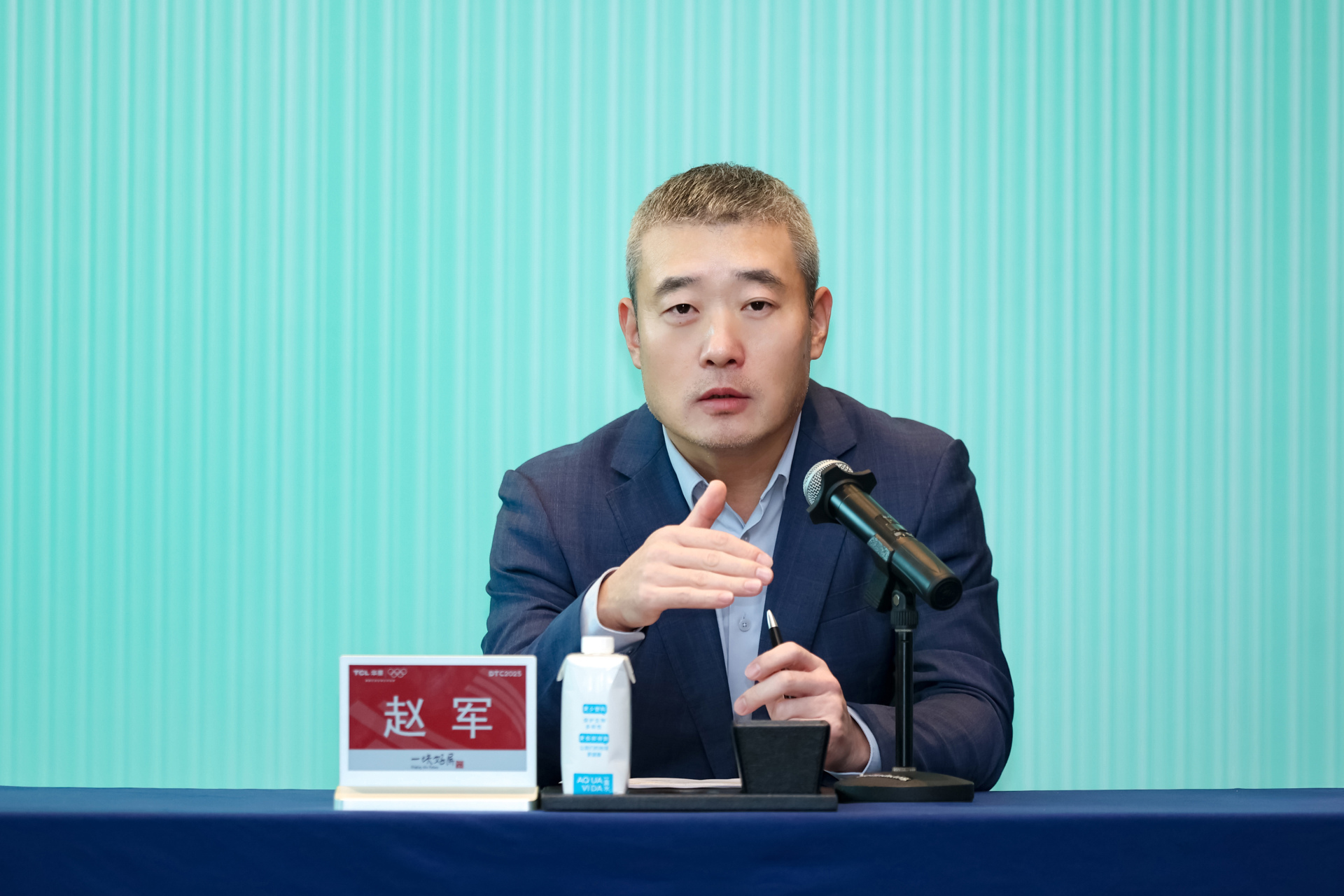
TCL华星赵军:印刷OLED具备其他OLED技术无法替代的优势
Zhong Guo Jing Ying Bao· 2025-11-18 02:49
Core Viewpoint - TCL Huaxing has established a leading advantage in key technologies for printed OLED after 12 years of continuous investment and research, aiming to promote the application of printed OLED in collaboration with partners [1][2]. Group 1: Technology Development and Challenges - TCL Huaxing has faced and overcome numerous challenges in printed OLED technology, including PPI, lifespan, power consumption, and yield, with clear solutions identified for major bottlenecks [2][10]. - The transition from polymer to small molecule material systems has opened up the material ecosystem for printed OLED, with plans for further iterations to enhance performance [3][10]. - Printed OLED technology offers advantages in picture quality, efficiency, and cost, making it competitive in the mid-size display market [4][10]. Group 2: Market Position and Strategy - The total investment of domestic panel manufacturers in production lines has reached 170 billion yuan, with competition expected to intensify as new production lines come online [3][10]. - TCL Huaxing has strategically focused on mid-size applications for printed OLED, including laptops, monitors, and automotive displays, while also planning to expand into small-size applications like mobile phones [5][6]. - The company has showcased advancements in mobile display technology, achieving a pixel density of 390 PPI, comparable to mainstream mobile resolutions [6][10]. Group 3: Key Decisions and Future Directions - Key strategic decisions include the choice of printed OLED technology, focusing on mid-size applications, and relocating production lines to enhance efficiency and integration [7][8]. - The recent launch of the Guangzhou t8 project signifies TCL Huaxing's confidence in achieving large-scale commercialization of printed OLED technology [8][10]. - Future challenges include improving power consumption and yield rates, with current yield rates on the 5.5 generation line reaching 70% and plans to replicate this success on the 8.6 generation line [10][11].
通威刘汉元谈光伏“反内卷”:既要反垄断又要反过度竞争,光伏50ETF(516880)连续5日“吸金”累计1.59亿元,科士达上涨超4%
2 1 Shi Ji Jing Ji Bao Dao· 2025-11-18 02:18
Group 1 - The three major indices showed mixed performance, with the Shanghai Composite Index down 0.21%, the Shenzhen Component Index up 0.15%, and the ChiNext Index up 0.29% [1] - The CSI Photovoltaic Industry Index (931151.CSI) decreased by 0.3%, while key stocks such as Kstar, Junda, JinkoSolar, Roborock, and Trina Solar saw increases of over 3% [1] - The Photovoltaic 50 ETF (516880) experienced a decline of 0.46%, but recorded a net inflow of 27.81 million yuan on the previous trading day, marking five consecutive days of net inflows totaling 159 million yuan [1] Group 2 - Tongwei's Chairman Liu Hanyuan emphasized the need for the photovoltaic industry to combat excessive competition and promote self-discipline, suggesting the establishment of a platform company to manage silicon material capacity [1] - The recent self-regulatory measures in the photovoltaic industry aim to prevent over-competition, with a focus on "silicon material storage" to address dynamic demand changes [1] - According to a recent report from Zhongtai Securities, the ongoing "anti-involution" efforts in the photovoltaic sector are releasing positive signals, indicating an upward reversal in the industry's fundamentals [2]





TCL华星CEO赵军:12年4次关键决策,印刷OLED距离完全成熟还有两大挑战
Tai Mei Ti A P P· 2025-11-18 01:50
Core Insights - The Chinese semiconductor display industry is entering a new OLED arms race, with significant growth expected in AMOLED panel adoption across various sectors by 2030 [1] - TCL Huaxing is focusing on printed OLED technology, which is believed to be the most competitive and promising OLED technology in the medium-sized display market [3] Industry Growth Projections - The compound annual growth rate (CAGR) for AMOLED panels in laptops is projected to reach 38%, for automotive displays 26%, and for desktop monitors 15% by 2030 [1] - Overall, the total shipment volume of OLED products is expected to exceed a CAGR of 80% in the future [1] Company Strategy and Decisions - TCL Huaxing has made several strategic decisions regarding OLED technology, including the choice of printed OLED due to its potential for performance improvements and cost efficiency [4] - The company shifted its focus from large-sized to medium-sized printed OLED displays, identifying a market opportunity in the 50 to 350 PPI resolution range [4] - After the bankruptcy of its Japanese partner JOLED, TCL Huaxing opted to relocate its production line to China, enhancing its manufacturing capabilities [5] Investment and Production Capacity - TCL Huaxing recently launched the Guangzhou T8 project with an investment of approximately 29.5 billion RMB, aiming to produce 22,500 glass substrates monthly for medium-sized IT applications [5] - This project represents the world's first mass production line for G8.6 generation printed OLED technology [5] Technical Advancements - The company has overcome significant challenges in printed OLED technology, achieving a yield improvement from single digits to 70% over the past year [6][7] - Future goals include matching the power consumption of traditional OLED technologies and improving product longevity and quality to meet high-end customer demands [7] Competitive Landscape - Other domestic display manufacturers are also investing in high-generation OLED production lines, which may intensify competition between 2024 and 2028 as new capacities come online [7] - The success of TCL Huaxing and other companies will depend on their technological competitiveness and ability to meet market demands [8]
政策东风催化光伏行业拐点,如何把握“三重底”投资窗口?
2 1 Shi Ji Jing Ji Bao Dao· 2025-11-18 00:35
Core Insights - The photovoltaic industry is expected to reach a cyclical turning point in the second half of 2025 after over two years of deep adjustments, driven by national policies aimed at curbing "involution" competition and promoting orderly development [1][2][3] - The industry is showing signs of reversing its previous difficulties, with prices along the supply chain rebounding, improved profitability for companies, and a strong recovery in secondary market indices [1][5] - The current phase presents a rare historical investment opportunity characterized by a triple bottom in profitability, holdings, and valuation within the photovoltaic sector [1][4] Industry Overview - Since 2020, the domestic photovoltaic industry has rapidly expanded, establishing a leading global position, with cumulative installed capacity exceeding 400 GW by the end of 2023, accounting for over one-third of the global market share [2] - The industry faced severe challenges, including overcapacity leading to price drops and international trade barriers, resulting in a significant price war that compressed overall industry profits [2][3] Policy Developments - The Chinese government has actively intervened since last year to address the chaotic competition in the photovoltaic sector, with multiple policy signals aimed at promoting orderly development and preventing "involution" [2][3] - Key policy measures include the establishment of a fund of approximately 70 billion yuan to acquire outdated polysilicon capacity, which is expected to help the industry return to a reasonable capacity range [3] Market Performance - The photovoltaic sector has begun to recover, with significant price rebounds observed in polysilicon and photovoltaic components, indicating a positive trend in profitability [3][5] - As of November 17, 2025, the China Photovoltaic Industry Index has increased by 36.94% year-to-date, outperforming the Shanghai Composite Index by 17.88% [5] Financial Metrics - In 2024, the photovoltaic industry's overall revenue fell to 12,473.23 billion yuan, with a net profit loss of 20.59 billion yuan, reflecting a year-on-year decline of 13.83% and 20.59% respectively [5][6] - By the third quarter of 2025, the photovoltaic sector's revenue grew by 8% year-on-year, with net profit increasing by 1495%, indicating a significant recovery [6] Investment Opportunities - The current market conditions present a unique opportunity for investment, with the photovoltaic sector at a cyclical low in profitability, institutional holdings, and valuation [6] - The launch of the Huaxia Photovoltaic ETF (515370) on November 18 provides investors with a convenient tool to gain exposure to leading companies across the entire photovoltaic supply chain [1][7]



TCL科技集团股份有限公司2025年第六次临时股东会决议公告
Shang Hai Zheng Quan Bao· 2025-11-17 18:53
4、召开方式:现场投票与网络投票相结合的方式; 5、召集人:TCL科技集团股份有限公司董事会; TCL科技集团股份有限公司及董事会全体成员保证公告内容的真实、准确和完整,没有虚假记载、误导 性陈述或者重大遗漏。 一、重要提示 本次会议召开期间无提案的增加、否决或变更。 二、会议召开的情况 1、现场会议召开时间:2025年11月17日(星期一)下午14:30; 2、网络投票时间:通过深圳证券交易所交易系统进行网络投票的具体时间为2025年11月17日(星期 一)上午9:15-9:25、9:30-11:30,下午1:00-3:00;通过深圳证券交易所互联网投票系统进行网络投票的 具体时间为2025年11月17日(星期一)上午9:15至2025年11月17日(星期一)下午3:00的任意时间; 3、现场会议召开地点:深圳市南山区中山园路1001号TCL科学园国际E城G1栋2楼202会议室; 6、主持人:公司董事朱伟女士; 7、本次会议的召开符合《公司法》《深圳证券交易所股票上市规则》及《TCL科技集团股份有限公司 章程》的规定。 三、会议的出席情况 股东(代理人)共计3,464人,代表股份5,074,520,634股 ...