
FINANCIAL STREET(000402)

Search documents
金融街论坛丨2025金融街论坛年会嘉宾共话全球金融发展
Xin Hua Wang· 2025-10-27 16:02
Group 1 - The 2025 Financial Street Forum opened in Beijing, focusing on "Innovation, Transformation, and Reshaping Global Financial Development" [1] - The People's Bank of China (PBOC) will maintain a supportive monetary policy stance to create a favorable financial environment for economic recovery and market stability [1] - The PBOC plans to implement moderately loose monetary policies and enhance the macro-prudential management system to monitor systemic financial risks [1] Group 2 - The National Financial Regulatory Administration aims to improve economic and financial adaptability, deepen reforms, and enhance the vitality of the financial sector [2] - The administration will focus on balancing financial development and security to contribute to the construction of a financial powerhouse [2] - The China Securities Regulatory Commission (CSRC) will advance sector reforms to enhance the inclusiveness and coverage of the multi-tiered market system [2] Group 3 - The State Administration of Foreign Exchange (SAFE) will deepen reforms in the foreign exchange sector while ensuring systemic risk prevention [3] - SAFE aims to create a more convenient, open, secure, and intelligent foreign exchange management system [3] - International financial leaders emphasized the importance of global cooperation to address challenges and enhance financial stability [3]

财经慧说丨四位“一把手”齐聚金融街论坛,说了啥?
Xin Hua Wang· 2025-10-27 15:20
Core Viewpoint - The article discusses the recent developments in the financial sector, highlighting the impact of regulatory changes and market dynamics on investment strategies and opportunities [1]. Group 1: Regulatory Changes - New regulations are being implemented that may affect the operational landscape for financial institutions, potentially leading to increased compliance costs [1]. - The regulatory environment is evolving, with a focus on enhancing transparency and accountability within the industry [1]. Group 2: Market Dynamics - Recent market trends indicate a shift in investor sentiment, with a growing preference for sustainable and responsible investment options [1]. - The financial sector is experiencing increased competition, particularly from fintech companies that are disrupting traditional banking models [1]. Group 3: Investment Opportunities - Analysts suggest that there are emerging investment opportunities in sectors that align with environmental, social, and governance (ESG) criteria [1]. - Companies that adapt to the changing regulatory and market landscape are likely to outperform their peers in the long run [1].
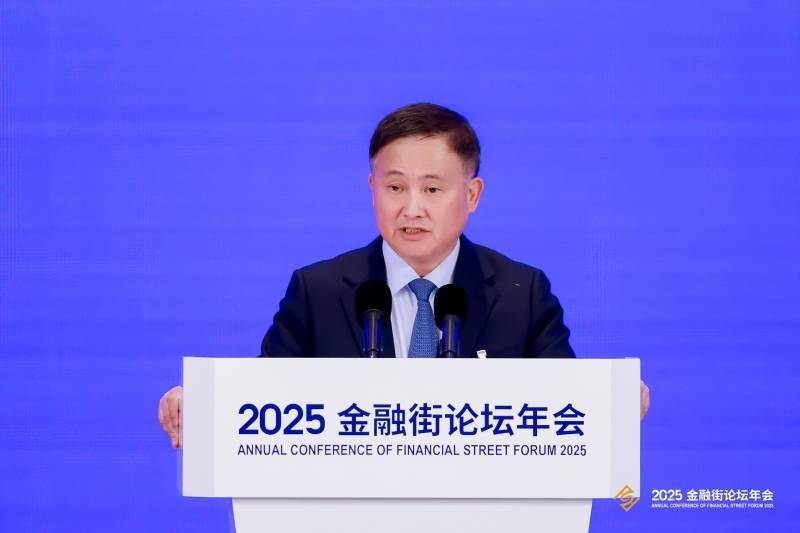
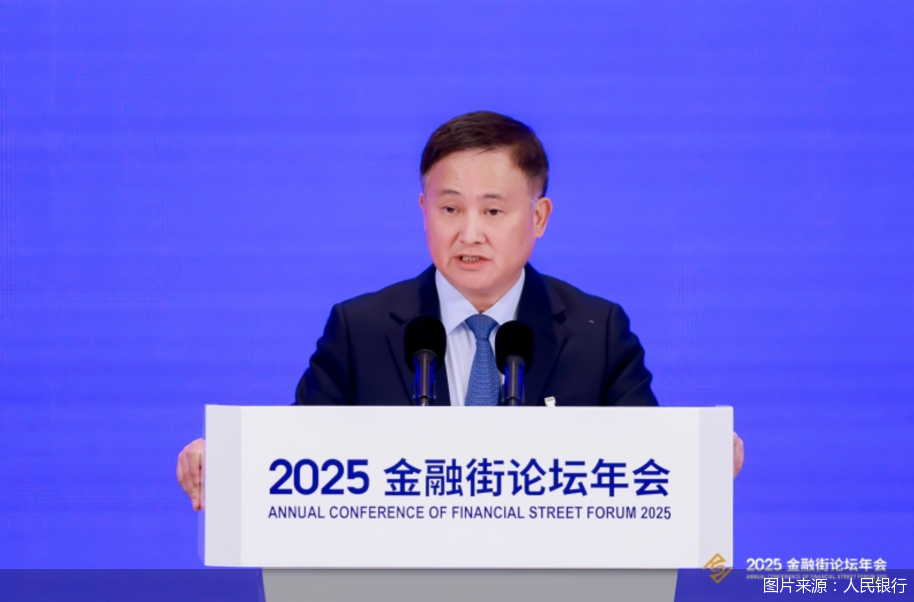
信息量巨大!潘功胜金融街论坛演讲全文来了
Sou Hu Cai Jing· 2025-10-27 15:08
Core Viewpoint - The speech by the Governor of the People's Bank of China emphasizes the importance of establishing a comprehensive macro-prudential management system to enhance financial stability and prevent systemic risks in the financial sector [9][10]. Monetary Policy - The People's Bank of China has maintained a supportive monetary policy stance, with key indicators reflecting this approach: as of September, the social financing scale grew by 8.7% year-on-year, M2 increased by 8.4%, and loans rose by 6.6% [4]. - The central bank plans to continue implementing an appropriately loose monetary policy, utilizing various tools to ensure liquidity remains ample [4]. Government Bonds and Market Operations - The People's Bank of China has engaged in buying and selling government bonds in the secondary market to enhance monetary policy tools and support the bond market's development [5]. - Operations were paused earlier this year due to market imbalances but are set to resume as the bond market stabilizes [5]. Digital Currency and Virtual Currencies - The digital yuan, a legal digital currency issued by the People's Bank of China, has seen the establishment of an initial ecosystem, with plans for further optimization and support for more commercial banks to operate in this space [6]. - The central bank remains cautious about the development of virtual currencies, particularly stablecoins, due to their potential financial risks and regulatory challenges [7]. Credit Repair Policies - The People's Bank of China is researching policies to support individuals in repairing their credit records, particularly for those who have defaulted due to the pandemic but have since repaid their debts [8]. Macro-Prudential Management Framework - China has made significant progress in establishing a macro-prudential management framework since the 2008 financial crisis, focusing on systemic risk prevention and enhancing financial stability [10][12]. - The framework includes various measures such as differentiated reserve requirements and a macro-prudential assessment (MPA) system to link credit growth with financial stability [13]. Future Directions - The People's Bank of China aims to enhance the macro-prudential management system by improving the monitoring of systemic financial risks, reinforcing regulations for systemically important financial institutions, and addressing international financial market risks [14][15][16]. - The central bank plans to expand its toolkit for macro-prudential management, ensuring a comprehensive approach to financial stability [18]. Governance and Coordination - A macro-prudential and financial stability committee has been established to enhance coordination among various financial regulatory bodies, ensuring a unified approach to managing financial risks [19].

金融街论坛丨金融监管总局:推动构建投资于物与投资于人并重的金融服务新模式
Xin Hua She· 2025-10-27 15:01
Core Viewpoint - The National Financial Regulatory Administration aims to establish a new financial service model that balances direct and indirect financing, investment in goods and people, financing terms aligned with industrial development, and the linkage between domestic and international markets to support economic quality and reasonable growth [1][2]. Group 1: Financial Service Model - The administration will promote a collaborative financial service model focusing on direct and indirect financing [1]. - Emphasis will be placed on supporting major strategies, key areas, and weak links to enhance economic quality and growth [1]. Group 2: Modern Industrial System - The administration will efficiently support the construction of a modern industrial system and the development of new productive forces [1]. - Focus areas include intelligent, green, and integrated development, providing more financial resources for traditional and emerging industries [1]. Group 3: Financial Reform and Opening Up - There will be a commitment to deepen reforms and expand openness in the financial sector to enhance development momentum and vitality [1]. - The administration aims to guide various financial institutions to find their positioning and focus on their main businesses for differentiated development [1]. Group 4: Financial Stability and Risk Management - The administration will consolidate risk disposal achievements and promote the merger and reorganization of small financial institutions [2]. - Efforts will be made to enhance the disposal of non-performing assets and capital replenishment to ensure the stability of the financial system [2]. - A new financing system will be constructed to align with the new model of real estate development, aiding in the resolution of local government debt risks [2].
2025金融街论坛|着力提升经济金融适配性!李云泽发声将推动构建金融服务新模式
Bei Jing Shang Bao· 2025-10-27 14:45
Core Viewpoint - The speech by Li Yunzhe emphasizes the need to enhance the adaptability of the financial system to the economy, promote a new model of financial services that balances direct and indirect financing, and ensure systemic financial risk prevention [1][4][11]. Group 1: Financial Service Model - The focus is on constructing a new financial service model that coordinates direct and indirect financing, balances investment in physical assets and human capital, aligns financing terms with industry development, and links domestic and international markets [4][5]. - The financial system should shift from prioritizing investments in hard assets like infrastructure to supporting human capital accumulation, including vocational training and talent development in technology [5]. Group 2: Financial Institution Development - Four large banks have established financial asset investment companies (AIC) in Beijing, with Postal Savings Bank also in the process of establishing one, aimed at converting bank funds into long-term capital for technology innovation and industrial upgrades [6][7]. - The National Financial Supervision Administration plans to continue promoting financial policies in Beijing to attract quality financial resources to support high-quality economic development [6]. Group 3: Financial Opening and Reform - Financial opening is entering a new stage characterized by comprehensive, multi-level, and wide-ranging reforms, which are essential for enhancing the vitality and dynamism of the financial sector [8][9]. - The administration aims to deepen supply-side structural reforms in finance, improve institutional layouts, and enhance the quality and resilience of financial development [8][9]. Group 4: Risk Management and Institutional Restructuring - The administration is committed to risk prevention and will promote the merger and restructuring of small and medium-sized financial institutions to enhance their operational efficiency and competitiveness [11][12]. - There is a focus on improving corporate governance and management capabilities of small banks, especially in economically weaker regions, to address issues like asset quality deterioration and credit risk [11][12].


2025金融街论坛|重启国债买卖、打击虚拟货币炒作,潘功胜最新发声信息量巨大
Bei Jing Shang Bao· 2025-10-27 14:44
Core Viewpoint - The People's Bank of China (PBOC) is set to resume open market operations for government bonds, which is seen as a significant step to enhance monetary policy tools and stabilize the bond market, while also addressing various recent market concerns [1][5][6]. Monetary Policy and Financial Stability - The PBOC has maintained a supportive monetary policy stance, with key macro-financial indicators reflecting a moderately loose monetary environment, including an 8.7% year-on-year increase in social financing scale and an 8.4% increase in M2 as of September [3][4]. - The resumption of government bond trading is expected to alleviate supply-demand imbalances in the bond market and lower financing costs for the real economy [4][6]. Credit Repair Policies - The PBOC is researching policies to support personal credit repair, particularly for individuals who have defaulted due to the pandemic but have since repaid their debts [7][8]. - This initiative aims to improve the credit ecosystem, reduce friction costs between consumers and financial institutions, and promote economic recovery by restoring credit eligibility for affected individuals [9]. Virtual Currency Regulation - The PBOC reiterated its commitment to combat the operation and speculation of virtual currencies, emphasizing the need for strict regulation to maintain financial order and mitigate risks associated with stablecoins and other digital currencies [10][11]. - The central bank's stance reflects a long-standing high-pressure regulatory environment against virtual currencies, aiming to prevent potential financial risks and maintain monetary sovereignty [12]. Macro-Prudential Management Framework - The PBOC outlined its focus on building a comprehensive macro-prudential management system, which includes monitoring systemic financial risks and enhancing the regulatory framework for key financial institutions [13][14]. - Future efforts will involve improving the assessment of macro-prudential policies and ensuring better coordination between monetary policy and fiscal measures to strengthen financial stability [15][16].
2025金融街论坛|李云泽重磅发声!“十五五”时期保险领域锚定点公布
Bei Jing Shang Bao· 2025-10-27 14:44
Group 1: Insurance Sector Development - The 2025 Financial Street Forum highlighted the direction for the insurance sector during the 14th Five-Year Plan, focusing on optimizing trade financing and export credit insurance to enhance cross-border services and promote domestic and international dual circulation [1] - The government has increased support for export credit insurance as part of policies to stabilize foreign trade, emphasizing its role in mitigating risks for exporters and contractors [3] - Export credit insurance is recognized as a tool for promoting foreign trade, covering political risks and commercial risks, ultimately safeguarding the interests of domestic exporters and overseas investors [3] Group 2: Financial Services for Livelihoods - The insurance sector is urged to meet financial needs in education, health, and other livelihood areas, with a focus on developing pension and health insurance products to address the growing demand due to aging populations [4] - There is a shift in pension and health insurance from optional to essential, prompting insurers to innovate products and services that cater to these needs [4] - Insurers are encouraged to integrate health management with insurance offerings, creating a comprehensive health ecosystem to better serve the aging population [4] Group 3: Disaster Risk Management - The insurance industry's role as a stabilizer in response to natural disasters has become increasingly important, with significant losses reported from recent weather events [5] - Policies are being developed to enhance the catastrophe insurance system, aiming to create a robust risk management framework for natural disasters [5] - Collaboration among government, market, and society is essential to establish an effective disaster risk management system that can improve societal resilience to climate uncertainties [5]
重磅发声!事关货币政策、稳定币、金融开放|金融街论坛聚焦
Sou Hu Cai Jing· 2025-10-27 14:39
Group 1: Monetary Policy and Financial Stability - The People's Bank of China (PBOC) has maintained a supportive monetary policy stance, utilizing various tools to ensure ample liquidity in the financial system, which has contributed to economic recovery and market stability [3][5] - The PBOC has implemented bond trading operations in the secondary market to enhance the functionality of government bonds and improve the transmission of monetary policy [6] - The PBOC plans to resume government bond trading operations in the open market, as the bond market is currently operating well [6] Group 2: Financial Regulation and Development - The Financial Regulatory Administration aims to enhance the adaptability of the financial system to better support sustainable economic development and deepen reforms [8][10] - The administration will promote a new financial service model that balances direct and indirect financing, supports key sectors, and enhances financial resource allocation for traditional and emerging industries [10] - The administration will also focus on inclusive finance, ensuring that financial services reach small and micro enterprises, rural areas, and underserved communities [10] Group 3: Capital Market Reforms - The China Securities Regulatory Commission (CSRC) emphasizes Beijing's role as a key hub for capital market reforms and will implement policies to attract quality financial resources to the capital [12][14] - The CSRC plans to deepen reforms in the ChiNext market and enhance the attractiveness and competitiveness of the capital market [14] - The CSRC has launched an optimized scheme for Qualified Foreign Institutional Investors (QFII), aiming to provide a more transparent and efficient environment for foreign investors [14] Group 4: Trade and Foreign Exchange Policies - The State Administration of Foreign Exchange (SAFE) will introduce new policies to promote trade innovation and facilitate cross-border trade [16][17] - China is expected to maintain a strong global trade presence, with the total global trade volume projected to exceed $33 trillion this year [17] - SAFE will continue to deepen reforms in the foreign exchange sector, aiming to create a more convenient, open, and secure foreign exchange management system [18]
金融街论坛丨证监会将启动实施深化创业板改革
Xin Hua Wang· 2025-10-27 14:36
Core Viewpoint - The China Securities Regulatory Commission (CSRC) is set to implement reforms to the ChiNext board, aiming to establish listing standards that better align with the characteristics of innovative enterprises in emerging fields and future industries [1][2]. Group 1: Deepening Board Reforms - The CSRC will launch the first batch of newly registered companies on the Sci-Tech Innovation Board on October 28 [1]. - The commission aims to maintain its role as a service platform for innovative small and medium-sized enterprises (SMEs) and will continue to promote the high-quality development of the Beijing Stock Exchange [1]. - There will be improvements to the New Third Board's listing, information disclosure, and trading systems, as well as mechanisms to facilitate connections between the third and fourth boards [1]. Group 2: Enhancing Investor Protection - The CSRC has introduced a series of practical measures to strengthen the protection of small and medium investors, including 23 specific initiatives aimed at addressing their key concerns [2]. - The commission emphasizes the importance of a robust safety net for investor protection in the capital market [2]. Group 3: Expanding Foreign Investment - The CSRC has officially launched the "Qualified Foreign Investor System Optimization Work Plan," which includes optimizing access management, improving investment operation efficiency, and expanding investment scope [2]. - The goal is to provide a more transparent, convenient, and efficient institutional environment for various foreign investors [2].
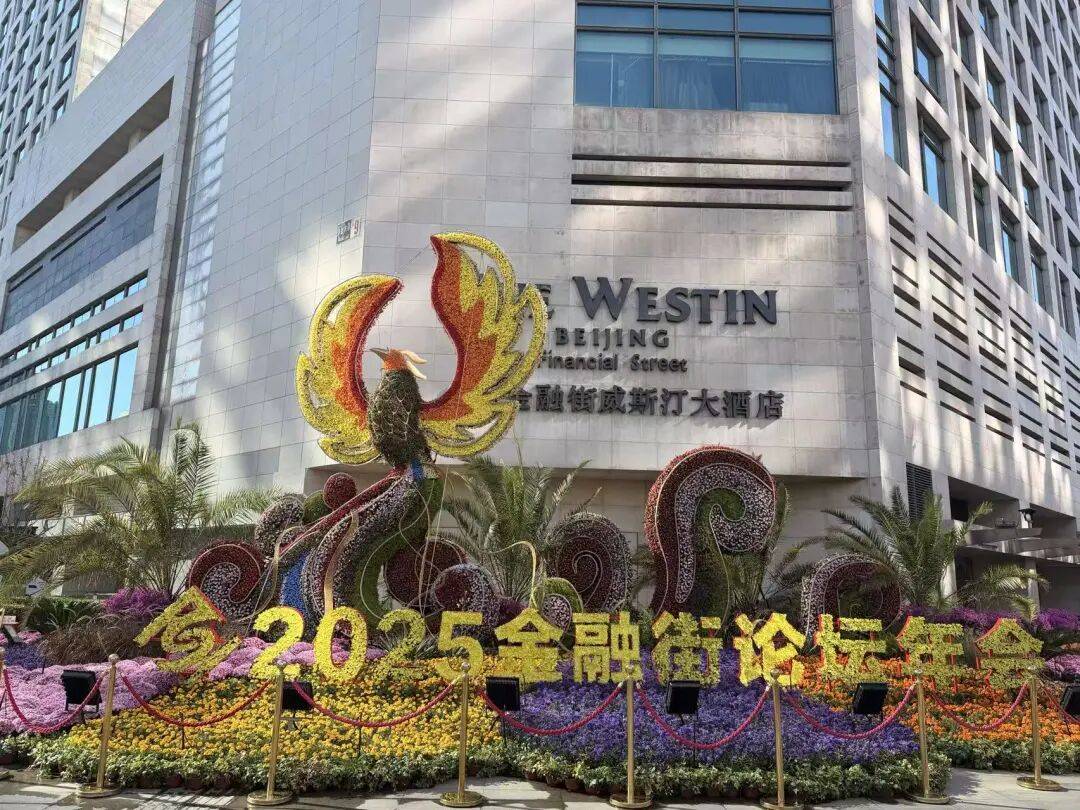
2025金融街论坛年会开幕 国内外金融监管掌舵人集体发声
Xin Hua Cai Jing· 2025-10-27 14:30
"我们将推动构建直接融资与间接融资协同、投资于物与投资于人并重、融资期限与产业发展匹配、国 内市场与国际市场联动的金融服务新模式,强化对重大战略、重点领域和薄弱环节的支持,助力经济实 现质的有效提升和量的合理增长。"李云泽表示,将聚焦智能化、绿色化、融合化方向,为传统产业优 化提升、新兴产业和未来产业培育壮大提供更多金融资源。锚定高水平科技自立自强,完善长期资本投 早、投小、投长期、投硬科技的支持政策。 新华财经北京10月27日电(记者刘玉龙、董道勇)27日下午,以"创新、变革、重塑下的全球金融发 展"为主题的2025金融街论坛年会在北京开幕。当天,来自金融监管部门、国际金融组织的嘉宾围绕优 化金融机构体系、建强金融基础设施、加强金融监管、稳步扩大高水平制度型对外开放等展开研讨,探 究在新起点上推进金融高质量发展的新路径。 中国人民银行行长潘功胜回应了市场近期关注的热点问题,强调人民银行将继续坚持支持性的货币政策 立场,保持社会融资条件相对宽松。会上,他表示人民银行将恢复公开市场国债买卖操作,并探索在特 定情景下向非银机构提供流动性机制安排。人民银行将进一步优化数字人民币管理体系,支持更多商业 银行成为数字人 ...