
Desay SV(002920)

Search documents
德赛西威:第三季度归母净利润5.65亿元,同比下降0.57%
Xin Lang Cai Jing· 2025-10-27 12:16
Core Viewpoint - Desay SV's Q3 2025 revenue reached 7.692 billion yuan, a year-on-year increase of 5.63%, while net profit attributable to shareholders decreased by 0.57% to 565 million yuan [1] Financial Performance - For the first three quarters, the company achieved a revenue of 22.337 billion yuan, reflecting a year-on-year growth of 17.72% [1] - The net profit attributable to shareholders for the first three quarters was 1.788 billion yuan, showing a year-on-year increase of 27.08% [1] - Basic earnings per share for Q3 2025 were reported at 1.02 yuan [1]
德赛西威:前三季度净利润同比增长27.08%
Xin Lang Cai Jing· 2025-10-27 12:16
Core Viewpoint - Desay SV Automotive (002920.SZ) reported a revenue of 7.692 billion yuan for Q3 2025, reflecting a year-on-year growth of 5.63%, while the net profit attributable to shareholders decreased by 0.57% to 565 million yuan [1] Financial Performance - For the first three quarters, the company achieved a revenue of 22.337 billion yuan, marking a year-on-year increase of 17.72% [1] - The net profit attributable to shareholders for the same period was 1.788 billion yuan, which represents a year-on-year growth of 27.08% [1] Key Drivers of Performance - The growth in performance is primarily attributed to the expansion of the company's sales scale, leading to increased customer payments [1] - The net cash flow from operating activities saw a significant year-on-year increase of 169.30% [1] - Investment income from the disposal of equity in associated companies also rose significantly year-on-year [1]
德赛西威(002920) - 2025 Q3 - 季度财报
2025-10-27 12:15
Financial Performance - The company's revenue for Q3 2025 reached ¥7,692,325,128.43, an increase of 5.63% compared to the same period last year[5] - Net profit attributable to shareholders was ¥565,156,151.96, a slight decrease of 0.57% year-on-year[5] - The net profit after deducting non-recurring gains and losses was ¥571,336,319.72, down 13.25% from the previous year[5] - Total revenue for the current period reached ¥22,336,551,337.32, an increase of 17.9% compared to ¥18,974,765,447.01 in the previous period[23] - Operating profit for the current period was ¥1,899,241,515.51, up from ¥1,471,429,151.96, reflecting a growth of 28.9%[24] - Net profit attributable to shareholders of the parent company was ¥1,787,715,205.20, compared to ¥1,406,806,972.61 in the previous period, marking an increase of 27.0%[24] - Total comprehensive income reached ¥1,823,124,808.78, up from ¥1,412,947,153.28, representing a year-over-year increase of approximately 28.9%[25] Assets and Liabilities - Total assets at the end of Q3 2025 amounted to ¥27,242,299,948.98, reflecting a growth of 26.81% compared to the end of the previous year[5] - Total assets increased to ¥27,242,299,948.98, compared to ¥21,483,325,692.05, reflecting a growth of 26.9%[22] - Total liabilities rose to ¥12,458,677,516.83, up from ¥11,717,785,116.37, indicating an increase of 6.3%[22] - The company's equity attributable to shareholders increased to ¥14,643,138,658.60 from ¥9,643,271,178.38, a significant rise of 52.0%[22] Cash Flow - The company's cash flow from operating activities for the year-to-date reached ¥2,259,552,303.53, a significant increase of 169.30%[13] - Net cash flow from operating activities was ¥2,259,552,303.53, compared to ¥839,035,141.40 in the previous period, indicating a significant increase of 169.5%[25] - Cash inflow from operating activities totaled ¥26,850,826,803.08, up from ¥20,016,153,239.37, marking a growth of 34.0%[25] - Cash outflow from investing activities was ¥2,995,601,435.74, compared to ¥1,184,774,440.21, resulting in a year-over-year increase of 153.5%[26] - Net cash flow from financing activities was ¥3,571,529,270.41, a turnaround from a negative cash flow of ¥393,568,388.09 in the previous period[26] - Total cash and cash equivalents at the end of the period amounted to ¥5,149,730,931.18, compared to ¥577,383,799.17 at the end of the previous period, showing a substantial increase[26] Shareholder Information - The total number of common shareholders at the end of the reporting period is 56,502[15] - Guangdong Desay Group holds 28.31% of shares, totaling 157,106,250 shares[15] - Huizhou Innovation Investment Co., Ltd. holds 21.68% of shares, totaling 120,299,592 shares[15] Expenses - The company reported a 75.89% increase in selling expenses, totaling ¥254,371,615.82, due to business expansion and customer acquisition efforts[11] - Research and development expenses increased to ¥2,002,625,618.49, up from ¥1,651,320,904.19, representing a rise of 21.2%[23] - The company reported a total operating cost of ¥20,716,588,617.51, which is an increase of 18.9% from ¥17,453,097,289.28 in the previous period[23] Investment Activities - Investment income increased by 185.73% to ¥83,888,251.40, attributed to the disposal of equity in an associated company[12] - The company raised a total of ¥4,398,799,965.00 from issuing 41,893,333 shares to specific investors[17] - Cash inflow from investment activities was ¥1,577,149,803.20, significantly higher than ¥182,976,106.67 in the prior period, indicating a growth of 764.5%[26] - The company received ¥4,396,999,965.00 from investment activities, reflecting strong capital inflow[26] Equity and Share Capital - The company's total equity attributable to shareholders rose by 51.85% to ¥14,643,138,658.60 compared to the end of the previous year[5] - The total share capital increased from 554,949,301 shares to 596,842,634 shares[18] - Long-term equity investments decreased to ¥345,462,345.91 from ¥369,608,380.43[20] - Long-term borrowings increased to ¥251,320,000.00 from ¥219,417,114.45, showing a growth of 14.5%[22] Inventory and Current Assets - Total current assets rose to ¥21,414,416,050.12 from ¥16,434,310,809.14[20] - Inventory increased to ¥5,003,058,945.06 from ¥3,696,466,028.03[20] Other Comprehensive Income - Other comprehensive income after tax for the current period was ¥18,505,238.77, compared to a loss of ¥4,347,699.94 in the previous period[24]
智能座舱产业链洗牌加速:芯片换挡,Tier 1上位
Xin Lang Cai Jing· 2025-10-26 04:48
Core Viewpoint - The competition in the smart automotive sector is increasingly focusing on smart cockpits and electronic products, with companies like Junsheng Electronics securing significant orders for cockpit and in-car screen projects, indicating a shift in automotive competition towards in-car electronics and user interaction experiences [1][2][3]. Industry Trends - The smart cockpit market in China is projected to reach a pre-installation rate of 74.6% in the first half of 2025, with expectations to exceed 80% for the entire year [4]. - The Chinese government is reinforcing the development of smart cockpits as a key research direction in its "14th Five-Year" digital economy development plan, promoting domestic production of critical hardware and software [5]. - The automotive chip market is experiencing a shift, with international giants like Qualcomm and Renesas seeing a slowdown in growth, while domestic manufacturers are rapidly capturing the mid-to-low-end market due to cost advantages [5][6]. Company Developments - Desay SV's smart driving business revenue reached 4.15 billion yuan in the first half of 2025, marking a 55.5% year-on-year increase, indicating strong growth in the cockpit domain [7]. - System integrators are gaining profit leadership as hardware margins compress, with companies like Desay SV showcasing integrated solutions that combine multiple functionalities into a single chip, reducing costs [7][8]. - Domestic cockpit chip penetration in mainstream models is increasing, with over 90% of self-owned brand vehicles reportedly using domestic MCU or SoC solutions [6]. Technological Innovations - Leading automotive companies are transitioning from purchasing components to defining entire vehicle systems through self-developed operating systems and algorithms, enhancing their technological sovereignty [9]. - The integration of AI and ecosystem collaboration is becoming a new competitive focus, with companies like Xiaopeng and Xiaomi extending user experiences through integrated hardware and software solutions [9][10]. - The core competitiveness of smart cockpits is evolving from hardware specifications to ecosystem integration and algorithm collaboration, reflecting a shift in consumer focus from the number of screens to system capabilities [10].
2025年全球汽车Tier1厂商排名
自动驾驶之心· 2025-10-24 16:03
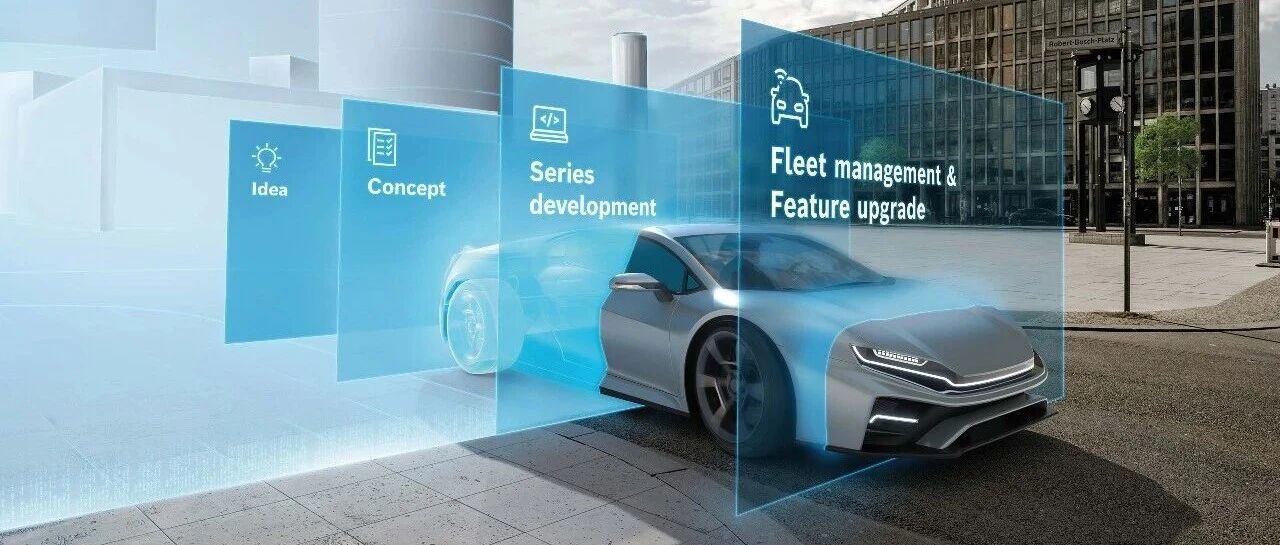
Core Insights - The article discusses the competitive landscape of global Tier 1 automotive suppliers, highlighting the rise of Chinese manufacturers in the electric and intelligent driving sectors while traditional players face challenges [2][4][5]. Group 1: Global Tier 1 Suppliers Ranking - The top 20 global Tier 1 automotive suppliers for 2025 are led by Bosch, ZF Friedrichshafen, and Denso, with strengths in automotive electronics, powertrains, and autonomous driving [2]. - Notable Chinese suppliers like Desay SV and Foryoung are making significant strides in intelligent driving and automotive electronics, indicating a shift in market dynamics [2][5]. Group 2: Trends in Electrification and Intelligence - The electrification trend is accelerating, with battery manufacturers like CATL and BYD increasing their market share, particularly in the context of rapid growth in new energy vehicles [3]. - Intelligent driving and smart cockpit technologies are emerging as core growth areas, with Chinese firms gaining market share in these domains [3]. Group 3: Market Competition Dynamics - Traditional Tier 1 suppliers such as Bosch and ZF are experiencing revenue and profit declines in 2024, despite their established technological advantages [4]. - Chinese Tier 1 suppliers are breaking through barriers in the new energy and intelligent driving sectors, challenging the dominance of international players [5]. Group 4: Regional Market Changes - The Chinese market is witnessing rapid growth in new energy vehicles, providing substantial opportunities for local Tier 1 suppliers [10]. - In contrast, the European and American markets are experiencing a slowdown in electrification but continue to demand advancements in autonomous driving and smart cockpit technologies [10]. Group 5: Technological Innovation and Collaboration - Suppliers with comprehensive capabilities in hardware, software, and system integration are expected to capture larger market shares in the future [6]. - Traditional Tier 1 suppliers are investing in Chinese startups and developing localized products to regain their competitive edge [6].




给热到发烫的无人车,泼盆冷水
汽车商业评论· 2025-10-24 02:40
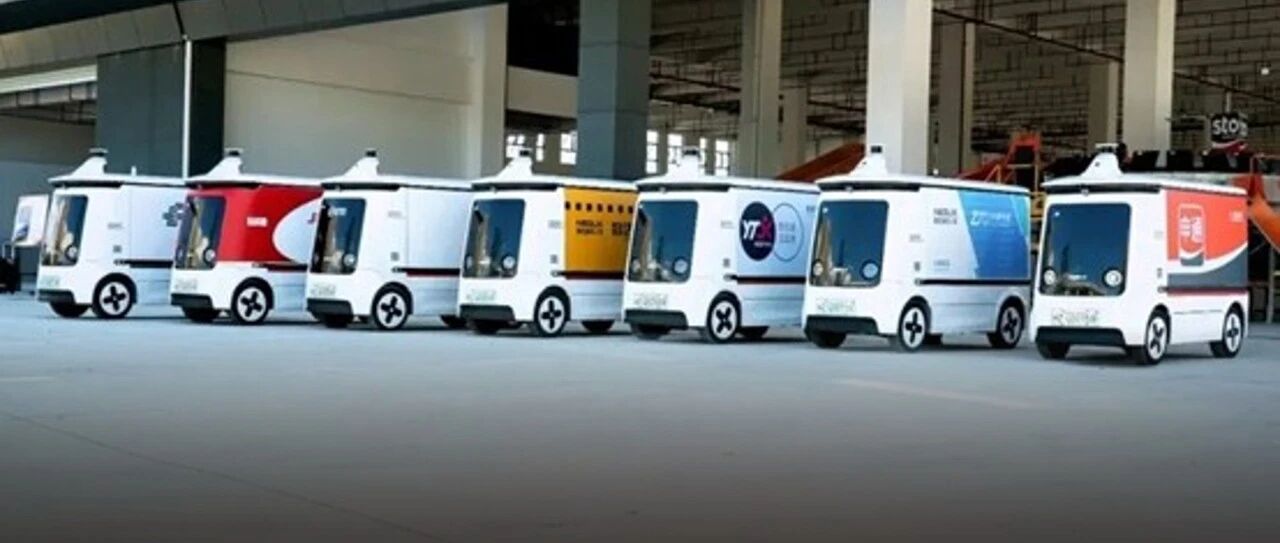
Core Viewpoint - The article discusses the rapid development and investment in the low-speed autonomous vehicle market in China, highlighting significant financing events and the increasing adoption of autonomous vehicles in logistics and delivery sectors [4][11]. Investment and Financing - New Stone Technology announced the completion of over $600 million in Series D financing, marking it as the largest private equity financing in China's autonomous driving sector to date [4]. - In 2025, several companies, including New Stone and NineSight, secured substantial funding, indicating strong investor interest in the autonomous vehicle market [10][11]. Market Dynamics - The low-speed autonomous vehicle market is experiencing a shift, with companies like Desay SV and New Stone entering the space, showcasing strong execution capabilities [6][9]. - The logistics sector, particularly the express delivery industry, is a major driver for the adoption of autonomous vehicles, with significant orders for autonomous delivery vehicles already placed [13][15]. Industry Trends - The period from 2018 to 2023 was characterized as a demonstration phase for autonomous vehicles, with companies exploring various application scenarios and refining AI technologies [9]. - By 2024, the industry is expected to enter a growth phase, with commercial value becoming more apparent and market demand beginning to surge [9][10]. Competitive Landscape - The express delivery sector has become a key player in the autonomous vehicle market, with major companies like Jitu Express and SF Express investing heavily in autonomous delivery vehicles [15][18]. - New Stone and NineSight dominate the market, holding a combined 90% share of the autonomous vehicle orders in the express delivery sector, making it challenging for new entrants [18]. Future Outlook - The potential market for autonomous delivery vehicles in China is vast, with estimates suggesting a need for 30 million autonomous vehicles for last-mile delivery [24]. - However, there are concerns about the sustainability of the current business models, with industry experts suggesting that the market may not meet overly optimistic capital market expectations [26][27].
智能驾驶深度报告:世界模型与VLA技术路线并行发展
Guoyuan Securities· 2025-10-22 08:56
Investment Rating - The report does not explicitly state an investment rating for the smart driving industry Core Insights - The smart driving industry is experiencing rapid evolution driven by "end-to-end" and "smart driving equity" concepts, with significant growth in both new energy vehicle sales and smart driving functionalities [3][4][9] - The penetration rate of L2-level smart driving in new energy vehicles in China has increased from approximately 7% in 2019 to around 65% by the first half of 2025, indicating a strong correlation between new energy vehicle sales and the adoption of smart driving technologies [9][10] - The smart driving market is projected to exceed 5 trillion yuan by 2030, with a compound annual growth rate driven by technological advancements and increased consumer acceptance [15][16] Summary by Sections 1. "Equity + End-to-End" Accelerating Smart Driving Evolution - The smart driving industry has seen a significant increase in new energy vehicle sales, which has created a positive feedback loop for the adoption of smart driving technologies [9][10] - The penetration of L2-level smart driving features in new energy vehicles has rapidly increased, reflecting the growing consumer acceptance and market expansion of smart driving technologies [9][10] 2. End-to-End Smart Driving Review - The evolution of end-to-end smart driving can be categorized into four main stages, with advancements in perception, decision-making, and control processes [30][32] - The introduction of the "occupancy network" has enhanced environmental perception capabilities, allowing for more accurate and stable decision-making in complex driving scenarios [46][47] 3. VLA Technology Route - The VLA (Vision-Language-Action) model is emerging as a key driver of paradigm shifts in autonomous driving, integrating visual, linguistic, and action modalities into a cohesive framework [70][71] - The VLA model's development is divided into four stages, with significant advancements in task understanding and execution capabilities [76][77] 4. World Model Technology Route - The world model approach emphasizes physical reasoning and spatial understanding, representing a long-term evolution path for smart driving technologies [69][70] - The integration of world models with cloud computing is expected to enhance the iterative optimization of end-to-end smart driving systems [65][66]




德赛西威(002920) - 关于持股5%以上股东持股比例变化超过1%的公告
2025-10-21 14:02
惠州市德赛西威汽车电子股份有限公司 证券代码:002920 证券简称:德赛西威 公告编号:2025-074 惠州市德赛西威汽车电子股份有限公司 本公司及董事会全体成员保证公告内容的真实、准确和完整,没有虚假记 载、误导性陈述或重大遗漏。 (一)信息披露义务人基本信息及权益变动情况 惠州市德赛西威汽车电子股份有限公司 股票简称 德赛西威 股票代码 002920 变动方向 上升□ 下降√ 一致行动人 有□ 无√ 是否为第一大股东或实际控制人 是□ 否√ 2.本次权益变动情况 股份种类(A 股、B 股 等) 变动股数 变动方式 变动比例(%) A 股 -1,163,400 集中竞价 -0.21 A 股 0 公司总股本变化 使其持股比例被 动变化 -1.52 合 计 -1.73 本次权益变动方式 (可多选) 通过证券交易所的集中交易 √ 通过证券交易所的大宗交易 □ 其他 √ (因公司向特定对象发行 A 股股票导致公司总股本增加,使其 持股比例被动变化) 3. 本次变动前后,投资者及其一致行动人拥有上市公司权益的股份情况 股份性质 本次变动前持有股份 本次变动后持有股份 股数(股) 占总股本比例 (%) 股数(股) ...
德赛西威(002920) - 关于董事、监事和高级管理人员持股情况变动的报告
2025-10-21 14:02
注:表中持股数量指登记于董事、监事和高级管理人员名下账户的直接持有公司股份的数量。 关于董事、监事和高级管理人员持股情况变动的报告 经中国证券监督管理委员会《关于同意惠州市德赛西威汽车电子股份有限公 司向特定对象发行股票注册的批复》(证监许可〔2025〕315 号)同意,惠州市 德赛西威汽车电子股份有限公司(以下简称"公司")向 21 名特定对象发行人 民币普通股(A 股)41,893,333 股,每股发行价格为 105.00 元,募集资金总额 4,398,799,965.00 元。本次发行完成后,公司总股本由 554,949,301 股增加至 596,842,634 股。 公司全体董事、监事和高级管理人员均不是本次向特定对象发行 A 股股票的 认购对象,持股数量未发生变化,持股比例因本次发行总股本增加而摊薄。本次 发行前后的具体变动情况如下: 惠州市德赛西威汽车电子股份有限公司 | 姓名 | 职务 | 本次发行前 | | 本次发行后 | | | --- | --- | --- | --- | --- | --- | | | | 持股数(股) | 持股比例 | 持股数(股) | 持股比例 | | 高大鹏 | ...
德赛西威(002920) - 关于持股5%以上股东持股比例被动变化超过1%的公告
2025-10-21 14:02
惠州市德赛西威汽车电子股份有限公司 本公司及董事会全体成员保证公告内容的真实、准确和完整,没有虚假记 载、误导性陈述或重大遗漏。 关于持股 5%以上股东持股比例被动变化超过 1%的公告 一、本次权益变动基本情况 根据中国证券监督管理委员会出具的《关于同意惠州市德赛西威汽车电子股 份有限公司向特定对象发行股票注册的批复》(证监许可〔2025〕315 号),惠 州市德赛西威汽车电子股份有限公司(以下简称"公司")向 21 名特定对象发行 A 股股票(以下简称"本次发行")41,893,333 股,新增股份的股份登记手续已 在中国证券登记结算有限责任公司深圳分公司办理完毕,新增股份将于 2025 年 10 月 24 日在深圳证券交易所上市,公司总股本由 554,949,301 股增加至 596,842,634 股。 公司持股 5%以上股东广东德赛集团有限公司(以下简称"德赛集团")未 参与本次发行认购,持股数量未发生变化,但因公司总股本变化,其持股比例由 28.31%被动变化至 26.32%。 | 1.基本情况 | | | --- | --- | | 信息披露义务人 | 广东德赛集团有限公司 | | 住所 | 广东 ...