Amazon(AMZN)

Search documents
由于就业市场降温,美国大型公司计划裁员至少5.2万人
Xin Lang Cai Jing· 2026-01-30 14:48
Core Viewpoint - A significant number of large U.S. companies, including Amazon, UPS, Dow Chemical, Nike, and Home Depot, have announced plans to lay off over 52,000 employees, indicating a trend of workforce reduction amid ongoing economic uncertainty and increasing pressure to invest in artificial intelligence [1][4][5]. Group 1: Layoff Announcements - Amazon plans to cut 16,000 jobs in its second round of layoffs within three months, aiming to streamline bureaucracy [7]. - UPS will lay off up to 30,000 employees due to a decrease in package volume for Amazon deliveries, offering voluntary departure incentives [7]. - Dow Chemical will implement a comprehensive operational simplification plan, resulting in the reduction of 4,500 jobs [7]. Group 2: Economic Context - The layoffs reflect concerns from Federal Reserve policymakers and economists about a cooling job market after years of strong hiring [5]. - The U.S. economy added only 50,000 jobs in December, with the median duration of unemployment rising to 11.4 weeks, the longest since 2021 [2][5]. - Despite the increase in layoffs, the overall scale of layoffs in the past year is not considered unusually high compared to pre-pandemic levels [2][5]. Group 3: Labor Market Dynamics - Employers are hesitant to hire new employees or lay off existing ones, leading to stagnation in the job market [5]. - The unemployment rate decreased from 4.5% in November to 4.4% in December, showing signs of stabilization [5]. - The Federal Reserve has cut interest rates by 0.75 percentage points in response to signs of a cooling job market [6].


亚马逊“史上最大规模裁员潮”落地 AI又成背锅侠?
Zhong Guo Jing Ying Bao· 2026-01-30 14:43
Core Insights - The wave of layoffs in the tech industry, driven by AI advancements, is reshaping organizational structures and strategies, with Amazon leading the charge by announcing a reduction of approximately 16,000 positions in its China offices, following a previous cut of 14,000 in October 2025, totaling 30,000 employees or nearly 10% of its global workforce, marking the largest layoffs in its 30-year history [2][5] Group 1: Layoff Trends - The latest round of layoffs at Amazon primarily targets corporate functions, with significant cuts in HR and AWS administrative roles, as AI can now automate tasks such as resume screening and performance tracking, reducing recruitment cycles by 60% [3][5] - The layoffs reflect a shift from traditional performance-based criteria to a more functional approach, with even high-performing employees being affected, indicating a fundamental change in how companies assess workforce needs [3][5] Group 2: AI Investment and Strategy - Amazon's investment in AI surpassed $150 billion in 2025, marking the first time it exceeded human labor costs, signifying a shift in corporate financial logic from "human-centric" to "AI-centric" [5][6] - The trend of AI-driven layoffs is not isolated to Amazon; major companies like IBM, Microsoft, and Meta have also implemented significant workforce reductions, with IBM cutting 8,000 jobs and Microsoft reducing document processing roles by 30% due to AI integration [5][6] Group 3: Broader Industry Implications - The ongoing layoffs are indicative of a structural transformation in the tech industry, with AI targeting roles in HR, administration, and repetitive technical jobs, leading to a shrinking job market for entry-level programmers and white-collar positions [6] - Despite the risks, new opportunities are emerging, such as AI trainers and management roles, with demand for professionals who can effectively leverage AI technologies increasing significantly [6]

别让“设计”成了“算计”
Jing Ji Guan Cha Wang· 2026-01-30 14:36
Core Viewpoint - The article highlights the issue of "hidden traps" in commercial practices, where businesses design terms and conditions that are difficult for consumers to notice, leading to disputes over claims and subscriptions [2][3][4]. Group 1: Insurance Claim Dispute - A case involving Ms. Zhu illustrates how an insurance company denied a claim by citing that the hospital was not within the coverage area, despite the contract's vague wording [2]. - The contract included a hidden list of exclusions that Ms. Zhu was unaware of when signing, demonstrating a lack of transparency in the insurance industry [2]. Group 2: Subscription Services and Automatic Renewals - Subscription services often employ automatic renewal mechanisms that are set as default options, leading consumers to unknowingly authorize payments [2][3]. - The Shanghai Consumer Protection Committee reported that many software services complicate the cancellation process, making it difficult for users to opt-out [2]. Group 3: Business Practices and Consumer Behavior - Businesses utilize complex cancellation processes to exploit consumer inertia, resulting in "silent revenue" as users may continue payments despite dissatisfaction [3]. - The design choices made by companies, such as default selections and hidden terms, are driven by the desire to increase purchase rates and customer retention [3]. Group 4: Legal and Ethical Considerations - The article discusses the legal framework in China that mandates businesses to clearly inform consumers about automatic renewals and related terms [4]. - Amazon's settlement of $2.5 billion with the FTC for misleading subscription practices serves as a reference point for potential regulatory actions in China [4]. Group 5: Corporate Values and Consumer Trust - The design of products and services reflects a company's values, questioning whether users are treated as partners or mere data points [5]. - Long-term business success relies on building trust with consumers, and deceptive practices can erode this trust, leading to a loss of customer loyalty [5].

Trump picks Warsh, Apple earnings, the software bear market and more in Morning Squawk
CNBC· 2026-01-30 13:14
Group 1: Federal Reserve Nomination - President Trump has nominated former Fed Governor Kevin Warsh to be the next chairman of the U.S. Federal Reserve, expressing confidence in his potential effectiveness [2][3] - Warsh's nomination is not expected to significantly impact markets due to his established background and perceived political independence, although Senate confirmation may face challenges [3][4] Group 2: Government Funding and Shutdown - Trump endorsed a Senate deal to fund most of the government through the end of the fiscal year, which is expected to help avoid a partial government shutdown [5][6] - The revised funding deal includes several departments but excludes the Department of Homeland Security, which will be funded separately for two weeks [6][7] Group 3: Apple Financial Performance - Apple exceeded Wall Street expectations in its fiscal fourth quarter, with iPhone revenue increasing by 23% year-over-year, although it missed estimates in some other product categories and services [9][10] - Apple confirmed its acquisition of Israeli AI startup Q.ai, although the purchase price was not disclosed [10] Group 4: Amazon and OpenAI Investment Discussions - Amazon is reportedly in discussions to invest up to $50 billion in OpenAI, with ongoing talks between CEOs Sam Altman and Andy Jassy [11][12] - This potential investment is notable given Amazon's previous investments in Anthropic, a competitor of OpenAI [12]


断臂求生,亚马逊裁员万人、关闭门店,全力押注AI缓解掉队焦虑
3 6 Ke· 2026-01-30 12:56
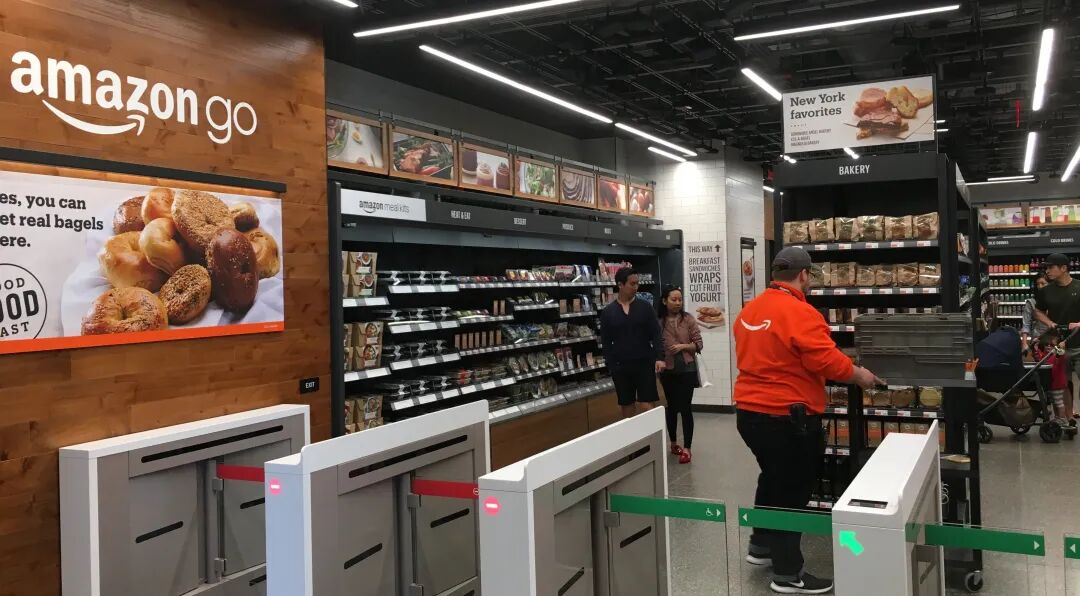
疫情期间电商需求爆发式增长,亚马逊顺势启动大规模扩张战略,各业务条线大幅扩招,员工规模快速攀升,线下零售门店加速布局全美,试图构建线上 线下融合的生鲜零售生态。 主打即拿即走的亚马逊Go(图源:MSN) 前天,亚马逊宣布启动1.6万人规模的新一轮裁员计划,中国区岗位也涉及在内。结合2025年10月底该公司的1.4万人裁员行动,亚马逊三个月内累计裁员 超3万人,占其企业员工总数的近9%。 与此同时,亚马逊宣布关停约70家亚马逊新鲜食品(Amazon Fresh)与亚马逊Go无人便利店(Amazon Go)门店,将线下零售资源全面整合至全食( Whole Foods )品牌体系。 然而随着疫情红利消退,电商市场增速放缓,亚马逊传统业务增长陷入瓶颈。与此同时,全球科技大厂的AI竞赛进入白热化阶段,各家传统科技大厂和 OpenAI等一众新秀竞相推出一系列具有竞争力的AI大模型与应用,然而亚马逊在这股浪潮中却逐渐失语。 在此背景下,亚马逊CEO安迪・贾西(Andy Jassy)提出"以全球最大初创公司模式运营"的战略愿景。裁员与关店举措,正是这一愿景的具体落地。 上述系列举措清晰传递出亚马逊的战略调整方向:通过剥离增长 ...
Amazon (NASDAQ: AMZN) Stock Price Prediction for 2030: Bull, Bear, & Baseline Forecasts (Jan 30)
247Wallst· 2026-01-30 12:50
Core Viewpoint - Amazon.com Inc. has been a significant success in the stock market, with a stock price prediction for 2030 presenting bullish, bearish, and baseline scenarios based on various growth metrics and market conditions [1]. Group 1: Historical Performance - Amazon's stock has surged over 1,025% from 2014 to 2024, rising from $19.94 to $223.75, with a notable increase of 150.70% from March 2020 to December 2024 [1]. - Revenue increased from $89 billion to $638 billion, a growth of over 616%, while net income grew from $0.241 billion to $59.2 billion, a staggering increase of 24,664.3% [1]. Group 2: Key Drivers of Future Performance - E-commerce: Amazon accounted for 41% of all U.S. e-commerce sales in 2025, despite e-commerce representing only 17% of total retail sales [1]. - Amazon Web Services (AWS): AWS generated $107.6 billion in sales in 2024, remaining the largest cloud provider, although facing competition from Microsoft Azure and Google Cloud [1]. - Advertising: Amazon's advertising revenue reached $56.2 billion in 2024, nearly doubling from the previous three years, and is expected to be a high-margin business line [1]. Group 3: Price Predictions for 2030 - Bull Case: Amazon's stock could reach $431 per share, assuming continued growth in advertising, e-commerce, and AWS, leading to an estimated $150 billion in operating profits [2]. - Bear Case: In a less favorable scenario, the stock could drop to $77 per share due to unsustainable investments and competition, applying a lower P/E ratio of 20x [2]. - Baseline Case: Analysts predict a share price of about $250, with revenue expected to rise from $710 billion in 2025 to $1.153 trillion by 2030, and net income projected to grow from $48.9 billion to $100 billion [2].
两大科技巨头,蚕食英伟达
半导体芯闻· 2026-01-30 11:22
Core Insights - The rise of artificial intelligence has led to a consensus that Nvidia's chips are essential for large AI projects, but Amazon and Google have begun to challenge Nvidia's dominance by developing their own AI chips [1][2]. Group 1: Market Dynamics - Nvidia holds a commanding 92% market share in the AI chip sector, with projected revenues nearing $200 billion by 2025 [2]. - Amazon's self-developed AI chip, Trainium, is expected to generate "tens of billions" in revenue by 2025, while Google's Tensor Processing Unit (TPU) has already reached hundreds of billions in revenue [2]. - The competition from Amazon and Google is particularly significant as they are both expanding their chip businesses while still relying on Nvidia as a core supplier [2][3]. Group 2: Strategic Partnerships - Anthropic, a leading AI company, is reducing its reliance on Nvidia chips and has secured significant chip sales for Amazon and Google, totaling hundreds of billions [3][4]. - Google has allowed Anthropic to install its chips in non-Google data centers, marking a new collaborative model in the industry [3][4]. - Amazon's investment of $4 billion in Anthropic was motivated by the promise of using Amazon's chips for AI system development, aiming to create a competitive alternative to Nvidia [5][6]. Group 3: Industry Implications - The rapid growth of Amazon's chip business, driven by partnerships with companies like Anthropic, is expected to lead to significant industry changes, signaling that Nvidia chips are not the only option available [6][7]. - Other chip manufacturers, such as AMD and Cerebras, are also seeking partnerships with AI companies to expand their market presence [6][7]. - The increasing acceptance of non-Nvidia chips by companies like Anthropic and OpenAI is likely to encourage broader industry adoption of alternative chip solutions [7].



AI日报丨苹果第一财季营收高于预期,盘后一度涨超3%,黑石总裁:AI颠覆传统产业是当前最大的风险
美股研究社· 2026-01-30 11:13
Core Viewpoint - The article discusses the rapid development of artificial intelligence (AI) technology and its implications for various industries, highlighting both opportunities and risks associated with AI adoption. Group 1: AI Disruption and Risks - Jon Gray, President of Blackstone, emphasizes that the greatest risk posed by AI is the rapid disruption of specific industries, citing examples such as JPMorgan using AI to replace proxy advisory services [5] - Blackstone is actively assessing the risks associated with AI disruption, while also recognizing the potential for AI to drive significant productivity gains and enhance profit margins across many sectors [5] Group 2: Power Supply Risks - A report indicates that up to 151 million Americans face a high risk of power shortages or blackouts in the next five years due to extreme weather, fragile natural gas systems, and surging electricity demand [6] - The North American Electric Reliability Corporation (NERC) highlights that the threat level has significantly increased compared to the previous year, driven by aging infrastructure and the overload from expanding data centers [6] Group 3: Mergers and Acquisitions - SpaceX is reportedly considering a merger with Tesla or xAI, reflecting Elon Musk's strategy to integrate his business ventures [7][8] - Investors are pushing for the feasibility of a merger between SpaceX and Tesla, as well as a potential integration with xAI before an initial public offering (IPO) [8] Group 4: Software Sector Concerns - Concerns over AI disrupting traditional software licenses and workflows have led to a bear market for software stocks, with ServiceNow experiencing a 10% drop [9] - The North American Technology Software Index ETF (IGV) fell by 5.4%, marking its largest single-day decline since April 2025, and has dropped approximately 22% from recent highs, indicating a formal entry into bear market territory [9] Group 5: Major Corporate Developments - Amazon is reportedly in talks to invest up to $50 billion in OpenAI, with the latter's valuation potentially reaching $830 billion [12] - Apple reported first-quarter revenue of $143.76 billion, exceeding expectations with a 16% year-over-year growth, driven by strong iPhone sales [13][14]

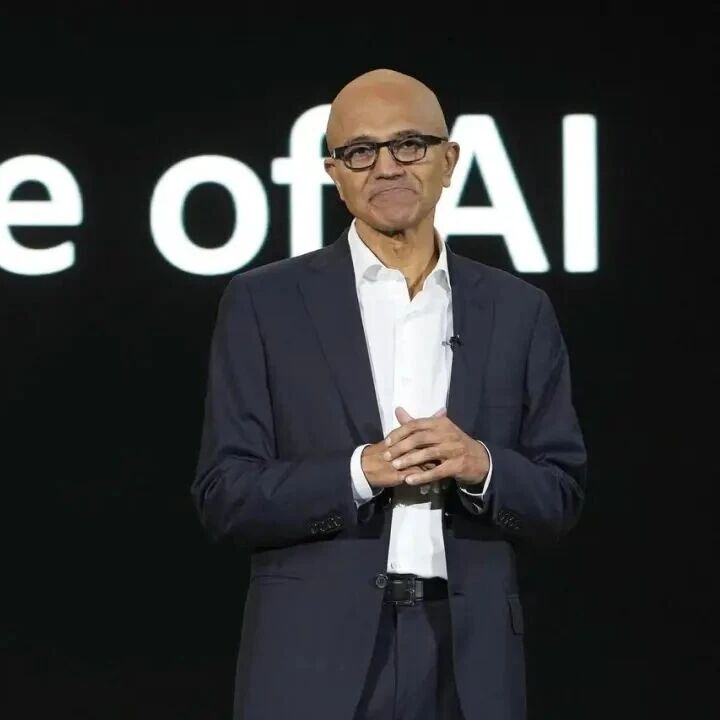
2812 亿美元!「OpenAI 税」开始「拖累」微软
创业邦· 2026-01-30 10:18
以下文章来源于极客公园 ,作者桦林舞王 极客公园 . 用极客视角,追踪你最不可错过的科技圈。欢迎同步关注极客公园视频号 来源丨 极客公园(ID:geekpark) 作者丨 桦林舞王 编辑丨 靖宇 当地时间 1 月 28 日,微软发布了第二季度财报,明明财报营收暴涨,但是市场并不买账。 财报显示,公司第二季度营收 813 亿美元, 同比增长 17%,净利润更是飙升 60% 至 385 亿美元 。 其中,微软云业务收入首次突破 500 亿美元大关,达到 515 亿美元,同比增长 26% 。 这无疑是一份强劲的财报。然而,市场的反应却是股价在盘后一度下挫超过 8%。 CNBC 分析指出,下跌源于「云增长放缓以及微弱的利润率指引」。具体来看,被视为增长引擎的 Azure 云服务收入同比增长 39%,略低于市场预期的 40% 门槛。 投资者似乎对这家「AI 最大赢家」抱有永不满足的期待,任何增长放缓的迹象都会被放大。 但财报中一个更值得玩味的数据是: 微软云的合同积压(Remaining Performance Obligation)暴 增 110%,达到惊人的 6250 亿美元 。 CEO 萨提亚・纳德拉在财报中骄傲 ...


The Hidden AI Winner That Wall Street Analysts Love for 2026
The Motley Fool· 2026-01-30 10:10
Group 1 - The article highlights that Amazon is being recognized as a hidden winner in the AI space, with a majority of Wall Street analysts recommending it as a "buy" or "strong buy" for 2026, predicting a 21% increase in stock price over the next 12 months [2][3] - Amazon has established itself as a major player in e-commerce and cloud services through Amazon Web Services (AWS), generating significant revenue and earnings over the years [3][4] - The company is leveraging AI to enhance its operations, including streamlining processes in fulfillment centers and developing AI tools such as Trainium chips for AWS customers, which contributes to its growth strategy [6][7] Group 2 - AWS has achieved an annual revenue run rate of $132 billion in the latest quarter, indicating strong growth potential as AI demand continues to rise [7] - Amazon's e-commerce and non-AI-related AWS services are expected to maintain growth due to the company's leadership in these sectors, providing a balance of security and growth for investors [8]