
BABA(BABA)

Search documents
九家中国AI芯片公司出货量超万卡,华为昇腾等领跑
Cai Jing Wang· 2026-01-28 14:05
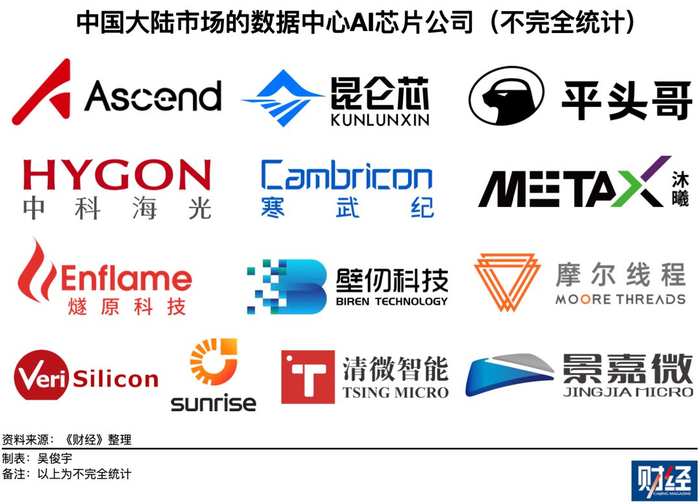
Core Viewpoint - The self-sufficiency process of domestic AI chips in China is accelerating, with at least nine companies exceeding 10,000 units in shipment or orders [1] Group 1: Company Performance - Domestic AI chip brands include Huawei Ascend, Baidu Kunlun, Alibaba Pingtouge, and Cambricon, among others [1] - Companies with significant shipment volumes have reached a cumulative shipment level of 100,000 units [1] - Smaller AI chip companies, such as Sunrise and Qingwei Intelligent, are projected to exceed 10,000 units in shipment or orders by 2025 [1] Group 2: Market Landscape - The market features a mix of established tech giants and emerging startups in the AI chip sector [1] - Companies like Cambricon, Muxi, Tianshu Zhixin, and Suiruan Technology are either publicly listed or preparing for an IPO [1]


阿里巴巴-W(09988):多家海外云厂商涨价,看好阿里云竞争优势及盈利改善空间
CMS· 2026-01-28 13:32
Investment Rating - The report maintains a "Strong Buy" rating for Alibaba Group (09988.HK) [1][4][6] Core Views - The report highlights the competitive advantage and profit improvement potential of Alibaba Cloud, especially in light of recent price increases by major overseas cloud service providers like AWS and Google Cloud due to a supply-demand imbalance driven by surging AI demand [1][3] - Alibaba Cloud, as the leading player in the AI cloud market, is expected to benefit from the industry's pricing trends and maintain strong growth and profitability [3][4] Financial Projections - For FY2026-2028, the projected non-GAAP net profits are estimated at 92.4 billion, 134.4 billion, and 180.9 billion respectively, reflecting a significant recovery and growth trajectory [4] - The report anticipates a target price of HKD 194 per share based on a 10x PE for the Chinese e-commerce group and a 10x PS for the cloud intelligence group [4][6] Financial Data Summary - The main revenue for FY2024 is projected at 941.2 billion, with a growth rate of 8%, and expected to reach 1,320.9 billion by FY2028 [5][11] - Adjusted EBITA for FY2026 is expected to decline to 101.3 billion, followed by a strong recovery in FY2027 and FY2028 [5][11] - The report indicates a net profit margin of 8.5% for FY2024, improving to 10.8% by FY2028 [12]
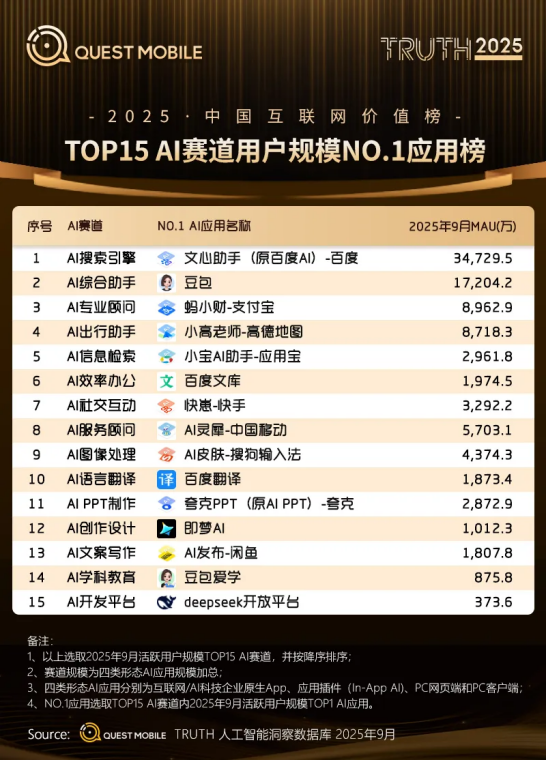
QuestMobile最新报告发布:闲鱼登上AI赛道用户规模NO.1应用榜
Jin Rong Jie Zi Xun· 2026-01-28 12:01
Core Insights - Xianyu has emerged as the number one application in the AI sector in terms of user scale, particularly excelling in AI copywriting with a monthly active user (MAU) count of 18.078 million [1][2] - Xianyu continues to lead the second-hand trading sector as the top app, with an overall MAU of 217 million, reflecting a year-on-year growth of 19.64% [1][3] User Growth and Rankings - The report from QuestMobile indicates that Xianyu's AI publishing product has significantly contributed to its user growth, with a service adoption rate of 87% and a total of 230 million items published [3] - Xianyu's MAU growth places it among the top apps with over 50 million MAU, highlighting its competitive position in the market [2][3] AI Product Development - Over the past two years, Xianyu has launched a series of AI products, including AI publishing, smart hosting, AI intelligent search, and AI market analysis, creating a comprehensive AI service ecosystem covering the entire transaction process [3]
新BAT十年战争
3 6 Ke· 2026-01-28 11:39
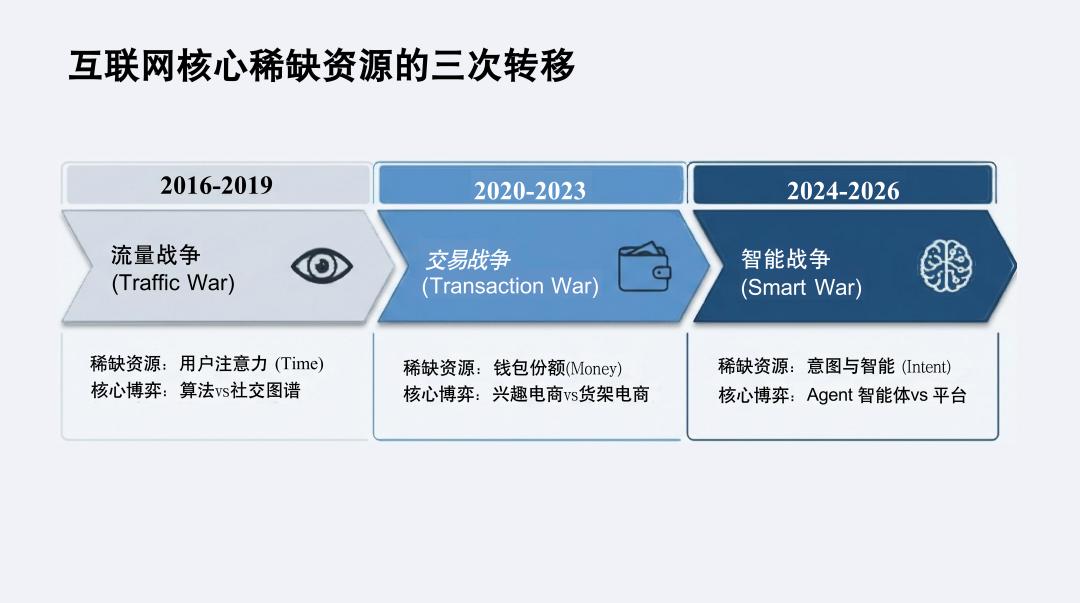
关于字节跳动的估值,向来众说纷纭,最近比较公允的一个数值是4800亿美金,风投女王徐新是按照这个估值从字节早期投资方手上买下了部分股权的。 这意味着在资本的眼中,字节跳动(ByteDance)彻底超越了阿里巴巴,同时在各个赛道上对阿里和腾讯造成冲击。 为了理解这个体量的恐怖,我们需要一把旧BAT时代的标尺:百度。 考虑到一定波动性,今天,按市值计算,一个字节跳动,接近于10个百度。 新BAT十年战争 的本质,是互联网核心稀缺资源的转移:从2016年争夺用户注意力的流量战争,到2020年争夺用户钱包份额的交易战争,再到2024年随 着生成式AI爆发而升级的智能战争。 我们试图复盘这十年的硝烟与变革,剖析巨头们如何在抢时间、抢钱包与抢"大脑"的战役中攻守易形。 流量战争 (2016-2019) 2016年是中文互联网的分水岭。 智能手机出货量见顶,人口红利逐渐减退,移动互联网看起来进入存量博弈时代。 此时的腾讯凭借微信和QQ坐拥10亿级用户,看似高枕无忧;阿里巴巴在电商领域一骑绝尘;而百度则在移动端转型的迟缓而显露疲态。 就在巨头们以为格局已定时,字节跳动(当时更多被称为今日头条)正在酝酿一场颠覆性的风暴。 张一 ...

马化腾也受不了外卖大战?称腾讯已从美团京东投资中退出
Sou Hu Cai Jing· 2026-01-28 11:24
Core Viewpoint - Tencent has officially exited investments in JD.com and Meituan, signaling a strategic shift away from the competitive food delivery market to focus on artificial intelligence [3][4] Group 1: Strategic Shift - Tencent's CEO, Ma Huateng, announced the company's decision to withdraw from investments in JD.com and Meituan during the 2025 annual employee meeting [3] - This decision is interpreted as a strategic contraction in the fiercely competitive food delivery and community group buying sectors, with Tencent redirecting its focus towards core areas in artificial intelligence [3][4] Group 2: Competitive Landscape - The food delivery market has seen intense competition, with JD.com initiating a significant price war, followed by Meituan's quick response and Alibaba's entry through the integration of Ele.me into its Taobao Flash Purchase segment [3] - The combined investment of JD.com, Meituan, and Alibaba in this sector reached 80 billion yuan, with a notable increase of approximately 10 billion yuan in the third quarter compared to the second quarter [3] Group 3: Financial Impact - The high costs of competition have severely impacted financial performance, with JD.com reporting a 56% year-on-year decline in adjusted net profit to 5.8 billion yuan in Q3 2025 [4] - Meituan recorded a net loss of 16 billion yuan, marking its largest loss since going public, while Alibaba's net profit fell by 52% to 21 billion yuan, with a 72% decline when excluding GAAP adjustments [4] Group 4: Future Strategies - Despite Tencent's exit, competition in the food delivery and instant retail sectors remains fierce, with Alibaba demonstrating a commitment to increasing market share and investment in its Taobao Flash Purchase strategy [4][5] - Alibaba aims to enhance its user base and engagement by focusing on high-ticket users and expanding into non-food retail categories [5]


马云,最新发声
盐财经· 2026-01-28 10:29
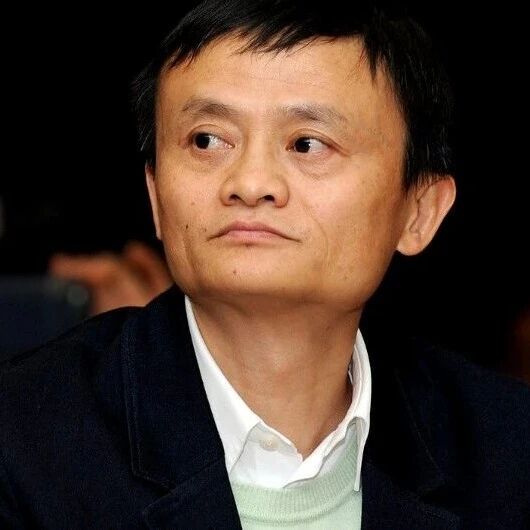
本文转载自中国新闻周刊 值班编辑| 宝珠 在他看来,AI时代,未来的教育不是让孩子背得更多,记得更多,而是让他们想得更有趣,想得更有创 意,想得更加独特。不是让一千个学生给出同样一个正确的答案,而是让一千个学生学会提出一万个不 同的好问题。 马云上一次在公开场合提及AI还是在去年4月。据蓝鲸新闻报道,当时马云在阿里云新财年启动会上发 表演讲提及,"高科技绝不仅是征服星辰大海,更应该呵护人间烟火。科技人员的责任,不是让AI取代 人类,而是让AI更懂人类、更好地服务人类。" 马云说,今天阿里云的资源和技术人才,既是发展云计算和AI的信心所在,更是责任所在。"科技的意 义是要让人类活得更好,活得更有意义,是让所有的普通人从中受益。" 他强调,"我们不是去追求让机 器像人,而是让机器去理解人类,像人类一样去思考,做人类做不到的事情。" 阿里巴巴集团CEO、阿里云智能集团董事长兼CEO吴泳铭也和马云持类似的观点。在去年9月的云栖大 会上,吴泳铭曾表示,人类和AI将演进出全新的协同方式,从Vibe Coding到Vibe Working。未来,每个 家庭、工厂、公司,都会有众多的Agent和机器人24小时为我们服务。正如 ...
马云李彦宏,把最烧钱的业务送上IPO
3 6 Ke· 2026-01-28 10:27
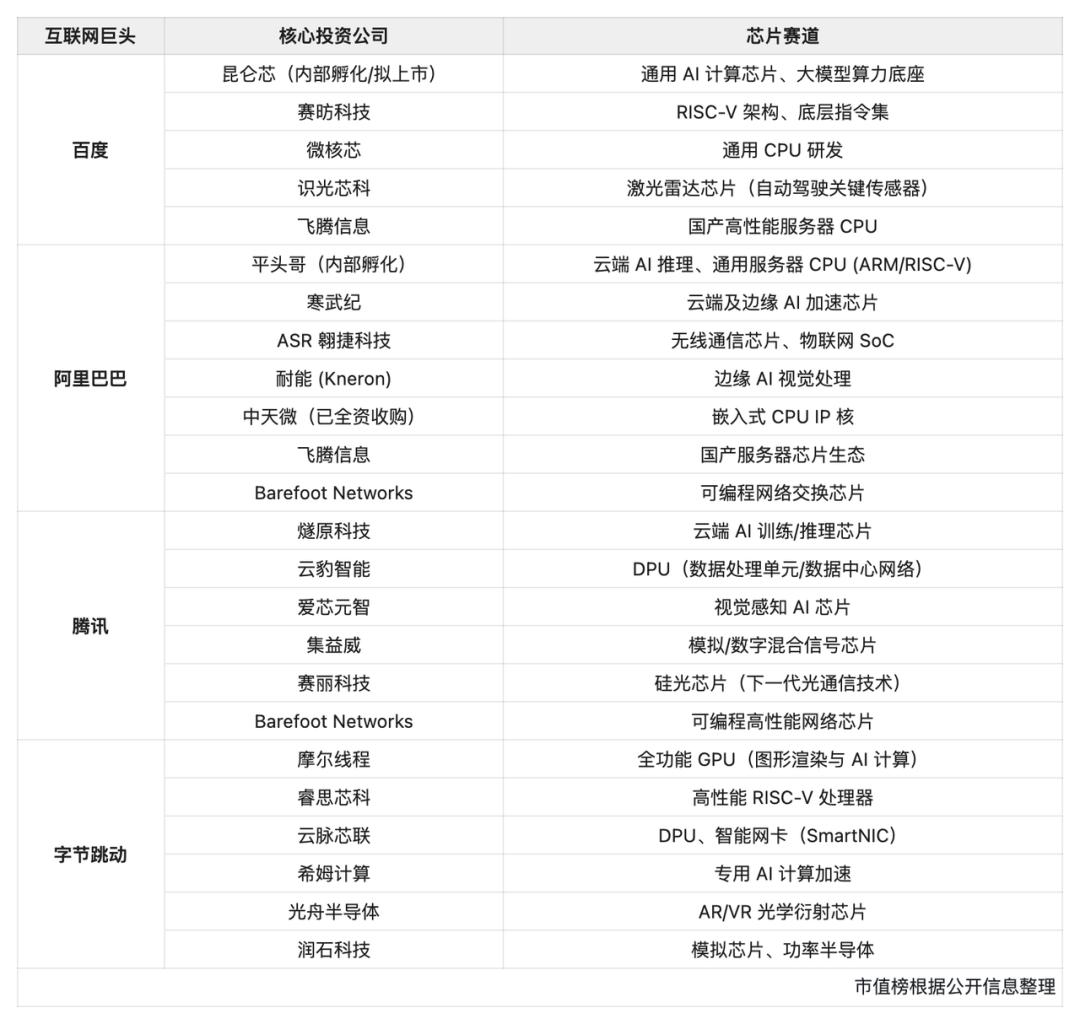
|GUIDE| ■BAT为何造芯 ■国产芯片在AI时代前景几何 然而,站上IPO风口之后,这些芯片公司正面临一个更现实的命题,即如何证明自己具备脱离母体后的生存能力?以昆仑芯为例,其正在摆脱对百度内部 需求的单一依赖,尝试在非百度场景中运行主流 AI 框架,并逐步获得运营商、政企客户的认可。 对于大厂芯片而言,从支撑内部业务的算力工具转型为极具竞争力的商业产品,将是决定其上市后估值与长期增长空间的关键变量。 BAT造芯 ■不可忽略的亏损 2026年伊始,大厂造芯业务的独立进程明显加速。 近期, 阿里巴巴也传出消息称旗下芯片公司平头哥,正筹备独立上市; 百度也分拆昆仑芯并以保密形式向港交所提交主板上市申请;腾讯重仓的燧原科 技也计划登陆科创板,其 IPO 申请已于近日获受理。 短时间内,多家大厂系芯片公司同时迈向资本市场,意味着互联网造芯正走向独立商业化阶段。 互联网大厂的造芯浪潮始于2018年。 当年在地缘政治冲击与AI算力需求爆发的双重推动下,百度、阿里、腾讯等公司陆续下场造芯,但很长时间内,大厂芯片业务主要服务于自家搜索、推 荐、云计算等核心业务。 "当初我们做搜索的时候,买别人的芯片太贵了,1 万美元一 ...
国产大模型密集发布
第一财经· 2026-01-28 10:08
Core Viewpoint - The article discusses the recent advancements in domestic AI models in China, highlighting the competitive landscape and the shift towards engineering maturity in the industry, with a focus on multi-modal capabilities and inference efficiency [5][11][16]. Group 1: Model Updates and Industry Trends - Several domestic model manufacturers have recently updated their models, including DeepSeek's new OCR 2 model and Kimi's K2.5 model, indicating a competitive environment in the AI model sector [5][8]. - The release of these models has generated significant attention, with predictions of a competitive landscape for AI models leading up to the 2026 Spring Festival [5][8]. - Industry experts view the recent model updates as a sign of the industry's transition towards engineering maturity, moving from parameter competition to engineering optimization and from experimental demos to scalable services [5][11]. Group 2: Multi-Modal and Inference Engineering - DeepSeek's OCR 2 model utilizes an innovative DeepEncoder V2 method, allowing for dynamic rearrangement of image components based on their meaning, which enhances performance in complex layouts [8][10]. - Kimi's K2.5 model is described as the company's most intelligent model to date, supporting a wide range of tasks including visual and text input, indicating a strong focus on multi-modal architecture [8][9]. - The trend towards improving inference efficiency and reducing costs is evident, with companies like Alibaba releasing models aimed at enhancing multi-modal information retrieval and cross-modal understanding [11][16]. Group 3: Competitive Landscape and Cost Efficiency - The competition among leading companies in the AI model sector is intensifying, with firms striving to position themselves advantageously [13][14]. - Cost efficiency is becoming increasingly important, with companies prioritizing models that offer high performance at lower costs, as demonstrated by the significant price reductions in model API usage [14][15]. - The industry is witnessing a shift from a focus on scale to a focus on efficiency and practical application, marking a new phase in the development of AI models [15][22]. Group 4: Technical Challenges and Future Directions - Key technical challenges include improving inference capabilities, addressing model hallucinations, and enhancing interpretability, which are critical for broader application in various industries [16][21]. - The need for dynamic optimization of inference capabilities is highlighted, as current models lack flexibility in decision-making based on information completeness [16][17]. - The article emphasizes the importance of multi-modal technology optimization, as current models often require extensive adjustments to achieve desired outputs, indicating a need for more user-friendly solutions [17][18].
马云最新露面发声
Nan Fang Du Shi Bao· 2026-01-28 09:48
2026年,互联网大厂针对AI的布局进入深水区,互联网大佬也陆续发布针对AI的观点。南都N视频记者 了解获悉,近期阿里巴巴创始人马云在线参与马云乡村公益基金会"腊八之约"活动时,围绕AI与教育的 关系分享了一些自己的观点。马云表示,AI时代不要再犹豫用不用AI,而是应该怎么教我们的孩子去 用好AI。 "未来人的时间越来越宝贵,帮用户节省时间、提高效率是非常重要的,这也是我们产品可以融入AI来 帮忙的一个思考点。"马化腾表示。 马云表示,有了AI,教育不再是让孩子去和AI比拼计算和记忆,而是让孩子保持好奇,好奇心才是算 力的源泉。因为AI时代的鸿沟其实不是技术的鸿沟,而是好奇心、想象力、创造力、判断力和协同能 力的鸿沟。AI时代,未来的教育不是让孩子背得更多,记得更多,而是让他们想得更有趣,想得更有 创意,想得更加独特。AI时代,我们的教育不是让一千个学生给出同样一个正确的答案,而是让一千 个学生学会提出一万个不同的好问题。 据公开报道,1月26日下午在腾讯2025年度员工大会上,腾讯公司董事会主席兼首席执行官马化腾也针 对AI进行了发言。他表示,2025年是AI大年,腾讯的业务线中唯一花钱比较多、且目前唯一还 ...
美股中概股盘前涨跌互现,哔哩哔哩涨4%
Jin Rong Jie· 2026-01-28 09:21
Group 1 - U.S. Chinese concept stocks showed mixed performance in pre-market trading, with Bilibili rising by 4% [1] - Xpeng Motors, Li Auto, and NIO each increased by 3% [1] - Alibaba's stock saw a 2% increase [1]


