
BMW(BMWYY)

Search documents
董事长将退休!车企巨头官宣
Sou Hu Cai Jing· 2025-12-10 14:01
12月9日,宝马集团发布重磅公告,奥利弗·齐普策(Oliver Zipse)将于2026年5月13日起(即2026年年度股东大会当天)退休,由米兰·内德利科维奇 (Milan Nedeljković)接替奥利弗·齐普策(Oliver Zipse)担任首席执行官,米兰·内德利科维奇(Milan Nedeljković)将于次日(2026年5月14日)上 任,其合同将持续至2031年。此举已获宝马集团监事会批准。 资料显示,奥利弗·齐普策(Oliver Zipse)1964年2月出生于西德海德堡,在美国盐湖城完成大学学业,后进入德国达姆施塔特工业大学深造,拥有爱尔 兰根大学、纽伦堡大学荣誉博士学位,1991年大学毕业后进入宝马集团,2015年5月进入集团董事会,2019年8月就任宝马集团董事长、CEO。2023年9 月,宝马集团宣布,宝马集团监事会将奥利弗·齐普策(Oliver Zipse)的合同延长至2026年。现年61岁的奥利弗·齐普策(Oliver Zipse)将于2026年5月13 日退休,结束其长达35年的宝马职业生涯。 齐普策深知中国市场的重要性,任职期间7次密集访华,大力推进宝马在中国的本土化发展, ...

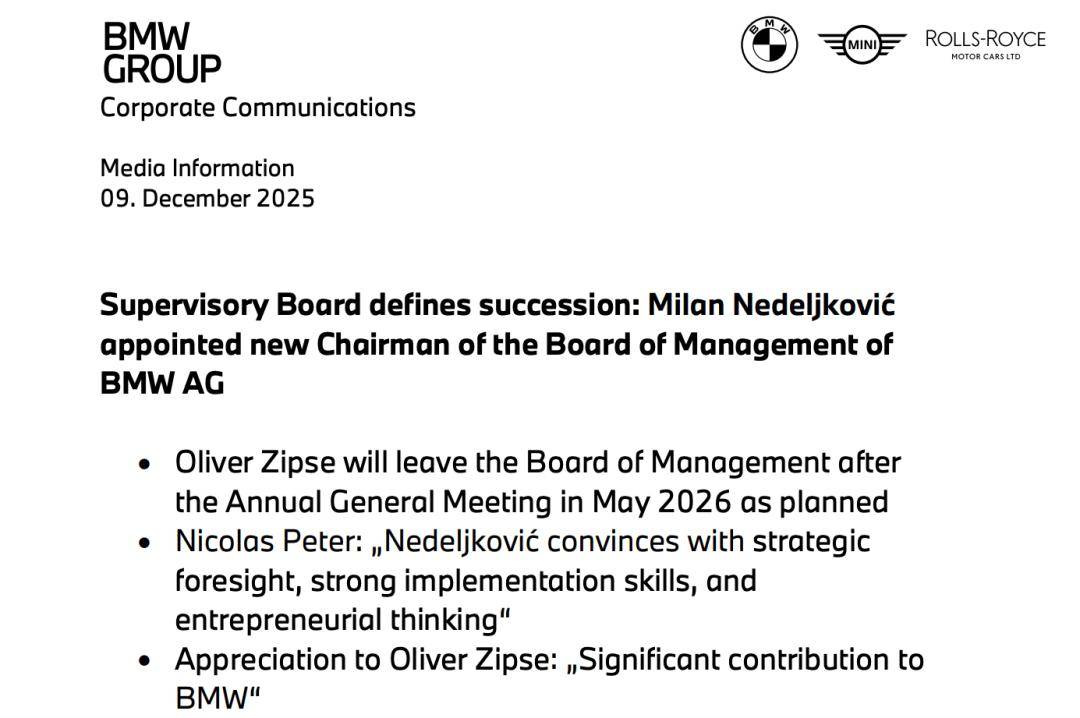
“新世代”接力棒交接,宝马集团将迎来新任董事会主席
Guan Cha Zhe Wang· 2025-12-10 12:13
Core Viewpoint - BMW Group has announced that Milan Nedeljkovic will succeed Oliver Zipse as the chairman of the board in May next year, indicating a strategic shift towards the "Neue Klasse" product line to improve performance [1][3]. Group 1: Leadership Transition - Milan Nedeljkovic, currently the production director, is set to take over as chairman, showcasing his strategic decision-making capabilities through recent production adjustments [3]. - Zipse will transition to a role as a member of Airbus's supervisory board in the summer of next year, with appreciation expressed for his leadership during global crises [7]. Group 2: Strategic Focus - The "Neue Klasse" product line is central to BMW's strategy for performance improvement, with new models like the iX3 already in production and plans for the new i3 in Munich and the iX3 in Shenyang for the Chinese market [3]. - Nedeljkovic has emphasized adapting product strategies to meet Chinese market demands and strengthening collaborations with local partners to enhance supply chain efficiency [3]. Group 3: Challenges Ahead - Despite leading European competitors, BMW's financial performance is weakening, with a return on automotive business of approximately 5.9% in the first nine months, the lowest in four years [5]. - Nedeljkovic will face challenges from varying market preferences, particularly the dominance of fuel vehicles in the U.S. versus the push for electrification in Europe and China [5].
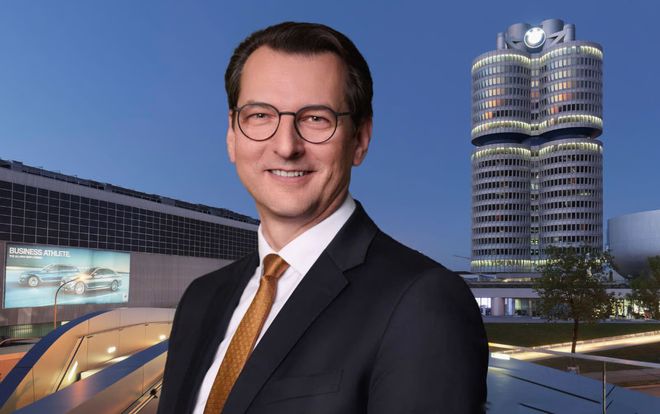
宝马集团:内德尔科维奇将接棒齐普策任董事长
Bei Jing Shang Bao· 2025-12-10 11:00
宝马集团监事会主席尼古拉斯·彼得( Nicolas Peter )表示:"齐普策带领宝马集团渡过了全球危机,并 推动'新世代'这一公司历史上规模最大的战略项目落地。" 宝马集团最新财报数据显示,汽车业务2025年前三季度实现收入871.64亿欧元,同比下降4.1%。其中, 三季度营收285.1亿欧元,同比增长2.4%。 北京商报讯(记者 蔺雨葳)12月9日,宝马集团宣布米兰·内德尔科维奇(Milan Nedeljkovi)将自2026 年5月14日起担任董事长,接替现任董事长齐普策。 诺德科沃奇1993年以管培生身份加入宝马,曾担任宝马集团牛津工厂高层管理者、莱比锡与慕尼黑工厂 总经理,以及企业质量高级副总裁等职务。自2019年起,诺德科沃奇进入宝马集团管理董事会。 ...
宝马将迎新掌舵人
Zhong Guo Jing Ying Bao· 2025-12-10 08:13
近日,《中国经营报》记者获悉,宝马集团监事会决定,米兰·诺德科沃奇将自2026年5月14日起担任管 理董事会主席。在新世代成功推出后,他将正式接棒齐普策。 诺德科沃奇自2019年起进入宝马集团管理董事会,目前负责生产部门。1993年,诺德科沃奇以管培生身 份加入宝马,随后在全球多地累积了丰富经验。他曾担任宝马集团牛津工厂高层管理者、莱比锡与慕尼 黑工厂总经理,以及企业质量高级副总裁。他作为管理董事会主席的任期将延续至2031年。 宝马集团监事会主席尼古拉斯·彼得表示:"诺德科沃奇具备战略远见、强劲执行力与企业家式思维。在 集团转型的关键时期,这种领导力尤为重要,有助于确保宝马集团保持稳健的成功势头。" 中经记者 陈燕南 北京报道 同时,彼得感谢齐普策对宝马集团作出的贡献。他表示:"无论外部压力如何变化,齐普策始终坚持明 确立场,把宝马集团的成功放在首位,引领公司在动荡时期保持正确方向。" (编辑:张硕 审核:童海华 校对:翟军) ...
德国企业,正在疯狂涌入中国
首席商业评论· 2025-12-10 04:58
Core Viewpoint - The article discusses the significant influx of German companies into China, highlighting a strategic shift in the industrial landscape as these firms seek to adapt to rising costs and competitive pressures in Germany. This movement is characterized as an "industrial migration" rather than a simple relocation, driven by the need for innovation, cost efficiency, and access to a dynamic market [4][5][6]. Group 1: German Companies in China - Over 560 German companies have established operations in Taicang, Jiangsu, with more than 60 being "hidden champions" in their respective industries [4]. - German investments in China exceed $6 billion, with annual industrial output surpassing 67 billion yuan [5]. - Major German firms like Volkswagen, Bayer, and Mercedes-Benz are making substantial investments in China, including Volkswagen's €2.5 billion investment in Anhui and Mercedes-Benz's €1 billion investment in a research center in Beijing [5][6]. Group 2: Challenges Faced by German Industry - The number of bankruptcies in Germany reached 22,000 in 2024, the highest in a decade, with a 12% year-on-year increase in the first half of 2025 [6][8]. - Rising energy costs, particularly due to policies from the Green Party, have significantly impacted German manufacturing, with electricity prices soaring by 148% [8][9]. - The closure of nuclear and coal power plants has forced German industries to rely on imported electricity, leading to a tripling of energy costs [9][10]. Group 3: Strategic Reasons for Relocation - German companies are not merely relocating but are embedding themselves into China's vibrant industrial ecosystem, driven by the need for innovation and cost advantages [12][13]. - The shift is characterized by a focus on "innovation costs," with German firms struggling to keep pace with rapid technological advancements in electric vehicles [13][14]. - The "system cost" advantage in China allows companies to access a complete supply chain and skilled labor within close proximity, enhancing operational efficiency [13][14]. Group 4: Future Outlook - The global industrial landscape is shifting, with China increasing its share of global manufacturing value added to 31%, surpassing developed countries for the first time [15][17]. - German companies are investing in China not just for immediate gains but as a long-term strategic choice to remain competitive in future markets, particularly in sectors like hydrogen energy and autonomous driving [17][18]. - Approximately half of German companies plan to further invest in China, indicating a strong belief in the country's innovation potential and market opportunities [18].

宝马集团宣布米兰·诺德科沃奇将接棒齐普策任董事长
Xin Jing Bao· 2025-12-09 14:49
诺德科沃奇1993年以管培生身份加入宝马,曾担任宝马集团牛津工厂高层管理者、莱比锡与慕尼黑工厂 总经理,以及企业质量高级副总裁等职务。自2019年起,诺德科沃奇进入宝马集团管理董事会。 宝马集团监事会主席尼古拉斯·彼得感谢了齐普策对宝马集团的贡献。他表示:"无论外部压力如何变 化,齐普策始终坚持明确立场,把宝马集团的成功放在首位,引领公司在动荡时期保持正确方向。" 新京报贝壳财经讯(记者白昊天)12月9日,宝马集团宣布米兰·诺德科沃奇将自2026年5月14日起担任 董事长,接棒现任董事长齐普策。 ...
重磅!宝马换帅!诺德科沃奇将接替齐普策出任集团董事长
Sou Hu Cai Jing· 2025-12-09 11:59
宝马集团管理董事会成员,现主管生产业务 据宝马集团12月9日消息,宝马集团监事会今日决定,米兰·诺德科沃奇博士 (Dr.-Ing. Milan Nedeljković)将自2026年5月14日起正式担任管理董事会主 席。在新世代 (Neue Klasse)成功推出后,他将接棒已任职逾十年、并自2019年8月起担任主席的奥利弗·齐普策 (Oliver Zipse)。监事会向齐普策在任 期间为宝马集团所作出的卓越贡献表示由衷感谢。 宝马集团监事会主席尼古拉斯·彼得博士 (Dr. Nicolas Peter)表示:" 诺德科沃奇具备战略远见、强劲执行力与企业家式思维。无论是财务资源还是生态 层面的资源,他都能做到高度聚焦的管理。他能够以清晰思路启发团队,以共同价值观凝聚力量,并激励大家发挥最佳表现。在集团转型的关键时期,这 种领导力尤为重要,有助于确保宝马集团保持稳健的成功势头。" 在2023年,齐普策作为管理董事会主席的任期被延长至2026年,超出了通常的退休年龄。他将按计划于2026年5月13日的年度股东大会后卸任,结束其长 达35年的宝马职业生涯。 米兰·诺德科沃奇博士 现任宝马集团管理董事会主席 彼得表示: ...
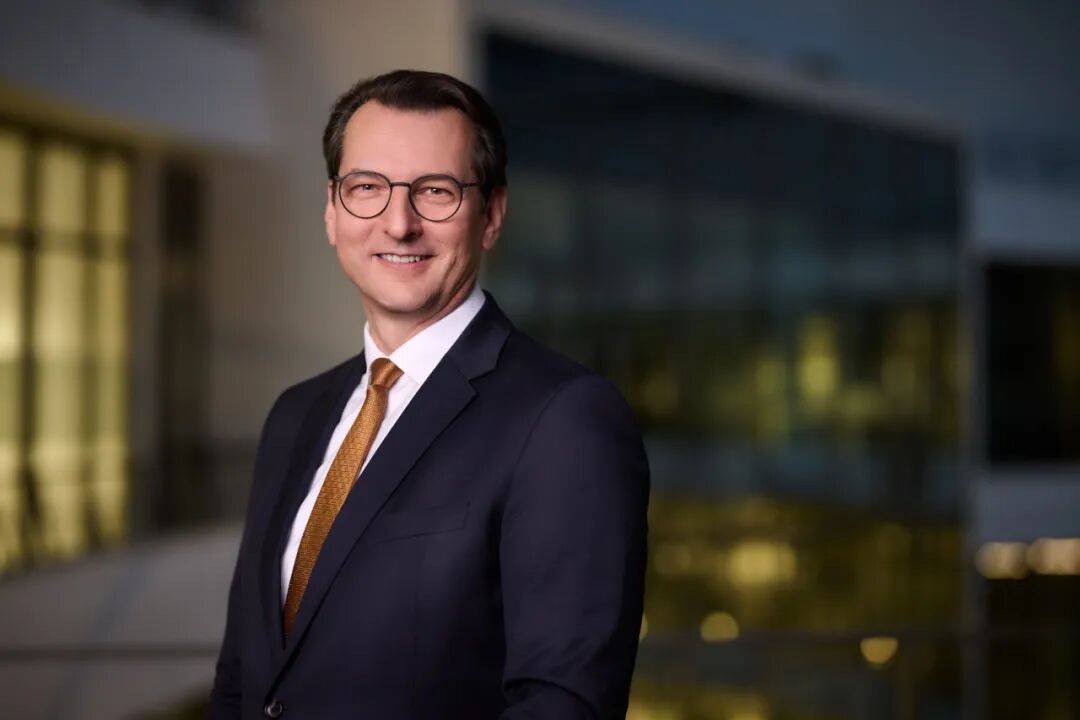
BMW Appoints Company Veteran Milan Nedeljkovic as New Chief
WSJ· 2025-12-09 10:58
Group 1 - Nedeljkovic will replace Oliver Zipse as the CEO, who has been in the position for over six years [1] - Oliver Zipse is set to leave the board in 2026 [1]
在中国,为世界:宝马如何用AI定义下一代豪华
21世纪经济报道· 2025-12-09 10:53
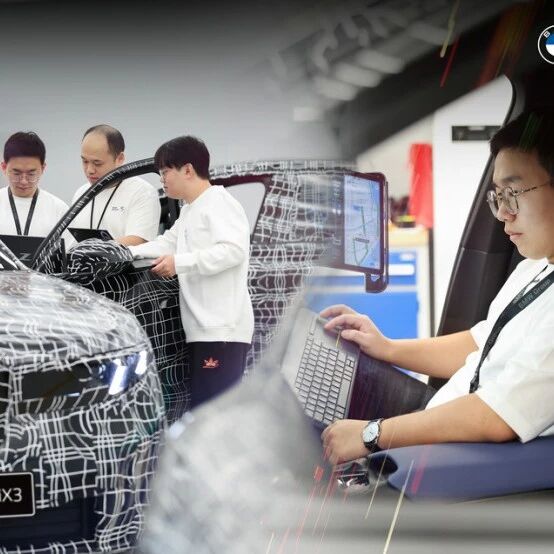
Core Viewpoint - BMW is systematically enhancing its smart vehicle ecosystem in China through strategic partnerships and internal AI initiatives aimed at aligning with local market demands and technological advancements [1][4]. Group 1: Strategic Partnerships - Since the beginning of the year, BMW has announced deep collaborations with three Chinese tech companies, focusing on various aspects from cloud computing to vehicle decision-making [2]. - In March, BMW selected Alibaba as the AI foundation for its smart cockpit; in April, it integrated DeepSeer’s AI capabilities into its onboard systems; and in July, it partnered with Moment to develop a new generation of intelligent driving assistance systems tailored for the Chinese market [2][4]. Group 2: Internal AI Strategy - BMW is redefining the role of AI within its organization, transitioning from a tool for enhancing specific efficiencies to a foundational capability driving overall business transformation [4][15]. - The launch of the "360-degree AI" strategy in March emphasizes the integration of AI across the entire value chain, including R&D, production, sales, and service [4][15]. - The newly developed AI platform "GAIA" serves as a core node for this strategy, aiming to transform BMW into an AI-driven enterprise [4][15]. Group 3: AI Ecosystem Development - BMW is one of the early domestic manufacturers to independently develop and deploy an enterprise-level AI platform, aiming to reshape how AI creates value across the company [6][15]. - The "GAIA" platform is designed to connect data, systems, and personnel, facilitating local innovation and uncovering new business opportunities [15][16]. - The platform aims to lower the barriers to AI application, enabling all employees to create applications and utilize AI tools effectively [16][18]. Group 4: Intelligent Driving Solutions - In collaboration with Moment, BMW is developing a new intelligent driving assistance solution based on its next-generation models, set to debut in the 2026 domestic BMW iX3 [8][12]. - The system will be tailored to local road conditions, providing a comprehensive driving assistance experience [8][12]. - The development process includes extensive virtual and real-world testing to ensure reliability and safety [9][12]. Group 5: AI Integration in Operations - The "GAIA" platform is positioned to enhance various operational areas, including quality control and spare parts management, particularly in the Shenyang production base [18]. - This integration of AI is crucial for maintaining high production quality for the upcoming models, including the new generation BMW iX3 [18].
在中国,为世界:宝马如何用AI定义下一代豪华
2 1 Shi Ji Jing Ji Bao Dao· 2025-12-09 10:29
Group 1 - BMW is systematically enhancing its smart vehicle ecosystem in China through collaborations with three Chinese tech companies, focusing on AI capabilities from cloud computing to vehicle decision-making [1] - The partnerships include Alibaba for AI in smart cockpits, DeepSeek for AI integration in onboard systems, and Momenta for developing advanced driving assistance systems tailored for the Chinese market [1][3] - BMW's strategy aims to align with the rapid technological evolution and user demands in China, emphasizing localized AI technology across perception, interaction, and decision-making [1] Group 2 - The launch of the "360-degree AI" strategy in March marks a significant shift for BMW, integrating AI deeply into the entire value chain from R&D to sales and service [2] - The self-developed AI platform "GAIA" serves as a core component of this strategy, aiming to redefine how AI creates value across the organization [2][7] - BMW has a history of AI applications in China dating back to 2018, with the introduction of the "BEACON" platform in 2022 providing foundational data intelligence for production and operations [2] Group 3 - The collaboration with Momenta focuses on developing a new generation of intelligent driving assistance solutions based on BMW's new generation models, set to debut in 2026 [3][4] - The system will be tailored to local driving conditions in China, providing comprehensive navigation assistance for urban and highway scenarios [3] - Extensive testing is being conducted in both virtual and real-world environments to ensure the reliability and safety of the new system [4] Group 4 - The AI-driven system aims to enhance vehicle adaptability to complex Chinese road conditions, integrating Momenta's AI algorithms with BMW's expertise in vehicle safety and human-machine interaction [5] - The new system will be a key part of BMW's transition to "software-defined vehicles," combining advanced driving technologies with innovative human-machine interfaces [5][6] - BMW's development philosophy emphasizes smart driving, symbiotic interaction, and safety, ensuring a secure user experience [5] Group 5 - The "GAIA" platform is designed to be a digital foundation for BMW's AI capabilities, facilitating innovation and operational efficiency across the organization [7][8] - It aims to democratize AI usage within the company, allowing employees to create applications and manage knowledge assets without requiring extensive technical expertise [8][9] - The platform integrates both internal and external AI technologies, ensuring compliance with safety and regulatory standards while promoting innovation [9] Group 6 - AI solutions are being applied in various areas such as quality control and spare parts management at BMW's production facilities, supporting the upcoming launch of the new generation BMW iX3 in 2026 [10] - The integration of AI into BMW's operations is seen as essential for maintaining high production quality and adapting to the evolving automotive landscape [10][11]