Honda Motor(HMC)

Search documents
东京车展中国元素真不少
Zhong Guo Qi Che Bao Wang· 2025-11-04 09:15
Core Insights - The 2025 Japan Mobility Show has commenced, showcasing a significant presence of both Japanese and Chinese automotive companies, highlighting advancements in electric and smart mobility technologies [2][6][12] - Notably, Nissan introduced the Dongfeng Nissan N7, a new energy vehicle developed by its Chinese team, marking a significant step in international exposure for Chinese automotive innovation [2][10] Japanese Automotive Companies - Toyota presented a range of vehicles including concept cars and the new luxury brand "Century," which aims to position itself above Lexus [3] - Honda showcased multiple new models, including the Honda 0 Saloon and the Honda 0α SUV, with plans for global release [4] - Nissan introduced several new models, including the redesigned Leaf electric vehicle and the new MPV, highlighting advancements in hybrid and electric technologies [4][5] Chinese Automotive Companies - BYD launched the Racco, a K-Car specifically designed for the Japanese market, which will be available in summer 2026, emphasizing its entry into a key segment of the Japanese automotive market [7][9] - Zeekr's 009 model was also presented, targeting high-end consumers and showcasing a differentiated strategy compared to BYD's more affordable offerings [8][9] - The presence of Chinese automotive supply chain companies at the show indicates a growing influence of Chinese technology in the global automotive sector [11][12] Market Dynamics - The introduction of BYD's Racco K-Car is expected to intensify competition in the Japanese K-Car market, traditionally dominated by Japanese manufacturers [9] - The collaboration between BYD and Aeon to establish electric vehicle sales points in Japan represents a shift in the traditional automotive sales model, potentially disrupting the established 4S dealership system [10] - The presence of Chinese companies at the show reflects a broader trend of technological exchange and collaboration between China and Japan in the automotive industry [10][12]





【快讯】每日快讯(2025年11月4日)
乘联分会· 2025-11-04 08:43
Domestic News - Guangdong government offers one-time subsidies for personal consumers purchasing new energy passenger vehicles during the "Yue Enjoy Warm Winter" consumption season from November 2025 to March 2026 [6] - Geely and Renault Group sign a strategic cooperation agreement in Brazil, with Geely acquiring 26.4% of Renault Brazil, enhancing market access for electric vehicles in Latin America [7] - GAC Toyota launches new policies to address battery degradation, promising quick battery testing and replacement services, and sets high standards for battery performance [8] - Lynk & Co introduces a cross-year purchase tax subsidy plan, offering up to 15,000 yuan for customers affected by delivery delays [9][10] - Audi E5 Sportback announces a similar cross-year purchase tax subsidy plan, providing up to 15,000 yuan for delayed deliveries [11] - Autohome launches a new e-commerce platform, integrating various automotive services and addressing transparency issues in the car buying process [12] - BMW's geothermal energy project in China becomes operational, expected to reduce carbon emissions by 18,000 tons annually [13] - Amap announces the international version of AutoSDK, supporting navigation services for Chinese car brands in over 170 countries [14][15] International News - Japan aims to deploy 10,000 L4 autonomous vehicles by the fiscal year 2030, marking a significant push for advanced automotive technology [16] - Hyundai plans to establish a clean mobility hub in Malaysia, focusing on renewable energy projects [17] - Mazda showcases a new technology that can recycle up to 20% of vehicle emissions, aiming for net negative carbon emissions [18] - Honda announces plans to produce a new electric SUV in India by 2027, targeting cost competitiveness in the global market [20] Commercial Vehicles - Jiangsu Province's innovation center for new energy commercial vehicle power and control systems receives approval, focusing on key technological advancements [21] - A new 4MW ultra-fast charging solution is launched, enabling heavy trucks to charge in just 10 minutes, achieving "oil-electric same speed" [22] - Chery Commercial Vehicle's Zero Meter light truck achieves the highest market share in Shanghai [23] - Kaiwo Group and Hyundai unveil the first 8.5-meter hydrogen fuel cell bus, marking a significant step in zero-carbon transportation [24]



全球汽车业正陷入芯片供应危机 本田汽车最先被波及
Xi Niu Cai Jing· 2025-11-03 07:54
Core Insights - The Dutch government's forced takeover of Nexperia, a Chinese-controlled semiconductor company, has triggered a significant crisis in the global automotive supply chain, leading to production warnings from major automakers like Nissan, Mercedes-Benz, and Honda [2][3] Group 1: Impact on Automakers - Nissan's Chief Performance Officer, Guillaume Cartier, stated that the chip shortage is no longer a "minor issue," with the company only able to maintain supply until early November and lacking control over secondary suppliers [2] - Mercedes-Benz's CEO, Ola Källenius, indicated that the company is actively searching for alternative sources globally, but the situation remains unpredictable [2] - Honda has already halted production at its Celaya plant in Mexico, which has an annual capacity of approximately 200,000 units, significantly impacting the production of the HR-V SUV, a key export model for the U.S. market [2] Group 2: Broader Industry Effects - The automotive semiconductor supply crisis is causing a "domino effect" globally, with Brazilian officials warning that some automakers may cease operations in Brazil within two to three weeks if the chip shortage persists [3] - European automakers are also at risk of production halts due to the shortage of Nexperia chips, with the company currently seeking regulatory exemptions, although the timeline for restoring supply remains uncertain [3]
Australian Stock Market closes with a gain after witnessing decline, key indices see steady performance; check top gainers and losers
The Economic Times· 2025-11-03 07:17
Market Performance - The S&P/ASX 200 closed at 8,894.80 on November 3, 2025, marking a 0.1% increase from the opening value of 8,881.90 [2][9] - The index experienced a decline of 0.5% during the day, closing at 8,838.40 as of 2346 GMT [1][9] - The benchmark finished 0.4% higher in October, despite a recent loss of 1.78% over the last five days [1][9] Sector Performance - Financial stocks declined by 0.6%, with major lenders Commonwealth Bank of Australia (CBA) and National Australia Bank falling by 0.8% and 0.6%, respectively [8][9] - Real estate and heavyweight financial stocks were significant contributors to the market's decline [1][9] Top Gainers - Megaport Limited (MP1) led the S&P/ASX 200 with a gain of 7.59%, closing at $17.71 [5][9] - HMC Capital Limited (HMC) increased by 4.84% to $3.25, while Catalyst Metals Limited (CYL) rose by 4.12% to $7.07 [5][9] - Life360 Inc. (360) advanced 3.22% to finish at $51.36, and Champion Iron Limited (CIA) added 2.89%, closing at $5.70 [5][9] Top Losers - Lynas Rare Earths Limited (LYC) led the decliners, dropping 8.07% to $14.02 [6][9] - Steadfast Group Limited (SDF) fell by 6.97% to $5.21, and Pilbara Minerals Limited (PLS) slipped 5.15% to $3.13 [6][9] - Guzman y Gomez Limited (GYG) declined 4.98% to $25.39, while Deep Yellow Limited (DYL) rounded out the biggest losers with a 4.46% drop to $1.72 [6][9] Economic Outlook - The Reserve Bank of Australia (RBA) is expected to maintain interest rates in its upcoming policy decision, with the next anticipated rate cut in 2026 [7][9] - Recent hawkish comments from Federal Reserve officials have negatively impacted investor sentiment [7][9] - Westpac, the third-largest lender by market value, reported a decline in annual profit due to rising costs and competitive margin pressures, leading to a 0.7% drop in its shares [8][9]


合资集体觉醒,唯独少了本田?
3 6 Ke· 2025-11-03 06:23
Core Insights - The Chinese automotive market is experiencing unprecedented competition, with numerous new models being launched and an accelerated shift towards electrification [1][4] - Honda's electric vehicle (EV) offerings have been notably weak in the Chinese market compared to competitors like Kia and Hyundai [3][4] - Honda's historical confidence and unique brand identity are being challenged as the company struggles to adapt to the rapidly changing market dynamics in China [5][12] Industry Dynamics - The intense competition in the Chinese automotive market has forced joint venture brands to rethink their strategies to maintain market share [1][4] - Honda's recent product launches, including the P7/S7 and GT sedan, have not garnered significant positive feedback, indicating a disconnect with consumer preferences [3][4] - The shift towards electrification is critical, with Honda needing to accelerate its product development and better understand the needs of Chinese consumers [4][12] Honda's Position - Honda has historically been a unique and confident brand, but its approach may not be sufficient in the current competitive landscape [5][16] - The company has faced significant challenges in the past few years, with a decline in sales and market presence as Chinese brands gain traction [12][14] - Honda's strategy to introduce a new electric brand "烨" and a new generation of EVs reflects an attempt to realign with market demands, but the execution remains crucial [12][16] Future Outlook - As the Chinese market continues to evolve, Honda must adapt its strategies to avoid being left behind, especially as consumer preferences shift towards more affordable and larger vehicles [16][17] - The company's reliance on traditional fuel vehicles may hinder its ability to compete effectively in the growing EV segment [9][10] - Honda's future success in China will depend on its ability to innovate and respond to the rapidly changing automotive landscape [12][14]
日本K-CAR市场还能封闭多久?
3 6 Ke· 2025-11-02 23:40
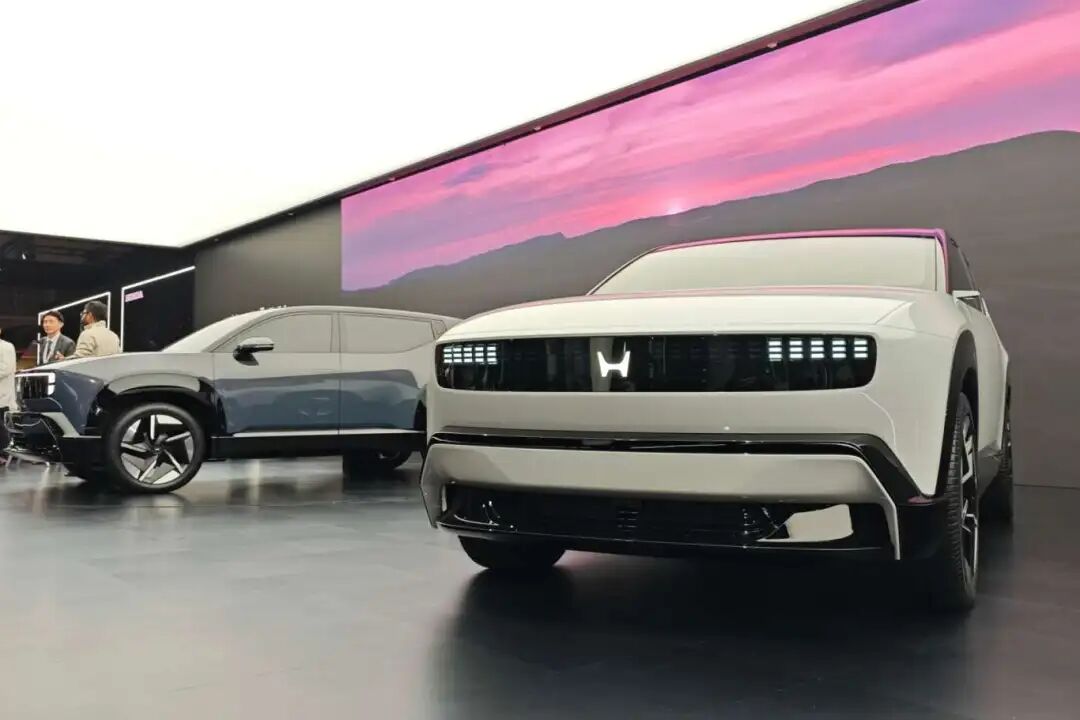
Core Insights - The article discusses the unique characteristics and cultural significance of Japan's K-CAR market, highlighting its closed nature and the strong consumer loyalty towards domestic brands [4][11][17] - The entry of foreign brands, particularly BYD with its electric K-CAR, is seen as a potential disruptor in this market, but challenges remain due to historical consumer preferences and regulatory barriers [10][15][17] Group 1: K-CAR Market Overview - The K-CAR concept has maintained consumer enthusiasm in Japan for decades, creating a distinct industrial culture that permeates various aspects of society [4][11] - Japanese automakers have established a stronghold in the K-CAR segment, with each brand creating a unique niche through their products [4][6] Group 2: Sales Performance - In 2024, Honda's N-BOX dominated the K-CAR market with sales of 206,272 units, surpassing the best-selling regular car, Toyota Corolla [6] - Suzuki's Spacia and Daihatsu's Tanto also performed well, with sales of 165,679 and 93,759 units respectively, indicating a robust competitive landscape among domestic brands [6] Group 3: Foreign Brand Challenges - Historical attempts by foreign brands like smart and Caterham to enter the K-CAR market have failed due to misalignment with local consumer preferences and regulatory standards [8][11] - The K-CAR market is characterized by a strong emphasis on practicality and affordability, making it difficult for foreign brands to succeed without a product tailored specifically for Japanese consumers [8][11] Group 4: Future Prospects - The introduction of BYD's electric K-CAR, RACCO, at the Tokyo Mobility Show introduces new competition, particularly against Nissan's Sakura, which has become the best-selling EV in Japan [10][15] - Despite the potential for disruption, the article emphasizes that foreign brands face significant hurdles in gaining acceptance in the K-CAR market due to entrenched consumer loyalty to domestic brands [15][17]

日产陷致命一击,丰田本田利润集体跳水
汽车商业评论· 2025-11-02 23:06
Core Viewpoint - Japanese automotive manufacturers are facing significant financial challenges, with Nissan predicting an operating loss of 275 billion yen (approximately 1.8 billion USD) for the fiscal year ending March 2026, marking its most severe financial crisis in over two decades [4][6]. Group 1: Nissan's Financial Outlook - Nissan has lowered its consolidated sales forecast for fiscal 2025 from 12.5 trillion yen to 11.7 trillion yen, leading to a 6.1% drop in its stock price on October 31, the largest single-day decline in nearly two months [5]. - The company is experiencing a crisis comparable to its near-bankruptcy situation in the past, exacerbated by ongoing leadership turmoil and declining profits [6]. Group 2: Toyota and Honda's Challenges - Toyota sold 5,267,216 vehicles in the past six months, achieving the highest sales record in two years, yet it faces a projected net profit decline of 44.2% to 2.66 trillion yen (approximately 170 million USD) for the current fiscal year [8][10]. - Honda's global sales fell nearly 6% in September, with a 13% decline in the Chinese market, and it anticipates a 70% drop in profits for the fiscal year ending March 2026 [11][23]. Group 3: External Pressures - The automotive industry is under pressure from tariffs, a strong yen, and supply chain disruptions, which are collectively squeezing profit margins [13]. - The U.S. tariffs on non-American manufactured vehicles and parts, initially set at 25%, have been reduced to 15%, but still pose a significant burden on Japanese manufacturers [17][20]. Group 4: Currency Impact - The appreciation of the yen is expected to reduce the annual profits of Japan's seven major automakers by approximately 1.5 trillion yen, with Toyota facing a potential loss of 745 billion yen due to currency fluctuations [30][31]. - The yen's strengthening has reversed the benefits previously gained from its depreciation, leading to a projected 31% decline in Toyota's operating profit [32]. Group 5: Supply Chain Issues - A semiconductor supply shortage, particularly related to Nexperia, is threatening production across the industry, with Nissan indicating that its chip inventory may only last until early November [36][38]. - Additionally, the reliance on rare earth materials from China has decreased significantly, impacting the production of electric vehicles [43][44]. Group 6: Strategic Responses - Japanese automakers are focusing on deepening their presence in the U.S. market and localizing supply chains to mitigate risks from tariffs and currency fluctuations [47]. - Nissan is increasing production capacity in its U.S. factories and exploring partnerships with Honda to utilize idle capacity for producing pickup trucks [48][51]. Group 7: Cost Optimization and Product Strategy - Nissan is aggressively restructuring, planning to cut 20,000 jobs and reduce its global manufacturing sites from 17 to 10 [54][56]. - Both Nissan and Honda are shifting focus towards hybrid vehicles, with Toyota reporting that hybrid models accounted for 42% of its U.S. sales in the first half of the year [61].

Japanese carmakers eye innovation, India boost to overcome US, China speed bump
MINT· 2025-10-31 11:04
Core Insights - Japanese carmakers are focusing on technology and new product launches to compete against the growing presence of Chinese rivals and to address supply chain issues, particularly in rare-earth magnets and chips, as well as US tariffs [1][3] - The Japan Mobility Show 2025 showcased aggressive expansion plans from major Japanese automakers, including the introduction of new EV technologies and the revival of classic brands [2][3] Industry Challenges - The ongoing US-China trade war is impacting the Japanese and Indian auto industries, with Japanese automakers feeling the pressure from Chinese competitors like BYD, which has rapidly increased its global market share [3][4] - Akio Toyoda, chairman of Toyota, acknowledged Japan's declining global influence and the challenges posed by Chinese manufacturers, particularly in the Kei car segment, which has traditionally been dominated by Japanese firms [4][5] Company Strategies - Toyota announced the launch of its new luxury brand, Century, aiming to enhance Japan's global automotive presence [5][6] - Suzuki is focusing on catching up in EV technology, having launched its first EV, e-Vitara, and introduced an electric version of its Kei car, Vision e-Sky [7] - Nissan is implementing a refresh strategy called Re:Nissan to address mounting losses, including job cuts and factory closures, while also planning to revitalize its core models [8][9] Market Performance - Japanese carmakers have lost market share in several regions, particularly in China, where they collectively lost between 0.5% to 4% market share from 2019 to 2024, while BYD gained 23% [12] - In contrast, the Indian market remains a stronghold for Japanese automakers, with Maruti Suzuki holding a 40% market share, while BYD's presence is minimal at 0.08% [13] Future Outlook - The Indian auto industry is projected to grow by 5% in 2025-26, supported by a GST rate cut and strong festive demand, with Japanese companies planning to introduce multiple new models, particularly SUVs, in the coming years [14][15] - Honda is set to launch 10 new models in India, while Suzuki plans to introduce eight new SUVs by 2030-31, indicating a strong commitment to the Indian market [15][16]
安世半导体供应中断,本田墨西哥工厂已停产
第一财经· 2025-10-31 02:22
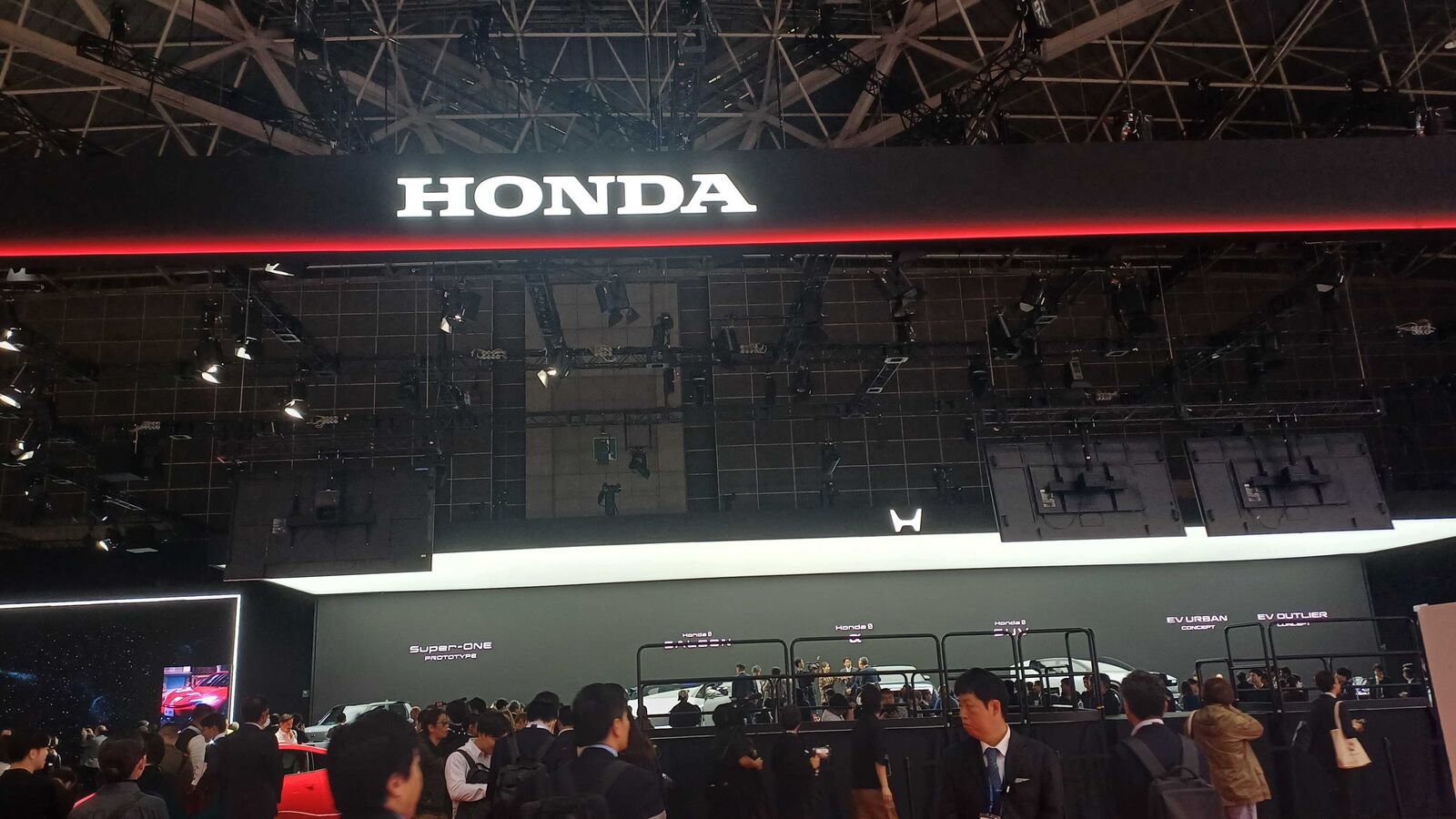
Core Viewpoint - The automotive production of several Japanese companies, including Honda and Nissan, is facing challenges due to supply disruptions from Nexperia Semiconductor, leading to temporary factory shutdowns and production adjustments [3][4]. Group 1: Honda's Production Challenges - Honda has adjusted its automotive production plans in North America and Mexico due to the semiconductor supply issues [3]. - The Honda plant in Celaya, Mexico, has halted production, primarily affecting the Honda HR-V model, which has an annual output of approximately 200,000 units [3][4]. - In North America, Honda's assembly plant in Ontario, Canada, has reduced production by half and plans to halt operations for a week due to chip shortages [3][4]. Group 2: Sales Performance and Supply Chain Management - North America is a crucial market for Honda, with sales exceeding 1.6 million units in the 2023 fiscal year, marking a 36.2% year-on-year increase [4]. - Honda is actively working to minimize the impact of chip shortages by reassessing its supply chain and considering alternative components, although technical validation may delay replacements [4]. Group 3: Nissan's Situation and Industry Impact - Nissan's Chief Performance Officer indicated that the company's chip supply inventory could last until the first week of November, highlighting the severity of the chip supply issue [5]. - The Japan Automobile Manufacturers Association warned that the semiconductor supply disruptions could severely impact global automotive production [5]. - The semiconductor dispute has affected the global automotive supply chain, with warnings from European and American automotive organizations regarding potential production interruptions [5].
一场东京车展,看清日系车所有底牌
汽车商业评论· 2025-10-30 23:08
Core Viewpoint - The Japan Mobility Show 2025 showcases a stark contrast between Japanese automakers, who present ambitious electric vehicle (EV) strategies, and international brands, which appear less innovative and engaged in the current automotive transformation [5][6][9]. Group 1: Japanese Automakers' Strategies - Honda introduced two cost-effective electric concept cars, aiming for a full electric lineup by 2040, with the 0 Alpha targeting the Japanese and Indian markets [12][15]. - Toyota's Corolla concept car breaks traditional perceptions, offering hybrid, electric, and gasoline options, reflecting its "multi-path strategy" to adapt to diverse global energy conditions [19][22]. - Toyota plans to elevate its Century model to an independent luxury brand, with a new coupe version enhancing its prestigious image [25][29]. Group 2: International Brands' Participation - The participation of international brands like BMW and Mercedes-Benz was limited, lacking significant innovations compared to their Japanese counterparts [7][8]. - Subaru unveiled two STI concept cars, focusing on performance, while Nissan aims to revitalize its brand with the new Elgrand MPV, featuring a hybrid e-Power system [34][41]. Group 3: Future Mobility Concepts - The show emphasizes a broader vision of mobility, with Lexus presenting a solar-powered catamaran and a compact electric vehicle designed for urban environments [47][52]. - Honda showcased its ambitions beyond traditional vehicles, including a rocket for space exploration and an advanced electric wheelchair [60][64]. - Mazda's X-Coupe concept car highlights innovative fuel technology using microalgae, despite current efficiency challenges [67][70].