LI AUTO(LI)

Search documents
连续关注L3上路(二)
Guan Cha Zhe Wang· 2025-12-24 05:08
导读:只有在规则逐步清晰、责任逐步明确的前提下,L3级自动驾驶才有可能从一项被寄予厚望的技 术升级,成长为推动中国汽车产业持续向前的重要支点。 (文 / 观察者网 周盛明 编辑 / 高莘) 日前,工业和信息化部批准了两款搭载L3级有条件自动驾驶功能的智能网联汽车产品的准入申请,这 也被视为中国自动驾驶从"测试"迈向"量产"的关键一步。 有分析机构表示,2026年中国L3车型的市场渗透率有望达到1%。也有分析师称,明年中国L3级自动驾 驶车型产量甚至可达百万量级。 在需求放缓、市场竞争加剧的背景下,L3是否能够成为智能电动车"下半场"的新催化剂,正成为外界共 同关注的问题。 中国电动汽车百人会副理事长兼秘书长、车百会理事长张永伟此前就表示:"谁能够在智能化这个发展 阶段建立起优势,谁才能真正实现汽车产业的领先。智能化的标志就是智驾。" 继续推动产业高质量发展 或刺激新一轮汽车消费 目前,全球研究机构对于自动驾驶技术刺激中国汽车消费的潜力均保持乐观。 张永伟此前就表示:"2026年L3及以上自动驾驶乘用车新车渗透率将实现突破,到2030年有望达到 10%。" 而日本第二大证券公司大和证券(Daiwa Securi ...



理想汽车(02015.HK):2025年第51周上线15座理想超充站, 累计上线数突破3700座。
Jin Rong Jie· 2025-12-24 04:38
Group 1 - The core point of the article is that Li Auto (02015.HK) plans to launch 15 new Li Supercharging stations in the 51st week of 2025, bringing the total number of stations to over 3,700 [1] Group 2 - The company continues to expand its charging infrastructure, indicating a strong commitment to enhancing customer convenience and supporting the growth of electric vehicle adoption [1] - The increase in charging stations is part of Li Auto's strategy to improve its service network and strengthen its market position in the electric vehicle industry [1] - The cumulative number of charging stations exceeding 3,700 reflects the company's rapid growth and investment in infrastructure [1]
理想汽车旗下江苏车和家公司减资至6亿元
Sou Hu Cai Jing· 2025-12-24 03:34
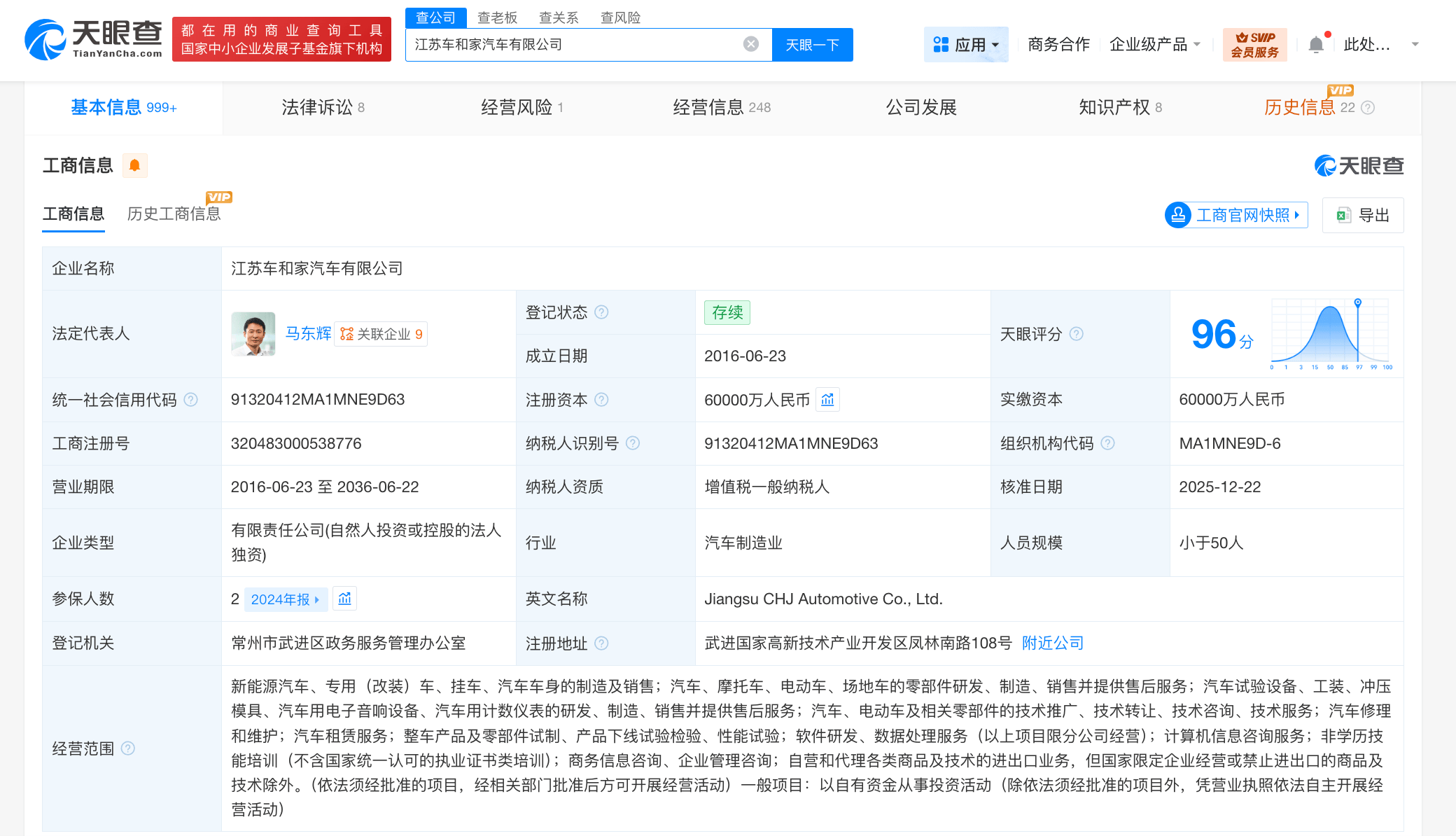
每经AI快讯,天眼查App显示,近日,江苏车和家汽车有限公司发生工商变更,注册资本由9亿元人民币减至6亿元人民币,降幅约33%。该公司成立于2016 年6月,法定代表人为马东辉,经营范围含新能源汽车、专用车、挂车、汽车车身的制造及销售,汽车、摩托车、电动车、场地车的零部件研发、制造、销 售并提供售后服务等。股东信息显示,该公司由理想汽车旗下江苏心电互动汽车销售服务有限公司全资持股。 | 查关系 | 查风险 | 查公司 | 查老板 | 都在用的商业查询工具 | | --- | --- | --- | --- | --- | | 江苏车和家汽车有限公司 | 国家中小企业发展子基金旗下机构 | × | | | | 基本信息 999+ | 法律诉讼 8 | 经营风险 1 | 经营信息 248 | | | 工商信息 ● | | | | | | MIP | 工商信息 | 历史工商信息 | | | | 企业名称 | 江苏车和家汽车有限公司 | | | | | 登记状态 ② | 存公 | 马东辉 捉关联企业 9 | 法定代表人 | | | 成立日期 | 2016-06- | | | | | 统一社会信用代码 ⑦ | 注册资本 ...

地平线+理想“老兵”集结,造出一只抛弃遥控器的机器狗
创业邦· 2025-12-24 03:25
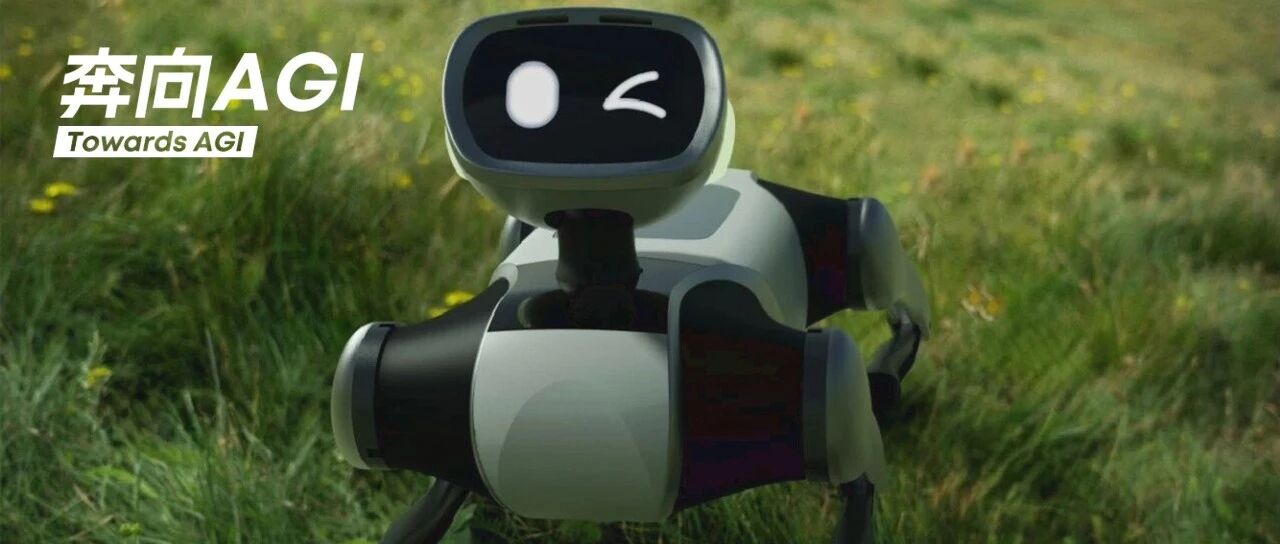
Core Viewpoint - The article discusses the emergence of VITADYNAMICS, a company founded by former automotive experts, focusing on consumer-grade robotic dogs, specifically the Vbot "Big Head BoBo," which aims to integrate advanced AI and autonomous capabilities into everyday life [2][3][6]. Group 1: Company Background and Founders - VITADYNAMICS was established in December 2024 by three founders with extensive experience in intelligent driving systems, recognizing a gap in the consumer robotics market [2][9]. - The founders include Yu Yinan, a PhD in deep learning and former key member of Horizon Robotics, Zhao Zhelun, who has a strong background in product and market understanding from his time at Li Auto, and Song Wei, an expert in engineering systems [8][9]. Group 2: Product Development and Market Strategy - The first product, the Vbot "Big Head BoBo," is priced at 12,988 yuan, with a launch price of 9,988 yuan, and aims to be a user-friendly, intelligent companion without the need for remote control [2][14]. - The product is designed to address practical household needs, with a focus on safety and usability, targeting a market segment that values technology and quality [17][24]. Group 3: Market Potential and Competition - The consumer-grade robotic dog market in China is projected to grow from 470 million yuan in 2023 to 660 million yuan in 2024, with an expected CAGR of 37.5% over the next five years [17]. - VITADYNAMICS aims to differentiate itself in a competitive landscape, where existing players have established market presence, by focusing on practical applications and user experience rather than just advanced capabilities [24][25]. Group 4: Technological Innovations - The Vbot integrates advanced technologies such as 360° high-precision LiDAR, dual-camera systems, and a powerful AI computing platform, leveraging the founders' experience in autonomous driving [18][20]. - The company emphasizes a "computational density" approach, optimizing sensor use to enhance the robot's environmental understanding and decision-making capabilities [18][27]. Group 5: Challenges and Industry Outlook - The company faces challenges in proving the value and user experience of consumer robots, as many potential customers remain skeptical about their practical utility [29][30]. - The industry is expected to evolve towards providing comprehensive solutions for specific scenarios, with a focus on emotional interaction and user engagement becoming critical for long-term success [32][33].
理想汽车供应链部门架构调整 近千人并入制造部
Xi Niu Cai Jing· 2025-12-24 02:30
Group 1 - The core point of the article is that Li Auto has made significant organizational adjustments to its supply chain department, merging the "Parts Cluster" into the "Manufacturing" department to enhance operational efficiency and resource allocation [2][3] - The merger is led by Li Auto's Vice President Li Bin, who will report to President Ma Donghui, and follows the departure of the former head of the Parts Cluster, Luo Ping [2] - The Parts Cluster previously had nearly 1,000 employees, and after the merger, the Manufacturing department will have over 10,000 employees, making it the largest department in the smart vehicle group, accounting for one-third of the total workforce [2] Group 2 - Li Auto has been adopting a vertical integration model similar to Tesla's to secure quality and supply stability through self-built factories and joint ventures [2] - Recent performance indicators show that Li Auto delivered 33,181 new vehicles in November, a year-on-year decline of 31.92%, and reported a total revenue of 27.4 billion yuan in Q3, down 36.2% year-on-year, with a net loss exceeding 600 million yuan, marking its first quarterly loss since Q3 2022 [2] - The restructuring is seen as a crucial step for Li Auto to address its current challenges and potentially revive sales and performance in the future [3]

首批L3级车型获批上路,产业链升级在即 | 投研报告
Zhong Guo Neng Yuan Wang· 2025-12-24 02:04
Core Insights - The transition from L2 to L3 represents a critical leap from driver assistance to autonomous driving, with responsibility potentially shared among drivers, manufacturers, and autonomous system suppliers [2] Investment Summary - The first L3-level vehicles have been approved for road use, marking a significant milestone in China's autonomous driving industry, transitioning from laboratory testing to legitimate road applications [3] - The approval establishes a clear safety baseline by allowing conditional and limited scenarios for testing, promoting innovation while ensuring safety [3] - The high reliability and safety redundancy requirements of L3 systems will drive technological upgrades across the entire supply chain, including perception hardware, computing platforms, and software algorithms [3] Future Outlook - Pilot programs are expected to expand from current highway and congested scenarios to more complex urban roads, with legal and technical standards evolving based on pilot experiences to support broader adoption [3] - The high costs associated with vehicles equipped with advanced autonomous driving features need to decrease through technological advancements and economies of scale for widespread consumer adoption [3][4] Investment Strategy and Focus - The automotive sector should focus on undervalued leading manufacturers and component suppliers benefiting from performance improvements, particularly in the fields of new energy and intelligent vehicles [5] - Recommended companies include early movers in the new energy sector such as BYD, Changan Automobile, Geely, and Li Auto; stable low-valuation component leaders like Huayu Automotive and Fuyao Glass; and key players in electrification and intelligence like Desay SV, Ruikeda, and Kobot [5] - The strategy also highlights opportunities arising from domestic substitution due to the "domestic circulation" initiative, with companies like Lingdian Electric Control and Sanhua Intelligent Control being of interest [5] Key Focus Companies - The investment focus for the week includes BYD, Li Auto, Top Group, Desay SV, and Shangsheng Electronics [6]



2025年中国新能源汽车线束行业进入壁垒、市场政策、产业链图谱、市场规模、竞争格局及发展趋势分析:国产化替代进程加速[图]
Chan Ye Xin Xi Wang· 2025-12-24 01:33
Core Viewpoint - The rapid development of the new energy vehicle (NEV) market is driving significant growth in the wiring harness industry, with the market size expected to reach 64.4 billion yuan in 2024, representing a year-on-year growth of 34.4% [1][9]. Overview - NEV wiring harnesses are essential components that connect electrical parts of vehicles, transmitting power and signals, and are often referred to as the "nervous system" of the vehicle [2]. - These harnesses consist of insulated wires, protective sheaths, connectors, and bundling components, and are categorized by voltage levels (high and low), functionality (power transmission, signal transmission, auxiliary equipment), and installation locations (battery pack, chassis, body) [2][3]. Industry Entry Barriers - The wiring harness plays a critical role in the electrical systems of NEVs, requiring high standards in product development, production technology, and quality control [3]. - As the NEV market evolves towards smart, shared, and connected vehicles, there are increasing demands for safety, lightweight, customization, and integration, necessitating strong innovation and technical capabilities from wiring harness manufacturers [3][4]. Related Policies - The Chinese government has implemented various policies to support the development of the automotive parts industry, including NEV wiring harnesses, creating a favorable policy environment for industry growth [5]. Industry Chain - The upstream of the NEV wiring harness industry includes suppliers of basic materials (copper, aluminum, rubber, plastic) and core components (connectors, terminals, sensors) [6]. - The midstream involves the research, design, and production of wiring harnesses, while the downstream primarily serves the NEV market, including manufacturers and the aftermarket [6]. Development Status - The NEV market in China has seen continuous growth, with production and sales reaching 11.24 million and 11.23 million units respectively from January to September 2025, marking a year-on-year increase of 35.2% and 34.9% [8]. - The increasing demand for NEVs is translating into a growing need for wiring harnesses, with the market expected to expand significantly [9]. Competitive Landscape - The NEV wiring harness market in China is characterized by foreign companies dominating the high-end market while domestic companies are accelerating their market share through local partnerships and technological advancements [10]. - Major international players like Sumitomo, Yazaki, Aptiv, and Lear hold significant shares in high-end NEV wiring harnesses, particularly in advanced products like 800V high-voltage harnesses [10]. Key Domestic Players - Companies such as Hu Guang Co., Ltd. and Yong Ding Co., Ltd. are notable players in the NEV wiring harness market, focusing on high and low voltage harnesses and achieving significant revenue from their automotive wiring harness businesses [10][11]. Future Trends - The industry is expected to focus on developing high-voltage harnesses that can handle increased voltage and current demands, with an emphasis on safety and lightweight materials [12]. - Innovations in harness structure and wiring methods will continue to evolve to reduce weight and volume, contributing to overall vehicle energy efficiency [12].





连续四个月销量同比下降,增程车真的不香了?
Jin Rong Jie· 2025-12-23 14:10
纯电车型续航焦虑缓解、充电速度提升以及燃油车大幅降价带来销量回暖,都对增程车的销量趋冷产生了不小的影响。蔚来汽车董事长、CEO李斌在广州车 展期间透露,10月纯电大三排SUV上险量远超增程车型,市场格局正在发生根本性转变,纯电大三排SUV的黄金时代已经到来。李斌认为,纯电技术的发展 已经解决了续航焦虑这一痛点,同时纯电车型的"体重"控制更好,带来更好的操控体验、安全性能和更低的持有成本。 增程车的销量已经连续四个月同比下滑了。乘联分会的数据显示,今年10月,增程车的批发销量为12.1万辆,同比下滑1.9%,零售销量更是同比下降7.7%。 与此同时,增程车在新能源汽车批发销量中的占比也出现了下降,从2024年底的9.1%下降至今年10月的7.5%。2024年,增程车销量达到116.7万辆,同比增 长78.7%,增速远超纯电的22.6%和插混的76.3%。但随着如今越来越多的车企涌入增程赛道,加上纯电车型开始普及800V架构,市场格局开始重构。 凭借增程车的强势表现,理想汽车成为了第一家盈利的新势力车企,但今年第三季度,理想汽车终结了连续11个季度盈利的纪录。这背后,与增程车的销量 同比下滑有很大关系。今年7月, ...
【快讯】每日快讯(2025年12月23日)
乘联分会· 2025-12-23 08:40
Domestic News - Guangzhou's 14th Five-Year Plan aims to accelerate the automotive industry's "curve overtaking," focusing on electric vehicle transformation, brand renewal, and international market expansion, targeting a trillion-level smart connected new energy vehicle industry cluster [7] - Haikou's 14th Five-Year Plan emphasizes the development of smart connected vehicles and other emerging industries, enhancing energy infrastructure and expanding new consumption fields [8] - China's electric vehicle charging infrastructure reached 19.322 million units by November 2025, a 52% year-on-year increase, with public charging facilities at 4.625 million units, up 36% [9] - The "Shenzhen-Hong Kong Automotive Fast Pass Plan" has been implemented, allowing for expedited customs procedures for exported new energy vehicles, reducing port stay time and storage costs by over 70% [10] - Geely Auto announced the completion of the privatization of Zeekr, making it a wholly-owned subsidiary [12] - Li Auto has partnered with Air China to offer a program where new car owners can accumulate flight mileage based on driving distance [13] - Jianghuai Automobile Group has opened a subsidiary in Italy, marking a significant step in its global development strategy [14] - EVE Energy's headquarters and AI robotics center project has commenced construction, with a total investment of approximately 1 billion yuan [15] International News - Thailand's automotive production in November increased by 11.06% year-on-year, reaching 130,222 units, while domestic sales rose by 20.65% [16] - Germany's automotive exports to the U.S. fell by nearly 14% in the first three quarters of the year, significantly impacted by new tariff policies [17] - Malaysia's automotive sales in November grew by 5.5% year-on-year, driven by the impending expiration of tax exemptions and year-end promotions [18] - Uber has partnered with Baidu to conduct trials of autonomous taxis in London, with plans to launch a pilot project in the first half of 2026 [19] Commercial Vehicles - Xidi Intelligent Driving has officially listed on the Hong Kong Stock Exchange, becoming the first company focused on intelligent driving for commercial vehicles [20] - Foton Ouhui has launched a new L4 level intelligent driving bus, showcasing its technological advancements and market competitiveness [22] - Jiushi Intelligent's manufacturing base in Huai'an has officially commenced production, supporting the global RoboVan industry with advanced technology and operational experience [23] - FAW Liberation's new factory in Foshan has officially started production, enhancing its presence in the southern new energy commercial vehicle market [24]




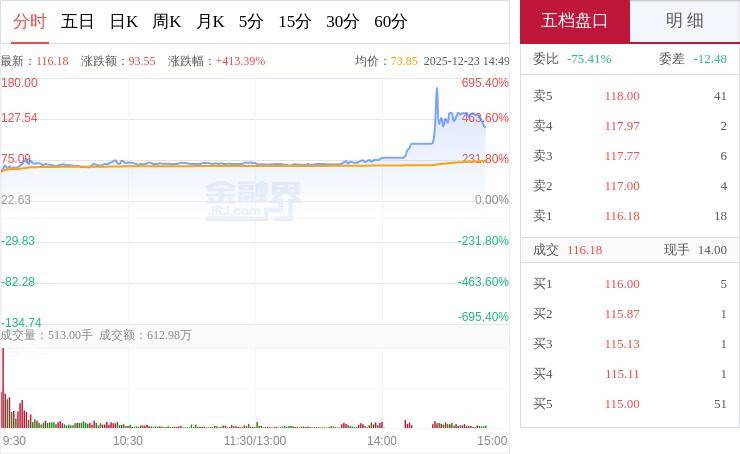
“妖股”直击:N纳百川首日振幅达530.31%,专注新能源汽车热管理,覆盖宁德时代与蔚来等头部客户
Sou Hu Cai Jing· 2025-12-23 08:29
Core Viewpoint - Nanbaichuan focuses on the development, production, and sales of thermal management products for new energy vehicle power batteries, fuel vehicle power systems, and energy storage batteries, with significant growth in revenue and net profit expected in the coming years [3]. Financial Performance - For the fiscal years 2022 to 2024, Nanbaichuan achieved operating revenues of 1.031 billion, 1.136 billion, and 1.437 billion yuan, with net profits attributable to the parent company of 113 million, 98 million, and 95 million yuan respectively [3]. - In the first three quarters of 2025, the company reported operating revenue of 1.208 billion yuan and a net profit of 58 million yuan [3]. - The company anticipates a 20.86% increase in operating revenue and a 9.72% increase in net profit for the full year of 2025 compared to the previous year [3]. Market Position - Nanbaichuan's client base includes major domestic and international manufacturers such as CATL, NIO, Li Auto, Geely, Dongfeng Nissan, Mercedes-Benz, Volkswagen, and Chery, as well as battery manufacturers [3]. - In the energy storage thermal management sector, Nanbaichuan has entered the supply chain systems of leading companies like CATL, Zhongchuang Innovation, and Sunshine Power [3]. Investment Projects - The funds raised will be invested in the first phase of a project to produce 3.6 million sets of water-cooled plates annually at Nanbaichuan (Chuzhou) New Energy Technology Co., Ltd., as well as to supplement working capital [3].