L'Oreal(LRLCY)

Search documents
欧莱雅旗下品牌被传裁员、退出?
3 6 Ke· 2025-05-23 00:13
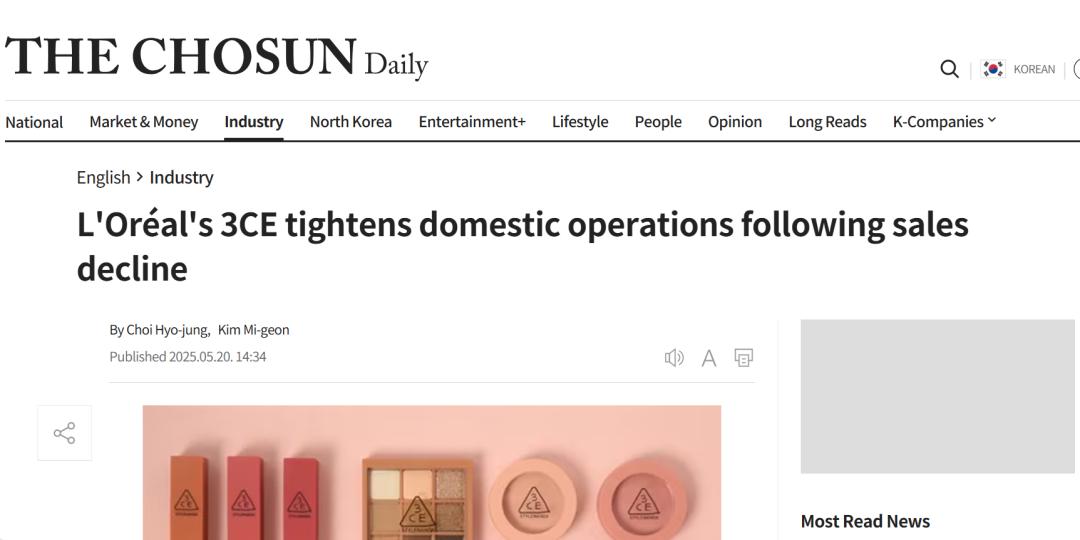
Core Viewpoint - The news reports that L'Oréal's acquisition of Stylenanda and its brand 3CE is facing challenges, including layoffs and speculation about exiting the South Korean market, although L'Oréal denies these claims [1][3][9]. Group 1: Company Performance and Strategy - Stylenanda initiated a voluntary retirement plan for employees related to the 3CE brand, indicating a contraction in its beauty segment after exiting the clothing business in 2024 [3][9]. - 3CE's revenue peaked in 2019 at 269.5 billion KRW (approximately 1.4 billion RMB), but has seen a steady decline in revenue from 2020 to 2024 [7][9]. - L'Oréal's official statement claims that 3CE has achieved double-digit growth in the South Korean market for three consecutive years, contradicting reports of its decline [9][23]. Group 2: Market Position and Competition - 3CE is reported to be the number one Korean beauty brand globally in 2023 and 2024, despite challenges in the South Korean market [10][23]. - The brand has expanded its presence in Southeast Asia and plans to re-enter the Japanese market in fall 2024, indicating a strategy to diversify its market presence [10][23]. - The competitive landscape in South Korea has intensified, with local brands gaining market share, which may impact 3CE's performance [20][23]. Group 3: Historical Context and Future Outlook - L'Oréal acquired Stylenanda in 2018 for approximately 400 billion KRW (about 2.1 billion RMB), but the exact ownership structure remains somewhat unclear [22][23]. - Previous exits of other L'Oréal brands from the South Korean market, such as Maybelline and Shu Uemura, raise concerns about the sustainability of international brands in this market [15][18]. - The future trajectory of 3CE will depend on L'Oréal's strategic decisions and its ability to adapt to changing consumer preferences and market dynamics [23].


电商运营:2025底妆行业市场洞察与热门趋势解析
Sou Hu Cai Jing· 2025-05-22 20:35
Market Overview - The foundation makeup market is leading in growth within the cosmetics sector, with a market size of 52.6 billion yuan in 2023, projected to reach 61 billion yuan by 2025 [1][2] - Domestic brands such as Huaxizi and Perfect Diary are performing exceptionally well, targeting primarily young female consumers under 26.55 years old, with a significant proportion having oily skin [1][2] Consumer Trends - The demand for long-lasting makeup technology is a core selling point, with stable year-round demand for long-wear foundation products. Brands like Mary Dajia are leveraging innovative marketing strategies to boost sales [1][2] - The rise of functional foundations that integrate skincare and sun protection features is notable, with 51% of sun-protective foundations falling under the isolation/pre-makeup category [1][2] - There is a growing preference for simplified makeup routines, with products like tinted moisturizers gaining popularity among consumers seeking efficiency and natural finishes [1][2] Regulatory Environment - The National Medical Products Administration is enhancing ingredient safety and regulation of children's cosmetics, promoting standardized development within the industry [1][2] Product Category Dynamics - Traditional categories such as foundation and cushion still dominate, but pre-makeup, concealers, and setting sprays are experiencing rapid growth, with increases of 13%, 16%, and 5% respectively [2] - The price range for foundation products is concentrated between 0-300 yuan, with 61% of sales in the 0-100 yuan segment, indicating a strong preference for economical options [2][27] Brand Performance - International brands lead the foundation market, with top rankings for brands like CPB, YSL, and NARS, while domestic brands like Huaxizi are also gaining traction [32][31] - The market is characterized by a high demand for products that offer durability, adherence, and a natural finish, prompting brands to enhance their product performance to meet consumer expectations [29]

从医研共创到全球“登顶”:解码理肤泉的皮肤学突围战
FBeauty未来迹· 2025-05-22 11:09
Core Viewpoint - The article discusses the evolution of the "medical-research co-creation" trend in the Chinese beauty market, highlighting how brands like La Roche-Posay are leveraging scientific research to differentiate themselves and achieve significant sales growth, particularly in the context of the brand's 50th anniversary [2][4]. Group 1: Brand Performance and Market Position - La Roche-Posay has achieved over €7 billion in sales, marking a significant milestone for L'Oréal's dermatological division, and has become the third-largest skincare brand globally and the most recommended by dermatologists [2][4]. - The brand's unique heritage, rooted in the therapeutic properties of its thermal spring water, has been a key factor in its success, with a history dating back to the 14th century [7][9]. - The brand has submitted 180 research papers and actively participates in global dermatology conferences, reinforcing its position as a leader in skincare science [12][19]. Group 2: Research and Development - La Roche-Posay has a strong commitment to scientific research, having pioneered several innovations in skincare, including the first sunscreen with anti-UVA properties in 1987 and the first microbiome research in 2011 [10][12]. - The brand collaborates with dermatologists and medical experts to develop products that address real skin issues, emphasizing a holistic approach to skincare that includes emotional and psychological aspects [13][14]. Group 3: Market Strategy in China - Since entering the Chinese market in 2001, La Roche-Posay has positioned itself as a pioneer in scientific skincare, rapidly becoming the third-largest market for the brand globally [15][24]. - The brand's sales in China are projected to exceed ¥2.3 billion in 2024, reflecting a 12% year-on-year growth, driven by high repurchase rates of key products [15][24]. - La Roche-Posay has established a robust "medical-research co-creation" system in China, resulting in significant product innovations tailored to local consumer needs [21][24]. Group 4: Social Responsibility and Community Engagement - The "Blue Ribbon" initiative launched in 2022 aims to support skin health for cancer patients, showcasing the brand's commitment to social responsibility and community engagement [26][27]. - La Roche-Posay actively participates in educational campaigns and collaborations with local medical institutions to raise awareness about skin health issues related to cancer treatment [26][27]. Group 5: Consumer Trends and Brand Positioning - The article highlights a shift in consumer behavior towards more informed and rational purchasing decisions, with an increasing focus on ingredient transparency and product efficacy [29][31]. - La Roche-Posay's branding emphasizes a consistent message of professionalism and care, resonating with consumers who prioritize both effectiveness and a human touch in skincare [28][31].
谁杀死了中国首店?LV、欧莱雅高端香氛集体闭店之谜
3 6 Ke· 2025-05-19 10:22
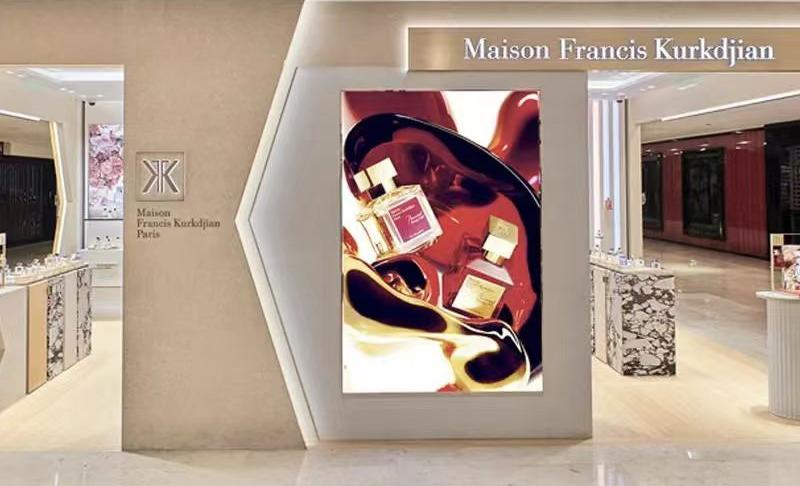
在各大美妆品牌前仆后继涌入香氛赛道时,有些香氛品牌却悄然闭店"离场"了。 据一财商学院不完全统计,今年3月以来,香氛领域已有7个知名品牌宣布闭店或停止运营,其中包括LV旗下高定香氛品牌梵诗柯香中国首家精品店、欧 莱雅集团旗下高端个护与香水品牌Aesop伊索中国内地首店、国内高端香氛品牌闻献DOCUMENTS杭州首店。 与这些闭店信息背道而行的是近年来持续扩大的中国香水香氛市场规模。数据显示,2018年到2025年,中国香水香氛市场年复合增长率为14.73%,远高 于全球3.01%的增长水平。艾媒咨询预计,2029年中国香水香氛市场规模有望突破500亿元,将成为全球增长最快的市场之一。 整体来看,中国香水香氛市场发展前景十分可观,但这些香水品牌发展受挫的原因,一方面是"国际大牌躺赢中国"的叙事已经终结,一方面是上述品牌的 高端定位与目前看似旺盛的市场需求依旧有供需错配的矛盾。究竟哪些香水品牌成功获取消费者"芳心",一财商学院尝试从这些角度剖析中国香水香氛市 场的现状。 香氛品牌"退场"背后 在本次统计的七个闭店香氛品牌中,梵诗柯香、闻献DOCUMENTS、花言几木、西子玲珑并未直接公布闭店原因,Aesop伊索透 ...
天猫618开卖30分钟,珀莱雅、兰蔻、欧莱雅、修丽可、雅诗兰黛成交破亿
news flash· 2025-05-16 13:06
Core Insights - Tmall's 618 shopping festival has seen a strong start in the beauty sector, with several brands achieving significant sales milestones within minutes of the sale beginning [1] Sales Performance - Within the first 10 minutes, Proya achieved over 100 million yuan in sales - By 20 minutes, Lancôme also surpassed 100 million yuan - Other brands like L'Oréal and Shiseido followed suit, reaching the 100 million yuan mark by 30 minutes, with Estee Lauder and CPB hitting the same target by 45 minutes [1] Product Highlights - In the first 30 minutes, 32 products, including the Collagen Stick 2.0, SK-II Facial Treatment Essence, Shiseido AGE Cream, La Mer Essence Water, and Proya Double Anti-oxidation Essence, each exceeded 10 million yuan in sales [1] Discounts and Promotions - This year's Tmall 618 features an 85% discount, with additional large consumer coupons and category coupons, offering greater discounts and lower thresholds compared to previous years - For example, the beauty surprise coupon has been adjusted from a minimum spend of 1000 yuan last year to 900 yuan this year, with the highest discount reaching 700 yuan when combined with other offers [1] Consumer Behavior - The combination of multiple discounts has led to a concentrated surge in consumer spending in the beauty category [1]


拿融资、与欧莱雅战略合作,这些美妆科技企业为何在BIG BANG迎来高速发展?
创业邦· 2025-05-16 10:09
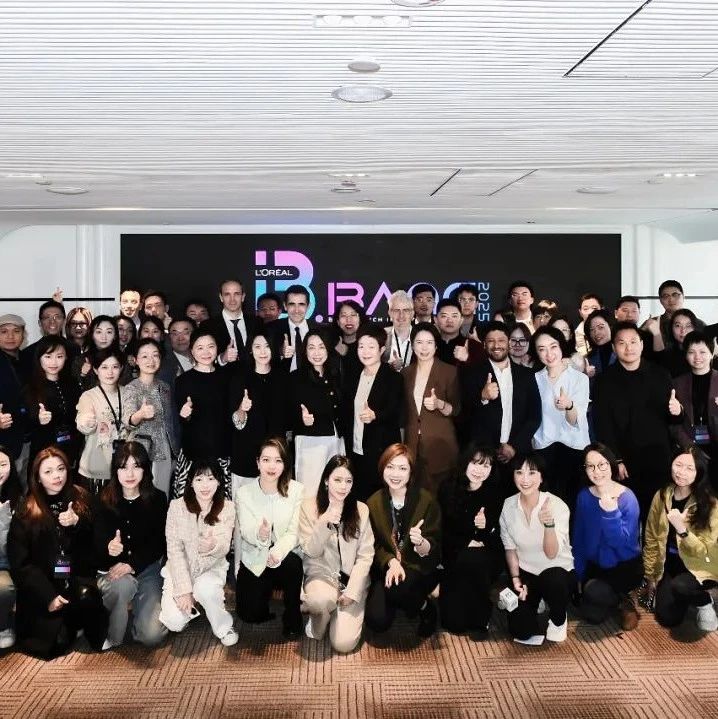
Core Viewpoint - The article emphasizes the transformative impact of the "L'Oréal BIG BANG Beauty Tech Co-Creation Program" on startups, enabling them to leverage global industry chains for rapid growth and innovation in the beauty sector [1][2][13]. Group 1: Overview of BIG BANG - The BIG BANG program aims to collaborate with startups and SMEs to develop innovative solutions, enhancing personalized products and services for consumers [1][2]. - Since its inception, BIG BANG has attracted over 2,200 startups and SMEs, successfully incubating over 60 projects, thus becoming a benchmark for innovation in the beauty tech field [13][16]. Group 2: Success Stories - Shenzhen Shanhai Innovation secured B-round financing from L'Oréal's investment arm, following its victory in the "Pre-vision New Product Research" track of BIG BANG in 2022, which accelerated its commercialization of supermolecular technology [8][11]. - Quanzhou Tekan Technology emerged as a winner in the "Playful New Experience" track, successfully implementing AI-driven digital human live streaming services across six Southeast Asian countries for over 300 brand clients [9][11]. Group 3: Program Structure and Evolution - The program features three main tracks: "Playful New Experience," "Pre-vision New Product Research," and "Leading New Operations," with a focus on the entire beauty industry chain from product to sales [8][16]. - In 2025, BIG BANG will introduce a fourth track, "Transformative Sustainability," aimed at exploring AI technologies for green supply chain management and low-carbon production processes [20][22]. Group 4: Strategic Partnerships and Ecosystem - BIG BANG collaborates with strategic partners like Dongfang Meigu and the French Business Investment Agency to enhance resource integration and break down industry barriers [16][24]. - The program's dual role of "breaking boundaries" and "leading" allows it to connect cutting-edge technology with the beauty sector, fostering innovation and market expansion [16][17]. Group 5: Future Directions - The 2025 program will fully embrace AI across all tracks, enhancing creativity, product development, operational efficiency, and sustainability in the beauty industry [22][24]. - The initiative aims to redefine the collaboration model between large corporations and startups, promoting mutual empowerment and growth [17][25].
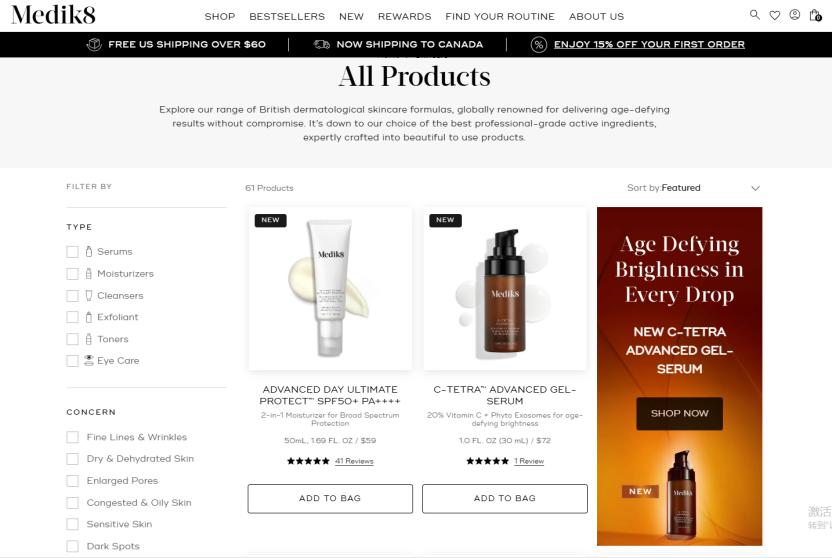
欧莱雅盯上英国“早C晚A”鼻祖?功效护肤赛道战火升级
Yang Zi Wan Bao Wang· 2025-05-15 08:16
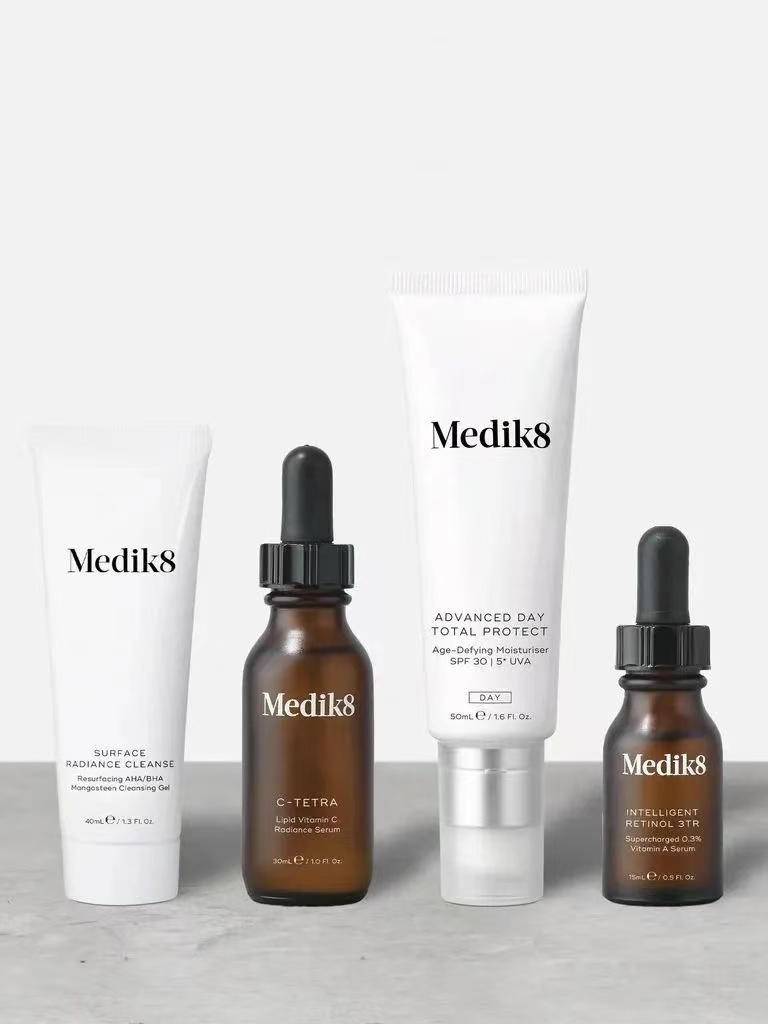
Group 1 - L'Oréal is reportedly interested in acquiring the UK skincare brand Medik8, which has sparked discussions in the industry [1] - Medik8 is known for its "CSA skincare philosophy" and has gained popularity for its "morning C, evening A" concept [2] - Medik8's sales are projected to grow by 50% in 2024, with global revenue expected to exceed $100 million (approximately 720 million RMB) in 2025 [4] Group 2 - L'Oréal's skincare division has been expanding rapidly, with sales surpassing 7 billion euros (approximately 54.8 billion RMB) in 2024, making it one of the fastest-growing segments of the company [6] - Estée Lauder's brand The Ordinary has entered the Chinese market, emphasizing high-concentration ingredient formulations at affordable prices [6] - Both L'Oréal and Estée Lauder are targeting a trend where consumers prefer effective and cost-efficient products [8] Group 3 - Local skincare brands like Winona and Yuze have established a strong market presence in China, leveraging a "medical-research co-creation" model [9] - The evolving consumer awareness in China indicates that mere ingredient stacking is insufficient; product texture, scientific formulation, and brand storytelling are becoming increasingly important [9] - For L'Oréal, building a distribution channel for Medik8 in China is crucial for market entry, while The Ordinary faces challenges from well-established local competitors [10]
巴黎欧莱雅任命莱蒂西亚?图佩 - 德隆为全球品牌总裁
Jing Ji Guan Cha Bao· 2025-05-14 10:08
Group 1 - Laetitia Toupet-Delon has been appointed as the Global Brand President of L'Oréal Paris, effective July 1 [1] - She will succeed Delphine Viguier-Hovasse, who will take on the newly created role of Chief Innovation and Trends Officer [1] - Viguier-Hovasse was the first woman to hold the position of Global Brand President for L'Oréal Paris since her appointment in 2019 [1] Group 2 - Toupet-Delon joined the L'Oréal Group in 1998 and has held various positions, including Global Brand President of La Roche-Posay and Global President of the Skin Care Division [2] - She will oversee the L'Oréal Paris business, which is projected to generate over €6 billion in annual revenue [2] - The L'Oréal Paris brand operates in 150 countries worldwide [2] Group 3 - In Q1 2025, L'Oréal Group reported a revenue growth of 4.4%, reaching €11.73 billion [3]
金十图示:2025年05月14日(周三)全球富豪榜




news flash· 2025-05-14 03:05
金十图示:2025年05月14日(周三)全球富豪榜 | 排名 | 名字 | 身价(美元) | 身价变化 | 公司 | | --- | --- | --- | --- | --- | | | 埃隆·马斯克 | 4157亿 | 1 88亿 2.17% | | | | 马克·扎克伯格 | 2266亿 | 1 57亿 2.57% | Meta | | | 杰夫·贝佐斯 | 2261亿 | 1 25亿 1.11% | 亚马逊 | | 4 | 拉里·埃里森 | 2022亿 | 1 61亿 3.1% | 甲骨文 | | 5 | 沃伦·巴菲特 | 0 1595亿 | + -11亿 -0.66% | 伯克希尔哈撒韦 | | 6 | 贝尔纳·阿尔诺家族 | 1566亿 | 1 18亿 1.19% | LVMH | | 7 | 拉里·佩奇 | 1330亿 | 1 9.24亿 0.7% | 谷歌 | | 8 | 史蒂夫·鲍尔默 | 1305亿 | + -0.27亿 -0.02% | 微软 | | 9 | 谢尔盖·布林 | 1274亿 | 1 8.65亿 0.68% | 谷歌 | | 10 | 阿曼西奥·奥尔特加 | 1228亿 | ...
欧莱雅盯上“早C晚A”先锋?
3 6 Ke· 2025-05-13 02:07
Group 1 - L'Oréal Group is currently the most competitive acquirer in the potential acquisition of the UK skincare brand Medik8, although both parties have not commented on the rumors [1][2] - Medik8 was founded in 2004 by pharmacologist and biochemist Elliot Isaacs, who introduced the CSA skincare philosophy, which emphasizes using Vitamin C and sunscreen during the day and Vitamin A at night [2][3] - Medik8's sales are projected to grow by 50% in 2024, with expected global revenue reaching approximately $115 million (around 833 million RMB) in 2025, and the brand operates in over 25 countries with products sold in more than 7,000 beauty salons [2][3] Group 2 - Medik8's website has seen a monthly average of over 100,000 visits in 2024, with a 90% year-on-year increase in unique visitors, ranking first in the UK beauty and health website traffic [3] - The brand's parent company, Pangaea Laboratories, received investment from private equity fund Inflection Buyout Fund V in 2021, although the specific amount was not disclosed [3] - Despite its growth, Medik8 currently lacks official online sales channels in China, with its official public account inactive since May 2021 [4] Group 3 - The skincare science sector is becoming increasingly competitive, with L'Oréal Group focusing on expanding its presence in this area through acquisitions and investments [6][8] - In 2024, L'Oréal's skincare division achieved sales of €7.027 billion (approximately 53.241 billion RMB), marking a 9.8% year-on-year increase, making it the fastest-growing segment for the company [6][7] - The global market for adult dermatological skincare products reached $2.295 billion (approximately 16.539 billion RMB) in 2023, with projections to grow to $4.687 billion (approximately 33.777 billion RMB) by 2030, reflecting a compound annual growth rate (CAGR) of 12.3% from 2024 to 2030 [8]