
MEITUAN(MPNGY)

Search documents
美团:“明厨亮灶”补贴将增加至5亿元
Xin Lang Cai Jing· 2025-09-19 01:43
Group 1 - Meituan Waimai announced an increase in the "Mingchu Liangzao" subsidy to 500 million yuan to help merchants enhance kitchen transparency [1] - Meituan will distribute assistance funds to help merchants increase revenue, support and reward high-quality merchants, and expand the "Mingchu Liangzao" initiative to cover 100,000 stores, with a total investment reaching 100 billion yuan [1] - As of mid-September, 300,000 merchants, over 3,000 chain brands, and 60,000 chain stores have participated in the "Mingchu Liangzao" program [1]

京东、美团、阿里纷纷“跑步入场” 电商巨头挤进“硬折扣店”
Shen Zhen Shang Bao· 2025-09-18 23:48
Group 1 - The retail industry is witnessing a fierce competition in the "hard discount" segment, with major players like Zhongbai Group, JD.com, Meituan, Hema, and Wumart rapidly entering the market [1][2] - Hard discount stores focus on significantly lowering costs and improving efficiency to offer lower prices, contrasting with "soft discount" stores that emphasize near-expiry or slightly imperfect products [2][3] - Zhongbai Group plans to open 51 hard discount stores in Hubei, with a SKU range of 800-1500 and substantial price reductions [3] Group 2 - The hard discount sector is emerging as a new growth point in the global retail market, with a projected growth rate of 8.2% in discount retail channels and an increase of $61.1 billion in sales of discount products by 2024 [4] - The Chinese hard discount market is expected to exceed 200 billion yuan by 2024, with current penetration at only 8%, indicating significant growth potential compared to Germany's 42% and Japan's 31% [4] - Aldi's expansion in China exemplifies the potential for growth, as it has steadily increased its store count and is now expanding beyond Shanghai [4] Group 3 - Despite the promising outlook, the hard discount market faces challenges such as supply chain optimization, cost reduction, and intense market competition [6][7] - The core of the hard discount business model is "extreme low prices," achieved through streamlined product categories and efficient supply chains, but this leads to lower profit margins [6][7] - Hard discount stores typically have gross margins of 10%-15%, significantly lower than the 20%-25% margins of traditional supermarkets, highlighting the competitive pressure in this segment [7]


国庆花钱太离谱!有人抠5块配送费,还抢千元饭,美团数据说真的
Sou Hu Cai Jing· 2025-09-18 13:42
Core Insights - The article highlights a shift in consumer behavior where individuals are using group buying to access quality products and services at affordable prices, indicating that saving money is no longer just about choosing cheaper options but about maximizing value through group purchases [1][3][11] Group 1: Consumer Behavior - Consumers are increasingly blending frugality with luxury, as evidenced by data showing that 30% of users who ordered inexpensive street food also purchased high-value dining vouchers [3] - The search volume for "affordable group purchases" and "high-end packages" on Meituan increased by 210% and 180% year-on-year, respectively, reflecting a growing trend of consumers seeking both budget-friendly and premium options [1][11] - The concept of "spending less for more" is prevalent, with consumers willing to pay for bundled services that offer additional value, such as hotel packages that include meals and activities at a lower overall cost [3][5] Group 2: Importance of Trust and Safety - Consumers prioritize "peace of mind" in their purchasing decisions, with a significant increase in searches for "children's meals" and "family-friendly" options, which rose by 270% year-on-year [9] - The credibility of platforms like Meituan has become essential, as consumers are willing to pay slightly more for services that demonstrate hygiene and safety practices, such as visible sanitation records [9][11] - The article emphasizes that consumers now view safety and hygiene as fundamental requirements rather than optional extras, influencing their purchasing choices significantly [5][9] Group 3: Market Trends and Data - Meituan's data indicates a 245% year-on-year increase in searches related to "National Day travel," with overall booking volume up by 60.8% compared to the previous year [11][13] - The company reported a revenue growth of 11.7% in Q2, with monthly active users surpassing 500 million, showcasing its strong market position and user engagement [15] - The diversity of offerings on Meituan allows consumers to find suitable options across various price ranges and scenarios, reinforcing the idea that modern consumption is no longer binary but rather multifaceted [13]


图解丨南下资金加仓美团、阿里和泡泡玛特
Ge Long Hui A P P· 2025-09-18 10:16
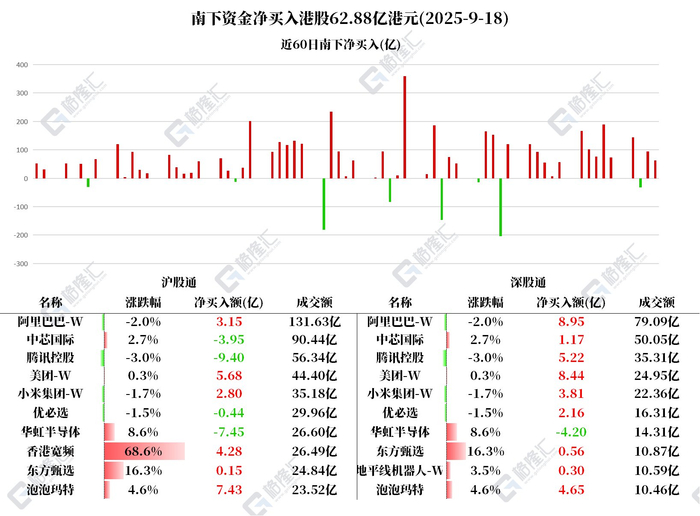
Group 1 - Southbound funds net bought Hong Kong stocks worth 6.288 billion HKD today, with notable purchases including Meituan-W (1.412 billion HKD), Alibaba-W (1.21 billion HKD), and Pop Mart (1.207 billion HKD) [1] - Southbound funds have continuously net bought Alibaba for 20 days, totaling 56.10089 billion HKD, and have net bought Meituan for 4 consecutive days, totaling 4.90023 billion HKD [1] Group 2 - In the Shanghai Stock Connect, Alibaba-W saw a net buy of 3.15 billion HKD with a trading volume of 13.163 billion HKD, while Tencent Holdings experienced a net sell of 9.40 billion HKD with a trading volume of 5.634 billion HKD [3] - Meituan-W had a net buy of 5.68 billion HKD with a trading volume of 4.440 billion HKD, while Xiaomi Group-W had a net buy of 2.80 billion HKD with a trading volume of 3.518 billion HKD [3]
北水动向|北水成交净买入62.88亿 北水继续抢筹美团-W(03690) 全天净买入额超14亿港元
Zhi Tong Cai Jing· 2025-09-18 10:15
Core Viewpoint - The Hong Kong stock market saw significant net inflows from northbound trading, with a total net purchase of HKD 62.88 billion on September 18, 2023, indicating strong investor interest in certain stocks [1] Group 1: Northbound Trading Activity - Northbound trading through Stock Connect (Shanghai) recorded a net purchase of HKD 19.07 billion, while the Shenzhen Connect saw a net purchase of HKD 43.82 billion [1] - The most purchased stocks included Meituan-W (03690) with a net inflow of HKD 14.12 billion, Alibaba-W (09988) with HKD 12.1 billion, and Pop Mart (09992) with HKD 12.07 billion [3][4] Group 2: Company-Specific Developments - Meituan-W (03690) launched its international food delivery brand Keeta in Kuwait, achieving top downloads in the food and beverage category on both iOS and Google Play, indicating strong user growth in the Middle East [3] - Alibaba-W (09988) received a boost from Goldman Sachs' report highlighting significant advancements in AI infrastructure and models in China, including the launch of Alibaba's Qwen3-Next [3] - Pop Mart (09992) is viewed positively by Huayuan Securities, which noted that recent stock price adjustments are normal market fluctuations, and the company is expected to continue high-quality growth due to its strong IP capabilities and expanding overseas business [4] Group 3: Selling Activity - Semiconductor stocks faced net sell-offs, with SMIC (00981) and Hua Hong Semiconductor (01347) experiencing net outflows of HKD 2.77 billion and HKD 11.64 billion, respectively, as companies like Alibaba and Baidu shift towards self-designed chips for AI model training [6] - Tencent (00700) also faced a net sell-off of HKD 4.18 billion, reflecting a broader trend of investor caution in the tech sector [7]
港股异动 | 美团-W(03690)再涨超4% keeta加速拓展中东市场 机构称外卖平台补贴策略已趋于理性
Zhi Tong Cai Jing· 2025-09-18 02:43
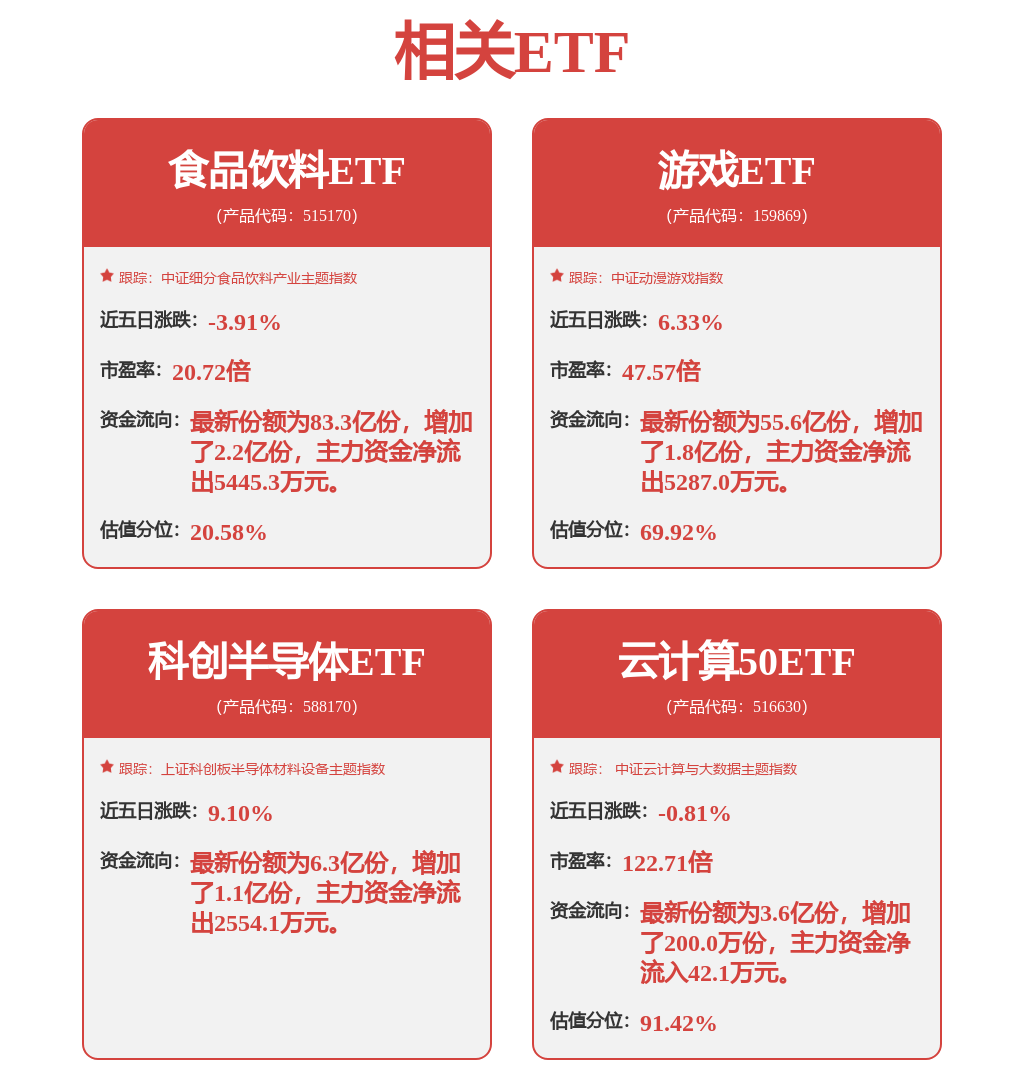
Core Viewpoint - Meituan-W (03690) has seen a significant increase in stock price, rising over 4% recently and accumulating a total increase of over 12% this week, indicating positive market sentiment towards the company's growth strategies in the Middle East [1] Group 1: Company Developments - Meituan's international food delivery brand, keeta, has officially launched operations in Kuwait, marking it as the third location in the Middle East after Saudi Arabia and Qatar [1] - The rapid expansion of keeta in the Middle East is based on its successful establishment in Saudi Arabia over the past year, demonstrating the company's commitment to a multi-country international development model [1] Group 2: Market and Competitive Landscape - According to a report by Shenwan Hongyuan, the regulatory emphasis on rational competition and promotion strategies has led to a more measured approach to subsidies among major platforms, including Meituan, Taobao, and JD.com [1] - The report indicates that Meituan is focusing on differentiated projects like "Pin Hao Fan" to enhance structural efficiency and reduce unsustainable growth patterns [1] - GF Securities forecasts that the e-commerce sector will continue to face pressure from food delivery competition, potentially impacting performance in Q3 and Q4, but anticipates a turning point in profitability for Meituan and Alibaba once subsidy levels decrease [1]
美团-W再涨超4% keeta加速拓展中东市场 机构称外卖平台补贴策略已趋于理性
Zhi Tong Cai Jing· 2025-09-18 02:41
Group 1 - Meituan-W (03690) has seen a stock price increase of over 4%, with a cumulative rise of more than 12% this week, currently trading at 108.7 HKD with a transaction volume of 5.432 billion HKD [1] - Meituan's international food delivery brand, keeta, has officially launched operations in Kuwait, marking it as the third location in the Gulf region after Saudi Arabia and Qatar [1] - Based on the successful establishment in Saudi Arabia over the past year, keeta is accelerating its expansion in the Middle East, having launched in Qatar in August and now in Kuwait within a month [1] Group 2 - According to a report from Shenwan Hongyuan, the market regulatory authority has emphasized the need for rational competition and regulation of promotions among major platforms, leading to a more rational subsidy strategy [1] - Meituan, along with Taobao and JD.com, is implementing differentiated projects such as "Pin Hao Fan," "Bao Pin Tuan," and "Qi Xian Xiao Chu" to enhance structural efficiency and reduce unsustainable growth [1] - GF Securities projects that the e-commerce sector will continue to face pressure from food delivery competition in Q3 and Q4, potentially impacting performance [1] - In the long term, a reduction in subsidy intensity from both Meituan and Alibaba is expected to lead to a turning point in profitability for both companies [1]
滴滴、美团拼抢海外外卖市场
Di Yi Cai Jing· 2025-09-18 01:44
Core Insights - Chinese companies are aggressively investing in Brazil's food delivery market, with Didi and Meituan leading the charge [1][2] - Didi's subsidiary, 99, plans to invest 2 billion Brazilian Reais (approximately 2.6 billion RMB) in its food delivery platform, 99Food, by June 2026 [1] - Meituan is set to introduce its food delivery service, Keeta, in Brazil with a planned investment of 1 billion USD over the next five years [1][4] Group 1: Didi's Strategy - Didi's 99Food will allocate 500 million Reais for local support points for delivery personnel, including rest areas and sanitation facilities [1] - A credit support plan of 6 billion Reais will be launched to assist delivery workers in purchasing or leasing electric motorcycles and bicycles [1] - 99Food aims to expand its services to over 100 cities by mid-2026 [1] Group 2: Meituan's Approach - Meituan's CEO expressed confidence in the Brazilian market and has already established a local team [1][4] - The company plans to utilize its extensive data analytics capabilities, developed in China, to optimize order distribution and rider management in Brazil [4] - Keeta aims to cover 1,000 major cities within five years and will focus solely on food delivery, with potential future expansions into fresh produce and pharmaceuticals [4] Group 3: Competitive Landscape - The competition between Didi and Meituan has led to legal disputes over issues such as "choose one" practices and trademark infringement [2] - Both companies are employing strategies similar to their domestic operations, including promotional policies to attract merchants and riders [4]
刘强东喊话美团王兴,iPhone18Pro已打样,小米汽车二期工厂部分验收通过,阿里自研AI芯片,这就是今天的其他大新闻!
Sou Hu Cai Jing· 2025-09-17 16:18
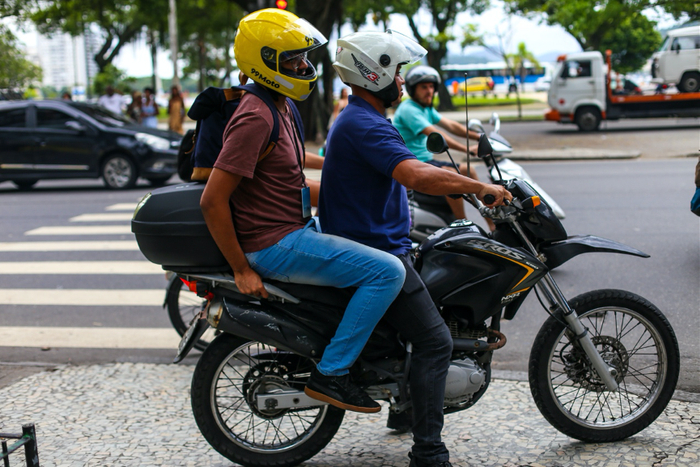
Group 1 - JD's CEO Liu Qiangdong emphasized the importance of maintaining a respectful competitive environment with Meituan's CEO Wang Xing, suggesting that competition should not turn into personal animosity [5] - Liu mentioned that he had attempted to meet Wang Xing, but the meeting did not materialize due to scheduling conflicts, highlighting the need for open dialogue among private enterprises [5] - He expressed respect for both Wang Xing and Meituan's senior vice president Wang Puzhong, advocating for competition based on strategy, business models, and value creation [5] Group 2 - Xiaomi's second-phase automotive factory project has received approval for several key components, including the R&D building and logistics facilities, indicating progress in its automotive production capabilities [8] - The total construction area of the second-phase factory is approximately 400,000 square meters, which will double the production capacity of Xiaomi's automotive division [8] - The first-phase factory was designed for an annual production capacity of 150,000 vehicles, and improvements in production processes have already enhanced actual output [8] Group 3 - Alibaba's self-developed AI chip, the PPU, was showcased on national television, indicating its competitive positioning against NVIDIA's H20 and A800 chips [10] - The PPU chip features HBM2e memory and has a memory bandwidth of 700GB/s, placing it between the A800 and H20 in terms of performance [10] - The power consumption of the PPU is consistent with the A800 at 400W, which is lower than the H20's 550W, suggesting efficiency in design [10]
滴滴巴西再投78亿元,美团紧跟其后,中国平台拼抢海外外卖市场
Di Yi Cai Jing· 2025-09-17 14:39
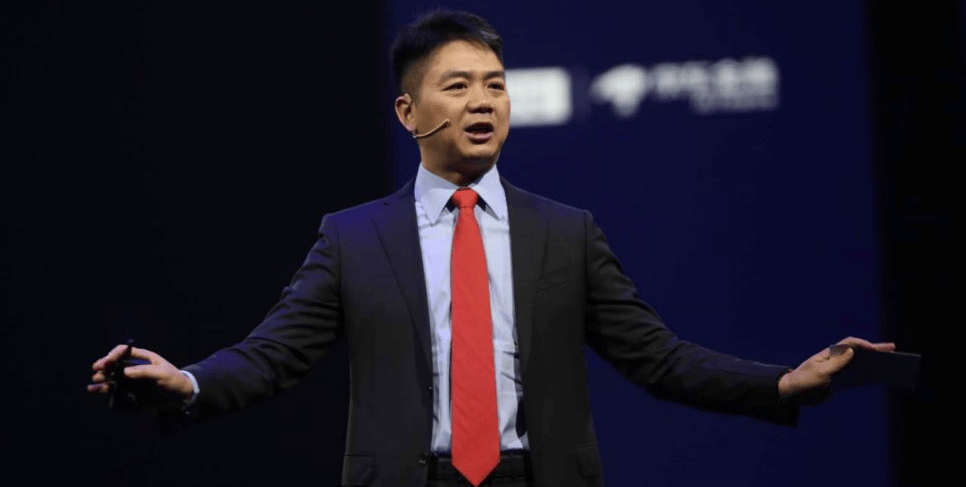
Core Insights - Chinese companies are aggressively entering the Brazilian food delivery market, with Didi and Meituan making significant investments and strategic moves to establish their presence [1][2]. Group 1: Didi's Investment in Brazil - Didi's subsidiary, 99, announced an additional investment of 2 billion Brazilian Reais (approximately 2.6 billion RMB) in its food delivery platform, 99Food, to be fully implemented by June 2026 [1]. - A portion of the investment, 500 million Reais, will be allocated to building support points for local delivery personnel, providing rest areas, drinking water, and sanitation facilities [1]. - 99Food plans to launch a welfare program worth 6 billion Reais (approximately 7.8 billion RMB) to support delivery workers with credit for purchasing and renting electric motorcycles and bicycles [1]. Group 2: Meituan's Strategy in Brazil - Meituan's CEO, Wang Xing, announced plans to introduce its food delivery service, Keeta, to Brazil, with a commitment to invest 1 billion USD over the next five years [1][2]. - Meituan has already established a local team in Brazil and aims to leverage its extensive data analytics capabilities, which include a system that manages 7 million delivery personnel in China [2]. - Keeta will focus on food delivery, with future considerations for fresh produce and pharmaceutical e-commerce, but will not venture into ride-hailing services [2]. Group 3: Competitive Landscape and Legal Challenges - The competition between Chinese firms in Brazil is intensifying, with Didi and Meituan already facing legal disputes over issues such as "exclusive selection," "infringement," and "confusing search terms" [2]. - Both companies are employing strategies similar to their domestic operations, including offering various incentives to attract merchants and delivery personnel [2].