Nissan Motor(NSANY)

Search documents
利润塌方、份额断崖:日系车的光环还剩几分?|钛度车库
Tai Mei Ti A P P· 2025-08-17 03:35
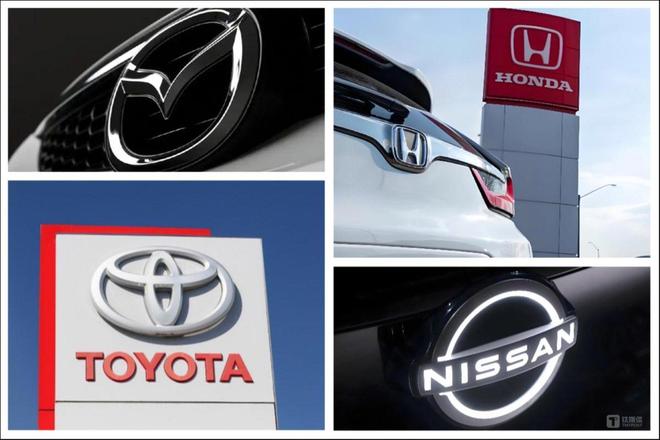
Core Viewpoint - Japanese automakers are facing significant financial challenges, with declining profits and increasing operational pressures due to currency fluctuations and U.S. tariff policies [2][3][4]. Financial Performance - Toyota's net profit dropped to 841.4 billion yen, a 37% year-on-year decline, despite a 3.5% increase in sales revenue to 12.25 trillion yen [2]. - Honda's net profit halved to 196.67 billion yen, with operating profit down nearly 50%, while Nissan reported a net loss of 115.7 billion yen for the first quarter [2][4]. - Mazda's net profit turned into a loss of 42.1 billion yen from a profit of 49.8 billion yen in the same period last year [2][5]. Impact of Currency and Tariffs - The depreciation of the yen against the dollar has severely impacted Japanese automakers, with Toyota estimating a loss of 165 billion yen in operating profit due to currency fluctuations [3]. - U.S. tariffs have forced Japanese manufacturers to reduce export prices by 19%, leading to a significant profit loss for Toyota, estimated at 450 billion yen for a single quarter [3][5]. - The overall impact of U.S. tariffs is projected to reduce the operating profits of Japan's seven major automakers by approximately 2.67 trillion yen for the fiscal year [5]. Strategic Responses - Japanese automakers are initiating "capacity restructuring" to mitigate risks by relocating production closer to key markets [6][8]. - Isuzu plans to shift production of its small trucks from Japan to the U.S. by 2028 to avoid tariff impacts [6]. - Toyota is considering reverse exporting vehicles produced in the U.S. back to Japan to leverage favorable trade conditions [7]. Market Challenges in China - Japanese automakers have seen their market share in China plummet from 30.79% in 2008 to 9.6% in the first half of 2025, driven by increased competition and a failure to adapt to local consumer demands [10][11]. - Despite Toyota's sales growth in China, overall performance of Japanese brands remains weak, with Honda and Nissan experiencing significant declines in sales [11][12]. - The transition to electric vehicles and the need for improved technology and consumer engagement are critical for Japanese automakers to regain market share in China [10][12]. Future Outlook - The ability of Japanese automakers to navigate the dual challenges of U.S. tariffs and currency fluctuations will determine their future viability [13]. - Strategic execution and adaptability in both the U.S. and Chinese markets are essential for these companies to recover and thrive [13].





【重磅深度】谁在坚持买油车?
东吴汽车黄细里团队· 2025-08-15 15:40
Core Viewpoint - The article discusses the reasons why car owners prefer gasoline vehicles over electric vehicles, highlighting factors such as cost-effectiveness, charging infrastructure, and concerns about battery technology and long-distance travel anxiety [4][5][29]. Group 1: Research Methodology - The research is based on a sample of 26 car owners from 7 major brands and 13 models, focusing on popular gasoline vehicles in various price ranges [3][11]. - The sample includes owners of Audi (A6L, Q5L), BMW (3 Series, 5 Series), Mercedes-Benz (GLC), Volkswagen (Sagitar, Passat, Tiguan L), Toyota (Corolla, RAV4, Camry), Nissan (Sylphy), and General Motors (Envision) [3][11]. Group 2: Reasons for Choosing Gasoline Vehicles - Nearly all interviewed car owners agree that gasoline vehicles offer high cost-performance, with many expressing a strong preference for them [4][11]. - Concerns about the long-term costs of electric vehicles, particularly regarding battery replacement after ten years, lead to skepticism about their overall affordability [4][11]. - Approximately 50% of respondents lack the conditions to install dedicated charging stations [4][11]. - Many owners believe that electric vehicle battery technology is not yet mature, contributing to their hesitance [4][11]. - Long-distance travel anxiety remains a significant concern for potential electric vehicle buyers [4][11]. Group 3: Perception of Electric Vehicle Advantages - While owners acknowledge that the per-kilometer cost of electric vehicles is lower, this advantage diminishes for those who drive less than 10,000 kilometers annually [5][11]. - Features such as aesthetics, smart driving, and additional comforts are seen as secondary benefits that do not outweigh the fundamental acceptance of electric vehicles [5][11]. Group 4: Preference for Luxury Brands (BBA) - Owners define luxury vehicles by their social attributes and trust in high-quality brands, with BBA (BMW, Benz, Audi) being recognized for their long-standing reputation [6][11]. - The willingness to consider electric vehicles from luxury brands often stems from previous experiences with BBA, where buyers may prioritize family needs or a change of taste [6][11]. Group 5: Factors Influencing Purchase Decisions - The primary factors influencing the purchase of gasoline vehicles include brand reputation, price, and practicality, with aesthetics and advanced driving features being less significant [28][29]. - The lack of charging infrastructure is the most cited reason for not purchasing electric vehicles, with 42% of respondents indicating this as a barrier [29][30]. - Concerns about battery technology and long-distance travel capabilities are also significant factors, with 15% and 12% of respondents citing these issues, respectively [33][35]. Group 6: Future Considerations for Electric Vehicle Purchases - Many respondents express a willingness to consider electric vehicles in the future, contingent upon improvements in charging infrastructure and vehicle quality [36][37]. - A common sentiment among respondents is to wait until electric vehicles have proven reliability and cost-effectiveness compared to gasoline vehicles [36][37].


日产将在中国推出插混轿车“N6”
日经中文网· 2025-08-15 03:01
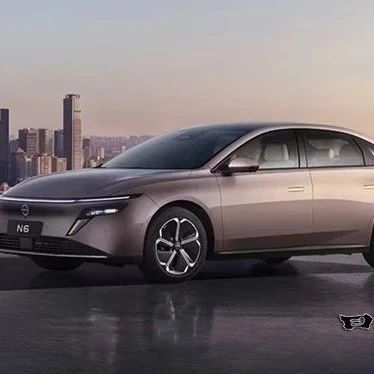
Core Viewpoint - Nissan is actively launching new electric and plug-in hybrid vehicles in China, with the introduction of the N6 plug-in hybrid vehicle (PHV) following the successful launch of the N7 electric vehicle (EV) [2][4]. Group 1: Product Launch - The N6 plug-in hybrid vehicle will be launched between October and December through the joint venture "Dongfeng Nissan" [2]. - The N6 features a lithium iron phosphate (LFP) battery with a capacity of 21.1 kWh, which is larger than comparable models from BYD, such as the Qin L and Seal 06 [4]. - The N6's dimensions are similar to the recently launched N7 EV, indicating a strategic alignment in product offerings [4]. Group 2: Market Performance - As of the end of July, the N7 has achieved sales of 16,343 units, contributing to a 20% year-on-year increase in Nissan's new car sales in China for July [5]. - The N7 has been well-received due to its affordable pricing, consumer-oriented design, spacious interior, and advanced driving assistance features [5].
成本冲击 跨国车企遭遇业绩压力
Zhong Guo Zheng Quan Bao· 2025-08-14 20:17
Core Insights - Major international automakers are facing significant profit declines in the first half of 2025, with only Toyota, Volkswagen, and Hyundai expected to exceed $5 billion in net profit [1] - Several automakers, including Stellantis, Nissan, Renault, Ford, and Volvo, reported losses in the second quarter or first half of the year [1] Group 1: Financial Performance - Volkswagen Group's revenue for the first half of 2025 was €158.4 billion, remaining stable year-on-year, but operating profit fell by approximately 33% to €6.7 billion, with net profit down over 38% to €4.477 billion [2] - Mercedes-Benz reported second-quarter revenue of €33.153 billion, a decline of 9.8% from €36.743 billion the previous year, with net profit dropping 68.7% to €0.957 billion [2] - BMW's revenue decreased by 8% to €67.685 billion, with net profit down 29% to €4.015 billion, although the company maintained its full-year financial outlook [3] Group 2: Impact of Tariffs and Costs - The increase in U.S. tariffs on electric vehicles and components has significantly impacted Volkswagen's profits, with an estimated loss of €1.3 billion due to tariff adjustments [2][4] - Ford reported tariff costs of $800 million in the second quarter, while General Motors faced $1.1 billion in tariff expenses [4] - Tesla indicated that tariffs have added $200 million in costs, with high tariffs on raw materials like steel and aluminum further increasing production costs for U.S. automakers [5]


奔驰净利腰斩,多家燃油车企业绩滑铁卢
3 6 Ke· 2025-08-12 10:08
Core Insights - Traditional fuel vehicle manufacturers are facing significant financial challenges, with many reporting declines in revenue and profit due to the costs associated with the transition to electric vehicles [1][2][4][5] - Companies like Audi and BMW are adjusting their strategies, opting for a more flexible approach that allows for the coexistence of fuel and electric vehicles, rather than a strict timeline for phasing out internal combustion engines [9][12] Financial Performance - Major Japanese and German automakers, including Toyota, Honda, Nissan, Volkswagen, and BMW, reported a downturn in their financial results for the first half of the year, attributing this to the costs of electrification [2][3][4] - Toyota's first fiscal quarter saw a 3.5% increase in sales to 12.25 trillion yen, but an 11% drop in operating profit to 1.17 trillion yen, and a 37% decrease in net profit to 841.35 billion yen [2] - Honda's sales revenue decreased by 1.2% to 5.34 trillion yen, with operating profit down 49.6% and net profit down 50.2% [2] - Volkswagen's sales revenue fell by 0.3% to 158.4 billion euros, with operating profit down 32.8% and net profit down 38.3% [3] - Mercedes-Benz reported an 8.6% decline in revenue to 66.377 billion euros and a 55.8% drop in net profit [4] - BMW's sales revenue decreased by 8% to 67.7 billion euros, with net profit down 29% [5] Strategic Adjustments - Honda announced a reduction in its planned investment in electric vehicles from 10 trillion yen to 7 trillion yen and adjusted its sales targets for electric vehicles [6] - Audi has retracted its plan to stop developing internal combustion engine vehicles by 2033, opting for a more flexible strategy [9] - Mercedes-Benz has also adjusted its electric vehicle strategy, allowing for a coexistence of fuel and electric vehicles [9] Market Trends - Despite the challenges, there are signs of recovery in the Chinese market, with several brands reporting increased sales in the first half of the year [10][11] - The introduction of fixed pricing strategies and price reductions for fuel vehicles has contributed to a rebound in sales [12] - Companies are enhancing the intelligence of fuel vehicles through partnerships with technology firms, aiming to close the gap with electric vehicles in terms of smart features [15][16]

美国汽车能否如愿大量销入日本
Di Yi Cai Jing· 2025-08-10 11:18
Core Viewpoint - The article discusses the implications of a recent trade agreement between Japan and the United States, particularly focusing on the automotive industry, highlighting the challenges faced by American cars in the Japanese market and the contrasting performance of Japanese cars in the U.S. market [1][2][3]. Group 1: Trade Agreement Details - On July 23, Japan and the U.S. reached a trade agreement that includes a 15% tariff on automobile exports between the two countries [1]. - The agreement is described as a comprehensive package covering economic, trade, and investment aspects, with President Trump labeling it as the largest agreement to date [1]. - Japanese automakers reacted positively to the agreement, with stock prices for companies like Toyota and Honda rising nearly 9% [1]. Group 2: Market Performance - In 2023, American cars accounted for only 4.1% of Japan's imported vehicles, with Jeep being the best performer at 1,000 units sold [3]. - By 2024, the total number of imported vehicles in Japan is expected to rise to 330,000, but Jeep's sales are projected to decline to 9,633 units, placing it 12th among imported vehicles [3]. - In contrast, Japanese car exports to the U.S. are projected to reach nearly 1.37 million units in 2024, constituting over 30% of Japan's total automobile exports [3]. Group 3: American Automakers' Concerns - The American automotive industry expressed concerns that the agreement could create unfair competition, as U.S. automakers rely on parts from Canada and Mexico, which face a 25% tariff [2]. - The United Auto Workers (UAW) criticized the agreement, stating it is detrimental to American workers and the domestic automotive industry [2]. Group 4: Reasons for Poor Performance of American Cars in Japan - Japanese consumers prefer smaller cars due to narrow roads and limited parking, which aligns with the offerings of local manufacturers [5]. - American cars are generally larger and less fuel-efficient, failing to meet the economic and practical preferences of Japanese consumers [5][6]. - The higher price point of American cars, combined with additional taxes and maintenance costs, makes them less appealing to cost-conscious Japanese buyers [6]. - American automakers have a limited presence in Japan, with only 163 sales points, lacking a robust sales and service network [6]. Group 5: Strategies for Improvement - To increase American car imports to Japan, measures such as utilizing Japanese automakers' sales networks for American vehicles have been suggested [8]. - American automakers need to build a consumer-friendly system that aligns with Japanese preferences, enhancing the "presence" of American cars in the Japanese market [8].
预计减利2.67万亿!日本七大车企公布美国关税政策影响
Guo Ji Jin Rong Bao· 2025-08-08 13:17
Group 1 - The current tariff policy significantly pressures the Japanese automotive industry, with major manufacturers like Toyota and Honda expected to see a combined operating profit reduction of approximately 2.67 trillion yen (about 130.2 billion RMB) in the fiscal year 2025, which represents over 30% of their total operating profit from the previous fiscal year [1] - Toyota anticipates a profit reduction of 1.4 trillion yen (approximately 68.3 billion RMB), which is 1.2 trillion yen higher than its initial forecast; Honda expects a reduction of 450 billion yen (about 22 billion RMB); Nissan may see a reduction of up to 300 billion yen (approximately 14.6 billion RMB); Mazda's reduction is projected at 233.3 billion yen (about 11.4 billion RMB); Subaru at 210 billion yen (around 10.2 billion RMB); Suzuki and Mitsubishi are both expected to reduce profits by 40 billion yen (approximately 2 billion RMB) each [1] - The U.S. government's announcement of a 25% tariff on Japanese car imports has severely impacted Japan's automotive sector, although a recent trade agreement has lowered the tariff to 15% [1][2] Group 2 - The new tariff level of 15% provides Japanese automakers with a competitive advantage over U.S. counterparts like Ford and General Motors, which still face a 25% tariff on imported auto parts [2] - Despite the reduction to 15%, this rate is still significantly higher than the previous 2.5% level, leading to concerns among Japanese officials about the long-term implications of the new tariff structure [2] - The effective tariff on Japanese car exports to the U.S. remains at 27.5%, combining the new 15% tariff with the original 2.5% base rate [2] Group 3 - Concerns persist regarding the commitment to maintain the 15% tariff, with U.S. Treasury Secretary warning of potential increases if the agreement does not meet expectations [3] - Large, profitable manufacturers like Toyota can absorb the 15% export tariff, but smaller exporters with lower profit margins may struggle significantly [3] - The Bank of Japan has revised its GDP growth forecast for fiscal year 2025 down from 1.1% to 0.5%, reflecting the adverse effects of U.S. tariffs and ongoing inflation on domestic consumption [3]
跨国车企战略重心转向:电动化“踩刹车” 智能化“踩油门”
Cai Jing Wang· 2025-08-06 15:25
Group 1 - Major automotive manufacturers, including BBA (Benz, BMW, Audi), are signaling a shift from full electrification to a strategy of coexistence between internal combustion and electric vehicles [1][2][4] - Audi has retracted its previous plan to stop developing internal combustion engine vehicles by 2033, now opting for a more flexible approach to its product lineup [2][4] - Other manufacturers like Mercedes-Benz and Porsche have also postponed their electrification targets, with Mercedes pushing its goal of 50% electric vehicle sales from 2025 to 2030 [2][4][5] Group 2 - Despite slowing electrification efforts, the push for vehicle intelligence is accelerating, with BBA brands deepening partnerships with Chinese smart driving solution providers like Momenta [1][6][7] - BMW and Mercedes-Benz are collaborating with Momenta to enhance their smart driving technologies, while Audi is diversifying its partnerships with multiple Chinese tech firms [6][7][9] - The trend reflects a broader industry need to improve smart technology capabilities, as partnerships with local suppliers provide a faster route to market than in-house development [9][10] Group 3 - Japanese automakers, including Toyota, Honda, and Nissan, are also partnering with Momenta to enhance their smart driving technologies, indicating a unified approach across major global brands [1][7] - The automotive industry is responding to market demands for safer and more convenient driving experiences, prioritizing smart technology over electrification due to its applicability across various powertrains [9][10] - Analysts suggest that the slower pace of electrification is a response to market diversity, infrastructure challenges, and profitability pressures, while the focus on smart technology aligns with consumer demands [9][10]
日本贸易代表达成协议后再赴美,石破茂称落实协定更具挑战性
Di Yi Cai Jing· 2025-08-05 08:35
Group 1 - The trade agreement between the US and Japan aims to reduce the automobile tariff from 25% to 15%, with Japan committing to invest $550 billion in the US [1][3] - Japan's exports to the US in 2024 are projected to total 21 trillion yen, with automobiles and parts contributing over 7.2 trillion yen, accounting for one-third of the total [3] - The agreement has raised concerns in Japan regarding the lack of a written document, as it may complicate the implementation of the agreed terms [3] Group 2 - Goldman Sachs analysts predict that the overall negative impact on Japan's seven major automakers will decrease from a loss of 3.47 trillion yen to 1.89 trillion yen under the new 15% tariff [4] - Specific impacts on major automakers include Toyota's tariff-related costs dropping from 1.6 trillion yen to 872 billion yen, Honda's from 560 billion yen to 305 billion yen, and Nissan's from 470 billion yen to 256 billion yen [5] - Japanese automakers have reduced export prices to the US by 19% in June, the largest drop since 2016, to maintain competitiveness in the North American market [5] Group 3 - The US automotive industry has expressed dissatisfaction with the trade agreement, arguing that it favors Japanese automakers and does not significantly improve US car exports to Japan [6] - The American Automotive Policy Council has raised concerns that many Japanese cars use minimal US parts and are assembled in Canada and Mexico, potentially harming US industry and workers [6] - The United Auto Workers union criticized the agreement, claiming it neglects the interests of American workers and does not address the long-standing advantages enjoyed by Japanese manufacturers in the US market [6]


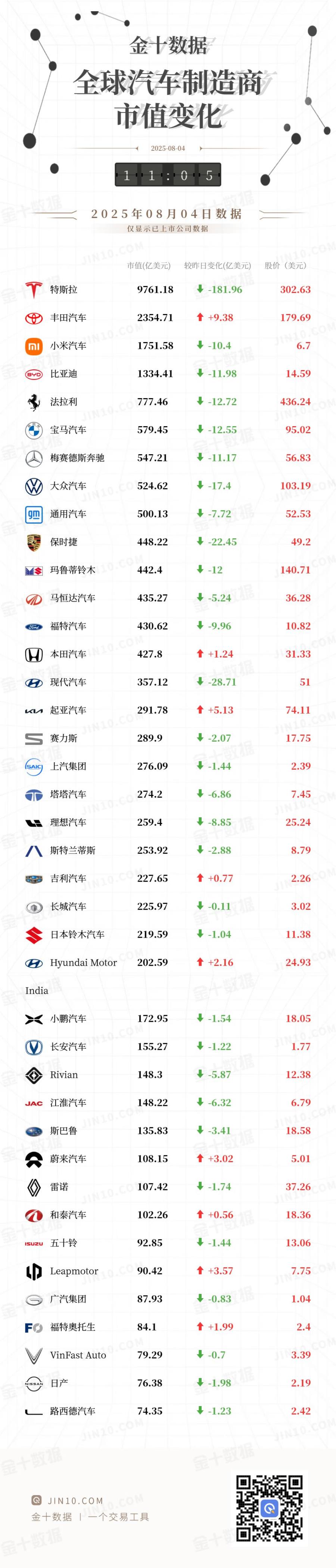
金十图示:2025年08月04日(周一)全球汽车制造商市值变化
news flash· 2025-08-04 03:15
Summary of Key Points Core Viewpoint - The automotive industry is experiencing significant fluctuations in sales and performance metrics across various companies, with some brands showing substantial declines while others maintain or grow their market presence. Group 1: Company Performance - Xiaomi Automotive reported a revenue of 1751.58 million, with a decrease of 10.4% [2] - BYD's revenue stood at 1334.41 million, reflecting a decline of 11.98% [2] - Ferrari's revenue was 777.46 million, down by 12.72% [2] - BMW Automotive generated 579.45 million, with a decrease of 12.55% [2] - Mercedes-Benz reported 547.21 million, down by 11.17% [2] Group 2: Additional Company Metrics - Volkswagen's revenue was 524.62 million, showing a significant drop of 17.4% [3] - General Motors reported 500.13 million, with a decrease of 7.72% [3] - Porsche's revenue was 448.22 million, down by 22.45% [3] - Mahindra Automotive generated 435.27 million, reflecting a decline of 5.24% [3] - Ford Automotive reported 430.62 million, down by 9.96% [3] Group 3: Emerging Players - NIO's revenue was 108.15 million, with an increase of 3.02% [4] - Rivian reported 148.3 million, reflecting a decrease of 5.87% [4] - VinFast Auto generated 79.29 million, down by 0.7% [4] - Leapmotor's revenue was 90.42 million, showing an increase of 3.57% [4] - Xpeng Automotive reported 172.95 million, down by 1.54% [4]