Starbucks(SBUX)

Search documents
深夜炸场!谷歌终极杀器Gemini 3重磅发布;俞敏洪连发10条南极游视频;香港千万富翁增至近40万人;马云现身蚂蚁园区丨邦早报
创业邦· 2025-11-19 00:12
Group 1: AI Developments - Google launched its new AI model Gemini 3, claiming it to be the "most intelligent" and "factually reliable" AI system to date, with enhanced capabilities in handling text, images, and audio simultaneously [2] - Jeff Bezos founded a new AI startup named "Project Prometheus," which has raised $6.2 billion in funding and employs nearly 100 staff from major tech companies [4] - Perplexity integrated the Kimi K2 Thinking model, marking it as the only domestic model included alongside OpenAI's GPT-5.1 [17] Group 2: Company Financials and Performance - Amer Sports, the parent company of Arc'teryx, reported a 30% revenue increase to $1.756 billion in Q3 2025, with a 161% rise in adjusted net profit to $185 million [14] - Xiaomi Group announced a record high adjusted net profit of 11.3 billion yuan in Q3 2025, with total revenue reaching 113.1 billion yuan, a 22.3% year-on-year increase [14] - 元气森林 announced the separation of its dairy brand 北海牧场 into an independent operation, focusing on low-temperature yogurt while consolidating resources in the beverage sector [14] Group 3: Market Trends and Predictions - A report indicated that the number of "millionaires" in Hong Kong has increased to approximately 395,000, reflecting a growing wealth concentration in the region [27] - The global smartphone shipment is projected to reach 1.2213 billion units in 2025, with AI smartphones expected to grow from 445.8 million units in 2025 to nearly 600 million units in 2026 [27] Group 4: Corporate Changes and Strategies - DJI held closed-door meetings with multiple investment institutions regarding its new panoramic drone, DJI Avata 360, while stating it has no current financing or IPO plans [6][7] - Manner Coffee responded to rumors about a potential IPO in Hong Kong, stating it would not comment on the speculation [7] - The management of 胖东来 underwent significant changes, with 于东来 stepping down as general manager while retaining his position as chairman [7]







Starbucks Stock: Why $65 Isn't Impossible
Forbes· 2025-11-18 15:15
Core Insights - Starbucks stock has underperformed in 2025, declining by 14% compared to a 14% gain in the S&P 500, raising questions about the reasons behind this downturn [2][3] Labor Strain - Ongoing labor disturbances in the U.S. are causing strain, with baristas organizing walkouts over wages and contract negotiations, leading to concerns about increased labor costs and store disruptions [5] Valuation Concerns - The market assigns a premium valuation to Starbucks, but fundamentals do not support this, as earnings and cash flow lag behind the multiples investors are paying [6] Growth Trends - Starbucks has seen a significant decline in growth, with an average annual revenue growth of under 5% over the past three years, and only a 2.8% increase in sales over the last twelve months [7] Profitability Metrics - Starbucks' operating margin is around 10% and net margin is approximately 7%, which are below market averages, indicating insufficient profitability to justify its premium valuation [8] Financial Stability - Starbucks has a solid financial base with about $3.5 billion in cash and $16 billion in total debt, making its balance sheet manageable relative to its $96 billion market cap [10] Downturn Performance - Historically, Starbucks stock has experienced sharper declines and slower recoveries during crises, such as a 44% drop during the 2022 inflation shock compared to a 25% decline in the S&P 500 [11] Investment Outlook - Current analysis suggests that Starbucks appears unattractive at its current prices due to misalignment between high valuation and weak operational performance [13]

云南省消费者协会发布咖啡豆比较试验结果
Sou Hu Cai Jing· 2025-11-17 22:06
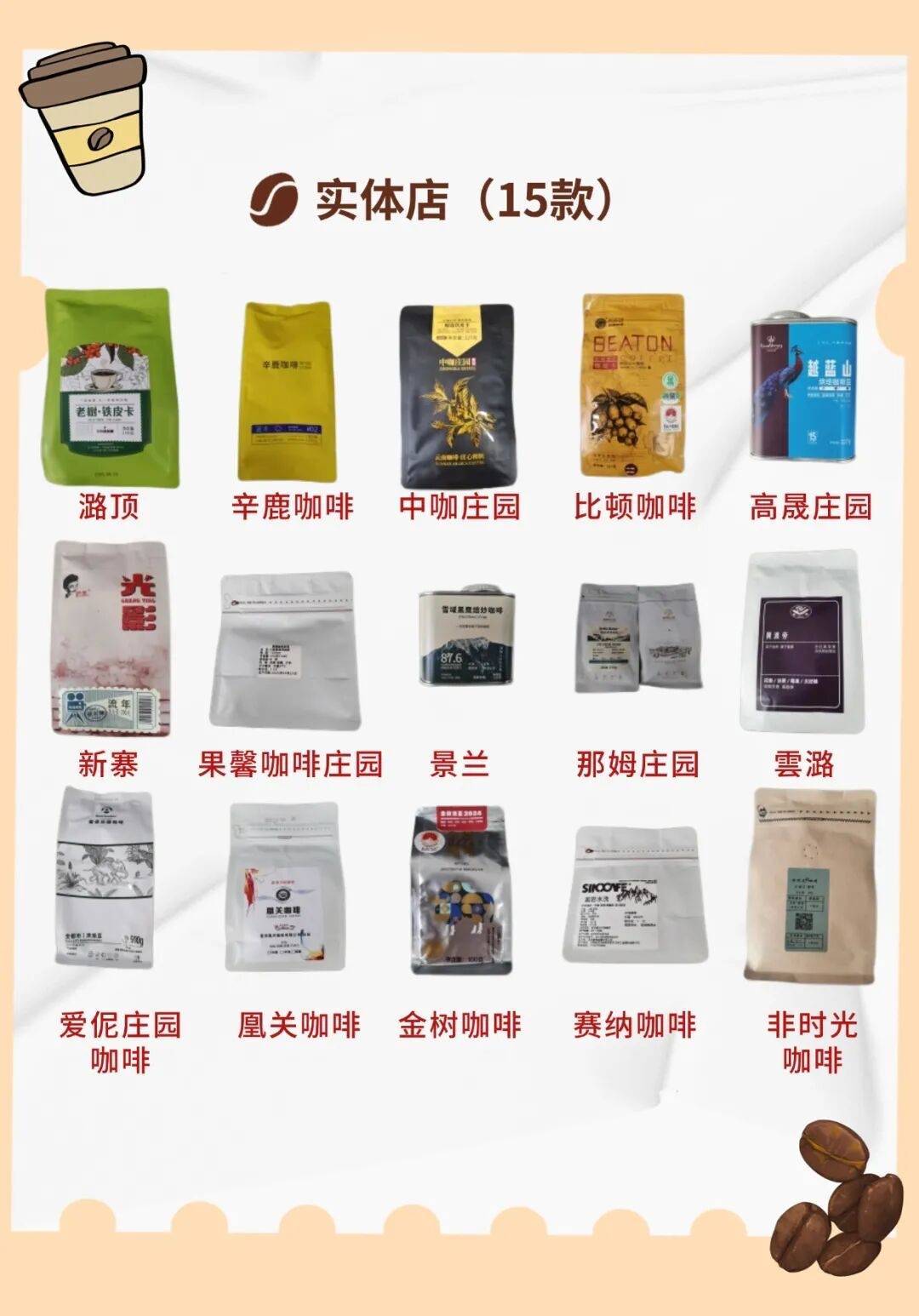
Core Insights - The Yunnan Consumer Association conducted a comprehensive analysis of 30 popular coffee bean products, including 23 brands from Yunnan and 7 from other regions, confirming that all samples met national food safety standards [1][12][18]. Group 1: Quality Assessment - The analysis included key safety indicators such as heavy metal residues, fungal toxins, pesticide residues, and pathogenic bacteria, with all results showing no detection of harmful substances, indicating the safety of the products [18]. - All 30 coffee bean samples scored 80 points or above in sensory evaluations, qualifying them as "specialty grade" according to the SCA Specialty Coffee Cup Tasting Manual. Five products, including "Biton Coffee" and "Jinshu Coffee," scored above 85 points, categorizing them as "specialty grade - excellent" [19]. Group 2: Quality Standards - Moisture content is a critical quality indicator for roasted coffee beans, affecting flavor and shelf life. The moisture content of the tested samples ranged from 0.53% for "Geo" to 2.07% for "Huangguan Coffee," all within the acceptable limits [20]. - Caffeine content varied among the samples, with the lowest being 10.2 mg/g for "Yunlu" and the highest at 22 mg/g for "Shizhi," aligning with WHO recommendations for daily caffeine intake [20]. Group 3: Consumer Guidance - Consumers are advised to prioritize products with clearly marked roasting dates and to choose beans based on brewing methods. Proper grinding and storage techniques are essential for maintaining flavor [21][22]. - It is recommended to purchase coffee beans in quantities that can be consumed within a short period to ensure optimal flavor experience [23].
Why you can only find the new Starbucks holiday drink at Target
Yahoo Finance· 2025-11-17 20:00
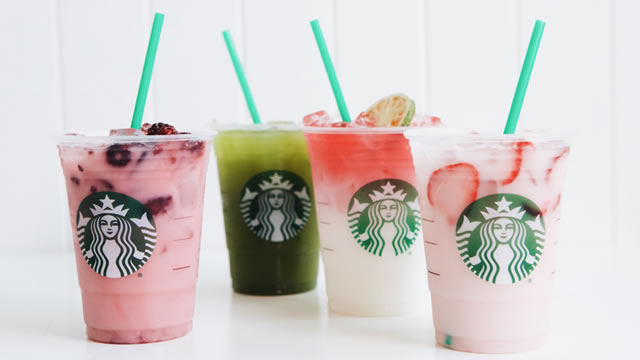
Core Insights - Starbucks is launching a new holiday drink, the Frozen Peppermint Hot Chocolate, exclusively at Target locations during the holiday season [1][2] - The company aims to leverage the holiday season's consumer enthusiasm, as evidenced by high demand for limited-edition items like the "Bearista" cups [2] - CEO Brian Niccol reported that the recent holiday launch was the biggest sales day ever in North America, with millennial and Gen Z customers driving improvements in customer value perception [3] Company Strategy - The collaboration with Target is timed for the peak shopping season leading up to Christmas, with early access for Target Circle 360 loyalty members [4] - Both Starbucks and Target are facing challenges, including consumer backlash and boycotts, amid rising inflation and decreased consumer spending [4][5] Financial Performance - Starbucks reported its fourth-quarter earnings with a notable increase in same-store sales for the first time in nearly two years, although U.S. same-store sales remained flat for the quarter [6]

X @The Wall Street Journal
The Wall Street Journal· 2025-11-17 17:27
The coffee chain that won't leave Starbucks alone is now coming for America. 🔗 https://t.co/03mYcHBDPi https://t.co/Kzn98WWycy ...
美国星巴克工会发起无限期罢工
Bei Jing Shang Bao· 2025-11-17 16:47
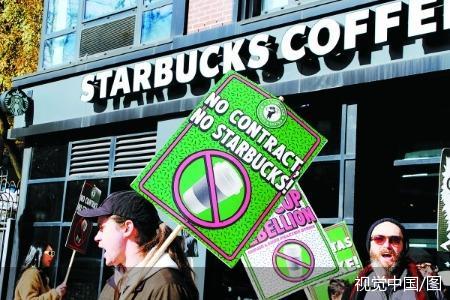
Core Viewpoint - Over 1,000 Starbucks union baristas in more than 40 U.S. cities initiated an indefinite strike demanding collective bargaining agreements regarding wages and benefits [1][2]. Group 1: Strike Details - The strike began at 65 stores and aims to be the largest and longest in Starbucks' history, coinciding with the busy "Red Cup Day" promotional event [2]. - Starbucks spokesperson reported minimal impact from the strike, with less than 1% of stores affected [2]. - Participating cities include Seattle, New York, Philadelphia, Dallas, Austin, and Portland, with some stores closing early [2]. Group 2: Union's Demands - The union has three core demands: 1. Improve work hours to increase staffing levels, addressing widespread understaffing that leads to longer wait times for customers [2]. 2. Raise wages, as many baristas struggle to make ends meet while executives earn millions; starting pay in about 33 states is $15.25 per hour [2]. 3. Resolve hundreds of unresolved labor practice violations, claiming Starbucks has violated labor laws more than any other employer in modern history [2]. Group 3: Company Response - Starbucks expressed disappointment that a union representing only about 4% of employees voted to authorize the strike instead of returning to negotiations [3]. - The company claims to offer competitive positions with an average hourly wage and benefits exceeding $30 [3]. - The strike occurs amid Starbucks' cost control measures, including plans to close hundreds of stores and lay off approximately 900 employees [3].
Cost Pressures Drag SBUX Margins Down 500 bps: More Pain Ahead?
ZACKS· 2025-11-17 16:11
Core Insights - Starbucks Corporation (SBUX) reported solid revenue growth for fiscal 2025, but faced significant challenges in profitability due to rising costs and inflationary pressures [1][2]. Financial Performance - In Q4 fiscal 2025, Starbucks' consolidated operating margin decreased by 500 basis points year-over-year to 9.4%, primarily due to persistent inflation, high coffee prices, tariffs, and increased labor costs associated with the "Back to Starbucks" investment plan [2][4]. - The decline in operating margin led to a 34% drop in earnings per share (EPS), which fell to 52 cents in the fiscal fourth quarter [2][9]. - The inflationary environment shows little sign of easing, with management indicating that high coffee costs are expected to persist until at least the latter half of fiscal 2026 [3][4]. Strategic Initiatives - Starbucks is investing in improving customer experience and service quality through initiatives like the Green Apron Service, which requires higher staffing levels and operational hours, contributing to ongoing cost pressures [3][4]. - The company is pursuing efficiency initiatives and anticipates that lower general and administrative expenses will provide some relief in the upcoming year [4]. Competitive Landscape - Starbucks is not alone in facing margin pressures; competitors like Dutch Bros Inc. and McDonald's Corporation are also navigating similar challenges due to commodity inflation and labor costs [5][6]. - Dutch Bros has focused on enhancing guest experience and expanding its units, which has also impacted short-term earnings [5]. - McDonald's has adopted a more aggressive pricing strategy to maintain margin stability, which may risk losing value-sensitive consumers to competitors [6]. Valuation and Estimates - Starbucks shares have increased by 0.2% over the past six months, contrasting with an 11.2% decline in the industry [7]. - The company trades at a forward price-to-sales ratio of 2.48, below the industry average of 3.39 [11]. - The Zacks Consensus Estimate for SBUX's EPS for fiscal 2026 and 2027 suggests year-over-year gains of 16.9% and 23.6%, respectively, although EPS estimates have declined in the past 30 days [12].
Jim Cramer Discusses Starbucks (SBUX) and Lower Coffee Prices
Yahoo Finance· 2025-11-17 15:57
We recently published 16 Latest Stocks on Jim Cramer’s Radar. Starbucks Corporation (NASDAQ:SBUX) is one of the stocks Jim Cramer's radar. With coffee giant Starbucks Corporation (NASDAQ:SBUX) undertaking a tough turnaround, Cramer has continued to stress that viewers have faith in the firm. His recent comments about the company have warned that the turnaround can be a slow process. In this appearance, the CNBC TV host discussed Starbucks Corporation (NASDAQ:SBUX)’s board member Jørgen Vig Knudstorp buyin ...
星巴克们“卖身”,外资品牌在中国市场的黄金时代已经结束?
混沌学园· 2025-11-17 11:57
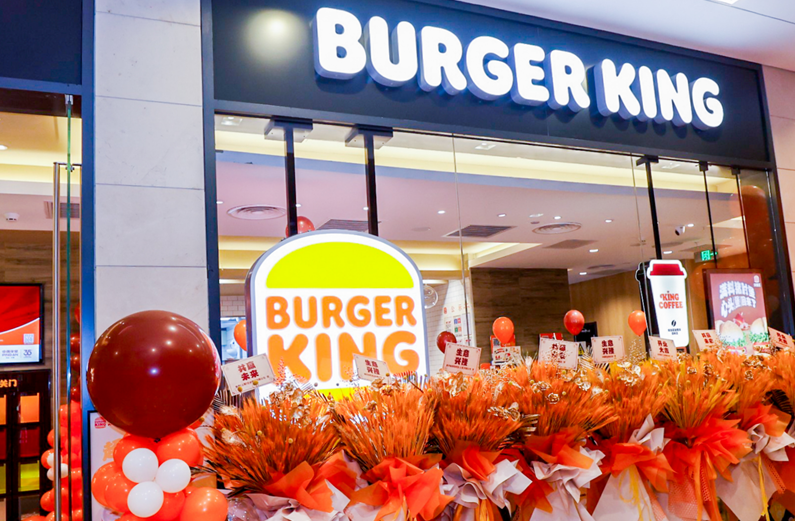
Core Viewpoint - The article discusses the recent trend of foreign brands, particularly in the food and beverage sector, divesting their stakes in the Chinese market, signaling a potential end to the golden era of foreign brands in China and highlighting the profound changes in consumer behavior and market dynamics [2][3][26]. Group 1: Foreign Brand Divestment - Starbucks sold 60% of its shares in China to Boyu Capital for $4 billion, while Burger King transferred 83% of its shares to CPE Yuanfeng, receiving an investment of 2.5 billion yuan [2]. - The trend of foreign brands retreating from the Chinese market has been ongoing, with Yum Brands selling KFC and Pizza Hut's operations to Primavera Capital in 2016, indicating a shift in market control [3]. Group 2: Historical Context of Foreign Brands - The entry of foreign brands like KFC in the late 1980s was marked by a significant consumer demand and low supply, creating a profitable environment for foreign investments [6]. - Tax incentives and a large labor force with low wages provided foreign companies with a competitive edge in the Chinese market during the early years of reform [6][7]. Group 3: Changing Consumer Behavior - The demographic shift in China has led to a change in consumption patterns, with younger generations prioritizing practicality and value over brand prestige [11][15]. - The rise of the "refined poor" mentality among consumers reflects a move away from conspicuous consumption towards essential and durable goods [11]. Group 4: Market Dynamics and Competition - The coffee market in China is experiencing intense competition, with local brands like Luckin Coffee innovating rapidly and capturing market share through effective marketing and product offerings [20][21]. - Luckin Coffee's success is attributed to its ability to adapt to consumer preferences and its efficient, digital-first operational model, contrasting with Starbucks' traditional approach [22][23]. Group 5: Future Outlook for Foreign Brands - The challenges faced by foreign brands like Starbucks are not indicative of an end but rather a transition to a more competitive and diversified market landscape in China [26]. - The new joint venture formed by Starbucks aims to expand its store count from 8,000 to 20,000, indicating a strategic shift towards capturing the underdeveloped lower-tier markets [27][28].

分拆、合资、放权......入华二十多年的洋快餐为何都要“独立”?
Xin Lang Cai Jing· 2025-11-17 08:12
Core Insights - The article highlights a trend of multinational companies, particularly in the food and beverage sector, increasingly opting for joint ventures and local partnerships in China to enhance growth and localization strategies [1][10][15]. Group 1: Joint Ventures and Partnerships - Starbucks announced a joint venture with Boyu Capital, selling up to 60% of its Chinese operations for an estimated valuation of $4 billion (approximately 284.84 billion RMB) [3][10]. - CPE Yuanfeng has formed a joint venture with Restaurant Brands International (RBI) to take over Burger King's operations in China, with CPE holding approximately 83% and RBI retaining about 17% [1][10]. - The trend of forming joint ventures is not new; McDonald's previously sold 80% of its China operations to a consortium led by CITIC and Carlyle in 2017, while Yum China was spun off from Yum Brands in 2016 [3][11][15]. Group 2: Growth and Localization Strategies - Starbucks aims to expand its store count in China from 8,000 to 20,000, leveraging Boyu's local expertise to penetrate smaller cities and emerging regions [3][10]. - Burger King plans to increase its store count from 1,250 to over 4,000 with the support of CPE Yuanfeng, focusing on product upgrades and digital transformation [3][10]. - McDonald's set a goal to grow its store count from 2,500 to 4,500 within five years after partnering with CITIC and Carlyle, emphasizing delivery and digital trends [3][10]. Group 3: Market Dynamics and Competition - The Chinese market is significant, with McDonald's identifying it as its second-largest and fastest-growing market globally, contributing about 8% to Starbucks' revenue [5][6]. - The competitive landscape is shifting, with local players like Luckin Coffee and Wallace rapidly gaining market share, prompting international brands to rethink their strategies [7][19]. - Starbucks' market share in China has declined from 42% in 2017 to an estimated 14% in 2024, indicating increasing competition from local brands [6][19]. Group 4: The Role of Local Partners - The introduction of local partners is seen as a crucial strategy for navigating the complexities of the Chinese market, as evidenced by the success of brands like Luckin Coffee and Heytea [9][29]. - The partnership model allows foreign brands to maintain brand ownership while leveraging local expertise for operational execution, enhancing their adaptability in a competitive environment [29][30]. - The article emphasizes that successful localization does not mean abandoning brand values but rather adapting to local consumer preferences and market dynamics [34][36].