
Starbucks(SBUX)

Search documents
县城消费崛起:山姆抢滩超级县,国际酒店品牌布局小县城
Di Yi Cai Jing Zi Xun· 2025-10-21 10:03
Core Insights - The rise of county-level consumption is driven by economic development and improved infrastructure, leading major brands to expand into these markets [1][2][4] - Sam's Club has opened its fourth store in Suzhou, targeting strong economic counties and cities, with a focus on customized and high-quality products [1] - The county market is becoming increasingly vital, with the county and township market accounting for 38.8% of total retail sales in the first three quarters of the year [2] Group 1: Market Expansion - Major brands, including international hotel chains and coffee shops, are entering county markets due to saturation in first and second-tier cities [3][4] - The hotel industry is seeing significant growth in county tourism, with brands like Hilton and Marriott establishing a presence in these areas [3] - Starbucks has expanded to 7,758 stores in China, covering over 1,000 county-level markets, indicating a competitive push into lower-tier cities [3] Group 2: Economic Factors - The county market offers lower property and operational costs compared to urban centers, making it attractive for businesses [4] - Rapid economic growth, urbanization, and rising income levels in counties are contributing to increased consumer spending [4] - Counties serve as crucial points for rural revitalization, enhancing local attractiveness and investment environments through the presence of high-quality brands [4]


星巴克中国,到底卖给谁?
Sou Hu Cai Jing· 2025-10-21 02:01
Core Viewpoint - Starbucks is in the process of selling a majority stake in its China operations, with Carlyle Group and Boyu Capital as the main bidders, valuing the business at approximately $4 billion, excluding ongoing franchise fees [1][3]. Group 1: Transaction Details - The estimated valuation of Starbucks' China business is around $4 billion, and Starbucks will retain up to 49% of the shares, likely maintaining its position as the largest shareholder in the Chinese market [1][3]. - If the deal is finalized, it may signal a shift from a direct operation model to a franchise model for Starbucks in China, which could be more advantageous in the current market [7][8]. Group 2: Market Dynamics - Starbucks has experienced an 8% year-on-year revenue growth in China, reaching $790 million (approximately 5.625 billion RMB) for the latest fiscal quarter, despite facing stiff competition from Luckin Coffee, which reported a 47.1% revenue growth [3][5]. - The competitive landscape is challenging, with Luckin Coffee leveraging a significantly larger store network and aggressive pricing strategies, which have made Starbucks' traditional model of customer experience less appealing [5][8]. Group 3: Strategic Implications - The decision to retain 49% ownership suggests that Starbucks aims to maintain some control over its brand and operations in China while leveraging the expertise of local partners [11]. - The rise of new-style tea drinks and low-cost competitors poses a significant threat to Starbucks, necessitating rapid innovation in product offerings and pricing strategies to remain relevant in the market [8][9][11]. - The potential shift to a franchise model could allow Starbucks to reduce operational risks and costs while expanding its presence in lower-tier cities, but it must also adapt its brand positioning to attract a broader customer base [7][11][13].

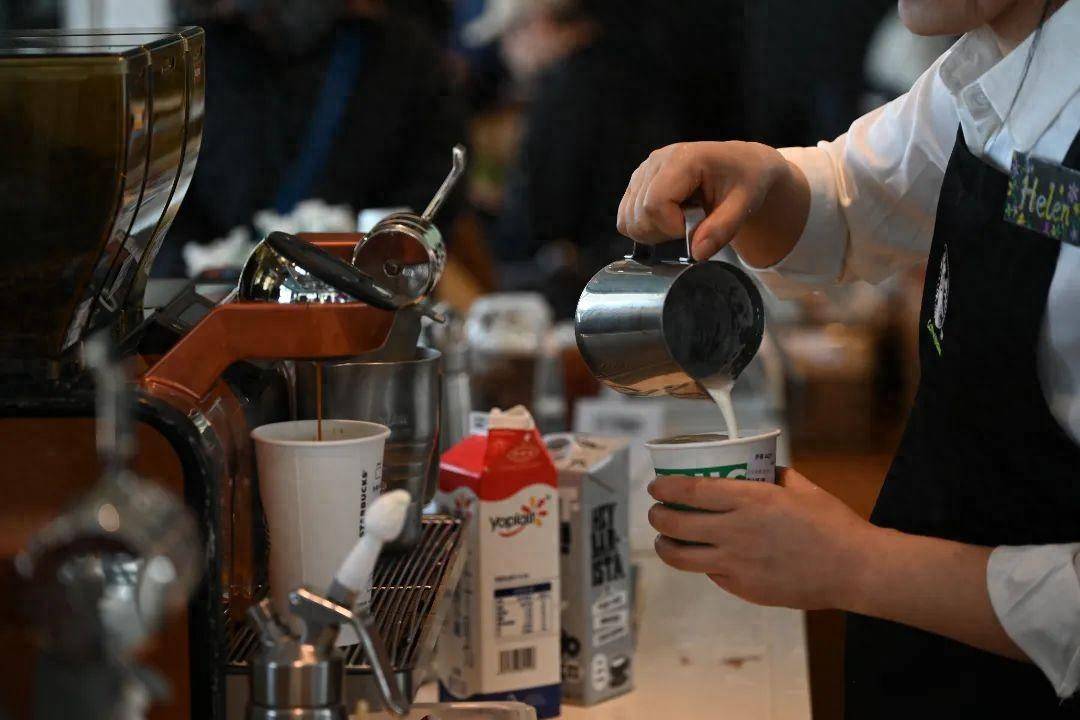
Starbucks' Turnaround: Watch for AI Ordering, New Drapes—and Teens
Investopedia· 2025-10-20 20:11
Core Insights - Starbucks is exploring the use of AI to enhance customer experience through its app, potentially allowing for voice orders and better personalization of preferences [2][3][7] - The company is focused on reducing friction in customer interactions and aims to serve customers quickly, with a target of serving at the counter within four minutes as part of its "Back to Starbucks" campaign [3][4] - Starbucks is undergoing a turnaround effort to revitalize sales and improve its stock performance, which has declined by about 7% this year [3] Technology and Customer Experience - The CEO envisions a future where customers can place orders by speaking into their phones, streamlining the ordering process [3][7] - Currently, Starbucks is primarily using technology behind the scenes while maintaining a warm and inviting atmosphere in its cafes [3][7] - Other hospitality businesses are cautious about using AI in customer-facing roles, often focusing on back-of-house efficiencies instead [4] Store Strategy - Starbucks has announced multiple store closures for locations that do not align with its vision and is renovating others to create a more inviting environment [5] - The company is considering enhancements such as adding rugs, drapes, and plants to improve the ambiance [5] - The goal is to encourage drive-thru and grab-and-go customers to consider staying and enjoying the café experience [5][8]
Billionaire Ken Fisher’s 10 Consumer Stock Picks with Highest Upside Potential
Insider Monkey· 2025-10-20 02:15
Core Insights - Ken Fisher's investment firm, Fisher Investments, manages over $362 billion in assets and focuses on resilient consumer stocks for long-term growth [1] - The consumer staples sector has underperformed the broader market due to high interest rates and inflation, with the S&P 500 Consumer Staples Index returning approximately 2.6% this year compared to over 12.5% for the S&P 500 Index [2] - The consumer discretionary sector has shown more volatility but outperformed the S&P 500 Index over the past year with a return of around 17.0% [2] - Recent mixed market sentiments are influenced by strong corporate earnings and rising U.S.-China trade tensions, with gold prices rising past $4,200 per ounce [3] Consumer Staples Sector - Companies in the consumer staples sector are known for resilience, consistent cash flows, and pricing power, but have faced challenges due to inflation and high interest rates [2] - The sector has underperformed over the last 1, 3, and 5 years, leading to cautious outlooks from analysts [2] Consumer Discretionary Sector - The consumer discretionary sector has shown better long-term performance despite recent underperformance year-to-date, indicating potential for recovery [2] - The sector's volatility may present opportunities for high-quality consumer stocks as trade uncertainties ease [3] Ken Fisher's Stock Picks - The list of Ken Fisher's top 10 consumer stock picks is based on strong brand equity, pricing power, and consistent demand resilience [7] - The performance of these stocks from the end of Q2 2025 to October 15 has been tracked to provide insights into their potential upside [8] Individual Stock Analysis - **Target Corporation (NYSE:TGT)**: - Upside potential of 11.67% with a share price return of -12.46% from July 1 to October 15 [10] - Operational challenges have affected brand image and consumer engagement, necessitating significant investment to address these issues [11][12] - **Colgate-Palmolive Company (NYSE:CL)**: - Upside potential of 16.89% with a share price return of -15.66% [14] - Analysts have reduced price targets due to short-term pressures, but the company's diversified portfolio supports long-term growth [15][16] - **Starbucks Corporation (NASDAQ:SBUX)**: - Upside potential of 16.91% with a share price return of -12.71% [17] - The company has approved a dividend increase and is undergoing a restructuring plan to enhance operational efficiency despite recent cost pressures [18][19]



深圳核心城区咖啡馆密度超越上海
2 1 Shi Ji Jing Ji Bao Dao· 2025-10-20 00:03
Core Insights - Shenzhen is rapidly emerging as a new coffee capital in China, driven by a unique blend of speed and innovation in its coffee culture [1][2][3] Group 1: Market Dynamics - Shenzhen has the highest density of coffee shops in China, with 16.7 coffee shops per square kilometer, surpassing Shanghai [1][3] - The city hosts 9,926 coffee-related enterprises, leading the nation in this sector [3] - The coffee industry in Shenzhen is projected to grow from 47.64 billion yuan to 178 billion yuan in the next five years, indicating a significant market opportunity [9] Group 2: Consumer Behavior - The coffee consumption in Shenzhen has evolved through four stages in less than 30 years, from instant coffee to specialty coffee [4] - A significant 82.5% of consumers in Shenzhen drink coffee primarily for its energizing effects, highlighting a strong demand for quick and efficient coffee experiences [10] Group 3: Innovation and Trends - Local brands like "Ten Days Talk" and "Gee Coffee" exemplify the rapid growth and innovation in Shenzhen's coffee scene, with "Ten Days Talk" achieving profitability across all its six stores within six years [4][5] - The introduction of unique coffee products, such as "fruit coffee" and "rotating steamed milk," showcases the innovative spirit of Shenzhen's coffee brands [7] Group 4: Infrastructure and Support - The establishment of the Starbucks China Innovation Technology Center in Shenzhen reflects the city's strategic importance in the coffee industry [8] - Initiatives like the "Coffee Life Week" in Futian have successfully attracted numerous brands and increased consumer engagement, contributing to the local coffee culture [11][12] Group 5: Future Potential - Shenzhen's demographic profile, with a young and diverse population, positions it well for future coffee consumption growth, as nearly 80% of its population falls within the prime coffee-drinking age [14] - The city's technological innovation and manufacturing capabilities are expected to drive advancements in coffee equipment and related technologies, enhancing its competitive edge [18][19] Group 6: Cultural Development - Despite its rapid growth, Shenzhen's coffee culture is still developing, with a need for deeper consumer education and the establishment of local coffee standards [20][21] - Efforts to create unique coffee experiences and integrate coffee culture into public spaces are underway, aiming to foster a more robust coffee community [22]
深圳核心城区咖啡馆密度超越上海
21世纪经济报道· 2025-10-19 23:50
Core Viewpoint - Shenzhen is rapidly emerging as a new coffee capital in China, driven by a young population, strong supply chains, and a culture of innovation, leading to a significant upgrade in coffee consumption patterns [1][26]. Group 1: Coffee Market Dynamics - Shenzhen has the highest number of coffee-related enterprises in China, totaling 9,926, and boasts a density of 2.23 coffee shops per square kilometer in its core urban areas [3]. - The city has seen a qualitative leap in coffee consumption, with local brands like Gee Coffee Roasters and Ten Days emerging alongside global giants like Starbucks [3][4]. - The coffee culture in Shenzhen is characterized by a fast-paced consumer experience, with long queues at grab-and-go coffee windows and events like coffee festivals attracting significant participation [3][4]. Group 2: Consumer Behavior and Trends - Shenzhen's coffee consumers have rapidly evolved from instant coffee drinkers to seeking high-quality, specialty coffee within a span of less than 30 years [4]. - The demand for unique and innovative coffee experiences is evident, with local brands introducing creative products like "fruit coffee" and utilizing new techniques such as "rotary steaming" for milk [7][8]. - A significant portion of consumers (82.5%) drink coffee primarily for its energizing effects, indicating a strong demand for functional beverages [12]. Group 3: Industry Growth and Future Potential - The coffee industry in Shenzhen is projected to grow from a current market size of 47.64 billion yuan to 178 billion yuan over the next five years, indicating a lucrative market opportunity [10]. - The city is leveraging its manufacturing capabilities and technological innovations to become a hub for coffee equipment production, including the development of coffee robots and automated machines [8][10]. - The influx of young talent and diverse consumer preferences in Shenzhen positions it as an ideal testing ground for new coffee products and experiences [17][19]. Group 4: Cultural and Economic Factors - Shenzhen's coffee scene is supported by a vibrant cultural atmosphere, with initiatives like the "Coffee Life Week" attracting numerous brands and consumers, enhancing the local coffee culture [13][15]. - The city's strategic location as a trade hub facilitates access to a variety of coffee beans from around the world, further enriching the local coffee offerings [18][19]. - The integration of coffee culture into Shenzhen's innovation ecosystem is seen as a way to foster creativity and collaboration among professionals [18][24]. Group 5: Challenges and Opportunities - Despite its rapid growth, Shenzhen's coffee culture is still developing, lacking established national brands and deep consumer knowledge about specialty coffee [24][25]. - The city is focusing on building a robust coffee culture through educational initiatives and diverse consumption experiences to attract a broader demographic [24][25]. - Establishing local coffee evaluation standards could enhance the city's competitiveness in the global coffee market, aligning with consumer preferences [25].

寻找超预期标的和反转标的
SINOLINK SECURITIES· 2025-10-19 11:27
Investment Rating - The report suggests a focus on finding outperforming and reversal stocks in the market [2][11]. Core Views - The report indicates that Hong Kong internet stocks and overseas Chinese assets are unlikely to see significant short-term gains due to static valuations amid international conditions and upcoming quarterly reports. Major players like Alibaba may face short-term profit-taking, while companies with solid fundamentals like Tencent and PDD are recommended for continued investment [3][17]. - The cryptocurrency market is under short-term pressure with no new narratives, leading to retail sentiment-driven declines. The report suggests a cautious approach to virtual assets [3][17]. - The report expresses optimism regarding the policy landscape for cross-border internet brokerages, suggesting that investors should look for opportunities to increase positions [3][17]. - The report highlights potential outperformers in sectors such as outdoor sports wearables, leading coffee brands, overseas e-commerce platforms, and certain consumer goods, particularly in light of expected positive quarterly results [3][17]. Industry Situation Tracking Education - The education index decreased by 0.93%, underperforming the Shanghai Composite Index but outperforming other indices. Notable stock movements include 51talk up by 34.11% and Yuhua Education down by 11.48% [12][18]. Luxury Goods and Gambling - The luxury goods index rose by 3.92%, while the gambling index fell by 3.22%. LVMH reported a 10.93% increase in stock price, indicating a recovery in domestic consumption in China [22][31]. Coffee and Tea - The coffee sector remains robust with potential for increased per capita consumption, while the tea sector faces challenges due to increased competition and regulatory changes [12][33]. E-commerce - The e-commerce sector is experiencing pressure, with the Hang Seng Internet Technology Index down by 8.04%. Key players like Alibaba and Pinduoduo showed positive movements, indicating resilience amid competition [36][40]. Streaming Platforms - The media index fell by 8.3%, with major streaming platforms like Tencent Music and iQIYI experiencing declines. The report suggests continued monitoring of these platforms for potential recovery [44][45]. Virtual Assets and Internet Brokerages - The global cryptocurrency market capitalization decreased by 2.2%, with Bitcoin and Ethereum prices falling by 6.0% and 14.0% respectively. The report highlights the performance of brokerage firms like Tiger Brokers and Futu Holdings, which showed positive growth [47][49].




Jim Cramer on Starbucks CEO: “He’s Already Made Major Strides in Breathing New Life”
Yahoo Finance· 2025-10-19 07:21
Group 1 - Starbucks Corporation is undergoing significant changes under CEO Brian Niccol, who is recognized as a "proven turnaround artist" [1] - The company's China business is projected to exceed $10 billion, which includes an upfront investment from a potential partner while Starbucks retains a stake and future royalty payments [1] - Starbucks announced the layoff of 900 corporate workers and a 1% reduction in its North American store count as part of a billion-dollar restructuring plan aimed at increasing profitability [2] Group 2 - The restructuring plan is seen as a necessary step to improve the company's financial performance, despite the challenging economic environment [2] - There is a bullish outlook on Starbucks' potential for recovery and growth, with advice to consider buying the stock as it is expected to positively impact earnings [2]
星巴克中国股权出售进入倒计时
虎嗅APP· 2025-10-18 13:05
Core Viewpoint - Starbucks is in the final stages of selling a majority stake in its China business, with private equity giants Carlyle and local firm Boyu Capital as leading bidders, potentially valuing the business at around $4 billion, excluding ongoing franchise fees [2][4]. Group 1: Strategic Motives for Sale - The sale aims to generate over $5 billion in cash for Starbucks' global headquarters, which can be used for debt repayment, stock buybacks, or investments in other markets [4]. - The funds will be directly injected into Starbucks China for store expansion, digital transformation, and product development, enhancing its competitive position against local rivals like Luckin Coffee [4]. Group 2: Benefits of Local Partnerships - Both Carlyle and Boyu can provide valuable resources in government relations, store location, and supply chain management, which are crucial for foreign companies operating in China [5]. - Involving local shareholders will shorten decision-making processes, allowing Starbucks to respond more swiftly to market changes and develop a "Chinese brain" for operations [5][6]. Group 3: Competitive Landscape - Starbucks faces intense competition from Luckin Coffee, which has a significantly larger store network, making it more convenient for consumers [14]. - The pricing strategy of competitors like Kudai Coffee, which offers lower prices, poses a threat to Starbucks' premium pricing model [16]. Group 4: Transaction Structure - The deal structure allows Starbucks to retain up to 49% ownership, providing a balance of risk and control [9]. - This structure enables Starbucks to continue benefiting from growth in the Chinese market while maintaining brand integrity and operational standards [11][12]. Group 5: Challenges and Future Outlook - The sale represents a gamble for Starbucks; success could lead to a new growth trajectory in China, while failure may result in cultural clashes and brand dilution [18]. - The new capital infusion is expected to accelerate Starbucks China's expansion, intensifying competition in the coffee market [18][19].
X @The Wall Street Journal
The Wall Street Journal· 2025-10-18 10:53
Market Expansion - A coffee chain is targeting the American market, posing competition to Starbucks [1]