
Toyota(TM)

Search documents
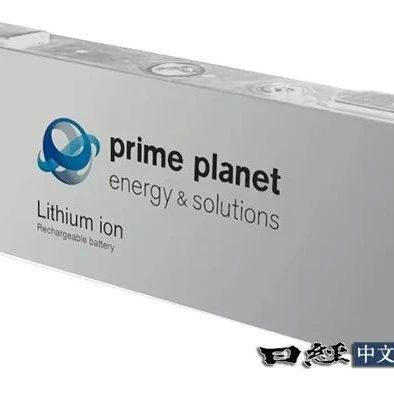
丰田的子公司将在中国生产EV电池
日经中文网· 2025-07-16 06:16
Core Viewpoint - PPES, a battery development and manufacturing subsidiary of Toyota, is establishing a new factory in Dalian, China, to produce batteries for electric vehicles (EVs) with an investment of 3.7 billion yuan [1] Group 1 - The new battery plant in Dalian covers an area of approximately 230,000 square meters and construction began at the end of June [1] - The Dalian municipal government approved the factory development, indicating that it took only three months from project signing to the start of construction [1] - PPES was established in 2020 through a joint investment by Toyota and Panasonic (now Panasonic Holdings) [1] Group 2 - Prior to this, PPES had three existing factories in Dalian that produced batteries for plug-in hybrid vehicles (PHVs), but did not have a facility dedicated to batteries for pure electric vehicles [1]


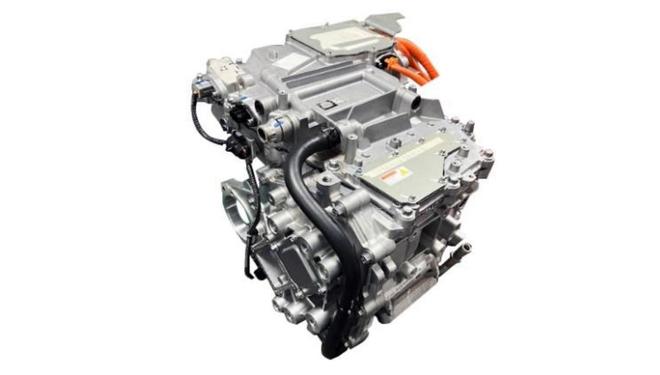
日本电机巨头:99%中国造,搞成了
Guan Cha Zhe Wang· 2025-07-16 05:25
Group 1 - Nidec Corporation is developing a nearly entirely "Made in China" electric vehicle motor to enhance Toyota's competitiveness in the Chinese automotive market, with approximately 99% of the materials and components sourced from China [1] - The E-Axle motor system is considered the "heart" of the second generation of electric vehicles and is increasingly adopted by Chinese automakers, applicable to various vehicle segments from small cars to large SUVs [1] - Nidec has begun supplying the E-Axle motor for Toyota's electric SUV bZ3X, which was launched in March 2023 with a starting price of around 110,000 RMB and has sold approximately 20,000 units to date [3] Group 2 - The bZ3X model, featuring a significant number of Chinese components, is a crucial step for Toyota to regain its footing in the highly competitive Chinese automotive market, as local sourcing helps reduce costs and vehicle prices [3] - Toyota's Asia head emphasized that without the Chinese supply chain, the bZ3X would not have been feasible, highlighting the importance of localization for market entry [3] - Nidec's recent developments are also seen as a critical self-rescue strategy, as the company has faced declining profitability and stock prices, leading to investor dissatisfaction [3][4] Group 3 - Nidec has expanded over the past 50 years by acquiring 75 companies and currently operates around 250 factories, with a restructuring plan announced by CEO Katsuya Kishida aimed at improving shareholder perception and potentially boosting stock prices [4] - The new $100 million factory in Qingdao, which began operations in July 2023, will produce household appliance motors, compressors, and electronic components, integrating previously separate business units [5] - The Qingdao Industrial Park is expected to produce 18 million motors and over 20 million control devices annually, serving as a new platform for product and technology output to over 70 global partners [5][7] Group 4 - Kishida expressed confidence in the Chinese market, noting the establishment of the Qingdao Industrial Park as a testament to the company's commitment to sustainable and innovative development [7] - Toyota is also significantly increasing its operations in China, with plans to invest approximately $2 billion in a new factory for its Lexus brand in Shanghai [7] - Nidec is confident in participating in Toyota's new projects and has already supplied various automotive components to the company [7]
Toyota Charts Course for the 2025 Rebelle Rally
Prnewswire· 2025-07-15 18:00
Group 1 - Toyota Motor North America announced its participation in the 2025 Rebelle Rally, featuring an external team for the first time alongside 12 internal team members [1][2] - The external team is led by Rachelle Croft and her driving partner Taylor Pawley, who previously won the event in 2019, showcasing their off-road skills [2][3] - The Rebelle Rally will take place from October 8-18, 2025, covering a 2,500-kilometer course through Nevada and California [4] Group 2 - Toyota will serve as the presenting sponsor for the live webcast of the event for the fourth consecutive year, enhancing the experience for remote viewers [3][7] - The company employs nearly 48,000 people in the U.S. and has a significant manufacturing presence, including a plant in North Carolina that began assembling automotive batteries for electrified vehicles in 2025 [6]

欧盟拟对美国实施720亿欧元报复性关税,涵盖飞机汽车威士忌等商品
智通财经网· 2025-07-15 11:21
Group 1 - The European Commission has proposed a retaliatory tariff list against U.S. goods valued at €72 billion (approximately $84 billion), including Boeing aircraft, automobiles, bourbon whiskey, and various industrial and agricultural products [1] - The proposed tariffs are a response to U.S. President Trump's threat to raise tariffs on EU goods to 30% starting August 1, which could significantly impact transatlantic trade relations [1] - The tariff list focuses on industrial products, with over €65 billion in value, including nearly €11 billion in aircraft-related products, over €9.4 billion in machinery, €8 billion in automobiles, and €6 billion in agricultural products [1] Group 2 - Affected automotive manufacturers include major U.S. and European companies such as General Motors, Ford, Stellantis, Tesla, Volkswagen, and Toyota, with concerns that tariffs will increase costs, reduce sales, and potentially lead to layoffs [2] - The automotive industry is one of the most severely impacted sectors, with European manufacturers like Volkswagen and BMW facing potential losses in sales amounting to billions of euros due to tariffs [2] - The scale and scope of the tariff measures highlight the escalation of trade tensions between the U.S. and EU, with the EU emphasizing compliance with World Trade Organization rules while warning of the deep economic impacts of a tit-for-tat tariff war [2] Group 3 - The World Trade Organization (WTO) has warned that U.S. tariff policies may lead to a decline in global trade volumes, negatively affecting the global economy [3] - WTO Director-General Iweala stated that U.S. tariff policies violate core WTO principles and are detrimental to the global economy [3]


不服就干!日韩被特朗普“逼反”了,第一步就斩断美国的军事枷锁
Sou Hu Cai Jing· 2025-07-15 03:33
Group 1 - The core issue is the unexpected imposition of a 25% tariff on all goods exported from Japan and South Korea to the US, which has led to a significant deterioration in relations between these countries and the US [2][4][13] - Japan and South Korea are seeking to reduce their military dependence on the US and are taking steps towards greater autonomy in security matters, marking a shift in their long-standing alliance with the US [1][9][11] - The tariffs have caused immediate economic repercussions, with stock markets in Tokyo and Seoul dropping sharply, and major companies like Toyota and Hyundai experiencing significant losses in market value [2][4] Group 2 - Japan's government is considering selling US Treasury bonds as a countermeasure against the tariffs, indicating a potential shift in financial relations [6] - South Korea is accelerating the development of its domestic defense systems and has signed agreements to acquire advanced military technology from Russia, showcasing a move away from reliance on US military support [11][15] - The military cooperation between the US, Japan, and South Korea is under strain, with joint exercises being scaled back and Japan asserting more control over its defense budget and strategies [13][15][17] Group 3 - The crisis triggered by the tariffs is seen as a turning point in US-Japan-South Korea relations, with both countries taking significant steps to assert their independence from US influence [17] - The potential for an "Asian version of NATO" is being questioned as Japan and South Korea explore new military partnerships and defense strategies outside of the US framework [15][17]

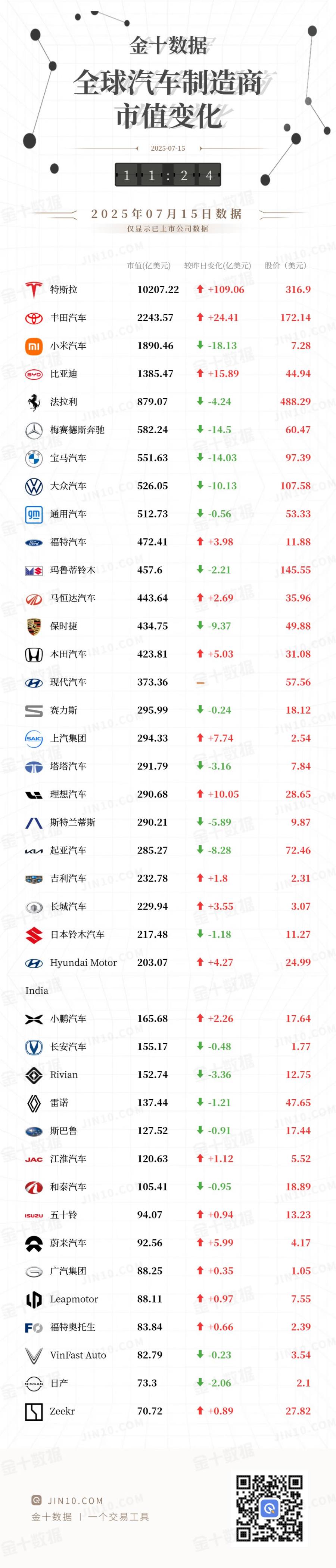
金十图示:2025年07月15日(周二)全球汽车制造商市值变化
news flash· 2025-07-15 03:29
金十图示:2025年07月15日(周二)全球汽车制造商市值变化 | India | | | | | | --- | --- | --- | --- | --- | | >< 小鹏汽车 | | 165.68 | 1 +2.26 | 17.64 | | S | 长安汽车 | 155.17 | + -0.48 | 1.77 | | | Rivian | 152.74 | + -3.36 | 12.75 | | | 雷诺 | 137.44 | + -1.21 | 47.65 | | | 斯巴鲁 | 127.52 | -0.91 | 17.44 | | JAC | 江淮汽车 | 120.63 | + +1.12 | 5.52 | | | 和泰汽车 | 105.41 | + -0.95 | 18.89 | | | 五十铃 | 94.07 | + +0.94 | 13.23 | | | 尉来汽车 | 92.56 | +5.99 | 4.17 | | | 广汽集团 | 88.25 | + +0.35 | 1.05 | | U | Leapmotor | 88.11 | 1 +0.97 | 7.55 | | FCA | 福特奥 ...



日系三大车企6月在华销量出炉:日产止跌,本田继续承压
Ju Chao Zi Xun· 2025-07-14 03:03
Group 1: Toyota - Toyota's sales in June reached 157,700 units, a year-on-year increase of 3.7% [2] - Cumulative sales for the first half of the year totaled 742,000 units, reflecting a year-on-year growth of 8.63% [2] - Toyota's strong performance is attributed to its continuous investment in electrification and intelligent technology, as well as a diverse product lineup [2] Group 2: Nissan - Nissan sold 53,800 vehicles in June, marking a year-on-year increase of 1.9%, ending a 15-month streak of declining sales [2] - Cumulative sales for the first half of the year were 279,600 units, a year-on-year decline of 21.02% [2] - The recovery in Nissan's sales is likely due to adjustments in product strategy and marketing, including new models that better meet Chinese consumer demands [2] Group 3: Honda - Honda's sales in June fell by 15.2% to 58,500 units, continuing a 17-month decline [3] - Cumulative sales for the first half of the year were 315,200 units, a year-on-year decrease of 24.2% [3] - Challenges for Honda include intensified market competition, slow product updates, and a lag in the transition to electric vehicles, impacting its competitiveness [3] Group 4: Overall Market Trends - The performance of the three major Japanese automakers in China shows a clear divergence, with Toyota maintaining growth, Nissan showing signs of recovery, and Honda facing significant pressure [2][3] - Future success in the Chinese market for these automakers will depend on their speed and effectiveness in transitioning to electrification and intelligent technologies [3]


从半年收入买不起卡罗拉看日本
36氪· 2025-07-11 13:48
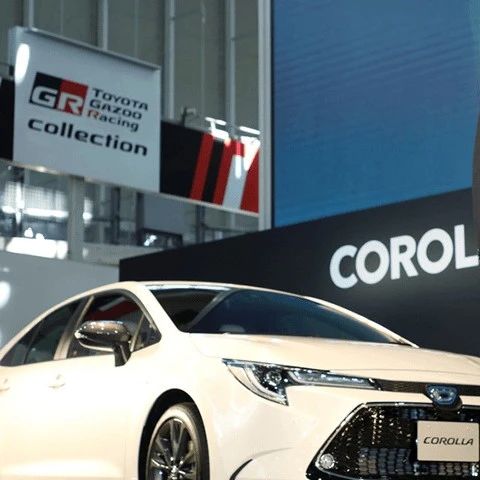
Core Viewpoint - The article discusses the evolution of the Toyota Corolla as a symbol of affordability for the average consumer in Japan, highlighting the disparity between income growth and car prices over the decades, ultimately reflecting Japan's economic challenges [3][14]. Group 1: Historical Context of the Corolla - The Toyota Corolla has sold over 50 million units globally, representing a vehicle for the average person. In 1982, the price of the Corolla was about 20% of the average annual income in Japan, which has now risen to 50% [3][9]. - The first-generation Corolla was launched in 1966, priced at 495,000 yen, with an average annual income of 548,500 yen, resulting in a Corolla price index of 0.90, indicating it was difficult for the average person to afford [5]. - By 1979, the fourth-generation Corolla was introduced during a time when Japan was experiencing economic growth, with a price of 850,000 yen and an average income of 2.79 million yen, leading to a price index of 0.30 [7]. Group 2: Economic Impact and Price Index - The Corolla price index reached its lowest point of 0.27 in 1982, with the average income at 1.1 million yen, making it a representative vehicle for the average consumer [9]. - The sixth-generation Corolla, launched in 1987, had a price of 1.23 million yen, but the price index remained at 0.33 due to rising average incomes during Japan's bubble economy [11]. - The twelfth-generation Corolla, released in 2019, saw its price index rise to 0.55, indicating it was no longer an affordable option for the average consumer, with hybrid models priced at 2.4035 million yen [13]. Group 3: Comparison with the U.S. Market - In the U.S., the Corolla remains accessible, with an average price of approximately $27,000 against an average income of about $80,000 in 2023, maintaining a price index of around 0.30 [17]. - Over the past five years, the average price of the Corolla in the U.S. has increased by over 20%, while average income has also risen by 20%. In contrast, the Corolla's price in Japan has remained around 2.5 million yen, with only a 6% increase in income during the same period [17]. - The article highlights the disconnect between price and wage growth in Japan, illustrating the challenges faced by consumers in affording the Corolla compared to their American counterparts [17].
Proficient Auto Logistics Wins Toyota Quality Award
Globenewswire· 2025-07-10 20:34
Core Insights - Proficient Auto Logistics (PAL) has been awarded the 2025 Quality Award for Finished Vehicle Logistics in the truck category by Toyota Logistics Services (TLS) [1][2] - The award highlights PAL's commitment to quality service, adaptability, and high service standards in a challenging automotive market [2][3] - PAL specializes in finished vehicle transport, providing reliable and flexible auto logistics solutions across North America [3][4] Company Overview - Proficient Auto Logistics is a leading specialized freight company focused on auto transportation and logistics services [4] - The company operates one of the largest auto transportation fleets in North America, formed by the combination of seven industry-leading operating companies since its IPO in 2024 [4] - PAL's services primarily involve transporting finished vehicles from production facilities, marine ports, or regional rail yards to dealerships nationwide [4]

固态电池渐行渐近、新技术及工艺持续涌现
Soochow Securities· 2025-07-10 05:41
1. Report Industry Investment Rating - Expected to outperform the benchmark by more than 5% in the next 6 months (Industry investment rating: Overweight) [49] 2. Core Views of the Report - Solid-state batteries offer stronger safety and higher energy density but face issues such as low ionic conductivity, poor cycle life, and relatively high costs [2][8][10] - There are diverse technological routes for solid-state batteries, with sulfides being the current mainstream direction [2][17][19] - With increased policy and industrial chain support, the commercialization of solid-state batteries is accelerating, and it is expected that the demand will reach 100 GWh by 2030 [2][22][28] - Considering the accelerated technological iteration of solid-state batteries, the successive establishment of pilot lines, and the continuous emergence of new technologies in equipment and materials, specific companies are recommended for investment [2][44] 3. Summary by Relevant Catalogs 3.1 Solid-state Batteries: Stronger Safety and Higher Energy Density - Solid-state batteries use non-flammable solid electrolytes instead of liquid electrolytes, achieving higher energy density and stronger safety [6][8][10] - The energy density of solid-state batteries can exceed 500 Wh/kg, breaking through the energy density bottleneck of liquid batteries and enabling longer electric vehicle range [8] - Solid-state batteries are safer because solid electrolytes have a higher melting point and can suppress lithium dendrite growth, reducing the risk of thermal runaway and short circuits [10] - Solid-state batteries have disadvantages such as low ionic conductivity, poor cycle life, and high production costs [12][15] 3.2 Diverse Technological Directions with Sulfides as the Mainstream - Solid-state batteries can be divided into four technological routes: polymers, oxides, sulfides, and halides, each with its own advantages and disadvantages [17][18] - Sulfide solid electrolytes have the greatest potential in the future, with high ionic conductivity, good interface contact performance, and flexibility, making them the key layout direction for mainstream manufacturers [19] 3.3 Increased Policy and Industrial Chain Support, Accelerating Solid-state Commercialization - The national level has successively issued policies to support the development of solid-state batteries, accelerating the industrialization process [22][23] - Battery manufacturers have updated their solid-state progress, with small-scale mass production expected in 2027 and large-scale mass production in 2030 [24][25] - Automobile manufacturers have released solid-state-related plans, with small-scale mass production expected in 2027 and large-scale implementation in vehicles by 2030 [26][27] - With the support of leading enterprises and the industrial chain, the mass production speed of solid-state batteries is expected to exceed expectations, and the cost is expected to approach that of liquid batteries by 2030 [28][30] 3.4 North Exchange Industrial Chain Targets - The solid-state battery industrial chain includes upstream (mineral resources, positive electrodes, negative electrodes, solid electrolytes, production equipment), midstream (cells, batteries, PACK, BMS), and downstream (consumer, power, energy storage, aerospace fields) [33] - Lingge Technology provides an automated overall solution for front-end materials in solid-state batteries and is expected to benefit from the development of the solid-state battery industry [34] - Nakonor is a pioneer in dry electrode equipment, continuously expanding into the solid-state field, and its products are expected to increase in value and contribute to the company's performance [37] - Yuanhang Precision focuses on the R & D of nickel-copper/nickel-aluminum layered composites, aiming to meet the technical requirements of iron-based current collectors for solid-state batteries [39] - The report recommends Nakonor, Yuanhang Precision, and Lingge Technology, and suggests paying attention to other companies such as BTR, Tianma New Materials, Wuhan Landian, Liwang Co., Ltd., Lijia Technology, Yintu Network, and Haixi Communication [2][44]

