Toyota(TM)

Search documents
购车200万辆,日租360元,“老头乐”退场后的银发族出行真需求
3 6 Ke· 2025-07-10 01:59
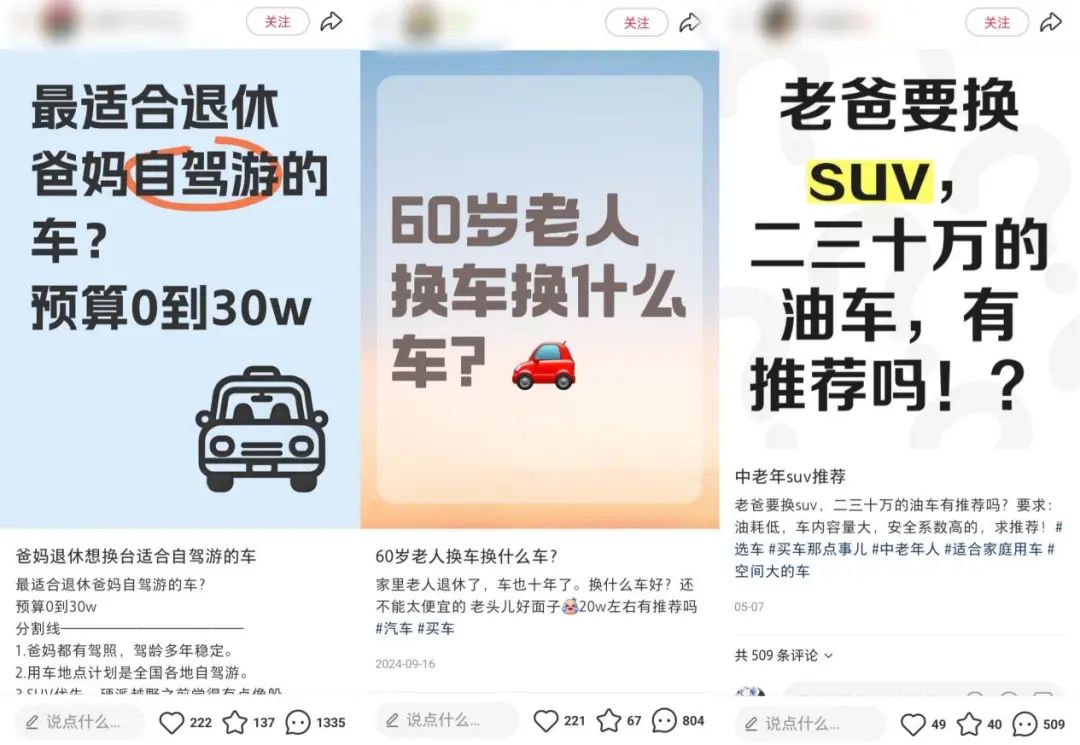
Core Insights - The retirement lifestyle is evolving, with an increasing number of elderly individuals seeking to purchase vehicles for self-driving tours, indicating a growing market for senior-friendly cars [1][3] - In 2023, the number of elderly car buyers increased by 36.44%, contributing to the sale of 2.27 million passenger vehicles, surpassing the combined total of South Korea, France, and the UK [3][4] - Despite the growth in the elderly car market, most automakers remain focused on the youth market, neglecting the potential of the senior demographic [3][6] Market Trends - The elderly population in China is projected to reach 310 million by the end of 2024, accounting for 22% of the total population, with 140 million retirees possessing significant disposable wealth [6][9] - Over 56% of individuals born in the 1960s and 1970s are considering purchasing a vehicle in the next 4-5 years, with more than 60% of elderly buyers having a budget exceeding 200,000 yuan [6][9] - The demand for larger vehicles is evident, with over 60% of pre-purchase interest in SUVs and nearly 10% in MPVs, while sedans account for less than 30% [9][14] Competitive Landscape - The automotive industry is experiencing a price war, with over 30 manufacturers participating since 2025, leading to a decline in profit margins from 4.3% in 2024 to 3.9% in Q1 2025 [4][5] - The first four months of 2023 saw a year-on-year increase of 12.9% in production and 10.8% in sales, with total production reaching 10.175 million vehicles and sales at 10.06 million [4] Product Development - The demand for welfare vehicles is rising, particularly for those with mobility challenges, with 38% of families expressing a need for personal welfare vehicles, surpassing the 25% demand from medical institutions [15][16] - Domestic automakers are beginning to recognize the potential of the welfare vehicle market, with companies like GAC Toyota, BYD, and Geely entering this segment [15][16] Regulatory Changes - New regulations have extended the age limit for obtaining a driver's license to 63 years, with the possibility of extension to 66 years after passing specific tests, facilitating greater mobility for the elderly [22][23] - Several cities have relaxed age restrictions for ride-hailing drivers, allowing those up to 65 years old to participate, reflecting a shift towards accommodating the aging population [23][24] Consumer Behavior - The elderly demographic is increasingly interested in self-driving tours, with 80% of seniors expressing a desire for off-road capabilities, indicating a shift in travel preferences [14][15] - Safety and spaciousness are primary concerns for elderly consumers when purchasing vehicles, with a significant emphasis on long-distance travel and comfort during journeys [28]



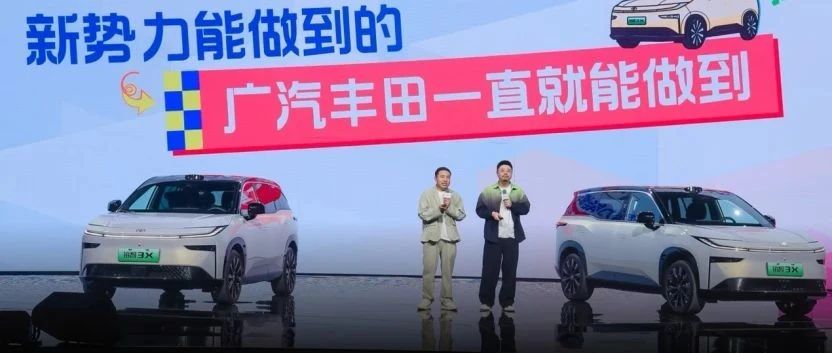
铂智3X独白:我是丰田,也是新势力
汽车商业评论· 2025-07-09 13:55
Core Viewpoint - GAC Toyota has successfully launched the Platinum 3X electric SUV, achieving significant sales growth and redefining its brand image in the competitive electric vehicle market [2][8][80] Group 1: Sales Performance - In the first six months of 2025, GAC Toyota achieved sales of 364,218 vehicles, showing a positive year-on-year growth [2] - The Platinum 3X, launched four months prior, has already delivered over 20,000 units [3] Group 2: Product Development and Strategy - The launch of the Platinum 3X marks a significant shift in GAC Toyota's approach, with a focus on local market needs and consumer preferences [15][42] - The introduction of the Regional Chief Engineer (RCE) system allows Chinese engineers to lead vehicle development, ensuring products are tailored to local consumers [15][22] - The development process for the Platinum 3X involved extensive market research and iterative adjustments based on competitor analysis, a departure from traditional practices [26][30] Group 3: Consumer Insights - The target demographic for the Platinum 3X includes practical family users in second and third-tier cities, emphasizing quality and cost-effectiveness [25] - Young consumers are driving the demand for electric vehicles, with a focus on smart technology, comfort, and social connectivity [62][64] Group 4: Design and Innovation - The Platinum 3X features a unique design philosophy that balances strength and fluidity, appealing to the diverse tastes of younger consumers [68] - The vehicle's interior design prioritizes functionality and emotional value, with attention to detail in space utilization and material selection [72][74] Group 5: Safety and Quality Assurance - GAC Toyota maintains a strong commitment to safety, implementing rigorous testing standards for vehicle components, including battery safety [46][55] - The company has proactively met and exceeded new national battery safety standards, ensuring consumer confidence in product safety [53][57] Group 6: Future Outlook - GAC Toyota aims to deepen its transformation strategy, with plans to enhance its position in the electric vehicle market and innovate beyond traditional practices [82][83]
1~6月丰田在华新车销量增6.8%,本田日产苦战
日经中文网· 2025-07-09 02:44
Group 1 - Toyota's new car sales in China from January to June increased by 6.8% year-on-year, reaching 837,700 units, marking the first time in four years that it surpassed the previous year's performance in the same period [1] - The combined new car sales of Honda and Nissan in China decreased by double digits, with a total decline of 7% to 1.43 million units compared to the same period [1] - Japanese automakers are lagging in the EV and PHV sectors in China, with sales down 40% compared to the recent peak in 2021 [1] Group 2 - FAW Toyota, a joint venture with China's First Automobile Group, saw a sales increase of 16.3% to 377,800 units, while GAC Toyota, in partnership with Guangzhou Automobile Group, grew by 0.6% to 364,200 units [2] - Lexus, the luxury brand, experienced a 1.3% increase in sales, reaching 85,600 units [2] - Honda's new car sales in China from January to June fell by 24.2% to 315,152 units, with the Accord and CR-V remaining strong but other models underperforming [2] Group 3 - Nissan's sales decreased by 17.6% to 279,546 units, with both Honda and Nissan losing market share to Chinese manufacturers [3] - In June alone, Toyota's sales grew by 3.7% to 157,700 units, while Honda's sales dropped by 15.2% to 58,468 units, and Nissan's sales increased by 1.9% to 53,843 units [3]


Toyota Provides $600,000 for Texas Flood Relief
Prnewswire· 2025-07-08 16:58
Core Points - Toyota Motor North America (TMNA) and its partners are donating over $600,000 for flood relief efforts in Kerr County and the Texas Hill Country following the July 4th flash floods [1][2] - The relief efforts include contributions to the Community Foundation of the Texas Hill Country's Kerr County Flood Relief Fund, matching contributions, in-kind donations, and volunteerism [1][4] Group 1: Donation and Relief Efforts - The donation will support vetted organizations providing rescue, relief, and recovery efforts in affected communities such as Hunt, Ingram, Kerrville, Center Point, and Comfort [4] - TMNA is implementing a Dealer Match Program, matching contributions from eligible Toyota and Lexus dealers up to $10,000 [6] - Toyota Financial Services (TFS) is offering payment relief options to affected customers, including extensions and deferred payments [5] Group 2: Community Commitment - Gulf States Toyota emphasizes its commitment to supporting local communities during hardships, reflecting the company's roots in Texas [3] - Team members at the San Antonio manufacturing plant are collecting essential supplies and donations to aid ongoing relief efforts [7] - Toyota's ongoing sustainable development commitments include partnerships with organizations like the American Red Cross for disaster response [8] Group 3: Company Overview - Toyota has been a significant presence in the U.S. for nearly 70 years, focusing on sustainable mobility through its brands and dealerships [9] - As of 2025, Toyota employs nearly 48,000 people in the U.S. and has produced over 35 million vehicles at its manufacturing plants [10] - Toyota Financial Services, with approximately 3,800 employees and over $150 billion in assets, provides finance and related products for Toyota in the U.S. [12][13]

量子产业化,日本下血本了
Hu Xiu· 2025-07-08 01:29
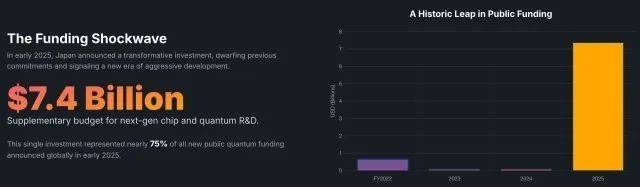
Group 1 - Japan's government has committed $7.4 billion (approximately 1.05 trillion yen) to quantum technology this year, which is more than three times the total investment over the past five years [1][2] - This investment represents a strategic shift driven by deep-seated concerns about historical failures in technology leadership, particularly in the semiconductor industry [3][4] - The Japanese government aims to transition from basic research to industrialization, with a clear goal of making quantum technology a pillar of future economic prosperity and national security [5][10] Group 2 - The investment is seen as a "preventive and high-risk" intervention to avoid being left behind in the global competition for technology leadership [7][9] - The government hopes to stimulate systemic change, encouraging research institutions, large enterprises, and potential startups to engage in the quantum race [8][9] - Japan's approach is characterized by a "collaborative giant ship" model, where the government leads and industrial giants collaborate, forming a powerful alliance [12][14] Group 3 - Major Japanese corporations like Toyota, NEC, and Fujitsu are expected to benefit significantly from government contracts and participation in core research projects [43][44] - The focus on building a self-sufficient supply chain for quantum technology components is a key aspect of Japan's strategy, aiming to avoid reliance on foreign suppliers [20][23] - The mixed quantum-classical computing strategy is seen as a pragmatic approach to leverage existing capabilities while aiming for quick results in various applications [17][18][19] Group 4 - Japan's commitment to quantum technology is likely to provoke responses from other major players, including the U.S. and China, potentially escalating a new round of "quantum arms race" [39][40][42] - The success of Japan's strategy will depend on overcoming challenges such as fostering a vibrant startup ecosystem and effectively translating research into marketable products [25][29][31] - Attracting and retaining top talent in the competitive global landscape is crucial for Japan to realize its quantum ambitions [32][34][38]

A股指数即将上新;央行连续8个月增持黄金……盘前重要消息一览
Zheng Quan Shi Bao· 2025-07-08 00:38
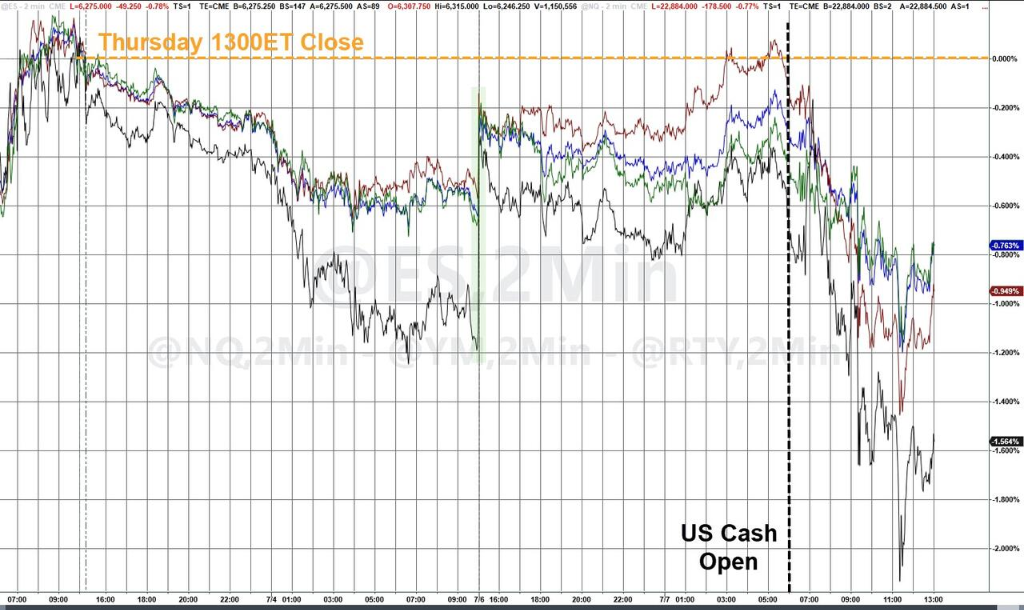
Group 1 - The People's Bank of China has increased its gold reserves for eight consecutive months, with the latest figures showing a rise of 70,000 ounces to a total of 73.9 million ounces as of the end of June [2] - By the end of 2027, China aims to have over 100,000 high-power charging facilities nationwide, focusing on local economic development and the promotion of new energy vehicles [2] - The Shanghai Stock Exchange and the China Securities Index Company will launch several specialized indices on July 21, including the Shanghai Stock Exchange Specialized New Index and the China Securities Specialized New 100 Index [3] Group 2 - A new mandatory national standard for passenger car braking systems will take effect on January 1, 2026, introducing requirements for electric transmission braking systems and emergency braking signals [3] - An international standard for testing scenarios of autonomous vehicle systems has been officially released, detailing evaluation processes and testing methods [4] - The U.S. President has signed an executive order extending the delay for "reciprocal tariffs" until August 1, affecting imports from 14 countries with varying tariff rates [8][5] Group 3 - The U.S. stock market saw declines across major indices, with the Dow Jones down 0.94%, the Nasdaq down 0.92%, and the S&P 500 down 0.79%, impacting stocks of Japanese and Korean companies listed in the U.S. [5] - Companies such as Nissan and Toyota experienced significant stock drops, with Nissan down over 7% and Toyota down nearly 4% [5] - The market sentiment is shifting towards a balanced approach, with a focus on large-cap stocks and potential inflows of incremental capital in July [8][9]





特朗普贸易战担忧重燃,美国股债遭抛售,新兴市场货币创4月以来最大跌幅
Hua Er Jie Jian Wen· 2025-07-08 00:29
Core Viewpoint - The announcement of new tariffs by Trump on Japan, South Korea, South Africa, and four other countries has reignited concerns over trade tensions, leading to declines in both U.S. stocks and bonds, as well as significant depreciation in emerging market currencies [1][2]. Market Reactions - U.S. stock indices experienced significant declines, with the S&P 500 dropping by 49.37 points (0.79%) to close at 6229.98 points, and the Dow Jones Industrial Average falling by 422.17 points (0.94%) to 44406.36 points [3][8]. - The Nasdaq Composite Index also saw a decline, closing down 188.59 points (0.92%) at 20412.52 points [4]. - The Russell 2000 Index fell by 1.55% to 2214.23 points [5]. - The VIX, a measure of market volatility, increased by 1.77% to 17.79 [6]. Sector Performance - The biotechnology ETF dropped by 1.45%, while the semiconductor ETF fell by 1.36%. Other sectors such as global airlines and banking also saw declines of around 1.29% [7]. - The "Magnificent 7" tech stocks index decreased by 1.03%, with Tesla experiencing a notable drop of 6.79% [10]. Currency and Commodity Movements - Emerging market currencies faced their largest decline since April, with the Colombian, Brazilian, and Chilean currencies each dropping over 1.2% [1]. - The U.S. dollar strengthened, with the ICE dollar index rising by 0.31% to 97.479 points [20]. - Gold prices experienced a V-shaped reversal, initially dropping below $3300 before stabilizing [26]. International Market Impact - The European stock indices showed mixed results, with the Eurozone STOXX 50 index rising by 1.00% to 5341.54 points, while the UK FTSE 100 index fell by 0.19% [12][13]. - Oil prices fluctuated, with WTI crude oil futures closing up nearly 1.4% at $67.93 per barrel [25].






Electrify Expo Returns to Marymoor Park July 12–13 with Top EV Brands, New Tech and the First Public Lucid Gravity Demos
GlobeNewswire News Room· 2025-07-07 20:20
Core Insights - Electrify Expo, North America's largest electric vehicle (EV) and technology festival, will return to Seattle, featuring hands-on experiences with various electric mobility options [1][7] - Washington state ranks third in the nation for EV market share, with a significant increase in registered electric vehicles [2] - The festival aims to provide consumers with firsthand experiences of EVs, enhancing interest and understanding of electric mobility [3] Event Details - The festival will take place at Marymoor Park, covering over one million square feet, on July 12-13, 2025, with ticket prices starting at $20 for general admission [1][6] - Attendees will have the opportunity to test drive popular EV brands, including Lucid, Tesla, Ford, and Porsche, among others [4][5] - Unique attractions include the debut of Lucid's Gravity SUV for consumer demo drives and an electric motocross stunt show featuring X Games Gold Medalist Destin Cantrell [5] Market Context - As of 2024, Washington has 223,995 registered electric vehicles, marking a 35% increase from 2023 and a 254% rise over the past five years [2] - The Seattle metro area is a key market for EV adoption, supported by an extensive public charging network [2] - The festival is part of a nationwide tour, visiting major cities to promote electric vehicles and related technologies [7]



从半年收入买不起卡罗拉看日本
3 6 Ke· 2025-07-07 04:02
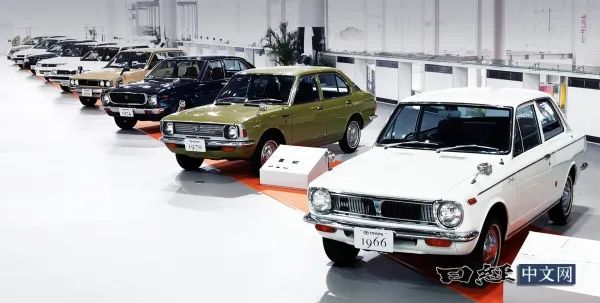
Core Viewpoint - The Toyota Corolla, once a symbol of affordable cars for the masses in Japan, has seen its price index rise significantly, reflecting the stagnation of Japanese wages compared to rising car prices, making it less accessible for ordinary consumers [2][13]. Group 1: Historical Context - The first-generation Corolla was launched in 1966 with a price index of 0.90, indicating it was difficult for the average person to afford, as the average annual income was 548,500 yen and the car's price was 495,000 yen [6]. - By the time the fourth generation was released in 1979, the price index had dropped to 0.30 due to rising average incomes, which had increased to 2.79 million yen [8]. - The Corolla's price index reached its lowest point of 0.27 in 1982, coinciding with the car's cumulative sales surpassing 10 million units, solidifying its status as a representative vehicle for the masses [9]. Group 2: Recent Developments - The twelfth generation Corolla, launched in 2019, has a price index of 0.55, making it difficult to classify as an affordable car for the average consumer, as it incorporates hybrid technology and advanced features, with prices reaching 2,403,500 yen [13]. - In contrast, the Corolla remains accessible in the U.S., where the average annual income is approximately $80,000 and the car's price is around $27,000, resulting in a price index of about 0.30 [17]. - The price of the Corolla in the U.S. has increased by over 20% in the past five years, while Japanese wages have only grown by 6%, highlighting the disparity in purchasing power between the two countries [17]. Group 3: Competitive Landscape - The success of the Corolla contributed to the rise of Japan's automotive industry, prompting competition from Nissan's Sunny and Honda's Civic, which led to increased production and exports [14]. - Emerging companies like BYD in China are rapidly gaining market share with affordable vehicles, prompting Toyota to explore new models such as SUVs and sport versions of the Corolla [16]. - The future of the Corolla as a global vehicle for the masses will significantly impact the Japanese automotive industry's trajectory [16].
外资持续加码在华投资,背后动因依然强劲
第一财经· 2025-07-05 10:08
Core Viewpoint - The opening of Shanghai LEGO Resort marks a significant investment in the Chinese market, highlighting LEGO's commitment to growth in China and the potential of the Yangtze River Delta region with nearly 55 million potential consumers [1][2]. Group 1: Investment and Market Potential - LEGO's substantial financial involvement in the Shanghai LEGO Resort construction indicates the company's high regard for the Chinese market [1]. - Honeywell's China President emphasized that China will remain a major contributor to global GDP growth over the next decade, driven by its large market size and ongoing transformation [4]. - The establishment of the Lexus New Energy project in Shanghai reflects Toyota's recognition of China's capabilities in electric vehicle development and the strong demand for new energy vehicles [7]. Group 2: Innovation and Local Development - Honeywell's innovation strategy in China is driven by market demand, with a focus on local R&D to tailor products to Chinese consumers [11]. - The Lexus project aims for over 95% local procurement of components, showcasing a commitment to local supply chains and innovation [11]. - The Chinese market is becoming a global hub for technological innovation, particularly in areas like artificial intelligence and new energy, providing significant opportunities for multinational companies [6][9]. Group 3: Foreign Investment Trends - Despite global economic uncertainties, China continues to attract foreign investment, with a 10.4% increase in newly established foreign-invested enterprises in the first five months of 2025 [12]. - The actual use of foreign capital has seen a structural upgrade, with significant growth in sectors such as e-commerce services and aerospace manufacturing [12].