Toyota(TM)

Search documents
外资持续加码在华投资,背后动因依然强劲
Di Yi Cai Jing Zi Xun· 2025-07-05 08:27
Group 1: LEGO's Investment in China - LEGO officially opened its first theme park in China, the Shanghai LEGO Resort, on July 5, highlighting the company's commitment to the Chinese market through substantial financial investment, which is atypical for LEGO's usual operational model [1] - The Shanghai LEGO Resort is a strategic step for LEGO in China, targeting the Yangtze River Delta region, which has nearly 55 million potential consumers, showcasing the vibrancy of the Chinese consumer market [3][4] Group 2: Foreign Investment Trends - The presence of major global companies like Honeywell and Lexus in Shanghai indicates a growing trend of foreign investment in China, with Honeywell's president emphasizing China's role as a key contributor to global GDP growth over the next decade [5][7] - The Lexus electric vehicle project in Shanghai is a significant investment, expected to be completed by August 2026, with an initial annual production capacity of 100,000 vehicles, reflecting Toyota's confidence in China's electric vehicle market [9] Group 3: Local Innovation and Market Adaptation - Foreign companies are increasingly benefiting from China's evolving local innovation ecosystem, with Honeywell's Shanghai technology center serving as a core hub for innovation tailored to local market needs [10] - Lexus aims for over 95% local procurement for its electric vehicle project, indicating a strong focus on local supply chains and adaptation to the rapid pace of innovation in China's smart driving technology [10] Group 4: Government Support for Foreign Investment - The Chinese government is actively working to enhance the investment environment, with plans to expand open sectors and attract high-quality foreign investment projects, despite global economic uncertainties [11] - Data from the Ministry of Commerce shows a 10.4% year-on-year increase in newly established foreign-invested enterprises in the first five months of 2025, despite a 13.2% decline in actual foreign investment amounts [11]



关税前购买热潮消退,丰田和本田预计6月在美销量仅略有增长
news flash· 2025-07-04 11:07
Group 1 - Toyota and Honda reported slight year-on-year increases in U.S. sales for June, reflecting a decline in the pre-tariff buying surge [1] - Toyota's U.S. sales rose by 0.1% to 193,248 units, a slowdown compared to 11% in May and 10% in April [1] - Honda's sales increased by 2% to 114,486 units, down from 7% in May and 18% in April [1] Group 2 - Subaru's sales fell by 16% to 46,515 units, marking the second consecutive month of decline [1] - Mazda's sales decreased by 6% to 33,385 units, also experiencing a second month of year-on-year decline [1] - The decline in Subaru and Mazda sales follows drops of 10% and 19% respectively in May [1] Group 3 - The increase in vehicle prices due to a 25% tariff on imported cars imposed by the Trump administration has led to a slowdown in future sales growth [1]


丰田RAV4超特斯拉Model Y成2024年全球销冠;何小鹏:小米YU7大定数据是神话但G7也不错丨汽车交通日报
创业邦· 2025-07-04 11:01
Group 1 - Geely Auto is entering the Italian market with plans to launch two SUV models in the fourth quarter, including the pure electric EX5 and a plug-in hybrid SUV [1] - Deep Blue Auto has officially entered the European market with the launch of the Deep Blue S07 in Norway, and plans to expand into Germany, the Netherlands, the UK, and other countries [1] - Toyota RAV4 is projected to become the best-selling vehicle globally in 2024, surpassing Tesla Model Y, with RAV4 sales reaching approximately 1.187 million units, an 11% increase year-on-year [1] - Xiaopeng Motors' CEO expressed confidence in achieving profitability in the fourth quarter, stating that the order data for Xiaomi YU7 is exaggerated but the G7 model is performing well [1] - Tesla has reduced the price of Model 3 in Hong Kong, with discounts up to 18%, aiming to increase electric vehicle adoption [1]





Bear of the Day: Toyota Motor (TM)
ZACKS· 2025-07-04 09:01
Core Viewpoint - Toyota Motor Company is facing significant challenges due to escalating trade tensions and tariffs imposed by the US, which threaten its profit margins and overall financial performance [2][3][7]. Group 1: Company Overview - Toyota Motor Company is a leading global automaker, founded in 1973, with a diverse product portfolio that includes cars, minivans, and trucks [1]. - Approximately 50% of Toyota's revenue comes from internal combustion vehicles, while hybrid cars account for nearly 48% of sales [1]. - The company has a strong international presence, particularly in Japan, North America, Europe, and Asia [1]. Group 2: Trade and Tariff Impact - The US has imposed a 10% tariff on Japanese goods during a 90-day pause, with potential for further increases if trade agreements are not reached [2]. - President Trump's dissatisfaction with the automotive trade imbalance between the US and Japan places Toyota in a precarious position amid the trade war [2]. - Toyota is experiencing a 20.8% year-over-year contraction in profit margins due to rising material prices and US-imposed tariffs [3]. Group 3: Stock Performance - Toyota's stock is currently underperforming, trading below the 200-day moving average and down 15% over the past year [5]. - The stock is described as "dead money" for the moment, indicating a lack of upward momentum [5]. Group 4: Future Outlook - The looming July 9 tariff deadline presents significant uncertainty for Toyota, with potential tariff-induced price hikes threatening its profit margins [4][7].
两大外资项目相继“安家”!金山区有何吸引力?
Guo Ji Jin Rong Bao· 2025-07-04 06:54
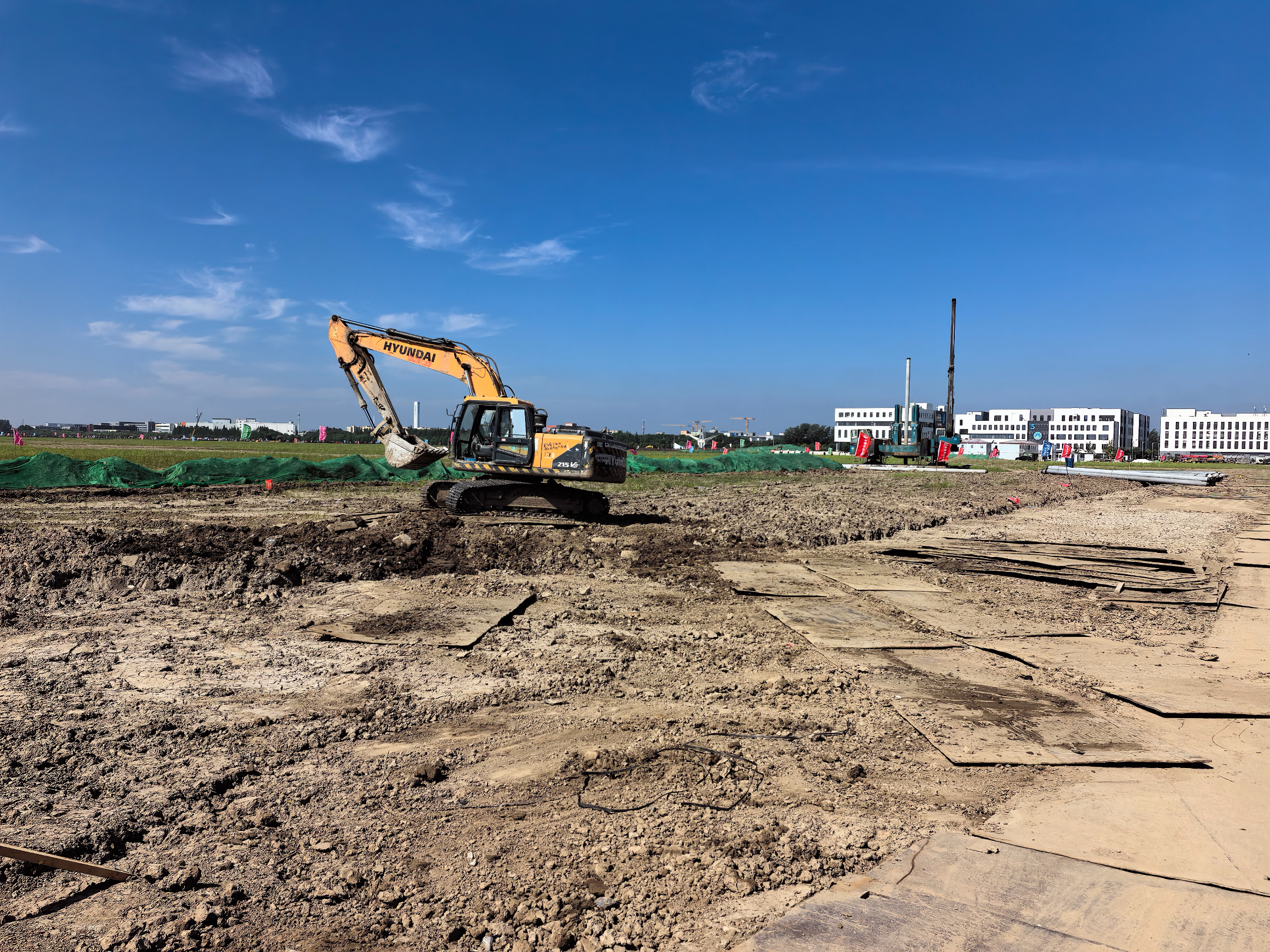
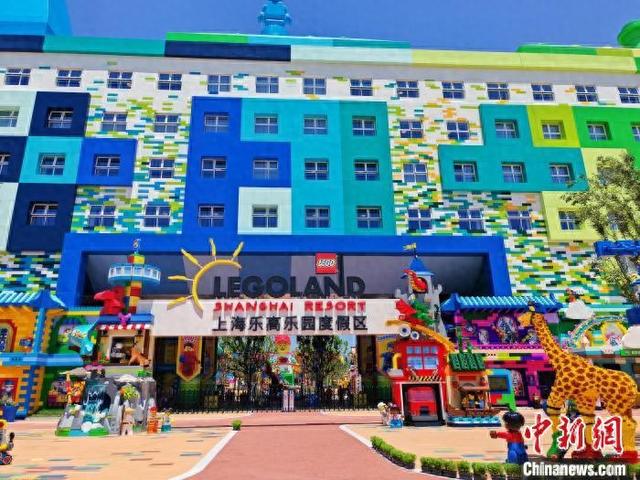
Investment Environment - Shanghai continues to demonstrate strong investment attractiveness, with significant foreign investment projects such as the Lexus New Energy project and the opening of the LEGO Resort in Jinshan District [1][15] - The choice of these projects to establish in Jinshan reflects a high recognition of Shanghai's quality business environment and the confidence of foreign investors in the region [1] Lexus New Energy Project - The Lexus New Energy project broke ground on June 27, 2023, in Jinshan District, with rapid progress made since its inception [2][4] - Lexus (Shanghai) New Energy Co., Ltd. was established in February 2023 with a registered capital of 5.35 billion yuan, and the project is expected to be completed by August 2026 and commence production in 2027, with an initial annual capacity of 100,000 vehicles [4][10] - The project exemplifies Jinshan's optimized business environment through innovative measures such as specialized service teams and a dual-line collaborative work mechanism to facilitate project execution [10][13] LEGO Resort - The Shanghai LEGO Resort, set to open on July 5, 2023, is the first LEGO Resort in China and the largest in the world, covering an area of 318,000 square meters [15][18] - The resort aims to enhance local tourism and drive consumption upgrades in surrounding services, contributing to a robust tourism ecosystem in Jinshan [18][31] - The park features eight immersive themed areas and over 75 interactive rides and attractions, showcasing thousands of LEGO models made from over 85 million LEGO bricks [15][22] Economic Impact - The introduction of the Lexus project is expected to significantly boost the development of the new energy vehicle industry in Jinshan, with plans to create a high-level industrial ecosystem [14] - Jinshan aims to leverage its geographical advantages and manufacturing capabilities to establish a competitive, billion-level intelligent connected new energy vehicle industry cluster [14]
从半年收入买不起卡罗拉看日本
日经中文网· 2025-07-04 05:45
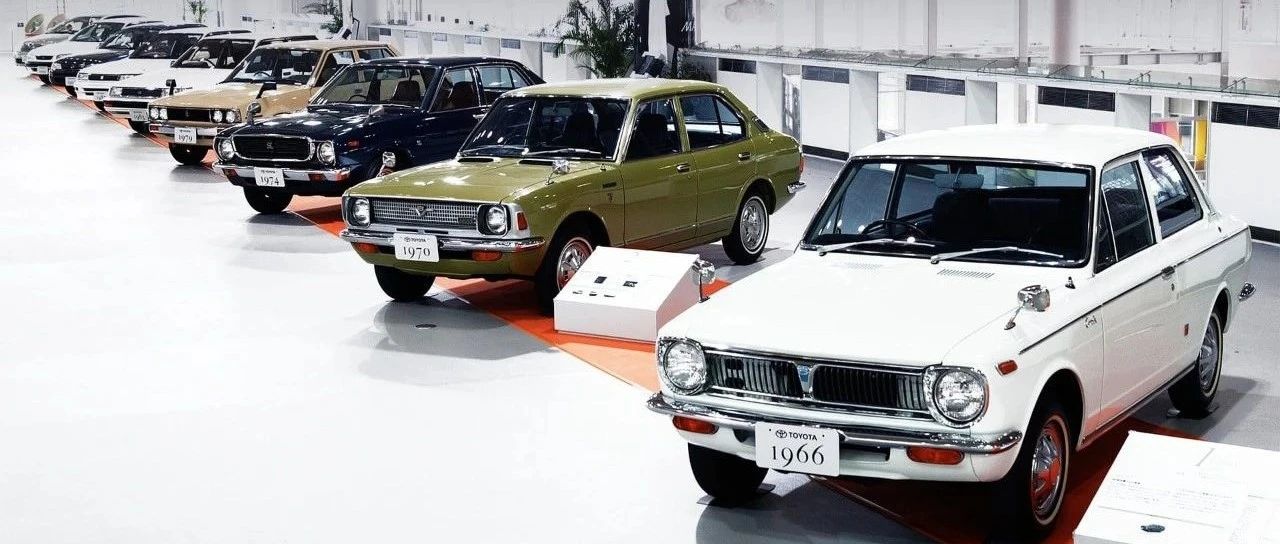
Core Viewpoint - The Toyota Corolla, with cumulative global sales exceeding 50 million units, symbolizes an affordable vehicle for the general public, reflecting the economic realities of Japan where wages have not kept pace with rising prices [1][11]. Group 1: Historical Context and Economic Indicators - The Corolla was launched in 1966, aimed at being a car for the masses, with its price initially at 49,500 yen, which was 90% of the average annual income of 548,500 yen at that time [5]. - By 1982, the Corolla's price index reached a low of 0.27, indicating it cost about a quarter of the average annual income, marking its status as a representative vehicle for ordinary people [8]. - The price of the Corolla increased to 1.7 times that of the first generation by the fourth generation in 1979, yet the price index dropped to 0.30 due to rising average incomes [7]. Group 2: Recent Developments and Comparisons - The twelfth generation Corolla, launched in 2019, saw its price index rise to 0.55, approximately half of the average annual income in Japan, making it less accessible to the average consumer [10]. - In contrast, in the U.S., the Corolla remains affordable, with a price index of around 0.30, as the average annual income in 2023 is approximately $80,000, while the Corolla's price is about $27,000 [11][12]. - The price of the Corolla in the U.S. has increased by over 20% in the past five years, but wages have also risen by a similar percentage, maintaining its affordability compared to Japan, where wages have only increased by 6% during the same period [11][12].
两大外资重磅项目为何选择落地上海金山区?
Zhong Guo Xin Wen Wang· 2025-07-03 14:06
Core Insights - The recent groundbreaking of the Lexus New Energy project and the opening of the Shanghai LEGO Resort in Jinshan District highlight the area's attractiveness for foreign investment [1][3][4] - Jinshan District's geographical advantages and optimized business environment are key factors in attracting these significant projects [1][3] Group 1: LEGO Resort - The Shanghai LEGO Resort is the largest among the 11 LEGO parks globally, covering an area of 318,000 square meters, featuring 8 immersive theme zones and 75 interactive attractions [3] - The park incorporates elements of Chinese culture, showcasing a blend of Eastern and Western cultural integration [3] - The LEGO Resort is expected to enhance tourism in Jinshan District, contributing to the local cultural and tourism industry development [3][4] Group 2: Lexus New Energy Project - The Lexus New Energy project was initiated following a strategic cooperation agreement between the Shanghai government and Toyota, with the project breaking ground just over two months after the agreement [4][5] - Jinshan District implemented a three-tier service system to ensure efficient project execution, which includes city-level coordination and district-level follow-up [4] - The project is recognized for its potential to attract high-level industrial projects, aiming to establish a competitive billion-level intelligent connected new energy vehicle industry cluster in Jinshan [5]
这家车企宣布要给供应商加价10-15%,究竟为何?
Zhong Guo Qi Che Bao Wang· 2025-07-03 02:07
Core Viewpoint - Toyota is increasing the prices of automotive parts by 10%-15% to alleviate cost pressures faced by suppliers and ensure supply chain stability [2][3][4] Group 1: Reasons for Price Increase - The price increase is primarily due to rising raw material costs, particularly for steel, plastics, and chips, as well as high domestic energy costs in Japan [2][3] - Labor costs are also a significant factor contributing to the need for price adjustments [2] - The operational pressure on automotive parts suppliers has intensified, leading to increased uncertainty in parts supply [3] Group 2: Impact on Suppliers - The price adjustment is expected to benefit large suppliers like Denso and Aisin, improving their profit margins [3] - Approximately 12% of small and medium-sized suppliers may still struggle to fully alleviate cost pressures despite Toyota's price increase [3] - The adjustment is likely to accelerate consolidation in the parts industry [3] Group 3: Strategic Implications - The price increase reflects Toyota's commitment to its philosophy of "supply chain as core competitiveness," sharing cost pressures with suppliers [4] - Over 60,000 suppliers globally will benefit from this price adjustment, with 35% being small suppliers in Japan [4] - Rising energy costs have led to an annual increase of over 15% in energy expenditures for Japanese parts suppliers, exacerbated by fluctuations in the yen [4] Group 4: Future Directions - Toyota's strategy includes maintaining supply chain stability while actively investing in next-generation technologies, such as solid-state batteries expected to be mass-produced by 2027 [5] - The company has seen a 139% year-on-year increase in sales of plug-in hybrid models in Europe, attributed to its product strategy of "reasonable range + stable supply" [5] - Toyota's supply chain disruption risk is reported to be 40% lower than the industry average, thanks to its unique supplier relationship management [5] Group 5: Broader Market Context - Starting July 1, Toyota will raise prices for most models sold in the U.S. by an average of $270, with Lexus models increasing by an average of $208 [7] - The increase in related fees charged by Toyota dealers in the U.S. reflects the broader trend of rising costs [7] - While the price increases aim to stabilize the supply chain, there are concerns that excessive price hikes could impact market competitiveness [8]

观车 · 论势 || 丰田章男的电车污染论站得住脚吗?
Zhong Guo Qi Che Bao Wang· 2025-07-03 01:08
Core Viewpoint - The debate over the carbon reduction impact of pure electric vehicles (EVs) has been reignited by comments from Toyota's chairman, who claims that 9 million pure EVs produce carbon emissions equivalent to 27 million hybrid vehicles, suggesting that one pure EV's pollution equals that of three hybrids [1] Group 1: Production Emissions - The production phase of pure EVs generates significant carbon emissions, with studies indicating that battery manufacturing accounts for approximately 40% of the total lifecycle emissions of pure EVs [1] - Manufacturing a hybrid vehicle produces 6 to 9 tons of carbon emissions, while a pure EV with a larger battery generates 11 to 14 tons [1] - Advances in battery technology, such as lithium iron phosphate, are reducing reliance on rare metals and decreasing production emissions over time [1] Group 2: Usage Emissions - Research from Argonne National Laboratory shows that pure EVs can offset their manufacturing emissions after driving approximately 19,500 miles (about 31,400 kilometers), which is roughly equivalent to one year of driving for an average car [2] - Another study indicates that the carbon emission advantage of pure EVs becomes evident after about 28,000 miles (approximately 45,100 kilometers) of driving [2] - The International Council on Clean Transportation (ICCT) reports that the lifecycle carbon emissions of pure EVs in Europe are 66% to 69% lower than those of gasoline vehicles, with the U.S. at 60% to 68% and India at 19% to 34% [2] Group 3: Technological and Structural Advances - Technological advancements and optimization of energy structures are crucial for reducing upstream emissions associated with electric vehicles [3] - China is actively promoting its "dual carbon" goals, with renewable energy installations expected to account for over 60% of global additions in 2024, reflecting a 23% year-on-year growth [3] - Companies like Geely and Xpeng are reporting significant reductions in lifecycle carbon emissions, with Geely aiming for an 18% reduction by 2024 compared to 2020 [3] Group 4: Industry Trends - The development of pure electric passenger vehicles is seen as a key pillar for energy conservation and emissions reduction, with current models being the lowest emission vehicles available to consumers [4] - Despite the ongoing exploration of various technological pathways in the electric vehicle sector, the ultimate goal remains "zero emissions," indicating a long-term comparative advantage for pure electric vehicles [4]
Toyota Motor Price Increase On Some U.S. Models A Bullish Signal For Share And Profitability
Seeking Alpha· 2025-07-02 14:30
I am a journalist based in Detroit, having spent almost my entire career writing about business and economic subjects for The Wall Street Journal, New York Times, Detroit Free Press and Bloomberg. I'm the author of two books and am an acknowledged expert on the world automotive industry.Analyst’s Disclosure:I/we have a beneficial long position in the shares of TSLA either through stock ownership, options, or other derivatives. I wrote this article myself, and it expresses my own opinions. I am not receiving ...