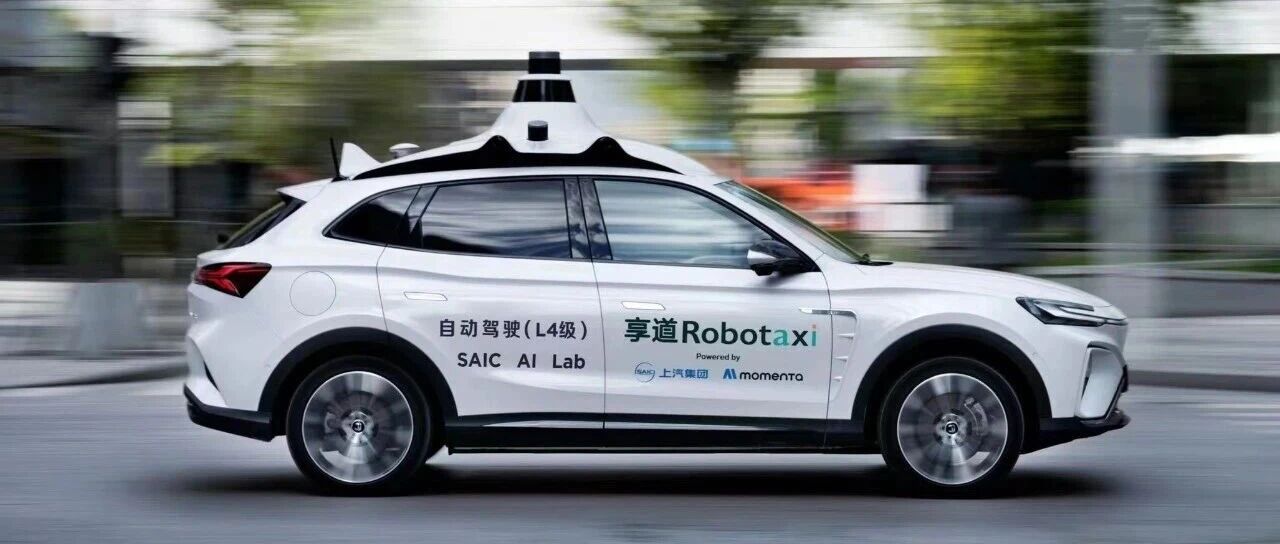
Momenta

Search documents
车企自研、第三方合作“双轮驱动”,城市NOA规模化加速
Zhong Guo Jing Ji Wang· 2026-01-15 02:12
Core Insights - 2025 is identified as a critical year for the commercialization of urban NOA (Navigation Assisted Driving) in China, with a projected market scale growth [1] - The report indicates that from January to November 2025, the cumulative sales of passenger cars equipped with urban NOA reached 3.129 million units, with a penetration rate of 15.1%, an increase of 5.6 percentage points compared to the entire year of 2024 [1] Industry Background - NOA technology is seen as a key driver for smart connected vehicles, bridging advanced driver assistance and fully autonomous driving, which is crucial for enhancing user travel experience and asserting China's competitive voice in the global automotive industry [3] - The report highlights that among the passenger cars sold with urban NOA, domestic brands accounted for 2.5373 million units, representing 81.1% of the total, showcasing innovation and competitiveness in the smart connected vehicle sector [3] Market Dynamics - The current market for urban NOA is characterized by a dual-driven model of self-research by car manufacturers and collaboration with third-party suppliers [5] - Major players in self-research include Tesla, NIO, Xpeng, Li Auto, Xiaomi, and others, while approximately 29 brands collaborate with third-party suppliers [5] - The third-party supplier market is dominated by two key players, Momenta and Huawei, which together hold about 80% market share; Momenta's urban NOA installations reached 414,400 units, accounting for 61.06% of third-party suppliers, while Huawei's HI model accounted for 19.76% with 134,100 units [5] Technological Advancements - The rapid iteration of technology and market competition is driving systemic changes in smart driving technology, core architecture, and industrial ecology [9] - The report emphasizes that end-to-end large models are becoming the core engine for NOA technology iteration, facilitating a shift from modular architecture to integrated systems [10] - New energy vehicle manufacturers are building technological barriers through full-stack self-research, while traditional automakers are accelerating technology deployment through partnerships with third-party suppliers [10] Future Outlook - The report anticipates that by 2030, urban NOA will become a mainstream feature in both assisted and autonomous driving [10] - Recommendations for enhancing the high-quality development of NOA include improving top-level design, strengthening technological innovation, enhancing industry collaboration, and exploring global competitiveness for supply chain enterprises [11]


2025年超越300万辆!城市NOA规模化普及加速
Guo Ji Jin Rong Bao· 2026-01-15 02:09
Core Insights - The report by the China Automobile Industry Association indicates that from January to November 2025, the cumulative sales of passenger cars equipped with urban NOA (Navigation Assisted Driving) reached 3.129 million units, with a penetration rate of 15.1%, an increase of 5.6 percentage points compared to the entire year of 2024 [1] Group 1: Market Dynamics - The urban NOA market is characterized by a "dual-engine" model of self-research by car manufacturers and partnerships with third-party suppliers [1] - The third-party urban NOA supplier market is dominated by two major players, Momenta and Huawei, who together hold over 80% market share [1] - In the same period, Momenta's urban NOA installations reached 414,400 units, accounting for approximately 61.06% of third-party suppliers, with eight of the top ten global automakers collaborating with Momenta [1] Group 2: Brand Performance - Among the passenger cars equipped with urban NOA, domestic brands sold 2.5373 million units, representing 81.1% of the total [2] - Global automotive brands are increasingly partnering with leading domestic third-party suppliers to achieve breakthroughs in intelligent driving, with brands like Mercedes-Benz, BMW, Audi, Cadillac, Buick, and Toyota implementing urban NOA features through these collaborations [2] Group 3: Technological Advancements - The report highlights that in the phase of scaling high-level assisted driving, factors such as algorithms, data loop capabilities, and mass production experience are critical for determining the market position and development speed of assisted driving suppliers [2] - End-to-end large models have become the core engine for the iteration of NOA assisted driving technology, driving the industry towards an integrated approach and enhancing safety experiences [3] - New car manufacturers are building technological barriers through full-stack self-research, while traditional automakers are accelerating technology deployment by collaborating with third-party suppliers [3]
2025年NOA乘用车销售超300万辆,《2025城市NOA汽车辅助驾驶研究报告》发布
Zhong Guo Qi Che Bao Wang· 2026-01-15 02:03
Core Insights - The report titled "2025 Urban NOA Automotive Assisted Driving Research Report" was officially released at the China Automotive Industry Association's information conference, aiming to analyze the development trends of urban NOA technology and industry, providing references for high-quality development of China's intelligent connected vehicle industry [1] Group 1: Market Growth and Trends - By the end of 2025, it is projected that over 3 million urban NOA-equipped vehicles will be sold in China, with a penetration rate of 15.1% for urban NOA features in passenger vehicles from January to November 2025, an increase of 5.6 percentage points compared to the entire year of 2024 [3][4] - The sales of new passenger cars with Level 2 driving assistance functions increased by 21.2% year-on-year in the first three quarters of 2025, with a penetration rate reaching 64%, expected to rise to 66.1% by the end of 2025 [3] Group 2: Competitive Landscape - Domestic brands accounted for 81.1% of urban NOA-equipped vehicle sales from January to November 2025, showcasing their innovation and competitiveness in the intelligent connected vehicle sector [4] - Major global automotive brands are collaborating with leading domestic third-party suppliers to achieve breakthroughs in intelligent driving, with companies like Mercedes-Benz, BMW, Audi, and Toyota implementing urban NOA features [4][6] Group 3: Technology and Innovation - The current market for third-party urban NOA suppliers is dominated by Momenta and Huawei, which together hold approximately 80% of the market share, with Momenta leading at 61.06% and Huawei at 19.76% [6] - The report highlights that the end-to-end large model has become the core engine for NOA technology iteration, driving a shift from modular architecture to integrated deep restructuring [7][8] Group 4: Future Outlook and Recommendations - The report anticipates that by 2030, urban NOA will become a mainstream feature in assisted and autonomous driving, with significant value creation expected in the automotive industry [11] - Recommendations for enhancing the urban NOA industry ecosystem include improving top-level design, strengthening technological innovation, and exploring collaborative development models among various technological routes [11]
城市NOA加速渗透 预计2030年将成为主流功能
Zheng Quan Shi Bao Wang· 2026-01-14 11:33
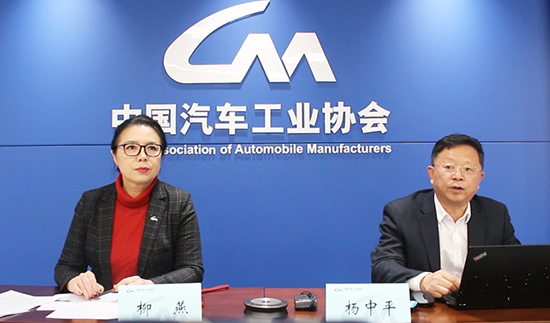
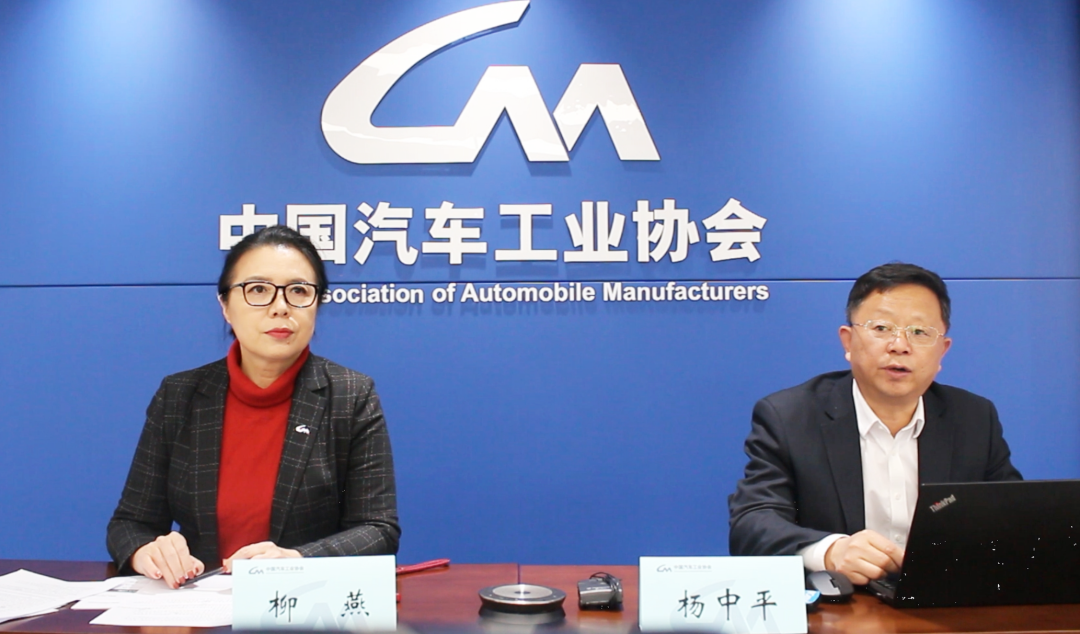
(原标题:城市NOA加速渗透 预计2030年将成为主流功能) 近年来,我国智能网联汽车产业迎来快速发展,正迈入高阶辅助驾驶普及、示范应用推进关键期。1月 14日,《2025城市NOA汽车辅助驾驶研究报告》(下称《报告》)在中国汽车工业协会汽车行业信息 发布会上发布。 《报告》由中国汽车工业协会全资子公司智库——中国汽车工业经济技术信息研究所有限公司编撰,从 行业背景、市场格局分析、未来趋势展望、发展建议等多个维度,剖析了城市NOA(导航辅助驾驶) 技术及产业的发展态势,旨在为行业企业提供参考,助力我国智能网联汽车产业高质量发展。 数据显示,2025年前三季度,我国具备组合驾驶辅助功能(L2级)的乘用车新车销量同比增长21.2%, 渗透率达64%,预计2025年年底升至66.1%,三分之二左右的新车型将搭载L2级辅助驾驶功能。 中国汽车工业协会副秘书长杨中平表示,NOA技术作为智能网联汽车应用的核心抓手,是衔接高阶辅 助驾驶与完全自动驾驶的关键桥梁,更是提升用户出行体验、彰显智能化价值的核心载体,其发展水平 直接关乎我国在全球汽车产业竞争中的核心话语权。 据介绍,最近两年,NOA技术市场规模快速扩容,高速NOA ...
从“地大华魔”掉队,卓驭科技在智驾平权浪潮下另觅出路
第一财经网· 2026-01-12 10:24
Core Insights - The competitive landscape in China's intelligent driving sector is undergoing significant changes, with a clear polarization among suppliers as cost competition intensifies [1][2] Group 1: Market Dynamics - Momenta and Huawei HI together hold over 80% market share in the urban NOA third-party supplier segment for passenger cars in China by October 2025, leaving only 19.2% for other suppliers, including Zhuoyue Technology [1] - The penetration rate of intelligent driving in China's passenger vehicles has exceeded 68%, with high-level driving solutions being pushed down to the 100,000 to 150,000 yuan market segment [2] Group 2: Zhuoyue Technology's Position - Zhuoyue Technology, originally benefiting from low-cost advantages, is now showing signs of lagging behind competitors, with its main deployment still relying on fuel vehicles from Volkswagen [1][3] - The company has announced over 50 mass-produced cooperative models, but market performance varies significantly, with some models failing to boost sales [3] Group 3: Competitive Pressures - The competition in the low-cost intelligent driving sector is intensifying, with new entrants like BYD and Horizon aiming to offer high-level driving solutions at lower price points [4] - Zhuoyue Technology's reliance on Volkswagen is seen as a potential weakness, as the company needs to diversify its partnerships to scale its intelligent driving solutions [3] Group 4: Future Strategies - Zhuoyue Technology is exploring new business avenues, including heavy-duty trucks and unmanned logistics vehicles, to seek new growth points [6] - The company plans to launch heavy-duty trucks equipped with its high-speed NOA by mid-2026, collaborating with firms like XCMG and Shaanxi Automobile [6]
2025年宝马在华销售62.5万辆,2026年以新世代车型启新章
Zhong Guo Jing Ji Wang· 2026-01-12 03:25
Core Insights - In 2025, BMW Group maintained a strong performance in the Chinese market, selling 625,527 BMW and MINI vehicles, solidifying its position as the largest market globally for the company [3][4] - The BMW 3 Series and 5 Series continued to show robust sales, while the M family contributed significantly to new growth, indicating a resilient business model in a competitive environment [3][4][5] Sales Performance - BMW Group delivered a total of 2,463,715 vehicles globally in 2025, reflecting steady growth [4] - The BMW 3 Series family was the best-selling model in its segment for 15 consecutive months, with high-end models accounting for over 50% of its sales [5] - The BMW X5 has seen cumulative sales exceeding 300,000 units since its local production began in 2022 [5] M Brand Growth - The BMW M brand experienced a year-on-year sales increase of 27.9%, surpassing 10,000 units for the first time, leading the high-performance segment [7] - New models like the BMW M3 Touring and BMW M2CS quickly gained popularity in the performance market, with the M family expanding to 25 models in China [7] MINI Brand Performance - The MINI brand also showed significant growth, with sales increasing by over 25% in 2025 following a complete product line refresh [9] Product Strategy and Innovation - BMW plans to launch approximately 20 new models, including the highly anticipated long-wheelbase version of the new generation BMW iX3, in 2026 [3][13] - The company is committed to enhancing its R&D capabilities in China, establishing the largest R&D network outside Germany, and focusing on localized product offerings [10][12] Collaborations and Technology - BMW is deepening collaborations with local partners, including developing localized intelligent driving systems and redefining smart cockpit experiences with companies like Huawei and Alibaba [12] - The company has implemented a closed-loop battery recycling system in China, showcasing its commitment to sustainability [12]
2026智驾芯片市场格局
傅里叶的猫· 2026-01-11 12:43
Core Viewpoint - The competition in the intelligent driving chip market has shifted from algorithm functionality to core hardware chips, with significant developments from domestic chip manufacturers like Horizon and Momenta [3]. Group 1: Domestic Intelligent Driving Chips - Horizon's J6P chip has completed hardware design and is in performance testing, with plans to achieve vehicle readiness by Q2 2026, targeting mid-to-high-end models [5]. - Horizon plans to reduce the price of the J6P chip by approximately 15% by 2026, with potential discounts of up to 20% for major clients like BYD, impacting the mid-to-high-end chip market [5]. - Momenta's BMC chip has entered the testing phase, focusing on cost advantages and targeting the market for vehicles priced below 200,000 yuan, with expected mass production in 2026 [6][7]. - Momenta anticipates a significant increase in output, projecting around 1 million units in 2026, driven by partnerships with SAIC, GAC, and Chery [7]. Group 2: Algorithm and Performance Comparison - In standard driving scenarios, both Momenta and Horizon perform similarly, but Momenta excels in complex scenarios, benefiting from its extensive urban experience [8]. - Momenta's software-driven hardware model allows for better adaptation to market needs, enhancing user experience and providing tailored tools for automakers [8]. Group 3: Self-Development vs. Collaboration - Different automakers are adopting varied strategies, with companies like NIO and Li Auto focusing on self-developed chips, while others like Chery and Geely are opting for a mixed approach [9][12]. - High-end models are more likely to utilize self-developed chips to enhance profit margins and adapt to specific driving algorithms, while mid-to-low-end models prioritize cost-effectiveness [13]. Group 4: Market Dynamics and Future Outlook - The market is expected to see a coexistence of self-developed chips and third-party suppliers, with domestic chip market share projected to reach around 10% by 2026 [15]. - NVIDIA is expected to maintain a significant market share in high-end models, while domestic suppliers like Horizon and Momenta are anticipated to capture substantial portions of the mid-to-low-end market [15]. - The price trends indicate that while low-end chips are stabilizing, high-end chips from NVIDIA may see price increases, while domestic chips like those from Momenta are expected to drop significantly [21]. Group 5: Challenges and Opportunities for Domestic Chips - Domestic chips still face challenges in performance and algorithm ecosystem compared to NVIDIA, with a technology gap of about 1-1.5 generations [17]. - The Robotaxi sector presents an opportunity for domestic chips, although current limitations in performance and ecosystem integration hinder broader adoption [18][19]. Group 6: Price Trends and Market Projections - The pricing landscape for intelligent driving chips varies significantly based on performance, with low-end chips around 1,000 yuan and high-end chips from NVIDIA priced between 8,000-9,000 yuan [21]. - The competitive landscape in 2026 will be crucial, with domestic chips pushing for wider adoption and price reductions, enhancing the overall driving experience for consumers [22].


搞过自驾的小伙伴,在其他领域还是很抢手
自动驾驶之心· 2026-01-10 03:47
点击下方 卡片 ,关注" 自动驾驶之心 "公众号 戳我-> 领取 自动驾驶近30个 方向 学习 路线 如果你也想和我们一起推动自驾领域的进步,欢迎加入我们的社区团队,和我们一起推动! 我们准备了大额 优惠券给大家,欢迎微信扫码领取,还有少量~ 自驾行业25年还是很精彩的,在整体下沉的关键节点,都很卷。 卷技术、卷成本、卷效率。我们平台亦是如 此,扩充了很多B端的客户,也开始尝试从线上走向线下。C端也慢慢从普适性的能容逐渐专业化和精细化。 上半年不少自驾的同学转行去了具身,包括现在也是如此,L4/具身/无人机几个行业在大批量招人,而自驾又 是相对成熟的AI领域,所以自驾的算法人才非常受欢迎,几个头部企业的薪资很到位(大疆/宇树/智元/哈啰等 等)。 搞过自驾的人,用过大集群,解过各种corner case,上下游协同能力强,这些都是其他几个行业所欠缺的。 自驾的头前沿技术收敛到几个大方向上:一段式端到端、VLA、世界模型(重建+仿真)、强化学习。我们接 触到的中游厂商还在攻坚OCC、无图、多传感器融合感知等等,明年这些公司都有大量hc开放。 今年,自动驾驶之心的付费社区的成员正式突破4000人了。 如果想看各家 ...
智驾行业杀入“曼哈顿时刻”
Xin Lang Cai Jing· 2026-01-10 01:29
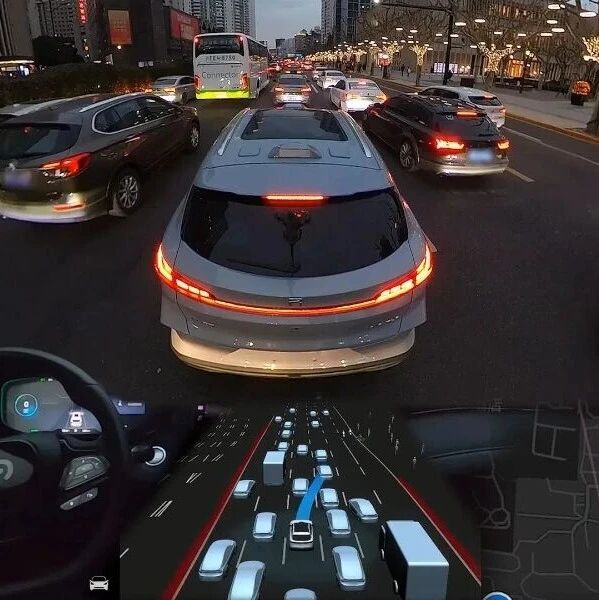
Core Insights - The autonomous driving industry is approaching a state of transparency, with multiple automakers and tech companies targeting the sub-100,000 yuan market for advanced driving features [1][4][9] - The competition has intensified, with companies like BYD, Chery, and Geely launching models equipped with high-level autonomous driving capabilities at lower price points [5][6][7] - The industry is witnessing a convergence of algorithmic approaches, with discussions around VLA and world model architectures, as companies aim to enhance the usability of autonomous driving features [3][20][21] Group 1 - The introduction of advanced driving features in vehicles priced below 100,000 yuan has become a key focus for both automakers and autonomous driving technology providers [1][2][4] - Companies like Horizon Robotics and Huawei are planning to expand their advanced driving capabilities into lower price segments, aiming to break the perceived barriers of high costs associated with such technologies [8][11] - The competition is not only about vehicle pricing but also about the technological advancements in algorithms and hardware, with a significant push towards reducing costs in chips and sensors [10][11][13] Group 2 - The industry is transitioning from a phase of diverse approaches to a more consolidated focus on effective algorithmic solutions, with VLA and world model architectures being at the forefront of discussions [3][20][21] - The recent approval of L3-level conditional autonomous driving vehicles by the Ministry of Industry and Information Technology marks a significant milestone, indicating a potential "breakthrough year" for L3 technology [4][28] - Companies are also exploring the integration of autonomous driving technologies into broader applications, such as logistics and robotics, indicating a shift towards a more comprehensive ecosystem [30][33] Group 3 - The competitive landscape is evolving into a "red ocean" as more players enter the sub-100,000 yuan market, necessitating a focus on efficiency and differentiation [9][13] - The advancements in chip technology and the reduction in costs for essential components like lidar are enabling more companies to offer competitive autonomous driving solutions [10][11] - The push towards L3 and L4 capabilities is becoming a race among automakers and tech firms, with significant investments and developments expected in the coming years [29][30]
Momenta智驾方案解析
自动驾驶之心· 2026-01-09 00:47
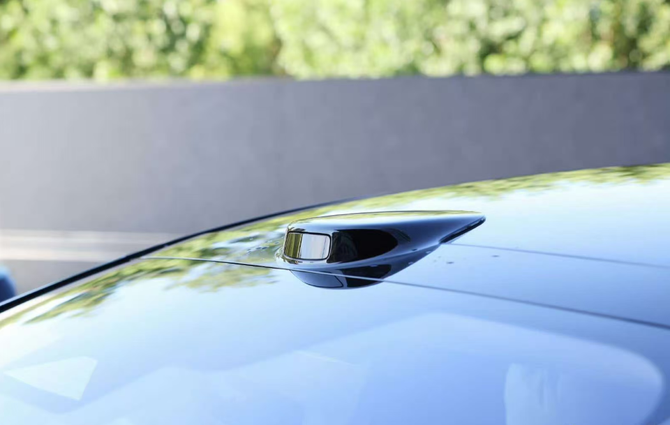
作者 | 高毅鹏@知乎 编辑 | 自动驾驶之心 原文链接: https://zhuanlan.zhihu.com/p/1981658979764568316 点击下方 卡片 ,关注" 自动驾驶之心 "公众号 戳我-> 领取 自动驾驶近30个 方向 学习 路线 >>自动驾驶前沿信息获取 → 自动驾驶之心知识星球 本文已获转载授权,转载请联系原文作者 Momenta 实现方案 Momenta 的无地图解决方案通过以下步骤实现自动驾驶功能: 数据采集与传感器输入: 感知处理: 定位计算: 路径规划与控制: 车辆配备多摄像头、激光雷达、雷达、IMU、轮速传感器和 GNSS 接收器。这些传感器持续采集环境数据和车辆状态数据。 多摄像头覆盖 360 度视野,激光雷达和雷达提供点云数据,用于构建 3D 环境模型。 感知模块接收传感器数据,使用计算机视觉和深度学习算法进行物体检测、分类和跟踪。同时,它融合多传感器数据生成局部地图,包括可行驶区域、车道线和 障碍物位置。 局部地图是实时更新的,反映了当前环境的动态变化。 定位模块融合 IMU、轮速和 GNSS 数据,通过滤波和优化算法(如 SLAM 同时定位与地图构建)计算车辆 ...