
宝马

Search documents
哥伦比亚2025年1-7月比亚迪混合动力汽车销售稳居榜首
Shang Wu Bu Wang Zhan· 2025-08-08 17:30
Core Insights - In Colombia, from January to July 2025, the cumulative registration of hybrid vehicles reached 33,184 units, representing a year-on-year growth of 61% [1] - BYD maintained the top position in the hybrid vehicle market with a market share of 53.1%, followed by Kia at 9.6%, Volvo at 7.5%, BMW at 2.6%, and Renault at 2.6% [1] Market Performance - The hybrid vehicle segment in Colombia is experiencing significant growth, with a total of 33,184 units registered in the first seven months of 2025, indicating a robust demand for eco-friendly vehicles [1] - BYD's dominance in the market is evident with over half of the market share, showcasing its strong brand presence and consumer preference in the hybrid vehicle category [1] Competitive Landscape - The competitive landscape features BYD leading significantly, with Kia and Volvo as the next closest competitors, highlighting a concentrated market where a few brands hold substantial shares [1] - The market shares of other brands such as BMW and Renault are relatively small, indicating potential challenges for these companies to increase their presence in the hybrid vehicle market [1]


春秋电子:公司为小米提供的产品应用于其SU7、YU7等车型
Xin Lang Cai Jing· 2025-08-08 12:05
Core Viewpoint - The company Spring Autumn Electronics has established itself in the automotive magnesium alloy application sector, serving notable clients in the automotive industry [1] Group 1: Clientele and Applications - The company's end customers in the automotive magnesium alloy application business include major automotive manufacturers such as Xiaomi, NIO, Xpeng, BYD, BMW, Geely, and Volkswagen [1] - Products provided to Xiaomi are utilized in its SU7 and YU7 models [1]


奥迪心态崩了,突然反悔要继续造油车?
创业邦· 2025-08-08 10:17
Core Viewpoint - The article discusses the challenges faced by traditional luxury car manufacturers (BBA: BMW, Benz, Audi) in transitioning to electric vehicles (EVs) amidst fierce competition from new entrants in the automotive market, particularly in China. It highlights the missteps of BBA in their strategies and the resulting financial impacts. Group 1: BBA's Strategy and Market Position - Audi's CEO announced the withdrawal of plans to stop producing internal combustion engine vehicles by 2033, indicating a shift in strategy [6] - Mercedes-Benz adjusted its goal for full electrification from 2030 to having 50% of its models as new energy vehicles by 2030 [7] - BMW has not set a clear timeline for phasing out combustion engines and has expressed skepticism about full electrification [7] Group 2: Financial Performance and Sales Trends - In 2024, BBA's global sales saw declines: Mercedes-Benz down 3%, BMW down 4%, and Audi down 11.8% [19] - This decline led to significant profit reductions in the first half of the year: Mercedes-Benz's net profit decreased by 55.8%, BMW's by 29%, and Audi's by 37.5% [19] - Despite a peak in EV sales in 2023, with BMW and Mercedes-Benz each achieving nearly 20% of their sales from new energy vehicles, the overall performance was still disappointing compared to previous years [16][19] Group 3: Competitive Landscape and Challenges - BBA's transition to EVs has been characterized by a mix of strategies that have not resonated well with consumers, leading to a perception of being outperformed by new entrants [36] - The article emphasizes that BBA underestimated the competitive landscape, particularly in China, where local manufacturers have rapidly advanced in technology and market presence [40][46] - BBA's reliance on traditional luxury branding is being challenged by the evolving consumer preferences for performance and technology in EVs [32][36] Group 4: Technological and Cost Disadvantages - BBA faces a technological gap compared to Chinese competitors, who have been able to innovate and reduce costs significantly in battery technology and vehicle features [69] - The cost of battery production for Chinese companies is significantly lower, with prices around 0.45-0.50 yuan/Wh, compared to European standards [69] - BBA's supply chain and production costs are hindered by their established partnerships, which limit flexibility and responsiveness to market changes [66][68] Group 5: Future Outlook and Recommendations - The article suggests that BBA must adopt a more agile approach to technology and market strategy, akin to startups, to remain competitive [95] - It emphasizes the need for BBA to stabilize their cash flow while gradually improving their technological capabilities [95] - The importance of maintaining a balanced mindset in navigating the transition to EVs is highlighted, as BBA faces both internal and external pressures [94][96]

中欧电动车“竞合”深化 供应链“隐形冠军”迎风起
Zhong Guo Jin Rong Xin Xi Wang· 2025-08-08 09:23
Group 1 - The global trade landscape is undergoing significant adjustments, with China and Europe as key economic partners in the electric vehicle (EV) sector, shifting from a "market for technology" model to a "competitive cooperation" framework [1] - The competitive cooperation is characterized by three trends: acceleration of localization of Chinese EVs and supply chains in Europe, increased investment by European automakers in Chinese EV and component companies, and the establishment of joint ventures for collaborative R&D in both regions [1] - Chinese automakers are rapidly localizing in Europe, with companies like NIO opening centers and Xiaomi establishing a research center in Munich, while European automakers are increasingly reliant on Chinese components, creating opportunities for suppliers with technological advantages, such as Taizhong Co., Ltd. [1] Group 2 - The demand for lightweight components driven by the electrification transformation of European automakers aligns with Taizhong Co., Ltd.'s precision casting technology, which is essential for enhancing EV range [2] - Taizhong Co., Ltd., a specialized automotive parts manufacturer for 28 years, has become a global Tier A supplier for the Volkswagen Group, securing multiple projects for differential housings from brands like Volkswagen, Audi, and Skoda [2] - The trade advantages gained in the EV sector are also laying the groundwork for the global expansion of the robotics industry, as both sectors share common needs for lightweight, high-precision components and efficient power systems [2]

大模型落地企业端:开源闭源之争未终结 | 海斌访谈
Di Yi Cai Jing· 2025-08-08 08:53
Core Insights - The industry application of large models is expected to experience explosive growth in the first half of 2025, with companies like Alibaba, Jiyue Xingchen, and Baidu leading the commercialization efforts [1][3] - Open-source models have gained popularity in China, but the competition between open-source and closed-source models continues as companies seek to implement large models in specific industries [1][7] Group 1: Company Performance - Yaxin Technology has capitalized on the initial wave of large model applications, reporting a revenue of 26 million yuan in AI model application and delivery for the first half of 2025, a staggering 76-fold increase year-on-year [3] - Yaxin Technology has signed contracts worth 70 million yuan, marking a 78-fold increase compared to the previous year, and is collaborating with major cloud providers to develop industry-specific large model solutions [3] - Jiyue Xingchen aims to achieve a commercial revenue of 1 billion yuan this year, focusing on both foundational models and applications, with significant partnerships in the mobile phone and automotive sectors [4] Group 2: Market Dynamics - The demand for large models is more pronounced in the enterprise sector compared to individual consumers, as a 10% efficiency improvement can significantly impact market competitiveness for businesses [5] - The open-source model offers free access but lacks the support of original manufacturers, which can slow down iteration speed compared to closed-source models [8] - Many enterprises prefer private deployment of large models for data protection, but this approach can lead to slow iteration and high costs, as companies often struggle to achieve successful implementation [8][9] Group 3: Competitive Landscape - The competition between open-source and closed-source models is affecting business models, with some companies like Jiyue Xingchen suggesting that certain business models, such as customized delivery, may be unsustainable [9][10] - The pricing war initiated by major companies has significantly reduced the cost of APIs, making it challenging for startup companies to rely on token-based revenue models [9][10]



利润集体崩盘,燃油车企用时间换空间
远川研究所· 2025-08-08 08:08
Core Viewpoint - The financial performance of traditional fuel vehicle manufacturers is deteriorating significantly, with profit declines outpacing revenue and sales drops, highlighting the challenges of transitioning to electric vehicles [5][9][15]. Group 1: Financial Performance of Traditional Automakers - Volkswagen's operating profit fell by 32.79% in the first half of the year, despite a slight revenue decline of less than 1% and a 1% increase in delivery volume [9]. - Mercedes-Benz experienced a staggering 69% drop in net profit in Q2, with overall revenue down 8.59% and a more than 70% decline in operating profit from its automotive business [15]. - BMW reported a 26.83% decrease in operating profit, with revenue down 7.98% and a gross margin in its automotive business dropping below 15% [12]. Group 2: Market Trends and Challenges - The shift towards electric vehicles is uneven, with traditional automakers struggling to sell electric models while hybrid vehicles are performing better in certain markets [18][20]. - In the second quarter, Mercedes-Benz's overall passenger car deliveries fell by 9%, with electric models down 24%, while plug-in hybrid models saw a 34% increase [18]. - The Chinese market is leading in electric vehicle penetration, with a forecasted 44.3% market share by mid-2025, while the European market lags behind at around 20% [22][27]. Group 3: Strategic Adjustments - Major automakers are adjusting their electric vehicle strategies, with Volkswagen increasing its target for electric vehicles in China to 80% by 2030, while others like Ford and Stellantis are shifting towards hybrid models [28]. - The financial strain from electric vehicle investments is evident, with Volkswagen's software and battery divisions reporting significant losses, indicating a broader issue among traditional automakers [30][32]. - The need to balance investments in traditional fuel vehicles while transitioning to electric and hybrid models is creating a complex operational environment for these companies [27][36].

威贸电子(833346):电子线束领先企业,低空经济有望打开公司成长空间
ZHONGTAI SECURITIES· 2025-08-08 06:17
Investment Rating - The report initiates coverage with an "Accumulate" rating for the company [3][5][36]. Core Insights - The company is a leading manufacturer of electronic wire harnesses, with products widely used in new energy vehicles and the low-altitude economy, indicating strong growth potential [5][6][29]. - Revenue and profit are expected to grow steadily in 2024, driven by new product launches and strengthened partnerships with domestic brands [5][13]. - The company has successfully expanded into the European and North American markets, with overseas revenue exceeding 50% for the first time in 2024 [5][6][24]. - The low-altitude economy, particularly through partnerships in the eVTOL sector, presents significant future growth opportunities [5][29][36]. Summary by Sections Company Overview - The company was established in 1998 and specializes in the R&D, production, and sales of various wire harness components and injection-molded integrated parts, covering over 300 series and 3,000 models [5][9][19]. Financial Performance - The company forecasts revenue of 2.6 billion yuan and a net profit of 400 million yuan for 2024, representing year-on-year growth of 13.69% and 14.28%, respectively [5][13][24]. - The projected revenue for 2025-2027 is expected to reach 3.06 billion yuan, 3.61 billion yuan, and 4.15 billion yuan, with corresponding net profits of 510 million yuan, 610 million yuan, and 720 million yuan [3][38]. Market Trends - The automotive wire harness market is projected to grow significantly, with the average value of wire harnesses in new energy vehicles potentially increasing to 5,000-6,000 yuan per vehicle [5][24][22]. - The global eVTOL market is expected to grow from 1.2 billion USD in 2023 to 23.4 billion USD by 2030, with a CAGR of 52% [5][35][36]. Competitive Position - The company is positioned favorably against competitors, with a slightly higher valuation compared to industry averages, reflecting its growth potential in the eVTOL sector [5][38][42].
贸易谈判远未结束!多国疯抢美国关税豁免
Jin Shi Shu Ju· 2025-08-08 03:27
美国的贸易伙伴正游说白宫,希望获得大范围新关税的豁免。这些新关税于周四生效,但各国都在设法 减轻特朗普重塑全球贸易的举措对本国经济的冲击。 这场外交行动表明,尽管白宫近一个月来高调宣布了一系列协议,但已持续数月的贸易谈判远未结束。 欧盟、日本和韩国等已与特朗普达成协议,但其谈判代表仍在幕后与美国官员沟通,为重要出口行业争 取更多减免。目前已有数十项豁免和例外条款获批,涉及巴西橙汁和智利铜矿等产品。 与此同时,谈判代表们正努力厘清美国的关税计划。在迄今达成的多项协议中,许多关键细节尚未敲 定,有时双方的解读甚至存在差异。 特朗普在社交媒体上谈及午夜生效的对等关税时表示,"数十亿美元的关税正流入美国"。 他周三称,进口半导体的关税将设定在100%左右,但对苹果等在美国投资制造业的公司豁免。此前承 诺对药品等其他敏感行业加征的新关税尚未正式宣布。 这种混乱局面以及特朗普为追求各种政治目标而随意调整关税的倾向,意味着美国庞大国内市场的准入 不确定性正成为新经济秩序的一大特征,对企业投资、招聘和价格产生连锁影响。周三,特朗普称,为 了惩罚印度购买俄罗斯石油,将对印度进口商品额外加征25%的关税,叠加已有的25%关税。 ...
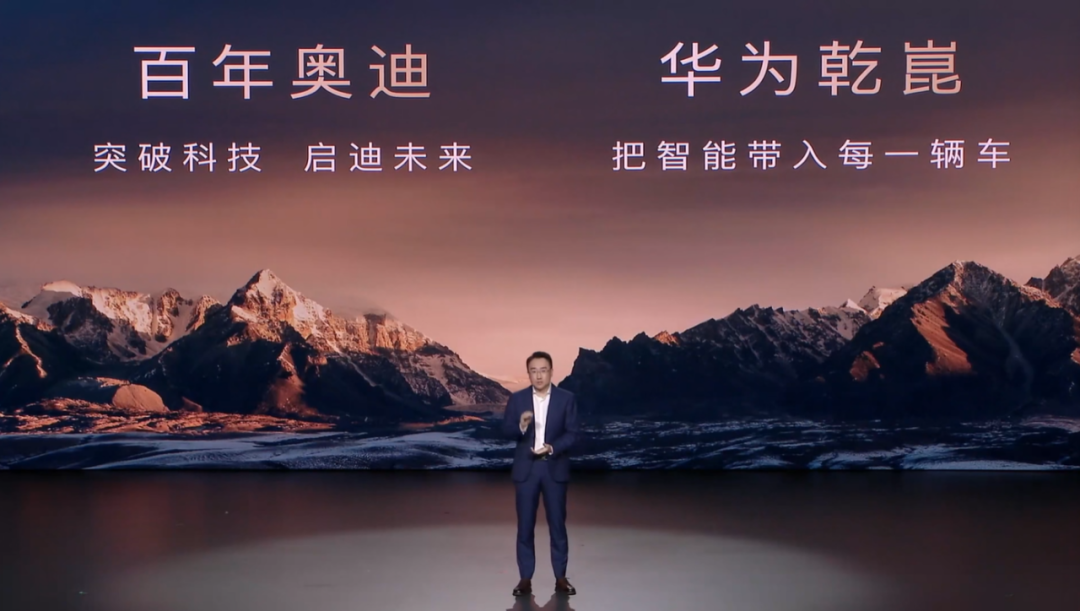
华为、一汽奥迪,重要合作!
Zhong Guo Ji Jin Bao· 2025-08-07 15:01
Group 1 - The core viewpoint of the article highlights the collaboration between FAW Audi and Huawei, marking Audi as the first luxury car brand to fully integrate Huawei's QianKun smart driving solution into both fuel and electric vehicles [1][3][4] - The automotive industry is increasingly focusing on smart technology, with traditional luxury brands like Audi facing challenges in adapting fuel vehicles to advanced driver assistance systems, which impacts their "oil-electric intelligence" strategy [3][4] - Audi has developed new platforms, including the PPE luxury electric platform and the PPC luxury fuel platform, to enhance the precision control capabilities of both fuel and electric vehicles [4][7] Group 2 - Audi's Q6L e-tron family and A5L models are equipped with high-level driver assistance features, establishing Audi as the first traditional luxury brand to integrate advanced driving systems across both fuel and electric vehicles [7][8] - The collaboration with Huawei signifies a shift in the automotive industry, where traditional luxury brands are moving from "market for technology" to "technology output," reflecting the growth of Chinese smart automotive technology [8][9] - Huawei has invested over 10 years in automotive smart technology, with plans for over 10 billion yuan in R&D spending in 2024, and as of July 2025, vehicles equipped with Huawei's QianKun have traveled a total of 4.05 billion kilometers [9][10]
理想i8“听劝版”的出现,是用户意志的再胜利!
Zheng Quan Ri Bao Wang· 2025-08-07 12:19
Core Insights - The launch of the Li Auto i8 has garnered significant attention from high-end electric vehicle consumers, with its discussion volume surpassing other popular models in the market [1] - Li Auto announced a major adjustment to the i8 model shortly after its launch, standardizing configurations and pricing [2] Pricing and Configuration Adjustments - The i8 Max is set as the standard configuration, with its price reduced from 349,800 yuan to 339,800 yuan, and an additional 10,000 yuan worth of platinum sound system included [2] - Customers who initially ordered the Ultra version at 369,800 yuan can now obtain the same configurations for 349,800 yuan [2] - Customers who ordered the Pro version have the option to cancel or upgrade their orders [2] Decision-Making Efficiency - The decision to adjust the i8 configurations was made within just 7 days of the vehicle's launch, showcasing Li Auto's rapid decision-making capabilities [3] - During this period, the company processed a substantial amount of data (603,138 data points) from sales terminals to inform their strategic decisions [3] Market Positioning and Consumer Demand - Following the adjustments, the i8's Pro, Max, and Ultra versions were replaced by a unified configuration known as the "Li Auto i8 Listening to Advice Version," priced at 339,800 yuan [4] - The new version aligns with consumer preferences, as 98% of orders were directed towards the Max and Ultra versions, indicating a strong demand for high-end configurations [3] Product Features and Performance - The i8 Listening to Advice Version features a 97.8 kWh battery, offering a range of 720 km under CLTC standards, and supports rapid charging capabilities [5] - It is equipped with dual motors providing a maximum power of 400 kW and a peak torque of 660 N·m, achieving 0-100 km/h acceleration in 4.5 seconds [5] Luxury and Technology Integration - The i8 includes high-end features such as a dual-chamber air suspension, luxurious seating arrangements, and a four-screen interactive system [6] - It also incorporates the VLA driver model, which enhances driving capabilities through advanced learning and adaptation [6] Market Dynamics and Sales Potential - The market for electric vehicles priced between 300,000 and 400,000 yuan is considered a blue ocean, with limited competition outside of the Tesla Model Y [7] - The i8 has already surpassed 6,000 pre-orders, indicating strong market interest and potential for monthly sales exceeding 4,000 units [8] Competitive Landscape - In the first half of the year, Li Auto outperformed major luxury brands (BBAT) in sales within the 300,000 to 400,000 yuan SUV market [8] - The introduction of the i8 is expected to solidify Li Auto's dominance in this price segment, directly competing with established luxury brands [8] User-Centric Philosophy - The launch of the i8 Listening to Advice Version reinforces Li Auto's commitment to a user-driven product philosophy, emphasizing the importance of responding to consumer feedback [9]
