
OPPO

Search documents
蓝思科技(300433):以技术创新为驱 持续走向平台化
Xin Lang Cai Jing· 2025-11-23 06:36
事件:11 月20 日,蓝思科技发布投资者关系活动记录表,表示,目前公司已切入北美及国内多家头部 机器人企业的供应链,关节模组、灵巧手、结构件已批量交付,人形机器人、四足机器人整机组装规模 位居行业前列。预计今年人形机器人出货3000 台以上,四足机器狗10000 台,初步成为最大的具身智能 硬件制造平台之一。 2026 年,预计实现人形机器人核心部件和整机组装规模翻番,2027 年人形机器人与四足机器狗出货量 稳居全球前列。 拥有众多全球知名客户,持续走向平台化:在消费电子产品和智能汽车领域,公司拥有众多全球知名客 户,包括苹果、三星、华为、小米、OPPO、vivo、荣耀、谷歌、Meta,特斯拉、宁德时代、宝马、奔 驰、大众、理想、蔚来、比亚迪等。平台化布局方面,公司已具备以核心技术为支撑的产业化能力体 系,紧抓市场扩展所带来的机遇,积极拓展从消费电子、智能汽车与座舱到智能穿戴,以及智慧零售、 智能机器人等方面的全领域应用。在智能手机与电脑方面,根据公司发布的2025 年半年报显示,2025 年上半年,公司智能手机与电脑类业务实现营业收入271.85 亿元,同比增长13.19%。公司持续巩固在 玻璃、陶瓷、 ...

科技周报|多品牌手机遭遇“绿线门”;京东方与三星在美国OLED 专利纠纷和解
Di Yi Cai Jing· 2025-11-23 04:40
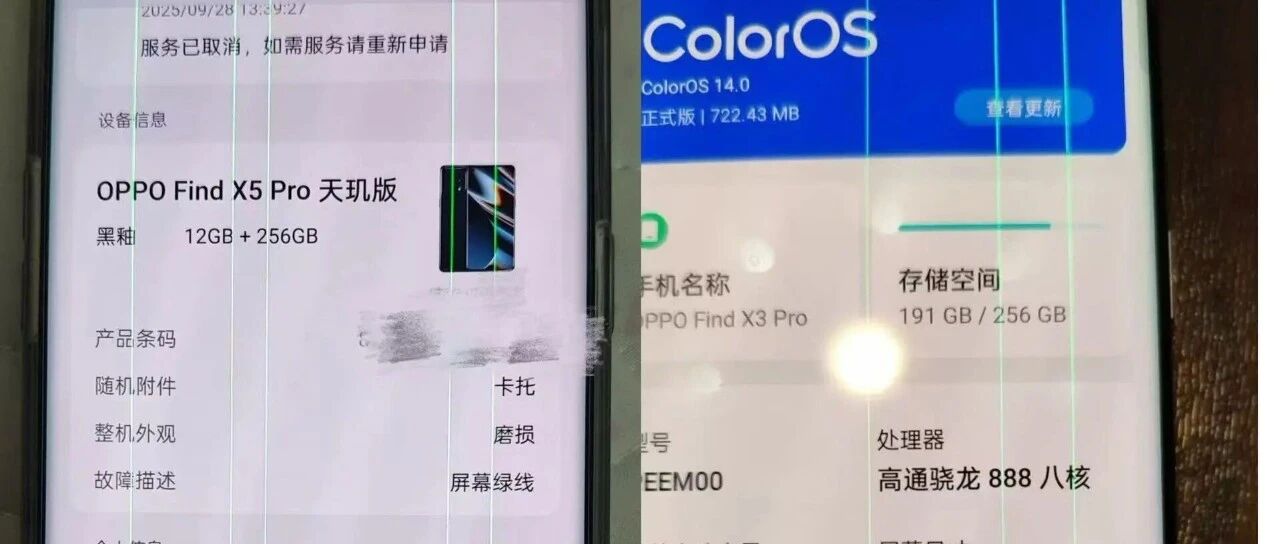
Group 1: Consumer Electronics and After-Sales Service - A consumer rights movement has emerged due to the "green line" issue affecting multiple smartphone brands, including OPPO, OnePlus, vivo, Samsung, Xiaomi, and Huawei, highlighting dissatisfaction with after-sales policies [2] - Consumers are facing difficulties in obtaining free screen replacements, with varying responses from different service centers, leading to a crisis of trust in the brands [2] - Users are demanding a transparent and fair after-sales system rather than just free repairs, emphasizing the need for respect and clarity in consumer service [2] Group 2: Display Technology and Intellectual Property - BOE and Samsung have reached a settlement regarding OLED patent disputes, which will help promote healthy development in the global display industry [3] Group 3: Semiconductor Industry - Intel's CEO expressed optimism about long-term opportunities in the Chinese market, emphasizing collaboration with over 15,000 partners and adapting to local demands [4] - Intel is shifting from large, complex chip designs to smaller, modular designs, which may impact its competitive position in China [4] Group 4: Gaming Industry Innovations - Ubisoft announced its first generative AI game project, enhancing NPC interactions in first-person shooter games, which aims to improve player immersion [5] - Unity and Epic Games have formed a partnership to integrate Unity games into the Fortnite ecosystem, allowing developers to reach 500 million registered users [6] Group 5: AI and Research Development - The Zhiyuan Research Institute unveiled its research layout in the field of embodied intelligence, focusing on creating a collaborative and standardized ecosystem for technology advancement [7] - Physical Intelligence (PI) completed a $600 million funding round, raising its valuation to $5.6 billion, indicating strong investor interest in its technology [9] Group 6: Data and AI in Urban Development - Neusoft Group has established a data value research center in Fuzhou, aiming to integrate data and AI to enhance urban infrastructure and economic development [8] Group 7: Environmental Standards in Appliances - A new national standard for the use of recycled materials in home appliances has been approved, set to take effect in May 2026, promoting green and low-carbon development in the industry [10]


芯片涨价潮,来了
半导体行业观察· 2025-11-23 03:37
Core Viewpoint - The storage chip industry is experiencing a significant price surge driven by unprecedented demand from AI applications and a supply reduction, marking a strong recovery in the sector [1][4][15]. Price Surge in Storage Chips - The price of DDR5 chips increased by 102% within a month, while DDR4 saw a rise of over 90% [1][3]. - Samsung's DDR5-5600 (16GB) DRAM price tripled from 69,000 KRW to 208,050 KRW in two months, with contract prices for server memory chips raised by 30% to 60% [3][4]. - NAND spot prices rose approximately 50% over six months, while DRAM spot prices surged by 300%, significantly exceeding the growth seen during the 2016-2018 storage cycle [3][4]. Supply and Demand Dynamics - The core reason for the price increase is the dual impact of surging demand and reduced supply, with major manufacturers reallocating capacity to higher-margin products like HBM and DDR5, resulting in a 25% reduction in traditional storage supply [4][12]. - AI server requirements are driving demand, with DRAM usage in AI servers being about eight times that of traditional servers, and NAND Flash usage three times higher [4][12]. Impact on the Semiconductor Industry - The price increase in storage chips is causing a ripple effect across the semiconductor industry, affecting GPUs, SoCs, and passive components [6][8]. - GPU prices are expected to rise as manufacturers like NVIDIA and AMD prepare to increase graphics card prices due to the rising costs of GDDR memory linked to storage chips [6][7]. - The cost of passive components is also rising, with companies like Fenghua High-Tech announcing price increases of 5% to 30% due to higher raw material costs [8][9]. Market Reactions and Adjustments - Smartphone manufacturers are delaying storage chip purchases due to soaring prices, with some companies reducing RAM specifications to manage costs [10][11]. - The low-end smartphone market may face significant challenges, potentially leading to production bottlenecks and increased losses for entry-level models [11][12]. Long-term Industry Outlook - Morgan Stanley predicts that the storage industry will enter a "super cycle" driven by AI, with global storage revenue expected to reach $200 billion by 2025 and nearly $300 billion by 2027 [15]. - The price surge is expected to create structural differentiation in the market, with high-end chips remaining in tight supply while mid-range chips may face price adjustments by 2026 [15][16].





东莞适合培育哪些AI+硬件新物种?专家学者齐聚人才周论道
Nan Fang Du Shi Bao· 2025-11-22 14:58
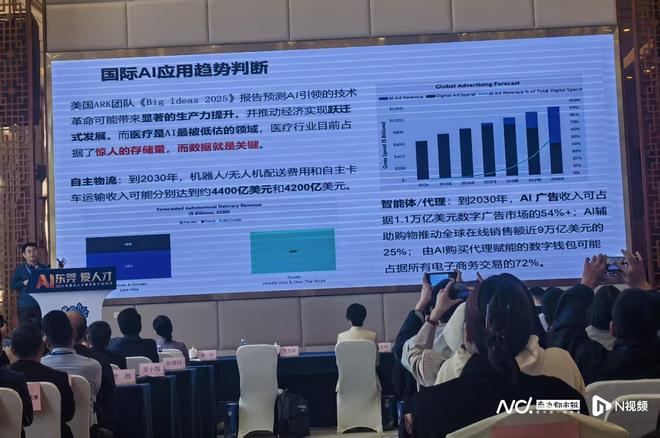
Core Insights - The 2025 Dongguan High-Level Talent Week has officially commenced, focusing on AI's role in empowering the manufacturing industry for high-quality development [1] - The event features discussions among international academicians and industry experts on the integration of AI and manufacturing, highlighting Dongguan's unique advantages and pathways for development [2][4] Group 1: AI and Manufacturing Integration - Dongguan is recognized as an ideal testing ground for AI technology due to its robust manufacturing base, with a complete industrial chain covering electronics, intelligent equipment, and robotics [4] - The robot industry in Dongguan has surpassed a value of 50 billion, accounting for one-fifth of the national total [4] - There is a strong willingness among small and medium-sized enterprises (SMEs) to transform, with leading companies like Huawei, VIVO, and OPPO driving technological upgrades [4] Group 2: Talent Development and Challenges - The development of "AI + manufacturing" is supported by a well-structured industrial chain, dual policy support from national and local governments, and a talent ecosystem led by the Greater Bay Area University [6] - Challenges include a shortage of composite talent in AI and manufacturing, lack of unified technical standards, and emerging risks related to industrial data security and AI ethics [6] - Proposed solutions involve educational reforms, targeted talent recruitment, and collaborative efforts between academia and industry to establish joint laboratories and training platforms [6] Group 3: Future Directions - Experts agree that Dongguan should leverage its strong hardware manufacturing capabilities combined with AI algorithms to create new industrial "species" [7] - The competition for AI talent is intensifying, prompting calls for systematic and precise promotion of Dongguan's favorable talent policies [7] - The integration of real industry projects into educational curricula is seen as a way to enhance students' problem-solving skills and innovation drive [7] Group 4: Strategic Positioning - Dongguan is positioned at the forefront of AI-enabled manufacturing, with the right combination of timing, industry chain completeness, and talent policies [8] - The collaboration among government, enterprises, and educational institutions is viewed as essential for maximizing the potential of AI in manufacturing [8]
三星瑕疵屏幕引爆手机业“绿线门”,大厂售后按闹分配被吐槽
第一财经· 2025-11-21 12:19
Core Viewpoint - The article discusses the recent consumer rights movement triggered by the "green line" issue in smartphone screens, affecting major brands like OPPO, Vivo, Samsung, Xiaomi, and Huawei, highlighting the dissatisfaction with after-sales service and warranty policies [3][4][14]. Group 1: Consumer Complaints and After-Sales Service - The "green line" issue is primarily a reliability problem with the screens, not due to user damage, leading to widespread consumer complaints [4][14]. - Different manufacturers have varying after-sales policies, with OPPO and Vivo offering around four years of warranty, while Xiaomi and Huawei typically provide one year [7]. - OPPO announced free screen replacements for devices with green line issues within four years of purchase, but consumers report difficulties in obtaining this service due to strict requirements like providing purchase invoices [7][8]. Group 2: Variability in Service Execution - There are inconsistencies in after-sales service across different locations, even within the same brand, leading to confusion and frustration among consumers [11][12]. - Some users have successfully obtained free replacements through persistent complaints, while others have faced high repair costs or outright denial of service [8][10]. - The article notes that even when brands have announced policies for free or discounted repairs, the execution often varies significantly, leading to a lack of transparency and fairness in the process [12][18]. Group 3: Technical Background of the Issue - The green line problem is a common defect in OLED screens, potentially caused by issues like chip detachment or circuit failure, and has been reported across various models from different manufacturers [14][16]. - The issue has been particularly prevalent in devices using specific batches of Samsung screens, which have been linked to the recent surge in complaints [16][17]. - The article emphasizes that the reliability of OLED screens can be affected by environmental conditions, with higher incidences reported during warmer months [17].

三星瑕疵屏幕引爆手机业“绿线门”,大厂售后按闹分配被吐槽
Di Yi Cai Jing· 2025-11-21 11:25
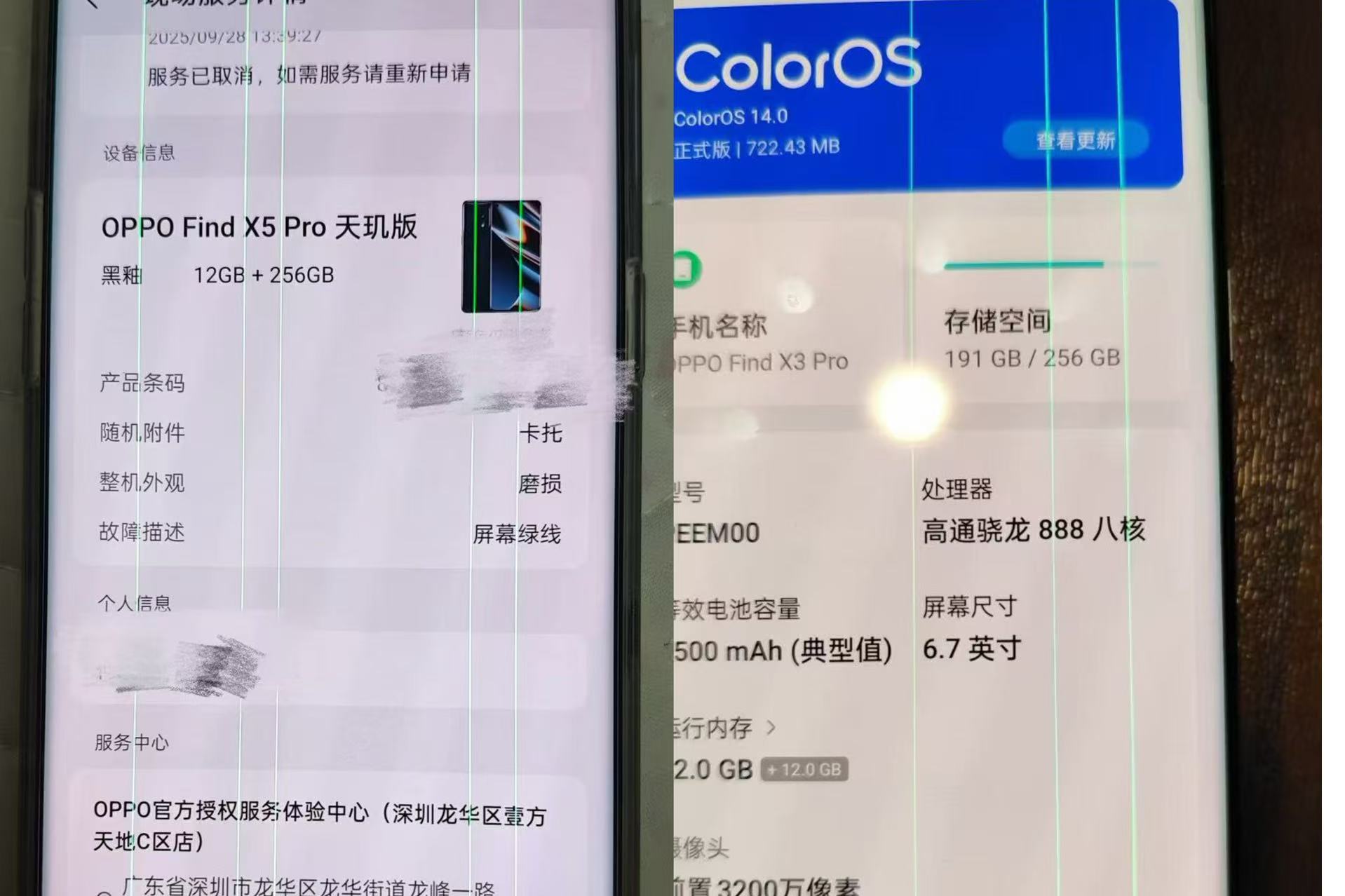
Core Viewpoint - The article discusses the consumer rights issues arising from the "green line" problem in smartphone screens, affecting major brands like OPPO, Vivo, Samsung, Xiaomi, and Huawei, highlighting the inconsistent after-sales service and warranty policies among these manufacturers [1][9]. Group 1: After-Sales Service Policies - OPPO and Vivo offer a warranty period of around four years, while Xiaomi, Huawei, and Honor typically provide one year of warranty service [3]. - OPPO announced free screen replacement for devices with green line issues within four years of purchase, while users with devices older than four years can receive discounted repair services [3]. - There are significant discrepancies in after-sales service experiences among OPPO users, with some receiving free replacements while others are denied service due to lack of purchase receipts [4][5]. Group 2: Consumer Complaints and Experiences - Many consumers report unreasonable demands for proof of purchase, such as requiring original receipts and packaging, which complicates the warranty claim process [4][8]. - Some users have successfully obtained free screen replacements after escalating complaints through various channels, despite being initially denied service [4][5]. - The article notes that even within the same brand, different service centers may apply different policies regarding the green line issue, leading to confusion and frustration among consumers [7][8]. Group 3: Technical Background of the Issue - The green line issue is a common fault in OLED displays, potentially caused by various factors such as chip failure or circuit issues [9][11]. - The problem has been linked to specific batches of screens supplied by Samsung, affecting multiple smartphone models [11]. - High temperatures and humidity are noted as conditions that can exacerbate the green line problem, with summer months being particularly problematic [12]. Group 4: Industry Response and Consumer Trust - There is a growing consumer expectation for a transparent and fair after-sales service system, especially in light of the marketing claims of high-quality products [13]. - The article emphasizes that the lack of a unified standard in after-sales service undermines consumer trust, as users feel that the service does not match the promised product quality [13].


集体“抗税”大势已成,游戏厂商终于迎来低抽成时代?
Sou Hu Cai Jing· 2025-11-21 09:27
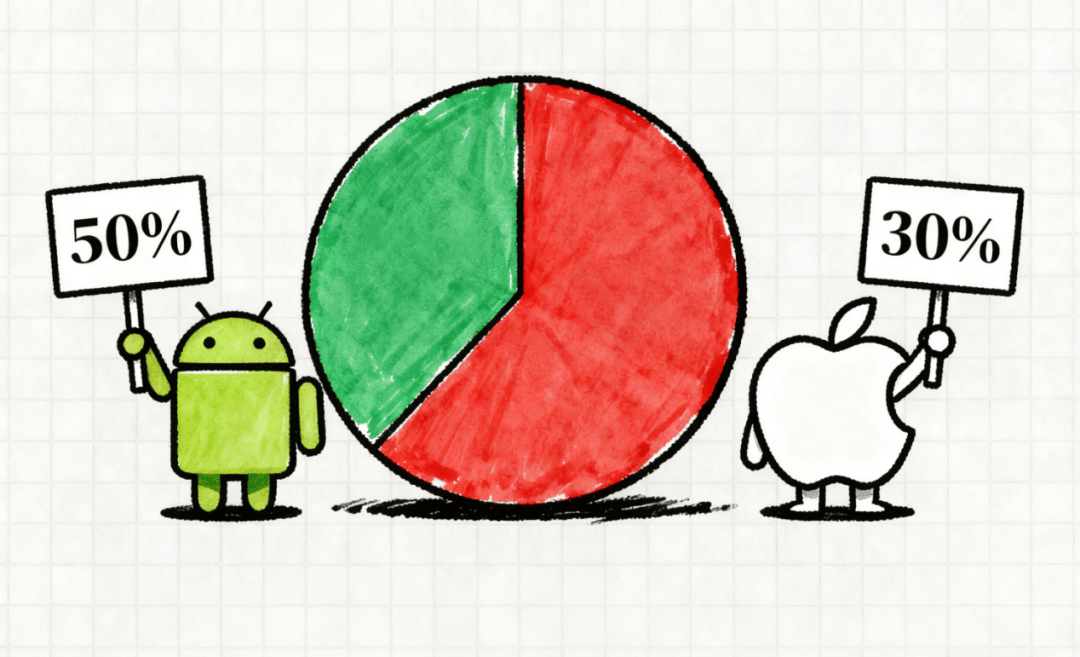
Core Insights - The "revenue share dispute" between Apple and Tencent has reached a resolution, with Apple agreeing to a 15% revenue share for in-app purchases in Tencent's mini-games, significantly lower than the standard 30% [2] - This new agreement signals a positive shift for game developers, who have long struggled with high revenue share percentages imposed by both iOS and Android platforms [2][8] - The change in revenue share is expected to lead to a more optimized and restructured industry ecosystem, providing game companies with greater autonomy in revenue distribution [2][8] Group 1: Apple and Tencent Agreement - Apple will implement a 15% revenue share for Tencent's in-app purchases starting in 2024, down from the usual 30% [2] - This agreement is seen as a significant concession by Apple and may influence Android channels to follow suit in reducing their revenue share percentages [8] - The new revenue share model is anticipated to enhance the competitive environment for game developers, allowing for fairer competition [8] Group 2: Industry Context and Reactions - The high revenue share model has historically placed a heavy burden on game developers, with Android channels often charging up to 50% [2][5] - Companies like NetEase have begun to push back against these high fees, with CEO Ding Lei expressing dissatisfaction with the 50% share in the Chinese Android ecosystem [5][6] - The emergence of alternative distribution methods, such as direct downloads and partnerships with third-party platforms, is becoming more common among leading game developers [6][9] Group 3: Future Implications for Channels - The traditional high revenue share model is becoming increasingly outdated, as game developers gain more negotiating power [9][11] - Mobile channel providers must reassess their strategies, moving from a reliance on traffic to offering unique services to maintain partnerships with game developers [11][13] - The industry is witnessing a shift towards a new channel era focused on user experience and ecosystem services, driven by innovations like cloud gaming and AI [13]



东兴证券晨报-20251121
Dongxing Securities· 2025-11-21 09:06
Core Insights - The report highlights a significant increase in electricity consumption in October, with a total of 857.2 billion kWh, representing a year-on-year growth of 10.4% [2] - The Chinese smartphone market experienced a notable recovery in October, with overall sales increasing by 8% year-on-year, driven by strong performances from brands like Apple and Xiaomi [5] - The airline industry showed positive trends in October, with an increase in passenger load factors and capacity deployment, indicating a favorable supply-demand relationship [7][8] Electricity Consumption - In October, the total electricity consumption reached 857.2 billion kWh, with the first industry consuming 12 billion kWh (up 13.2%), the second industry 568.8 billion kWh (up 6.2%), and the third industry 160.9 billion kWh (up 17.1%) [2] - Cumulative electricity consumption from January to October was 8,624.6 billion kWh, reflecting a year-on-year increase of 5.1% [2] Smartphone Market - The smartphone market in China saw a significant uptick in October, with Apple leading the market with a 37% year-on-year increase in sales, capturing a 25% market share [5] - Xiaomi ranked second for the first time in over a decade, with a 7% increase in sales, attributed to its diverse product offerings [5] - OPPO also contributed to market growth with a 19% increase in sales, while other brands like vivo and Honor experienced minor fluctuations [5] Airline Industry - Domestic airline capacity increased by approximately 3.6% year-on-year in October, with a corresponding rise in passenger load factors by about 1.8 percentage points [8] - International airline capacity saw a year-on-year increase of 14.3%, with a slight rise in load factors, indicating a healthy demand despite some overcapacity risks [9] - The report notes that the recent travel advisories may impact demand for certain international routes, particularly to Japan [10][11] Financial Sector - The report indicates a continued decline in social financing growth, with a year-on-year increase of 8.5% as of October, reflecting a slowdown in credit demand [14][15] - The total new RMB loans in October amounted to 220 billion, with a year-on-year decrease of 280 billion, highlighting a weak credit environment [16] - The M1 growth rate decreased to 6.2%, while M2 grew by 8.2%, indicating a trend towards "de-banking" in the financial sector [18]
OPPO Reno15 系列发布,潮流实况玩法“超出圈”
Jing Ji Wang· 2025-11-21 08:33
Core Viewpoint - OPPO has officially launched the new Reno15 series smartphones, including the Reno15 Pro and Reno15, emphasizing their advanced imaging capabilities and innovative features aimed at young users [1] Design and Aesthetics - The design of the Reno15 series is inspired by ballet aesthetics, incorporating a "butterfly knot" symbol, and features a holographic engraving process for a 3D effect on the back [3] - The series maintains a compact design with a narrow bezel of 1.15mm for an immersive display experience, while also ensuring durability with IP66/IP68/IP69 water resistance ratings [3] Imaging and Photography Features - Both Reno15 and Reno15 Pro are equipped with a powerful quad-camera system, including a 200MP main camera, 50MP periscope telephoto, 50MP ultra-wide, and a 50MP front camera, catering to all photography needs [5] - The series introduces the "out-of-circle live mosaic" feature, allowing users to creatively combine multiple live photos with advanced AI algorithms for enhanced storytelling [5][6] Live Streaming and Gaming Capabilities - The Reno15 Pro is optimized for live streaming with features like advanced stabilization, professional-grade audio capture, and a unique "AI live highlight slice" function for easy content creation [8] - It is powered by the Dimensity 8450 chip, ensuring smooth performance during gaming and streaming, supported by advanced cooling technologies [8] Ecosystem and Connectivity - The Reno15 series supports cross-ecosystem connectivity with Apple devices, enabling seamless notifications and multi-window experiences for enhanced productivity [9] Pricing and Variants - The Reno15 Pro is available in three color options with various configurations priced between 3699 to 4799 yuan, while the Reno15 offers options priced from 2999 to 3999 yuan [9]

X @𝘁𝗮𝗿𝗲𝘀𝗸𝘆
𝘁𝗮𝗿𝗲𝘀𝗸𝘆· 2025-11-21 02:03
Product Release - The report questions the absence of the OPPO Find N6 release [1]