古茗

Search documents
日本抹茶告急,贵州小城狂飙!铜仁正在成为下一个“宇治”?
创业邦· 2025-07-11 03:17
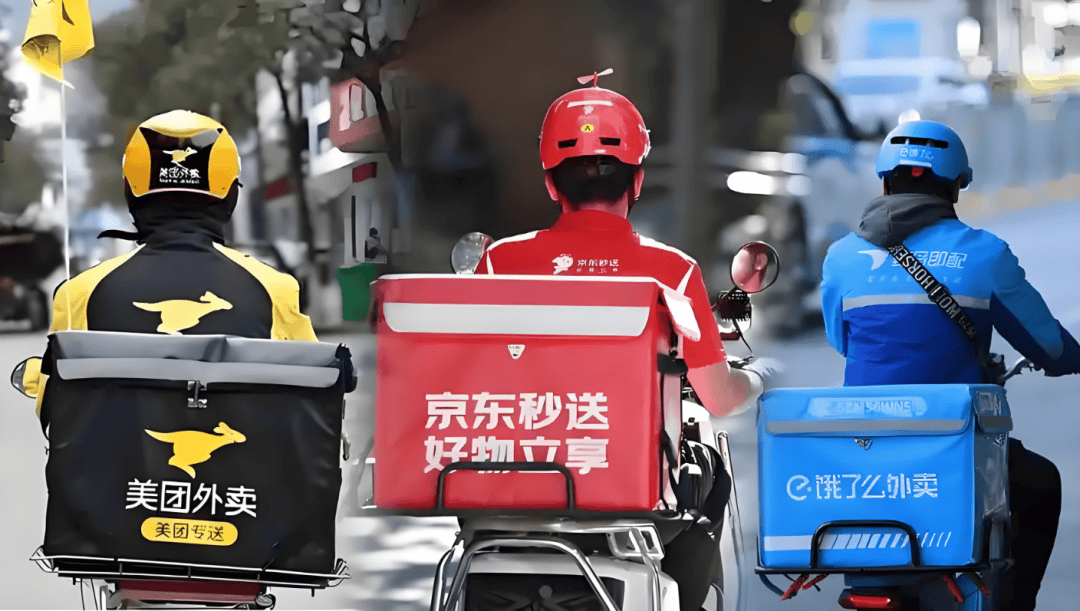
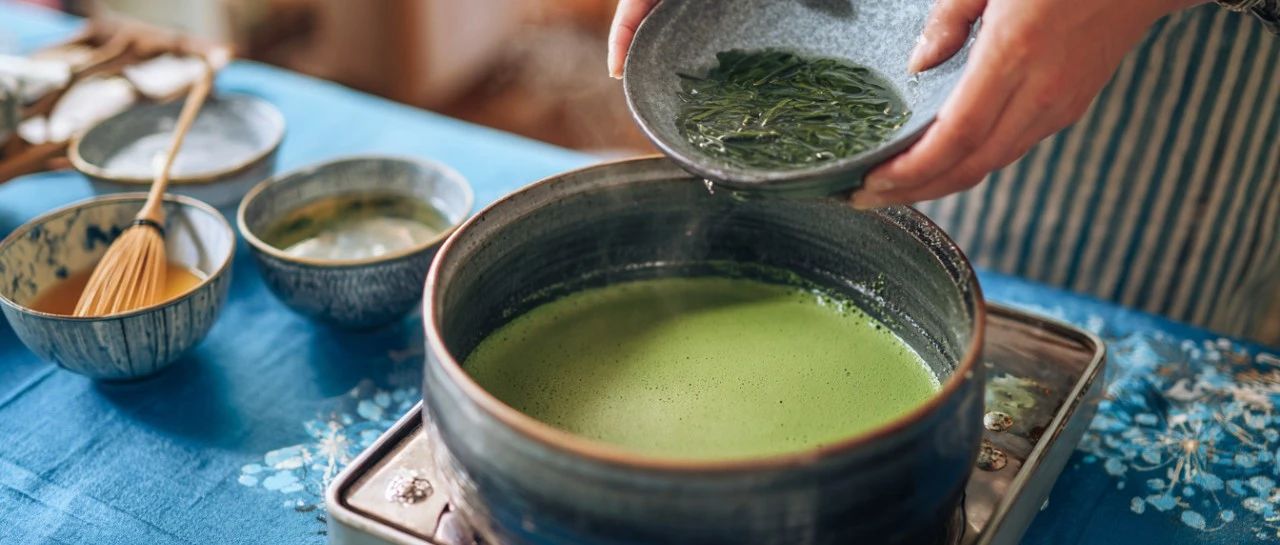
Core Viewpoint - The article discusses the global attention on the shortage of Japanese matcha and highlights the rise of Guizhou, China, as a potential new center for matcha production and consumption, driven by increasing demand and supply constraints in Japan [4][8][10]. Group 1: Japanese Matcha Shortage - In June, a BBC author witnessed matcha powder selling out within five minutes at a famous shop in Uji, Japan, indicating a surge in demand [5]. - The demand for matcha is significantly increasing due to a tourism boom, with a projected 36.87 million visitors to Japan in 2024, a 47% increase year-on-year [7]. - The mismatch between supply and demand has led to a shortage of Japanese matcha, prompting some brands to limit purchases [8]. Group 2: Rise of Guizhou as a Matcha Producer - Guizhou has become the largest matcha producer and consumer in the world, with Tongren City contributing to 25% of China's matcha production [9]. - Guizhou's matcha production has rapidly scaled in the past decade, with Guizhou's Guicha Group producing over 1,000 tons of matcha in 2023, equivalent to 25% of Japan's total matcha production [15]. - In 2025, Guizhou exported 4 tons of matcha to Japan, with expectations for further exports, establishing itself as a supplier for major brands like Starbucks and Haidilao [16]. Group 3: Cultural and Market Development - Guizhou's matcha industry is still in its early stages of brand building and cultural integration, needing to develop a cohesive aesthetic experience similar to Uji's [49][50]. - The local government is promoting the integration of matcha culture with tourism, aiming to create a comprehensive experience for visitors [50]. - The collaboration with new retail enterprises like Hema is helping Guizhou matcha reach a broader audience, enhancing its visibility and market presence [31][32].

继续爆单!“做不完,根本做不完!”台州店家都干懵了……
Huan Qiu Wang Zi Xun· 2025-07-11 00:04
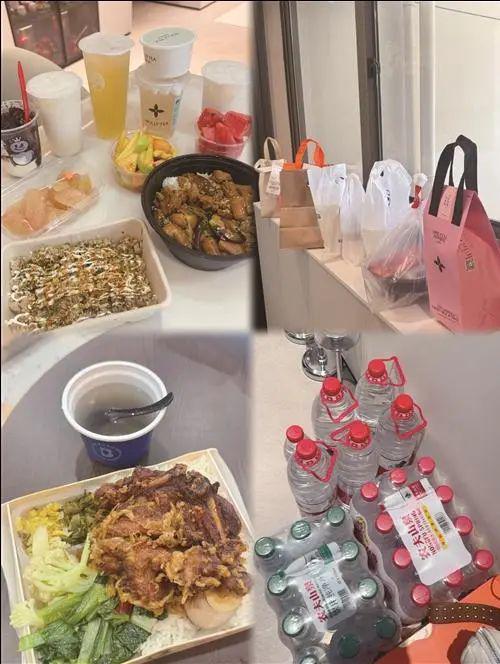
Core Viewpoint - The recent "subsidy war" in the food delivery market has led to unprecedented discounts, significantly increasing order volumes and consumer excitement in Taizhou, with platforms like JD, Meituan, and Ele.me competing aggressively [1][2][7]. Consumer Experience - Consumers have reported experiencing substantial discounts, with offers such as "18 yuan off 18 yuan" and even zero-cost meals becoming common [2][4]. - One consumer shared that they spent only 0.4 yuan on a drink and 8.3 yuan on a meal due to these discounts, highlighting the extreme affordability during this period [5][6]. Market Dynamics - The food delivery platforms have seen a surge in order volumes, with Taobao Flash Purchase and Ele.me reporting over 80 million daily orders, including more than 13 million non-food orders [9]. - Despite the initial high level of subsidies, there has been a noted decrease in discount intensity as of July 9, yet order volumes remain high, particularly for popular chain restaurants and beverage shops [7][9]. Industry Impact - The surge in orders has overwhelmed many businesses, with some reporting daily orders increasing by 20 to 30 [9]. - While the profit margins for coffee shops have remained stable, the competition has pressured the profit margins of chain restaurants and other food services [10].


茶饮店爆单后,股价飘红但未持续
Nan Fang Du Shi Bao· 2025-07-10 23:18
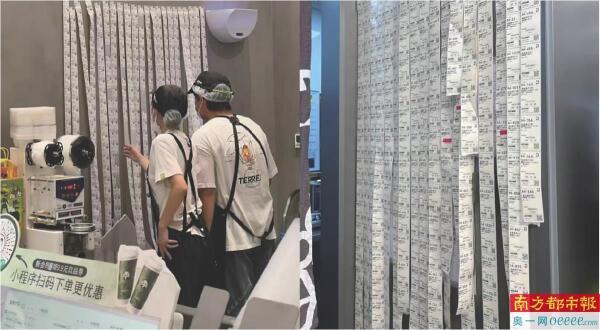
Group 1 - The core event was a significant increase in sales for tea beverage brands during a weekend promotion, with one brand reporting over 630 million yuan in total sales and individual store sales reaching 54,000 yuan per day [2] - Multiple tea beverage brands reported over 1 million orders across their national stores within the same two-day period [2] - On July 7, following the sales surge, stock prices for several listed tea beverage companies rose, with increases ranging from 3.95% to 11.04% [4] Group 2 - The three major food delivery platforms (Meituan, Ele.me, and JD) collectively processed over 200 million orders on July 5, indicating a substantial rise in demand due to increased subsidies [3] - Taobao Shanguo launched a subsidy plan worth 50 billion yuan, resulting in a 190% increase in orders for restaurant chain brands during its first week [3] - Meituan reported over 1.2 million orders on July 5, with more than 1 million being restaurant orders, highlighting the peak demand during the weekend [3] Group 3 - Analysts suggest that while promotional events can temporarily boost sales, they may not contribute to long-term brand loyalty and can lead to significant operational challenges [5] - Concerns were raised about employee dissatisfaction due to increased workloads during promotional periods, which could impact food safety and service quality [5] - Some tea beverage brands did not provide specific sales data post-promotion, indicating a lack of transparency in reporting [5]

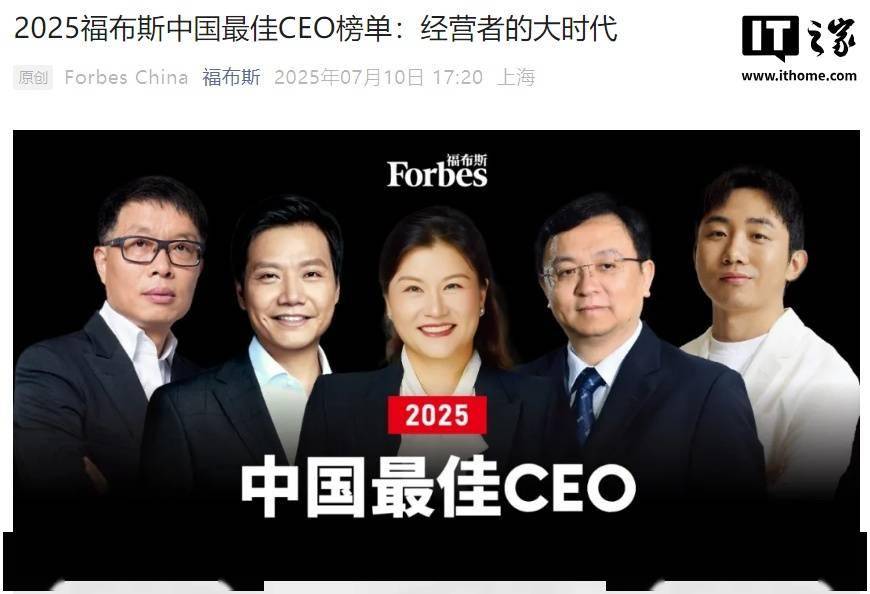
2025福布斯中国最佳CEO榜单公布,马化腾、雷军、王传福等入选
Sou Hu Cai Jing· 2025-07-10 10:10
IT之家 7 月 10 日消息,2025 福布斯中国最佳 CEO 榜单于今日正式发布,今年一共有 25 位 CEO 首次入选,19 位 CEO 蝉 联榜单席位。此外,更年轻的 80 后 CEO 人数也在本届榜单中达到了创纪录的 9 位,是两年前的三倍。 本届榜单中,50 位 CEO 所带领的公司在业绩考核期内股价平均上涨 79%,最近财务年度的净利润平均增长率也超过了 50%。 从股东回报角度看,今年最能代表阿尔法收益的 CEO 是来自于泡泡玛特的王宁。与其去年首次上榜时相比,泡泡玛特的净 利润再增 3 倍达到 34 亿人民币,股价则翻了 9 倍,公司总市值跨上 3000 亿人民币大关。中国文创与 IP 经营公司们正值业 绩爆发关键期,光线传媒王长田、阅文集团侯晓楠也于今年首登福布斯中国最佳 CEO 榜单。 除王宁外,今年的福布斯中国最佳 CEO 榜单还有 18 位连续入选者,其中包括小米集团雷军、美的集团方洪波、中微公司 尹志尧等。 IT之家注意到,作为榜单"常客"的王传福已连续第五年蝉联"最佳 CEO"头衔。在他的带领下比亚迪还在加速向前:2025 年 一季度,比亚迪实现了 1703.6 亿元人民币营收, ...
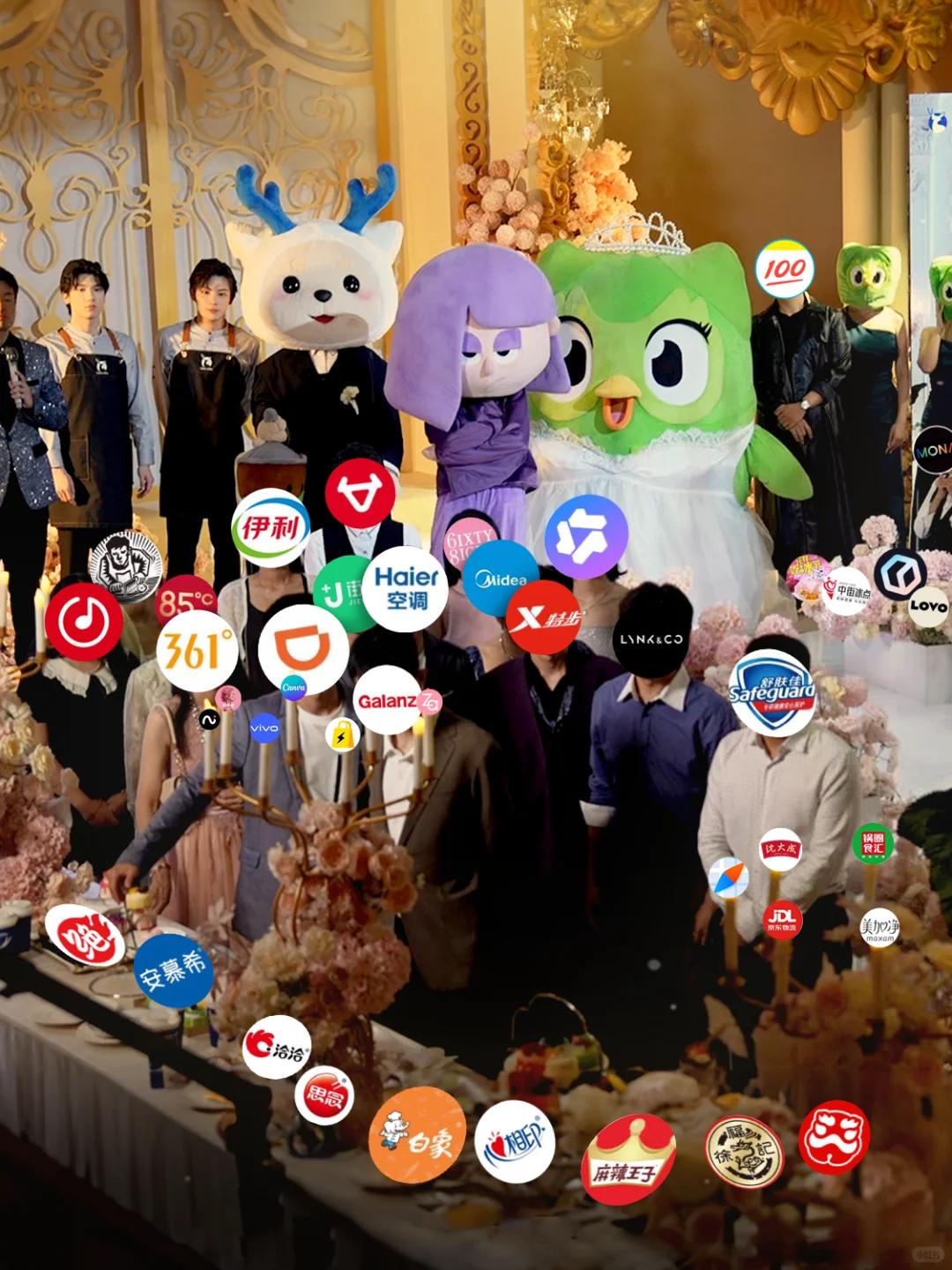
瑞幸多邻国赢麻了,但“联名”这门生意越来越不好做了
3 6 Ke· 2025-07-10 10:04
Core Insights - The collaboration between Luckin Coffee and Duolingo is highlighted as a successful example of "breaking the circle" in marketing, effectively engaging young consumers through creative strategies and social media interactions [1][2][4] - Despite the success of this partnership, the overall co-branding marketing landscape is struggling, with many brands failing to create impactful collaborations that resonate with consumers [2][4][5] Group 1: Current State of Co-Branding Marketing - Co-branding marketing is experiencing a downturn, with many brands unable to replicate past successes, leading to a perception of sameness and lack of innovation [4][5][10] - The frequency of co-branding events has increased, particularly in the new tea beverage sector, with 72 collaborations reported in the first half of the year, indicating brands still view co-branding as a key strategy for market engagement [1][4] - Many brands are now facing consumer fatigue due to the oversaturation of co-branding efforts, resulting in diminished excitement and interest [5][7][8] Group 2: Consumer Perception and Market Dynamics - Consumers are experiencing a decline in novelty regarding co-branding, as frequent collaborations have turned from exciting surprises into commonplace occurrences [5][7][8] - The high frequency of co-branding initiatives has led to a loss of consumer curiosity and patience, with many collaborations perceived as uninspired and lacking creativity [7][8][10] - The current co-branding landscape is characterized by a lack of unique and innovative ideas, with many brands following trends rather than creating meaningful connections [10][11] Group 3: Strategic Recommendations for Brands - Successful co-branding requires a shift from short-term gains to long-term value creation, focusing on deeper connections between brands rather than superficial collaborations [11][13][17] - Brands should prioritize strategic alignment and shared values when selecting co-branding partners to enhance the overall impact and relevance of their collaborations [13][14][17] - The ultimate goal of co-branding should be to provide consumers with unique experiences and emotional connections, moving beyond mere product offerings to create memorable interactions [14][16][17] Group 4: Conclusion and Future Outlook - The co-branding marketing sector is at a critical juncture, facing challenges such as consumer fatigue, market saturation, and a lack of innovative strategies [18] - The key to revitalizing co-branding efforts lies in returning to the essence of marketing: creating and delivering value, fostering emotional connections, and building sustainable brand equity [18][19] - For co-branding to evolve from a fleeting trend to a meaningful marketing strategy, brands must focus on long-term relationships and authentic consumer engagement [18][19]

外卖大战的尽头,是骑手和商家的眼泪
3 6 Ke· 2025-07-10 09:26
Core Viewpoint - The recent competition among food delivery platforms has led to increased consumer reliance on delivery services, but it has also resulted in delays and operational inefficiencies, particularly in the delivery of non-beverage items [1][20][32]. Group 1: Market Dynamics - The food delivery market is experiencing a new wave of competition, with platforms like Taobao and Meituan engaging in aggressive subsidy wars, reminiscent of past battles in the industry [4][16]. - Taobao has announced a substantial subsidy of 50 billion yuan over a year, significantly impacting order volumes, particularly for beverages like coffee and milk tea, which saw a surge of over 200% in order volume [4][5][17]. - The competition has led to a situation where the majority of orders are concentrated in the beverage category, causing operational strain on delivery services and restaurants [6][14][24]. Group 2: Consumer Behavior - Consumers are increasingly drawn to low-cost beverage options due to substantial subsidies, leading to a spike in orders that outstrip the capacity of many beverage outlets [14][23]. - The low price point of beverages makes them highly elastic in demand, allowing consumers to order more frequently, which exacerbates delivery delays for other food categories [14][22][26]. - The phenomenon of consumers hoarding beverages during promotional periods has been noted, indicating a shift in purchasing behavior driven by discounts [9][11]. Group 3: Operational Challenges - The influx of orders, particularly for beverages, has overwhelmed many restaurants and delivery personnel, leading to significant delays in service and a decline in on-time delivery rates [20][24][30]. - The operational inefficiencies have resulted in delivery personnel being stuck in long queues at beverage outlets, which detracts from their ability to fulfill other food orders in a timely manner [24][25]. - The competition has led to some restaurants temporarily halting their delivery services due to the inability to manage the surge in orders effectively [25][26]. Group 4: Strategic Implications - The current focus on beverage orders undermines the platforms' broader strategic goals of diversifying their offerings beyond food delivery to include instant retail [15][17]. - The heavy reliance on beverage orders may hinder the platforms' ability to establish a reputation for reliable delivery of a wider range of products, potentially limiting future growth [15][20]. - The ongoing subsidy wars may create a temporary boost in consumer engagement but could lead to long-term operational challenges and resource misallocation [19][36].

几块钱的暴利生意,又杀回来了
投中网· 2025-07-10 06:28
Core Viewpoint - The article discusses the phenomenon of consumption downgrade in summer ice products, highlighting the shift from high-priced items to more affordable options, and the emerging business opportunities within this trend [3][5][10]. Group 1: Ice Products Market Trends - The summer ice product market has seen a significant shift, with high-priced items like premium ice creams and drinks being replaced by more affordable options such as ice cups and simple homemade ice drinks [3][4][5]. - Ice cups have become a new competitive hotspot for various brands, with sales of ice cups in convenience stores like Nongfu Spring reaching 4.5 yuan per cup, which is seven times the price of bottled water [6][10]. - The market for ice cups has experienced over 300% growth for two consecutive years, with urban consumers averaging 48 cups per year, surpassing traditional beverages like coffee [6][10]. Group 2: Lemon Market Dynamics - The price of lemons has surged significantly, with reports indicating a 3-5 times increase compared to the previous year, driven by supply shortages due to adverse weather conditions [12][14]. - Major tea brands with their own lemon production bases have managed to control costs, while smaller brands are struggling to maintain profitability due to rising lemon prices [12][14]. - The upcoming harvest season in September and October is expected to bring some relief to lemon prices, although high prices may persist for the next couple of months [13][14]. Group 3: DIY Ice Drinks and Social Media Influence - The trend of DIY ice drinks has gained immense popularity on social media platforms, with over 40,000 related posts on Xiaohongshu and 40 million views on Douyin [17][18]. - Convenience stores are capitalizing on this trend by offering a variety of ice cup flavors and products, positioning themselves as key players in the DIY ice drink market [17][18]. - The synergy between ice cups, fruits like lemons, and beverages has created a thriving summer commercial ecosystem, appealing particularly to younger consumers [18][19]. Group 4: Future Opportunities - There are significant untapped commercial opportunities in the ice cup market, especially as it expands into lower-tier cities and towns [20]. - The ability to provide emotional value to consumers, similar to what ice cups offer, will be crucial for businesses looking to succeed in a saturated market [20].

中泰国际每日晨讯-20250710
ZHONGTAI INTERNATIONAL SECURITIES· 2025-07-10 01:43
Market Performance - The Hang Seng Index fell by 255 points or 1.1%, closing at 23,892 points[1] - The Hang Seng Tech Index dropped by 1.8%, ending at 5,231 points[1] - Total market turnover reached HKD 233.9 billion, with a net inflow of HKD 9.2 billion through the Stock Connect[1] Sector Highlights - Biopharmaceutical, gaming, engineering machinery, education, and entertainment sectors showed strong performance[1] - Superstar Legend (6683 HK) surged by 94.4%, with a trading volume of HKD 11.49 billion[1] - Hong Kong Travel (308 HK) rose by 19.9%, with a trading volume of HKD 2.64 billion[1] New Listings - Three key new stocks performed well on their debut: Lens Technology (6613 HK) up 9.4%, Geek+ (2590 HK) up 5.4%, and Fortior (1304 HK) up 16.2%[1] - NIO (3750 HK) and Heng Rui Pharmaceutical (1276 HK) both reached new highs, rising by 7.2% and 15.6% respectively[1] Macroeconomic Indicators - China's CPI rose by 0.1% year-on-year in June, marking the first increase in five months[2] - Core CPI increased to 0.7%, the highest since April 2024[2] - PPI fell by 3.6% year-on-year, with production materials down 4.4%[2] Real Estate Market - New home transaction volume in 30 major cities reached 1.89 million square meters, down 1.1% year-on-year, an improvement from the previous week's 23.1% decline[5] - The inventory-to-sales ratio for major cities was 63.1, higher than last year's 59.7 but lower than the previous week's 68.2[7] - Land transaction volume in 100 major cities increased by 15.3% year-on-year, totaling 2.063 million square meters[8]
平台“补贴战” 火了新茶饮 多家茶饮品牌门店爆单股价飙升
Shen Zhen Shang Bao· 2025-07-09 16:34
Core Viewpoint - The recent "takeout subsidy war" initiated by Alibaba and Meituan has significantly boosted the new tea beverage consumption across the country, leading to a surge in stock prices of tea beverage companies in the Hong Kong market [1][2]. Group 1: Market Impact - The introduction of various no-threshold coupons such as "25 yuan off 21 yuan" and "25 yuan off 20 yuan" has ignited a consumption boom in new tea beverages [1]. - As of July 8, 2023, tea beverage stocks saw notable increases, with Cha Bai Dao rising by 5.82% to 11.28 HKD, Nayuki's Tea increasing by 2.53% to 1.62 HKD, and Gu Ming up by 0.36% to 27.7 HKD [1]. - The stock prices of tea beverage brands remained high, with Gu Ming rising by 2.17% to 28.30 HKD and Mi Xue Group increasing by 0.74% to 543.00 HKD as of July 9, 2023 [1]. Group 2: Operational Dynamics - Many tea beverage brands experienced a "surge in orders," with Nayuki reporting multiple stores facing "explosive order" situations, particularly in cities like Shenzhen [2]. - The "takeout war" has positioned tea and coffee consumption as major beneficiaries due to their high frequency, low average transaction value, and stable preparation processes [2]. - Supply chain efficiency has become a core competitive factor, with leading brands like Heytea and Cha Bai Dao leveraging digital supply chain technologies to reduce waste, while smaller brands struggle with technological capabilities [2].
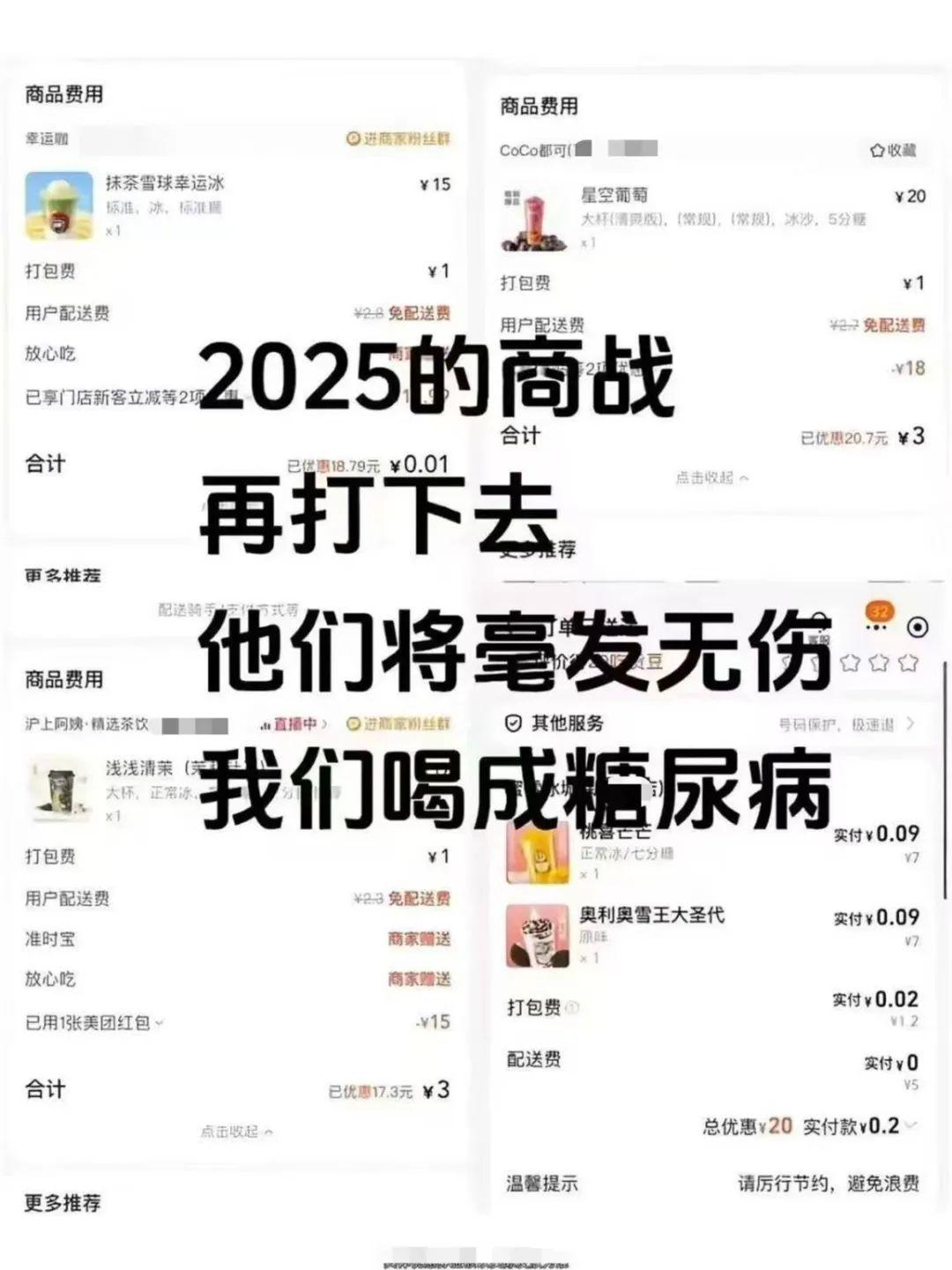
“一天三顿不超过10元”有人把冰箱塞成奶茶仓库……网友:什么时候结束啊(越久越好)
Sou Hu Cai Jing· 2025-07-09 15:27
一杯奶茶到手只需0.5元 "外卖大战的输家已定,是我。"一位网友说道。在连续点了5天外卖后,他打趣道自己像猪一样已经可以"出栏"了。 上周以来,外卖平台补贴大战和天气一样火爆:持续不断的大额外卖券突然频频被塞到用户账户中,"满18减18""满25减22""一天三顿不超过10元",甚至 0元吃喝也不是不可能。有人为了不辜负红包优惠,"一天喝了两杯奶茶""都不做饭了,昨天点了三餐外卖"…… 更重要的是,外卖优惠活动跨平台,从淘宝到美团,消费者逛完一家再逛另一家。以至于在社交媒体上,网友们不是在比拼薅到了多少"羊毛",就是在总 结如何薅到更多"羊毛"。 平台通过巨额补贴令商家"爆单",重点是让越来越多的消费者加入即时零售的消费模式中,迅速扩大即时零售规模。更重要的是,平台的"羊毛"消费者还 能薅多久? 外卖平台优惠券"狂欢" 此次美团与阿里的外卖"大战",茶饮咖啡类依然是红包"补贴"的重点,大量且大额的外卖红包券。其中包括"满25减24""满15减15""满22减18"等多张无门 槛的外卖券。 | 商品费用 | | | | --- | --- | --- | | | | 9进商家粉丝群 | | 浓抹黑珍珠 神抢手 ...