安踏

Search documents
新赛季中国排球超级联赛获专业运动装备支持
Zhong Guo Qing Nian Bao· 2025-12-13 10:26
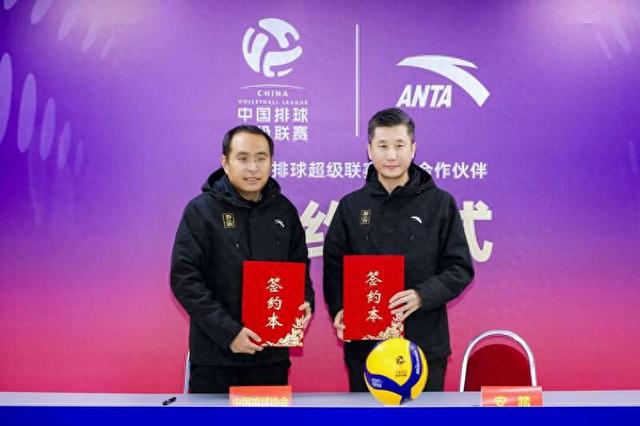
Group 1 - Anta has become the official partner and exclusive designated sports equipment sponsor for the 2025-2026 season of the Chinese Volleyball Super League (CVSL) [1] - Anta will provide sports apparel, footwear, and equipment for 50 clubs in both men's and women's A and B leagues, covering competition, training, and daily life scenarios [2] - The company has launched its first professional volleyball shoe, "Lan Yue," aimed at addressing the long-standing gap in professional volleyball footwear from Chinese brands [2]

网红韩国潮牌,只有一年保鲜期?
创业邦· 2025-12-13 10:08
Core Viewpoint - A new wave of Korean fashion brands is emerging in China, with several new brands rapidly expanding their presence through pop-up events and online channels, while others are facing decline and market exit due to various operational challenges [5][10][36]. Group 1: Emerging Brands and Market Entry - Three new Korean fashion brands, minjiena, lazyz, and fancy club, launched a pop-up event in Shanghai, marking their entry into the Chinese market [5]. - Rest & Recreation opened its first store in mainland China in April and has since expanded to major cities like Beijing and Shanghai [5]. - The brand emis has successfully entered online platforms like Xiaohongshu and Tmall, and is now opening physical stores in key shopping districts [5]. Group 2: Declining Brands and Market Exit - Several previously popular Korean fashion brands are experiencing rapid decline, with Mardi Mercredi closing all its offline stores in China and ceasing its official mini-program [7][8]. - NERDY exited the Chinese market due to disputes with its local distributor, and chuu has also seen a significant drop in store traffic [7]. Group 3: Market Dynamics and Consumer Behavior - The rapid rise and fall of these brands highlight a shortened lifecycle in the market, with trends shifting from two to three years to as little as a few months [10]. - Factors contributing to the rise of Korean fashion brands include the influence of K-pop culture, the desire for unique consumer expression, and the experience of local distributors [10][22]. - However, low brand loyalty and consumer retention issues are evident, as many consumers view these brands as "disposable" or "fast fashion" [10][36]. Group 4: Marketing Strategies and Brand Positioning - The success of these brands is heavily tied to celebrity endorsements and influencer marketing, with many products gaining popularity through association with K-pop idols [12][18]. - The brands also leverage fashion KOLs to enhance visibility and attract consumers, with many influencers participating in store openings and promotional events [25][27]. - Unique design elements and niche branding appeal to younger consumers who prefer individuality over mainstream brands [22]. Group 5: Expansion Strategies and Challenges - Korean fashion brands are rapidly expanding in China, often establishing a presence in major urban centers within one to two years [24]. - The strategy includes a combination of online presence and physical stores in prime locations, with brands like Mardi and Mmlg quickly opening multiple outlets [24][28]. - Collaborations with local distributors have facilitated this rapid expansion, but reliance on these partners poses risks, as seen with NERDY's exit due to distributor conflicts [49]. Group 6: Long-term Viability and Market Risks - The rapid expansion of these brands raises questions about their long-term sustainability, as many struggle to build a solid brand identity and consumer trust [36][39]. - High prices and perceived low quality are concerns for consumers, leading to a lack of repeat purchases and brand loyalty [39][42]. - The competitive landscape is intensifying, with new brands continuously emerging, making it challenging for existing brands to maintain market share [42][55].
2024-2025年度营响大会暨杰出品牌营销年会圆满举行
Zheng Quan Ri Bao Wang· 2025-12-12 06:33
Core Insights - The brand marketing industry is at a crossroads, balancing the maturity of the traffic system and the awakening of brand assets, with a renewed focus on long-termism [1] - The 2024-2025 Annual Marketing Conference highlighted the need for brands to shift from short-term profit strategies to long-term brand value [1][2] - The essence of brand communication is shifting back to deeper connections with people and relationships, rather than just focusing on traffic [2] Group 1: Brand Value and Long-term Strategy - Brands are seen as the only irreplaceable asset for companies, with their uniqueness and deep accumulation being core competitive advantages [2] - The value of a brand is not just reflected in market share but also in its long-term impact on consumer perception [2] - Companies are encouraged to create emotional connections with consumers, moving beyond mere transactional relationships [2][5] Group 2: Evolving Marketing Strategies - The competition among brands is changing, with a focus on multi-touch collaboration and multi-scenario resonance as new growth engines [4] - LILY Business Fashion's marketing strategy exemplifies how to leverage functional value, aesthetic expression, and emotional storytelling to build a new brand premium system [4] - The importance of understanding consumer scenarios rather than just user demographics is emphasized for effective brand growth [4] Group 3: Integration of Technology and Brand Building - The podcast industry is emerging as a core hub for high-quality content, providing a unique emotional connection that AI cannot replicate [3] - AI is reshaping content production capabilities, and brands need to integrate deeply into AI content systems to ensure their values are understood [3] - The shift from "traffic" to "retention" is necessary, as the essence of brand-user connections remains unchanged despite technological advancements [3] Group 4: Cultural and Emotional Engagement - Brands are encouraged to create meaningful interactions that resonate emotionally with consumers, as seen in Natural堂's initiatives that blend traditional culture with new consumption trends [6] - 恒洁's approach to establishing lasting recognition through "beautiful spaces" reflects the importance of creating shareable moments for consumers [6] - The focus on cultural connections and emotional storytelling is becoming a critical aspect of brand value [6][9] Group 5: Cross-Industry Perspectives - A roundtable discussion highlighted the need for brands to anchor their assets vertically while capturing traffic sources horizontally for sustained growth [7] - The importance of maintaining core values and a strong internal culture is emphasized as essential for producing quality products [7] - The evolution of domestic brands in the new consumption wave showcases the significance of long-term strategies over short-term gains [7][8]
即时零售迎“奇点”,巨头激战正酣
Zhong Guo Ji Jin Bao· 2025-12-11 08:32
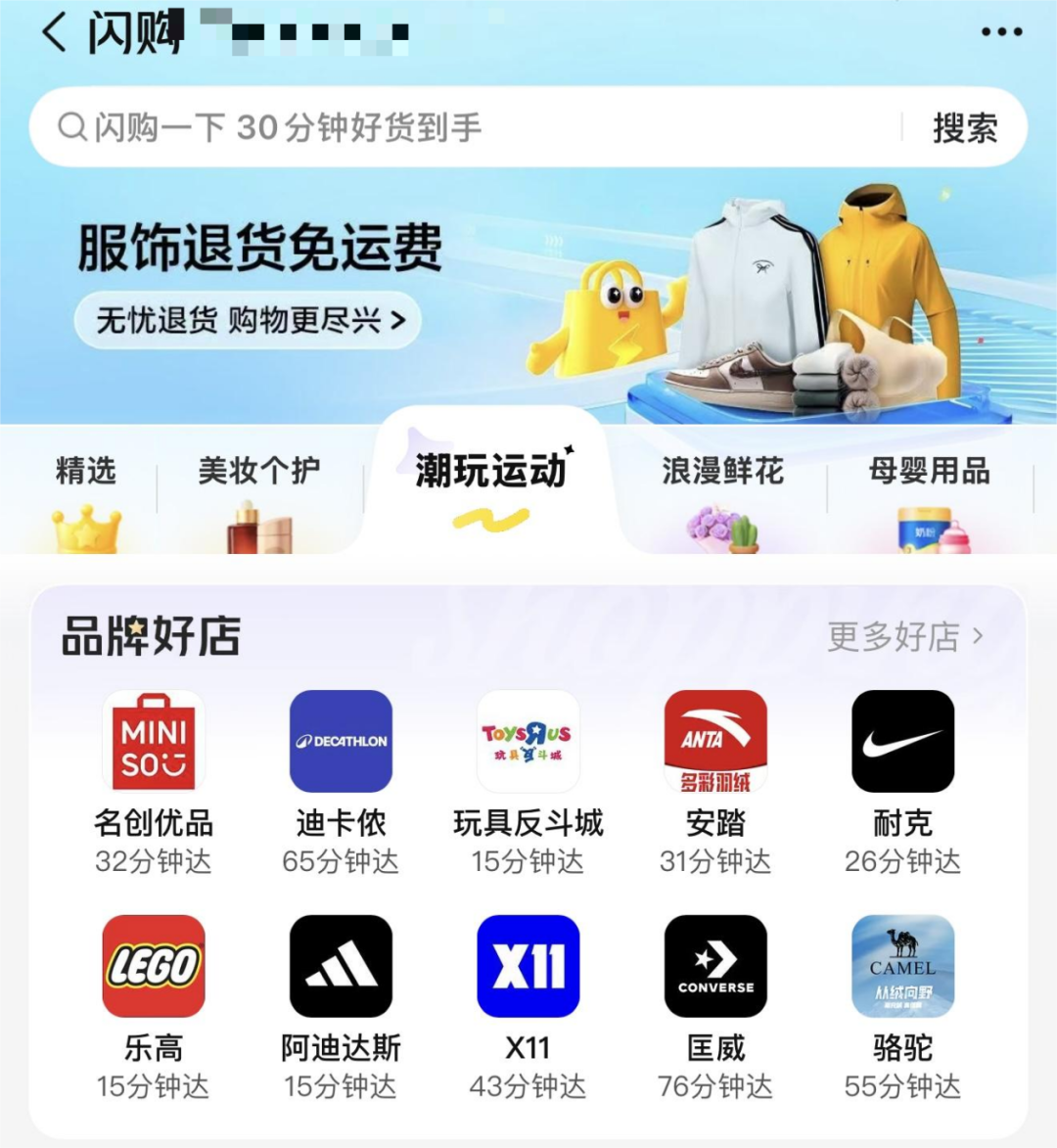
Core Insights - The instant retail market is projected to reach 971.4 billion yuan by 2025, with a year-on-year growth of 24.4%, nearing the trillion yuan mark [1][3] - Major e-commerce platforms are heavily investing in instant retail, with Alibaba, JD, and Meituan collectively spending nearly 60 billion yuan in Q3 this year [3] - Instant retail is evolving from a decade-long journey of O2O and community group buying to a more robust business model that emphasizes speed and convenience [3][4] Market Expansion - The instant retail industry is experiencing rapid growth, with expectations to hit 2 trillion yuan by 2030, maintaining a compound annual growth rate of 25% [3] - The shift towards instant retail is reshaping investment values in sectors like beauty, apparel, and food and beverage [2][3] Consumer Behavior - The "post-95" generation prioritizes delivery speed, with over 50% wanting same-day or even half-day delivery, indicating a strong demand for instant retail services [3][4] - Instant retail aligns with the consumer desire for immediate gratification, enhancing the shopping experience for younger demographics [4] Channel Transformation - The beauty and personal care sector is rapidly adopting instant retail due to its product characteristics, such as high price points and urgent demand scenarios [5] - Sportswear brands like Li Ning and Anta are also entering the instant retail space, leveraging local store networks for quick delivery [5][7] Operational Innovations - Qingdao Beer has successfully integrated instant retail, achieving a tenfold increase in GMV from 2 billion yuan to nearly 20 billion yuan in five years, with a compound annual growth rate exceeding 50% [8] - Instant retail is enabling traditional retail businesses to transition from a "goods and venue" mindset to an "instant service" model [9] Competitive Landscape - The instant retail market is currently characterized by intense competition, with major players engaged in a subsidy war that has led to significant cash flow challenges [11][12] - Despite increased sales through instant retail channels, many companies are struggling with profitability due to high platform fees and operational costs [12] Strategic Recommendations - Retail brands need to explore business models that are more compatible with instant retail and enhance their supply chain capabilities to thrive in this evolving landscape [12]


告别“奥运限定”,品牌开始用长期主义押注运动员
3 6 Ke· 2025-12-10 23:55
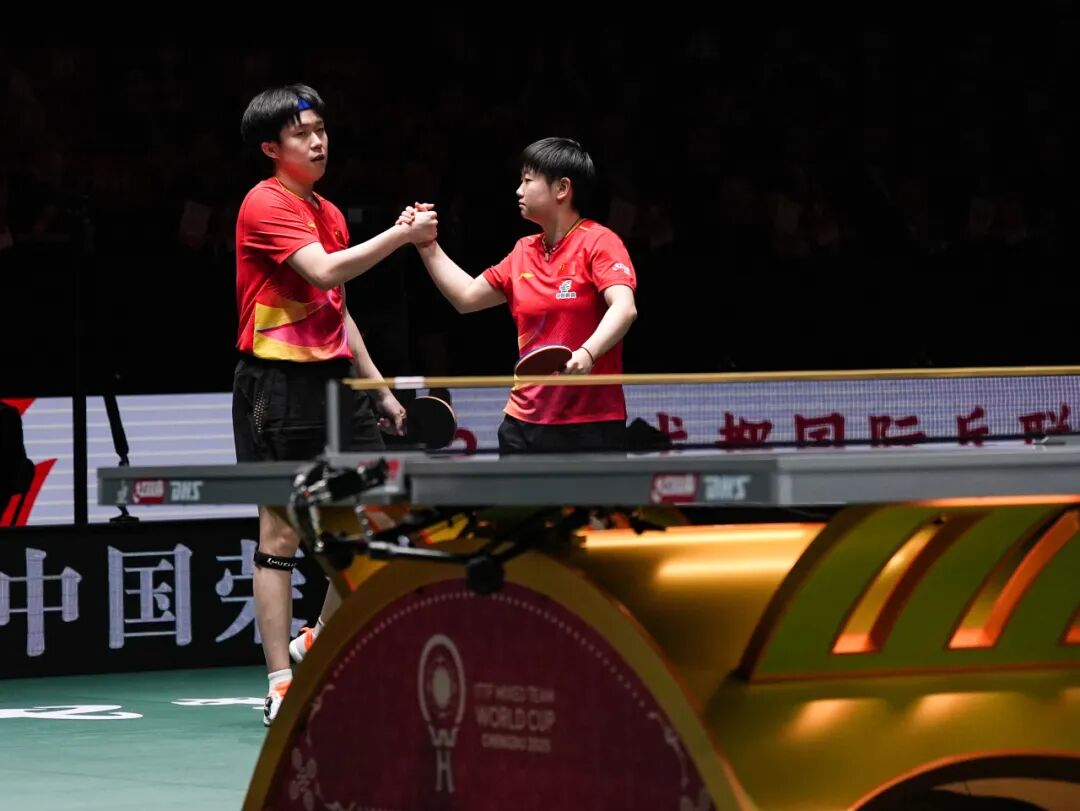
Core Insights - The sports endorsement market in China remains highly active in 2025, despite the absence of the Olympics, with brands shifting focus from short-term gains to long-term partnerships with athletes [1] - The trend indicates that brands are increasingly interested in building deeper connections with consumers through frequent endorsements rather than relying solely on athletes' peak moments of glory [1] Group 1: National Table Tennis Endorsements - National table tennis athletes, particularly Sun Yingsha, have seen a significant increase in endorsements, with Sun securing 24 brand partnerships this year, showcasing her high commercial value [2][4] - The brands associated with Sun span various industries, including consumer goods, technology, and beauty, indicating her broad appeal and influence in the market [4] - Sun's endorsement strategy involves more granular partnerships, allowing multiple brands within the same product category to collaborate with her, enhancing her marketability [5] Group 2: Sports Brand Endorsements - Major sports brands like Nike and Adidas have been actively updating their endorsement rosters, with Nike signing K-pop star Karina and Adidas making multiple announcements throughout the year [7][9] - The endorsement strategies of these brands reflect a blend of entertainment and sports, aiming to capture consumer interest across different demographics [9] - Outdoor brands are also ramping up their endorsement efforts, focusing on signing influential celebrities to integrate outdoor lifestyles into everyday consumer habits [10] Group 3: Winter Olympics and Future Trends - The upcoming 2026 Winter Olympics is generating significant interest, with brands already securing endorsements with athletes like Gu Ailing and Su Yiming, who are expected to attract more contracts as the event approaches [11][13] - The ice and snow sports market in China is projected to exceed 1 trillion yuan, indicating a booming industry that brands are eager to tap into [11] - The sports endorsement market is expected to remain vibrant in 2026, driven by major events like the Winter Olympics, World Cup, and Asian Games [14]
为何娱乐明星成为运动户外品牌争抢的“标配”?100家运动品牌代言大盘点
3 6 Ke· 2025-12-10 10:32
Core Insights - The Chinese sports and outdoor apparel market is being reshaped by two parallel trends: the rise of niche international brands and a fierce competition among major players, with a record number of celebrity endorsements in 2025 [1][3][6] Group 1: Market Trends - The market is witnessing a surge of niche brands like Alo Yoga and Hoka One One, focusing on specific activities such as yoga and trail running, intensifying competition in already crowded segments [1] - Major local and international brands are responding to the competitive pressure, with at least 45 celebrities announcing endorsements in 2025, marking a peak in the last decade [3] Group 2: Celebrity Endorsements - Celebrities are becoming essential for brands to connect with the younger generation and tap into the female market, with various brands leveraging popular figures to enhance their appeal [6] - The strategy of using celebrities is shifting towards lifestyle branding, with brands like New Balance and Puma employing stars to redefine their brand image and reach diverse consumer scenarios [6] Group 3: Brand Strategies - Brands are categorized into four segments: comprehensive sports, comprehensive outdoor, sports fashion, and emerging niche categories, each facing unique competitive dynamics [7] - The competition is not limited to sports brands but includes various lifestyle segments, necessitating traditional sports brands to adapt their strategies to maintain relevance [7] Group 4: Case Studies - Anta's strategy involves a systematic approach to reduce reliance on celebrity endorsements by utilizing sub-brands to target specific market segments, allowing the main brand to focus on core competencies [16][18] - Li Ning's approach highlights the risks of over-reliance on celebrity endorsements without a strong sub-brand structure, leading to confusion about brand identity among consumers [20][22] Group 5: Financial Performance - Puma's performance in the Greater China region has shown growth, with a 14% increase in direct business, while the global market faces challenges [40] - Salomon has reported significant revenue growth, particularly in the outdoor segment, indicating a successful strategy of balancing professional roots with broader market appeal [54]

运动品牌代言大盘点:为何娱乐明星成为运动户外品牌争抢的“标配”?
Xin Lang Cai Jing· 2025-12-10 07:20
Core Insights - The Chinese outdoor sportswear market is being reshaped by two parallel trends: the rise of niche international brands focusing on specific activities and a fierce competition among major brands, both local and international, to capture market share through celebrity endorsements [1][3]. Group 1: Market Trends - The market is witnessing a surge of over 45 celebrities endorsing various sports brands, marking the highest level of celebrity involvement in the past decade [3]. - Brands are increasingly targeting younger consumers and the female market, with female celebrities becoming key drivers for brand growth [5][19]. - The shift towards lifestyle branding is evident, as traditional sports brands adapt to incorporate lifestyle elements into their marketing strategies [5][19]. Group 2: Brand Strategies - Major brands like Anta and Li Ning are employing "fast consumption" endorsement strategies to quickly capture market attention and drive sales [15][19]. - Anta's strategy includes a diversified brand structure that allows for targeted marketing through sub-brands, reducing reliance on a single celebrity [15][17]. - Li Ning's approach, however, shows risks associated with over-reliance on celebrity endorsements without a strong sub-brand matrix to manage diverse market demands [19][21]. Group 3: Competitive Landscape - International giants like Nike and Adidas are not just chasing fast consumption but are defining and controlling it, leveraging their established brand identities and cultural significance [25][27]. - Puma's recent performance highlights the challenges of relying solely on celebrity endorsements for brand sustainability, as it faces declining market value despite short-term sales boosts from celebrity collaborations [39][40]. - Kappa's struggles illustrate the pitfalls of unclear brand positioning and over-dependence on celebrity endorsements, leading to significant financial losses [43].

福建晋江:优化消防服务“软环境” 助力民营经济“硬发展”
Zhong Guo Qing Nian Bao· 2025-12-09 23:12
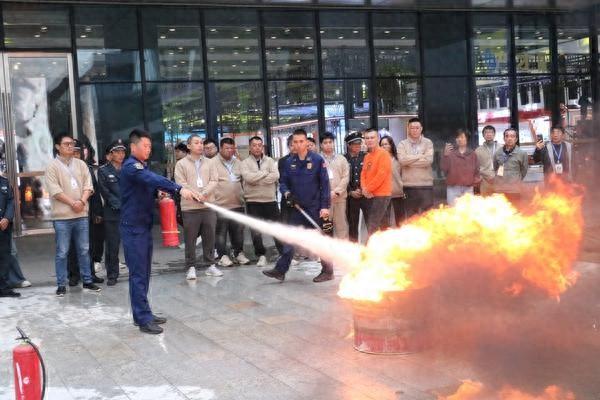
Core Viewpoint - The local fire departments in Fujian and Jiangsu are integrating fire rescue services into high-quality development strategies, aiming to enhance the intelligence, convenience, and public benefit of fire services, thereby improving the business environment and supporting the high-quality development of the private economy [2]. Group 1: Fire Safety Innovations - The "Jinjiang Experience" showcases the rapid response capabilities of local fire departments, exemplified by a leather factory fire that was extinguished within 10 minutes, protecting both property and employee safety [3]. - The establishment of the "Fujian Province Smart Fire Comprehensive Service Platform" allows for comprehensive risk assessments and effective management of fire safety, training personnel to understand fire safety risks and providing real-time safety alerts [4]. Group 2: Community Engagement and Education - Fire safety personnel actively engage with local businesses, as demonstrated by a fire safety officer's efforts to educate a restaurant owner about fire risks and safety measures, emphasizing the importance of compliance and proactive risk management [5][9]. - Companies are encouraged to conduct self-inspections and report hazards through the "Smart Fire" system, fostering a culture of safety awareness among employees [10]. Group 3: Flexible Regulatory Approaches - The "first violation not penalized" policy allows for a more lenient approach to minor infractions, promoting education over punishment and enhancing the relationship between fire departments and businesses [15]. - The Jinjiang fire department employs a flexible enforcement strategy, focusing on education and support to ensure compliance while minimizing disruption to business operations [19]. Group 4: Economic Impact and Fire Safety Statistics - The implementation of these fire safety measures has contributed to a significant reduction in fire incidents, with a 67% decrease in major fires and a 41% decrease in fatalities during the "14th Five-Year Plan" period compared to the previous five years [21].
服饰行业:周度市场观察-20251209
Ai Rui Zi Xun· 2025-12-09 08:16
服饰行业 周度市场观察 行业环境 头部品牌动态 投资运营 产品技术 营销活动 01 行业趋势 Industry Trends 本周看点: 悦己、表达个性、文化认同 年轻人买金理由变了; IP谷子大爆发,吃谷人先扛不住了 白云机场都快成广州的奢侈品卖场了。 行业环境: 1. 悦己、表达个性、文化认同 年轻人买金理由变了 关键词:国际黄金市场,情绪消费,产品创新,品牌塑造,Z世代 概要:国际黄金市场热度持续,金饰企业从传统"金价波动"模式转向"情绪消费"新风口, 通过个性化产品和高端化品牌叙事寻求突破。专家指出,情绪消费推动企业注重创新与品牌塑 造,促进行业从价格竞争转向差异化竞争。随着"Z世代"成为消费主力,黄金购买动机从保值、 婚庆转向"悦己"和个性表达,推动需求场景变化。企业通过IP联名(如《盗墓笔记》《黑神 话》系列)精准触达年轻群体,激活文化共鸣与购买动力。同时,高端化战略(如周大生联名 国家宝藏)通过"文化+设计+稀缺"提升附加值,吸引高净值客户,形成稳定高利润市场。行 业趋势显示,金饰消费正从功能需求转向情感与价值驱动。 原文链接:https://news.cfw.cn/v385423-1.htm ...
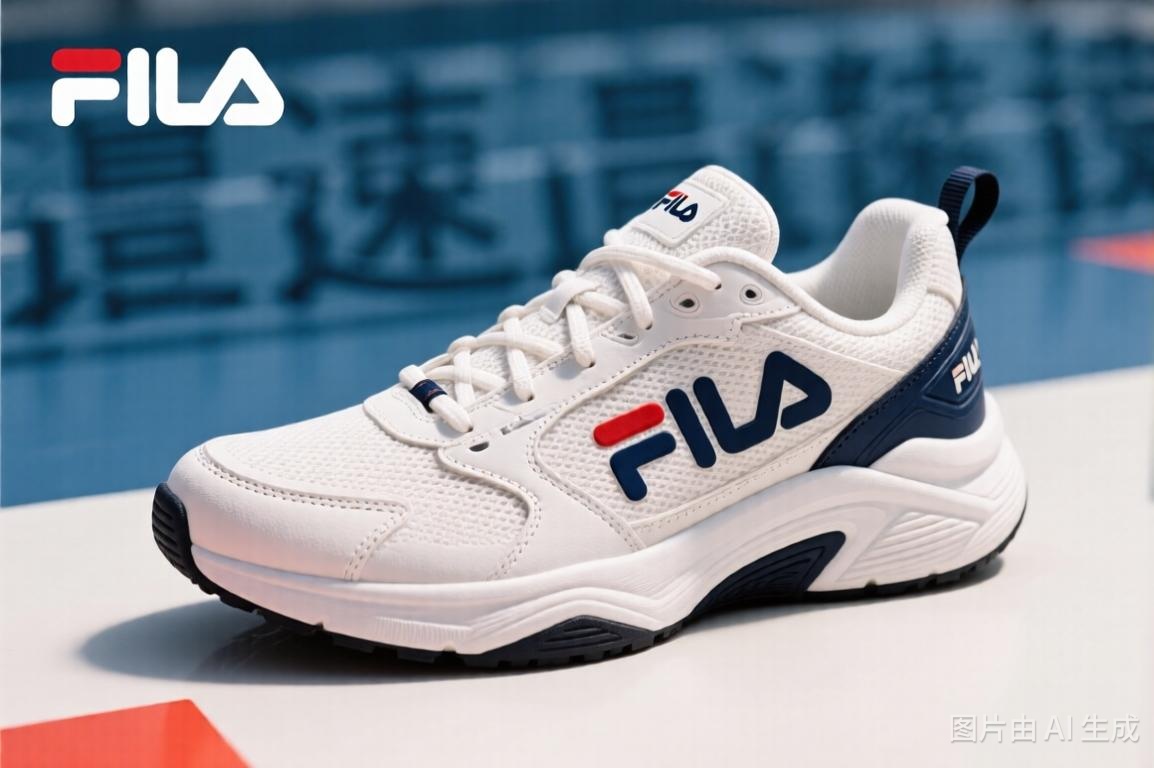
斐乐增速放缓,原本的高端溢价能力逐渐减弱
Xi Niu Cai Jing· 2025-12-08 09:58
Core Viewpoint - The recent controversy surrounding FILA's customer service has raised significant concerns about the brand's management and consumer perception, despite its revenue growth in recent years [2][3]. Group 1: Revenue Performance - FILA achieved a revenue of 14.18 billion yuan in 2022, marking an 8.6% year-on-year increase, indicating a strong contribution to Anta Group's overall revenue [2]. - However, revenue growth has shown signs of slowing down, with year-on-year changes of -1.4% in 2022, +16.6% in 2023, and +6.1% in 2024, contrasting sharply with previous years' double-digit growth [3]. - The proportion of FILA's revenue within Anta Group has also declined, from 40.3% in 2022 to an expected 37.6% in 2024 [3]. Group 2: Market Challenges - The increase in competition within the sports fashion sector has led to a dilution of FILA's brand advantage, as similar brands have emerged, making it harder for FILA to maintain its premium pricing strategy [3]. - Changing consumer preferences towards outdoor sports have resulted in a decrease in demand for sports fashion, further complicating FILA's market position [3]. - Issues related to product quality and customer service have been reported, including complaints about shoe quality and after-sales service, which have negatively impacted consumer trust [6]. Group 3: Management Changes - In response to the challenges faced, FILA underwent a management restructuring in January, with the departure of long-time leader Yao Weixiong and the appointment of Jiang Yan to oversee the brand [6]. - The new management faces significant challenges in revitalizing growth and addressing ongoing issues related to product quality and customer service [6].