三星电子

Search documents
暴涨超100%!芯片,重大利好!
券商中国· 2026-01-25 05:12
Core Viewpoint - The storage chip market is experiencing a significant price surge, driven by the demand from AI infrastructure and a supply-demand imbalance, with major players like Samsung and SK Hynix implementing aggressive pricing strategies [2][4][9]. Price Surge - Samsung Electronics has raised the price of NAND flash memory by over 100% in the first quarter of this year, exceeding market expectations and highlighting a severe supply-demand imbalance in the storage chip market [3][4]. - Market research firm TrendForce previously predicted a price increase of 33% to 38% for NAND by the fourth quarter of 2025, but the current situation indicates a much sharper rise [3]. - Samsung is currently negotiating new NAND prices for the second quarter, with expectations of continued price increases [3][4]. Demand and Supply Dynamics - The aggressive pricing reflects strong demand for high-performance storage devices driven by AI infrastructure, with enterprise SSD demand surging due to data center expansions [4][5]. - The supply side has not kept pace with demand, leading to a situation where there is a lack of available products despite high prices [4][5]. - Other major players, including SK Hynix and SanDisk, are also planning significant price increases, indicating a trend of widespread price hikes across the industry [4][5]. Future Outlook - The semiconductor industry's long capacity construction cycle means that increasing supply to stabilize prices is not feasible in the short term, leading to inevitable price transmission to consumers [5][8]. - Industry experts predict that the supply tightness in the NAND flash market will persist for at least the next two years, influenced by AI-related investments [8]. - Analysts from Citigroup and other financial institutions believe that the current "storage chip super cycle" driven by AI will be more intense and longer-lasting than the previous cycle during the cloud computing era [9].

三星闪存,涨价100%
财联社· 2026-01-25 04:38
报道称,三星电子目前已着手与客户就第二季度的NAND价格进行新一轮谈判,市场普遍预计价格上涨的势头将在第二季度延续。 据韩国媒体报道, 三星电子在今年第一季度将NAND闪存的供应价格上调了100%以上,这一涨幅远超市场此前预期,凸显了当前半导体市 场严重的供需失衡现状。 据上述媒体行业知情人士透露,三星电子已于去年年底完成了与主要客户的供应合同谈判,并从1月起正式实施新的价格体系。这是继 DRAM内存价格被曝上调近70%之后,存储市场的又一重磅调价信号。 ...
存储疯狂紧缺!韩媒:三星电子将一季度NAND价格上调100%,而此前DRAM上调了70%
智通财经网· 2026-01-25 04:00
Core Viewpoint - The global semiconductor market is experiencing severe supply-demand imbalances, leading Samsung Electronics to implement aggressive pricing strategies for NAND flash memory, with prices increasing by over 100% in Q1 2023, surpassing market expectations [1][2]. Group 1: Pricing Strategies - Samsung Electronics has completed negotiations with major clients for NAND supply contracts, officially implementing a new pricing system starting January 2023 [1]. - The price increase follows a nearly 70% rise in DRAM memory prices, indicating a significant shift in the storage market [1]. - Other major players, including SK Hynix, are also adopting similar pricing strategies, reflecting strong bargaining power in a seller's market [3]. Group 2: Demand Drivers - The demand for high-performance storage devices is being driven by the rapid expansion of AI infrastructure, particularly in enterprise solid-state drives (eSSD) and mobile devices requiring higher capacity storage for on-device AI applications [2][4]. - The market is witnessing exponential growth in demand due to the necessity for advanced storage solutions in smartphones and PCs to support local AI processing [4]. Group 3: Supply Constraints - The supply side is constrained by rigid production capacity, with major manufacturers, including Samsung, maintaining a cautious investment approach over the past year, resulting in limited growth in shipment volumes [4]. - There has been no large-scale capacity expansion in the NAND flash sector, and the industry's consensus indicates that effective supply has not kept pace with the surge in demand [4]. Group 4: Market Impact - The volatility in storage chip prices is becoming a bottleneck for AI industry development, significantly increasing the construction costs of AI infrastructure [4]. - The rising costs of DRAM and NAND are expected to be passed on to consumers, leading to higher prices for smartphones and PCs as manufacturers adjust to increased memory costs [4].
8英寸晶圆代工,大有可为!
半导体行业观察· 2026-01-25 03:52
Core Viewpoint - The demand for AI is driving a potential price increase in global wafer foundries, affecting even non-mainstream 8-inch wafers [1][2]. Supply Side Summary - TSMC and Samsung are gradually reducing 8-inch wafer production, with TSMC aiming for partial plant shutdowns by 2027. This reduction is expected to lead to a 0.3% decline in global 8-inch wafer capacity in 2025, entering negative growth. In 2026, despite some Chinese manufacturers planning slight capacity expansions, the overall capacity is projected to decrease by 2.4% due to the larger reductions from TSMC and Samsung [1][2]. Demand Side Summary - The increase in power IC orders for AI servers and the trend of IC localization in China are boosting demand for local wafer foundries, leading to a significant rise in capacity utilization rates for some Chinese manufacturers starting mid-2025. This has prompted these manufacturers to initiate price increases for foundry services, effective in the second half of 2025. The overall average capacity utilization for global 8-inch wafers is expected to rise to 85-90% in 2026, up from 75-80% in 2025, with some foundries planning to raise prices by 5-20% across all customers and process platforms [2][3]. Price Increase Considerations - Despite the anticipated price increases, actual price hikes for 8-inch wafers may be moderated due to concerns in consumer electronics and rising costs from memory and advanced processes impacting surrounding IC costs [3].

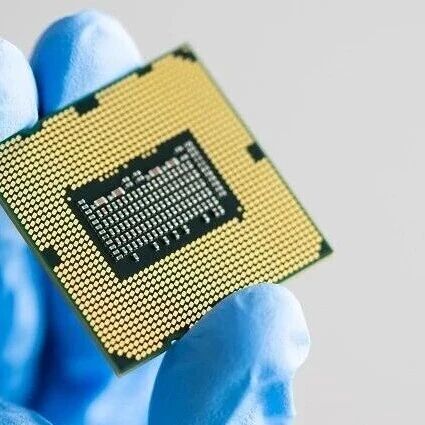
三星闪存,涨价100%
半导体行业观察· 2026-01-25 03:52
Core Viewpoint - Samsung Electronics has increased the price of NAND flash memory by over 100% in the first quarter due to a surge in demand driven by the proliferation of artificial intelligence (AI), while supply has not significantly increased [1][3]. Group 1: Price Increase and Market Dynamics - The price of NAND flash memory has more than doubled, with Samsung executing price adjustments from January after signing supply contracts with major clients at the end of last year [1][3]. - NAND prices have been on an upward trend since the fourth quarter of last year, with a quarter-on-quarter increase of approximately 33-38% reported by TrendForce [3]. - Other major players in the NAND market, such as SK Hynix and SanDisk, are also expected to follow suit with similar price increases [3][4]. Group 2: Supply Constraints - The supply of NAND flash memory has not seen significant increases due to limited production expansion and factors such as process transitions [4]. - Samsung has maintained a conservative approach to NAND investment, leading to limited growth in shipment volumes [4]. Group 3: Impact on the Market - The rising prices of NAND and DRAM are significantly impacting the market, with increased costs for building AI infrastructure and inevitable price hikes for smartphones and PCs that utilize these memory components [4]. - Manufacturers of AI data centers, smartphones, and PCs are planning to raise final product prices due to the pressure from memory costs, and this trend is expected to continue in the short term [4].
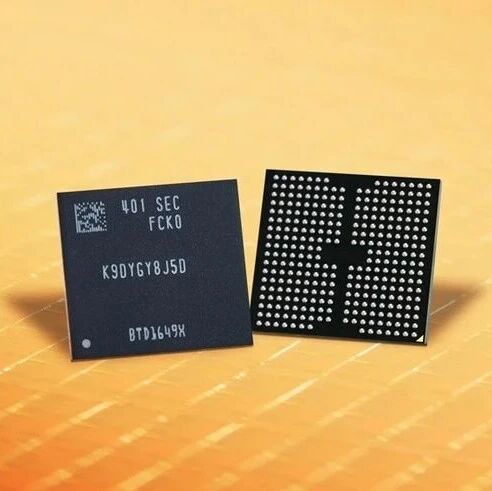
存储疯狂紧缺!韩媒:三星电子将一季度NAND价格上调100%,而此前DRAM上调了70%
Hua Er Jie Jian Wen· 2026-01-25 01:46
Core Insights - The global semiconductor market is experiencing severe supply-demand imbalance, leading Samsung Electronics to implement aggressive pricing strategies for NAND flash memory, raising prices by over 100% in Q1 2023, significantly exceeding market expectations [1][2] - The demand for high-performance storage devices is driven by the rapid expansion of AI infrastructure, with enterprise solid-state drive (eSSD) demand surging due to data center growth and "On-Device AI" pushing mobile and PC manufacturers to upgrade to higher capacity storage [2][4] - The price increases are not isolated to Samsung, as other major players like SK Hynix are following suit, indicating a collective industry action in response to the seller's market dynamics [3] Industry Dynamics - The NAND flash memory market is witnessing a collective price increase, with predictions of a 33% to 38% rise in Q4 2022 being surpassed by actual price hikes, reflecting the strong bargaining power of leading manufacturers [3] - The supply side is constrained by rigid capacity limitations, as major manufacturers have been cautious in expanding production capacity over the past year, resulting in limited growth in shipment volumes [4] - The rising costs of DRAM and NAND are becoming a bottleneck for AI industry development, with concerns that increasing storage costs may hinder the widespread adoption of AI technologies [4]
华尔街集体看多半导体设备!
是说芯语· 2026-01-24 08:19
Core Viewpoint - The global semiconductor industry is expected to experience stronger demand, particularly driven by the AI computing infrastructure and a "super cycle" in semiconductor equipment manufacturing, benefiting companies involved in AI chips and DRAM/NAND storage expansion [1][3]. Semiconductor Equipment Sector - KeyBanc Capital Markets highlights that semiconductor equipment manufacturers will be the largest beneficiaries of the AI chip and storage capacity expansion trends [1]. - Citigroup predicts a "Phase 2 bull market" for the semiconductor equipment sector, suggesting a shift from valuation recovery to sustained profit growth, with leading companies like ASML, Lam Research, and Applied Materials being key players [3]. - The semiconductor equipment sector is expected to see significant growth due to the ongoing demand for AI computing and storage solutions, with a focus on advanced manufacturing processes [4][5]. AI Infrastructure Investment - The construction of large-scale AI data centers by tech giants like Microsoft, Google, and Meta is accelerating the expansion of advanced AI chip production and storage capacity [4]. - The global AI infrastructure investment wave is projected to reach $3 trillion to $4 trillion by 2030, indicating that the current phase is just the beginning [5]. - The semiconductor market is expected to grow significantly, with a forecasted value of $772.2 billion in 2025 and $975.5 billion in 2026, driven by strong demand for AI GPUs and storage systems [6][9]. Market Dynamics - The demand for DRAM/NAND storage chips is surging, with prices increasing due to the heightened importance of these products in AI training and inference systems [10]. - TSMC reported a record gross margin exceeding 60% and raised its 2026 revenue growth forecast to nearly 30%, indicating strong demand for AI-related chip manufacturing [10][11]. - The semiconductor investment chain driven by AI demand is expected to lead to increased capital expenditures (capex) from major manufacturers like SK Hynix, Samsung, and Intel [12][13]. Company-Specific Insights - KeyBanc maintains an "overweight" rating on AEI Industries, citing its strong position in the data center sector and potential for revenue growth in semiconductor manufacturing equipment [14]. - Applied Materials is recognized for its diverse product offerings across various semiconductor manufacturing processes, with expectations for significant revenue growth in the coming years [15][16]. - MKS Instruments is positioned to benefit from the ongoing demand for advanced packaging and semiconductor manufacturing technologies, with a focus on maintaining a strong market share in NAND and advanced packaging sectors [18].



HBF,再曝新进展
半导体行业观察· 2026-01-24 02:39
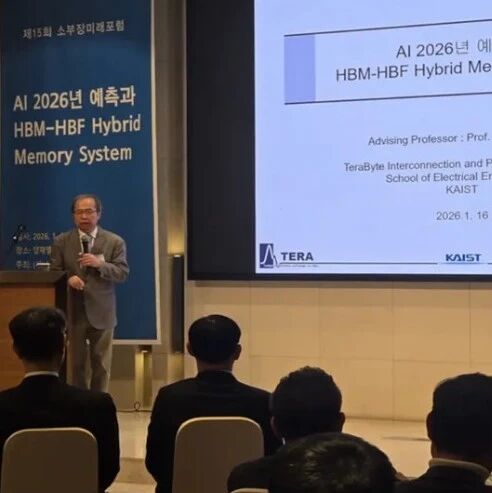
公众号记得加星标⭐️,第一时间看推送不会错过。 HBF采用多层3D NAND芯片堆叠技术,与HBM互补,用于GPU。 人工智能工作负载的爆炸式增长给内存系统带来了前所未有的压力,迫使企业重新思考如何向加速器 提供数据。 高带宽内存 (HBM) 已用作 GPU 的快速缓存,使AI 工具能够高效地读取和处理键值 (KV) 数据。 然而,HBM 价格昂贵、速度快、容量有限,而高带宽闪存 (HBF) 则以较慢的速度提供更大的容量。 HBF 如何与 HBM 互补 HBF 的设计允许GPU访问更广泛的数据集,同时限制写入次数(每个模块大约 100,000 次),这就 需要软件优先处理读取操作而不是写入操作。 HBF 将与 HBM 集成到 AI 加速器附近,形成分层内存架构。 韩国科学技术院 (KAIST) 的金钟浩教授将 HBM 比作家里的书架,方便快速学习;而 HBF 则像一 个图书馆,内容更丰富,但访问速度较慢。 该概念设想未来的迭代产品(如 HBM7)可以作为"内存工厂"运行,数据可以直接从 HBF 进行处 理,而无需通过传统的存储网络。 HBF 将多个 3D NAND 芯片垂直堆叠,类似于 HBM 将 DRAM ...



TCL电子(1070.HK):业绩预告超预期 索尼战略合作有望强化高端竞争力
Ge Long Hui· 2026-01-23 21:43
Core Viewpoint - TCL Electronics has announced an earnings forecast for 2025, expecting adjusted net profit to exceed the upper limit of performance targets, driven by enhanced profitability across various business segments and reduced expense ratios. The company plans to establish a joint venture with Sony in the home entertainment sector, which is expected to reshape the global television brand competition landscape and directly increase TCL's consolidated revenue, profit margins, and valuation levels [1][2]. Group 1: Earnings Forecast and Business Performance - TCL Electronics anticipates an adjusted net profit of approximately HKD 2.33-2.57 billion for 2025, representing a growth of about 45%-60% compared to the same period in 2024 [1][2]. - The company's performance forecast exceeds the target range set by its equity incentive plan, which aimed for an adjusted net profit of HKD 2.01-2.33 billion for 2025, benefiting from improved profitability and efficiency [2]. Group 2: Strategic Cooperation with Sony - A memorandum of understanding has been signed with Sony to form a joint venture, with TCL holding a 51% stake and Sony holding 49%, allowing TCL to maintain control [3]. - The joint venture will take over Sony's home entertainment business, including television and audio product lines, and will operate globally across all aspects from product development to customer service [3][4]. - The formal agreement is expected to be signed by the end of March 2026, with operations anticipated to commence in April 2027 [3]. Group 3: Market Dynamics and Competitive Positioning - Sony's television business has been struggling, with global shipments declining from 8.76 million units in 2020 to an expected 4.81 million units in 2024, indicating a need for strategic collaboration to enhance operational efficiency and market presence [3]. - The joint venture aims to leverage combined strengths in technology, brand, scale, and cost to revitalize Sony's television business [3][4]. Group 4: Revenue and Profit Potential - Sony's global television business revenue is projected to be around CNY 26.7 billion in 2024, with total revenue potentially exceeding CNY 50 billion in the long term due to the joint venture [5]. - The combined market share of TCL and Sony is expected to reach 16.7% by 2027, surpassing Samsung's 16.2%, which could significantly alter the competitive landscape [5]. - Profit margins for TCL Electronics could reach approximately HKD 1.5 billion post-integration, with long-term potential exceeding HKD 2.5 billion [5][6]. Group 5: Valuation and Market Outlook - The estimated market value of the new joint venture could reach HKD 22.5 billion, with long-term projections suggesting a value of HKD 37.5 billion [6]. - TCL's current market capitalization is HKD 31.5 billion, with potential growth to HKD 56.5 billion as the joint venture stabilizes [6]. - The company is expected to achieve adjusted net profits of HKD 2.477 billion, HKD 2.843 billion, and HKD 3.221 billion for 2025-2027, with corresponding EPS of HKD 0.98, HKD 1.13, and HKD 1.28 [6].
黄仁勋一句话,全球芯片股集体涨停
Sou Hu Cai Jing· 2026-01-23 15:10
智东西 编译|万贵霞 编辑|云鹏 智东西1月23日消息,据《彭博社》昨日报道,本周三,英伟达CEO黄仁勋在瑞士达沃斯举行的世界经济论坛(World Economic Forum)上提到,未来几 年,全球AI基础设施建设将需要数万亿美元规模的新增投资。 受这一表态提振,全球半导体板块集体走强。存储芯片制造商三星电子昨天股价一度上涨5%,创下历史新高,并推动韩国综合股价指数KOSPI首次突破 5000点,费城半导体指数周三已上涨超过3%,再创历史新高。 ▲全球AI股票攀升(图源:彭博社) 此前,美国总统特朗普撤回了针对部分欧洲国家、因格陵兰问题而考虑加征关税的威胁,为全球股市提供了额外支撑。黄仁勋在达沃斯论坛上的发言,则进 一步强化了投资者对AI长期增长前景的信心。 一、AI热潮至少延续到2026年,财报与业绩成关键验证 Wedbush Securities分析师 丹·艾夫斯(Dan Ives)一份报告中写道,本届达沃斯论坛的核心主题正是AI革命。多位市场人士认为,AI热潮至少将持续至2026 年,投资者对高估值和国际紧张局势的担忧暂未动摇整体趋势。 据英特尔昨天公布的财报显示,第四季度营收为137亿美元(约合人 ...