
lululemon athletica inc.

Search documents
This Well-Known Consumer Brand Was Once a Monster Stock. With Shares Down 52%, Is It a Once-in-a-Decade Buying Opportunity Right Now?
The Motley Fool· 2025-04-10 10:25
Core Viewpoint - Lululemon's stock has seen a significant increase of 321% over five years, but it currently trades 52% below its all-time high, raising questions about potential investment opportunities amid slowing growth and macroeconomic challenges [1]. Company Performance - In fiscal 2021, Lululemon reported a year-over-year revenue growth of 42.1%, which has since declined to 10.1% for fiscal 2024 [1]. - The company expects revenue growth of 5% to 7% for the current fiscal year, which, while lower than previous double-digit gains, is still better than the expected decline from competitors like Nike [7]. Macroeconomic Challenges - Consumer confidence has sharply declined, and the Federal Reserve is not expected to cut interest rates soon, contributing to a challenging economic environment [2]. - Lululemon sources 40% of its merchandise from Vietnam, where tariff negotiations have created uncertainty for the company [3]. Management Outlook - Lululemon's management has adopted a cautious tone, indicating that consumers are spending less due to inflation and economic concerns [4]. Brand Strength and Profitability - Lululemon has established a strong brand positioned at the premium end of the apparel market, which provides a competitive advantage [5]. - The company has maintained impressive profitability, with average gross and operating margins of 57.3% and 21.8% over the past five years [6]. Valuation Considerations - The stock is currently trading at a price-to-earnings (P/E) ratio of 16.9, which is the lowest in the past decade, reflecting market pessimism [9]. - Despite the slower growth and tariff uncertainties, the current valuation may represent a new reality for investors [8].



纳斯达克100指数跌幅扩大至1%。成分股安森美半导体跌7.3%,露露柠檬跌7%,“比特币持仓大户”Strategy跌6.2%,英特尔跌5.8%,苹果跌超4.2%,高通跌3%,特斯拉跌超2.9%。
news flash· 2025-04-08 19:12
| SYMBOL # | NAME + | PRICE * | CHANGE $ | | --- | --- | --- | --- | | GRAL | Grail Inc | 21.79 | -2.19 | | ON | ON Semiconductor Corp | 32.51 | -2.57 | | LULU | Lululemon Athletica Inc | 246.5 | -18.5 | | MSTR | MicroStrategy (Strategy) | 251.55 | -16.59 | | INTC | Intel Corp | 18.44 | -1.14 | | МСНР | Microchip Technology Inc | 35.88 | -2.21 | | PDD | PDD Holdings Inc | 94.23 | -5.79 | | NXPI | NXP Semiconductors NV | 154.8 | -8.49 | | AMD | Advanced Micro Devices Inc | 79.97 | -3.67 | | AAPL | Apple Inc ...


小红书潮男,撑不起lululemon的野心
雪豹财经社· 2025-04-08 14:51
男性的消费力是垫底的 款羽绒夹克。 这是Lululemon亚太区首家男装集合店,它占据着商场一楼的黄金位置,紧挨直梯和旋转梯,logo醒 目,与香奈儿、始祖鸟等奢侈品牌比肩。 12月的一个周末,气温骤降,店里的销售额几乎都是靠这款羽绒夹克撑起来的。不少顾客是在其他 门店扑了个空,特意到这里来"抢货"。店员关臣(化名)确定,他们"应该都是被小红书种草的"。 重视"门面"的小红书潮男们,正在用lululemon填满自己的衣柜。他们能撑起这家公司的男装野心 吗? 买了一年Lululemon,花了3万 打开小红书,在"潮男穿搭""氛围感男性穿搭"的Tag下,能看到各种类型的穿搭风格:简约老钱风、 日式男大风、以演员黄景瑜为标杆的痞帅硬汉风、标注身高185的江浙沪潮男风,以及最新跻身其中 的Lululemon男孩风。 以都市丽人为形象标签的Lululemon,正在拿捏小红书潮男。 Fast Reading 作者丨高越 30分钟内,位于北京朝阳区颐堤港的Lululemon迎来了五六拨年轻男顾客,无一例外,都要试穿同一 款羽绒夹克 ■ 将Lululemon视作最新时尚单品的小红书潮男们,为自己贴上有钱有闲、热爱运动的标签。 ...
关税战下,服饰巨头们出路在哪?
36氪· 2025-04-08 14:36
Core Viewpoint - The article discusses the impact of the U.S. government's tariff policies on the global fashion and textile industry, highlighting the shift in supply chains and production strategies among major brands in response to rising costs and geopolitical tensions [4][17]. Supply Chain Dynamics - The textile industry is undergoing a significant transformation, with companies relocating production to countries like Vietnam, Cambodia, and Bangladesh due to rising labor costs in China and stricter regulations [6][7]. - The COVID-19 pandemic accelerated this migration, prompting brands to diversify their supply chains and avoid over-reliance on a single country [7][8]. Regional Production Strategies - Many companies are adopting a "nearshoring" strategy, producing goods closer to key consumer markets to reduce shipping times and costs [8][9]. - Luxury brands like Hermès and Louis Vuitton are increasing local production in Europe and the U.S. to enhance brand image and maintain product quality [9][10]. Case Studies: Adidas and Zara - Adidas is focusing on a "market-oriented supply chain regionalization," aiming to mitigate tariff risks by increasing local production in China and sourcing from non-sensitive regions for the U.S. market [12][14]. - Zara's parent company, Inditex, maintains a high level of production in Europe, allowing for rapid response to market demands and optimizing inventory management [15][16]. Financial Implications - Zara's profit margins are significantly higher than industry averages, allowing for greater flexibility in pricing amidst rising costs due to tariffs [16]. - The shift towards supply chain resilience reflects a broader trend in the fashion industry, moving from a focus on low costs to balancing cost, speed, and risk [17].

全球股市三日蒸发9.5万亿美元市值;OpenAI推迟发布GPT-5;滴滴将重启巴西外卖业务丨百亿美元公司动向
晚点LatePost· 2025-04-08 12:11
全球股市三日蒸发 9.5 万亿美元市值。 自上周特朗普公布超出市场预期的关税政策后,全球股市迄今已蒸发超过 9.5 万亿美元市值,进入 了分析师所谓的 "先卖再说" 的极端情绪中。欧洲斯托克 600 指数重挫 5%,亚洲市场遭遇 2008 年 金融危机以来最惨烈单日行情,恒生指数跌 13.22%、上证指数跌 7.34%、深证成指跌 9.66%。收盘 后,中国中央汇金公司公告再次增持了交易型开放式指数基金 (ETF),未来将继续增持。 北京时间 4 月 7 日晚上美股开盘,三大股指一度跌超 3%,其中特斯拉重挫 10%、苹果也大跌超过 6%。不过随着一些市场传闻的发酵,三大股指跌幅收窄并一度转涨,特斯拉也是如此。标普 500 指数奔着所谓的技术性熊市而去,即自高点下跌 20%。 OpenAI 调整模型发布节奏,推迟发布 GPT-5。 OpenAI CEO 山姆·阿尔特曼说,OpenAI 将优先在未来几周发布 o3、04-mini 两款推理模型,几个月 后再发布 GPT-5。前几个月,他说 OpenAI 不单独发布 o3,尽快发布 GPT-5。 阿尔特曼的理由是:他们能把 GPT-5 做得更出色,但是整合所有东西 ...

With Trump's Tariffs, Is It Time to Buy the Dip in Lululemon Stock?
The Motley Fool· 2025-04-08 08:23
Core Insights - Lululemon's year-over-year results are showing a slowdown, with conservative guidance reflecting slower consumer spending expectations [1][4] - Revenue growth has decreased significantly since its peak in 2022, with a reported 8% increase excluding the 54th week in fiscal 2024 [2][3] - The company is facing challenges due to high prices amid cautious consumer behavior, leading to weaker demand despite a 13% revenue increase in the fourth quarter [3][4] Financial Performance - Lululemon reported a nearly 83% increase in net income for 2024, amounting to $12.20 per diluted share [7] - The guidance for 2025 includes expectations for diluted earnings per share between $14.95 and $15.15, representing a conservative year-over-year increase of 2.1% [8] Market Challenges - The company is impacted by new tariffs on Vietnam, which produces 40% of its products, complicating its pricing strategy [5][6] - The ongoing tariff situation, particularly from the U.S. trade policies, adds pressure to Lululemon's operations and market positioning [6][7] - The stock has declined over 29% year-to-date due to fears surrounding tariffs and a weakened consumer environment [4][9]

美国消费龙头未来指引谨慎,关注关税推进进度
Orient Securities· 2025-04-08 08:05
Investment Rating - The industry investment rating is maintained as "Positive" [5] Core Insights - The report indicates that major US consumer companies are cautious about future fiscal year expectations, primarily due to tariff pressures and consumer downgrading trends in the US market. However, companies like Walmart and Lululemon express a more optimistic outlook for the Chinese market [3][23] - Recommendations include buying leading sportswear brand Anta Sports (02020), and considering Li Ning (02331), Xtep International (01368), and Tabo (06110) for buying or holding. Additionally, long-term prospects are favorable for resilient leading manufacturers such as Shenzhou International (02313), Weixing Co., Ltd. (002003), and Huali Group (300979) [3][23] Summary by Sections US Consumer Giants Performance - Walmart's FY26 revenue growth guidance is 3-4%, with a same-store sales increase of 23.1% in FY25Q4, driven by strong e-commerce and new store openings [10][13] - Target expects FY25 revenue growth of about 1%, with same-store sales remaining flat, facing pressure from tariffs and operational costs [14][15] - Dollar General anticipates FY25 revenue growth of 3.4-4.4%, with core consumers facing economic challenges and a notable trend of consumer downgrading [17][18] - Nike projects a mid-double-digit revenue decline for FY25Q4, with significant inventory issues and a 15% revenue drop in the Greater China region [19][20] - Lululemon expects FY25 revenue growth of 5-7%, with a strong growth forecast of 25-30% in the Greater China region [21][22] Investment Recommendations - The report suggests a cautious approach towards US consumer giants due to tariff pressures and consumer behavior changes, while highlighting positive growth prospects in China for certain brands [3][23]


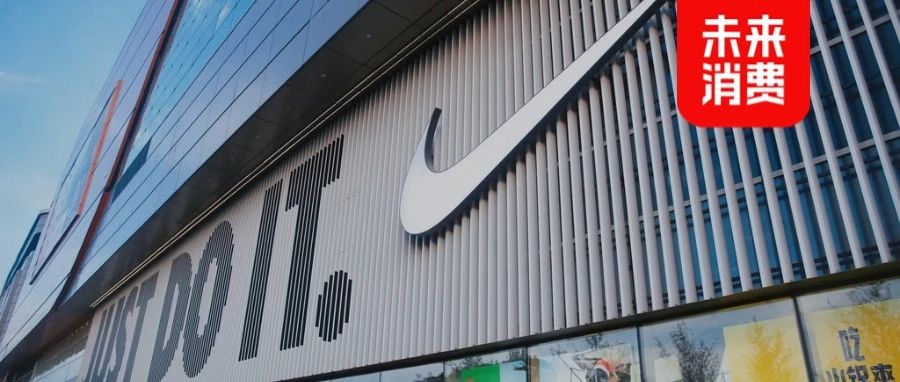
耐克们,出路在哪?
36氪未来消费· 2025-04-08 03:03
Core Viewpoint - The article discusses the impact of the US-China tariff war on the fashion industry, highlighting the need for companies to adapt their supply chains and production strategies to mitigate risks and maintain competitiveness in a changing landscape [4][16]. Supply Chain Dynamics - The textile industry is experiencing a migration of production from China to countries like Vietnam, Cambodia, and Bangladesh, driven by rising labor costs and regulatory changes in China [5][6]. - The COVID-19 pandemic accelerated this shift, prompting brands to diversify their supply chains and avoid over-reliance on a single country [6][16]. - The concept of "China +1" has emerged, where companies maintain production in China while also establishing additional bases in other countries to enhance resilience [6][7]. Nearshoring Trends - Many companies are exploring "nearshoring," which involves relocating production closer to key consumer markets to reduce shipping times and costs [7][8]. - European luxury brands, such as Hermès and LVMH, are increasingly investing in local production to enhance brand image and maintain product quality [8]. Case Studies: Adidas and Zara - Adidas is shifting towards a "market-oriented supply chain regionalization," focusing on local production in China and other non-sensitive regions to mitigate tariff risks [10][12]. - Zara's parent company, Inditex, maintains a high level of in-house production in Europe, allowing for rapid response to market demands and higher profit margins compared to competitors [13][14]. Strategic Shifts in Fashion Retail - The fashion retail industry is transitioning from a focus on absolute low costs to building supply chain resilience, balancing cost, speed, and risk [14][16]. - Both Adidas and Zara exemplify different approaches to navigating the challenges posed by tariffs and changing consumer preferences, with Adidas focusing on regionalization and Zara on centralized production [14][15].


关税风暴袭击 国际贸易变天
Bei Jing Shang Bao· 2025-04-07 15:19
Core Viewpoint - The article discusses the impact of Trump's "tariff stick" on major companies like Apple, highlighting the difficult choices they face regarding absorbing tariff costs or passing them onto consumers [1][3]. Supply Chain: Cost Increases - Apple faces significant challenges due to Trump's tariffs, with 90% of its phones assembled in China, leading to increased costs [3]. - The company has begun diversifying its supply chain by moving some production to India and Vietnam, but new tariffs on these countries will severely impact operations [3]. - Analysts estimate that tariffs could increase Apple's costs by approximately $8.5 billion annually, potentially raising the price of the iPhone 16 Pro Max from $1,599 to $2,300 [4]. Broader Market Impact - The tariffs will not only affect Apple but also the broader consumer market, with only 2.5% of clothing and 1% of shoes made in the U.S., heavily relying on imports from countries like Vietnam [4]. - The textile and apparel industry in Vietnam, which exports $44 billion to the U.S., will also face price increases due to tariffs [4]. Economic Consequences - The tariffs are expected to raise costs for U.S. importers, leading to higher consumer prices and potentially damaging U.S. manufacturing [5][6]. - Consumers are already reacting by making large purchases to avoid future price hikes, indicating a potential strain on household finances [6][7]. - The automotive sector saw a spike in sales as consumers rushed to buy vehicles before the implementation of a 25% tariff on imports [7]. Recession Risks - The article notes an increase in recession forecasts, with JPMorgan raising the probability of a U.S. recession to 60% and Goldman Sachs to 45% due to tightening financial conditions and rising policy uncertainty [9].

国海证券晨会纪要-2025-04-07
Guohai Securities· 2025-04-06 23:35
Group 1 - The core viewpoint of the report indicates steady revenue growth in the main business of the company, with a focus on flexible sensors to create a second growth curve [4][5][6] - The company achieved a revenue of 2.54 billion yuan in 2024, a year-on-year increase of 19.23%, and a net profit of 139 million yuan, up 98.42% year-on-year [4][5] - The company is transitioning from a single coating material provider to an integrated solution provider, enhancing revenue across various business segments [5][6] Group 2 - The report highlights that Lululemon's North American market growth is weak, with a revenue of 3.6 billion USD in FY2024Q4, a year-on-year increase of 13% [9][10] - The company expects a low to mid-single-digit revenue growth in North America for FY2025, with challenges from economic concerns affecting consumer traffic [11][12] - In contrast, the Chinese market showed strong growth, with a revenue increase of 48% year-on-year, indicating a robust performance in that region [11][12] Group 3 - The report on Tongyi Zhong indicates that the company achieved a revenue of 649 million yuan in 2024, a year-on-year increase of 1.4%, but net profit decreased by 15.2% [15][16] - The company reported a significant increase in production and sales volumes, with historical highs in major product categories [17][18] - The company is expanding into the aramid fiber sector, aiming to create dual growth drivers [15][21] Group 4 - Xiamen International Trade's report emphasizes its focus on supply chain management, with a strategy to navigate through commodity cycles [28][29] - The company has divested from real estate and financial services to concentrate on its core supply chain business, which includes metals, energy, and agriculture [29][30] - The report projects revenue for 2024 to 2026 at 389.05 billion yuan, 404.61 billion yuan, and 418.84 billion yuan, respectively, with a focus on maintaining a high dividend yield [32] Group 5 - The report on Bawang Tea indicates that it leads the high-end tea beverage market with 6,440 stores, achieving a GMV of 10.8 billion yuan in 2023 [33][34] - The company is benefiting from a growing market for high-end tea beverages, with a projected market size increase from 4.748 trillion yuan in 2019 to 8.189 trillion yuan in 2024 [34][35] - Bawang Tea's strategy focuses on a limited number of new products while optimizing supply chain efficiency, resulting in a gross margin of 51.5% [35] Group 6 - Aikodi's report shows a revenue of 6.746 billion yuan in 2024, a year-on-year increase of 13.24%, with a net profit of 940 million yuan [36][37] - The company is expanding its global footprint with new production bases in Malaysia and Mexico, enhancing its supply chain stability [39][40] - The report anticipates continued revenue growth driven by new product lines and market expansion, projecting revenues of 7.9 billion yuan in 2025 [40] Group 7 - Longxing Technology's report indicates a revenue of 4.355 billion yuan in 2024, with a net profit increase of 28.7% [41][42] - The company is expanding its production capacity with new projects and acquisitions, aiming to increase its market share in the carbon black industry [46] - The report highlights a significant improvement in gross margin, reaching 13.01% in Q4 2024, driven by operational efficiencies [45][46]



