元气森林

Search documents
无糖茶山寨品已下架,涉事企业被罚18万元
Xin Jing Bao· 2025-12-15 04:12
Core Insights - The ready-to-drink tea market is experiencing significant growth, attracting various brands while also facing challenges from counterfeit products [1][2] - Regulatory actions have been taken against counterfeit brands, with penalties imposed on companies producing misleading products [3][4] Group 1: Market Dynamics - The ready-to-drink tea category is divided into sugar-containing and sugar-free segments, with sugar-free products increasingly popular among consumers [2] - Counterfeit products have emerged as a significant issue in the beverage industry, targeting popular brands like Oriental Leaf and others [2][7] Group 2: Regulatory Actions - The company behind the counterfeit product "Oriental Refreshing Tea" was fined 180,000 RMB for infringing on the packaging rights of the legitimate brand Oriental Leaf [3] - Regulatory bodies have emphasized the importance of consumer vigilance when purchasing food products, advising checks on product names, trademarks, and packaging details [1][8] Group 3: Product Quality Concerns - Counterfeit beverages often compromise on quality, with ingredients that may not meet safety standards, raising concerns about consumer health [4][6] - The ingredient list of "Oriental Refreshing Tea" includes various additives, contrasting sharply with the simpler formulations of legitimate brands [5][6] Group 4: Consumer Awareness - Consumers are advised to purchase food products from reputable stores and to be cautious of products lacking proper labeling or from unverified sources [8] - The market has seen a rise in legal actions from legitimate brands against counterfeiters, highlighting the ongoing battle for brand protection and consumer safety [7]

中国经济年会:今年我国经济总量预计达140万亿元左右,主要经济指标表现好于预期,重点领域风险化解取得积极进展
新浪财经· 2025-12-13 07:39
韩文秀表示,今年以来,重点领域风险化解取得积极进展。 韩文秀介绍,地方政府隐性债务有序置换,保交房任务全面完成。地方重要金融机构改革化 险成效明显,清理拖欠企业账款扎实推进,守住了不发生系统性风险的底线。 近日,中国高端黄金珠宝品牌寶蘭完成过亿元 A轮融资 , 背后资方 阵容堪称豪华: 除了 元气森林创始人唐彬森领导的挑战者创投,以及全球奢侈品巨头开云集团外,还有小米集团 董事长雷军担任法人的顺为资本。 来源:央视新闻 今天(13日),在中国国际经济交流中心举办的2025-2026中国经济年会上,中央财办分 管日常工作的副主任、中央农办主任韩文秀表示,今年是中国式现代化进程中具有重要意义 的一年,是很不平凡的一年。全年经济社会发展主要预期目标将顺利实现,"十四五"即将 圆满收官。 韩文秀介绍,一年来,我国经济顶压前行,向新向优发展,展现出了强大的韧性和活力。主 要经济指标表现好于预期,许多机构预测,全年经济增长5%左右,我国仍然是全球经济增 长的最大引擎。就业形势总体稳定,外贸较快增长,出口多元化成效明显,现代化产业体系 建设加快推进。新质生产力稳步发展,人工智能、生物医药、机器人等研发和应用处在全球 第一梯 ...

2025年第49周:食品饮料行业周度市场观察
艾瑞咨询· 2025-12-13 00:07
Group 1 - The pre-prepared food market is experiencing a paradox of consumer trust issues and capital enthusiasm, driven by urbanization and the demand for convenient dining [3][4]. - The "zero additives" concept is being phased out in favor of "clean label" standards, emphasizing ingredient transparency and natural prioritization [5][6]. - The energy drink industry is undergoing rapid transformation with ingredient innovation and scene segmentation, focusing on health trends and diverse flavors [7][8]. Group 2 - The nut import market in China is projected to reach $2.386 billion in 2024, with a significant increase in demand for high-end varieties like pistachios [10]. - The beverage market is facing a downturn, with sales declining due to the rise of on-demand drink services and aggressive pricing strategies [14][15]. - The convenience food industry in China is shifting towards value creation, with a market size expected to grow from 673.6 billion yuan in 2023 to 960.3 billion yuan by 2026 [18]. Group 3 - The dairy industry is seeing a shift from ambient milk to fresh milk, with companies like Bright Dairy exploring new growth areas in the pet food market [20]. - Wangwang is facing challenges in the milk market, prompting the company to diversify into AD calcium milk to regain market share [21]. - The plant-based food sector is experiencing a downturn, with companies focusing on technological innovation and localization to meet market demands [17]. Group 4 - JD.com is enhancing its pre-prepared food strategy, aiming to strengthen its supply chain and align with the growing demand for ready-to-eat meals [31]. - China Resources Beverage is entering the ready-to-drink coffee market, competing against established brands like Nestlé and Starbucks [32]. - Wanglaoji is diversifying into the functional beverage market by acquiring distribution rights for Red Bull in southern China, aiming for significant sales growth [33].




雷军杀入“古法金战”,2000元/克的“寶蘭”要叫板老铺黄金?|贵圈
新浪财经· 2025-12-12 09:44
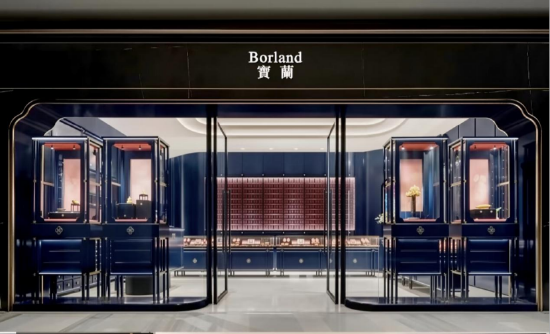
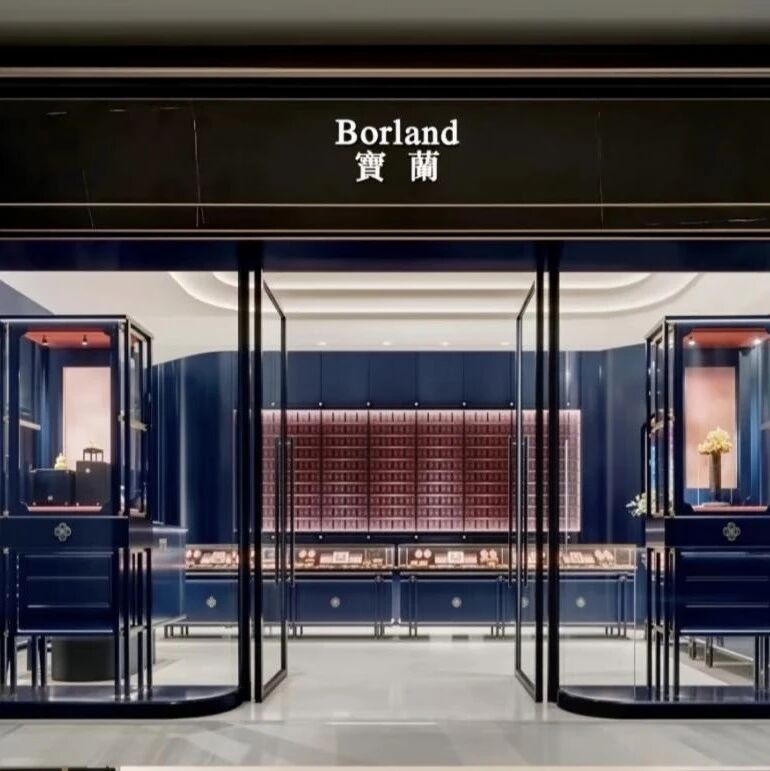
Core Viewpoint - The article discusses the recent A-round financing of the high-end gold jewelry brand Borland, led by notable investors including Lei Jun of Xiaomi and the Kering Group, highlighting the brand's premium pricing strategy and market positioning in the competitive "ancient gold" sector [3][6][24]. Financing and Investor Background - Borland recently completed over 100 million RMB in A-round financing, with a strong backing from prominent investors such as Challenger Capital led by Tang Binsen and Kering Group, indicating confidence in the brand's potential [3][6]. - The brand's origins date back to 1988, founded by Xu Bidong, who recognized the value of "flower silk inlay" craftsmanship before it gained market attention [7][8]. Product Pricing and Market Positioning - Borland's price per gram is approaching 2000 RMB, with a brand premium exceeding 50% compared to competitors like Chow Tai Fook and Chow Sang Sang [3][15]. - The brand has implemented aggressive price increases, announcing two price hikes within 2025, reflecting its premium positioning despite having only three physical stores [20][19]. Competitive Landscape and Challenges - The "ancient gold" market is becoming increasingly crowded, raising concerns about product differentiation and the risk of homogenization among brands [4][22]. - Borland's unique selling proposition lies in its craftsmanship, but it faces challenges in scaling production while maintaining quality, as its products are handcrafted and require significant time to produce [25][19]. Market Trends and Future Outlook - The ancient gold market is experiencing growth, with Borland positioned among the top brands, but it must navigate the balance between growth and maintaining its artisanal identity [24][25]. - Experts suggest that the investment from major players indicates a belief in the potential of Chinese high-end brands, with Borland seen as a possible contender to follow in the footsteps of established brands like Laopuhuang [24][25].
智慧零售新标杆:元气森林智能柜以全链路定制化服务实力,与富士康科技集团达成深度合作
Jin Rong Jie Zi Xun· 2025-12-12 07:59
Core Insights - The collaboration between Yuanqi Forest and Foxconn marks a significant step in the development of smart retail solutions, enhancing employee convenience and satisfaction within the Foxconn Shenzhen Longhua campus [1][2]. Group 1: Partnership Overview - Yuanqi Forest has launched a smart vending machine project in partnership with Foxconn, providing customized solutions to improve the quality of life for employees [1]. - The smart vending machines will utilize advanced AI recognition technology for a seamless shopping experience, allowing for "grab-and-go" purchases without the need for scanning [2]. Group 2: Market Context - The instant retail market in China is experiencing rapid growth, with an expected annual compound growth rate of 10% from 2024 to 2029, potentially reaching a market size of over 3.8 trillion yuan [1]. Group 3: Service and Product Offering - The collaboration emphasizes a diverse product range, including new beverage options and various food and lifestyle products, aimed at meeting the differentiated consumption needs of employees [2]. - Foxconn has set high standards for product selection and service quality, reflecting its commitment to employee welfare and satisfaction [2]. Group 4: Cultural Integration - The partnership integrates technology with human-centric values, promoting a culture of care and innovation within the workplace [3]. - A "Happy Shopping Carnival" event was organized to engage employees, featuring interactive games and promotional offers, further enhancing the shopping experience [3].
雷军据报入股黄金珠宝商宝兰
Ge Long Hui A P P· 2025-12-12 03:56
Core Viewpoint - The high-end gold jewelry brand Baolan from Hangzhou has recently completed over 100 million yuan in Series A financing, led by Tang Binsen, founder of beverage group Yuanqi Senlin, along with participation from Kering and Shunwei Capital, led by Lei Jun [1] Company Summary - Baolan was established in 1988 and currently operates three stores [1] - The company has upgraded its production line twice in 2019 and 2023, and now has a team of 60 goldsmiths [1] - Baolan is the first brand in mainland China to launch a gold product that meets industry standards for flower wire inlay [1] Industry Summary - The average selling price per gram for Baolan's products has approached 2000 yuan, comparable to that of Lao Pu Gold (6181.HK), with two price increases occurring within the year [1] - The competition in the "ancient method gold" segment is becoming increasingly fierce, with rising risks of product homogeneity [1] - Baolan faces significant challenges in establishing a unique brand identity amidst intensifying competition [1]
从一整根到好自在:中式养生水如何破局?
新消费智库· 2025-12-12 03:42
Core Viewpoint - The article discusses the strategic challenges faced by brands in the "Chinese health water" market, emphasizing the importance of clearly defining whether the product is perceived as "water" or "medicine" to avoid consumer confusion and market pitfalls [7][9][50]. Group 1: Market Dynamics - The "Chinese health water" market has gained significant attention, with various brands attempting to enter the space, driven by the perception of a large market and high profit margins [5][6]. - Brands like "Yizheng" have successfully utilized visual cues, such as showcasing whole ginseng roots, to create a perception of effectiveness among consumers [13][15]. - However, positioning products as "medicinal" can lead to low-frequency consumption, as consumers may only seek these products in specific situations, such as after staying up late [18][20]. Group 2: Strategic Traps - Brands that emphasize efficacy risk being categorized as "medicine," which limits their potential for daily consumption [20][26]. - Conversely, brands that downplay efficacy to compete in the beverage market face fierce competition from established players like Coca-Cola and other soft drinks [23][24]. - The article identifies two main traps: leaning too heavily towards "medicine" leads to low-frequency use, while leaning towards "beverage" results in competition in a saturated market [26]. Group 3: Successful Strategies - "Good Comfort" has adopted a unique approach by focusing on a specific problem—dampness—rather than strictly defining itself as "water" or "medicine," thus appealing to consumer needs in a more relatable way [31][40]. - The article suggests that brands should not only sell "functionality" but also "functional scenarios," addressing consumer needs in specific contexts [33][51]. - The ultimate breakthrough for health water brands lies in integrating into high-frequency consumer habits, such as replacing coffee or afternoon tea, rather than creating a new "health moment" [42][52]. Group 4: Recommendations for Founders - Brands must avoid ambiguity in positioning, clearly defining themselves as either low-frequency "medicine" or high-frequency "beverage" [50]. - Understanding that consumers purchase based on situational needs rather than abstract health concepts is crucial for market success [51]. - Focusing on replacing existing habits, such as coffee or tea, is more effective than attempting to create new health-related consumption moments [52][53].
小米创始人雷军杀入古法黄金“新王之战”,2000元/克的“寶蘭”要叫板老铺黄金?专家:同质化风险日益凸显
Sou Hu Cai Jing· 2025-12-12 02:21
Core Insights - Lei Jun, the chairman of Xiaomi Group, has invested in the high-end gold jewelry brand Borland, which recently completed over 100 million RMB in Series A financing, alongside other notable investors like Kering Group and Challenger Capital [2][4] - Borland's price per gram is approaching 2000 RMB, with a brand premium exceeding 50% compared to competitors like Chow Tai Fook and Chow Sang Sang, positioning it alongside established brands like Laopai Gold [2][10] - Despite having only three physical stores, Borland has actively pursued a price increase strategy, announcing two price hikes within 2025 [2][13] Company Background - Borland's origins date back to 1988, founded by Xu Bidong, who recognized the value of "flower silk inlay" craftsmanship before it gained market attention [5] - The brand was officially established in 2017, with Xu Bidong's son, Xu Zewei, now serving as the core manager and major shareholder [5][6] - Borland has registered over 50 trademarks related to its brand and operates under the legal entity of Hangzhou Baolan Golden Culture Development Co., Ltd. [5] Market Positioning - Borland's products are priced similarly to those of Laopai Gold, with a significant focus on unique craftsmanship rather than just gold weight [12] - The brand's pricing strategy reflects its commitment to handmade quality, with production cycles typically lasting around three months [12] - Borland's limited physical presence is a result of its handcrafted production model, which poses challenges for scaling [12][17] Industry Dynamics - The "ancient method gold" market is becoming increasingly crowded, raising concerns about homogenization risks among brands [15][17] - The capital influx into Borland indicates a strong belief in the potential of the high-end gold jewelry sector, particularly in the context of rising consumer interest in Chinese luxury brands [16] - Experts suggest that while Borland has the potential to become a leading brand in the sector, it faces significant challenges in establishing a unique identity amidst growing competition [17]
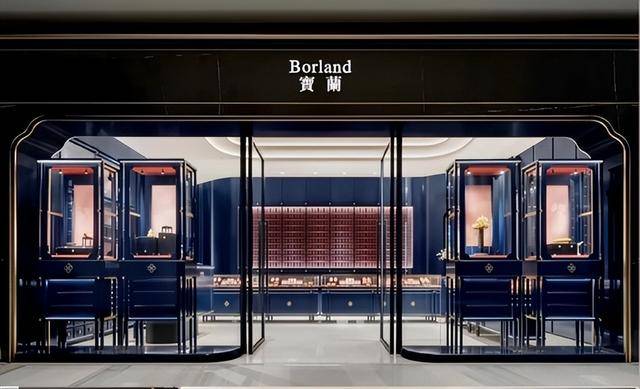
雷军杀入“古法金战”:成2000元/克的黄金公司股东
Xin Lang Ke Ji· 2025-12-12 01:28
Core Insights - The article discusses the recent A-round financing of the high-end gold jewelry brand Borland, led by prominent investors including Xiaomi's Lei Jun and luxury goods giant Kering, indicating strong market interest in the brand's potential [1][2][11] - Borland's pricing strategy positions its products at a premium, with per gram prices nearing 2000 RMB, reflecting a significant brand premium over competitors like Chow Tai Fook and Chow Sang Sang [1][7][10] - The brand's unique selling proposition lies in its craftsmanship, particularly the "flower silk inlay" technique, which is recognized as an intangible cultural heritage, although the crowded market raises concerns about differentiation and sustainability [9][12] Company Overview - Borland was founded in 1988 by Xu Bidong, who recognized the value of traditional gold craftsmanship before it gained market attention [3][4] - The brand's formal operations began in 2017, with Xu Bidong's son, Xu Zewei, now leading the company as a second-generation successor [4][5] - Borland has registered over 50 trademarks related to its brand and operates under the legal entity of Hangzhou Baolan Golden Culture Development Co., Ltd. [3][4] Market Positioning - Borland's products are priced similarly to other top-tier brands in the "ancient method gold" segment, with a notable example being a gold earring priced at 67,598 RMB, translating to approximately 1988 RMB per gram [7][10] - The brand currently operates only three physical stores, strategically located in major urban centers, and has a limited online presence with around 60 products available on its Tmall flagship store [8][9] - Despite its limited store count, Borland has implemented aggressive price increases, with two announcements for price hikes planned for 2025 [1][9] Industry Context - The ancient method gold market is experiencing rapid growth, with established players like Laopai Gold reporting significant revenue increases, highlighting the potential for new entrants like Borland [10][11] - The investment from major players indicates a belief in the growth potential of high-end Chinese brands, particularly in the luxury segment [11][12] - However, the market's increasing competition raises concerns about product differentiation and the risk of homogenization among brands [12][13]
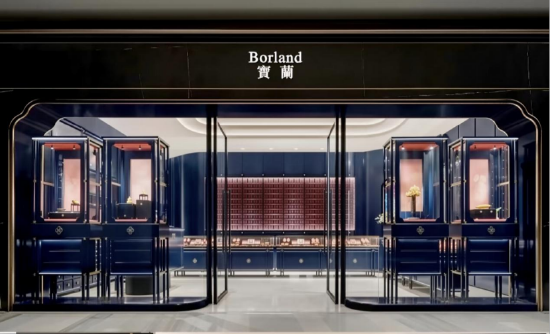
雷军杀入“古法金战”,2000元/克的“寶蘭”要叫板老铺黄金?|贵圈
Xin Lang Cai Jing· 2025-12-12 00:35
Group 1 - The core point of the article is that the high-end gold jewelry brand Borland has completed a Series A financing round exceeding 100 million yuan, with notable investors including Xiaomi's Lei Jun, Kering Group, and the founder of Yuanqi Forest, Tang Binsen [2][4][21] - Borland's price per gram is approaching 2000 yuan, with a brand premium exceeding 50% compared to ordinary gold jewelry brands like Chow Tai Fook and Chow Sang Sang, positioning it alongside Laopuhuang [2][10][28] - Despite having only three offline stores, Borland has actively implemented price increases, announcing two price hikes for its entire product line within 2025 [2][31] Group 2 - Borland's history dates back to 1988, founded by Xu Bidong, who recognized the value of "flower silk inlay" craftsmanship before it gained market attention [6][24] - The brand's operational entity, Hangzhou Borland Gold Culture Development Co., Ltd., was established in 2018, with Xu Bidong's son, Xu Zewei, now serving as the core manager and major shareholder [6][25] - Borland has upgraded its production lines twice in 2019 and 2023, currently employing a team of 60 goldsmiths, and is the first domestic brand to launch gold products that meet industry standards for flower silk inlay [9][27] Group 3 - Borland's pricing strategy aligns with luxury brands, with products priced significantly higher than the market average, reflecting the unique craftsmanship rather than just the gold weight [10][30] - The brand's current market presence is limited, with only three stores located in major urban commercial areas, and plans for future expansion are being considered [30][31] - The competitive landscape for "ancient method gold" brands is becoming crowded, raising concerns about the risk of homogenization and the challenge for Borland to establish a unique identity [16][19][35] Group 4 - The high-end ancient method gold market is experiencing rapid growth, with Laopuhuang reporting a revenue increase of 251% in the first half of 2025, indicating strong market validation [33][34] - Capital investment in Borland reflects a broader trend of seeking the next potential leader in the high-end gold jewelry sector, with a focus on Chinese luxury brands [34][36] - Experts suggest that while Borland has the potential to become a leading brand, it faces significant challenges in scaling production and differentiating itself in a competitive market [35][36]