李宁

Search documents
平安证券(香港)港股晨报-20250924
Ping An Securities Hongkong· 2025-09-24 02:26
Market Overview - The Hong Kong stock market experienced significant fluctuations, with the Hang Seng Index closing at 23,831 points, down 145 points or 0.61% [1][5] - The US stock market saw declines across major indices, with the Dow Jones down 0.2% at 46,292 points, and the S&P 500 down 0.6% at 6,656 points [2] - Concerns over the sustainability of the AI bull market led to declines in several AI-related stocks, including Nvidia, which fell 2.8% [2] Industry Insights - The Chinese government emphasized the importance of vocational education, highlighting the establishment of the world's largest vocational education system with 34 million students [3] - The report suggests continued focus on sectors such as artificial intelligence, semiconductors, and industrial software, which are seen as new productivity drivers [3] - The report also indicates a favorable outlook for upstream non-ferrous metals due to expectations of interest rate cuts by the Federal Reserve [3] Company Performance - Li Ning Company reported a revenue of 14.817 billion yuan for the first half of 2025, reflecting a year-on-year growth of 3.3% [10] - The company's gross margin was 50%, a slight decrease of 0.4 percentage points, attributed to increased promotional competition [10] - The net profit for Li Ning was 1.737 billion yuan, down 11% year-on-year, with a net profit margin of 11.7% [10] Electricity Consumption - In August, China's total electricity consumption reached 1,015.4 billion kilowatt-hours, a year-on-year increase of 5% [9] - Industrial electricity consumption accounted for nearly 60% of the total, with manufacturing electricity consumption growing by 5.5% year-on-year, marking the highest level this year [9]
运动品牌抢滩“痛”赛道,1块5的成本如何烧出千亿身份生意?
3 6 Ke· 2025-09-24 00:05
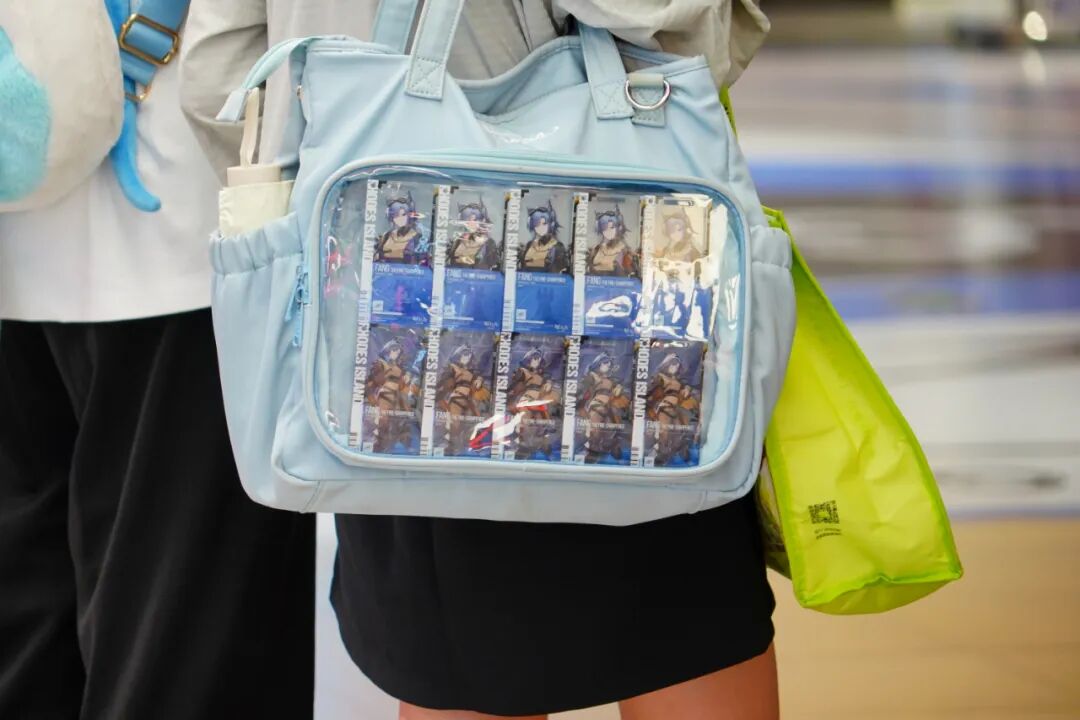
Core Insights - The rise of "pain culture" has transformed small accessories into significant "social currency" among young consumers, influencing the sports consumption ecosystem [1][2][3] - The market for "guzi economy" in China is projected to reach 168.9 billion yuan in 2024 and exceed 300 billion yuan by 2029, driven by a complete industrial chain [2][3] - Emotional value has become a key differentiator for brands, allowing young consumers to express themselves at a low cost through customizable accessories [2][3][12] Market Dynamics - The "pain culture" originated from Japanese subculture and has evolved into a mainstream consumer trend, particularly among Generation Z [3][16] - The market for accessories related to "pain shoes" and "pain bags" has expanded significantly, with notable growth in sales for various shoe types beyond just Crocs [2][11] - The industry is characterized by low prices, low decision-making barriers, and low return rates, contributing to its sustained growth [2][12] Consumer Behavior - Young consumers view these accessories not just as decorations but as emotional companions and identity markers, enhancing their personal style [1][16] - The majority of consumers in this market are post-95s, who are driving the demand for personalized and emotionally resonant products [16][24] - The influence of sports-themed anime has led to increased interest in related sports activities, further integrating "pain culture" into everyday life [16][24] Industry Trends - Major sports brands are actively entering the personalized accessory market, with products designed to cater to the emotional consumption trends of younger consumers [5][6][24] - The modular design of accessories allows for versatile use across different products, enhancing market potential and consumer engagement [3][14] - The competitive landscape is shifting, with traditional sports brands facing challenges in adapting to the unique demands of the "pain culture" market [23][24] Supply Chain and Production - The industry relies on a complete supply chain from manufacturing to retail, with significant growth in demand for accessories tailored to sports shoes and outdoor bags [11][21] - Production efficiency is critical, with rapid prototyping and short development cycles becoming essential to meet market demands [11][12] - The market is experiencing a price war, leading to shrinking profit margins, despite increasing sales volumes [12][24]

贵州省委书记、省长会见李宁、李大双、李小双
Xin Jing Bao· 2025-09-23 12:34
Core Viewpoint - The meeting between Guizhou provincial leaders and Li Ning Group's founder highlights a strategic partnership aimed at enhancing cooperation in the textile and sports industries, aligning with the province's high-quality development goals [1] Group 1: Government and Corporate Collaboration - Guizhou provincial leaders expressed their welcome and gratitude to Li Ning Group, emphasizing the importance of high-quality development and the integration of culture, tourism, and sports [1] - The provincial government aims to support Li Ning Group's industrial layout in Guizhou and facilitate practical cooperation [1] Group 2: Future Cooperation Potential - Li Ning Group representatives acknowledged the support from Guizhou and identified significant cooperation opportunities in the textile and sports sectors [1] - The agreement includes collaboration in sports events, sports apparel products, talent cultivation, and brand promotion [1]

都是晋江系企业,匹克混得也太差了
创业邦· 2025-09-23 10:30
Core Viewpoint - After a decade of being delisted and becoming a "marginal player," Peak has returned to public attention, but the news is not positive, as the company is facing significant salary cuts for employees without prior notice [5][6]. Salary Cuts and Financial Performance - Peak's chairman, Xu Jingnan, announced salary reductions for various positions, with cuts of 10% for salaries between 5,000-10,000 yuan, 20% for 10,000-20,000 yuan, and 30% for positions above 20,000 yuan. Some positions in loss-making departments faced cuts of up to 50% [5]. - Despite the salary cuts, Peak donated 100 million yuan to a charity just a week before the announcement, highlighting a stark contrast between corporate responsibility and financial struggles [6]. - The company reported a cumulative loss of over 130 million yuan in its direct sales segment from January to July this year [5]. Strategic Goals and Historical Context - Xu Jingnan stated that Peak is formulating a ten-year plan aiming for over 10 billion yuan in exports and 20 billion yuan in domestic sales, with the core strategy being to "build an international brand for Chinese people" [8]. - Peak was once a leading brand in the sportswear industry, achieving a valuation of nearly 200 million yuan in 1997 and collaborating with NBA stars to enhance brand influence [9]. - However, the company faced challenges during the global financial crisis and subsequent market adjustments, leading to significant store closures and a decline in net profits [11][12]. Market Position and Competitors - Other brands like Anta and Li Ning adapted to market changes more effectively, with Anta increasing its market share through strategic acquisitions and operational improvements [14][17]. - Peak's revenue and profit have been declining, with a 6% drop in revenue in 2016, leading to its delisting from the Hong Kong Stock Exchange [16]. - In 2021, Peak appeared to show signs of recovery with a financing round that valued the company over 10 billion yuan, but it has since struggled to maintain momentum amid high inventory and competitive pressures [19][20]. Product Development and Market Trends - Peak attempted to innovate with the launch of the "PEAK-TAICHI" technology, which gained attention and significant sales during events like Double Eleven [20][23]. - However, as international brands re-entered the Chinese market and domestic competitors improved their technology, Peak's competitive edge diminished [20][23]. - The company has also lagged in the women's sportswear segment, with a significant imbalance in product offerings compared to men's [28][29]. Future Considerations - To regain market relevance, Peak needs to focus on internal management, employee welfare, R&D investment, and enhancing brand influence in professional sports [29].

中产运动三件套,又换了
创业邦· 2025-09-23 10:30
Core Viewpoint - The article discusses the rising popularity of indoor tennis, pickleball, and indoor golf as new middle-class sports, highlighting their accessibility and social aspects, which have transformed them from "noble sports" to mainstream activities [5][15]. Summary by Sections Indoor Tennis - Indoor tennis has become increasingly popular, with a reported growth in participants. By 2024, the number of tennis players in China is expected to reach over 25.18 million, a growth rate of 28.03% compared to 2021 [8][24]. - The convenience of indoor tennis, including the availability of automatic ball machines and lower costs (around 60-140 yuan per hour), has made it more accessible to a broader audience [8][19]. Pickleball - Pickleball is gaining traction as a more accessible alternative to tennis, often referred to as a "three-in-one" sport. It has been popularized by celebrities and is seen as a social activity [9][10]. - The sport's low entry barriers and simple rules have contributed to its rapid adoption, with many individuals finding it easy to learn and play [20][21]. Indoor Golf - Indoor golf is also experiencing a surge in popularity, with the number of practice facilities in China increasing by 11.08% in 2024, reaching 3,388 venues [26]. - The shift from traditional outdoor golf to indoor facilities has made the sport more accessible, with prices for practice sessions dropping to around 60 yuan per hour [27][29]. Market Trends - The article notes a trend of these sports moving into lower-tier markets, with increased participation and facility availability in smaller cities [23][24]. - Major sports brands are recognizing the potential in these emerging sports, with companies like Li Ning and Adidas actively expanding their offerings in tennis, pickleball, and golf [26][27]. Social Dynamics - These sports serve as social currency, allowing individuals to connect and network, particularly among high-educated professionals [20][21]. - The article emphasizes that the appeal of these sports lies not only in their physical benefits but also in their ability to foster social interactions and community [15][19].

平安证券(香港)港股晨报-20250923
Ping An Securities Hongkong· 2025-09-23 02:02
Market Overview - The Hong Kong stock market experienced fluctuations, with the Hang Seng Index closing at 23,831 points, down 145 points or 0.61% [1][5] - The Southbound funds recorded a net inflow of 4.84 million, with the Shanghai Stock Connect contributing 2.83 million and the Shenzhen Stock Connect 2.01 million [1][5] - Despite the market's volatility, Southbound funds have seen a cumulative net inflow of 1,122.4 billion HKD since the beginning of the year, significantly surpassing last year's total of 807.9 billion HKD [3] Key Companies and Performance - Semiconductor company SMIC saw its stock price reach a new high, reflecting the resurgence of AI computing power and its supply chain [3] - JD.com experienced a decline of over 3%, while SMIC rose by 5% [1][5] - The consumer electronics supply chain company Hong Teng Precision surged by 18%, nearing historical highs, and AAC Technologies rose nearly 10% [1][5] - Pharmaceutical stocks showed recovery, with WuXi AppTec rising over 8% to reach a new high [1][5] Investment Recommendations - The report suggests focusing on sectors such as artificial intelligence and applications, semiconductors, and industrial software as new productivity drivers [3] - It also recommends attention to upstream non-ferrous metals benefiting from expectations of Federal Reserve interest rate cuts and strong mid-term performance [3] - The report highlights the value of Hong Kong stocks centered on Chinese assets, particularly in technology sectors empowered by "AI+" and leading companies across various industries [3] Notable Market Movements - In the US market, major indices reached historical highs, with the Dow Jones up 0.1%, S&P 500 up 0.4%, and Nasdaq up 0.7% [2] - Nvidia announced a significant investment of 100 billion USD into OpenAI to support new data centers and AI workloads, leading to a 3.9% increase in its stock price [2] - Oracle's stock surged by 6% due to management restructuring, while Apple's stock rose by 4.3% on optimistic iPhone 17 sales prospects [2]
《2025企业ESG实践观察报告》发布,53家企业入选优秀案例| 2025华夏ESG管理体系大会
Hua Xia Shi Bao· 2025-09-23 01:39
Core Viewpoint - The 2025 China ESG Management System Conference highlighted the growing importance of ESG as a core strategic pillar for companies, transitioning from a niche compliance issue to a significant driver of value creation [1][2]. Summary by Sections Conference Overview - The conference took place on September 19, 2023, in Beijing, focusing on the theme "Coexistence of Ideas and Practices, Development and Quality" [1]. - The event was organized by the China Times and supported by various organizations, including SGS and the China ESG Research Institute [1]. ESG Report Findings - The "2025 Corporate ESG Practice Observation Report" was released, marking the third consecutive year of publication by the China ESG Observation Alliance [1]. - The report indicates that the number of sustainable development reports published by A-share listed companies increased over 12 times from 2014 to 2024, with a disclosure rate improvement of nearly 40 percentage points [1]. - As of April 30, 2025, only 46% of A-share companies had published sustainable development reports, with less than 10% receiving third-party verification, indicating a need for improved ESG information quality and credibility [1]. Excellent ESG Practice Cases - A total of 53 companies were selected as "2025 ESG Practice Excellent Cases," evaluated by a panel of experts from various fields [2]. - The selected companies exemplify the integration of ESG into core business practices rather than superficial compliance [2]. Categories of ESG Cases - The excellent cases were categorized into nine types, including: - **Green Opportunity Cases**: Companies like NIO and China Bank that seized sustainable development opportunities [3]. - **Low Carbon Leading Cases**: Companies such as JD Logistics and Siemens that reduced carbon emissions in their operations [3]. - **Energy Saving and Consumption Reduction Cases**: Companies like TCL Technology and Mengniu that significantly lowered resource consumption [3]. - **Environmentally Friendly Cases**: Companies such as JinkoSolar and China Merchants Shekou that reduced pollution [3]. - **Quality Selection Cases**: Companies like Fosun Pharma and Haier that provided reliable products or services [3]. - **Human Resources and Public Welfare Benchmark Cases**: Companies like Ping An and Xpeng that managed employment relations and contributed to public welfare [4]. - **Supply Chain Responsibility Cases**: Companies such as Li Auto and Lenovo that actively fulfilled supply chain responsibilities [4]. - **Outstanding Governance Cases**: Companies like GCL-Poly and China Minsheng Bank that improved governance structures [4]. - **Compliance Model Cases**: Companies like Tigermed and JD Group that adhered to legal norms [4]. Top Ten ESG Practices - Among the excellent cases, ten companies were recognized as "Top Ten ESG Practices" for their innovation and effectiveness, including: - Ping An, TCL Technology, Mengniu, JD Logistics, JinkoSolar, China Merchants Shekou, Tongwei, Fosun Pharma, Siemens, and Schaeffler [5]. - These companies serve as industry benchmarks for sustainable practices [5]. Recognition of Individuals - The event also recognized eight individuals as "2025 China ESG Observation Alliance Recommended Officials" for their contributions to the development of the ESG ecosystem in Chinese enterprises [5].
2025年第37周:服装行业周度市场观察
艾瑞咨询· 2025-09-23 00:00
Industry Environment - The domestic watch brand Seagull's 1963 replica watch has seen a 95.63% sales increase during the Black Friday promotion in overseas markets, attributed to its military history and high cost-performance ratio, being priced at only 1/4 of similar foreign products [2][3] - Swiss watch brands are experiencing significant declines in performance due to a cooling Chinese market and U.S. tariff pressures, while domestic brands like Seagull and Fiyta are enhancing international recognition through technological breakthroughs and cultural integration [3] - The market environment presents a replacement opportunity for domestic brands, which could enter a golden era in the high-end market if they improve stability and brand narrative capabilities [3] Fashion Trends - Leggings have evolved from sportswear to everyday wear, but there is a growing trend towards loose-fitting pants, with market share for leggings expected to drop from 46.9% in 2022 to 38.7% by 2025, while loose pants are gaining popularity [4] - Despite the rise of loose pants, leggings remain essential for functional sports scenarios due to their support and feedback, indicating a dual pursuit of functionality and fashion among consumers [4] Streetwear Brands - Traditional streetwear brands are undergoing a "de-street" transformation, with some brands enhancing quality and positioning to reshape their image, as seen with KITH and NOAH, while others like Supreme maintain their original street culture stance [5] - This trend reflects the blurring definitions of streetwear, with brands exploring diverse development paths to create a more open industry landscape [5] Luxury Brands - Luxury brands face challenges in their Qixi Festival marketing due to cultural misinterpretations and severe homogenization, struggling to balance high-end positioning with sales pressures [6][7] - Some brands have achieved limited success through long-term celebrity collaborations and emotional IP creation, but the fundamental issues remain unresolved [7] - Luxury brands are accelerating their entry into the beauty market to counteract traditional market sluggishness, with LVMH's beauty division generating €4 billion, accounting for 10% of the group's sales [8] - The beauty product line is expanding from perfumes to a full range, emphasizing immersive retail experiences, making beauty a key strategy for luxury brands to connect with consumers and enhance brand value [8] Company Dynamics - Anta Sports reported a revenue of 38.54 billion yuan for the first half of 2025, a 14.3% increase, but its stock price fell by 8.27% due to concerns over growth potential and market fatigue [9] - FILA's revenue grew by 8.6% to 14.18 billion yuan, focusing on high-end sports fashion and achieving breakthroughs in professional categories [11] - Youngor's fashion segment saw a 7.8% revenue increase to 3.684 billion yuan, driven by acquisitions, but overall net profit declined by 39.28% due to rising costs [12] - Uniqlo is adapting to market challenges by launching limited edition collaborations and adjusting store strategies, despite facing performance pressures in the Greater China region [13] - Bosideng ranked 45th in BrandFinance's 2025 global apparel brand value list, with a brand value of $2.09 billion, and aims to enhance its international competitiveness [14][15] - Balabala achieved a 6% growth in the children's clothing market by innovating in product, marketing, and experiential retail [16] - Lao Pu Gold reported significant growth in sales and profits, with a gross margin of 38.1%, but faces challenges from increased competition in the ancient gold market [17] - Li Ning's recent event showcased a blend of sports aesthetics and youth culture, launching new collaborations and emphasizing cultural confidence [18]


100亿级损失,安踏和李宁的营销做错了什么?
Sou Hu Cai Jing· 2025-09-22 17:51
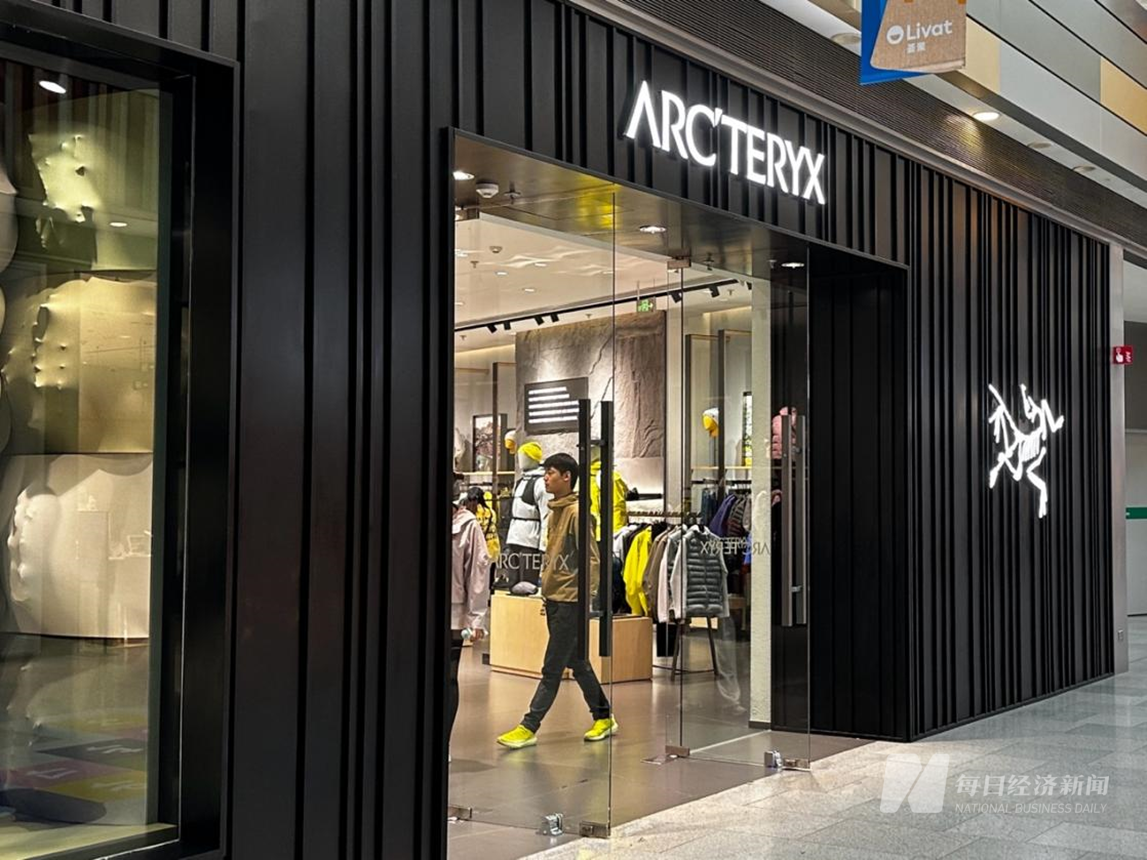
Core Viewpoint - The recent marketing campaign by outdoor brand Arc'teryx, featuring a controversial fireworks display in the Himalayas, has led to a significant backlash and a market value loss exceeding 200 billion yuan for its parent company Anta Sports [2][4][11] Group 1: Marketing Crisis - The "explosion" event has resulted in a 4% drop in Anta Sports' stock price, equating to a market value loss of over 100 billion HKD [2] - Arc'teryx's parent company, Amer Sports, saw a 9.85% decline in stock price, leading to a market value decrease of 145.69 billion RMB [2] - This incident mirrors a previous marketing failure by Li Ning, which lost 123 billion yuan in market value over three trading days due to a similar crisis [4] Group 2: High-End Market Challenges - Brands aiming for high-end positioning often fall into the trap of prioritizing form over substance, equating "high-end" with quirky designs and exclusive experiences, neglecting the essence of value premium [5] - The core of high-end branding should align with social consensus and deep emotional connections with users, rather than superficial artistic expressions [5][16] - The marketing misstep by Arc'teryx highlights a crisis of "hollowed-out values" in pursuit of high-end branding, as their actions contradicted their core environmental principles [7][9] Group 3: Financial Performance Context - Both Anta and Li Ning faced performance pressures during their marketing failures, indicating a desperate search for solutions that can lead to severe consequences [11] - Li Ning reported a revenue increase of 21.7% in the first half of 2022, but faced declining profit margins, with gross margin dropping by 5.9 percentage points [13] - Arc'teryx's parent company reported a 23% revenue increase in Q2 2025, but this was accompanied by an 11 percentage point decline in growth compared to the previous year [13] Group 4: Lessons for High-End Branding - The marketing failures of both brands serve as a warning that high-end branding should not be a self-indulgent celebration but rather a value-driven connection with users and society [16] - True high-end branding should respect social consensus and resonate with user emotions, leveraging value innovation to achieve premium pricing and respect [16]

母公司美股股价下滑超5%,始祖鸟品牌受创 萨洛蒙、凯乐石能否接上流量?
Mei Ri Jing Ji Xin Wen· 2025-09-22 16:25
Core Viewpoint - The marketing event by Arc'teryx, branded as an "artistic" fireworks show, has sparked significant public controversy due to potential ecological damage and perceived misalignment with the brand's core values of outdoor protection [1][2]. Financial Performance - Amer Sports, the parent company of Arc'teryx, reported a strong financial performance with a revenue of $2.709 billion in the first half of the year, reflecting a year-on-year growth of 23.46% [9]. - The company also achieved an operating profit of $258 million, which is a 157% increase year-on-year, and a net profit of $153 million, showing an increase of over 108 times compared to the previous year [9]. Market Position and Competition - Arc'teryx is positioned as a leading outdoor brand, but it faces increasing competition from other brands like Patagonia and Kailas, which are also focused on environmental responsibility [14]. - The footwear segment under Salomon has been identified as a new growth engine for Amer Sports, especially as Arc'teryx's technical apparel division has shown a declining profit margin [12][14]. Consumer Behavior and Brand Perception - Despite the controversy surrounding the fireworks event, foot traffic in Arc'teryx stores remains steady, with some customers expressing understanding towards the brand's situation [3][6]. - The brand's high-end positioning, with products priced between 5,000 to 8,000 yuan, has been part of its strategy to appeal to affluent consumers, but the recent backlash may affect long-term consumer trust [6][9]. Marketing Strategy - The fireworks show was intended to be a landmark marketing case for 2025, but it has been criticized for straying from the brand's commitment to outdoor ethics [2][8]. - The collaboration with artist Cai Guo-Qiang, while aiming for innovative marketing, has raised concerns about the brand's control over its messaging and the potential costs involved [8][9].