
格力电器

Search documents
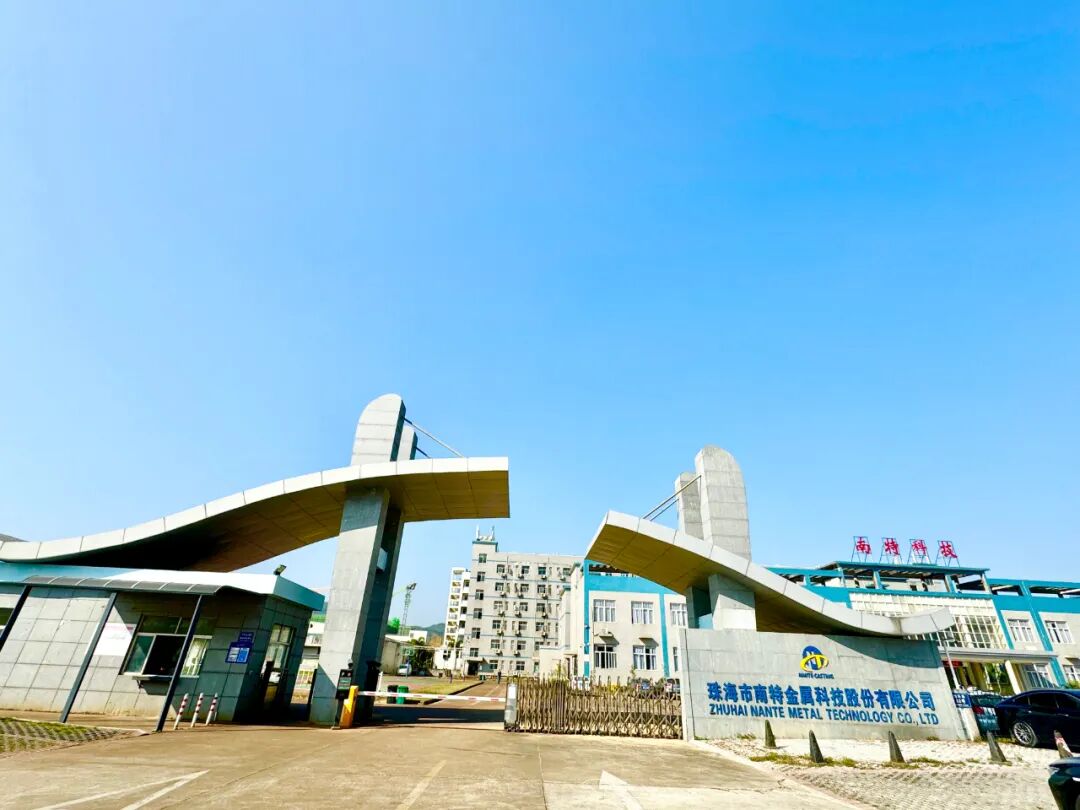
从“隐形冠军”到“智造领航者”:南特科技背后的高质量增长之路
Mei Ri Jing Ji Xin Wen· 2025-11-28 06:55
Core Insights - The article highlights the importance of "specialized, refined, and innovative" enterprises in China's high-end manufacturing sector, particularly those that control core components, as key players in supporting the safety and upgrading of the industrial chain [1] - Zhuhai Nante Metal Technology Co., Ltd. (Nante Technology) is identified as a leading precision manufacturing company deeply embedded in the global industrial chain [1] Company Positioning - Nante Technology is a high-tech enterprise primarily engaged in the R&D, production, and sales of precision mechanical components, with a clear focus on the entire production process from mold design to precision machining [3][4] - The company has established long-term strategic partnerships with major industry players, including Midea Group and Panasonic, and holds approximately 30% of the key component share in Gree Electric's supply chain [3][4] Competitive Advantages - Nante Technology's core competitive advantage lies in its rare comprehensive production capabilities within the industry, covering all processing flows of precision mechanical components such as cylinders, bearings, pistons, and crankshafts [4][5] - The company has developed a unique "integrated" production layout that combines casting and precision machining, allowing for high-quality and efficient production processes [5][6] Technological Innovations - Nante Technology has made significant breakthroughs in both casting and precision machining, including the development of an automatic separation mold technology for high-strength ductile iron castings and a high-precision slider production technology [6][7] - The company has also established itself as a leader in intelligent manufacturing, participating in the formulation of industry standards and developing automated systems that enhance production efficiency [7][8] Financial Performance - Nante Technology has demonstrated strong financial growth, with revenue projected to increase from 834 million yuan in 2022 to 1.031 billion yuan in 2024, and net profit expected to exceed 100 million yuan in 2025 [9][10] - The company's gross margin has improved from 19.51% in 2022 to 25.46% in the first half of 2023, reflecting the impact of technological innovation and cost reduction [9] Future Growth Prospects - The upcoming IPO will fund projects aimed at resolving capacity bottlenecks and enhancing R&D capabilities, positioning Nante Technology for a new phase of growth [10]

藏不住了!这里有一幅攒了10年的画卷,等你开启!
Xin Hua Wang· 2025-11-28 06:14
Core Insights - The Boao Forum for Entrepreneurs was inaugurated on June 18, 2016, with over 500 participants from home and abroad, aimed at creating a high-quality communication platform for entrepreneurs [5][6][85] - The forum has evolved over the years, focusing on themes such as "Belt and Road Initiative," "high-quality development," and "innovation," reflecting the changing landscape of the Chinese economy [11][15][43][85] Group 1: Forum Development - The first forum aimed to enhance cooperation between domestic and international entrepreneurs [5] - Subsequent forums have addressed various themes, including "international vision and globalization," "financial connectivity under the Belt and Road Initiative," and "brand and communication" [15][43] - The forum has become a significant platform for discussing the challenges and opportunities faced by entrepreneurs in China [85] Group 2: Key Themes and Discussions - In 2018, the forum celebrated the 40th anniversary of China's reform and opening-up, discussing the "Brand Power Strategy" [18][20] - Discussions in 2019 focused on high-quality development paths and innovation experiences among enterprises [26] - The 2021 forum emphasized digital transformation and green development, exploring new pathways for high-quality economic growth [43][47] Group 3: Entrepreneurial Insights - Notable figures, such as Dong Mingzhu and Liu Yonghao, shared insights on the importance of quality, innovation, and social responsibility in business [24][48] - The forum has highlighted the need for continuous innovation and adaptation to changing market conditions [30][32] - Entrepreneurs have been encouraged to embrace a "zero-based" mindset to tackle new challenges and foster long-term growth [22][85] Group 4: Future Outlook - The upcoming 2025 forum will celebrate its 10th anniversary, focusing on "Linking the World and Leading the Future: New Opportunities in the 14th Five-Year Plan" [85] - The forum aims to continue evolving with the times, addressing emerging themes and fostering collaboration among entrepreneurs [85]
2025亚洲通航展在广东珠海开幕
Zhong Guo Jing Ji Wang· 2025-11-28 06:13
11月27日,由珠海航展集团有限公司和法兰克福展览(香港)有限公司联合主办的2025亚洲通用航空展 在广东省珠海市开幕。亚洲通用航空展是中国唯一经商务部批准举办的中外合作的通用航空类专业展 会。本届展会持续4日,以"通航新纪元,探索低空无限可能"为主题,创新构建"展览+表演+会议+赛事 +活动"五位一体的展会新模式。 珠海格力集团有限公司党委书记、董事长邹晖表示,从首届成功举办到本届规模全面升级,亚洲通用航 空展始终坚持"国际化、专业化、市场化、品牌化"办展宗旨,为各展商、观众链接全球通航产业资源、 推动中欧低空经济合作的高端服务平台。集团全力以赴做好2025亚洲通用航空展的各项服务保障工作, 确保展会取得圆满成功,同时以此为契机持续深化与各方伙伴的深入合作,推动更多创新成果在珠海落 地转化,为珠海加快打造低空经济产业集群、推动粤港澳大湾区产业经济发展注入强劲动能。 法兰克福展览亚洲控股有限公司董事总经理鲍思丰表示,通过不断提升展商国际化、观众专业性、行业 曝光度及资源整合力,本届通航展实现跨越式发展,展览规模和国际化、专业化水平实现双提升。相信 未来亚洲通用航空展将不仅成为通用航空和低空经济领域的标杆展会, ...
12月白电排产数据公布,家用空调行业短期调整,10月洗衣机出口表现亮眼
Jianghai Securities· 2025-11-28 05:13
Investment Rating - Industry rating: Overweight (maintained) [6] Core Insights - The home appliance industry is experiencing a decline in production, with December 2025's total production of air conditioners, refrigerators, and washing machines at 30.18 million units, a year-on-year decrease of 14.1% [6] - The production of home air conditioners, refrigerators, and washing machines in December 2025 is 14.11 million, 8.13 million, and 7.94 million units respectively, with year-on-year declines of 22.3%, 8.2%, and 1.9% [6] - The domestic sales and exports of air conditioners in December 2025 are 5.16 million and 8.95 million units, reflecting a year-on-year drop of 29.9% and 11.4% respectively [6] - The washing machine export market is performing strongly, with a cumulative export volume of 37.6 million units in the first three quarters of 2025, a year-on-year increase of 12% [6] Summary by Sections Recent Industry Performance - The relative return over the past month is 4.09%, while the absolute return over the last 12 months is 10.07% [3] Production Data - In October 2025, actual production of home air conditioners was 10.13 million units, down 27.9% year-on-year, with sales of 10.28 million units, down 20.1% [6] - The production data for September shows air conditioners, refrigerators, and washing machines exported 3.37 million, 4.47 million, and 4.79 million units respectively, with year-on-year changes of -18.2%, +7.6%, and +23.8% [6] Investment Recommendations - The report suggests that the air conditioning industry is facing multiple pressures, including weak retail demand and high base effects from exports, leading to a continued adjustment phase [6] - The report highlights the potential for growth in overseas markets for Chinese home appliance companies, particularly in washing machines, as they expand their international sales networks and enhance brand influence [6]
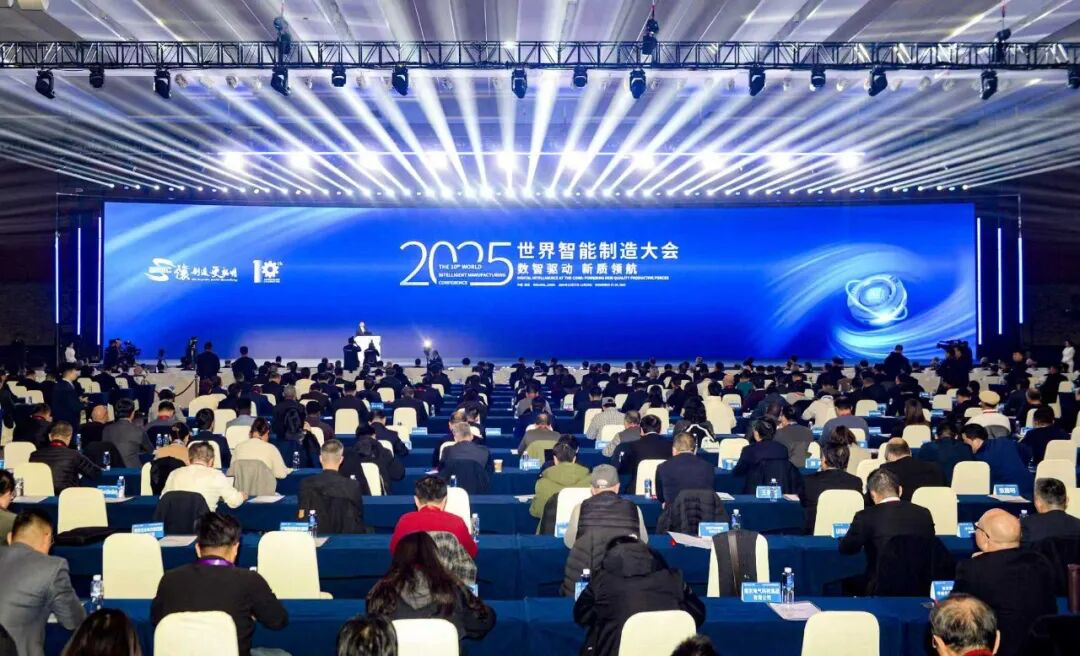
数智驱动 新质领航 2025世界智能制造大会在宁启幕
Zhong Guo Fa Zhan Wang· 2025-11-28 03:37
Core Insights - The 2025 World Intelligent Manufacturing Conference opened in Nanjing with the theme "Digital Intelligence Drives New Quality Leadership" [1] - The conference aims to create an international, high-end, and professional platform for global intelligent manufacturing exchange and cooperation, showcasing the latest achievements in the field and exploring the integration of technological breakthroughs and industrial transformation [1] Group 1: Conference Activities - The conference includes one main conference, one market-oriented exhibition, twelve thematic activities, and sixteen concurrent industrial ecosystem activities [1] - The event features the launch of the "Leading Action Plan" by the first batch of fifteen leading intelligent factories, which focuses on digital transformation, network collaboration, and intelligent change [3] Group 2: Key Announcements - A new session of the National Intelligent Manufacturing Committee was appointed, and several significant reports were released, including the 2025 Intelligent Manufacturing Blue Book and the top ten technological advancements in global and Chinese intelligent manufacturing for 2025 [5] - Prominent figures in the field, including academicians and executives from major companies, delivered keynote speeches on cutting-edge trends and strategic directions in intelligent manufacturing [5] Group 3: Exhibition Highlights - The World Intelligent Manufacturing Expo, held concurrently, covers an area of 55,000 square meters and features four main exhibition halls, including robotics and intelligent factories [9] - The expo attracted 456 companies from 21 countries and regions, showcasing international participation and facilitating various activities such as financial roadshows and technology exchanges [9] Group 4: Industry Significance - Intelligent manufacturing is identified as a primary focus for building a strong manufacturing nation, crucial for developing a modern industrial system and strengthening the real economy [9] - The conference has been held annually since 2016, becoming a high-end platform for China's participation in global intelligent manufacturing cooperation and showcasing the achievements of Jiangsu's manufacturing industry [9]



“十五五”俄罗斯家电行业市场全景调研与投资前景展望分析(2026)-中金企信发布
Sou Hu Cai Jing· 2025-11-28 03:32
Global Home Appliance Industry Analysis - The global home appliance market reached a sales scale of $640 billion in 2023, an increase of 18.52% compared to 2019, with major appliances accounting for $400 billion and small appliances for $240 billion [3] - The market is projected to grow to $850 billion by 2029, with a 10-year CAGR of approximately 4.64% [3] - Asia is the largest market for home appliances, contributing $340 billion in sales in 2023, followed by North America at $130 billion and Europe at $100 billion, together accounting for about 89% of the global market [3] Competitive Landscape - The global home appliance industry is characterized by mature development and intense competition, dominated by leading Chinese brands like Midea, Gree, and Haier, as well as established foreign brands such as Whirlpool, Electrolux, Samsung, Panasonic, and LG [4] - The smart home market is expected to grow from $24.823 billion in 2019 to $92.2 billion by 2028, with a CAGR of 15.70%, indicating a shift in growth momentum towards emerging markets like smart appliances [4] China Home Appliance Industry Analysis - The Chinese home appliance market is projected to reach ¥906.4 billion in 2024, with a year-on-year growth of 6.4%, and is expected to grow to approximately ¥1.33 trillion by 2029 [5] - The market is transitioning from a blue ocean phase to a red ocean phase, facing intense competition and limited new demand as it becomes saturated [5] Policy and Market Trends - National policies such as "old-for-new" subsidies are stimulating mid-to-high-end consumption and driving demand for appliance upgrades [6] - The cumulative market size for Chinese home appliances from January to October 2024 reached ¥730.4 billion, with a year-on-year growth of 4.2%, and a significant increase to 7.6% in the third quarter due to the implementation of upgrade policies [6] Export and Economic Performance - China's home appliance exports are expected to reach $112.4 billion in 2024, a year-on-year increase of 14.0%, marking a historical high [7] - The overall revenue of the Chinese home appliance industry is projected to reach ¥19.5 trillion in 2024, with a year-on-year growth of 5.6%, and total profits expected to reach ¥173.7 billion, up 11.4% [7] Future Outlook - With rising domestic labor costs and increasing potential in overseas markets, more home appliance companies are expected to expand internationally, leveraging their supply chain management capabilities for growth [8]

自由现金流ETF基金(159233)连续3天净流入,规模创成立以来新高
Xin Lang Cai Jing· 2025-11-28 02:56
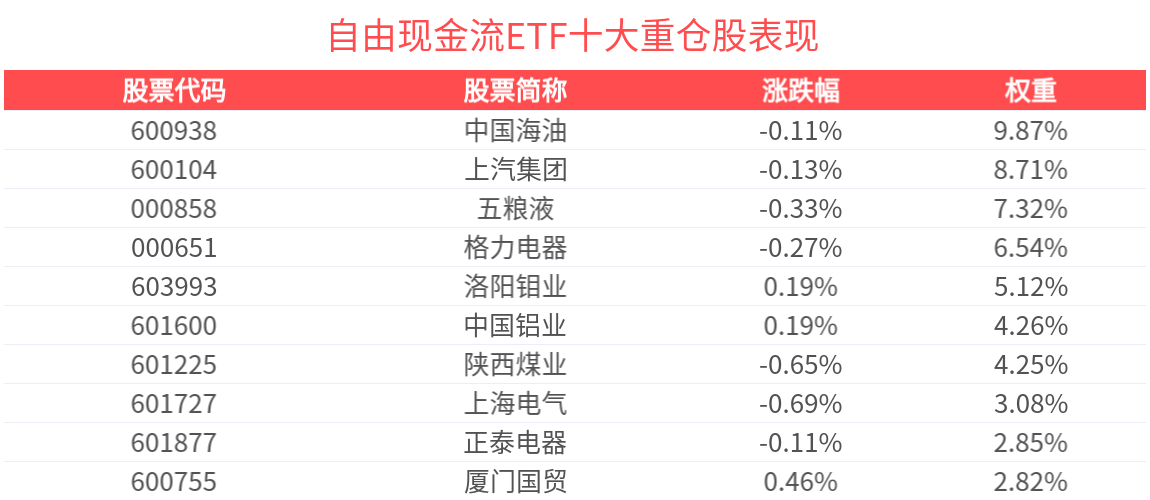
Core Insights - The China Securities Free Cash Flow Index (932365) shows mixed performance among its constituent stocks, with Jin Hong Group (603518) leading with a 2.08% increase, while Furi Shares (002083) experienced the largest decline [1] - The Free Cash Flow ETF (159233) is experiencing a tight trading range, with a latest price of 1.18 yuan and a turnover rate of 0.73% during the trading session, totaling 6.339 million yuan in transactions [1] - The Free Cash Flow ETF has reached a new high in scale, now at 873 million yuan, marking a significant milestone since its inception [1] Fund Performance - The Free Cash Flow ETF has achieved a record high of 742 million shares outstanding, indicating strong investor interest [2] - Over the past three days, the ETF has seen continuous net inflows, with a peak single-day inflow of 296 million yuan, totaling 352 million yuan in net inflows and an average daily net inflow of 117 million yuan [2] Fee Structure - The management fee for the Free Cash Flow ETF is set at 0.50%, while the custody fee is 0.10% [3] - The ETF closely tracks the China Securities Free Cash Flow Index, which includes 100 listed companies with high free cash flow rates, reflecting the overall performance of companies with strong cash flow generation capabilities [3] Top Holdings - As of October 31, 2025, the top ten weighted stocks in the China Securities Free Cash Flow Index include China National Offshore Oil Corporation (600938), Midea Group (000333), and Gree Electric Appliances (000651), collectively accounting for 56.53% of the index [3]
自由现金流ETF(159201)连续15天净流入,合计“吸金”18.75亿元
Sou Hu Cai Jing· 2025-11-28 02:18
Core Viewpoint - The National Index of Free Cash Flow has experienced a slight decline of 0.04% as of November 28, 2025, with mixed performance among constituent stocks, indicating a volatile market environment [1]. Group 1: ETF Performance - The Free Cash Flow ETF (159201) is currently priced at 1.16 yuan, showing a state of market indecision [1]. - Over the past month, the Free Cash Flow ETF has seen an average daily trading volume of 443 million yuan [1]. - In the last 15 days, the ETF has recorded continuous net inflows, with a peak single-day net inflow of 253 million yuan, totaling 1.875 billion yuan in net inflows [1]. Group 2: Financial Metrics - The Free Cash Flow ETF has achieved a net value increase of 18.12% over the past six months [2]. - Since its inception, the ETF has recorded a maximum monthly return of 7%, with the longest streak of consecutive monthly gains being six months and a maximum cumulative gain of 22.69% [2]. - The ETF has a historical monthly profit percentage of 87.50% and a 100% probability of profitability over a six-month holding period [2]. Group 3: Fee Structure and Holdings - The management fee for the Free Cash Flow ETF is set at 0.15%, while the custody fee is 0.05%, both of which are among the lowest in the market [3]. - As of October 31, 2025, the top ten weighted stocks in the National Index of Free Cash Flow account for 54.79% of the index, including major companies like China National Offshore Oil Corporation and SAIC Motor [3].
国际大牌、本土精品,“首店”为何青睐京城?
Xin Jing Bao· 2025-11-28 01:33
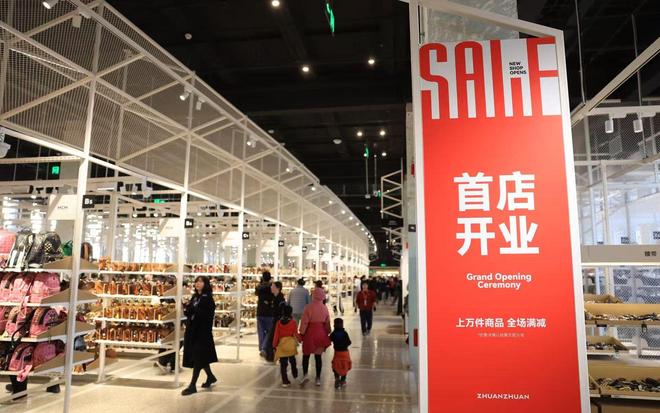
Core Insights - The rise of "first stores" in Beijing is not just about retail but also about creating unique experiences and social interactions for consumers, particularly among the younger generation [1][5][22] - The Beijing government is actively promoting the first store economy as part of its broader strategy to boost consumption and reshape the commercial landscape [1][12][16] Summary by Sections First Store Economy - The first store concept refers to the first physical location of a brand within a specific geographic area, which can include global, national, or city-level first stores [1] - In 2025, Beijing is expected to see over 900 new first stores, continuing a trend of more than 900 openings annually since 2023 [2][20] Consumer Experience - The first store experience is characterized by a focus on social media engagement, where sharing experiences can enhance social capital among young consumers [5][22] - The transformation of the first store economy has evolved from simple store openings to a more complex ecosystem that includes various forms of launches and exhibitions [5][22] Innovative Retail Formats - New retail formats are emerging that combine different business models, such as retail with dining, culture with experience, and technology with service [7][11] - Examples include immersive experiences like the MINISO LAND and the integration of technology in retail spaces, such as smart home demonstrations [8][10] Commercial Landscape Transformation - The first store economy is reshaping Beijing's commercial geography, with different districts developing unique identities based on their first store offerings [12][22] - Notable examples include the Wangfujing Joy project, which has seen significant sales and foot traffic increases due to its strategic first store strategy [12][13] Policy Support - The Beijing government has implemented various financial incentives for businesses opening first stores, including grants and rewards for attracting new brands [16][17] - The city's efforts to become an international consumption center are supported by policies that encourage diverse first store formats and cultural integration [17][24] Future Trends - The future of the first store economy in Beijing is expected to focus on quality and concept-driven experiences that resonate with consumers' emotional and social needs [22][24] - There is a growing demand for more interactive and experiential retail formats that go beyond traditional shopping [24]
研判2025!中国节能家电行业政策、产业链、市场规模、重点企业及发展前景展望:政策引领与技术赋能,推动节能家电产业高质量发展[图]
Chan Ye Xin Xi Wang· 2025-11-28 01:29
Core Insights - The energy-saving home appliance market is experiencing continuous demand growth due to the global trend towards energy conservation and increasing consumer awareness of environmental protection [1][3][6] - The market size of China's energy-saving home appliance industry is projected to grow from 236.25 billion yuan in 2015 to 680.325 billion yuan in 2024, with a compound annual growth rate (CAGR) of 12.47% [1][10] - By 2025, the market size is expected to reach 744.3 billion yuan, driven by technological advancements and evolving consumer demands [1][10] Industry Overview - Energy-saving home appliances utilize advanced technologies such as variable frequency technology, high-efficiency compressors, and optimized insulation materials to significantly reduce energy consumption during use [1][3] - The industry includes various products such as air conditioners, refrigerators, washing machines, water heaters, televisions, and rice cookers [3] Market Dynamics - The Chinese government has implemented various policies to support the energy-saving appliance sector, including subsidies for replacing old appliances and promoting energy-efficient products [6][7][11] - The increasing focus on green consumption and energy efficiency among consumers is driving demand for energy-saving appliances [7][11] Industry Chain - The upstream of the energy-saving appliance industry includes raw materials and components such as steel, copper, plastics, rubber, electronic components, semiconductor materials, chemical materials, and insulation materials [8] - The midstream involves the production and manufacturing of energy-saving appliances, while the downstream encompasses sales channels including specialty appliance stores, home improvement markets, and various e-commerce platforms [8] Key Players - Major companies in the energy-saving appliance sector include Midea Group, Haier Smart Home, Gree Electric Appliances, Sichuan Changhong, Hisense, and others [1][13] - Midea Group reported a revenue of 167.201 billion yuan in its smart home business for the first half of 2025, reflecting a year-on-year growth of 13.32% [13] - Haier Smart Home achieved significant sales in its refrigerator, washing machine, and air conditioning segments, with respective revenues of 42.517 billion yuan, 31.645 billion yuan, and 31.645 billion yuan in the first half of 2025 [14][15] Development Trends - The industry is moving towards greater integration of artificial intelligence and IoT technologies, enabling autonomous energy management and optimization [16] - There is a focus on green design and circular economy principles, with an emphasis on using eco-friendly refrigerants and increasing the use of renewable materials [16] - Energy-saving appliances are evolving from single-function products to comprehensive, scenario-based solutions that optimize energy consumption across different home environments [17]

