理想汽车

Search documents
美股收低,英伟达重挫4.2%,“中国金龙”跌1.81%,金银油大涨
Di Yi Cai Jing Zi Xun· 2026-02-28 00:19
Market Overview - The US stock market closed lower on Friday, with both financial and technology stocks under pressure due to multiple uncertainties including AI disruptions, disappointing inflation data, and rising geopolitical risks [2][3] - The S&P 500 and Nasdaq indices recorded their largest monthly declines in a year, with all three major indices showing significant weekly weakness [2] Index Performance - The Dow Jones Industrial Average fell by 521.28 points, a decline of 1.05%, closing at 48,977.92 points; the S&P 500 dropped by 29.98 points, down 0.43%, closing at 6,878.88 points; the Nasdaq decreased by 210.17 points, a 0.92% drop, closing at 22,668.21 points [2][3] - For the week, the Dow fell 1.31%, marking the largest weekly decline since mid-November last year, while the Nasdaq and S&P 500 dropped by 0.95% and 0.44%, respectively [3] Sector Performance - The technology sector continued to drag down index performance, with Nvidia experiencing a significant drop of 4.2%, following a previous day's decline of 5.5%, indicating investor caution regarding the uncertainty of AI-related capital expenditures and return cycles [3] - Other notable stock movements included Tesla down 1.49%, Microsoft down 2.24%, and Apple down 3.21%, while Google-A, Amazon, and Google-C saw slight increases [3][4] Economic Data - The US Labor Department reported that the Producer Price Index (PPI) for January rose by 0.5% month-over-month, exceeding market expectations of 0.3%, with a year-over-year increase of 2.9%, still above the Federal Reserve's 2% inflation target [5] - Core PPI, excluding volatile food and energy prices, increased by 0.8% month-over-month, significantly higher than the expected 0.3%, and up from 0.6% in December [5] Market Sentiment - Market sentiment remains cautious as higher-than-expected inflation data exacerbates weak sentiment and may delay expectations for a dovish shift from the Federal Reserve this year [6] - Defensive sectors such as consumer staples, healthcare, and utilities showed relative strength, while cyclical growth sectors faced significant pressure [6] Individual Stock Highlights - Netflix shares surged by 13.8% after exiting the Warner Bros. Discovery acquisition battle, gaining investor support [7] - Dell Technologies saw a significant increase of 21.9%, as the company projected that AI-optimized server business revenue would double by fiscal year 2027 and committed to increasing shareholder returns [8] Bond Market - Despite the hot inflation data, the bond market saw buying interest, with the 10-year US Treasury yield falling by 5.5 basis points to 3.962%, marking the first drop below 4% since late November [8]


李斌分拆芯片资产,22亿已到账
2 1 Shi Ji Jing Ji Bao Dao· 2026-02-27 16:07
官方介绍,该芯片实际算力约为英伟达Orin-X的四倍,内存带宽达546GB/s,且搭载完善的冗余安全电路,其现已搭载至蔚来全系新车,累计出货超15万 套。 蔚来创始人李斌,落下一枚芯片重子。 业内人士指出,神玑芯片的规模化商用,打破国际巨头在高端车规芯片领域的垄断。此次融资,将助力国产芯片突破技术壁垒,加速产业化进程。 李斌算过一笔账:神玑NX9031的研发成本,约相当于建设1500座换电站,总计22.5亿-30亿元,此次融资额度,也刚好在此区间的下限。 2月26日,蔚来旗下神玑,完成首轮外部融资,合肥国投、IDG资本等机构,以22.57亿元现金,认购该公司新发行股份。 这笔交易完成后,神玑的投后估值,预计将达100亿元左右,成为李斌旗下第二家估值百亿的子公司,仅次于蔚来能源。 智能驾驶芯片公司神玑,前身为蔚来芯片研发部门,成立于2025年6月,是李斌自研芯片体系的核心承载,统筹芯片研发、量产及技术授权全流程运营。 短短数月,其研发团队扩张至超600人,注册资本也从1000万元激增至7529万元。 其首款产品神玑NX9031,为全球首款5nm车规级智驾芯片,2025年3月首发于蔚来ET9。 值得注意的是,神玑 ...

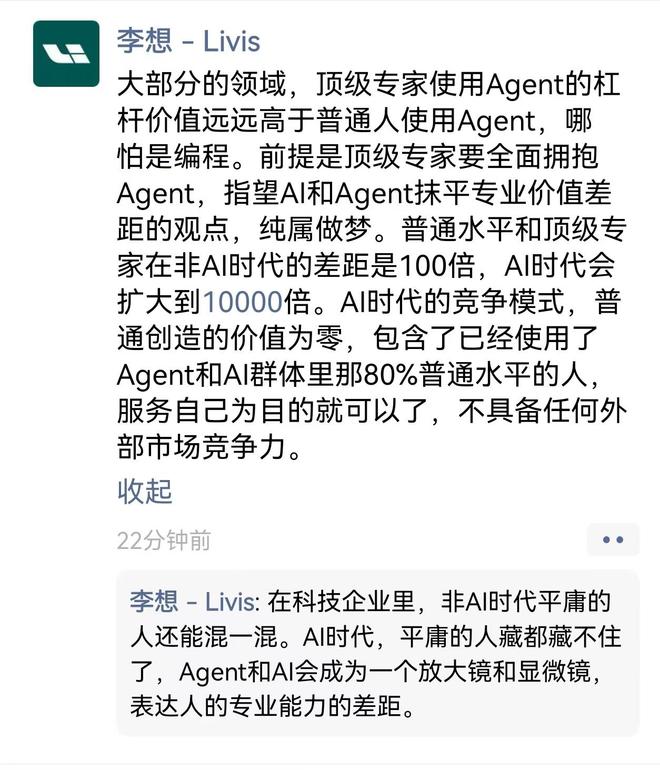
李想:Agent 是顶级专家的杠杆,却是普通人的“照妖镜”
程序员的那些事· 2026-02-27 15:48
他认为,顶级专家使用 Agent 的杠杆价值远高于普通人,指望 AI 抹平专业差距的想法不切实际。非 AI 时 代,普通人和顶级专家的差距是 100 倍,AI 时代这一差距将扩大到 10000 倍。 李想还指出,AI 时代普通创造的价值为零,即便是使用了 Agent 和 AI 的普通人群,也不具备外部市场竞争 力。在科技企业,Agent 和 AI 会成为 "放大镜和显微镜",让平庸者无处藏身。 2 月 27 日,理想汽车 CEO 李想在朋友圈发文,对 AI 时代 Agent 的价值与竞争格局作出判断。 大家怎么看呢? ...

Nio Blitzes SUV Market: Flagship ES9, Onvo L80 Set For May Launch
Yahoo Finance· 2026-02-27 14:30
Nio Inc. (NYSE:NIO) is gearing up for an aggressive SUV expansion, unveiling plans to roll out new flagship and sub-brand models in the coming months as it intensifies competition with rivals including Tesla Inc. (NASDAQ:TSLA) and Li Auto Inc. (NASDAQ:LI) in China's fast-growing electric vehicle market. Qin Lihong, co-founder and president of the automaker, outlined the company's near-term product strategy during a recent community event, CnEV Post reports. He shared timelines covering both the core Nio l ...
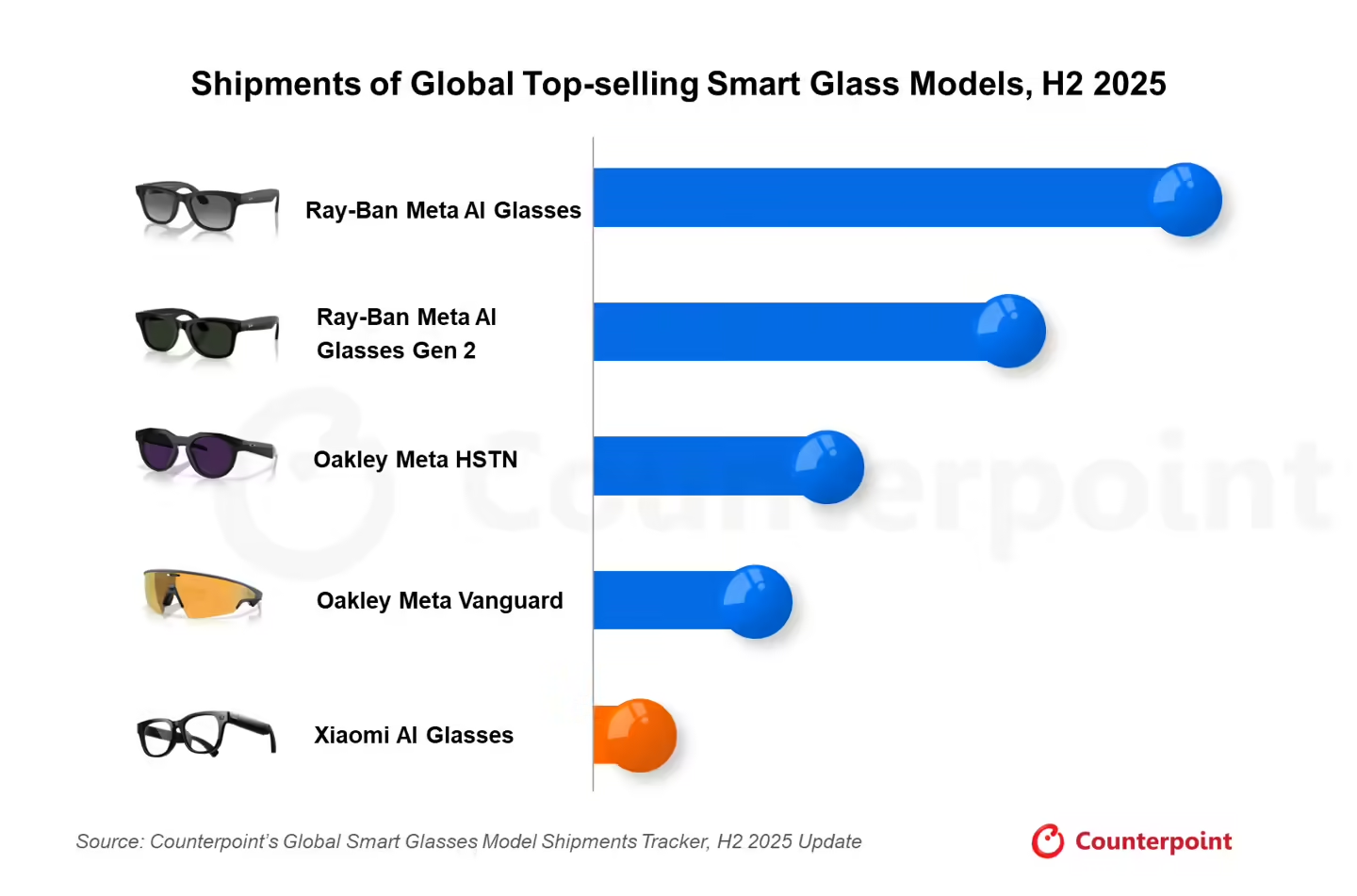
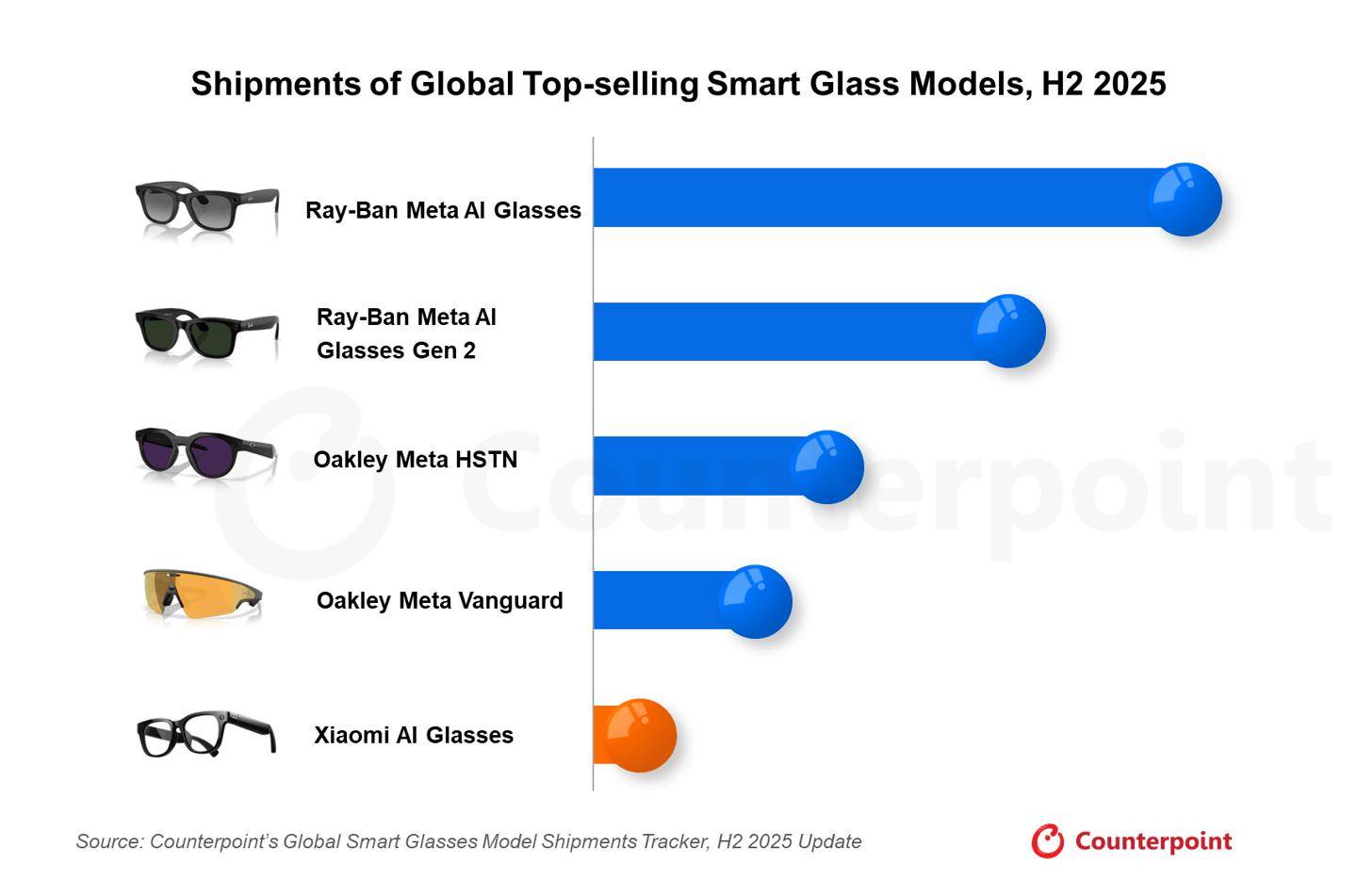
Counterpoint:2025 年下半年全球智能眼镜出货同比剧增139%,Meta独占 82%份额
Sou Hu Cai Jing· 2026-02-27 13:52
2 月 27 日,Counterpoint Research 今晚公布的数据显示,2025 年下半年全球智能眼镜出货量同比增长 139%,其中 AI 智能眼镜成为绝对主力,占总出货量 88%。这一增长主要受季节性需求、Meta 产品线扩张以及中国厂商密集发布新产品推动,理想汽车、Rokid、BOLON、百度和魅族等厂商均已下场迎战。 AI 智能眼镜平均售价从 2025 年上半年的 347 美元上涨至 360 美元(IT之家注:现汇率约合 2378 元- 2467 元人民币),主要原因是 Meta 新产品定价更高。 与此同时,基础智能眼镜平均售价下降至 63 美元(现汇率约合 431.7 元人民币),原因是华为和亚马逊等厂商出货减少,大部分销量转向 50 美元以下入门 级产品,这一市场主要由 OHO Sunshine 和白牌厂商主导。 Meta 之外,小米排名全球第二。小米 AI 眼镜发布后推动出货量同比增长超过 200%,并在软件优化后进一步带动需求增长。 区域方面,北美是最大市场,占比 37%,西欧升至 30%。印度出货量增长 15 倍,但整体份额仍仅 2%。中国市场份额为 6%,尽管出货量增长,但规模仍有 ...

手机集体涨价后,汽车会是下一个吗?
Di Yi Cai Jing· 2026-02-27 13:25
Core Viewpoint - The automotive industry is facing a significant shortage of DRAM chips, leading to increased costs and potential price hikes for vehicles due to rising chip prices [1][2][4]. Group 1: Chip Price Increases - The price of general DRAM is expected to rise by 55% to 60%, while NAND Flash prices are projected to increase by 33% to 38%. High-end automotive-grade DDR5 chips have seen price surges of up to 300% [1]. - Since the second half of 2025, automotive storage chips have experienced substantial price increases, with car-grade DRAM prices rising by 180% in three months and DDR4 prices increasing over 150% [2]. - The current shortage is attributed to a shift in supply dynamics, as major DRAM manufacturers are reducing production of lower-margin DDR4 chips in favor of higher-margin HBM and DDR5 chips [2][3]. Group 2: Impact on Automotive Costs - The cost of DRAM chips for a mid-range electric vehicle, which typically requires 5 to 6 chips, has increased from approximately 700 yuan to about 2000 yuan, reflecting a nearly threefold rise [4][5]. - The overall cost pressure on automotive manufacturers is expected to lead to an increase in vehicle prices, with estimates suggesting a cost increase of 1000 to 3000 yuan due to rising storage chip prices [5]. - Some manufacturers, like Volkswagen and BYD, have secured priority supply through long-term agreements, but the overall price increases remain unavoidable [5]. Group 3: Market Dynamics and Consumer Behavior - The average price of passenger vehicles in China has risen, with the average price reaching 186,000 yuan in January 2026, an increase of 15,000 yuan [6]. - The average price of new energy vehicles also saw a significant rise, reaching 195,000 yuan in January 2026, up from 179,000 yuan in December 2025 [6]. - The ongoing "trade-in" policy for vehicles in 2026 is expected to stimulate consumer demand, particularly in the mid-to-high-end market segment [6].


六座SUV行业深度研究报告:六座SUV的蓝海机遇与红海竞争
Huachuang Securities· 2026-02-27 13:06
Investment Rating - The report maintains a recommendation for the six-seat SUV industry, highlighting both blue ocean opportunities and red ocean competition [2] Core Insights - The six-seat SUV market is expected to see the launch of five new models priced around 200,000 yuan in 2026, with top models potentially achieving monthly sales of 10,000 to 20,000 units [2][22] - The high-end six-seat SUV market is experiencing intense competition, with a significant increase in supply expected in 2026, outpacing market expansion [2][6] - The 200,000 yuan segment remains a potential blue ocean market, as current models often fail to meet consumer demands due to size and pricing issues [6][24] Summary by Sections Total Market Overview - The six-seat SUV market is projected to grow, with an estimated total of 150,000 units sold in 2025, reflecting a year-on-year increase of 21,000 units [13] - The market is expected to continue expanding with the introduction of new models, particularly in the 200,000 yuan segment [6][10] Blue Ocean Opportunities - The 200,000 yuan segment for six-seat SUVs is identified as a significant market opportunity, with current models not meeting consumer expectations in terms of size and pricing [6][22] - The report notes that the proportion of six-seat SUVs priced below 250,000 yuan is only 4.9%, compared to 28% for those above this price point, indicating room for growth [24] Red Ocean Competition - The high-end six-seat SUV market is set to intensify with 22 new models expected to launch in 2026, leading to fierce competition [2][6] - The report highlights a shift in product strategy from size combinations to price combinations, indicating evolving consumer preferences [2][10] Investment Recommendations - The report suggests focusing on companies like Leap Motor and Great Wall Motors, with specific models expected to drive significant sales growth [7][10] - Geely is also recommended due to its ongoing product cycle contributing to sales and profit increases [7][10]



砸三四十亿造芯!蔚来芯片公司获超22亿融资,估值近百亿
Guo Ji Jin Rong Bao· 2026-02-27 12:39
蔚来汽车(下称"蔚来")的芯片公司迎来了首轮融资。 2月26日,蔚来公告,其芯片子公司安徽神玑技术有限公司(下称"神玑公司")已完成首轮股权融资协 议签署,融资金额超22亿元,投后估值接近百亿元。 本轮投资方既有合肥国投、合肥海恒等地方国有资本,也有IDG资本、中芯聚源、元禾璞华等半导体产 业资本及市场化头部机构。蔚来称,所募资金将主要用于高端车规级芯片的研发与推广,支撑蔚来在自 动驾驶、具身智能等领域的长远布局。 作为蔚来自研芯片体系的核心承载主体,神玑公司成立于2025年6月,主营高性能车规级芯片研发与应 用推广。其核心产品神玑NX9031芯片是蔚来投入大量资金和人力研发而成。据李斌透露,神玑NX9031 的研发成本差不多相当于建设1500座换电站。若按照一座换电站200万至300万元计算,其芯片研发成本 在30亿至45亿元。 李斌还透露,神玑"大约可为每辆车带来1万元的成本优势",若按蔚来主品牌去年17.9万辆销量测算, 在不计后续研发费用、且不对外供货的情况下,前期投入需两至三年才能收回。 目前,该芯片搭载与蔚来品牌的全系车型上,自2024年投产以来累计出货已超15万套。 据蔚来此次公告,交易完成后, ...
Counterpoint:2025年下半年全球智能眼镜出货同比增长139%
Sou Hu Cai Jing· 2026-02-27 12:23
Core Insights - Global smart glasses shipments are expected to grow by 139% year-on-year in the second half of 2025, with AI smart glasses accounting for 88% of total shipments, driven by seasonal demand, Meta's product line expansion, and new product launches from Chinese manufacturers [1][3] - The average selling price (ASP) of AI smart glasses increased from $347 to $360, primarily due to higher pricing of new Meta products, while the ASP of basic smart glasses decreased to $63 due to reduced shipments from Huawei and Amazon [1][3] Group 1 - Meta continues to dominate the market with a 82% market share in the second half of 2025, with the first generation of Ray-Ban Meta AI glasses peaking in shipments in Q3 2025 and the second generation quickly gaining market acceptance after its launch in September 2025 [2][3] - The Oakley Meta HSTN and Vanguard models accounted for over 30% of Meta's total shipments in Q4 2025, reinforcing Meta's leadership in the global smart glasses market [2] Group 2 - User feedback indicates significant improvements in the video performance of the second generation Ray-Ban Meta AI glasses, including an upgrade in resolution from 1080p to 3K and enhanced stabilization features [3] - Xiaomi ranks second globally, with its AI glasses driving a shipment increase of over 200% following software optimizations [3] - North America is the largest market for smart glasses, accounting for 37% of shipments, followed by Western Europe at 30%. India saw a 15-fold increase in shipments, but its overall market share remains at only 2% [3] Group 3 - The global smart glasses market is expected to maintain rapid growth beyond 2026, driven by Meta's expansion and the entry of more manufacturers, although rising storage chip prices may have some impact [3]
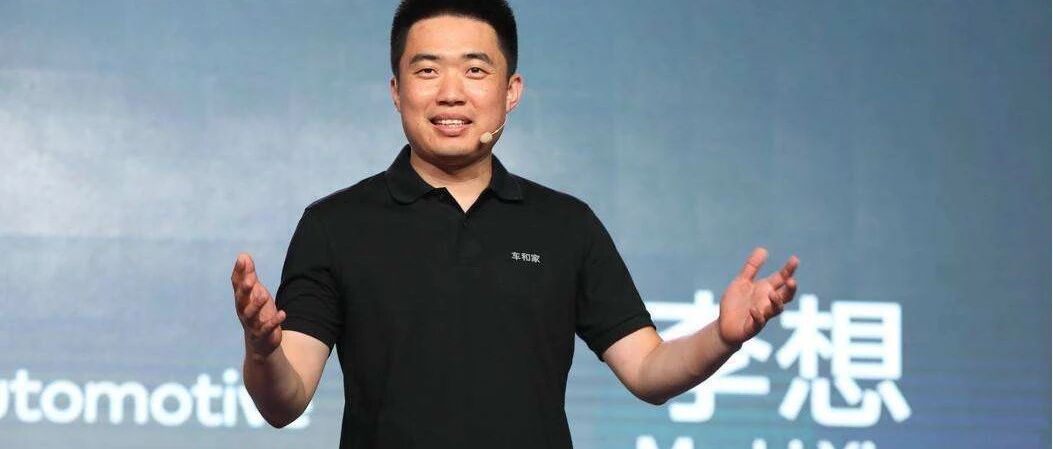
李想:AI时代,将放大人的专业能力差距
Guan Cha Zhe Wang· 2026-02-27 10:40
Group 1 - The gap between ordinary individuals and top experts in the AI era is expected to widen to 10,000 times, compared to 100 times in the non-AI era [2][3] - Top experts leveraging AI tools will create significantly more value than ordinary users, even in technical fields like programming [3] - The belief that AI will level the playing field in terms of professional value is considered unrealistic, as AI and agents will act as "magnifying glasses" to highlight differences in expertise [3][4] Group 2 - In the AI era, the capabilities of ordinary individuals will be more transparent, making it difficult for them to compete in the market, even with the use of AI tools [4] - The CEO of Li Auto announced a strategic shift from being a smart car company to an AI technology company by the end of 2024, emphasizing that "AI means everything for the future" [4] - By early 2026, the company aims to be among the top three global players in AI, focusing on foundational models, chips, embodied intelligence, and operating systems [4]