三星

Search documents
惠普拟采购长鑫存储 DDR5!
Ju Chao Zi Xun· 2026-01-10 07:28
Core Insights - HP plans to incorporate Chinese memory suppliers into its supply chain to alleviate DRAM memory supply constraints amid ongoing shortages from major international manufacturers like Micron and Samsung [1] - Longsys (CXMT), a Chinese memory supplier, is expected to gain broader market recognition through this collaboration, with projected DRAM wafer production capacity reaching 300,000 pieces per month by 2026 [1] - HP's CEO Enrique Lores indicated that the company anticipates significant challenges in the second half of 2026 and may raise prices if necessary, as memory costs account for 15% to 18% of the average PC cost [1] Industry Context - In the context of ongoing global memory supply shortages, Chinese memory suppliers have emerged as competitive alternatives, particularly as Longsys has not yet significantly shifted its production capacity towards HBM [2] - The output from Longsys is expected to alleviate supply pressures in the consumer market until the demand for memory in the artificial intelligence sector stabilizes [2]

CES 2026「最烂」产品大赏
机器之心· 2026-01-10 07:00
Core Viewpoint - The article discusses the absurdity of certain AI innovations showcased at CES 2026, highlighting products that have received "worst product" awards due to their impracticality and privacy concerns [2][18][20]. Group 1: Smart Appliances - Samsung's Bespoke AI Family Hub refrigerator won the "worst product" award for its ineffective voice control feature, which fails in noisy environments [2][4][6]. - The refrigerator's additional features, such as food inventory tracking and recommendations, are deemed unnecessary and overly complicated [7][12]. - Other appliances, like the Wan AIChef microwave, are criticized for being over-engineered, offering features that do not enhance basic functionality [14][16]. Group 2: Privacy Concerns - Amazon's Ring doorbell camera received the "worst privacy product" award for its AI features that invade privacy, including facial recognition and third-party app integration [18][19]. - The Merach connected treadmill was criticized for its privacy policy, which does not guarantee the safety of personal data collected during use [20][23]. - The Ami AI companion, designed for emotional interaction, raised concerns about privacy despite having a physical camera cover [24][26]. Group 3: Environmental Issues - The Lollipop Star, a singing lollipop, was awarded the "worst environmental product" for creating non-recyclable electronic waste after a short usage period [34][37]. - Bosch received two "worst product" awards for adding unnecessary subscription services to its coffee machines and complicating maintenance for electric bicycles [38][41]. Group 4: Miscellaneous Innovations - The Glyde smart hair clipper claims to be the first truly intelligent hair clipper, featuring an automatic blade adjustment system based on user movement [42][44].


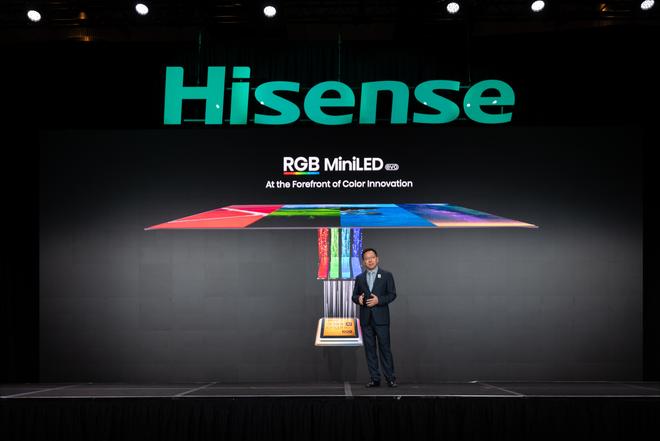
RGB-Mini LED跨代领先,中国厂商站稳全球显示行业高地
Tai Mei Ti A P P· 2026-01-10 05:44
Core Insights - CES 2026 showcased over 4,112 companies from more than 150 countries, with a significant focus on technology that is tangible and experiential, particularly in the display industry [1] Group 1: Company Innovations - Hisense launched a new generation of RGB-Mini LED display technology, achieving a color gamut of 110% BT.2020 and a color precision of 134 bits, marking a significant advancement in display technology [3][6] - The introduction of the innovative "Linglong 4-chip" architecture by Hisense further enhances color range and detail, challenging the limits of display technology [4] - Hisense's RGB-Mini LED technology has captured 50% of the high-end large-screen market within eight months of its launch, with Hisense holding nearly 90% of that share [7] Group 2: Market Trends - The global shipment of RGB-Mini LED displays is expected to surge to 500,000 units in 2026, indicating a strong growth trajectory for this technology [10] - The CES 2026 highlighted a shift in the display industry, with Chinese companies, particularly Hisense, taking a leading role in technological advancements, previously dominated by overseas manufacturers [12] Group 3: Strategic Focus - Hisense emphasizes a commitment to innovation, investing 5% of its revenue annually in product technology development, and has secured 179 core patents in the display field [14] - The company is strategically expanding its product lineup across various sizes, from 75 to 116 inches, to solidify its market position in the mid-to-high-end segment [14]

环球直击美国CES展:更少和更强大的中国企业正在重新定义AI竞争的规则
Huan Qiu Wang Zi Xun· 2026-01-10 05:33
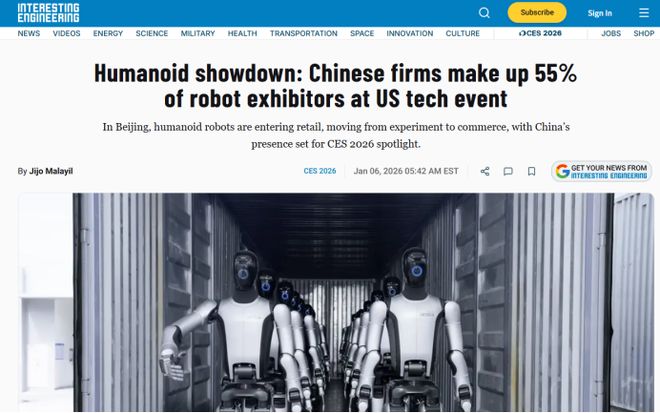
Core Insights - The CES 2026 showcased AI as the central theme, emphasizing human-centric applications and the integration of AI into various sectors [1][3][6] - The competition in the chip industry was highlighted, with major players like NVIDIA, AMD, Intel, and Qualcomm presenting their advancements in AI infrastructure [3][9] - The exhibition marked a shift from hardware-centric displays to a focus on ecosystem definition and strategic collaboration among companies [4][16] AI and Robotics - CES 2026 introduced a dedicated area for AI and quantum innovation, showcasing practical applications of embodied intelligence and advancements in autonomous driving [3][4] - The event demonstrated a transition from conceptual robot designs to practical solutions addressing real-world challenges in home services and industrial logistics [3][11] - Chinese companies showcased significant advancements in robotics, with a focus on self-developed core components and solutions for logistics and manufacturing [11][13] Chinese Companies' Participation - The number of Chinese exhibitors in the core professional pavilion decreased to 207 from 1,475 in 2025, indicating a structural adjustment in participation [4][5] - The remaining Chinese companies at CES were required to demonstrate AI-related functionalities, reflecting a shift towards more innovative and integrated product offerings [5][6] - Major Chinese firms like Lenovo showcased their global influence by hosting large-scale events, indicating a strategic focus on ecosystem development [6][16] Competitive Landscape - The competition is evolving from hardware specifications to a comprehensive narrative that includes both foundational technology and application capabilities [7][16] - The contrasting approaches of Chinese and American tech companies in building AI ecosystems highlight differences in strategic thinking and resource allocation [8][15] - Chinese automotive companies emphasize full-stack self-research and vertical integration, while Western firms focus on open software ecosystems and long-term evolution [15][16] Future Implications - The CES 2026 signals a shift in global tech competition towards defining future technology ecosystems and industry standards [16][17] - Companies that can navigate the complexities of AI and contribute to ecosystem building are likely to remain at the forefront of technological advancement [17]



闪迪,计划涨价
半导体行业观察· 2026-01-10 03:37
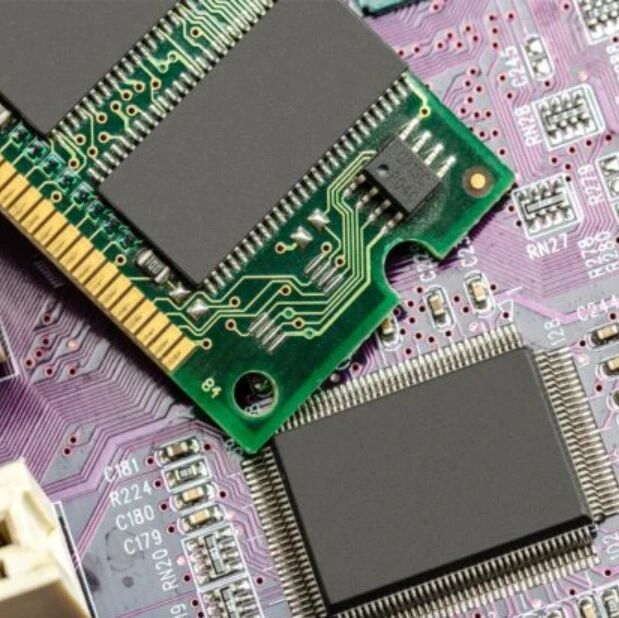
Core Viewpoint - The article discusses the unprecedented changes in the NAND flash memory market, driven by increasing demand from AI applications and supply shortages, leading to significant price hikes and unconventional contract terms between suppliers and customers [1][3][4]. Group 1: Market Dynamics - Sandisk has introduced a new contract model requiring full cash prepayment from customers in exchange for 1-3 years of supply assurance, reflecting the severe supply constraints in the NAND flash market [1]. - The demand for AI-related storage solutions has led major manufacturers like Samsung, SK Hynix, and Micron to prioritize production for AI applications, resulting in a drastic reduction in the supply of standard DDR4/DDR5 memory [3]. - Some standard storage products have seen price increases of over 10 times, creating a challenging environment for consumers [3]. Group 2: Corporate Strategies - Google is facing supply challenges for its AI accelerator (TPU) due to reliance on HBM from Samsung, leading to personnel changes in its procurement team to secure better supply agreements [4]. - Companies like Meta are also hiring specialists to strengthen direct relationships with upstream suppliers, indicating a shift in procurement strategies to ensure stable supply [4]. - Many enterprises are preemptively purchasing or stockpiling memory chips to mitigate future supply risks, with some brands signing long-term contracts to secure their needs [5]. Group 3: Pricing and Supply Issues - The current market has shifted to a "seller's market," where larger brands are prioritized for DRAM supplies, making it difficult for smaller brands to secure inventory [5]. - Some buyers are willing to abandon traditional long-term contracts in favor of shorter contracts at higher prices to ensure supply, reflecting the urgency in the market [6]. - Anecdotal evidence highlights the extreme price increases in memory products, with unusual transactions occurring as consumers adapt to the new pricing landscape [6].
英特尔:大力进军14A工艺
半导体行业观察· 2026-01-10 03:37
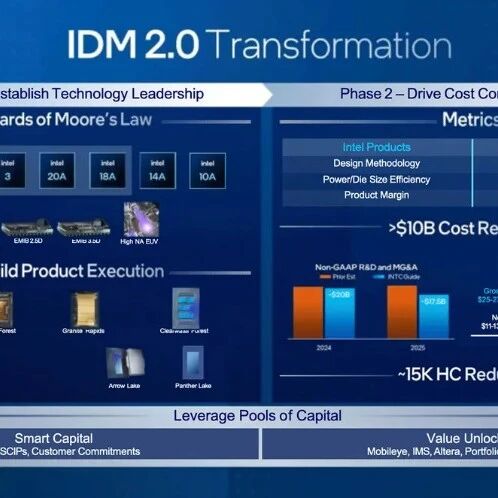
Core Viewpoint - Intel is optimistic about its 14A process technology, which is expected to enter mass production by 2027, and aims to attract external customers to ensure a return on investment in this advanced technology [1][4]. Group 1: 14A Process Technology - Intel's CEO emphasized the company's commitment to advancing the 14A chip technology, with early versions of the process design kit (PDK) being delivered to external customers this year [1]. - The 14A process will build on the experiences gained from the 18A process, introducing second-generation RibbonFET GAA transistors and PowerDirect for improved power delivery and control [3]. - The introduction of Turbo Cells in the 14A process aims to enhance speed without significantly increasing area or power consumption [3]. Group 2: External Customers and Market Position - Securing external customers for the 14A process is crucial for Intel, as the company has not yet obtained large orders from external clients for the 18A process, which limits its revenue potential [4]. - Intel's current capital expenditure plans do not include investments for third-party customers in 14A chip capacity, which could delay the company's ability to reach breakeven in its foundry business [5]. - The company must invest heavily before generating revenue from external customers, which may lead to delays in achieving its goals as customer numbers grow [6]. Group 3: Competitive Landscape - Intel's ability to provide capacity for external customers is critical, as competitors like TSMC and Samsung typically expand their foundries only after securing commitments from multiple core customers [7]. - The long lead times for advanced tools like EUV lithography mean that failure to provide timely capacity for third-party customers could result in missed opportunities in the foundry market [7].
内存条价格“疯涨”,AI需求带火市场
Xin Lang Cai Jing· 2026-01-10 03:00
(来源:百姓关注) AI算力需求大增,对内存带宽和容量都提出了更高要求。目前,三星、SK海力士、美光这全球三大存 储巨头,已把资源集中投向HBM(高带宽内存)和DDR5的生产。虽然内存涨价已经波及电脑、手机等 数码产品,但记者走访多家笔记本门店后了解到,这次涨价对笔记本整机的影响相对有限。 ...

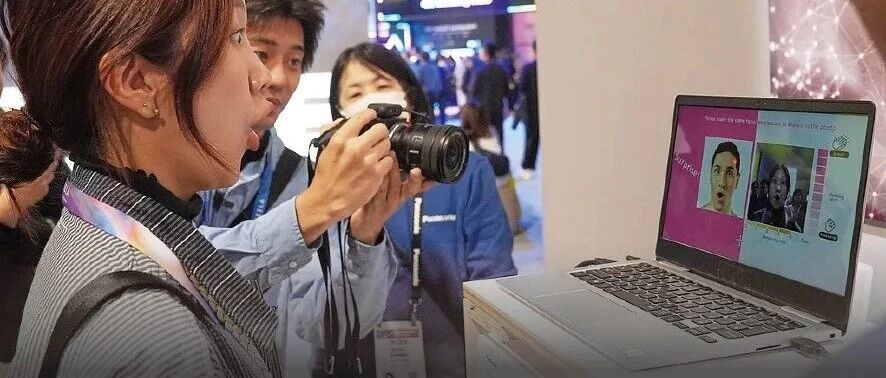
直击CES:“AI正急切地走出屏幕”
Xin Lang Cai Jing· 2026-01-10 00:55
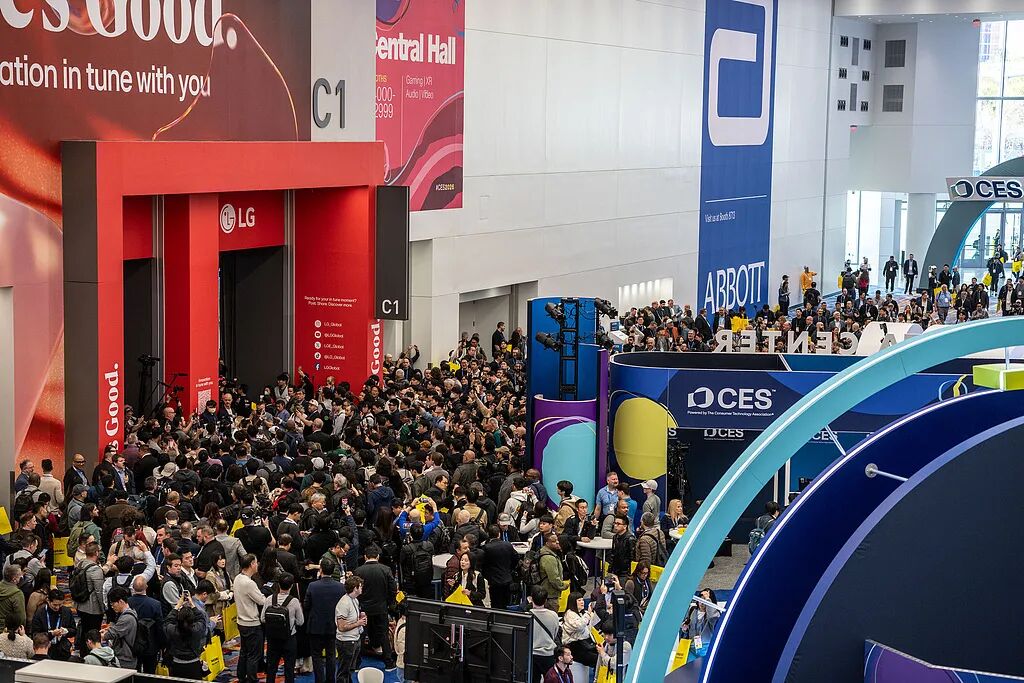
Core Insights - The CES 2023 showcased a significant shift towards consumer-oriented technology, emphasizing the integration of AI into everyday products and experiences [5][20][21] - Chinese companies made a notable impact at CES, with a strong presence in robotics and AI applications, reflecting a growing trend of innovation and market engagement [15][17][18] Group 1: Event Overview - CES is described as a "global technology spring festival," attracting a diverse audience including tech professionals and curious consumers [3][5] - The event is characterized by a more accessible and consumer-friendly atmosphere, moving away from purely business-focused interactions [5][10] Group 2: AI and Robotics - AI applications were prominently featured, with a focus on practical implementations such as robots performing various tasks and AI-enhanced wearable devices [7][9] - The number of robotic exhibitors increased significantly, with a dedicated theme area for "embodied intelligence" [7][15] Group 3: Chinese Companies' Participation - Over 1,200 Chinese exhibitors participated, making up approximately 30% of the total, with a strong emphasis on innovation and market readiness [15][17] - Many Chinese startups showcased their products for the first time, indicating a shift towards proactive international engagement [12][13] Group 4: Market Trends and Consumer Engagement - The feedback from international markets has been overwhelmingly positive, with many products exceeding expectations in terms of interest and potential sales [13][18] - The focus has shifted from merely showcasing AI capabilities to demonstrating measurable value in real-world applications [20][22] Group 5: Competitive Landscape - The event highlighted the competitive dynamics between major AI nations, with Chinese companies focusing on commercialization while U.S. firms emphasized foundational technologies [17][18] - The presence of Korean companies also contributed to the competitive landscape, showcasing strengths in smart manufacturing and AI applications [17][18] Group 6: Future Directions - The integration of AI into physical products is seen as a key trend, with a focus on creating embedded capabilities that enhance user experiences [20][21] - The concept of digital twins is emerging as a foundational element for AI applications in industrial settings, facilitating design and optimization processes [22]
HBM成“新石油”:AI军备竞赛推高存储价格50%手机被挤出坏日子刚刚开始!2026半导体市场“冰火两重天” !
Xin Lang Cai Jing· 2026-01-10 00:55
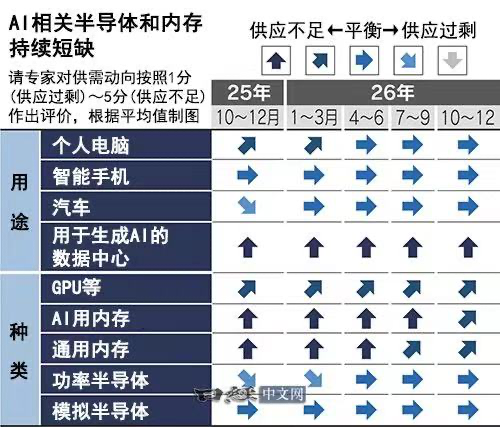
Core Insights - The semiconductor industry is experiencing a significant shift due to the rise of AI, with High Bandwidth Memory (HBM) becoming the new essential resource, akin to "new oil" [1][2][8] - Major players like Samsung, SK Hynix, and Micron dominate the HBM market, leading to a supply-demand imbalance that is pushing prices up and affecting other sectors like smartphones and PCs [2][3][4] Group 1: HBM and AI Impact - HBM's strategic importance has surged, with prices for AI-related DRAM increasing by 50% and NAND flash by 33% due to extreme scarcity [2][3] - The dominance of HBM by a few companies (over 95% market share) has led to tech giants securing production capacity well in advance, indicating a fierce competition for HBM resources [2][3] - The financial performance of major semiconductor companies has improved dramatically, with Samsung reporting a 210% year-on-year increase in operating profit, reflecting the profitability of HBM [3] Group 2: Consumer Electronics Challenges - The demand for HBM has led to a significant reduction in the production of general DRAM/NAND used in smartphones and PCs, creating a supply shortage in the consumer electronics sector [4][5] - Major manufacturers are prioritizing HBM production due to its higher profit margins, leaving lower-margin products like smartphone memory struggling [4][5] - Analysts warn that the shortage of storage will directly impact the overall shipment volumes of smartphones and PCs, with many OEMs already reducing their orders for the first half of 2026 [4][5] Group 3: Structural Risks in the Semiconductor Market - Despite optimistic forecasts predicting the semiconductor market will approach $975.4 billion in 2026, structural imbalances pose systemic risks, including power constraints and potential demand bubbles [2][6] - The exponential power consumption of AI data centers is becoming a critical bottleneck, with energy supply lagging behind the rapid expansion of chip manufacturing [6] - The sustainability of AI-related capital expenditures is in question, as the commercial viability of large AI models may not meet expectations, potentially leading to an inventory crisis in the HBM market [6][7] Group 4: Opportunities and Challenges for Chinese Companies - Chinese companies face both challenges and opportunities in the HBM market, with high technical barriers but increasing domestic demand for alternatives in AI servers and other sectors [7] - The ability to innovate in areas like power semiconductors and integrated architectures will be crucial for determining the competitive landscape over the next five years [7]
直击CES:“AI正急切地走出屏幕”
吴晓波频道· 2026-01-10 00:21
Core Insights - The CES 2023 showcased a significant shift towards consumer-oriented technology, emphasizing the integration of AI into everyday life and products [4][10][39] - The event highlighted the growing presence of Chinese companies, with over 1,200 exhibitors, reflecting a proactive approach to global markets and innovation [22][28] Group 1: Event Overview - CES is described as a "global technology spring festival," attracting a diverse audience including tech enthusiasts and ordinary consumers [4][9] - The event's theme, "Innovators Show Up," underscores the emergence of new companies and technologies, particularly in AI and robotics [21][22] Group 2: AI and Robotics - AI applications at CES 2023 were notably diverse, featuring robots capable of various tasks and AI-enhanced wearable devices [11][12] - The focus has shifted from merely showcasing AI capabilities to demonstrating how AI can create measurable value in the physical world [16][39] Group 3: Chinese Companies' Impact - Chinese enterprises dominated the robotics and AI application sectors, with a significant number of exhibitors and innovative products [28][29] - The enthusiasm of Chinese companies at CES is attributed to the AI-driven innovation ecosystem in China and a shift towards more aggressive international market strategies [22][26] Group 4: Market Trends and Consumer Engagement - The event revealed a trend towards practical, market-ready products rather than mere conceptual showcases, indicating a maturation of the tech industry [13][39] - There was a notable increase in consumer engagement, with many attendees expressing excitement over AI products that enhance daily life [23][26] Group 5: Industry Comparisons - A comparison of Chinese and American companies revealed differing focuses, with Chinese firms emphasizing product commercialization while American companies concentrated on foundational technologies and software ecosystems [29][42] - Korean companies also made a significant impact, leveraging cross-border supply chains and focusing on home service applications [32]