韩束

Search documents
三个方法论,破译美妆消费分化密码
FBeauty未来迹· 2025-08-16 09:04
Core Insights - The Chinese beauty market is undergoing a profound transformation in consumer choice dynamics, characterized by the coexistence of niche and high-premium products, professionalism and experiential support, as well as personalization and authenticity becoming core dimensions of brand value assessment [3][4][6] Group 1: SPOT Model and Consumer Behavior - The SPOT model (Small is Beautiful, Professionalism, Optimal User Experience, True Identity) captures the evolving consumer preferences in 2025, indicating a shift from brand and price dependency to a multi-faceted driving system [6][14] - "Small is Beautiful" highlights the rise of niche markets, with platforms like Douyin becoming battlegrounds for emerging brands, evidenced by Douyin's monthly active users exceeding 1 billion and a beauty category penetration rate of 25.9% [7][9] - "Professionalism" reflects consumers' extreme pursuit of efficacy, with 31% opting for professional skincare brands, showing a significant growth rate of 6% compared to the overall market's 1% [10][12] - "Optimal User Experience" emphasizes the dual focus on efficiency and emotional connection, with consumers seeking high-quality, time-saving solutions alongside emotional wellness products [12][14] - "True Identity" necessitates brands to maintain clear positioning in the digital age, with personalized experiences like AI skin assessments gaining traction among consumers [14][18] Group 2: Consumer Segmentation - Worldpanel's 2025 study identifies seven distinct consumer segments in the beauty market, including Connoisseurs, Holistic Beauty Seekers, Strugglers, Thrifty Survivors, Traditional Enthusiasts, Passive Participants, and Classic Essentials [18][20] - The "Connoisseurs" segment, representing 15% of consumers, contributes 2.24 times the average market spending, indicating their potential as a key target group for brands [22][24] - The "Holistic Beauty Seekers" segment, accounting for 14%, shows a willingness to invest in comprehensive beauty care, presenting opportunities for brands to educate and elevate their value perception [22][24] - Lower engagement groups like "Traditional Enthusiasts" and "Classic Essentials" are more price-sensitive, with over one-third of the latter relying on promotions for purchases [24][25] Group 3: Hair Care Market Dynamics - The hair care segment, traditionally viewed as stable, is experiencing significant structural upgrades driven by consumer demand for refined products and brand innovation [26][29] - Advanced hair care products like hair masks and scalp serums are growing faster than basic shampoos, reflecting a shift in consumer perception towards hair management as part of overall self-care [29][30] - Innovative concepts like pre-wash treatments and the "sandwich washing method" are gaining popularity, enhancing the ritualistic aspect of hair care [31][34] - The emergence of tools and instant solutions, such as AI color testing and styling devices, is expanding the at-home care market, allowing consumers to achieve salon-like results [35][36] - The competitive landscape is shifting, with emerging brands leveraging functional differentiation and experiential value to capture market share from established players [36][37]


品牌扎堆短剧:真有效,还是伪热闹?
Sou Hu Cai Jing· 2025-08-11 10:15
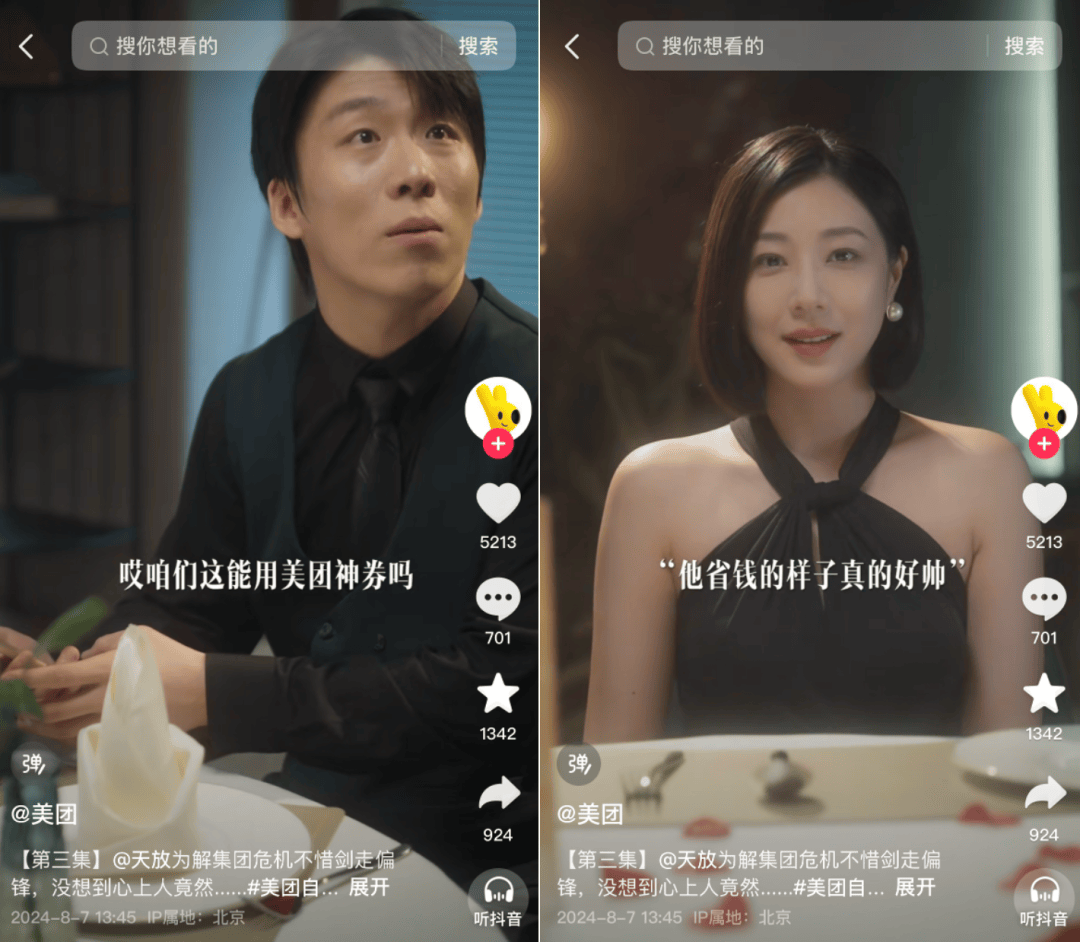
Group 1 - The core viewpoint of the article highlights the rising popularity of short dramas in brand marketing, emphasizing their lightweight and brand-focused nature compared to previous years [1][11] - Short dramas cater to users' needs for attention, emotional resonance, and identity projection, making them an effective marketing tool [3][5] - The user base for free short dramas is projected to grow significantly, with a 179% year-on-year increase expected by June 2025, surpassing major platforms like Youku [1][11] Group 2 - The marketing effectiveness of short dramas is attributed to their ability to integrate brand messages seamlessly into engaging narratives, as seen in successful campaigns by brands like Han Shu and KFC [6][9] - The short drama marketing landscape is experiencing a shift, with a notable increase in new brands entering the space, particularly from the food and beverage and beauty sectors [11][14] - Despite the influx of brands, challenges such as rising production costs and content homogenization are leading to a decline in the success rate of short dramas, with estimates suggesting only a 5-10% hit rate for viral content [14][17] Group 3 - Brands are evolving their strategies by focusing on creating brand personas and narratives that resonate with audiences, as demonstrated by Xiaomi's "Time-Space Partner" and other brand IP-driven content [18][22] - The trend is shifting from merely capturing attention to building long-term brand assets through user engagement and co-creation, indicating a maturation of short drama marketing [24]
新消费行业周报:美护及潮玩驱动新消费行业景气度上行-20250810
Hua Yuan Zheng Quan· 2025-08-10 07:48
Investment Rating - The investment rating for the new consumption industry is "Positive" (maintained) [4][30] Core Viewpoints - The beauty industry saw a GMV growth of 31.7% year-on-year in July on Douyin, with the total GMV for beauty products ranging from 150 billion to 200 billion yuan [4] - The trend in the beauty market reflects a dual pattern of price segment downtrend and high-end consumption coexistence, with 68.1% of GMV coming from products priced below 200 yuan [4] - The潮玩 (trendy toy) industry is experiencing growth driven by successful events like the PTS Beijing International Trendy Toy Exhibition, highlighting the importance of IP operation for long-term growth [4] - International outdoor sports brands are increasingly entering the Chinese market, indicating a rising demand from Chinese consumers [4] Summary by Sections Industry Performance - The new consumption industry tracked from August 4 to August 8 shows a weekly increase of 4.23% in the textile and apparel index and 1.70% in the beauty care index, while the retail index decreased by 0.38% [7] Key Industry Data - In June, retail sales for textile and apparel increased by 1.9% year-on-year, while cosmetics saw a decline of 2.3% [12] - Gold and silver jewelry retail sales increased by 6.1% year-on-year in June [13] Investment Analysis Opinions - The growth of emerging consumer goods reflects new consumption concepts among the younger generation, emphasizing the importance of understanding these narratives for investment opportunities [19] - Recommendations include focusing on high-quality domestic brands in beauty, such as 毛戈平, 巨子生物, and 上美股份; in gold jewelry, brands like 老铺黄金 and 潮宏基; in trendy toys, companies like 泡泡玛特; and in ready-to-drink tea, brands like 蜜雪集团 and 古茗 [19]
2025年上半年抖音男士护肤销量洞察:大趋势与新高地
Sou Hu Cai Jing· 2025-08-02 06:46
Core Insights - The male skincare market in China is undergoing a significant transformation, shifting from a "nice-to-have" to an "essential" mindset, with the market expected to exceed 17 billion yuan in 2024, growing at 17% year-on-year [2] - The Douyin platform has emerged as a key marketing channel for male skincare brands, leveraging its content ecosystem and algorithmic recommendations to influence consumer decisions [2] Market Overview - The male skincare market is projected to reach 29.2 billion yuan by 2029, with a compound annual growth rate (CAGR) of 11% from 2025 to 2029, outpacing the overall beauty and personal care market [2] - The top-selling products on Douyin in the first half of 2025 indicate a strong preference for cleansing products, which dominate the sales rankings, while high-end serums and gift sets are gaining traction [10][12] Product Performance - The top-selling product, 韩束男士升级2.0控油紧致多效精华, achieved over 1 million units sold and sales exceeding 100 million yuan, highlighting the demand for effective skincare solutions among male consumers [8][10] - The second-best seller, 左颜右色美白洗面奶, recorded sales between 25 million and 50 million yuan, showcasing the brand's strong presence in the cleansing category [9][10] Brand Dynamics - The brand 左颜右色 has established dominance in the cleansing segment, with four products in the top 20, reflecting its effective positioning in addressing male skincare concerns [14][16] - Domestic brands have captured all top 20 positions in the rankings, indicating a significant shift towards local brands in the male skincare market [16] Trends and Consumer Behavior - There is a growing trend towards professional efficacy and ingredient transparency, with consumers increasingly interested in product formulations and proven results [20] - The market is witnessing a shift from basic skincare routines to more elaborate, multi-step regimens, indicating a maturation of male skincare consumption [20][21] - The blurring of gender boundaries in product marketing is evident, with many products being marketed as unisex, reflecting changing consumer attitudes among younger males [21]

被“香味”拿捏的年轻人,需要的究竟是什么?
3 6 Ke· 2025-08-02 03:34
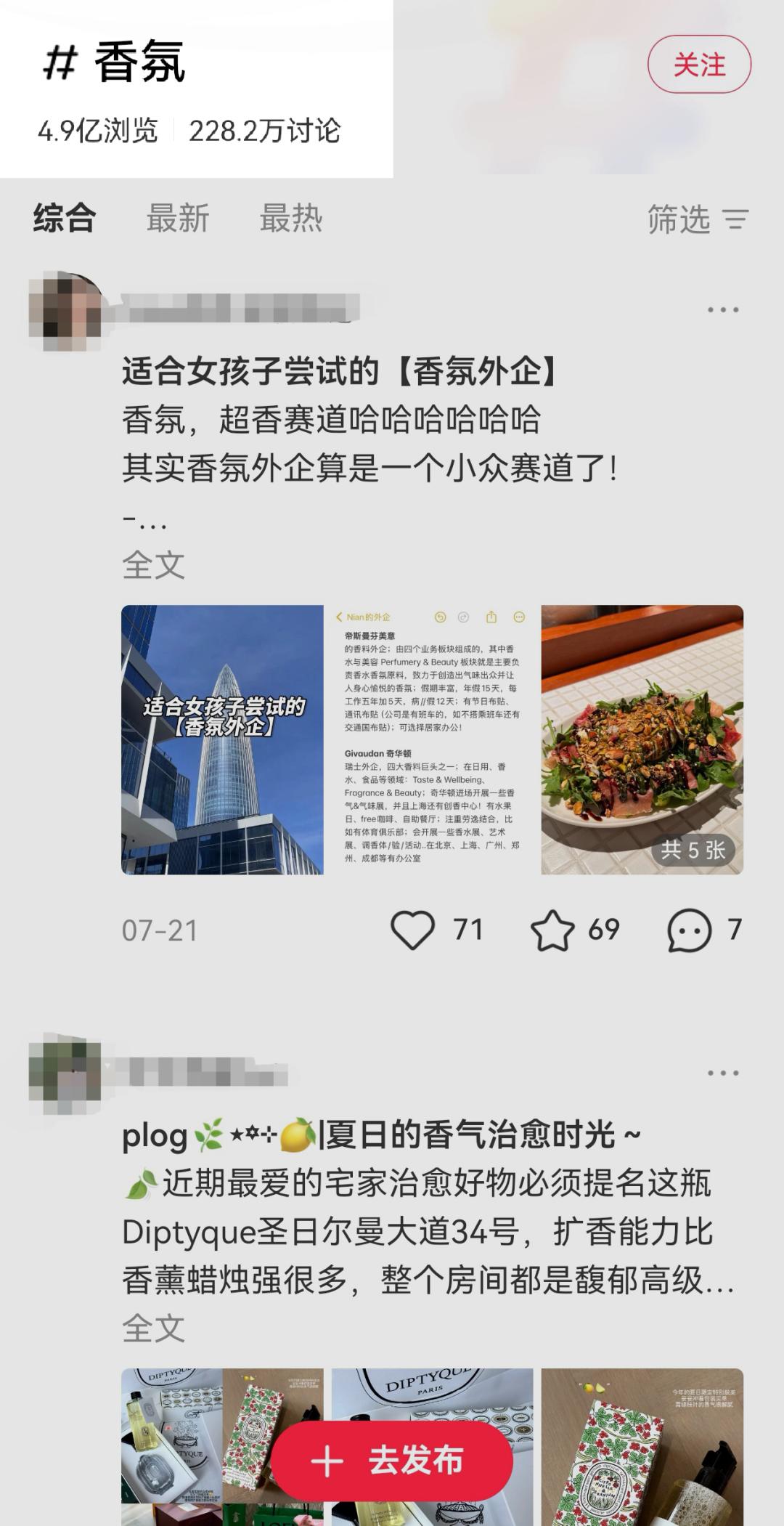
Group 1 - The fragrance market in China has seen a significant increase in popularity, with the usage rate among young urban consumers aged 25 to 35 rising from 20% to 50% over the past three years [1] - The domestic scented candle market reached a scale of 181.5 billion yuan in 2023, expected to exceed 250 billion yuan by 2025, while the car fragrance segment has seen a search volume growth of 141% [9] - Despite the growing interest, the penetration rate of fragrance products in China remains below 5%, significantly lower than in Western countries where it can exceed 50% [9] Group 2 - The rise of fragrance products is attributed to their expanding usage scenarios, diverse functionalities, affordability, and emotional value, making them a part of daily life for many consumers [9][10] - Brands like emonster and Xitai are capitalizing on this trend by focusing on emotional healing and using natural essential oils to enhance user experience [20][22] - Unique positioning strategies are being employed by various brands, such as Xitai's focus on Chinese plant fragrances and the development of affordable yet high-quality products to meet the needs of new middle-class consumers [24][25] Group 3 - The fragrance industry faces challenges such as raw material monopolies and high competition from established brands like Estée Lauder and L'Oréal, which are entering the fragrance market as a new growth point [28][32] - New brands are focusing on expanding their product lines and enhancing customer engagement through offline experiences and personalized marketing strategies [29][32] - The long-term success of these brands will depend on their ability to understand consumer emotions and address supply chain issues effectively [32]
韩束创始人高调“反对加班”遭质疑:赛马机制下的隐形加班文化何时休?
Xi Niu Cai Jing· 2025-07-29 13:23
Core Viewpoint - The recent announcement by the founder of Shangmei Co., Ltd., Lu Yixiong, opposing overtime work has sparked widespread discussion online, highlighting the company's internal culture and employee sentiments [1][5]. Company Culture and Employee Sentiment - Lu Yixiong emphasized the importance of completing work during regular hours and maintaining a work-life balance, questioning management practices that encourage late hours while managers leave early [5][6]. - Despite the initial positive reception of the "no overtime" policy, employees reported that benefits such as meal allowances and taxi reimbursements were subsequently revoked, leading to dissatisfaction [6][8]. Business Performance and Challenges - Shangmei Co., Ltd. has experienced fluctuating performance, with significant revenue growth in 2023, achieving 4.191 billion RMB, and a notable increase in 2024 to 6.793 billion RMB, representing a 62.1% year-on-year growth [9][10]. - The company's core brand, Han Shu, contributed significantly to revenue, accounting for 82.3% of total income in 2024, but the reliance on a single brand raises concerns about sustainability [10][11]. Marketing and Sales Strategy - The company heavily relies on the Douyin platform for sales, with Han Shu generating 6.135 billion RMB in GMV in 2024, which constitutes 90.5% of its revenue, indicating a high concentration risk [12][13]. - Marketing expenses have surged, reaching 3.947 billion RMB in 2024, which is 58.1% of total revenue, while R&D investment remains low at 1.8 billion RMB, only 2.6% of revenue, suggesting a potential long-term risk [13]. Product Compliance and Trust Issues - Han Shu has faced criticism for false advertising and product compliance issues, with recent allegations regarding misleading claims about product efficacy and unapproved ingredients [15][16]. - The company has a history of regulatory challenges, including past incidents of false advertising and product quality issues, which could undermine consumer trust and brand reputation [15][16].
微商的「罗曼蒂克」消亡史
雷峰网· 2025-07-25 12:41
Core Viewpoint - The article discusses the rise and fall of the micro-business (WeChat business) model, highlighting its initial success driven by social media and the subsequent decline due to market changes and regulatory pressures [6][32]. Group 1: Rise of Micro-Business - The micro-business model thrived due to the emergence of WeChat and the concept of "private traffic," allowing individuals to leverage personal networks for sales [13][14]. - In 2015, the number of micro-business practitioners in China exceeded 12 million, with a significant portion being stay-at-home parents and students seeking income opportunities [18]. - The rapid growth of disposable income in lower-tier cities (38% CAGR from 2010 to 2018) fueled the micro-business boom, as these markets were more receptive to the model [21]. Group 2: Challenges and Decline - The micro-business landscape faced challenges from regulatory scrutiny, particularly after the introduction of the E-commerce Law in 2019, which mandated business licenses for operators [32]. - Issues such as the proliferation of counterfeit products and unsustainable business practices led to a decline in consumer trust and the eventual downfall of many micro-businesses [27][32]. - The article notes that many former micro-business operators have transitioned to other platforms like Douyin and Kuaishou, or have adopted new models such as community group buying [41]. Group 3: Evolution and Future Directions - The introduction of the "Tuike" model by WeChat represents a shift towards a more structured and sustainable business environment, allowing users to promote products without the need for inventory [44][51]. - The "Tuike" model aims to leverage social connections for sales while ensuring product quality and compliance with regulations, marking a significant evolution from the chaotic micro-business era [50][51]. - Experts suggest that the future of social commerce will focus on quality over speed, with platforms like WeChat seeking to create a more reliable ecosystem for both consumers and sellers [50].

215个品牌GMV破亿!上半年美妆电商战事揭榜
Sou Hu Cai Jing· 2025-07-17 11:48
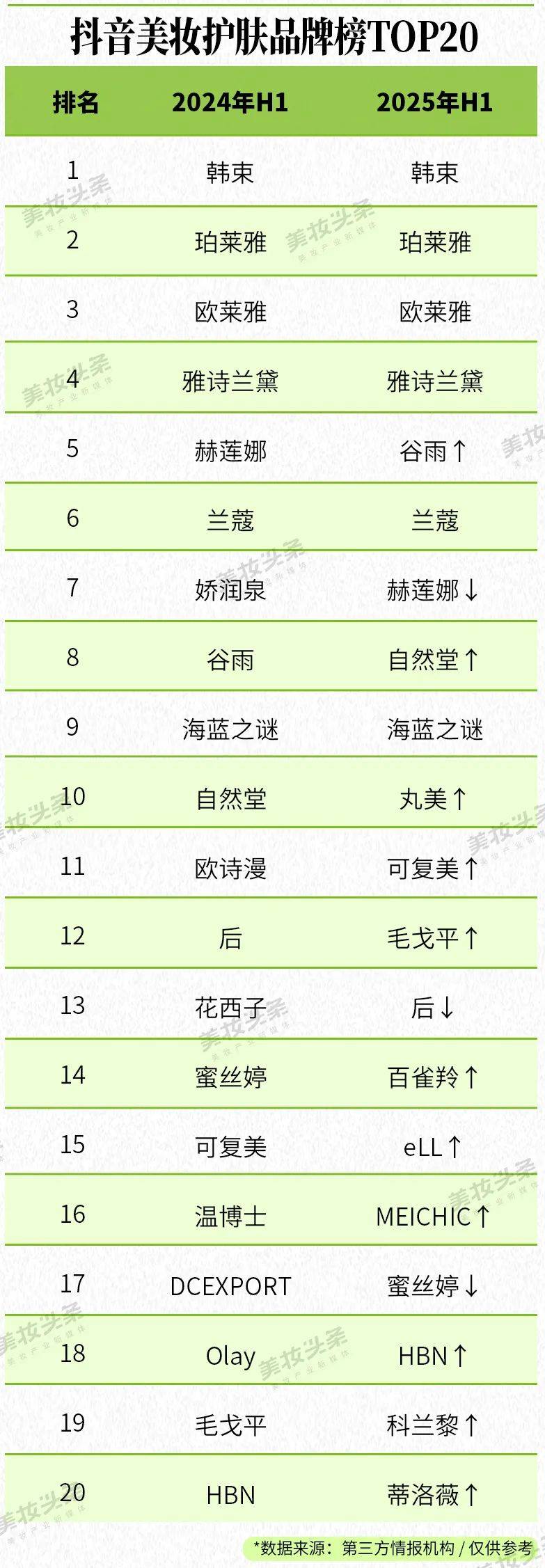
Core Insights - The beauty brand competition on various platforms has intensified, with brands needing to adapt to changing consumer preferences and marketing strategies to survive in the market [1][21][29] Group 1: Douyin Platform Insights - 215 beauty and skincare brands achieved a GMV of over 100 million yuan on Douyin in the first half of 2025 [1] - The top 10 brands in terms of sales include both domestic and international brands, with notable names like 韩束 (Hanshu), 珀莱雅 (Proya), and 欧莱雅 (L'Oreal) [1][5] - Domestic brands such as 谷雨 (Guyu), 自然堂 (Naturally), and 丸美 (Marubi) have shown steady sales growth due to precise product positioning and marketing strategies [5][15] Group 2: Tmall Platform Insights - The top 20 skincare brands on Tmall accounted for 46.2% of the total category GMV, while the top 20 makeup and perfume brands accounted for 39.53% [10] - The presence of domestic brands in the top 20 has decreased compared to the previous year, with brands like 珀莱雅 (Proya) and 自然堂 (Naturally) losing their positions [10][11] - International brands such as 欧莱雅 (L'Oreal), 兰蔻 (Lancôme), and 雅诗兰黛 (Estée Lauder) have maintained strong positions, with some showing upward trends in rankings [11][14] Group 3: JD Platform Insights - JD's beauty sales exceeded 13.32 billion yuan in the first four months of 2025, with a projected total sales of over 30 billion yuan for the first half of the year [21][27] - International beauty brands dominate the rankings on JD, with no domestic brands appearing in the top five during major promotional events [25][27] - The growth of beauty products on JD has been significant, with some categories seeing sales increases of over 500% during promotional events [27][28] Group 4: Market Trends and Strategies - The competition among beauty brands is characterized by the need for tailored strategies that align with the unique ecosystems and user preferences of each platform [29] - Brands like MEICHIC and 蒂洛薇 (Tilowei) have achieved explosive growth on Douyin through innovative marketing strategies involving influencers and live streaming [29] - The overall beauty market in 2025 is expected to continue evolving, with brands needing to understand platform-specific dynamics to thrive [29]



消费新观察:关注边际改善与出口链复苏
CMS· 2025-07-17 01:18
Investment Rating - The report maintains a "Recommended" rating for the industry, indicating a positive outlook on the sector's fundamentals and expected performance relative to the benchmark index [1]. Core Insights - The report emphasizes the importance of marginal improvements and the recovery of the export chain, particularly in the consumer goods sector [1]. - It highlights the overall growth in retail sales, with June's total retail sales reaching 42,287 billion yuan, a year-on-year increase of 4.8% [7]. - The report notes that the online retail sector has shown significant growth, with a total online retail sales of 74,295 billion yuan in the first half of the year, up 8.5% year-on-year [8]. Summary by Sections Industry Scale - The industry comprises 1,212 listed companies, accounting for 23.7% of the total market [1]. - The total market capitalization stands at 17,086.8 billion yuan, representing 18.7% of the overall market [1]. - The circulating market capitalization is 15,615.9 billion yuan, which is 18.8% of the total market [1]. Performance Metrics - The absolute performance over 1 month, 6 months, and 12 months is 3.1%, 14.8%, and 33.5% respectively [3]. - The relative performance compared to the benchmark index shows a decline of 0.4% over 1 month, but an increase of 9.4% over 6 months and 19.0% over 12 months [3]. Consumer Goods Insights - The report suggests focusing on structural opportunities in the food and beverage sector, particularly in alcoholic beverages and snacks [6][11]. - It recommends investing in leading companies that have shown resilience and potential for growth, such as Moutai and other major brands in the food sector [12]. Retail Trends - The report indicates a shift in consumer behavior, with a notable increase in demand for online shopping and convenience stores, which saw a year-on-year growth of 7.5% in the first half of the year [8]. - The report also highlights the competitive landscape in the food delivery sector, driven by aggressive subsidy strategies from major platforms [22][23]. Export Chain Recovery - The report discusses the recovery of the export chain, particularly for companies with strong manufacturing capabilities and those benefiting from favorable tariff conditions [19]. - It emphasizes the potential for growth in the home appliance sector, particularly in the context of new consumer trends and technological advancements [19][20].
2025上半年美妆零售额创新高,韩束把兰蔻超了?
FBeauty未来迹· 2025-07-15 14:31
Core Viewpoint - The beauty market in the first half of 2025 shows a mixed performance, with a historical high in retail sales but a decline in certain segments, indicating a competitive and structurally adjusting market landscape [2][5][29]. Retail Performance - The retail sales of cosmetics in China reached 229.1 billion yuan in the first half of 2025, marking a year-on-year growth of 2.9%, which is lower than the overall retail growth of 5% [2][6]. - In June 2025, the retail sales of cosmetics experienced a 2.3% year-on-year decline, marking the first month of decline this year [2]. Online Sales Dynamics - Online beauty sales exceeded 300 billion yuan in the first half of 2025, with a year-on-year growth of 8.6% and a transaction volume increase of over 10% [5][9]. - The five major e-commerce platforms (Taobao, JD, Douyin, Kuaishou, Pinduoduo) achieved a total transaction amount of 3210.75 million yuan, with a year-on-year growth of 8.59% [9][10]. Category Performance - Skincare remains the largest category with a transaction amount of 1971.82 million yuan, accounting for 64.4% of total online beauty sales, showing growth of 8.17% in transaction value [12][13]. - Makeup sales increased by 15.26% to 551.81 million yuan, while hair care emerged as a strong performer with a 20.67% increase in sales [15][29]. - Oral care saw a slight increase of 2.49% in transaction value but a decline in transaction volume, indicating a trend towards premiumization [15][19]. Brand Landscape - The top three brands in the beauty sector are L'Oréal, Proya, and Han Shu, with domestic brands making significant inroads but still trailing behind international brands in market share [21][23]. - In the makeup category, domestic brands captured 11 out of the top 20 positions, with notable performances from brands like Mao Geping and Huaxizi [26]. Market Trends - The rise of men's beauty products and refined personal care categories indicates a shift in consumer preferences, with significant growth in men's skincare and hair care [20][29]. - The overall market is experiencing structural adjustments, with brands needing to adapt to changing consumer demands and competitive pressures [29].