
霸王茶姬

Search documents
妙可蓝多创始人柴琇被免职:或加速融入蒙牛丨消费参考
2 1 Shi Ji Jing Ji Bao Dao· 2026-01-27 01:53
Group 1 - The core point of the article is that Mengniu's control over Miaokelando is entering a new phase, marked by the dismissal of founder Chai Xiu from key positions and the appointment of Kuai Yulong as the new general manager [1][8] - Chai Xiu's dismissal is linked to a long-standing investment guarantee dispute that has negatively impacted Miaokelando's performance, with an estimated loss of net profit between 119 million to 127 million yuan due to asset impairment [2][3] - The company has returned to a growth trajectory, with a revenue increase of 14.22% year-on-year to 1.39 billion yuan and a net profit increase of 214.67% to 42.97 million yuan in Q3 2025 [5][6] Group 2 - The growth is driven by the B-end market, particularly in the mozzarella cheese sector, benefiting from Mengniu's extensive upstream resources, which help stabilize raw milk supply and costs [6][7] - Mengniu currently holds over 37% of Miaokelando's shares, while Chai Xiu remains the second-largest shareholder with a total stake of 15.96% when including associated parties [1][2] - The stock price of Miaokelando was reported at 23.33 yuan per share, reflecting a decline of 1.77% [9]


让Agent画思维导图稳固长期记忆:新框架实现稳定长期学习,准确率提升38%
量子位· 2026-01-26 10:14
Core Insights - The article discusses the limitations of traditional Retrieval-Augmented Generation (RAG) systems in supporting long-term memory and continuous learning for AI agents, highlighting the need for a more structured memory framework [2][10][43] - A new memory framework called TeleMem, developed by the China Telecom Artificial Intelligence Research Institute, is introduced, which utilizes a Directed Acyclic Graph (DAG) to enhance memory organization and support sustainable learning [3][11][43] Limitations of Traditional RAG - Traditional RAG systems face structural bottlenecks in long-term memory management and continuous learning capabilities [2] - They struggle with expressing temporal sequences, causal relationships, and state evolution, leading to issues like memory drift and knowledge forgetting as historical data scales [5][10] - The fragmented memory structure limits the agent's learning ability and behavioral stability, especially in long-term interactions [3][8] TeleMem Framework - TeleMem redefines memory organization by structuring historical memories into a DAG, allowing for cumulative, retrievable, and evolvable memory [3][11] - Each node in the DAG represents a stable memory state, while edges denote explicit semantic and causal dependencies, ensuring a coherent learning trajectory [12][13] - The framework supports a dual-layer update mechanism for representation and indexing, allowing for efficient memory management and retrieval [20][21] Performance and Results - In tests on the ZH-40 benchmark, TeleMem achieved an accuracy of 86.33%, improving by approximately 38 percentage points over the RAG baseline [38] - The system significantly reduces inference costs and latency, enabling support for thousands of dialogue rounds without being limited by the model's context window [41][42] Future Trends - The development of TeleMem signifies a shift in agent capabilities from mere retrieval systems to structured memory and continuous learning mechanisms [43][44] - Future intelligent agents will require traceable cognitive evolution paths, sustainable long-term memory, and explainable context retrieval to enhance their learning and decision-making processes [46][47]



国金证券:消费频次提升带动茶饮市场规模增长 聚焦供应链驱动头部连锁品牌
智通财经网· 2026-01-26 07:13
根据中商产业研究院数据,2023年我国人均现制饮品消费频次22杯,2018-2023年CAGR为22.4%。预估 2024-2026年人均现制饮品消费频次维持22.4%CAGR增长,测算得出我国2026年现制饮品市场规模同比 增长有望达22%+。当前,茶饮行业门店数增速放缓,品牌数量呈现下降趋势,行业集中度提升,步入 成长期中后段。 供应链与产品力重塑竞争格局,头部品牌优势巩固 国金证券认为,头部品牌凭借供应链与产品优势,门店数量稳健增长,店效逐步修复;中小品牌则因供 应链优势不足,在成本和价格压力下逐步出清。 从价格段细分来看,高价段中,霸王茶姬凭借品牌力、产品高质量与加盟韧性,领先地位不断巩固,根 据久谦数据,2025年来,霸王茶姬门店数量持续增长,2025年Q4霸王茶姬门店数约7千家,同比增长 13%;中价段竞争最为激烈,后端效率与产品精准上新成为核心,2025年来,古茗凭借区域加密策略构 筑起密度与效率的护城河,辅以高频精准的产品创新,率先实现门店破万并稳居规模首位,茶百道和沪 上阿姨通过质效升级紧随其后;平价段,蜜雪冰城凭借价格优势与规模效应,护城河持续拓宽,2025年 蜜雪冰城门店数量突破4万家, ...


价格卷不动,奶茶品牌又开始玩升级了
Xin Lang Cai Jing· 2026-01-26 06:38
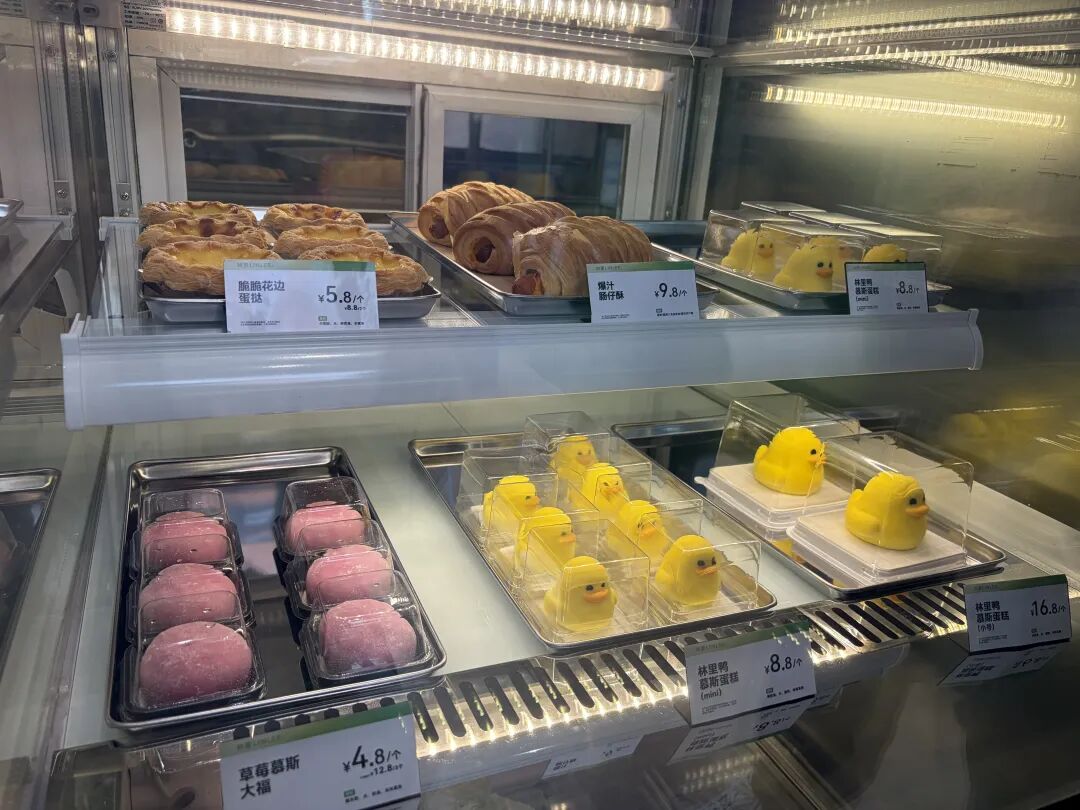
编辑|王秀清 这轮加码烘焙业务的茶饮品牌,主要分为两种模式。 文|红餐网 卢子言 产品创新乏力、价格低到不能再低后,茶饮品牌集体卖起了烘焙。 为了快速开店,过去几年茶饮品牌纷纷砍掉烘焙业务,把开店门槛一降再降。如今烘焙再次成为茶饮品牌的座上宾,是"熹贵妃回宫",还是又一阵"短平 快"的风? 01.从店中店到主题店,茶饮品牌又开始扎堆卖烘焙了 一是谨慎试水,通过"店中店"的形式进行品类补充。 比如,手打柠檬茶品牌林里LINLEE在其首家3.0升级形象店中试点推出了"林里点心铺"。 目前该店产品线较精简,仅有脆脆花边蛋挞、爆汁肠仔酥、草莓慕斯大福以及两种尺寸的林里鸭慕斯蛋糕共5款产品,价格在4.8元-16.8元之间。据红餐网 观察,门店现场不少顾客表示出愿意尝鲜的兴趣。 2025年7月,茶颜悦色同样以店中店的模式推出新中式烘焙坊"茶颜饼坊"。其产品种类较为为丰富,涵盖西式面包、蛋挞、可颂、中式酥饼、其他面点等 超20个SKU,主打高性价比,产品价格主要集中在3-5元,最贵的欧芹沙拉牛肉面包也不超过10元。 茶颜悦色小程序显示,如今茶颜饼坊已开出8家门店,在社交平台上收获了不少好评。 2024年,霸王茶姬曾在部分门 ...
投中嘉川:2025年IPO数据报告
Sou Hu Cai Jing· 2026-01-26 04:59
今天分享的是:投中嘉川:2025年IPO数据报告 报告共计:27页 2025年IPO市场中,百亿级项目再现,多地上市成为趋势,募资金额TOP10企业中有6家实现两地上市,首日破发 率17.35%,北交所企业首日表现尤为亮眼。整体来看,市场结构持续优化,科技创新、先进制造等领域成为IPO 核心驱动力。 以下为报告节选内容 凯置ill 2025年中国企业IPO市场数据报告总结 2025年中国企业IPO市场呈现止跌回升态势,全球范围内共有294家中国企业完成IPO,募资金额达3725亿元,数 量和金额同比分别上涨29.52%和1.52倍,下半年募资金额显著高于上半年。 从市场分布来看,港交所主板表现突出,IPO数量111家、募资金额2359.50亿元,均居各交易板块首位,且同比 涨幅分别达67.16%和228.69%;A股市场116家企业IPO,募资1287亿元,同比分别上涨16%和93.83%,年末发行 加速,12月上市数量与募资金额均创年内新高;美股市场IPO数量66家,同比上涨10%,但募资78亿元同比下降 20.41%,香港企业占美股中企IPO数量的50%,中企赴美上市进程受新规影响受阻。 行业方面,电子信 ...

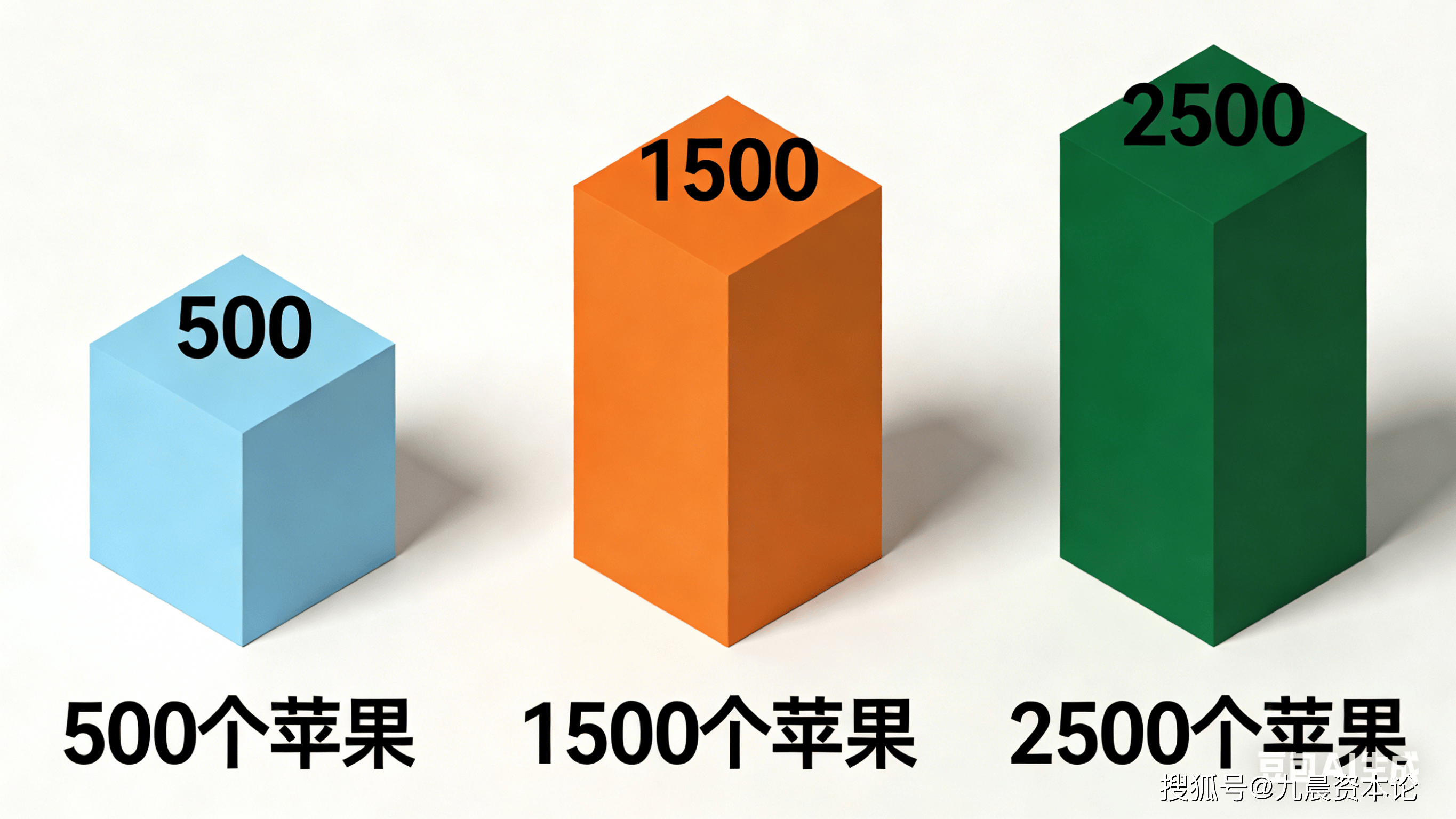
中喜传媒IPO募资额翻番,中概股赴美IPO三个数字500、1500、2500详解
Sou Hu Cai Jing· 2026-01-26 01:09
北京时间2026年1月22日,北京中喜文化传媒有限公司向美国证券交易委员会重新递交了上市申请,募资额大幅提升至约1875万美元,这标志着中概股赴美 上市的融资策略正在发生微妙变化。 2026年1月23日,搜狐报道称,中喜文化重新向美国SEC递交上市申请,拟以每股4至5美元发行375万股。而在此前的招股书中,该公司仅计划发行125万 股。 中喜文化的策略转变并非孤例。自2025年以来,美国市场对中国企业的态度发生了深刻变化,赴美上市规则正在全面收紧。 截至2025年上半年,中喜文化营收为1676万美元,净利润238万美元,主要股东包括冯彬和何晓云等人。其业务范围横跨传统电视节目发行和智能设备投屏 广告代理。 中喜文化并非唯一在2025年下半年调整IPO策略的中国企业。东方财富网报道称,当年6月13日以来,共有金特安、中喜文化、网塑科技等11家中企更新了 招股书。 从这些企业的募资规模看,多集中在500万至1500万美元区间。值得注意的是,当时中喜文化仍计划发行125万股,募资500万至625万美元。 这一波中概股赴美上市潮与2024年形成了鲜明对比。富途发布的2025年上半年IPO报告指出,2024年中国企业赴 ...
破圈出海 中国品牌加速登陆全球市场(国际论道)
Ren Min Ri Bao· 2026-01-25 21:23
Core Insights - Chinese brands are rapidly expanding their presence in global markets, showcasing a shift from previous challenges to a new era of growth and innovation [4][5][6] Group 1: Market Expansion - Chinese brands are increasingly establishing physical stores and local operations in various countries, enhancing brand recognition and local engagement [12] - The market share of Chinese automotive brands in Kazakhstan has surged from approximately 2% in 2020 to 34.5% in the first nine months of 2025, indicating a significant increase in their presence [7] - Chinese tea brands have successfully entered the U.S. market, with several brands expanding their operations internationally, including Southeast Asia and Europe [7] Group 2: Brand Perception and Consumer Trends - There is a notable shift in consumer attitudes towards Chinese products, particularly among younger demographics in the U.S., who are increasingly embracing Chinese technology and brands [6] - The global trust index for Chinese brands has significantly improved over the past six years, reflecting a growing acceptance and recognition of their quality and innovation [9] - Chinese brands are not only competing on price but are also focusing on quality and creativity, challenging the previous perceptions of low-quality Chinese products [10] Group 3: Innovation and Cultural Influence - Innovation is a key driver for the success of Chinese brands, with many companies emphasizing their cultural roots and unique product offerings [10][11] - The rise of Chinese brands is accompanied by a cultural wave that is reshaping global perceptions of China, with the country becoming a center for trends and creativity [14][15] - The transition from merely selling products to building ecosystems marks a significant evolution in the strategy of Chinese brands in the global market [13]

中美,新消息!商业航天,利好来袭!芯片巨头,直线大跳水!周末影响一周市场的十大消息
Zheng Quan Shi Bao Wang· 2026-01-25 09:38
Group 1: US-China Relations - US President Trump is expected to visit China in April, with Chinese leaders planning to visit the US by the end of the year, highlighting the importance of high-level diplomacy in stabilizing US-China relations [2][3] Group 2: Commercial Space Industry - SpaceX aims to achieve fully reusable rocket technology with its Starship, potentially reducing space access costs by 99% to below $100 per pound [2] - Beijing's measures to promote the development and utilization of commercial satellite remote sensing data from 2026 to 2030 include optimizing financial support and encouraging investment in quality projects [3] - The commercial space economy is projected to reach $1.8 trillion by 2035, driven by new infrastructure and applications in the space sector [4] Group 3: Stock Market and IPOs - Recent rumors about tightening regulations for companies seeking to list in Hong Kong have been denied, confirming that current overseas listing policies remain unchanged [3] - The China Securities Regulatory Commission (CSRC) has approved IPO registrations for three companies, indicating ongoing market activity [11] - A total of 28 companies are set to unlock 796 million shares this week, with a total market value of approximately 40.97 billion yuan [12][13]




中美,新消息!商业航天,利好来袭!芯片巨头,直线大跳水!周末影响一周市场的十大消息
券商中国· 2026-01-25 09:31
Group 1 - The article discusses the upcoming visit of US President Trump to China in April, with the Chinese Foreign Ministry indicating that details will be released in due course [2] - The article highlights the significant advancements in commercial space technology, particularly SpaceX's goal to reduce space access costs by 99% through the Starship technology, bringing costs below $100 per pound [2] - Beijing's measures to promote the development and utilization of commercial satellite remote sensing data from 2026 to 2030 include optimizing financial support and enhancing technological innovation capabilities [3] Group 2 - The article mentions the expected explosion of the space economy, projected to reach $1.8 trillion by 2035, driven by new infrastructure in space technology [4] - There are rumors regarding tightened regulations for companies seeking to list in Hong Kong, which have been confirmed as unfounded, with current overseas listing policies remaining unchanged [5] - The China Securities Regulatory Commission (CSRC) issued a significant fine of over 1 billion yuan to an individual for illegal trading activities, highlighting regulatory scrutiny in the market [6] Group 3 - The article reports a surge in NAND flash memory prices, with Samsung Electronics increasing prices by over 100% in Q1, driven by a "super cycle" in storage chips due to AI demand [7] - Two companies, Fenglong Co. and Jiamei Packaging, announced stock suspensions for trading volatility, with significant price increases of 405.74% and 408.11% respectively, indicating potential market risks [8] - Intel's stock dropped over 17%, marking its largest single-day decline since August 2024, while precious metals like gold and silver reached new highs [9] Group 4 - The article notes the upcoming release of January PMI data by the National Bureau of Statistics, which is a key economic indicator [10] - The Federal Reserve is expected to announce its interest rate decision on January 29, with a 95% probability of maintaining current rates [11] - The CSRC approved IPO registrations for three companies, indicating ongoing market activity despite regulatory challenges [12] Group 5 - Over 400 billion yuan worth of restricted shares are set to be unlocked this week, with 28 companies releasing a total of 796 million shares, which could impact market liquidity [15] - The companies with the highest unlock values include Haibo Sichuang at 231.54 billion yuan and Fostar at 53.67 billion yuan, indicating significant market movements [15][16]

连锁茶饮行业研究:市场扩容持续,供应链铸就头部壁垒
SINOLINK SECURITIES· 2026-01-25 07:45
Investment Rating - The report assigns a "Buy" rating for the chain tea beverage industry, marking it as the first rating for this sector [1]. Core Insights - The market for ready-to-drink beverages is expected to grow significantly due to increased consumption frequency, with a projected market size of approximately 380 billion yuan by 2026, reflecting a year-on-year growth of 22.6% [2][18]. - The competitive landscape is being reshaped by supply chain advantages and product quality, leading to a consolidation of market share among leading brands [3][4]. Summary by Sections 1. Industry Growth in the Later Stage, Driven by Increased Consumption Frequency - The consumption frequency of ready-to-drink beverages is rising, driven by an expansion of consumption scenarios, including shopping, work, and leisure activities [11][14]. - The market size is projected to grow as the average annual consumption frequency is expected to maintain a compound annual growth rate (CAGR) of 22.4% from 2024 to 2026, with the market size reaching 380 billion yuan by 2026 [2][18][22]. - The total number of tea beverage stores is increasing, but the growth rate is slowing down, indicating a transition into the later stage of industry growth [24][27]. 2. Supply Chain and Product Power Reshape Competitive Landscape, Strengthening Leading Brands - Leading brands are experiencing steady growth in store numbers and operational efficiency due to their supply chain and product advantages, while smaller brands are being squeezed out due to insufficient supply chain capabilities [3][29]. - The market is becoming increasingly concentrated, with the share of stores held by brands with over 10,000 locations rising from 3% in early 2021 to 10.4% by late 2025 [29][30]. - The competitive dynamics vary by price segment, with high-end brands like Bawang Chaji consolidating their market position, while mid-range segments face intense competition [41][47]. 3. Scale Procurement and Efficient Distribution Create Cost and Quality Barriers - Leading brands leverage scale procurement to establish cost advantages and mitigate risks, while also ensuring product differentiation through deep integration with suppliers [3][38]. - Efficient distribution networks, including cold chain logistics, help maintain product freshness and further enhance cost advantages for leading brands [3][38]. 4. Key Company Analysis: Scale Effects and Store Optimization Drive Leading Brands - Miexue Ice City is expanding aggressively, with over 40,000 stores by 2025, maintaining a growth rate of over 20% [47][50]. - Guming is also showing robust growth, with a projected 13,000 stores by 2025, reflecting a 33% increase [31][36]. - Other brands like Chabaidao and Hushang Ayi are optimizing their store networks to improve efficiency and profitability [41][46].