京东集团

Search documents
狠人刘强东,拿下德邦快递
商业洞察· 2026-01-18 09:23
Core Viewpoint - The article discusses the recent acquisition of Debon Logistics by JD Logistics, highlighting the strategic implications and the evolving landscape of the logistics industry in China [5][20]. Group 1: Acquisition Details - JD Logistics acquired Debon Logistics for 3.797 billion yuan, paying 19 yuan per share, which represents a premium of over 35% [5][17]. - This acquisition marks the completion of JD's strategy to fully integrate Debon, following an initial investment of over 12 billion yuan since 2022 [5][18]. Group 2: Debon's Historical Context - Debon Logistics was founded in 1996 and became a leader in the less-than-truckload (LTL) freight market, achieving a peak market value of over 30 billion yuan [8][9]. - The company attempted to diversify into the parcel delivery market in 2018, which led to operational challenges due to conflicting business models [11][12]. Group 3: Strategic Fit - The acquisition addresses JD's need for a robust LTL and large-item logistics network, while providing Debon with the financial and technological support to overcome its operational difficulties [14][18]. - JD's logistics strategy has been elevated under the leadership of Liu Qiangdong, who emphasizes the importance of logistics in supporting a comprehensive e-commerce ecosystem [18][20]. Group 4: Industry Implications - The consolidation of logistics companies, including JD's acquisition of Debon, reflects a shift in the industry from extensive expansion to quality improvement and efficiency [22][23]. - The logistics market is becoming increasingly concentrated, with the top eight companies holding an 87% market share, indicating a potential survival crisis for smaller players [23][24].



【数智周报】 谷歌DeepMind CEO:中国的AI模型仅落后美国几个月;DeepSeek开源相关记忆模块Engram;微软在人工智能上的支出将达到5亿美元;美国放宽对英伟达H200芯片出口中国的管制
Sou Hu Cai Jing· 2026-01-18 02:15
Group 1 - Keda Xunfei's Chairman Liu Qingfeng stated that the domestic AI infrastructure has taken initial shape, with domestic large models matching international standards despite having half the parameters [2] - Michael Burry warned that the era of tech giants earning huge profits with minimal investment is ending, primarily due to AI, and investors should focus on Return on Invested Capital (ROIC) rather than revenue growth [3] - A BlackRock survey revealed that while investors are optimistic about AI, they are shifting their focus to energy and infrastructure suppliers, with only one-fifth considering large US tech companies as attractive investment opportunities [4] Group 2 - Demis Hassabis, CEO of Google DeepMind, indicated that Chinese AI models are only a few months behind those in the US and have made significant advancements in the past year [5] - DeepSeek released a new paper on conditional memory, significantly improving model performance in various tasks, and has open-sourced a related memory module [6] - Baichuan Intelligence's CEO Wang Xiaochuan mentioned that the company has 3 billion yuan on hand and may initiate an IPO plan in 2027 [7] Group 3 - Zhiyun and Huawei have open-sourced a new image generation model, GLM-Image, which is the first SOTA multimodal model trained entirely on domestic chips [8] - Kuaishou Technology announced that Keling AI's revenue exceeded $20 million in December 2025, with an annual recurring revenue (ARR) of $240 million [9] - Yongyou Network expects a net loss of 1.3 to 1.39 billion yuan for 2025, a reduction in loss compared to the previous year [10] Group 4 - JD.com and Lenovo deepened their "hybrid AI" cooperation, launching new products at CES 2026, with a focus on strategic collaboration around smart devices and services [11] - Alibaba's Qianwen app has integrated with various Alibaba ecosystem services, allowing users to perform complex tasks like ordering food and booking flights [12] - Alipay and partners launched China's first AI commercial agreement, ACT, designed to facilitate collaboration between AI and e-commerce platforms [13] Group 5 - Yunhai Medical released the "YunJian AI Spirit," a product that reduces long-term costs for users of infrared medical technology [14] - Zhiyuan purchased thousands of hours of robot training data for various tasks [15] - Meituan launched the open-source "ReThink" model, which significantly reduces training costs for new tools in real-world scenarios [16] Group 6 - Teslin introduced the upgraded T-Cluster 512 super node architecture, achieving over 500 PFlops of total computing power [17] - Keda Xunfei launched a marketing AI platform based on the "SuperAgent" framework to enhance efficiency in marketing strategies [18] - The first domestically trained text-to-image model, GLM-Image, was released by Zhiyun and Huawei [19] Group 7 - Tencent Cloud ADP launched the first "AI native Widget," enhancing task delivery experiences through natural language interaction [20][21] - Anthropic implemented stricter measures that disrupted several AI programming tools, affecting developers' projects [22] - Google announced a partnership with Walmart to expand AI model shopping capabilities, allowing direct transactions through its AI assistant [23] Group 8 - Mark Zuckerberg announced the "Meta Compute" project, aiming to build substantial AI infrastructure by 2030, while also planning layoffs in the Reality Labs department [24][29] - Alphabet's market value surpassed $4 trillion, joining a select group of companies [25] - Google and Apple finalized a multi-year AI collaboration agreement to support Siri with Google's AI technology [26] Group 9 - Nvidia and Eli Lilly plan to invest $1 billion in an AI drug lab over the next five years [27] - The US relaxed export controls on Nvidia's H200 chips to China [28] - Microsoft announced a plan to limit the impact of data center energy costs and water usage [30] Group 10 - Gemini launched personal smart products that allow users to personalize their experience through connected applications [31] - Microsoft is expected to spend $500 million on AI initiatives, including partnerships with Anthropic [32] - OpenAI is seeking US hardware suppliers for its planned consumer devices and robotics expansion [33] Group 11 - Elon Musk's lawsuit against OpenAI is set to go to trial in late April [34][35] - OpenAI and Cerebras announced a partnership worth over $10 billion to deploy a large-scale AI inference platform [36] - Zhi Variable Robotics completed a 1 billion yuan A++ round of financing, attracting investments from major firms [37] Group 12 - Qiangna Technology submitted a confidential IPO application in Hong Kong [38] - OpenAI acquired the AI health application Torch for approximately $100 million [39] - K2 Lab, founded by a former DingTalk executive, secured seed funding for its AI-driven content e-commerce platform [40] Group 13 - Alibaba Cloud completed a strategic investment in ZStack, achieving a controlling stake [41] - Skild AI raised nearly $1.4 billion, reaching a valuation of over $14 billion [42] - WeLab completed a $220 million D-round financing, marking its largest single round to date [43] Group 14 - Merge Labs, a brain-machine interface startup, raised $252 million in seed funding, with OpenAI as a major investor [44] Group 15 - A report indicated that by 2026, the Chinese tech giants index is expected to surpass the US tech giants in profitability growth for the first time since 2022 [45] - China is accelerating the establishment of a data property registration system [46] - A report predicted a significant increase in storage prices due to rising demand from AI and server capacity [47] Group 16 - A new AI model developed by US researchers can predict the risk of about 130 diseases based on sleep data [48] - Foreign investment firms are increasingly incorporating AI into their research processes in China [49] - UBS stated that the probability of an AI bubble in China is low, with monetization relying on cloud and advertising [50] Group 17 - The number of AI companies in China has exceeded 6,200, with applications expanding across various industries [51]






上海家电以旧换新补贴第二轮启动!首轮大冰箱、新手机卖火了
Sou Hu Cai Jing· 2026-01-17 15:41
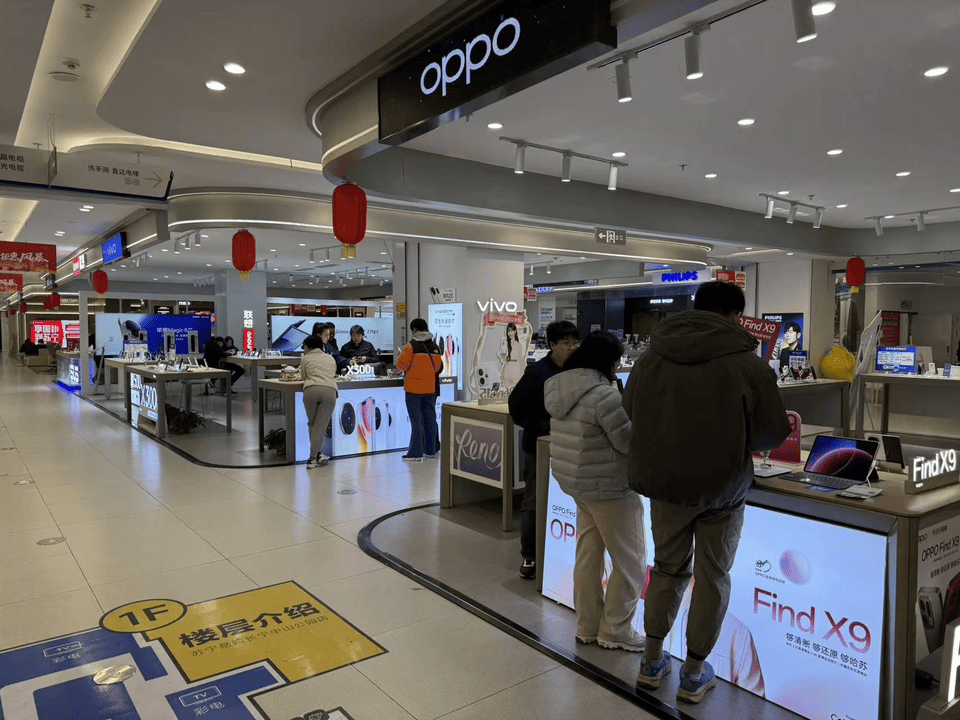
Core Viewpoint - The second round of the Shanghai home appliance trade-in and digital product purchase subsidy program has officially started, providing consumers with another opportunity to participate in the subsidy initiative [2][4]. Group 1: Subsidy Program Details - The registration period for the second round of subsidies is from January 17, 2026, 0:00 to January 19, 2026, 20:00, using a "consumer registration, public lottery, and issuance of vouchers" method [4]. - Consumers can register for multiple categories online or at designated offline locations, but those who have already participated in the program in 2026 cannot register for the same category [4]. - The validity of the subsidy vouchers is 14 days from the date of receipt, and unawarded category vouchers will be released immediately after the lottery results are announced [4]. Group 2: Participating Companies and Offers - Several companies are participating in the subsidy program, including Huawei, JD Electronics, Red Star Macalline, and others, offering additional discount coupons to consumers [5]. - Consumers can claim these enterprise discount coupons on the non-winning page, which can be redeemed at offline stores [4][5]. Group 3: Consumer Behavior and Market Trends - The first round of subsidies led to a significant increase in consumer inquiries, with a reported 50% rise in consultations at stores like Suning [6]. - Energy-efficient appliances are becoming increasingly popular, with 92% of sales at Suning being of first-level energy efficiency, highlighting a trend towards greener and smarter home appliances [6]. - The timing of the subsidy coincides with year-end bonuses and the start of winter vacations, driving a surge in sales of digital products and large appliances, particularly smartphones and refrigerators [8].

第五届AIGC开发者大会圆满落幕:Vibe Coding创作者经济正式来临
Xin Lang Cai Jing· 2026-01-17 13:35
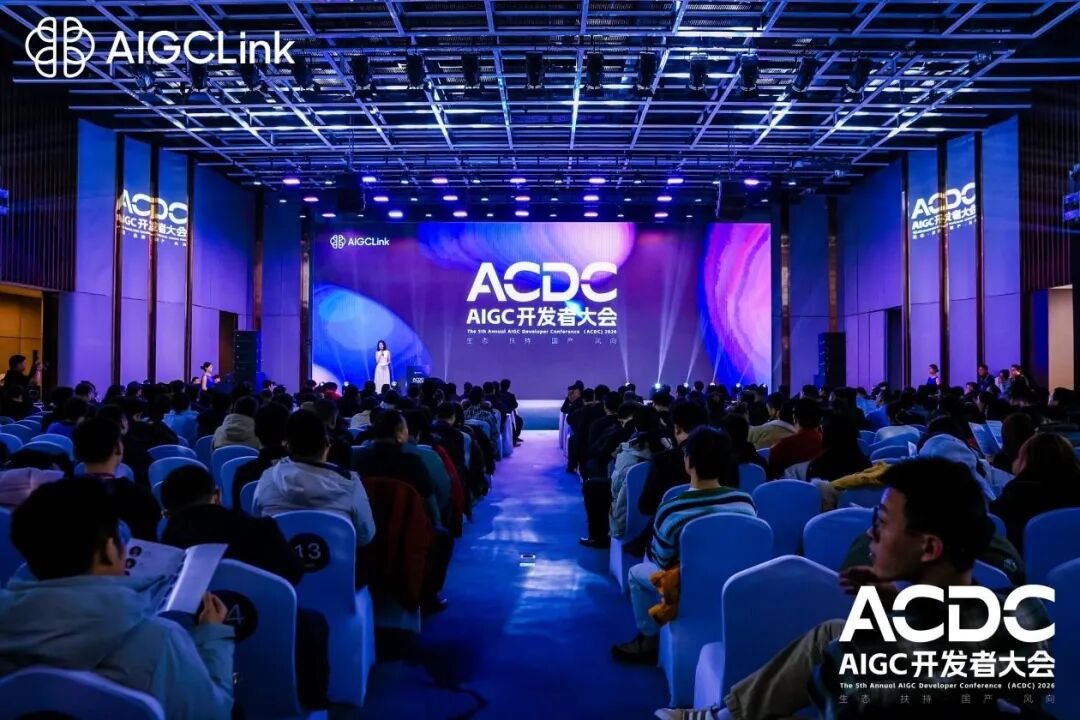
Core Insights - The ACDC 2026 conference marked the arrival of the "Vibe Coding creator economy," expected to become a trillion-dollar market by 2026, following the previous waves of text and video content creation [1][4][43] - The focus of the AI industry is shifting from technology to deep industry practices, addressing challenges such as high computing costs and supply chain autonomy [2][43] - A series of substantial initiatives were announced to support the ecosystem, including the AIGCLINK developer fund and a chip adaptation alliance, aimed at overcoming bottlenecks in large-scale implementation [1][13][43] Vibe Coding Creator Economy - Vibe Coding refers to the process of using low-code and natural language to create applications, enabling individuals to develop, deploy, and monetize AI applications independently [6][8] - The report predicts that by 2030, the number of One Person Companies (OPC) utilizing Vibe Coding will exceed 3 million, leading to the emergence of new professions such as front-end engineers and context engineers [6][8] - The rise of Vibe Coding is supported by foundational AI technologies, including the MCP, A2UI, and UCP protocols, which facilitate the development of AI applications through conversational interfaces [6][8] Ecosystem Initiatives - The AIGCLINK developer fund was launched to provide essential funding for early-stage AI projects, focusing on the initial stages of development to foster diverse AI innovations [8][11] - The "AI Developer Thousand Support Plan" aims to empower high-level AI talent through systematic training and resource connections, creating a dual engine of talent and funding for AI innovation [11] - The chip adaptation alliance was established to enhance the penetration of domestic chips in AI applications from less than 10% to over 30%, aiming to reduce innovation costs and technical barriers [13][14] Social Responsibility and International Cooperation - The "Hundred Birds Towards the Phoenix" initiative aims to help 100,000 disabled individuals increase their monthly income by 500 yuan through AI skills training and job placement over the next three years [16] - The AI Innovation Island project is designed to create a key platform for AI innovation, integrating technology research, industry incubation, and resource connections [16] - The cross-border computing power initiative focuses on international cooperation in AI, sharing computing resources and developing vertical models with partner countries [16] Industry Recognition - The conference revealed five annual awards recognizing influential figures and companies in the AIGC sector, providing a reference for capital, talent, and market collaboration [19][43] - The awards are based on actual contributions to the industry, helping to identify and amplify key players driving technological advancement and business transformation [19][43]
MCHI Soars 45% as Chinese Equities Break Multi-Year Slump
Yahoo Finance· 2026-01-17 13:28
Core Insights - The iShares MSCI China ETF (MCHI) has outperformed the S&P 500 significantly, gaining 45% over the past year compared to the S&P 500's 19% increase, indicating a recovery in Chinese equities after a prolonged downturn [2][4] - The fund's performance is heavily influenced by Tencent, which holds a 17.5% weighting in the portfolio, reflecting the importance of China's gaming and social media sector [3][4] Fund Overview - MCHI has a portfolio valued at $7.7 billion, tracking over 500 Chinese companies, with a mix of traditional state banks and consumer internet companies like Meituan and PDD Holdings [3][4] - The fund charges an annual fee of 0.59% [3] Economic Context - Beijing's shift towards aggressive economic support aims to increase household consumption from 40% to 45% of GDP by 2030, which is expected to benefit internet and consumer sectors [6] - Early indicators show retail sales grew by 5% in early 2025, suggesting that stimulus measures are effectively driving consumer activity [6] Investment Considerations - Monitoring of quarterly GDP reports and monthly retail sales data is crucial, as continued strengthening in consumption data would support investments in consumer-exposed holdings like Meituan, Trip.com, and JD.com [7] - The significant allocation to Tencent creates both opportunities and risks, necessitating close attention to Tencent's quarterly earnings, particularly regarding gaming revenue and regulatory developments [8]

恒者蓬勃!第18届创业邦年会暨创业邦100未来独角兽大会圆满举办
创业邦· 2026-01-17 11:05
Group 1 - The 18th Entrepreneurial Conference and the "2025 Future Unicorns" list were successfully held, focusing on high-potential tech companies valued between 1-10 billion USD [2][4] - The "2025 Global Unicorn Enterprises Observation Report" indicates a projected increase of 120 new unicorns globally by 2025, with the US and China leading in numbers [4] - The AI sector continues to dominate the emergence of new unicorns, with 53 AI unicorns expected, accounting for 44.2% of the total [4] Group 2 - The "2025 Entrepreneurial 100 Future Unicorns" list was compiled based on five dimensions, including founding team, technological barriers, commercialization ability, capital attraction, and growth momentum [18] - The average valuation of the listed companies reached 2.57 billion CNY, with 61% having completed five or more funding rounds [18] - 70% of the listed companies have achieved global expansion, covering key markets in Europe and North America [18] Group 3 - The investment environment is shifting from dollar dominance to state-owned capital, but innovation opportunities will continue to attract capital [6] - The Hong Kong stock market is expected to become a primary financing avenue for startups, with a focus on companies with a potential market value of 10 billion CNY [13] - The AI investment trend is characterized by a concentration of capital in leading firms and infrastructure, with a focus on "computing power" as a competitive edge [15] Group 4 - The medical industry emphasizes a long-term mindset, focusing on core technologies and clinical value to navigate through challenges [24] - Companies are encouraged to manage cash flow effectively, balancing long-term strategies with immediate operational needs [26] - The report on CVC development indicates a significant drop in active CVC numbers, with AI and smart manufacturing leading in investment events [29]

选年货,过大年!2026年深圳网上年货节正式启动!
Sou Hu Cai Jing· 2026-01-17 07:45
此外,启动仪式现场还特别设置了"品质年货好物展"。深圳手信首发首秀、京东智能科技产品、八马茶 业年货等好物展示区,为参会人员提供了近距离、沉浸式的产品体验与消费新场景。 (主办方供图) 活动围绕"国潮狂欢新春购""品质好物焕新购""新型消费畅享购""环球优品国际购"四大主题板块活动, 联动全市各大电商平台、品牌企业及线下商户,开展N场形式新颖、内容丰富的消费活动,全方位营 造"全城乐购、玩逛新春"的节日消费氛围,进一步展现深圳在新消费、新体验、新模式上探索与创新的 活力。 深圳市商务局电子商务处相关负责人表示,本届网上年货节是深圳市2026年首场大型线上重点促消费活 动,也是深圳落实提振消费专项行动部署的重要举措。活动围绕以旧换新、新春消费、新型消费、数字 服务等市场热点需求,推出系列实惠便民的促销活动,让广大消费者在置办年货过程享受到真实惠、真 便利。 深圳商报·读创客户端首席记者 刘琼 1月16日,2026年深圳网上年货节正式启动。本届年货节以"暖冬嘉年华 年货合家欢"为主题,将持续至 3月4日,旨在打造一系列特色鲜明、内容丰富的促消费活动,为市民送上年味满满、便利年货置办的线 上消费盛宴。 ...

京东集团-SW(9618.HK):带电品类受国补基数掣肘 日百品类维持高景气
Ge Long Hui· 2026-01-17 06:29
Core Viewpoint - JD.com is expected to see a revenue growth of 1.2% year-on-year in Q4 2025, reaching 351.014 billion yuan, with a Non-GAAP net profit of 1.501 billion yuan, resulting in a net profit margin of 0.43%, down from 3.25% in the same period last year [1][2] Revenue and Profit Forecast - For Q4 2025, JD.com’s revenue is projected to grow by 1.2% year-on-year, while JD Retail's revenue is expected to decline by 2.7% [1] - The company anticipates a significant recovery in profits for 2026, influenced by the reduction of losses in the takeaway business and increased investments in overseas and other new businesses [2] Business Segment Performance - The daily necessities category continues to show strong performance with double-digit growth, although the growth rate has slightly decreased due to the timing of the Spring Festival [1] - The electric products category is experiencing a significant decline, with double-digit negative growth attributed to high base effects from government subsidies [1] New Business Developments - The takeaway business has notably reduced its losses, while losses from JD's other businesses, including JD X and international operations, have slightly increased [2] - The adjusted operating profit for JD Retail is expected to be around 8 billion yuan for the quarter, with a profit margin of approximately 2.7%, down from 3.3% in the previous year [2] Long-term Projections - Revenue forecasts for JD.com are 1.3078 trillion yuan and 1.3881 trillion yuan for 2025 and 2026, respectively, representing year-on-year growth rates of 12.86% and 6.14% [2] - Non-GAAP net profits are projected to be 27.449 billion yuan and 36.761 billion yuan for 2025 and 2026, with year-on-year changes of -42.61% and 33.93% [2]
玉溪市打通乡村物流“最后一公里”
Xin Lang Cai Jing· 2026-01-17 04:24
Group 1 - The core initiative of Yuxi City is to promote "express delivery into villages" to address issues such as illegal charges and difficulties in parcel collection in rural areas [1][2] - The Yuxi City Discipline Inspection Commission and Supervisory Committee have implemented a comprehensive investigation to identify problems in rural express delivery services, including high operational costs and insufficient resources from express companies [1] - A collaborative approach involving multiple departments, including transportation and postal management, has been adopted to enhance rural delivery services and create demonstration projects for "passenger and cargo postal integration" [1] Group 2 - Specialized training sessions have been organized to interpret relevant laws and regulations, leading to the establishment of village-level express delivery stations in collaboration with 54 local enterprises [2] - The "express delivery into villages" initiative has significantly improved the logistics for agricultural products, with sales doubling during the citrus season in Huaining County due to efficient delivery systems [2] - Over 50% of villages in Yuxi now have access to e-commerce services, supported by the establishment of cold chain facilities to ensure the quality of fresh agricultural products [2]

从微信到抖音,你的流量去哪了?揭秘企业新活法
Sou Hu Cai Jing· 2026-01-17 04:16
Core Insights - The article discusses the dominance of major apps like WeChat, Douyin, and Alipay in capturing user attention and traffic, highlighting their user bases of over 1 billion for Douyin and TikTok, approximately 1.2 billion for Alipay, and WeChat's status as a lifestyle tool [1][4]. Group 1: User Attention and Competition - There is an ongoing battle for user time and attention among major platforms, which create closed ecosystems through social, content, e-commerce, and financial services to retain users [4]. - For ordinary businesses, acquiring traffic has become increasingly expensive, making it feel like they are working for these platforms [4]. Group 2: Private Traffic and User Engagement - The concept of "private traffic" is gaining traction, referring to user pools that businesses can repeatedly and freely reach, such as communities and app users, which are more stable and cost-effective compared to public traffic [7]. - A trusted user is considered more valuable than numerous casual followers, emphasizing the importance of building a loyal user base [7]. Group 3: Super App Concept - The idea of a "super cloud app" is introduced, which serves as an expandable ecosystem capable of aggregating users, monetizing traffic, and enhancing user engagement through content and activities [9]. - Such an app can integrate advertising systems for revenue generation, with a daily active user base of around 40,000 potentially generating nearly 1 million yuan in three months through ad placements [10]. Group 4: CPS E-commerce Model - The CPS (Cost Per Sale) model allows users to earn commissions by purchasing products through the app, creating a participatory distribution ecosystem that enhances user activity and loyalty [10]. - The app can connect with major e-commerce platforms, ensuring compliance and secure transactions while offering various versions to meet different business needs [10]. Group 5: Sustainable Business Model - A successful enterprise app should function as a self-sustaining traffic pool and monetization platform, helping businesses gather scattered users and maintain interaction through content and activities [11][12]. - The future of business will focus on managing internal traffic rather than relying solely on external platforms, creating a closed loop of customer acquisition, retention, monetization, and promotion [14].