奔驰

Search documents
行业观察 | 上海车展新车云集 全面开启智能化下半场
Cai Jing Wang· 2025-04-24 09:12
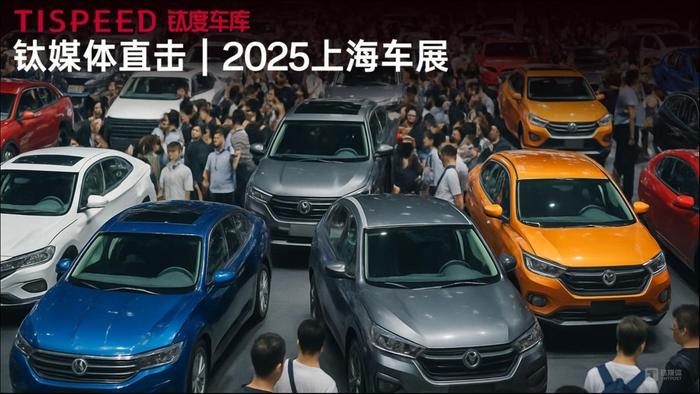
Core Insights - The 2025 Shanghai International Automobile Industry Exhibition has become a significant global automotive industry "barometer" with nearly 1,000 exhibitors from 26 countries and regions, covering over 360,000 square meters [1][3][17] - The exhibition reflects the rapid growth of China's new energy vehicle industry, showcasing the rise of domestic brands and the transformation efforts of joint ventures and foreign brands [3][7] Industry Overview - The exhibition features major global automotive brands including Volkswagen, Mercedes-Benz, BMW, Ford, and luxury brands like Porsche and Bentley, indicating high participation from both domestic and international players [4][5] - The automotive technology and supply chain exhibition area has expanded significantly, with around 100,000 square meters dedicated to suppliers like Bosch, Huawei, and CATL, highlighting the growth in this sector [6][13] Technological Advancements - The focus of the exhibition has shifted from concept displays to the production of intelligent automotive technologies, with a notable increase in the sales of passenger cars equipped with Level 2 autonomous driving features, projected to reach 65% by the end of 2025 [7][12] - Major automotive companies are showcasing advanced intelligent systems, such as AI integration and high-level autonomous driving capabilities, with brands like BYD and NIO presenting their latest innovations [9][13] Market Trends - The exhibition marks a turning point in the automotive industry's competitive landscape, emphasizing the integration of artificial intelligence and big data into smart vehicles, indicating a shift towards "intelligentization" in the industry [14][17] - The proportion of new energy vehicles at the exhibition exceeds 70%, reflecting the industry's commitment to low-carbon and intelligent development [17]





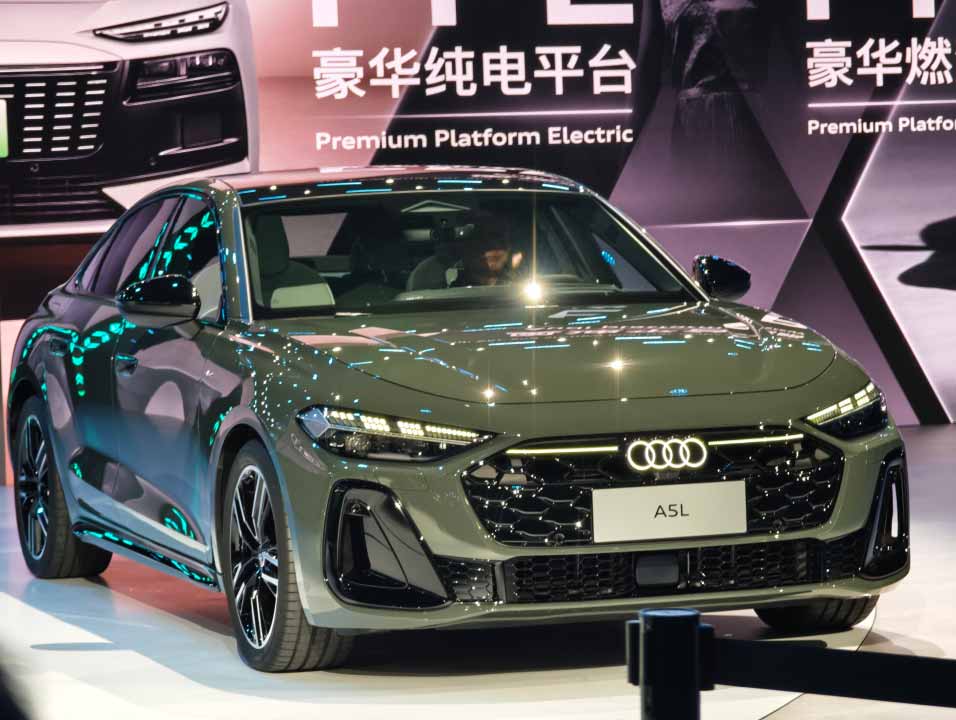
上汽奥迪A5L Sportback、全新一代雷克萨斯ES……重磅轿车汇总
Zhong Guo Zhi Liang Xin Wen Wang· 2025-04-24 07:35
Group 1: Key Highlights from the Shanghai Auto Show - Various brands showcased significant new products at the Shanghai Auto Show, highlighting the competitive landscape in the automotive industry [1] - The new Audi A5L features a length of 4908mm and a wheelbase of 2969mm, approaching European C-class standards, with a focus on driver-centric design and advanced digital interfaces [3] - The all-new electric long-wheelbase CLA from Mercedes-Benz is equipped with MB.OS architecture, offering tailored smart technology and high-frequency OTA updates, enhancing user interaction through AI capabilities [5] - The global debut of the new Lexus ES emphasizes a youthful and stylish design, with two models showcased: ES 350e and ES 500e, alongside plans for electric and hybrid versions [7] - The Seal 06DM-i Touring version combines the aesthetics of a touring car with the agility of a sedan, featuring BYD's fifth-generation DM technology for low fuel consumption and extended range [9] - The Avita 06, launched on April 19, is positioned as a "smart luxury sports sedan," achieving over 12,536 pre-orders within 48 hours, setting a new record for the brand [11] - The SAIC Audi A5L Sportback is expected to launch in the second quarter, featuring a sporty design and a 2.0T turbocharged engine with a 48V mild hybrid system [13] - The Xingjiyuan ES electric version, with a pre-sale price range of 199,800 to 279,800 yuan, offers two battery options with maximum ranges of 705km and 710km [15]
小米汽车在欧洲设研发和设计中心,目标不只是刷赛道|36氪独家
36氪· 2025-04-23 23:54
以下文章来源于36氪汽车 ,作者徐蔡钰 36氪汽车 . 看懂汽车产业新百年。36氪旗下智能电动车产业报道公号。 在智能化时代硬磕性能。 文 | 徐蔡钰 编辑 | 李勤 杨轩 来源| 36氪汽车(ID:EV36kr) 封面来源 | IC photo 小米汽车,在欧洲寻求技术与市场的新突破。 36氪独家获悉,小米汽车正稳步推进欧洲布局。在德国慕尼黑,小米建立了一个汽车研发中心,目前,该研发中心规模不足50人,主要成员均为管理层及业 务专家。 此外,小米还有意继续挖掘设计人才,在欧洲孵化一个新的汽车设计中心。 36氪就此消息向小米汽车求证,小米官方确认了欧洲研发中心的存在,但否认了欧洲销售体系。 欧洲研发中心的建立,对小米汽车而言不仅是研发能力的扩充,更是品牌差异化的战略布局。 赛道,通常是新品牌吸引大众眼球的起点。如今,行业竞争已从电动化发展到智能化。奔驰、宝马、保时捷等一众国外豪华品牌,都在追赶智能座舱、智能 驾驶的研发。 在智能化的花样竞赛中,小米却选择了一条传统汽车品牌的"老路":继续挑战赛道,深耕汽车性能研发。 布局欧洲研发 小米瞄准高性能调校能力 有知情人士告诉36氪,小米汽车慕尼黑研发中心目前没有大规 ...


铁锂狂奔、三元式微,全球动力电池市场“变局”
高工锂电· 2025-04-23 11:28
摘要 比亚迪、宁德时代将铁锂系快充推高至 10 C ,是铁锂持续狂奔,还是三元蓄势待发。 现阶段全球动力市场,三元、铁锂动力电池装机来到五五开,三元、铁锂技术路线之争来到了更广 的全球市场。 高工产研( GGII )数据显示, 2025 年 1-2 月全球新能源汽车累计销售 228.0 万辆,同比增 长 27% ,带动动力电池装机量约 118.5GWh ,同比增长 32% 。 其中,三元电池装机 58.7GWh ,占比 49.5% ;磷酸铁锂电池装机 59.1GWh ,占比 49.9% 。铁锂电池在全球动力市场继续延续 2024 年 1pct 以内的微弱优势( 2024 年,三元装机 414.0GWh 、占比 49.3% ,铁锂装机 422.7GWh 、占比 50.3% )。 与此同时,国内动力电池市场装机量来到二八开。最新市场数据指出, 2025Q1 磷酸铁锂电池装 车占比超过 80% ,同比增长超 90% 。 2021 年起,磷酸铁锂在国内市场超过三元后,其在国内动力市场的主导地位日渐稳固。但此前很 长一段时间内,三元在海外动力市场的优势显著,三元铁锂维持着 " 国内四六开,全球六四开 " 的格局。业内通 ...

2025上海车展,有哪些看头
汽车商业评论· 2025-04-23 01:08
撰 文 / 钱亚光 设 计 / shelly 来 源 / ww.reuter.com, www.bloomberg.com, themunicheye.com 中国依然是全球最大的汽车市场,去年汽车销量约为 3100 万辆。 市场竞争日益激烈,本土汽 车制造商在电动汽车市场取得了显著进展。 除了传统汽车制造商,小米和华为等科技公司也纷纷进军汽车领域,凭借在软件和互联方面的专 长,将汽车转变为复杂的移动设备。这种创新的涌入推动了汽车技术的快速发展、价格下降。 4月23日至5月2日举行的此次车展上,比亚迪和吉利等畅销中国品牌将占据中心位置,而大众、日 产、丰田以及通用汽车旗下的凯迪拉克等外国汽车制造商也将竞相争抢关注。 在中国,一场持续多年的汽车价格战仍在胶着,下一代自动驾驶功能已成为争夺汽车销量和利润的 新战场。 辅助驾驶成为焦点 今年,该行业的关注点不仅在于性能,还在于提供"智能"技术时所承担的责任。 汽车制造商在上海车展上争相宣传下一代驾驶辅助系统的计划已被打乱,原因是主管部门在一场致 命事故后,对使用"智能"或"自动驾驶"等术语来描述技术的营销宣传进行了约束。 3月29日,一辆小米SU7 轿车在司机试图从 ...

浙江仙通20250421
2025-04-22 04:46
Summary of Conference Call for Xiantong Co., Ltd. Company Overview - **Company**: Xiantong Co., Ltd. - **Industry**: Automotive sealing products Key Points Financial Performance - **Q1 Revenue Growth**: Revenue increased by 25% year-on-year, with a significant improvement in net profit margin due to a 2.1 times increase in new project numbers compared to the previous year, expected to start mass production in the next 18-24 months [1][3][5] - **Profitability Outlook**: Gross margin is expected to remain between 28%-29% in 2024 due to customer rebates, but profitability is anticipated to improve in Q1 2025 as rebates are not affecting the current quarter [1][9] Strategic Initiatives - **Project Acquisition**: The company plans to secure more projects over the next 2-3 years to solidify its leading position in the industry, with a focus on high-quality projects [1][5][12] - **Investment Plans**: Xiantong intends to invest 800 million yuan to build first-class production capacity, including logistics, production equipment, and R&D center upgrades, aiming for a 4.5 billion yuan industry scale [1][5][6] Market Position and Competition - **Competitive Landscape**: The company is enhancing its technical capabilities and product quality through collaborations with high-end automakers such as FAW Hongqi, BYD, and Mercedes-Benz. Competitors like Cooper Standard have shown signs of business divestment, indicating Xiantong's competitive strength in the sealing strip sector [1][6][8] - **Market Share**: Xiantong holds approximately 45% market share with key clients like Geely and Chery, focusing on new energy vehicles [3][21][23] Future Growth and Development - **New Orders**: The company has secured a significant number of new orders, primarily from Geely and Chery, with a focus on new energy vehicles. The total number of projects for Chery is around 678 [21][22] - **Long-term Strategy**: Xiantong aims to become the largest automotive sealing strip supplier in China, with plans to expand its production capacity and continue acquiring new projects [7][24] Risk Management and Challenges - **Market Pressures**: The automotive industry is facing intense competition, with upstream pressures such as project rebates and price reductions affecting revenue and net profit. However, Xiantong has managed to maintain a strong performance despite these challenges [3][9][36] - **Cash Flow and Financing**: The company is considering refinancing options for its 800 million yuan investment, with a focus on repairing its stock price before proceeding with financing [18][19] Additional Insights - **Raw Material Prices**: The price of nitrile rubber remains high due to supply chain issues, although a long-term decrease is expected as oil prices stabilize [26] - **Product Development**: Xiantong is exploring opportunities in the humanoid robotics sector to ensure long-term growth and technological innovation [34][35] Conclusion Xiantong Co., Ltd. is positioned for growth in the automotive sealing products industry, with a strong focus on project acquisition, strategic partnerships, and investment in production capacity. Despite facing competitive pressures, the company is optimistic about its profitability and market share expansion in the coming years.

中国主场,全球看齐:新能源技术规则改写进行时|2025上海车展前瞻
Tai Mei Ti A P P· 2025-04-22 01:18
Core Insights - The 2025 Shanghai International Automobile Industry Exhibition will take place from April 23 to May 2, showcasing significant new vehicles and technologies, particularly in the electric and intelligent vehicle sectors [2] - The exhibition serves as a critical platform for global automakers to demonstrate advancements in new energy and smart technologies, marking a pivotal moment in the automotive industry's evolution [2] Group 1: Core Technologies in the New Energy Sector - The 900V high-voltage platform enhances electric drive technology, exemplified by the LeDao L90, which supports rapid charging and improved efficiency, allowing for a 255 km range in just 5 minutes of charging [4] - The "World Base Model" aids in the global proliferation of assisted driving technologies, with XPeng's G7 featuring a 720 billion parameter model for advanced AI capabilities [6] - Self-developed chips are raising the AI capability ceiling, with Hezhima's Huashan A2000 family of chips designed for next-generation AI models, integrating multiple processing units for enhanced performance [7] Group 2: Chinese Brands as Rule Makers - The luxury car market is experiencing a "Chinese moment," with the debut of the Zun Jie S800, a high-end vehicle equipped with advanced technologies targeting top-tier luxury brands [10] - Zeekr is set to unveil the Zeekr 9X, a flagship model featuring cutting-edge smart driving technology and high computational power [12] - Chinese automotive design is entering a new phase, highlighted by BYD's Ocean-S concept car, which showcases a mature design philosophy [13] Group 3: Multinational Automakers' "Localization" Strategies - Volkswagen will present three concept cars at the Shanghai Auto Show, emphasizing a "made in China for China" strategy, with plans to launch over 30 new models in the next three years [17] - Buick's new luxury MPV, the "Shijia," is designed for high-end families and incorporates a new architecture that supports various powertrains, including pure electric and hybrid options [20] - BMW's new generation driving pleasure concept car will debut, serving as a testbed for technologies to be applied in upcoming models [22] Group 4: The Exhibition as an "Ecosystem Technology Showcase" - The exhibition will feature a significant increase in the participation of supply chain manufacturers, with a dedicated area for automotive technology and supply chain innovations [31] - Cross-industry collaborations are emerging, exemplified by Sony's announcement of a car-mounted PS6 gaming system, highlighting the integration of automotive and consumer electronics [33]
2025充电桩行业简析报告
Jia Shi Zi Xun· 2025-04-21 01:20
Investment Rating - The report does not explicitly state an investment rating for the charging pile industry Core Insights - The charging pile industry is experiencing rapid growth, with a significant increase in the number of charging stations and a strong policy push from the government to enhance infrastructure [11][15][44] - The charging pile market is characterized by a fragmented competitive landscape, with leading companies facing challenges in profitability despite high market shares [21][46] - The industry is expected to evolve with advancements in fast charging technology, which will address consumer concerns about charging time and range anxiety [29][45] Summary by Sections 1. Definition and Classification of Charging Piles - Charging piles are devices that provide electric energy to electric vehicles, classified by charging method, installation location, charging interface, installation method, and charging speed [5][6] 2. Structure of Charging Piles - Charging piles consist of five main components: power supply, control board, charging interface, protective barrier, and outer shell, with the control board and charging interface being the core elements [10] 3. Policy Environment - The government has emphasized the importance of charging pile construction, with policies aimed at optimizing the charging network and supporting the development of new energy vehicles [11][12] 4. Charging Pile Quantity - As of December 2024, the total number of charging piles in China reached 12.818 million, with a year-on-year growth of 49.1% [15] 5. Charging Pile Industry Chain - The industry chain includes upstream hardware manufacturers, midstream charging pile integrators, and downstream application markets, requiring collaboration across all levels for development [16][18] 6. Competitive Landscape - The market is fragmented, with the leading company, Telai Electric, holding a 19.3% market share, while profitability remains a challenge across the industry [21][20] 7. Pain Points in Charging Pile Development - High construction costs for individual charging piles pose a significant barrier to industry growth [22] 8. Fast Charging Technology - Fast charging is seen as a solution to alleviate consumer anxiety regarding charging times, with advancements in charging power and efficiency being critical [29][45] 9. Future Challenges - The industry faces challenges such as uneven infrastructure distribution, increased pressure on the power grid, lack of unified technical standards, and a single profit model leading to widespread losses [39][42] 10. Future Trends - Key trends include a focus on expanding charging networks in underserved areas, the rise of fast charging technology, diversification of revenue models, and the integration of smart technologies [44][46][47]
蓝思科技多元布局首季净利增38% 十年累投180亿研发深化全球布局
Chang Jiang Shang Bao· 2025-04-21 00:09
Core Insights - The company, Lens Technology, reported strong growth in its operating performance, benefiting from market recovery, with Q1 2025 revenue reaching 17.063 billion yuan, a year-on-year increase of 10.10%, and net profit of 429 million yuan, up 38.71% [1][2] - The company has maintained a focus on technological innovation, with cumulative R&D expenses amounting to 18.006 billion yuan over the past decade and a total of 2,249 patents obtained [1][5] - Lens Technology has initiated a plan for a Hong Kong stock listing to enhance its international brand image and support its globalization strategy [1][5] Financial Performance - In Q1 2025, the company achieved a net profit of 429 million yuan, representing a 38.71% increase year-on-year, and a non-GAAP net profit of 378 million yuan, which grew by 60.99% [2] - For the full year 2024, the company reported revenue of 69.897 billion yuan, a 28.27% increase, and net profit of 3.624 billion yuan, up 19.94% [2] - The consumer electronics market recovery has been a significant driver of the company's growth, particularly in its core smartphone and computer business, which generated revenue of 57.754 billion yuan in 2024, a 28.63% increase [2] Diversification and Market Position - The automotive sector has become the second-largest revenue source for the company, with automotive business revenue reaching 5.935 billion yuan in 2024, a year-on-year increase of 18.73% [3] - The company has established a diverse technology reserve, with revenue from smart headsets and wearable devices reaching 3.488 billion yuan in 2024, an increase of 12.39% [3] - Lens Technology has built a strong reputation in the consumer electronics and smart automotive sectors, serving well-known brands such as Apple, Samsung, and Tesla [4][5] R&D Investment - The company has consistently invested over 2 billion yuan in R&D for four consecutive years, with expenditures of 2.134 billion yuan, 2.105 billion yuan, 2.317 billion yuan, and 2.785 billion yuan from 2021 to 2024 [5] - As of the end of 2024, the company held 2,249 effective patents and 127 software copyrights, covering various fields including new materials and smart manufacturing [5]

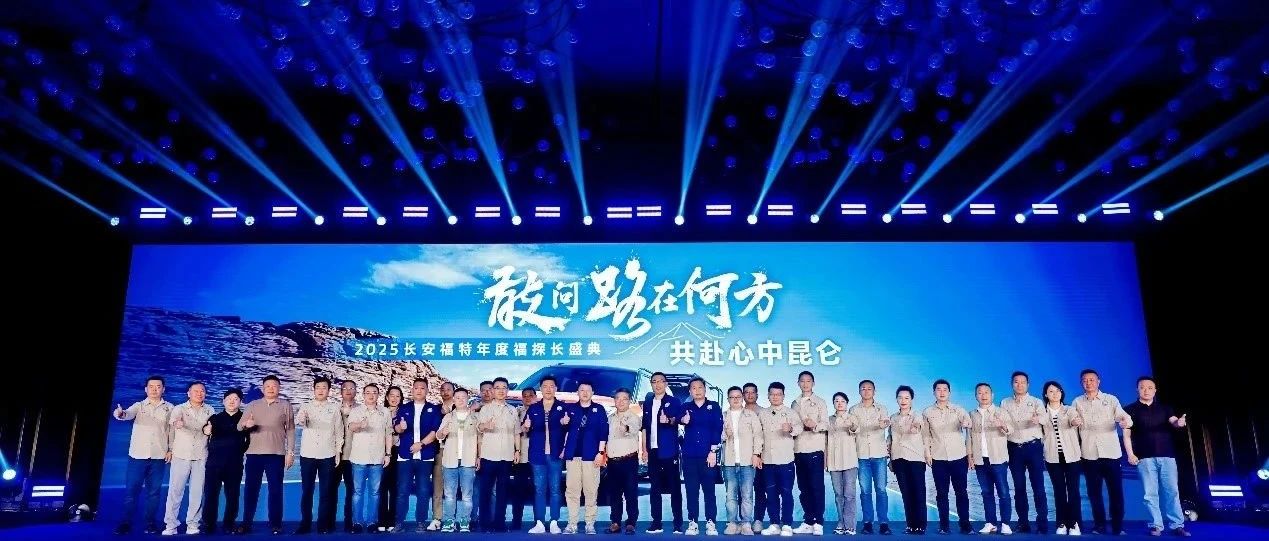
进入“冰河世纪”的合资品牌,如何在山穷水尽中,找到又一村?
21世纪经济报道· 2025-04-19 07:30
Core Viewpoint - The Chinese automotive market in 2025 is experiencing a significant divide, with domestic brands rising rapidly while joint venture brands struggle to adapt to the changing landscape [2][11]. Group 1: Market Dynamics - Domestic brands captured 63% of the market share in March, indicating their strong growth [2]. - Joint venture brands sold 48,000 vehicles in March, reflecting a 4% year-on-year decline, highlighting their challenges in the current market environment [2]. Group 2: Technological Transformation - The transition from traditional fuel vehicles to new energy vehicles is crucial for determining the market position of car manufacturers [4]. - Joint venture brands are attempting to innovate by developing new technologies, such as Volkswagen's partnership with XPeng to create intelligent driving systems and Toyota's collaboration with Huawei for smart cabins [4][6]. Group 3: Consumer Trust and Safety - Traditional joint venture giants are focusing on safety to rebuild consumer trust, with examples like SAIC Volkswagen's precision manufacturing and FAW Toyota's TNGA architecture emphasizing safety features [6]. - The use of high-strength materials, such as 1700MPa martensitic steel in Changan Ford's models, showcases the commitment to safety [6]. Group 4: User Engagement and Brand Loyalty - Some joint venture brands are shifting focus from hardware to deepening user engagement, as seen in initiatives like Mercedes-Benz's AR vehicle customization and GAC Honda's "Z Generation" marketing events [8][10]. - Changan Ford has built a community of 60,000 "Ford Explorers," engaging them through adventurous activities, which helps transform the brand from a mere product to an emotional connection [8][10]. Group 5: Strategic Adaptation - The automotive industry is facing a complex transition, with companies like Mercedes-Benz and Toyota signaling different strategies, reflecting the lack of a one-size-fits-all roadmap for transformation [11]. - Changan Ford reported a net profit of 2.09 billion yuan in 2024, indicating a successful value strategy and a healthy dealer profitability rate of around 60-70% [11].