三星

Search documents
2nm,被疯抢!
半导体行业观察· 2026-01-02 03:33
Core Insights - The rapid development of artificial intelligence presents significant challenges for TSMC, which is striving to overcome supply constraints in its 2nm process technology to meet market demand [1] - TSMC plans to increase prices for its next-generation process starting January 1, but order volumes remain strong despite the price hike [1] - By Q3 2026, TSMC's revenue from 2nm technology is expected to surpass the combined revenue from its 3nm and 5nm processes [1] Group 1: TSMC's 2nm Process Development - TSMC is set to build 10 2nm fabs in Taiwan and the U.S., with a production capacity of 80,000 to 100,000 wafers by the end of 2026 [1][2] - The company plans to invest up to $28.6 billion in constructing three new fabs in Taiwan to meet the high market demand for 2nm technology [1] - TSMC's 2nm technology has become a "monopoly" due to the explosive growth in AI, leading to a surge in customer orders [1] Group 2: Revenue and Market Share - The 2nm process began contributing to TSMC's revenue in Q3 2023, initially accounting for 6% of total revenue, which increased to 15% in Q4 2023 [2] - Currently, the 5nm process dominates TSMC's revenue, making up 60% of total revenue, but this share is expected to decline as 3nm and 2nm processes ramp up [2] - Analysts predict that TSMC's 3nm capacity will reach its limit by 2026, as it enters a "golden period of mass production" [2] Group 3: Competitive Landscape - TSMC is not planning to introduce its 2nm technology overseas and aims to launch its 3nm wafers a year earlier to prevent competitors like Samsung from gaining an advantage [2] - Major clients such as Apple, Qualcomm, MediaTek, and AMD are expected to utilize TSMC's 2nm wafers, indicating strong demand from leading tech companies [2][5] - Samsung is also advancing its 2nm process with the Exynos 2600 processor, which integrates CPU, GPU, and NPU, enhancing AI performance and reducing power consumption [6]


特朗普“土豪金”手机一再推迟 2025年未能上市
Xin Lang Cai Jing· 2026-01-02 01:15
Core Viewpoint - Trump Mobile has postponed the launch of its "gold" smartphone, originally scheduled for the end of 2025, marking another setback for the project which initially promised a $499 American-made smartphone to compete with major brands like Apple and Samsung [2][8]. Group 1: Product Development and Launch Delays - The T1 smartphone, along with a monthly plan priced at $47.45, was announced in June 2023, but the delivery has been delayed due to the recent U.S. government shutdown, with indications that it may not ship within the month [2][8]. - Initially, Trump Mobile claimed the T1 would be "American-made," but this assertion faced skepticism from supply chain analysts, leading to a rebranding of the product as "assembled in America" shortly after its announcement [3][10]. - The original launch date of August has been pushed back to the end of the year, reflecting a significant reduction in the product's initial vision [3][10]. Group 2: Market Position and Competitor Analysis - Trump Mobile has begun selling second-hand devices from major competitors Apple and Samsung, including the 2023 iPhone 15 priced at $629 and the Samsung S24 at $459, which are positioned slightly below their respective official prices [4][10]. - The company has maintained a low profile since the product launch announcement, with Trump's sons indicating they are collaborating with top industry talent to address the mobile sector's challenges [4][10]. Group 3: Executive Team and Company Structure - Trump Mobile announced three executives: Pat O'Brien, Eric Thomas, and Don Hendrickson, although detailed backgrounds were not provided at the time [5][11]. - O'Brien is the president of a Missouri-based insurance company that operates Trump Mobile's customer service hotline, while Thomas is linked to a real estate firm in Utah [5][11]. - Hendrickson is identified as the executive vice president of a lesser-known virtual network operator that provides service plans for Trump Mobile, with the company's office located in Trump Tower, Miami [5][11].

台积电、三星2nm制程大PK 史上最贵手机芯片来了
Jing Ji Ri Bao· 2026-01-01 23:21
Core Insights - TSMC and Samsung have both advanced their process nodes to 2nm, with smartphones expected to be among the first applications, positioning TSMC as a major winner by securing contracts for the latest 2nm processors from Apple, Qualcomm, and MediaTek [1][2] - The 2nm process is anticipated to result in lower power consumption and enhanced performance, particularly in AI capabilities, but will also lead to higher costs, making 2nm chips the most expensive smartphone processors to date [1] - TSMC's 2nm technology (N2) began mass production in Q4 of last year, utilizing first-generation nanosheet transistor technology, and is set to introduce N2P technology later this year for improved performance and power efficiency [1] Company Developments - Apple is developing the A20 processor for its upcoming iPhone 18 series, which will be produced using TSMC's 2nm process [2] - Qualcomm and MediaTek are expected to release their flagship chips, Snapdragon 8 Elite Gen 6 and Dimensity 9600, respectively, using TSMC's 2nm process in the second half of this year [2] - MediaTek announced that its first flagship system-on-chip utilizing TSMC's 2nm process has completed design and is expected to enter mass production by the end of 2026 [2] - Samsung has introduced the Exynos 2600 processor, built on its own 2nm GAA process, featuring a 10-core CPU based on the latest Arm v9.3 architecture, which significantly enhances machine learning and gaming performance while reducing power consumption [2]
“百镜大战”2025年全面打响 AI眼镜距离“随身终端”还有多远?
Shen Zhen Shang Bao· 2026-01-01 21:54
Core Insights - The article discusses the rising trend of AI glasses, which are expected to become a significant consumer product by 2026, transitioning from concept to practical demand in 2025 [2][3] - The competition in the AI glasses market, referred to as the "Hundred Glasses War," involves major tech companies and startups, indicating a robust ecosystem development [2][9] Industry Overview - The AI glasses market is experiencing rapid growth, with a 110% year-on-year increase in global shipments in the first half of 2025 [5] - Major players include tech giants like Meta, Samsung, Xiaomi, and Alibaba, as well as specialized XR companies, all launching various AI glasses products [3][4] Technological Advancements - Significant improvements in display technology are noted, with many AI glasses featuring high-resolution and high-refresh-rate displays to enhance user experience [6] - Innovations in interaction methods, such as Meta's "Neural Band" for gesture control and various voice and touch interfaces, are transforming user engagement [7] Market Dynamics - The demand for AI glasses is driven by advancements in AI capabilities and consumer needs for hands-free information access, including real-time translation and health monitoring [4][10] - The competitive landscape is not only about hardware but also about creating a cohesive ecosystem that integrates AI glasses with other devices and services [9][10] User Experience - Comfort and weight are critical factors for user acceptance, with many companies striving to make their products lightweight and comfortable to wear [7][8] - The core positioning of AI glasses is as a "wearable service entry point," which directly influences user adoption [8] Ecosystem Development - The integration of AI glasses with various services, such as navigation and payment systems, is essential for creating a seamless user experience [10][11] - Establishing standardized communication protocols and security measures is crucial for ensuring interoperability and data safety within the AI glasses ecosystem [9]





半导体行业的2026,三大关键词
财联社· 2026-01-01 15:00
Core Viewpoint - The semiconductor industry is expected to experience significant growth in 2026, driven by three key trends: storage, AI, and domestic production. A global supply-demand gap in storage is anticipated to persist, while AI-related capital expenditures and innovations in domestic chip design are set to rise sharply [4][5]. Group 1: Storage - The storage market saw a dramatic price increase in 2025, with major players forecasting that shortages will continue into 2026. Micron's Chief Business Officer highlighted a significant gap between supply and demand [6]. - TrendForce predicts that capital expenditures in the storage sector will rise, with DRAM spending increasing from $53.7 billion to $61.3 billion (14% YoY) and NAND spending from $21.1 billion to $22.2 billion (5% YoY) [6]. - Major PC manufacturers like Lenovo, HP, and Dell are planning to raise prices and adjust product specifications in response to rising storage costs, with Lenovo already notifying customers of upcoming price hikes [7]. Group 2: AI - The AI sector continues to thrive, with global cloud service providers expected to increase capital expenditures by 40% to $600 billion in 2026, driven by demand for AI applications [9]. - The shift from training to inference in AI models is anticipated to boost the demand for ASIC chips, with projections of over 800,000 units shipped in 2026 [9]. - Companies like Chipone have reported a significant increase in new orders, indicating strong demand for customized chip solutions [9]. Group 3: Domestic Production - The domestic semiconductor design sector is experiencing rapid growth, with the number of companies increasing from 1,380 in 2017 to 3,901 in 2025, and sales revenue growing at a compound annual growth rate (CAGR) of 19% [12]. - The utilization rates of domestic foundries like SMIC and Hua Hong Semiconductor have rebounded, benefiting from the rise of local chip design firms and a trend towards localized manufacturing [12]. - In the foundry segment, advanced logic production is expected to double, with significant expansions planned by companies like SMIC and Huahong [15].


DeepSeek提出全新mHC架构;安克创新回应“裁员30%”;特斯拉鸿蒙版App开启尝鲜...
Sou Hu Cai Jing· 2026-01-01 13:18
Group 1 - DeepSeek has released a new paper proposing a novel mHC architecture, with CEO Liang Wenfeng listed as one of the authors [1] - Anker Innovation has responded to rumors of a 30% layoff, stating that the reported figure is significantly exaggerated and that the adjustments are part of a strategic upgrade [2] - Tesla has launched a HarmonyOS version of its app in the Huawei app market, supporting features like remote vehicle control and mobile key [3] Group 2 - Xiaomi has announced a limited-time offer for the YU7 model, allowing customers to choose between a tax subsidy and a three-year interest-free option for orders placed before December [5] - The Redmi Note 15 series has been officially launched, starting at 999 yuan, with various color options available [6] - Huawei has released the Smart Screen V6, with prices ranging from 7999 to 14999 yuan, and is offering a limited-time discount on its high-end ADS feature package [7] Group 3 - Apple has updated its list of "vintage products," including the iPhone 11 Pro and the last Intel MacBook Air [8] - Seres Group announced that the AITO car deliveries exceeded 57,000 units in December, setting a new monthly record, with total deliveries surpassing 420,000 units for the year [9] - Li Auto plans to focus on adjusting its models in the 300,000 to 400,000 yuan price range while continuing to iterate on its pure electric i8 series [10] Group 4 - Li Auto has achieved a cumulative delivery milestone of over 1.5 million vehicles, becoming the first new force brand in China to reach this figure [12] - Huawei's Enjoy series has met its annual challenge goals for 2025, with plans to introduce more diverse products in 2026 [13] - TrendForce reports that Samsung is rigorously executing its production halt plan, which may lead to a significant increase in DDR4 memory prices in 2026 [14]


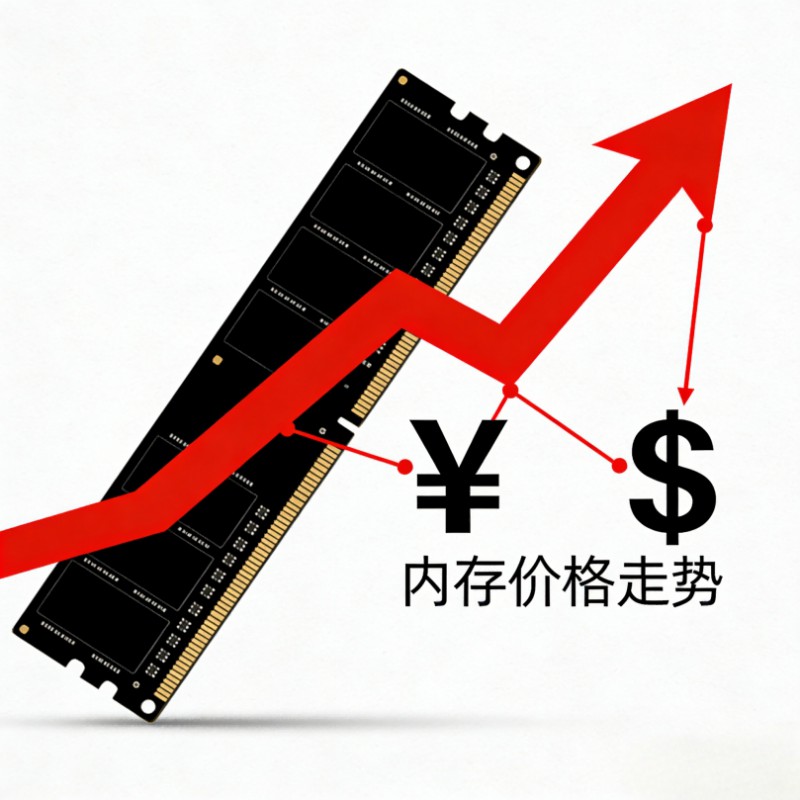
内存涨价,企业如何破局?易点云订阅服务给出答案
Xin Lang Cai Jing· 2026-01-01 11:32
区别于传统的重资产购置模式,易点云提供"免押金、先用后付、随用随还"的弹性订阅方案,显著减轻了企业一 次性资金压力,释放出宝贵的现金流,助力企业将资源聚焦于自身的主营业务与发展创新。当前,一台基础性能 的办公电脑采购价格在3500-6000元之间,涉及专业需求的高性能顶配机型甚至超过2万元。而通过易点云订阅模 式,仅需低至2元/天的费用就能轻松获得同等服务。这种以极低日成本获取专业IT服务的方式,让企业的IT投入 变得轻盈可控。 面对市场价格波动,企业无需被动承受硬件采购成本骤增的压力,有效规避了设备快速贬值的资产风险,实现了 从"资产持有"到"服务使用"的智慧转型。 近期,全球内存市场正经历一轮剧烈的"存储风暴"。随着三星、SK海力士、美光等存储巨头将产能转向利润更高 的AI领域,消费级内存供应明显收缩,价格持续攀升。业内分析普遍认为,此轮"超级涨价周期"可能持续至2027 年。 面对骤增的采购成本与被迫中断的设备更新计划,中小企业陷入两难:是承受高昂成本,还是延缓升级?在此背 景下,一种灵活、可预测的解决方案——IT设备订阅服务,正成为越来越多企业的选择。 一站式订阅:对冲市场波动,规避贬值风险 针对中小 ...
美国万万没想到,100%中国国产化长江存储,正在“狂扁”美国科技
Sou Hu Cai Jing· 2026-01-01 06:07
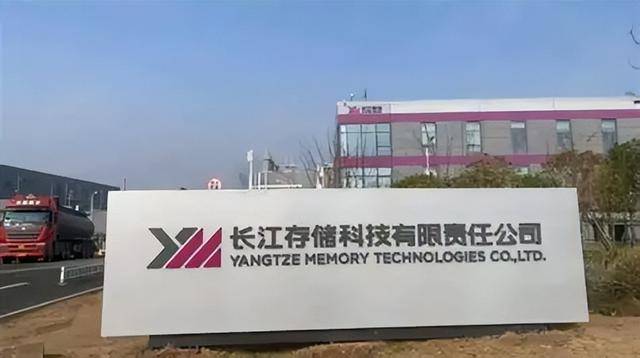
Core Viewpoint - The emergence of Yangtze Memory Technologies Co. (YMTC) has significantly disrupted the NAND flash memory market, challenging established players like Micron Technology and showcasing the effectiveness of domestic innovation in the face of U.S. restrictions [1][3][30]. Group 1: Company Development - YMTC has rapidly evolved from its establishment in 2016 to become a key player in the global NAND flash memory market, leveraging domestic resources to overcome U.S. sanctions [3][19]. - The company has successfully launched its fifth-generation 3D TLC NAND products in 2025, featuring a stacking layer count equivalent to 294 layers, despite facing comprehensive restrictions [19][30]. Group 2: Technological Innovation - YMTC's Xtacking architecture represents a significant innovation, allowing the separation of control circuits and storage units on different wafers, leading to increased storage density, faster read/write speeds, and reduced production cycles [11][30]. - This innovative approach has compelled even competitors like Samsung to seek licensing agreements, indicating the architecture's competitive edge [13]. Group 3: Legal and Market Dynamics - Micron's legal strategy has involved invoking national security concerns to avoid disclosing core technology documents in court, reflecting a defensive posture in the face of YMTC's legal challenges [5][7]. - The ongoing legal battles have expanded beyond the U.S., with YMTC filing lawsuits in Europe and targeting Micron and its distributors, indicating a shift in the competitive landscape [23][25]. Group 4: Market Impact - The decline in Micron's market share and the resulting price drops for consumers highlight the benefits of increased competition, as consumers gain access to more affordable high-capacity storage solutions [27][30]. - The shift in market dynamics suggests that the era of unilateral control by established players is coming to an end, with new rules likely emerging in the semiconductor industry [32].

存储价格飙升,今年消费电子产品可能涨价高达20%
Hua Er Jie Jian Wen· 2026-01-01 04:53
包括戴尔、联想和小米等消费电子制造商已接连发出警告,指出芯片短缺与成本激增正迫使其调整定价 策略。戴尔首席运营官Jeff Clarke在11月的财报电话会议上表示,公司从未见过成本以如此速度上涨, 影响将不可避免地传导至消费者。 涨价预期已成共识,但具体幅度存在分歧。麦格理分析师Daniel Kim预测涨幅为10%至20%,而野村证 券亚太股票研究联席主管CW Chung预计涨幅为5%。芯片短缺已导致企业开始囤积芯片,这将进一步推 高半导体价格。 AI数据中心需求挤压消费市场 由于人工智能需求推动存储芯片价格飙升,消费电子产品制造商警告今年产品价格可能上涨5%至 20%。从智能手机、电脑到家用电器,消费者将面临广泛的价格压力。 制造商应对策略各异 面对持续的半导体供应链压力与成本上涨,全球主要消费电子制造商已采取差异化的应对策略,其核心 在于战略性备货与审慎的价格传导。 全球数据中心建设热潮,正引发半导体产业链的结构性倾斜。对用于AI服务器的尖端高带宽存储芯片 (HBM) 的迫切需求,已促使芯片制造商将产能与研发资源向该高附加值领域集中,相对降低了用于 消费电子的传统DRAM等中低端半导体的生产优先级。这导致 ...
最高补贴2万元,汽车以旧换新补贴实施细则出炉|首席资讯日报
首席商业评论· 2026-01-01 04:42
Group 1 - The Ministry of Commerce and other departments have released the implementation details for the 2026 vehicle trade-in subsidy, offering a maximum subsidy of 20,000 yuan for consumers who scrap older vehicles and purchase new energy or low-emission vehicles [2] - The new revenue-sharing model for movies on iQIYI will take effect from January 15, 2026, covering both online story films and short window period films [3] - The National Development and Reform Commission has announced the early batch of "two heavy" project lists and central budget investments for 2026, totaling approximately 295 billion yuan, aimed at accelerating the pace of fund allocation and usage [4] Group 2 - Shenzhen Yujiang Technology Co., Ltd. has initiated the process for its A-share listing, with the underwriting broker being Guotai Junan Securities [5][6] - Xiaomi's chairman Lei Jun has postponed a New Year's live stream due to health issues, emphasizing the importance of health [7] - Weijing Medical has completed a B+ round financing of over 100 million yuan, with exclusive investment from Guotai Junan Innovation Investment Co., Ltd. and additional investment from strategic shareholder Kangji Medical [7] Group 3 - SoftBank has completed an additional investment of $22.5 billion in OpenAI, raising its total stake to approximately 11% [8] - Jin Xun Resources plans to globally issue 36,765,600 H-shares at a price of 30.00 HKD per share, with trading expected to begin on January 9, 2026 [9] - Changxin Technology has submitted its prospectus for listing on the STAR Market, reporting a revenue of 32.084 billion yuan for the first three quarters of 2025 [10] - OmniVision Technologies plans to globally issue 48,500,000 H-shares at a maximum price of 104.80 HKD per share, with trading expected to start on January 12, 2026 [11] Group 4 - The U.S. government has approved Samsung and SK Hynix to export chip manufacturing equipment to China in 2026, benefiting from exemptions from export restrictions [12]