
江淮汽车

Search documents
汽车早报|17家车企积极响应中汽协账款支付倡议 小鹏首个欧洲本地化生产项目启动
Xin Lang Cai Jing· 2025-09-16 00:38
Group 1 - The China Automobile Industry Association supports the Ministry of Commerce's anti-dumping investigation against U.S. imported chips and calls for a fair international market environment for technological advancement and sustainable development in the automotive industry [1] - Guangzhou encourages vehicle manufacturers to enhance V2G model development and after-sales service, aiming to establish a comprehensive safety management system for vehicle-grid interaction [1] - 17 automotive companies, including NIO and Great Wall Motors, have committed to the "Automobile Manufacturer Supplier Payment Norms Initiative" to foster a collaborative ecosystem in the automotive industry [2] Group 2 - XPeng Motors has launched its first localized production project in Europe, with plans to start mass production of the G6 and G9 models in Q3 2025 [2] - NIO and Anhui Jianghuai Automobile Group's joint venture, Jianglai Advanced Manufacturing Technology (Anhui) Co., Ltd., has been officially dissolved [3] - Huawei and BAIC Group have signed a deepened cooperation agreement for the "Xiangjie" brand, planning to invest 20 billion yuan over three years in areas such as design and intelligent driving [3] Group 3 - The H5 model from the Hongmeng Zhixing brand, a collaboration between Huawei and SAIC, has surpassed 101,800 pre-orders, with a starting price of 169,800 yuan [4] - Hesai Technology has signed a laser radar order worth over $40 million with a leading U.S. Robotaxi company, with delivery planned by the end of 2026 [5] - CATL's sodium-ion battery has become the first in the world to pass the new national standard certification, showcasing advantages in low-temperature performance and safety [5] Group 4 - Faraday Future has initiated a plan for the spin-off and independent listing of its subsidiary, CXC10, which will operate independently and seek its own financing [5]

多措并举推动构建“整车—零部件”协作共赢发展生态
Ren Min Wang· 2025-09-15 22:24
Core Viewpoint - The initiative by 17 key automotive companies to commit to a payment term of no more than 60 days for suppliers is a significant step towards improving the financial stability of the supply chain and promoting sustainable development in the automotive industry [1][2]. Group 1: Payment Norms and Industry Response - The China Automotive Industry Association has released a payment norms initiative that specifies requirements for goods delivery acceptance, payment terms, and encourages long-term cooperation between suppliers and manufacturers [1]. - The initiative suggests that the acceptance of goods should not exceed three working days, and payment terms should start from the date of delivery acceptance [1]. - 17 automotive companies, including major players like BYD, Geely, and Great Wall, have publicly committed to implementing the payment norms and ensuring that payment terms do not exceed 60 days [3]. Group 2: Impact on Supply Chain and Innovation - The transition to electric vehicles is accelerating, but the supply chain for new energy vehicles is still maturing, which necessitates stable expectations from suppliers [2]. - Delayed payments from manufacturers can increase operational pressure on suppliers, negatively impacting their ability to invest in technological innovation [2]. - Shortening payment terms is expected to enhance operational efficiency for manufacturers and foster a modern management system [2]. Group 3: Individual Company Commitments - Changan Automobile has implemented a payment scheme that ensures payments are made within 60 days, optimizing the payment process for suppliers [3]. - SAIC Group has announced that by June 2025, it will standardize supplier payment terms to within 60 days without using commercial acceptance bills that could increase supplier financial pressure [3]. - Geely and Great Wall have also committed to high-quality implementation of the payment norms, ensuring that payment methods do not add financial strain on suppliers [3][4].
资本市场“安徽板块”提质向新 经营业绩、市场表现“双丰收”
Shang Hai Zheng Quan Bao· 2025-09-15 19:09
Group 1 - In the first half of the year, 186 A-share listed companies in Anhui achieved a total operating income of 722.08 billion yuan and a total profit of 55.54 billion yuan, with 152 companies making profits, accounting for 81.72% [1][3] - 96 companies reported a year-on-year increase in operating profit, representing over 50% of the total [1][3] - As of September 15, 154 companies in the Anhui sector saw their stock prices rise since the beginning of the year, with 15 companies doubling their market value [3] Group 2 - The "2025 Anhui Listed Companies Investor Online Reception Day" was held, where 77 companies presented their performance and business layout for the first half of the year, responding to nearly a thousand investor inquiries [2][4] - Companies like Anhui Huabei Group are focusing on digital transformation in retail and standardization in agricultural product circulation, aiming to enhance core competitiveness [4] Group 3 - There is a strong investor interest in enhancing market value management, with many companies expressing a desire to improve their market value [5] - Several companies, including Yangguang Electric and Conch Cement, announced mid-term dividends, with Conch Cement planning a dividend payout of 1.266 billion yuan, representing a 29% payout ratio [5] Group 4 - Chip Microelectronics is progressing with its H-share listing application, indicating a significant step in its dual financing strategy [6][7] - The company has been experiencing strong production and sales growth, driven by the demand in AI computing and the electronicization of new energy vehicles [7]



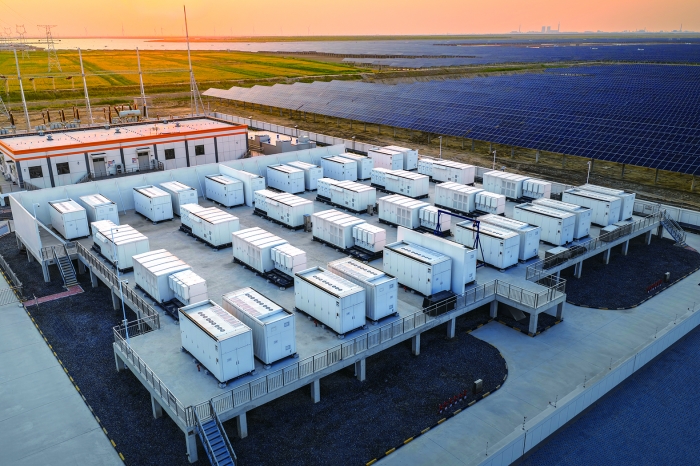
汽车稳增长方案带来利好,汽车产业链股、港股整车股走强
Xin Jing Bao· 2025-09-15 14:46
Core Viewpoint - The Ministry of Industry and Information Technology (MIIT) has emphasized the importance of stabilizing growth in the automotive industry and regulating competition, leading to a significant rise in automotive stocks on September 15, 2023 [1][2]. Group 1: Policy Initiatives - The "Automotive Industry Stabilization Growth Work Plan (2025-2026)" was officially released on September 13, outlining 15 initiatives and 3 guarantee measures across four dimensions: expanding domestic consumption, improving supply quality, optimizing the development environment, and deepening open cooperation [2]. - The plan aims for approximately 32.3 million vehicle sales in 2025, a year-on-year increase of about 3%, with new energy vehicle sales targeted at around 15.5 million, reflecting a 20% growth [2]. Group 2: Industry Response - Following the MIIT's initiatives, the China Association of Automobile Manufacturers (CAAM) issued a payment standard for automotive suppliers, advocating for a 60-day payment term to stabilize the supply chain and reduce systemic risks [3]. - Major automotive companies, including FAW, Dongfeng, Changan, SAIC, and BYD, have committed to actively implementing the payment standards proposed by CAAM [2]. Group 3: Market Reaction - On September 15, automotive stocks surged, with notable increases in companies such as Jianghuai Automobile (up 6.68%) and BYD (up 2.63%), reflecting positive market sentiment towards the government's initiatives [1]. - Hong Kong-listed automotive stocks also experienced gains, with Li Auto rising by 4.56% and NIO by 3.53%, indicating a broader market response to the regulatory changes [1].




开源晨会-20250915
KAIYUAN SECURITIES· 2025-09-15 14:42
Group 1: Key Insights on Small Giants - The concept of "Key Small Giants" aims to promote a group of exemplary small and medium enterprises with significant growth and innovation advantages, receiving additional support from central finance [4][5] - As of June 2025, 137 companies from the first batch of Key Small Giants have been listed on A-shares, raising over 120 billion yuan in total [5] - Key Small Giants exhibit stronger innovation capabilities and growth potential, with R&D expenses accounting for 8.93% of revenue in 2024, surpassing the averages of other small giants and A-share companies [5] Group 2: Retail Sector Performance - In August 2025, the total retail sales of consumer goods reached 39,668 billion yuan, with a year-on-year growth of 3.4%, indicating steady growth in social consumption [10] - The jewelry sector performed particularly well, with gold and silver jewelry sales increasing by 16.8% year-on-year in August [11] - Online retail sales for the first eight months of 2025 reached 99,828 billion yuan, growing by 9.6%, while physical retail growth showed signs of slowing down [12] Group 3: Real Estate Market Trends - From January to August 2025, the total sales area of commercial housing decreased by 4.7% year-on-year, with a significant drop in sales in August [15][16] - The real estate development investment for the same period was 6.03 trillion yuan, down 12.9% year-on-year, indicating a continued decline in investment sentiment [18] - The sales recovery in first-tier cities is expected to improve in September, driven by increased promotional efforts from real estate companies [19] Group 4: Electronics Industry Developments - Major storage manufacturers have announced production cuts, with Micron reducing output by 10% and Samsung by 15%, leading to a significant increase in NAND Flash and DRAM prices [20][21] - The global DRAM market is expected to see a comprehensive price increase due to the transition to higher-margin products and reduced supply of older technologies [21] - AI capital investments are driving demand for enterprise storage, with significant spending from major tech companies [22][23] Group 5: Automotive Industry Highlights - Chery Automobile has passed the Hong Kong Stock Exchange listing hearing, marking a significant milestone for the company [27] - In the first eight months of 2025, China's automobile production and sales both exceeded 20 million units, with new energy vehicles accounting for 45.5% of total new car sales [27] - The demand for high-end luxury vehicles is expected to exceed expectations, with recommendations for companies like Jianghuai Automobile and Sailis [29] Group 6: Media and Gaming Sector Insights - The gaming industry continues to thrive, with new game releases and strong performance in both domestic and international markets [30] - AI applications in media are rapidly evolving, with significant advancements in model iterations and commercial applications [31] - The gaming sector is expected to maintain high growth, driven by continuous demand and new supply [30]
墨西哥欲对中国等国加税 出于什么目的
Di Yi Cai Jing· 2025-09-15 14:12
Group 1 - Mexico's President submitted a legislative proposal to impose tariffs of up to 50% on imports from countries without a free trade agreement with Mexico, primarily targeting China [1][2] - The proposed tariffs will affect approximately 1,400 product categories, including automobiles, toys, steel, textiles, and plastic products [2] - Mexico has become China's largest automotive export market, with 2025 figures showing 4.18 million vehicles exported, and Mexico's automotive industry is expected to be significantly impacted by the new tariffs [3] Group 2 - The new tariffs are seen as a strategy to strengthen domestic production and increase fiscal revenue while also appeasing the U.S. [4] - The Mexican government aims to maintain good relations with China despite the tariff proposal, emphasizing that the measures are not specifically targeting any country [5] - The automotive sector in Mexico may face rising vehicle prices and reduced consumer choices due to the new tariffs, potentially affecting local dealerships and employment [3][4] Group 3 - The relationship between Mexico and the U.S. remains complex, with Mexico heavily reliant on the U.S. market while also seeking to diversify its trade partnerships [6][7] - The U.S. has previously threatened to impose significant tariffs on Mexican imports, which adds pressure on Mexico's trade negotiations [6][7] - Mexico is preparing for potential outcomes regarding the USMCA agreement, indicating a long-term strategy in trade relations [7]
墨西哥欲对中国等国加税,出于什么目的
Di Yi Cai Jing· 2025-09-15 13:50
Group 1 - Mexico's President submitted a legislative proposal to impose tariffs of up to 50% on imports from countries without a free trade agreement with Mexico, primarily targeting China [1][3] - The proposal includes approximately 1,400 product categories such as automobiles, toys, steel, textiles, and plastic products, with tariffs ranging from 10% to 50% [3] - Mexico has become China's largest automobile export market, surpassing Russia, with 3.22 million vehicles exported to Mexico in the first seven months of 2025 [4] Group 2 - The new tariffs could significantly impact the import of Chinese electric vehicles, with potential increases from 0% to 15% in 2024 and possibly up to 50% thereafter [3][4] - The Mexican automotive industry, which has been rapidly growing, may face challenges due to increased costs and reduced consumer choices, potentially affecting local dealerships and employment [4] - Mexico's economic strategy appears to aim at increasing domestic production and generating fiscal revenue while also attempting to maintain good relations with China [5]
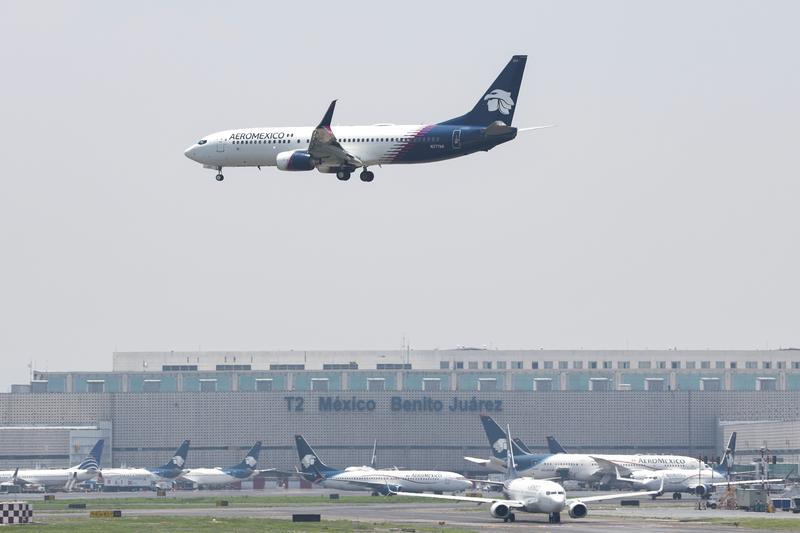
中汽协发布供应商账款支付倡议 17家车企表态落实
Zhong Guo Xin Wen Wang· 2025-09-15 13:17
Core Viewpoint - The China Automotive Industry Association (CAIA) has released a payment initiative for supplier accounts, which has been supported by 17 major automotive companies, aiming to promote high-quality development in the automotive industry [1][2]. Group 1: Initiative Details - The initiative outlines requirements for goods delivery acceptance, payment terms, reconciliation, and payment processes, specifying that the payment period for automotive companies (the buyer) should not exceed 60 calendar days from the date of delivery and acceptance by the buyer [1]. - The initiative is expected to alleviate financial pressure on suppliers, which is crucial for fostering innovation and building a robust supply chain in the automotive sector [1]. Group 2: Supporting Companies - The 17 automotive companies that have committed to this initiative include major players such as BYD, Xiaomi, Dongfeng Motor Group, and SAIC Motor Corporation, among others [2]. - These companies have previously made public commitments regarding the payment term of not exceeding 60 days [2]. Group 3: Industry Impact - If effectively implemented, the initiative could enhance cash flow efficiency within the industry, leading to improved production efficiency and overall competitiveness of the Chinese automotive sector [1].



如何看2025年8月消费数据?
Changjiang Securities· 2025-09-15 13:15
[Table_Title] 如何看 2025 年 8 月消费数据? 联合研究丨行业点评 %% %% research.95579.com 1 丨证券研究报告丨 报告要点 [Table_Summary] 8 月份,社会消费品零售总额 39668 亿元,同比增长 3.4%。其中,除汽车以外的消费品零售 额 35575 亿元,增长 3.7%。1—8 月份,社会消费品零售总额 323906 亿元,增长 4.6%。其 中,除汽车以外的消费品零售额 292643 亿元,增长 5.1%。 分析师及联系人 [Table_Author] 李锦 赵刚 高伊楠 SAC:S0490514080004 SAC:S0490517020001 SAC:S0490517060001 SFC:BUV258 SFC:BUX176 SFC:BUW101 于旭辉 蔡方羿 董思远 SAC:S0490518020002 SAC:S0490516060001 SAC:S0490517070016 SFC:BUU942 SFC:BUV463 SFC:BQK487 陈亮 SAC:S0490517070017 SFC:BUW408 请阅读最后评级说明和重要声明 ...
多利科技分析师会议-20250915
Dong Jian Yan Bao· 2025-09-15 13:06
Group 1: Report Core View - The decline in the company's net profit and gross profit margin in the first half of 2025 was mainly due to customer price cuts and increased depreciation and amortization from the ramping up of new business capacity. The integrated die - casting business revenue is expected to increase significantly in 2026, and the gross profit margin of the main business will improve [24]. - The company's current main customers include Tesla, Leapmotor, NIO, Li Auto, BYD, JAC, SAIC Group, SAIC Volkswagen, SAIC General Motors and other vehicle manufacturers, as well as auto parts manufacturers such as Xinpeng Co., Ltd. and Shanghai Tongzhou. The comprehensive capacity utilization rate of the stamping and welding business is over 80%. The integrated die - casting business will enter the capacity ramping - up period starting from the fourth quarter of 2025 [24][25]. - As of the end of June 2025, the company's accounts receivable balance was 1.1025678 billion yuan. The company has strengthened internal control and continuous monitoring to ensure timely collection of accounts receivable [26]. - The integrated die - casting business will enter the capacity ramping - up period starting from the fourth quarter of 2025, and is expected to have a positive impact on the company's statements in 2026. The revenue scale of the integrated die - casting business from 2023 to the third quarter of 2025 was small, and its gross profit margin is not comparable to that of traditional businesses due to low capacity utilization [27]. - The company's current investment and planned integrated die - casting production lines are 6 to 8, mainly distributed in subsidiaries in Yancheng, Changzhou and Lu'an. The company has obtained orders from NIO, Li Auto, Leapmotor and other customers and provides trial - die services for many domestic and foreign vehicle manufacturers [27]. - The company's subsidiary's acquisition of 52% of the equity of Kunshan Fager Aidelan has completed the equity change, and the remaining delivery matters are being carried out as agreed. As the full delivery has not been completed, this acquisition has not affected the company's financial condition and operating results [28]. - Some customers with a rapid increase in orders in the early stage implemented a certain annual price cut for the company in the first half of the year. The single - vehicle supply value of Tesla Model yL is basically the same as that of Model y [28]. Group 2: Research Basic Information - The research object is Duoli Technology, and the reception time was September 15, 2025. The company's reception staff included Chairman Deng Liqin, Director and Board Secretary Zhang Yeping, and Securities Affairs Representative He Shirong [17]. Group 3: Detailed Research Institutions - The reception objects included investors' online questions and others [20]. Group 4: Research Institution Proportion - No relevant content provided. Group 5: Main Content Data - In the first half of 2025, the company's revenue increased by 13.15% year - on - year, but the net profit attributable to the parent company decreased by 28.13% year - on - year, and the gross profit margin also declined by 21.41 percentage points to 17.66% [24]. - As of June 30, 2025, the company's accounts receivable balance was 1.1025678 billion yuan, with 1.0226559 billion yuan within 1 year (including 1 year), 73.4667 million yuan from 1 to 2 years, 1.4668 million yuan from 2 to 3 years, and 4.9784 million yuan over 3 years [26]. - The company's integrated die - casting business achieved mass production in 2023, and the rear floor project that won a fixed - point order from a leading new - energy customer is expected to be mass - produced in 2025. The revenue scale of the integrated die - casting business was small from 2023 to the third quarter of 2025 [26][27]. - The company's construction in progress increased by 127.42% year - on - year, mainly due to the increase in factories and machinery and equipment. The company has plans for integrated die - casting production lines in Yancheng, Changzhou and other places [27]. - The company announced in June 2025 that it planned to acquire 52% of the equity of Kunshan Fager Aidelan to promote the internationalization process. The equity change has been completed, and the remaining delivery matters are in progress [28].