
美的集团

Search documents
今日视点:期待A股涌现更多注销式回购
Xin Lang Cai Jing· 2025-12-11 23:12
Core Viewpoint - Midea Group has completed a share buyback of 10 billion yuan, with over 70% of the repurchased shares intended for cancellation, reflecting a positive response from investors and indicating a trend towards cancellation-style buybacks in the A-share market [1][7]. Group 1 - The cancellation-style buyback provides a new benchmark for assessing the value of listed companies, enhancing earnings per share and return on equity without changing net profit [2][8]. - More companies are adopting cancellation-style buybacks, which serve as a measure of a company's internal quality and governance, guiding investments towards assets with genuine value creation capabilities [2][8]. Group 2 - Cancellation-style buybacks represent a new paradigm for companies to utilize capital effectively, shifting from scale pursuit to efficiency enhancement in the context of high-quality economic development [3][9]. - When companies have ample cash flow but lack investment projects that exceed their capital costs, using funds for buybacks is a rational and efficient choice [3][9]. Group 3 - Cancellation-style buybacks help create a more coordinated investment and financing ecosystem, reducing stock supply and supporting share prices [4][10]. - This mechanism acts as an "internal stabilizer" for the market, providing liquidity support and favoring long-term investors while pressuring companies to improve governance [4][10]. Group 4 - The rise of cancellation-style buybacks fosters a mature "shareholder culture," similar to practices in developed markets, where companies regularly return excess cash to shareholders [5][11]. - As more A-share companies adopt this practice, it encourages a focus on real profitability and free cash flow, enhancing market efficiency and creating a stable environment for long-term investments [5][11]. Group 5 - The increasing number of cancellation-style buyback cases in the A-share market indicates significant potential for growth, with expectations for more companies to adopt this approach to strengthen shareholder return awareness and optimize capital allocation [12].
期待A股涌现更多注销式回购
Zheng Quan Ri Bao· 2025-12-11 16:14
Core Viewpoint - The announcement by Midea Group regarding a 10 billion yuan share buyback, with over 70% of the repurchased shares intended for cancellation, reflects a positive trend in the A-share market towards share buybacks that enhance shareholder value and optimize capital structure [1] Group 1 - The implementation of share buybacks for cancellation provides a new benchmark for assessing the value of listed companies, enhancing earnings per share and return on equity without altering net profit [1] - More companies are adopting cancellation-based buybacks, indicating a shift in market dynamics towards valuing companies that prioritize shareholder returns [1] Group 2 - Cancellation-based buybacks serve as a new paradigm for companies to utilize capital effectively, especially when cash flow is abundant but investment opportunities are limited [2] - This approach aligns with the transition of the economy towards high-quality development, emphasizing efficiency over mere scale [2] Group 3 - Cancellation-based buybacks contribute to a more coordinated investment and financing ecosystem, reducing stock supply and supporting share prices, thus acting as a stabilizing mechanism in the market [3] - This mechanism encourages companies to enhance governance and focus on long-term value, as only financially healthy firms can afford to implement genuine cancellation-based buybacks [3] Group 4 - The rise of cancellation-based buybacks fosters a mature "shareholder culture" in the A-share market, similar to practices in developed markets, where returning excess cash to shareholders is standard [4] - As more companies engage in cancellation-based buybacks, investor focus will shift towards genuine profitability and free cash flow, promoting capital allocation towards high-quality firms [4]
外资看好中国科技股明年表现
Di Yi Cai Jing Zi Xun· 2025-12-11 16:10
Core Viewpoint - The recent listings of domestic GPU leaders, Moer Thread and Muxi Co., have reignited market enthusiasm for technology stocks, with foreign investors reaffirming their positive outlook on China's tech sector for 2026 [2][11]. Group 1: Foreign Investment and Market Sentiment - Foreign investors are increasingly optimistic about Chinese AI and technology stocks, with expectations of a rich array of AI application scenarios and accelerated monetization in the coming year [2][8]. - Over 200 A-share companies have been surveyed by foreign investors since November, with AI-related firms receiving significant attention [4][5]. - High-profile foreign institutions such as Goldman Sachs Asset Management and Fidelity International have been actively involved in these surveys, indicating strong interest in the technology sector [5][6]. Group 2: AI as a Key Investment Theme - AI is projected to remain a crucial investment theme in 2026, with UBS forecasting that AI-driven innovations will propel market growth [8][9]. - The global AI market is expected to be a significant driver of stock performance, with recommendations for investors to allocate up to 30% of their portfolios to AI and related sectors [8][9]. - Goldman Sachs highlights that AI is reshaping profit dynamics, with capital expenditures in AI expected to boost earnings significantly [10]. Group 3: Overall Market Outlook - Foreign investors are optimistic about the overall performance of A-shares in 2026, citing improved corporate resilience and a supportive macroeconomic environment [11][12]. - The Chinese market is seen as a viable alternative for global investors seeking options outside the U.S. stock market, with a potential for significant capital inflow [12][13]. - The combination of strong capital expenditure growth, global expansion strategies, and improved shareholder returns is expected to drive profit recovery and valuation reassessment for Chinese companies [13].





外资看好中国科技股明年表现
第一财经· 2025-12-11 16:01
Core Viewpoint - The article highlights the renewed enthusiasm for Chinese technology stocks, particularly in the AI sector, driven by the recent IPOs of domestic GPU leaders and positive foreign investment sentiment towards A-shares in 2026 [3][4]. Group 1: Foreign Investment Sentiment - Foreign institutions, including UBS and Fidelity International, express optimism about the performance of Chinese AI and technology stocks in 2026, indicating a low likelihood of an "AI bubble" and expecting a richer array of AI application scenarios [4][12]. - Over 200 A-share companies have been surveyed by foreign investors since November, with AI-related firms like Huichuan Technology and Luxshare Precision receiving significant attention [6][9]. - High-profile foreign investment firms such as Goldman Sachs Asset Management and Morgan Stanley have been actively involved in these surveys, indicating strong interest in the technology sector [6][8]. Group 2: Key Companies and Their Strategies - Huichuan Technology has been focusing on promoting new products and expanding its international business, with a strategy of bundling products to meet customer needs [8]. - Luxshare Precision is enhancing manufacturing efficiency and investing in robotics, with a focus on general AI and core components [8]. - Other notable companies receiving foreign interest include Tonghui Electronics and Dazhu Laser, indicating a broader trend of foreign investment in the tech sector [8]. Group 3: Market Outlook and Growth Potential - Foreign investors predict a slow bull market for A-shares, with strong capital inflows and a potential 37% growth in corporate earnings in 2026 [12][16]. - Goldman Sachs forecasts a sustainable upward trend in the Chinese stock market, driven by AI capital expenditures, a resurgence in profitability, and increased global competitiveness [13][17]. - UBS emphasizes that the Chinese technology sector represents one of the most significant investment opportunities globally, supported by ample liquidity and a recovering market sentiment [12][17].

2026年国补政策再升级!5000亿红包来袭,这些领域将迎来爆发
Sou Hu Cai Jing· 2025-12-11 15:45
Core Insights - The 2026 "National Subsidy" policy will continue the "old-for-new" consumption initiative with an increased budget of 500 billion yuan, aimed at stimulating consumption and stabilizing economic growth [1][3][16] Group 1: Policy Overview - The "National Subsidy" policy has shown significant results since its launch in 2024, generating over 2.5 trillion yuan in sales and benefiting 360 million people [3] - The policy will focus on three main upgrades: increasing the subsidy amount, expanding coverage to new sectors, and optimizing the distribution process [4][10] Group 2: Sectoral Impacts - Traditional consumption sectors like home appliances and automobiles are expected to see a second wave of growth, with home appliance subsidies potentially increasing from 12.84 million units to 15 million units [6][8] - The service consumption sector, particularly in tourism and health, is anticipated to become a new focal point, with over 100 billion yuan in tourism vouchers expected to be issued [6][10] - Digital and green consumption will be enhanced, with subsidies for smartphones and energy-efficient appliances, benefiting companies like Apple and Huawei [8][10] Group 3: Economic Implications - The policy aims to boost domestic demand and counter economic pressures, with expectations for retail sales growth to rebound to 5%-6% in 2026 [10] - It promotes industrial upgrades by leading consumption upgrades, encouraging innovation in sectors like electric vehicles and smart home appliances [10][14] Group 4: Investment Opportunities - Key investment targets include essential consumer goods like dairy products and condiments, as well as discretionary items like home appliances and new energy vehicles [15] - The policy is seen as a long-term opportunity for investors, with potential for valuation recovery and growth in the consumer sector [16]





港股年内新股破百 超五成募资来自“A+H”
Bei Jing Shang Bao· 2025-12-11 15:38
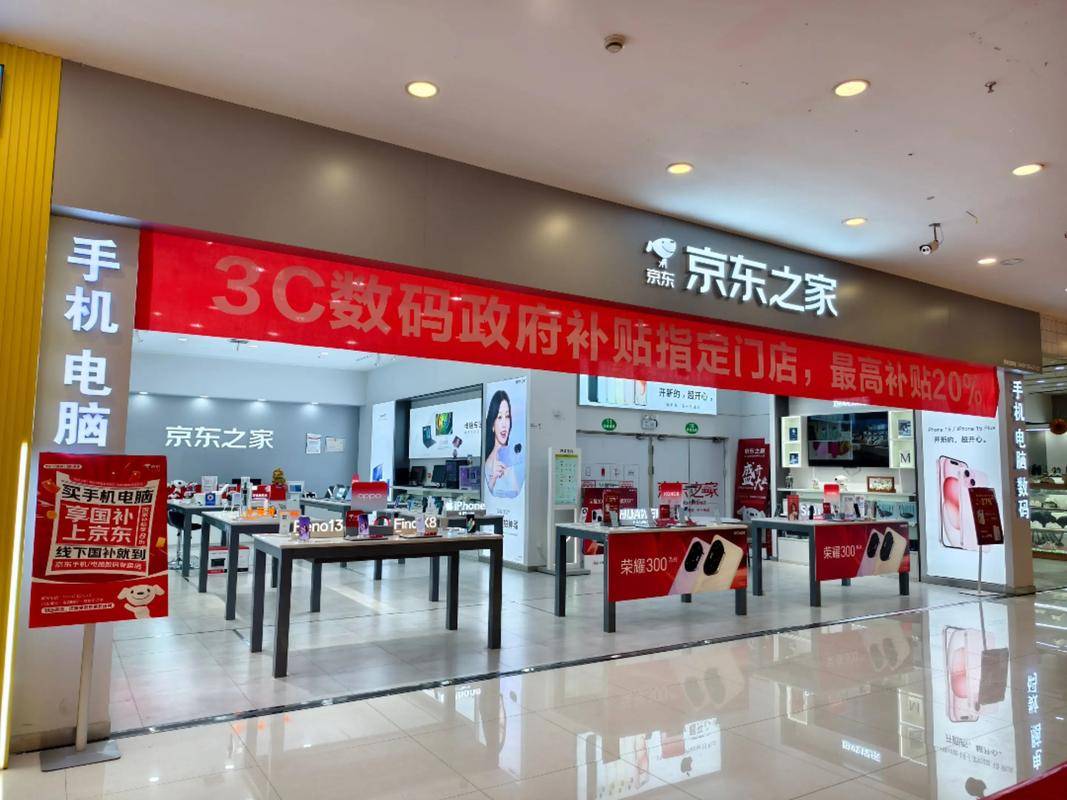
Core Insights - The Hong Kong IPO market has reached a significant milestone with the listing of JD Industrial, marking the 100th new stock of the year, and the total fundraising amount has exceeded 2700.86 billion HKD, the highest globally for the year [3][4][5] - The market is experiencing a strong recovery, driven by large IPO projects, particularly from A-share companies, which have become a crucial force in boosting fundraising [3][4][5] - Despite the impressive fundraising figures, there are concerns regarding the quality of new listings, an increase in the rate of IPO failures, and a shortage of investment banking talent [8][9] Fundraising Performance - The total fundraising amount for the year has surpassed 2700.86 billion HKD, a significant increase from 64 new stocks last year [3][4] - The Hong Kong Stock Exchange is expected to lead global fundraising with an estimated 36 billion USD in 2025, significantly outpacing the New York Stock Exchange [3][5] - A-share companies have contributed to 51.35% of the total fundraising in the Hong Kong IPO market, with notable contributions from companies like CATL [4][5] Market Structure and Trends - The "new consumption + hard technology" sectors are identified as the main drivers of the current capital influx, with companies in these areas receiving substantial investor interest [6][7] - The healthcare sector has seen the highest number of new listings, with 24 companies, while the information technology sector ranks third with 18 new stocks [6] - The market is shifting towards a dual-driven model of domestic and foreign investment, indicating a structural evolution in investor composition [5][6] Future Outlook - The IPO market is expected to remain active in 2026, with a focus on "A+H" stock models and the return of Chinese concept stocks [7] - Regulatory support for technology companies is anticipated to continue, fostering a favorable environment for new listings in the tech sector [6][7] Challenges and Concerns - There has been a notable increase in the IPO failure rate, with 45.45% of new stocks failing on their first day in November [8][9] - Concerns have been raised regarding the quality of listing applications and the overall execution of the IPO process, leading to regulatory scrutiny [9] - A shortage of experienced investment banking professionals is impacting the quality of service and project handling in the IPO market [9]


年末国产GPU赛道火热,外资看好中国科技股明年表现
Di Yi Cai Jing· 2025-12-11 13:09
Group 1: Overall Market Outlook - Foreign investors believe that the A-share market will continue to exhibit a slow bull market in 2026, with a focus on the resilience of corporate earnings and accelerating reforms [1][10] - The Chinese stock market has shown stronger resilience than expected, with improving market confidence and a supportive policy stance [10][11] - Global stock funds are actively seeking alternatives outside the US market, with China being viewed as a potential destination for capital inflow [11] Group 2: Focus on Technology and AI - Foreign investors are optimistic about the performance of Chinese technology stocks, particularly in the AI sector, with expectations of rich application scenarios and accelerated monetization in 2026 [1][8] - AI-related companies have been the most favored in recent foreign institutional research, with significant interest in firms like Huichuan Technology, Luxshare Precision, and Optoelectronics [3][4] - UBS and Goldman Sachs highlight that AI will continue to be a major investment theme, with AI-driven innovations expected to boost market performance and corporate earnings growth [8][9] Group 3: Institutional Research and Investment Strategies - Over 200 A-share companies have been researched by foreign institutions recently, with a notable focus on AI-related firms [3] - Key areas of inquiry during these research sessions include R&D investments, new product developments, and internationalization strategies of technology companies [4][5] - Foreign investors are advised to allocate up to 30% of their portfolios to AI and related sectors, reflecting the anticipated growth in these areas [8]
家电2026年年度策略报告:品牌出海与新品类发展-20251211
CAITONG SECURITIES· 2025-12-11 12:01
Core Insights - The report maintains a positive outlook on the home appliance sector, emphasizing the potential for growth in both domestic and international markets, particularly in emerging markets and through the development of new product categories [3][5]. Group 1: Market Performance Overview - The home appliance sector has shown varied performance in 2025, with white goods yielding a total return of +1% but underperforming against the CSI 300 by -19% due to high base effects and market competition [11]. - Small appliances have performed well with a +12% return, indicating a shift from scale expansion to value creation, supported by new subsidy policies [11]. - The components sector has excelled with a +70% return, benefiting from investments in emerging technologies such as AI and robotics [11]. Group 2: Domestic and International Sales - Domestic sales have faced pressure due to tightening national subsidies, with expected growth rates for major appliances showing mixed results, while small appliances have fared better [5][38]. - Internationally, emerging markets have outperformed, with a notable recovery in export orders as tariff impacts begin to stabilize [41][42]. Group 3: Product Development and Innovation - The report highlights a continuous upgrade in product structure, with an increasing share of high-end products contributing to profit margins [5][44]. - New product categories such as smart glasses, drones, and UV printers are expected to create new growth opportunities, driven by consumer demand for innovative and personalized experiences [5][10]. Group 4: Investment Recommendations - The report suggests focusing on leading white goods companies as they represent assets with significant growth potential, particularly in the context of favorable U.S. market conditions and anticipated interest rate cuts [5][44]. - Specific companies recommended for investment include Haier Smart Home, Hisense, TCL Electronics, and Ecovacs, among others [5][44].



铜价涨至万元关口,中国家电业掀起空调“铝代铜”变革
Jin Rong Jie· 2025-12-11 11:24
Core Viewpoint - Driven by the historic high copper price exceeding $10,000 per ton, China, the largest air conditioning producer and consumer, is accelerating a significant "aluminum replacing copper" supply chain revolution under top-level design guidance. This move addresses raw material cost pressures and is crucial for the safety and future competitiveness of a trillion-yuan industry [1]. Group 1: Market and Policy - The surge in copper prices is the most direct trigger for this transformation, severely impacting the profit margins of downstream manufacturing. "Aluminum replacing copper," with material costs around one-fourth of copper, has emerged as an attractive cost-reduction solution [2]. - National policies provide clear guidance for this technological path, with the "Implementation Plan for High-Quality Development of the Aluminum Industry (2025-2027)" identifying "aluminum tubes for heat exchangers in refrigerators and air conditioners" as a key focus area for "using aluminum to save copper" [2]. Group 2: Industry Actions - The industry is responding quickly and collaboratively, with key standards being developed to establish unified and reliable technical specifications for "aluminum replacing copper." A standard for aluminum tube fin-type heat exchangers has already been published, while two additional standards are in preparation [3]. - The revision of the national standard for heat exchangers in air conditioners is underway, which will provide national-level endorsement for product performance and safety. Major companies and research institutions are collaborating on this standard revision, with a new round of discussions expected in January 2026 [3]. Group 3: Technical Challenges and Corporate Strategy Differentiation - "Aluminum replacing copper" is not merely a material substitution; it presents significant technical challenges due to aluminum's inferior thermal conductivity and higher linear expansion coefficient, which impose new requirements on heat exchanger design, manufacturing processes, and long-term reliability [4]. - Domestic air conditioning leaders exhibit differentiated strategies: companies like Midea have actively promoted research since 2012, while others like Gree and Changhong have opted for a more cautious approach, focusing on enhancing copper technology instead of fully launching replacement plans [5]. Group 4: Industry Outlook - The profound significance of "aluminum replacing copper" lies in helping the Chinese air conditioning industry escape the dilemma of "increased production without increased revenue." The industry faces a growing contradiction between expanding capacity and slowing domestic demand, necessitating a shift from price competition to value competition driven by technological innovation [6]. - Whether embracing aluminum or optimizing copper technology, the ultimate goal is to address user pain points through substantial innovation, enhancing product efficiency, intelligence, and health attributes, thereby building differentiated high-end competitiveness [6].
行业边界崩塌!为什么说贝壳、京东、盈峰们的收购,比同行价格战可怕十倍?
Xin Lang Cai Jing· 2025-12-11 11:18
Core Viewpoint - The home decoration industry is experiencing a shift from traditional price wars to capital-driven acquisitions, fundamentally altering the competitive landscape. Companies like Beike, JD.com, and Yingfeng are leveraging their capital to acquire established players, posing a greater threat to traditional businesses than mere price competition [1][22][50]. Group 1: Beike's Strategy - In 2021, Beike acquired Saintu for 8 billion yuan, marking the largest merger in the home decoration industry that year, which was initially seen as a business expansion but revealed Beike's deeper ambitions [2][29]. - Saintu, founded in 2002, had revenues exceeding 4 billion yuan in 2020 and provided Beike with a mature supply chain and delivery capabilities, which were essential for Beike's growth [4][31]. - By mid-2025, Beike's home decoration business transformed from a marginal player to a significant profit generator, with total revenue from 2022 to 2024 reaching 30.747 billion yuan, and a net income of 10.9 billion yuan in 2023 [6][34]. Group 2: JD.com's Expansion - JD.com has been strategically entering the home decoration market since 2011, launching its home decoration channel and expanding its offline presence to over 300 stores by 2025 [11][38]. - In June 2025, JD.com acquired a stake in Sichuan Living Home, enhancing its offline delivery capabilities and integrating its online and offline services [13][41]. - JD.com has launched its self-operated home decoration brand stores and plans to create a comprehensive experience space that combines home decoration, home goods, and home appliances [15][43]. Group 3: Yingfeng's Moves - Yingfeng Group, under the leadership of He Jianfeng, has been quietly building a "big home" industry platform by acquiring leading home furnishing companies, including a 29.42% stake in Gujia Home for 8.88 billion yuan [16][44]. - Yingfeng's strategy includes integrating Gujia and Sophia to create a comprehensive ecosystem that combines soft furnishings and customized furniture with home appliances [21][49]. - Despite Sophia's declining revenue, Yingfeng sees potential in its brand value and the customized home furnishing sector, supported by Midea's supply chain and digital capabilities [22][49]. Group 4: Impact of Capital Acquisitions - Capital acquisitions are seen as more destructive than price wars because they fundamentally change the competitive dynamics of the industry, allowing companies to bypass traditional customer acquisition challenges [22][50]. - The shift from price competition to capital-driven acquisitions is leading to a concentration of resources among a few major players, diminishing the survival space for smaller companies [25][53]. - The entry of cross-industry players like Beike, JD.com, and Yingfeng signifies a transition from product and price competition to a deeper contest of capital and ecosystem integration [25][53].


