
卡游

Search documents
高瓴淡马锡出手,资本押注下一个泡泡玛特
3 6 Ke· 2025-09-06 01:28
Investment Trends in the Toy Industry - The card game industry has seen significant investment, with Shanhun completing a financing round of several hundred million yuan led by Hillhouse Capital [1] - The toy industry is experiencing a surge in mergers and acquisitions, primarily driven by listed companies acquiring startups [2][6] - Investment institutions are increasingly focusing on niche markets such as card games and blind boxes, with companies like 52TOYS and TOPTOY receiving new funding this year [2][3] Market Dynamics and Company Performance - Shanhun's business model is similar to that of Kayo, focusing on card products and collaborating with gaming IPs from Tencent, NetEase, and Mihayou [3][5] - The toy industry is witnessing a new wave of mergers, with companies like Quantum Song acquiring startups to boost their market presence [6] - Bubble Mart's market capitalization soared to over 300 billion yuan, with a reported revenue of 13.88 billion yuan in the first half of the year, reflecting a year-on-year growth of 204.4% [7] Competitive Landscape and Future Prospects - The investment landscape is competitive, with firms looking to identify the next potential billion-dollar toy company [8][11] - The card game sector is seen as having more opportunities for growth compared to blind boxes, due to its diverse gameplay and interaction [11] - Companies with strong IP resources are at an advantage in the toy market, leading to strategic investments in upstream and downstream businesses to enhance their supply chains [12] Challenges and Market Saturation - Despite the excitement in the toy sector, many companies rely heavily on single IPs, which poses risks regarding sustainability and long-term success [9] - Retail channels for toy sales, such as Jiuwu Zawushe and Cool Toy, are facing challenges, with limited financing news and profitability concerns [13][15] - The competitive nature of the market is intensifying, with companies aggressively expanding their market share through various strategies [17]



潮玩半年报大揭秘!泡泡玛特、TOPTOY、卡游,谁是最大赢家?
Sou Hu Cai Jing· 2025-09-05 09:49
Group 1: Industry Overview - The潮玩 (trendy toy) industry is experiencing rapid growth, with the market size in China expected to reach 877 billion RMB by 2025 [3] - The潮玩 IP industry has seen significant revenue increases, with companies like泡泡玛特 reporting a 204.4% year-on-year revenue growth in the first half of 2025 [6][7] - Despite the impressive growth, the industry faces challenges such as maintaining high profit margins and managing IP dependency risks [3][12] Group 2:泡泡玛特 Performance - In the first half of 2025,泡泡玛特 achieved a revenue of 138.76 billion RMB, a staggering increase of 204.4% compared to the previous year [6][7] - The company's gross profit margin remained high at 70.3%, supported by a diversified IP portfolio and global expansion [7][15] - The LABUBU series contributed significantly to revenue, accounting for 34.7% of total revenue with a year-on-year growth of 668% [11][12] Group 3: TOPTOY Performance - TOPTOY, a brand under名创优品, reported a total GMV of 10.48 billion RMB in the first half of 2025, with a 52.6% increase in revenue from physical stores [20][21] - The brand's rapid store expansion led to a total of 293 stores globally, marking a 50.3% increase from the previous year [22] - TOPTOY's gross profit margin improved due to a shift towards higher-margin products, with a recent strategic financing round valuing the brand at 10 billion HKD [26][27] Group 4:卡游 Performance -卡游's supplier京华激光 reported a 61.98% revenue increase in the first half of 2025, driven by the popularity of related card products following the release of the film《哪吒之魔童闹海》 [32] - The company aims to go public in Hong Kong, with a reported revenue of 100.57 billion RMB for 2024, a significant increase from 26.62 billion RMB in 2023 [32] -卡游's core product, collectible cards, generated 82 billion RMB in revenue for 2024, maintaining a high gross margin of 71.3% [34]

2025上半年消费图鉴:情绪、性价比与钱的流向
3 6 Ke· 2025-09-05 08:46
Group 1: Consumer Market Overview - The overall consumer market in China shows vitality, with a 5% year-on-year growth in retail sales of consumer goods in the first half of 2025, reaching 24.55 trillion yuan [1][2] - The contribution rate of final consumption expenditure to GDP growth is 52%, indicating that domestic demand is a key driver of economic growth [1] - The Consumer Price Index (CPI) has shown signs of recovery, with a 0.1% year-on-year increase in June and a 0.8% increase in July, suggesting a continuous recovery in domestic demand [1] Group 2: Emotional Consumption Trends - Emotional consumption has become a significant trend, with the emotional consumption market expected to exceed 2 trillion yuan by 2025, growing at a compound annual growth rate of 12% since 2013 [3][4] - Companies like Pop Mart have seen substantial revenue from emotional products, with LABUBU generating 4.81 billion yuan in revenue in the first half of 2025, contributing to Pop Mart's total revenue of 13.88 billion yuan, a 204.4% year-on-year increase [4][5] - The rise of emotional consumption is reflected in various sectors, including toys, gaming, and entertainment, where consumers are willing to pay a premium for products that provide emotional value [3][4] Group 3: Shifts in Consumer Preferences - There is a notable shift from traditional consumption patterns, often referred to as "old consumption," towards emotional and experience-driven purchases, particularly among younger consumers [6][8] - The traditional liquor and high-end tea markets are experiencing declines, with many companies reporting negative growth in revenue and profit, contrasting with the growth seen in emotional consumption sectors [6][7] - The younger generation prioritizes individual satisfaction and emotional value over traditional status symbols, leading to a decline in "face consumption" [8][9] Group 4: Impact on Specific Industries - The restaurant industry is facing challenges, with major chains like Haidilao reporting a 3.7% decline in revenue, while their takeaway business is growing significantly [14] - The tea beverage market is also seeing a divide, with brands like Mixue Ice City performing well, while others like Nayuki's Tea are struggling with losses [15] - The home appliance sector has benefited from government subsidies, with major players like Midea and Haier reporting over 10% revenue growth, while the smartphone market saw a 65% increase in sales during the subsidy period [16][18] Group 5: Real Estate and Investment Trends - The real estate market is experiencing a downturn, with a 11.2% year-on-year decline in real estate development investment in the first half of 2025, leading to cautious consumer sentiment towards property purchases [18][19] - Investment trends indicate a shift towards stock markets and gold, with A-shares and Hong Kong stocks seeing increased liquidity, while gold prices continue to rise, reflecting a preference for safer assets [19][20] - The overall sentiment among consumers is characterized by a cautious approach to spending, with many preferring to save rather than invest in real estate, leading to a significant increase in second-hand property transactions [18][20]


Z世代,正在用情绪消费重塑市场
3 6 Ke· 2025-09-05 00:06
Group 1: Trend in Toy Industry - The toy industry is experiencing phenomenal growth in 2025, with Pop Mart achieving a revenue of 138.76 billion RMB, a year-on-year increase of 204.4%, and a pre-tax profit of 61.57 billion RMB, up 401.2% [2] - Pop Mart has evolved from a single blind box manufacturer to an "IP full industry chain operator," with 13 artist IPs generating over 100 million RMB in revenue in the first half of 2025 [2] - The card game sector, represented by Ka You, is also seeing significant growth, with a projected revenue of 100.57 billion RMB in 2024, a year-on-year increase of 278% [2] Group 2: Market Dynamics and Consumer Behavior - The rise of emotional consumption and the "Z generation" is driving the toy market, with over 500 million people in this demographic expected by 2024, leading to a market size of approximately 600 billion RMB [3] - The toy market is shifting towards mid-to-high-end products, with blind boxes, building toys, and card games leading the growth [4] - The overseas expansion of Chinese toy brands, particularly Pop Mart, is becoming a new trend, with significant revenue growth in international markets [4] Group 3: New Tea Beverage Industry Transformation - The new tea beverage industry is undergoing a transformation, focusing on "quality-price ratio" and large-scale operations, with major brands like Mixue Ice City and Gu Ming achieving impressive market valuations [7] - Mixue Ice City reported a revenue of 148.7 billion RMB in the first half of 2025, a year-on-year increase of 39.3%, with a global store count of 53,014 [8] - Gu Ming's revenue reached approximately 56.63 billion RMB in the first half of 2025, a year-on-year increase of 41.2%, indicating a strong performance in the mid-tier market [8] Group 4: Competitive Strategies and Market Outlook - The franchise model is becoming mainstream in the new tea beverage sector, allowing brands to expand rapidly with lower capital investment [9] - Supply chain management is emerging as a critical competitive advantage, with leading companies focusing on direct sourcing and optimizing logistics to enhance product quality and profitability [9] - The Z generation's increasing demand for health-conscious options is expected to drive the tea beverage industry towards more refined and stable offerings [9]
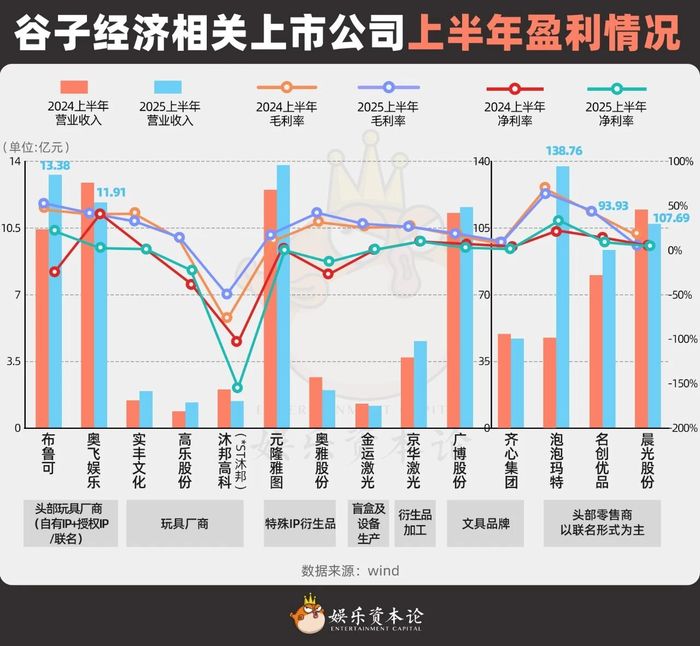
研究完20+半年报后,我们梳理出联名成功必备公式
Xin Lang Cai Jing· 2025-09-03 05:47
Core Insights - The article discusses the rise of co-branding in the Chinese market, particularly in the "谷子经济" (Guzi Economy), highlighting the increasing frequency and variety of collaborations between brands and popular IPs [1][2][3] Group 1: Co-Branding Trends - By 2025, co-branding cases in China are expected to reach thousands, with nearly a hundred collaborations in the new tea beverage sector alone [1] - Successful co-branding hinges on strong IP and unique products, with a good IP collaboration potentially amplifying commercial value by 10 to 40 times [1][12] - The "谷子经济" is characterized by high brand premiums, yet many participants remain traditional toy and stationery manufacturers [3][24] Group 2: Financial Performance - Keep's online membership and paid content revenue fell to 330 million yuan, a 23% year-on-year decline, attributed to a decrease in virtual sports events [2][19] - The combined profits of several listed companies in the IP sector are less than Lego's 7.2 billion yuan net profit [2] - Sales expenses for major companies in the "谷子经济" have increased, indicating the financial strain of frequent co-branding [4][8] Group 3: Market Dynamics - The new tea beverage sector has seen a significant rise in sales expenses, exceeding 2.5 billion yuan in the first half of 2025, but many companies are adjusting their cost structures [8][9] - The article notes that while high-frequency co-branding can drive sales, it has also led to increased sales expenses for listed companies [4][8] - The performance of co-branding initiatives varies, with some brands struggling to convert new consumers into loyal customers [20][24] Group 4: Successful Case Studies - The collaboration between Wanda Films and the IP "光与夜之恋" generated over 106 million yuan in sales, showcasing the potential of high-profile IP partnerships [1][17] - The "哪吒2" collaboration led to a significant increase in revenue for Pop Mart, with a year-on-year growth of over 100% in IP licensing income [13][17] - The article emphasizes the importance of unique and differentiated products in successful co-branding, as seen in the case of Wanda's popcorn "痛桶" [27][28]
靠卖纸片居然能年入100亿,卡游到底凭啥?
Hu Xiu· 2025-08-30 04:06
Group 1 - The revenue of the card gaming company reached an impressive 10 billion in 2024, with a net profit of 4.4 billion, marking a significant increase compared to 2023 [1] - The net profit growth of 378% year-on-year in 2024 indicates a strong financial performance, surpassing that of competitors like Pop Mart [1] - The high profitability in card sales raises questions about the underlying factors contributing to such success in the gaming industry [1]
情绪消费托起千亿级潮玩产业
Mei Ri Shang Bao· 2025-08-28 22:18
Group 1: Company Overview - TOP TOY, a潮玩 brand under Miniso Group, recently received investment from Temasek, resulting in a post-investment valuation of approximately HKD 10 billion [1] - Established in December 2020, TOP TOY positions itself as a "global潮玩 collection store," offering over 10,000 SKUs across eight categories, with price ranges from 39 yuan to tens of thousands [1] - The company has adopted a dual-driven model of "licensed IP + original IP," with significant growth expected from its exclusive IP "Nommi糯米儿," projected to generate over 1 billion yuan in revenue across all channels in 2024 [1] Group 2: Industry Growth - The潮玩 market in China is in a rapid growth phase, with projections indicating that the industry scale will reach 110.1 billion yuan by 2026 [2] - A preliminary "IPO ladder" is forming in the潮玩 industry, with brands like 布鲁可 and 卡游 making significant strides towards public offerings, attracting substantial investor interest [2] - 布鲁可's IPO was notably successful, achieving a subscription rate of 6000 times during its offering phase, while 卡游 is expected to surpass 10 billion yuan in revenue in 2024 [2] Group 3: International Expansion - Leading潮玩 companies are prioritizing international expansion, with 泡泡玛特 establishing a localized global operation since 2018, achieving overseas revenue of 5.593 billion yuan in the first half of 2025, a year-on-year increase of 439.6% [3] - TOP TOY is expanding into Southeast Asia through a dual model of "store-in-store + independent stores," with its搪胶毛绒 series contributing 35% to overseas sales in Q1 2025 [3] - 布鲁可's overseas revenue share increased from 2% in 2024 to over 1 billion yuan in the first half of 2025, representing 8.3% of total revenue [3]

海外暴涨899%、首次扭亏为盈 布鲁可股价为何“跳水”?
Xin Lang Zheng Quan· 2025-08-27 09:41
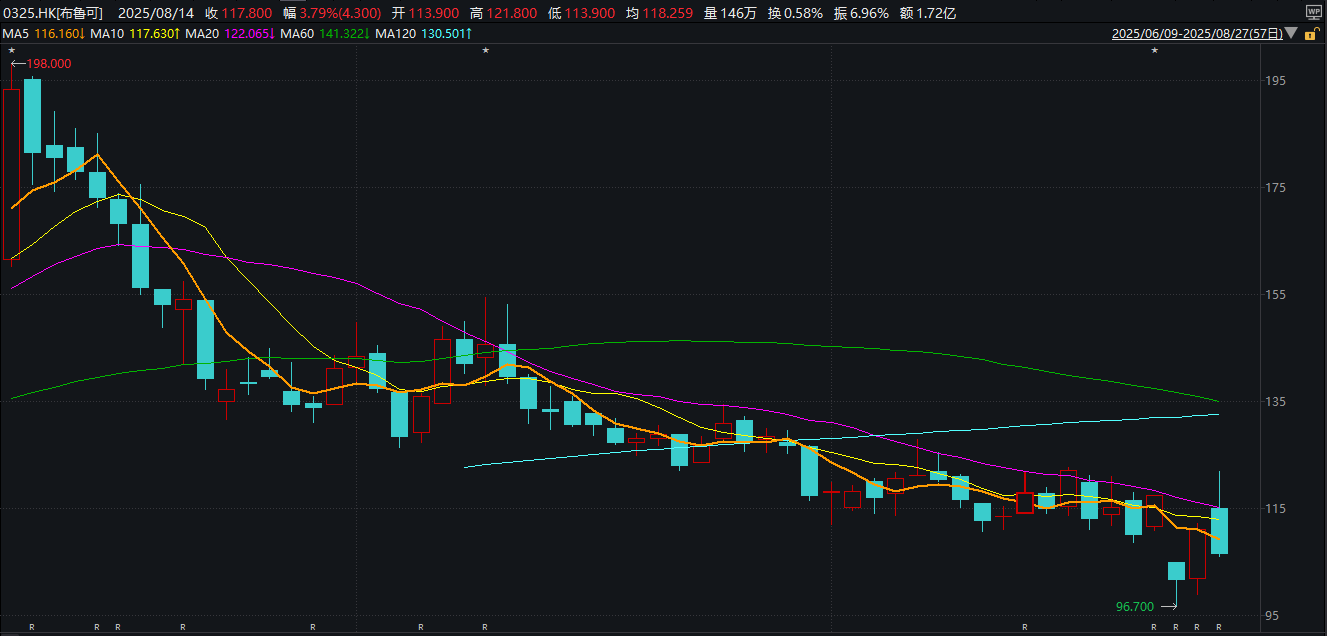
Group 1: Company Performance - Pop Mart reported over 200% growth in both revenue and net profit for the first half of 2025, with overseas business revenue increasing by 439.6% year-on-year [1] - TOP TOY, a subsidiary of Miniso, achieved approximately 742 million yuan in revenue for the first half of 2025, marking a 73.0% year-on-year increase [1] - Blucor's total revenue for the first half of 2025 reached 1.338 billion yuan, a year-on-year increase of 27.9%, with overseas sales surging by 898.6% to 111 million yuan [2] Group 2: Market Reactions - Pop Mart's stock price hit a historical high of 316 HKD per share, with a market capitalization exceeding 400 billion HKD [1] - Following the earnings report, Blucor's stock price dropped significantly, falling by 17.7% on the first trading day after the announcement [2] - Blucor's stock has seen a cumulative decline of approximately 32.6% over the past two months, with its latest market capitalization at 26.545 billion HKD [2] Group 3: Product Insights - Blucor's sales heavily rely on low-priced products, with 9.9 yuan items contributing significantly to revenue, accounting for 43.9% of total sales volume [3] - The sales of building block toys for Blucor decreased by 45.5% year-on-year, indicating a decline in the performance of its proprietary IP [3] - Blucor's revenue from licensed IPs accounted for 53.1% of total revenue, highlighting the company's dependency on external IPs for profitability [8] Group 4: Financial Metrics - Blucor's sales costs increased by 40.2%, outpacing revenue growth, leading to a decline in gross margin by 4.5 percentage points to 48.4% [7] - The net profit margin for Blucor was recorded at 22.2%, with significant increases in sales and R&D expenses [7] - Blucor's adjusted net profit for the first half of 2025 was 320 million yuan, a 9.6% increase year-on-year [2] Group 5: Strategic Developments - TOP TOY is preparing for an IPO in Hong Kong, with plans to raise 300 million USD [1] - Blucor signed 13 new IP agreements in the first half of 2025, aiming to expand its licensed IP portfolio [8] - The company faces potential risks related to the rising costs of IP renewals and market fluctuations in consumer preferences [8]
泡泡玛特引爆潮玩上市潮:窗口期盛宴还是盲盒赌局?
3 6 Ke· 2025-08-26 11:09
Core Viewpoint - The article highlights the surge of Chinese潮玩 (trendy toy) brands entering the global market, exemplified by the grand opening of Pop Mart's flagship store in Bangkok and its impressive financial performance, indicating a broader trend of IPOs in the潮玩 industry driven by consumer sentiment and favorable market conditions [2][3][4]. Group 1: Market Performance and Financial Highlights - Pop Mart reported a record half-year revenue of 138.8 billion RMB, a year-on-year increase of 204.4%, and an adjusted net profit of 47.1 billion RMB, up 362.8% [3]. - Following the financial report, Pop Mart's stock price surged to 326 HKD per share, with a market capitalization exceeding 430 billion HKD [3]. - TOP TOY, a潮玩 brand under Miniso, received a new round of investment led by Temasek, with a post-investment valuation of approximately 10 billion HKD [3]. Group 2: Industry Trends and Consumer Behavior - The潮玩 industry is experiencing a "sentiment consumption" boom, where consumers are increasingly willing to spend on products that provide immediate joy, especially during economic uncertainty [5]. - The younger generations (post-90s and post-00s) are becoming the main consumer group, showing a preference for潮玩 and other experiences that offer emotional satisfaction rather than traditional big-ticket items [5]. - The current market environment has created a rare valuation window for consumer brands, with several潮玩 companies preparing for IPOs amid a wave of successful listings in the Hong Kong market [6][8]. Group 3: Competitive Landscape and Global Expansion -潮玩 companies are adopting similar strategies for global expansion, focusing on Southeast Asia, particularly Thailand, which has a large young consumer base and is a tourism hub [10][13]. - The competitive edge lies in the ability to leverage popular IPs and create engaging marketing campaigns, often involving celebrity endorsements and social media buzz [11][14]. - Companies like TOP TOY and 52TOYS are investing heavily in IP development and partnerships to maintain relevance and drive sales, indicating a trend towards continuous innovation and adaptation [14][15]. Group 4: Strategic Considerations for IPOs - The rush to IPO is not merely for capital but also for strategic positioning, allowing companies to exit early investors and secure funds for future growth [9][15]. - Each潮玩 company has its unique approach, with TOP TOY leveraging its relationship with Miniso for supply chain advantages, while 52TOYS focuses on established IPs to drive sales [15][16]. - The overall strategy emphasizes rapid expansion and securing market share, as companies race to capture the attention of young consumers before the market dynamics shift [17]. Group 5: Future Outlook and Challenges - The潮玩 industry faces the challenge of sustaining interest in IPs, as the lifecycle of popular characters can be short-lived, necessitating ongoing investment in new content and partnerships [14][19]. - The current IPO frenzy may resemble a gamble, with companies hoping to replicate the success of Pop Mart, but the unpredictability of consumer preferences poses a significant risk [18][19]. - The long-term success of潮玩 brands in the global market will depend on their ability to innovate and adapt to changing consumer trends while effectively managing their growth strategies [19].
港股开盘:恒指跌0.45%、科指跌0.76%,科网股及汽车股走低,蔚来汽车跌近8%
Jin Rong Jie· 2025-08-26 01:45
Market Overview - The Hong Kong stock market opened lower on Tuesday, with the Hang Seng Index down 0.45% at 25,714.91 points, the Hang Seng Tech Index down 0.76% at 5,780.95 points, the National Enterprises Index down 0.39% at 9,211.78 points, and the Red Chip Index down 0.12% at 4,383.23 points [1] - Major tech stocks declined, with Alibaba down 2.01%, Tencent down 0.41%, JD.com down 1.11%, NetEase down 1.29%, Meituan down 0.25%, Kuaishou down 0.83%, and Bilibili down 1.98% [1] - Gold and non-ferrous metal stocks continued to rise, with Shandong Gold up nearly 2% [1] - New consumption concepts opened higher, with Laopu Gold up over 1% [1] - Automotive stocks corrected, with NIO down nearly 8% after a previous gain of over 15% [1] Company News - Haidilao reported a revenue of approximately 20.703 billion yuan, a year-on-year decrease of 3.7%, and a net profit of 1.76 billion yuan, down 13.7% year-on-year [2] - Shijie Group's revenue was about 12.594 billion HKD, a decrease of 7.7% year-on-year, with a net profit of approximately 264 million HKD, down 20.2% year-on-year [2] - China Software International achieved a revenue of about 8.51 billion yuan, a year-on-year increase of 7.3%, and a net profit of 316 million yuan, up 10.4% year-on-year [2] - Zhonghai Property reported a revenue of approximately 7.09 billion yuan, an increase of 3.7% year-on-year, and a net profit of about 769 million yuan, up 4.3% year-on-year [3] - BOE Technology Group's revenue was 6.671 billion HKD, an increase of about 8% year-on-year, with a net profit of approximately 180 million HKD, up 5% year-on-year [3] - Junda Co. reported a revenue of approximately 3.656 billion yuan, a decrease of 42.5% year-on-year, with a net loss of about 264 million yuan, widening by 58.5% year-on-year [3] - Yihai International reported a revenue of approximately 2.927 billion yuan and a net profit of about 310 million yuan, maintaining stable performance year-on-year [4] - Fuhong Hanlin reported a revenue of approximately 2.82 billion yuan, a year-on-year increase of 2.7%, and a net profit of about 390 million yuan, up approximately 1% year-on-year [5] - Maoyan Entertainment achieved a revenue of approximately 2.472 billion yuan, a year-on-year increase of 13.9%, but adjusted net profit fell by 33.2% to 235 million yuan [5] - Green Tea Group reported a revenue of approximately 2.29 billion yuan, a year-on-year increase of 23.1%, and a net profit of about 234 million yuan, up 34% year-on-year [6] - Hopson Development Group issued a profit warning, expecting a mid-term net loss exceeding 1.6 billion HKD, turning from profit to loss [7] Institutional Insights - Cathay Pacific Securities highlighted three key factors for the Hong Kong stock market: breakthroughs in AI technology catalyzing tech growth, potential unexpected foreign capital inflows under the backdrop of US Federal Reserve rate cuts, and the continued attraction of new capital to the market due to asset scarcity advantages [8] - Northeast Securities noted that emotional consumption and the rise of the "Guzi economy" are core drivers, with the market size expected to reach approximately 600 billion yuan, and the trend of collectible toys gaining traction among consumers [8] - CITIC Securities observed a significant divergence in performance among real estate companies, with those focused on core cities showing strong profit growth, while previously loss-making firms continue to face substantial losses [9]
