
新石器

Search documents
新石器无人车进军阿联酋市场,宣布与K2集团达成战略合作
Xin Lang Ke Ji· 2025-10-15 06:28
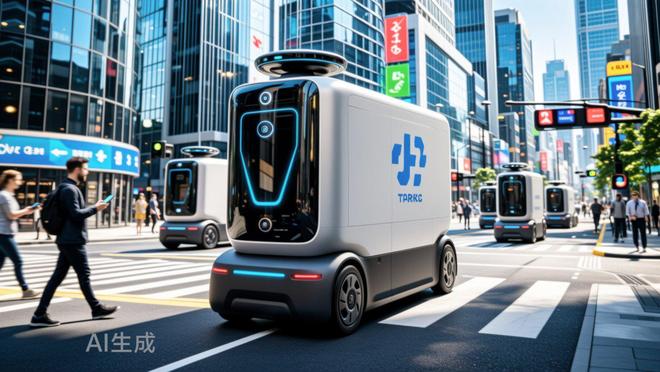
新浪科技讯 10月15日下午消息,无人配送企业新石器无人车宣布与阿联酋国有AI科技公司K2集团在迪 拜签署战略合作谅解备忘录(MoU)。双方将携手推动无人配送车辆在阿联酋的本地化部署与运营, 并面向中东及北非地区探索更多合作发展机遇,共同打造区域智慧交通解决方案。 新石器创始人兼CEO余恩源表示:"我们非常荣幸能与K2携手,支持阿联酋在智慧出行与人工智能领域 的国家战略。"据悉,通过技术赋能与人才合作,新石器将助力K2加速无人配送在阿联酋的落地,共建 可持续的本地化生态。(文猛) 责任编辑:江钰涵 根据协议,K2将作为阿联酋的本地车队运营方,将新石器成熟的无人配送产品体系引入阿布扎比的智 慧出行体系。新石器将为合作提供技术支持、产品保障及专项培训,助力K2本地运维能力的建设,支 持阿联酋在自动驾驶领域的人才培养与生态发展。 此前,新石器已协同K2集团旗下的AutoGo获得阿联酋核发的首张无人配送车辆牌照,同期在阿联酋马 斯达尔城启动中东首个无人配送车商业化试点项目。这标志着无人配送在中东地区进入落地阶段,也为 双方深化合作奠定了坚实基础。 ...


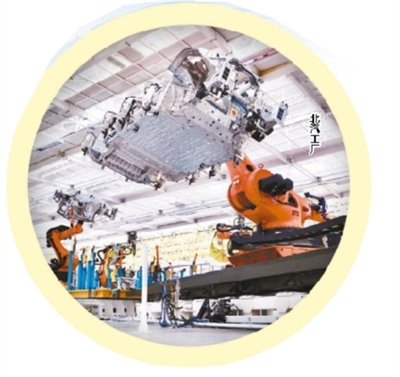
北京智能汽车为何“更聪明”
Bei Jing Qing Nian Bao· 2025-10-14 17:32
Core Viewpoint - Beijing is positioning itself as a leading hub for intelligent connected vehicles, leveraging its policy advantages, technological advancements, and industrial cluster to accelerate the development of the smart and connected vehicle industry [7][9]. Group 1: Policy and Standards - Beijing has established itself as a pilot city for intelligent connected vehicles, with the recent release of four local standards in the autonomous driving sector, focusing on closed testing and vehicle-road-cloud integration [7]. - The city aims to create a globally leading institutional innovation hub by prioritizing standard-setting to gain a voice in industry development [7]. - The implementation of the "Beijing Autonomous Driving Vehicle Regulations" marks a significant step in legalizing L3 and above autonomous vehicles for personal use, expanding the scope beyond commercial applications [7][9]. Group 2: Technological Infrastructure - The Beijing Economic-Technological Development Area has achieved 600 square kilometers of intelligent connected road coverage, with over 1,000 vehicle-mounted units deployed and more than 33 million kilometers of testing mileage [7][8]. - The cloud control platform processes approximately 420 terabytes of data daily, integrating over 1,100 test vehicles and covering more than 1,600 intersections [8]. - The city has developed a comprehensive urban-level experimental platform encompassing "vehicle, road, cloud, network, and map" systems, enhancing the testing and operational capabilities of autonomous vehicles [8]. Group 3: Industry Development - Beijing's automotive industry is a key pillar of its economy, with a projected automotive industry output value exceeding 700 billion yuan by 2025, and an 80% penetration rate for intelligent connected vehicles (L2 and above) [7]. - The city has seen a significant increase in electric vehicle production, with July's output reaching 52,000 units, a year-on-year increase of 140% [9]. - Over 120 intelligent connected vehicle companies are now based in Beijing, with notable growth in firms like WeRide and Pony.ai, which have reported record revenues and expanded operations [8][9]. Group 4: Application and Innovation - Autonomous driving services are being scaled up, with companies like Baidu and Pony.ai conducting regular operations in multiple cities, including Beijing [9]. - The upcoming World Intelligent Connected Vehicle Conference will showcase advancements in technology, applications, safety, and data, focusing on the transition from pilot projects to large-scale applications [9]. - The integration of smart technologies in manufacturing processes is enhancing production efficiency for companies like Xiaomi and Li Auto, contributing to the overall growth of the sector [9].

兆丰股份20251014
2025-10-14 14:44
Summary of Zhaofeng Co. Conference Call Company Overview - Zhaofeng Co. is projected to achieve a profit of 150-200 million yuan in 2025, with expectations to reach 200 million yuan in 2026, driven by core business operations, investment income, and external expansion [2][3][4] Key Points and Arguments 1. **Profit Projections**: - The company anticipates a profit range of 150-200 million yuan for 2025, with a potential increase to 200 million yuan in 2026, indicating strong growth prospects [2][3] 2. **Investment in Chery**: - Zhaofeng holds a 0.4%-0.5% stake in Chery, valued at approximately 700-900 million yuan, contributing several million yuan in investment profits [2][3] 3. **IPO Contributions**: - Companies such as Yundongchu, Leju, Yinhe General, and New Stoneware are in the IPO process, expected to generate stable profits of several million yuan annually for Zhaofeng [2][3] 4. **Robotics Collaboration**: - Zhaofeng is collaborating with Leju to develop core components for robots, with Leju having completed its restructuring and entering the IPO process, which will benefit Zhaofeng as a key supplier [2][3] 5. **Industrial Layout in Robotics**: - The company has invested in Kepler and German Neuro Romatics, and has established a subsidiary in Xiaoshan District, Hangzhou, indicating a gradual realization of its robotics business strategy [2][3] 6. **Mergers and Acquisitions**: - Zhaofeng may pursue mergers and acquisitions to align with new technological directions, particularly in relation to Tesla's third and fourth-generation machines, enhancing its competitive edge [2][3][4] 7. **Market Valuation**: - Currently valued at approximately 10 billion yuan, Zhaofeng's valuation could rise to 15-20 billion yuan due to growth potential and various catalysts, making it a company worth continuous monitoring [2][4] Additional Important Insights - Zhaofeng's recent stock surge has reached historical highs, indicating strong market confidence in its future growth potential [3] - The company is positioned at the beginning of a phase where investment and industrial cooperation are expected to yield tangible results, with a projected growth space of 50% by the end of the year [3]

无人配送车赛道:风虽大,水亦深
虎嗅APP· 2025-10-08 10:25
Core Insights - The article discusses the shift in focus from L4 autonomous driving for passenger transport (Robotaxi) to the burgeoning market of unmanned delivery vehicles, which has gained traction due to technological advancements and effective business models [2][3] - The unmanned delivery vehicle industry is entering a critical phase marked by large-scale application of AI technology and the achievement of positive profitability, as exemplified by the production milestone of the 10,000th vehicle by New Stone [2] Industry Dynamics - The industry is witnessing an influx of new players, leading to a transformation from a "single-point competition" dominated by startups to an "ecosystem confrontation" led by major corporations [5] - The competitive landscape has evolved into a three-tier structure: first-tier leaders like New Stone and Jiushi, second-tier entrants like Desay SV and Youjia Innovation, and potential disruptors such as Momenta and Huawei [6] - The focus of competition has shifted from hardware to full-chain competition, emphasizing the importance of supply chain, operations, and data integration [7] Challenges in the Market - The industry faces significant challenges, summarized by the phrases: "easy to build, hard to sell," "easy to hardware, hard to software," and "easy to launch, hard to maintain" [10] - The first challenge is the gap between producing unmanned delivery vehicles and successfully selling them, as demonstrated by New Stone's lengthy market penetration process [11][12] - The second challenge involves the complexity of software development, where integrating hardware components into a stable and efficient operational system is crucial [13][14] - The third challenge pertains to operational maintenance, which requires robust support systems and a skilled workforce to manage the complexities of real-world logistics [15] Future Outlook - The industry is transitioning from "wild growth" to "meticulous cultivation," indicating a maturation phase where scale and profitability are achievable [17] - Future competition will hinge on ecological capabilities and deep industry insights rather than mere technological advantages [18] - New entrants must recognize that unmanned delivery vehicles are not just simplified autonomous cars but essential tools for logistics, focusing on cost reduction and efficiency [18]

【具身智能产业动态】傅利叶第三代机器人首次亮相,跨维智能发布升级版视频学习框架
GUOTAI HAITONG SECURITIES· 2025-09-30 11:12
Investment Rating - The report does not explicitly state an investment rating for the industry Core Insights - The embodied intelligence industry is primarily represented by embodied robots and smart vehicles, which are mutually reinforcing in their development [7] - Recent advancements include the unveiling of Fourier's third-generation humanoid robot GR-3C and the establishment of the largest humanoid robot training center in China [10][11] - Significant investment activities have been observed in the embodied intelligence sector, with multiple companies securing funding to enhance their technological capabilities and market presence [24] Summary by Sections 1. Embodied Robot and Smart Vehicle Dynamics - Fourier's third-generation humanoid robot GR-3C was showcased at the Industrial Expo, featuring 55 degrees of freedom and advanced interaction capabilities [10] - A new humanoid robot training center in Beijing can produce over 6 million data points annually, enhancing the practical application of humanoid robots [11] - Cross-dimensional intelligence released an upgraded video learning framework that allows rapid task adaptation across different robot bodies [12] - DeepMind introduced the Gemini Robotics 1.5 series, enhancing robots' capabilities in visual and language processing [13] - A strategic partnership between Lingyi Robotics and AIRS aims to integrate hardware and algorithms for humanoid robot development [15] - Kepler has initiated mass production of the world's first commercially available hybrid humanoid robot, K2 "Bumblebee," with significant pre-orders [16] 2. Smart Vehicle Dynamics - The sales ranking for new energy vehicles in the third week of September shows Leap Motor leading with 12,900 units sold, followed by Xiaomi and Aion [17][18] - A new autonomous driving test base was established in Jinan by Lingong Heavy Machinery and Huawei, focusing on comprehensive testing of autonomous mining vehicles [19] - ZF signed an investment agreement to expand its smart chassis localization efforts in Zhangjiagang [20] - NineSight signed a strategic agreement with Dubai's Roads and Transport Authority to launch an autonomous driving demonstration zone [21] - New Stone Technology delivered its 10,000th unmanned vehicle, marking a significant milestone in the commercialization of unmanned delivery [23] 3. Investment and Financing Events - A total of 9 financing events related to embodied intelligence were recorded from September 22 to 28, 2025, with notable investments in companies like LeXiang Technology and LuoBo Intelligent [24][34] - LeXiang Technology completed a 200 million RMB angel round led by Zhongding Capital, focusing on core component development and product scaling [24] - LuoBo Intelligent raised several million RMB in a round led by Sequoia China, targeting AI emotional companionship hardware [25] - Other companies like HeShan Technology and ShouZhi Innovation also secured funding to advance their respective technologies in humanoid robots and core components [26][27]
无人配送车半年吸金 35 亿,智驾内卷的受益者
晚点LatePost· 2025-09-28 15:25
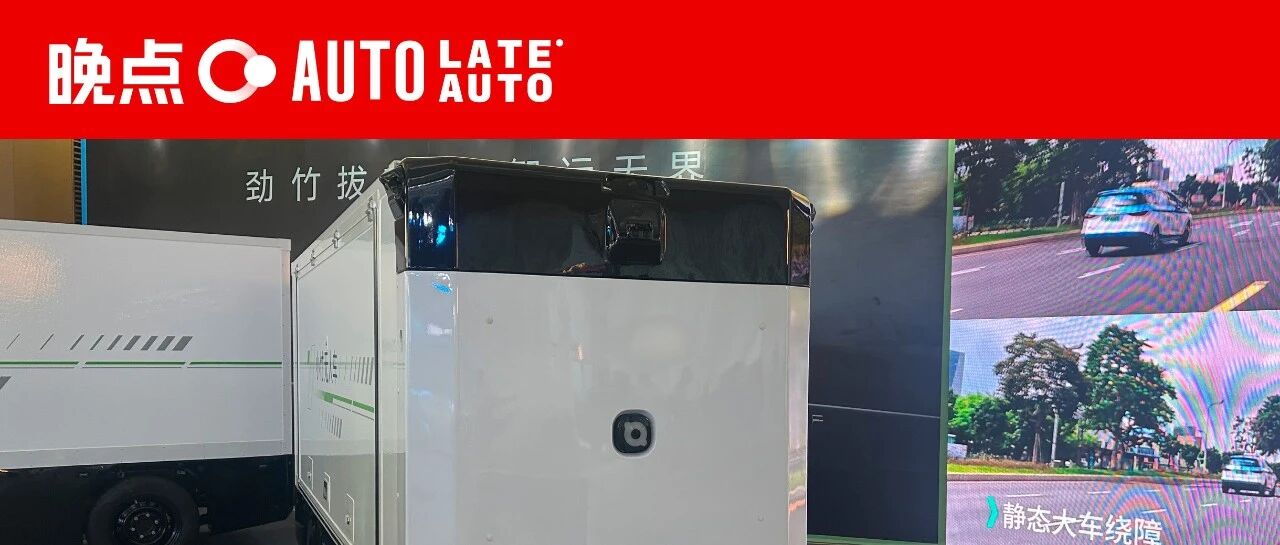
Core Viewpoint - The article discusses the rapid growth and commercialization of the unmanned delivery vehicle industry, highlighting the increasing demand, technological advancements, and competitive landscape that are shaping this sector [4][5][6]. Group 1: Market Demand and Growth - The unmanned delivery vehicle industry is becoming one of the most lucrative segments within autonomous driving, driven by real user needs, as evidenced by significant financing of over 3.5 billion yuan for leading companies this year [4][6]. - As of mid-2023, the total number of unmanned delivery vehicles in China exceeded 6,000, with companies like New Stone and Nine Senses targeting the delivery of 10,000 vehicles this year [6][7]. - The market is expected to see an increase of nearly 100,000 units in the unmanned delivery vehicle sector next year [6]. Group 2: Product Development and Standardization - The product forms of unmanned delivery vehicles are stabilizing, with a shift towards larger vehicles capable of carrying over 5 cubic meters, as companies focus on fixed routes between delivery points [7][8]. - The industry is moving towards standardization, with companies like Desay SV and Youjia Innovation entering the market, offering vehicles with capacities of 5 to 8.5 cubic meters [8][10]. Group 3: Cost Reduction and Technology - Continuous cost reduction is essential for large-scale commercialization, with companies adopting automotive-grade quality standards to extend product lifespans and reduce costs [10][11]. - The competition in the passenger vehicle market has driven down the costs of advanced driving technologies, benefiting unmanned delivery vehicles by making components like LiDAR more affordable [11][12]. - Companies are innovating to reduce the number of sensors and computing power required for unmanned vehicles, which helps in lowering overall costs [12]. Group 4: Operational Efficiency and Business Models - The profitability of unmanned delivery vehicle companies hinges on operational efficiency, with a focus on scaling operations and reducing costs through city-specific deployments [15][16]. - Companies are exploring various business models, including vehicle sales, leasing, and subscription services, to lower the entry barrier for customers [13][14]. - The industry is currently engaged in a price war to cultivate the market, with some vehicles priced below 200,000 yuan, including maintenance for five years [14]. Group 5: Regulatory Environment and Future Challenges - The regulatory environment is becoming more favorable, with national policies encouraging the testing and commercial use of unmanned delivery vehicles [17]. - Despite the optimistic policy landscape, the industry faces challenges related to road rights and the need for further legal recognition of unmanned vehicles [17][18]. - The transition from technology trials to real-world applications presents complexities in supply chain management, operations, and regulatory compliance that companies must navigate to achieve scalability [18].

无人配送车半年吸金 35 亿,智驾内卷的受益者
晚点Auto· 2025-09-28 14:31
Core Viewpoint - The unmanned delivery vehicle industry is experiencing significant growth driven by user demand, technological advancements, and a shift towards commercial viability, with major companies securing substantial funding and setting ambitious delivery targets [3][4][5]. Group 1: Industry Growth and Funding - The unmanned delivery vehicle sector has attracted over 3.5 billion yuan in funding this year, with companies like New Stone, Nine Senses, and White Rhino leading the charge [4]. - The number of unmanned delivery vehicles in China has just surpassed 6,000 units, with companies aiming to deliver 10,000 units by the end of the year [4][5]. - New Stone has announced the delivery of its 10,000th vehicle, establishing the world's first fleet of this scale [4]. Group 2: Product Development and Market Expansion - Unmanned delivery vehicles are evolving from small models to larger ones with capacities exceeding 5 cubic meters, suitable for fixed-route transportation [5][6]. - The market is expanding beyond the express delivery sector to include instant logistics and urban delivery for fresh produce and pharmaceuticals [6]. - Companies are focusing on standardizing products and defining clear market segments, which is essential for large-scale commercial deployment [6][8]. Group 3: Cost Reduction and Quality Improvement - Companies are adopting automotive-grade quality standards to enhance product durability and reduce operational costs [8][9]. - The cost of unmanned delivery vehicles is decreasing due to advancements in passenger vehicle technology, with high-level driving assistance systems becoming more affordable [9][10]. - New Stone has reduced the number of sensors in its vehicles to cut costs, while other companies are also optimizing their technology to improve efficiency [10]. Group 4: Business Models and Market Strategy - The industry is exploring two primary business models: vehicle sales or leasing and customized development for large clients [11]. - Companies are targeting small and scattered clients to diversify their customer base and reduce dependency on large clients [11][12]. - Competitive pricing strategies are being implemented to lower entry barriers for customers, with some vehicles priced below 150,000 yuan including maintenance [12]. Group 5: Operational Efficiency and Challenges - Operational efficiency is critical for profitability, with companies needing to optimize deployment and maintenance processes [13]. - The cost of operating unmanned delivery vehicles can be significantly reduced through economies of scale, with costs increasing only slightly when scaling from 10 to 100 vehicles in a city [13]. - Regulatory challenges remain, as the legal status of unmanned delivery vehicles is still being defined, impacting their ability to operate at scale [15][16].
无人车狂奔背后的商业双面镜 企业盈利多依赖资本
Bei Jing Shang Bao· 2025-09-28 01:29
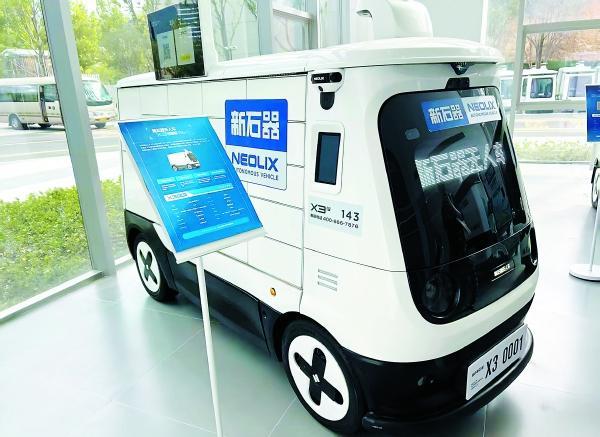
Core Insights - The autonomous vehicle industry is undergoing significant changes, with a projected sales increase of over 50% in instant logistics and urban distribution for autonomous vehicles next year [1][6] - Major players in the market include companies like New Stone and Nine Senses, which are expanding their customer base beyond the express delivery sector to include pharmaceuticals, spare parts, and textiles [1][6] - The operational efficiency of autonomous vehicles is notable, with a 30% reduction in operating costs and a 30% increase in delivery efficiency compared to traditional methods [4][5] Market Dynamics - Autonomous vehicle sales have surged, with New Stone's monthly sales increasing from 200-300 units to nearly 2000 units, and a projected total delivery of 15,000 units for the year [3][9] - Nine Senses operates over 7,000 autonomous vehicles across more than 300 cities, with a cumulative operational mileage exceeding 33 million kilometers [3][9] - The demand for autonomous vehicles is shifting, with 70-80% of sales coming from the express delivery sector, while new demands are emerging from instant logistics and urban distribution [6][9] Technological and Operational Challenges - The transition from closed environments to open roads presents localization challenges, as companies must navigate varying regulations and data security requirements in different regions [1][7] - Companies are developing diverse autonomous vehicle models to meet specific customer needs, including different cargo capacities and operational speeds [6][7] Financial Landscape - The autonomous vehicle sector has attracted significant investment, with New Stone raising over 1 billion yuan in C+ round financing and Nine Senses completing nearly $300 million in B round financing [8][9] - Despite the influx of capital, many companies are still exploring profitable business models, with a focus on providing operational services rather than just selling vehicles [9][10] - New Stone has achieved monthly profitability, indicating a shift towards sustainable business practices in the industry [9]
无人配送车市场刚爆发,就卷成了红海?
Tai Mei Ti A P P· 2025-09-28 00:53
Core Insights - The low-speed unmanned delivery vehicle market is experiencing a surge in demand, with sales expected to exceed 10,000 units this year, indicating a potential for industry scale and profitability [2][4] - The market is becoming increasingly competitive with new entrants, including Desay SV and Youjia Innovation, which are expanding their operations into the unmanned delivery vehicle sector [3][4] - Desay SV is positioning unmanned delivery vehicles as a key growth area, leveraging its 40 years of experience in smart cockpit and driving technology [4][6] Market Potential - The market for unmanned delivery vehicles is estimated to be around 4.68 trillion yuan based on the number of logistics points in China, and between 5.46 trillion to 7.28 trillion yuan based on the number of residential communities [4] - The potential for growth is significant, with estimates suggesting a tenfold increase in the development speed of unmanned delivery vehicles [5] Competitive Landscape - The entry of new players is intensifying competition, leading to a "red ocean" market scenario where differentiation and cost management are critical [3][9] - Desay SV and Youjia Innovation are adopting automotive-grade quality standards in their unmanned delivery vehicles, raising the bar for industry competition [7][9] Financial Performance - Youjia Innovation reported a revenue of 346 million yuan for the first half of 2025, a 32% year-on-year increase, but also saw its losses widen to 162 million yuan [5] - Desay SV achieved a revenue of 14.644 billion yuan in the first half of 2025, a 25.25% increase, with a net profit of 1.223 billion yuan, reflecting a 45.82% growth [6] Industry Trends - The unmanned delivery vehicle sector is witnessing a shift towards "vehicle-grade" standards, which is expected to enhance product quality and increase competition barriers [7] - The market is projected to see significant growth, with estimates of over 30,000 units sold in 2025, driven by major logistics companies ramping up their deployment of unmanned vehicles [8][12] Business Models - The current business models in the unmanned delivery vehicle sector primarily focus on vehicle sales and low-cost hardware, with a lack of innovation leading to increased price competition [9][10] - The emphasis is shifting towards providing operational services that enhance customer experience and reduce costs, rather than merely selling vehicles [10][11] Future Outlook - The demand for unmanned delivery vehicles is expected to grow significantly, with major logistics companies planning to deploy thousands of units in the near future [12] - The industry is on the brink of a turning point, with advancements in technology and supportive policies paving the way for rapid growth [12]
“人工智能+交通运输”实施意见发布智能驾驶产业链迎新机遇
Zheng Quan Shi Bao· 2025-09-26 17:33
Core Insights - The Ministry of Transport and six other departments issued implementation opinions on "Artificial Intelligence + Transportation," aiming for widespread application of AI in transportation by 2027 and achieving key technology autonomy by 2030 [1] Group 1: Policy Objectives - The policy focuses on technological breakthroughs and practical applications, presenting opportunities for the intelligent driving industry chain [1] - It emphasizes accelerating the development of intelligent driving systems and remote driving cockpits, while supporting innovation resource aggregation in key regions [1] Group 2: Market Opportunities - Last-mile delivery and smart logistics are identified as breakthrough areas for the large-scale application of AI in transportation [1] - The delivery of 10,000 unmanned delivery vehicles by New Stone Age covers various scenarios, indicating a growing market potential estimated at approximately 468 billion yuan [2] Group 3: Technological Infrastructure - The establishment of a comprehensive transportation model system is highlighted as a key support for AI applications in transportation [2] - The opinions encourage the integration of leading companies, industry enterprises, and academic institutions to foster a collaborative ecosystem [2] Group 4: Industry Standards - The optimization of the industrial ecosystem and the improvement of standards are expected to enhance the influence of leading enterprises [3] - Companies are encouraged to take the lead in developing standards for new products, technologies, and business models across various operational aspects [3]