福耀玻璃

Search documents
福耀玻璃在安徽成立饰件智能科技公司 注册资本3亿
Xin Lang Cai Jing· 2026-01-19 02:15
Core Viewpoint - Recently, Fuyao Decorative Parts (Anhui) Intelligent Technology Co., Ltd. was established, indicating Fuyao Glass's expansion into the automotive parts sector [1] Company Information - The legal representative of the new company is Ye Shu [1] - The registered capital of the company is 300 million RMB [1] - Fuyao Glass (600660) holds 100% ownership of the new company [1] Business Scope - The company’s business scope includes manufacturing and research of automotive parts and accessories [1] - It also covers retail and wholesale of automotive parts, manufacturing and sales of intelligent vehicle-mounted equipment, and research on new material technologies [1] - Additionally, the company is involved in manufacturing and sales of railway locomotive and vehicle parts [1]
智驾领域催化多,岚图与引望达成深化战略合作
CMS· 2026-01-18 13:01
Investment Rating - The report maintains a "Recommendation" rating for the automotive industry, indicating a positive outlook for the sector [5]. Core Insights - The automotive industry experienced an overall increase of 0.7% from January 11 to January 17, with significant developments in the smart driving sector, including strategic partnerships and advancements in autonomous vehicle technology [1][9]. - The report highlights that China's automotive production is projected to reach 34.53 million units and sales to hit 34.4 million units in 2025, marking a historical high and maintaining its position as the world's largest automotive market [26]. - The report emphasizes the growing importance of electric vehicles, with projections indicating that over 50% of new car sales will be electric or hybrid by 2025 [26]. Market Performance Overview - The automotive sector's performance was mixed, with the automotive services segment showing the highest weekly increase of 3.4%, while motorcycle and passenger vehicle segments experienced declines of 2.0% and 1.7%, respectively [2][13]. - Individual stocks within the automotive sector saw significant fluctuations, with notable gainers including Aikelan (+40.5%) and Jiaoyun Shares (+39.3%), while Tianpu Shares (-25.3%) and Yueling Shares (-15.4%) faced substantial losses [3][17]. Industry Dynamics - Key partnerships in the smart driving field were established, such as the collaboration between Lantu and Huawei's subsidiary, focusing on the development of intelligent driving and cockpit technologies [9][28]. - The report notes that Uber is set to launch a customized autonomous taxi service in San Francisco, marking its entry into the autonomous ride-hailing market [29]. - The report also mentions that Xpeng plans to establish a localized supply chain team in Europe and ASEAN markets to enhance operational efficiency and support local production [29]. Future Projections - The report forecasts a slight increase in domestic automotive sales to 34.75 million units in 2026, reflecting a 1% growth from the previous year [26]. - The report indicates that the Chinese automotive industry is expected to maintain its competitive edge globally, with a significant portion of sales driven by the domestic market [25][26].
汽车行业周报:2025年中国重卡销量达114.5万,加拿大将中国电动汽车配额内关税降至6.1%-20260118
KAIYUAN SECURITIES· 2026-01-18 12:01
Investment Rating - The industry investment rating is "Positive" (maintained) [1] Core Insights - The Chinese heavy truck market's total sales for 2025 reached 1.145 million units, marking a 27% increase from the previous year [5][13] - The China Automobile Association forecasts total automobile sales in 2026 to be 34.75 million units, a 1% year-on-year growth [15] - The demand for high-end luxury passenger cars in China is exceeding expectations, with a favorable competitive landscape [7] Industry News - Tesla will stop selling Full Self-Driving (FSD) after February 14, transitioning to a monthly subscription model [14] - Shanghai aims to achieve large-scale application of high-level autonomous driving scenarios by 2027 [16] - Great Wall Motors launched the world's first native AI all-power platform "Guiyuan," supporting multiple power systems [17] - Canada has reduced tariffs on Chinese electric vehicles to 6.1%, eliminating the previous 100% additional tax [18] Market Performance - The A-share automotive sector outperformed the market with a weekly increase of 0.71%, ranking 8th among A-share primary industries [25] - The passenger vehicle index decreased by 1.87%, while the commercial vehicle index increased by 5.53% [6] - The automotive parts index rose by 1.26%, with notable gains in the electric control systems and lightweight components [6][35] Investment Recommendations - For passenger vehicles, recommended stocks include JAC Motors and Seres, with beneficiaries being Geely Automobile [7] - In the parts sector, recommended stocks include Desay SV Automotive, Zhejiang Xiantong, and Meili Technology, with beneficiaries being Weichai Power and others [7]




汽车零部件、机器人主线周报:周五交易热度触底反弹,富临精工拟引进宁德31.75亿元战略投资-20260118
Soochow Securities· 2026-01-18 11:54
Investment Rating - The industry investment rating is "Overweight," indicating an expected outperformance of the industry index relative to the benchmark by more than 5% over the next six months [49]. Core Insights - The automotive parts sector has shown a weekly increase of 1.65%, ranking second among the SW automotive sector, with a year-to-date increase of 5.07% [2][10]. - The robotics sector has also performed well, with a weekly increase of 1.81% and a year-to-date increase of 5.62%, outperforming the automotive parts sector by 0.16% [2][22]. - Key developments include 富临精工 planning to issue 3.175 billion yuan in stock to 宁德时代, which will become a significant shareholder [2][33]. - Investment recommendations include focusing on product-oriented companies and those entering high-value segments to enhance average selling prices (ASP) in the automotive parts sector, and identifying certainty opportunities in the robotics sector [2][44]. Summary by Sections Automotive Parts Sector Weekly Review - The automotive parts sector has shown a strong performance with a 1.65% increase this week and a 5.07% increase year-to-date, ranking second in the SW automotive sector [2][10]. - The sector's PE (TTM) is at 84.66% historical percentile, and PB (LF) is at 79.21% historical percentile, indicating a favorable valuation [20]. Robotics Sector Weekly Review - The robotics index increased by 1.81% this week and 5.62% year-to-date, with a notable outperformance against the automotive parts sector [2][22]. - The latest PE (TTM) for the robotics sector is at 92.18% historical percentile, and PB (LF) is at 93.83% historical percentile, suggesting strong valuation metrics [32]. Key Company Tracking - Notable weekly performance includes 新泉股份 (+16.24%), 恒帅股份 (+11.36%), and 岱美股份 (+8.76%) [2][37]. - Significant corporate actions include 双环传动's capital increase of 100 million yuan to its subsidiary and 福达股份's completion of a convertible bond issuance of 470 million yuan [2][42]. Investment Recommendations - For the automotive parts sector, recommended stocks based on EPS include 福耀玻璃, 星宇股份, and 敏实集团, while PE recommendations include 拓普集团 and 银轮股份 [2][44].


汽车行业周报:泛AI&机器人赛道进入景气验证期 关注业绩确定性
Xin Lang Cai Jing· 2026-01-18 10:35
Industry Overview - The EU and China reached a preliminary agreement on electric vehicle tariffs, establishing a minimum import price to replace high anti-subsidy tariffs set to take effect in 2024 [2] - ZhiYuan Robotics has spun off its dexterous hand business into a new company named "Critical Point," signaling a move towards specialization and commercialization [2] - A U.S. House committee held a hearing to discuss legislation aimed at simplifying the deployment process for autonomous vehicles, potentially increasing the annual limit on new autonomous vehicles from 2,500 to 90,000 [2] Company Updates - SAIC Motor Corporation announced a profit forecast for 2025, expecting a net profit attributable to shareholders of 9 to 11 billion yuan, representing a year-on-year increase of 438% to 558% [3] - JAC Motors released a profit forecast for 2025, projecting a net loss of approximately 1.68 billion yuan, which is a reduction in loss of about 100 million yuan compared to the previous year [3] - WeRide's global Robotaxi fleet surpassed 1,000 vehicles, reaching 1,023 units as of January 12, 2026 [3] Investment Insights - The automotive market is expected to enter an upward recovery phase, supported by the implementation of vehicle trade-in policies in 2026, which may boost domestic demand [4] - The AI sector is entering a verification phase, with clear marginal catalysts in robotics and AIDC, as Tesla's robot is set to enter mass production in 2026 [4] - Long-term focus on stable growth is recommended, with significant potential in overseas markets, as China's automotive export volume is projected to reach 6.34 million units in 2026, a year-on-year increase of about 13% [4] Related Stocks - Key stocks include Weichai Power, Yutong Bus, China National Heavy Duty Truck Group, BYD, SAIC Motor, Geely Automobile, Leap Motor, Xpeng Motors, Seres, Fuyao Glass, Songyuan Safety, Sanhua Intelligent Control, Zhejiang Rongtai, Top Group, Yinlun Holdings, Junsheng Electronics, Horizon Robotics, BYD Electronics, Hesai Technology, and SUTENG [5]

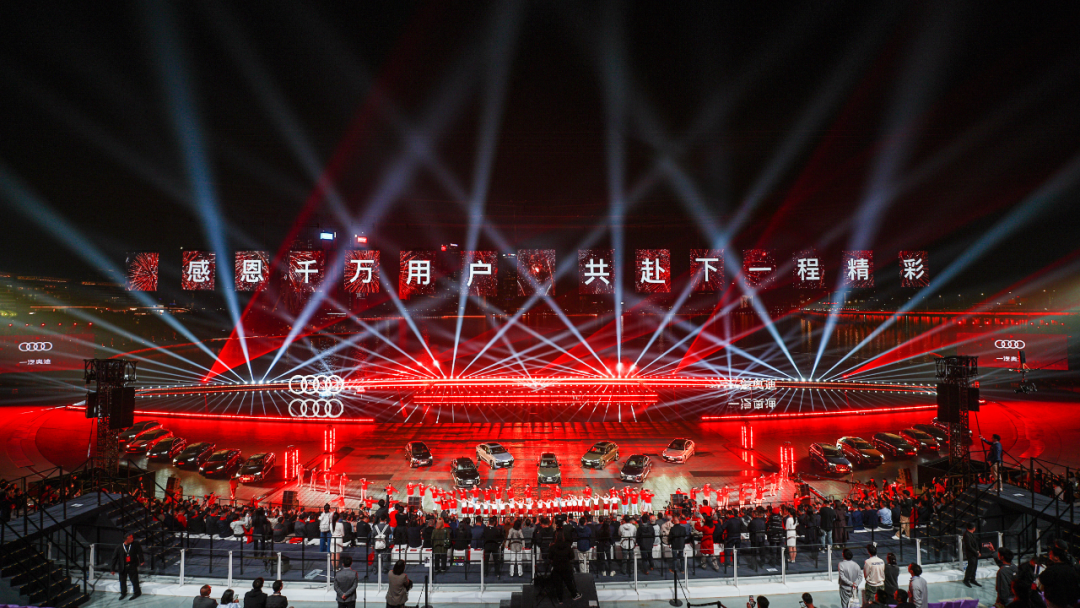
“千万”之上,一汽奥迪革新之姿搏新程
Zhong Guo Qi Che Bao Wang· 2026-01-17 14:19
Core Insights - The event on January 15 marked a significant milestone for FAW Audi, celebrating the delivery of the 10 millionth Audi vehicle and showcasing new models like the Audi A6L and Q5L, alongside a new customer experience strategy [1][3] - FAW Audi's achievement of 10 million users reflects a deepening collaboration between Chinese and German automotive industries, emphasizing high-quality openness and localized innovation [3][9] - The theme of the event, "Achieving Millions of Beautiful Moments," highlights the trust built over time between FAW Audi and its users, showcasing a commitment to a user-centered long-term value approach [4][8] Product and Service Commitment - FAW Audi emphasizes uncompromising craftsmanship in product quality, ensuring that global luxury standards are rooted in China, which has led to the Q5 family leading its market segment for 16 years with nearly 2 million users [6][8] - The company has a history of accurately responding to user needs, from the introduction of luxury cars in 1988 to the launch of the Q5 in 2010, and now with the "Oil-Electric Hybrid Intelligent" strategy to meet high-end smart travel demands [6][8] - FAW Audi has built a comprehensive service ecosystem with nearly 600 dealerships, enhancing user experience through initiatives like exclusive user rights and high-value service packages [8][14] Strategic Partnerships and Industry Impact - The partnership between FAW and Audi, initiated in 1988, represents a successful model of cooperation that has evolved into a new paradigm for joint ventures in China [9][11] - FAW Audi's growth has been supported by a full value chain localization process, integrating R&D, production, quality assurance, and marketing, which has also uplifted the entire automotive supply chain [11][13] - Collaborations with leading local tech companies like CATL and Huawei are pivotal for FAW Audi's transition into the intelligent and electric vehicle era, driving high-quality industry development [13][14] Future Directions - FAW Audi's "Oil-Electric Hybrid Intelligent" strategy aims to address the evolving automotive landscape by offering both fuel and electric options, ensuring users experience cutting-edge technology regardless of their choice [14][16] - The integration of advanced technologies in both electric and fuel models signifies a shift towards deeper collaboration in core technology development and ecosystem building [16][18] - As FAW Audi looks towards the next milestone of 10 million, it aims to leverage its 38 years of experience and strategic foresight to foster high-quality development and continue its legacy of user value creation [18]

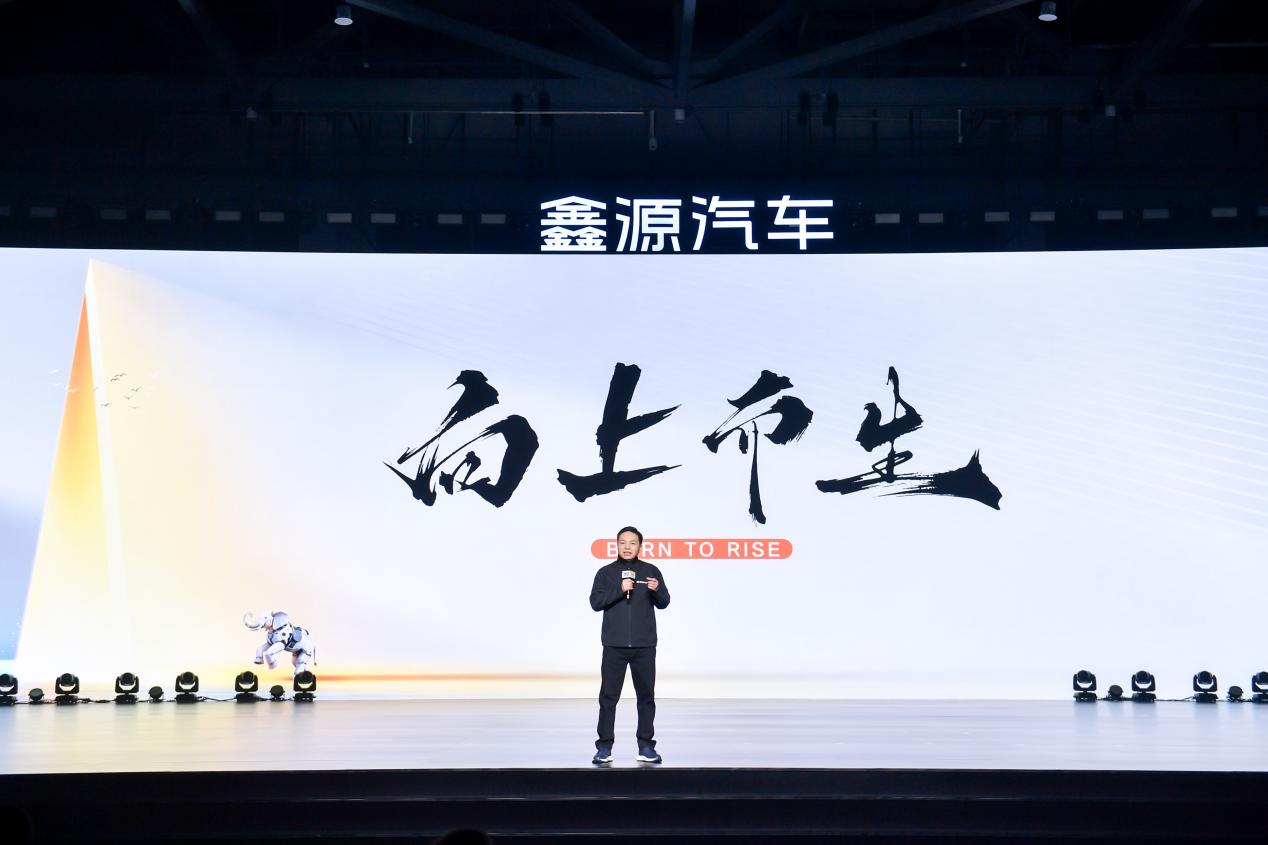
以“向上而生”为名 鑫源汽车要为新生代造好车
Zhong Guo Qi Che Bao Wang· 2026-01-17 06:18
Core Viewpoint - Xinyuan Automobile is entering a comprehensive brand renewal phase, showcasing its strategic thinking, brand philosophy, and product direction in response to industry transformation [1][17] Group 1: Company History and Development - The chairman, Gong Daxing, highlighted the 18-year collaboration with the Jinbei brand, which has served over 1.8 million users, emphasizing the emotional foundation of the company's "upward" strategy [2] Group 2: Strategic Pillars - The company established three strategic pillars: 1. "No going abroad, no future": Xinyuan aims for systematic overseas expansion, planning to build 1,000 sales outlets by 2030 and achieve annual overseas sales of 200,000 vehicles [5] 2. "No upward movement, no future": The company emphasizes maintaining positive cash flow, profit, and growth, rejecting loss for scale [7] 3. "No benevolence, no future": Xinyuan promotes a "service for good" philosophy, creating a comprehensive service system that supports users throughout their lifecycle [9] Group 3: Brand and Product Innovations - Xinyuan unveiled a new logo, the "Elephant Mark," symbolizing stability and confidence, which will be applied across vehicle designs [10][12] - The new model "Upward V6" is positioned in the under 100,000 yuan market, designed as a smart new energy multifunctional vehicle, balancing professional use and comfortable living [14] Group 4: Company Philosophy - Gong Daxing emphasized that the company's strategies and services stem from a "pure, calm, and benevolent" heart, reflecting a commitment to user needs and manufacturing integrity [15][17]
智通AH统计|1月16日
智通财经网· 2026-01-16 08:21
Core Viewpoint - The report highlights the premium rates of AH shares, with Northeast Electric, Zhejiang Shibao, and Junda Co. leading in premium rates, while CATL, Heng Rui Medicine, and China Merchants Bank are at the bottom of the list [1] Group 1: Top AH Share Premium Rates - Northeast Electric (00042) has a premium rate of 800.00% with a deviation value of -61.15% [1] - Zhejiang Shibao (01057) has a premium rate of 407.30% with a deviation value of 42.48% [1] - Junda Co. (02865) has a premium rate of 329.76% with a deviation value of 109.58% [1] - Other notable companies include Hongye Futures (03678) with a premium rate of 264.62% and Sinopec Oilfield Service (01033) with a premium rate of 264.47% [1] Group 2: Bottom AH Share Premium Rates - CATL (03750) has a premium rate of -12.92% with a deviation value of -1.93% [1] - Heng Rui Medicine (01276) has a premium rate of -3.34% with a deviation value of -4.08% [1] - China Merchants Bank (03968) has a premium rate of -1.62% with a deviation value of 0.25% [1] - Other companies with low premium rates include Wu Chai Power (02338) with a premium rate of 6.54% and Midea Group (00300) with a premium rate of 7.80% [1] Group 3: Top AH Share Deviation Values - Junda Co. (02865) leads with a deviation value of 109.58% [1] - Zhejiang Shibao (01057) follows with a deviation value of 42.48% [1] - Goldwind Technology (02208) has a deviation value of 41.46% [1] - Other companies with significant deviation values include Jinju Group (02009) with 22.71% and Guanghetong (00638) with 17.96% [1] Group 4: Bottom AH Share Deviation Values - Northeast Electric (00042) has the lowest deviation value at -61.15% [1] - Nanhua Futures (02691) follows with -40.56% [1] - Chenming Paper (01812) has a deviation value of -23.42% [1] - Other companies with negative deviation values include Jinli Permanent Magnet (06680) at -17.16% and Guolian Minsheng (01456) at -15.36% [1]
海优新材20260115
2026-01-16 02:53
Summary of the Conference Call for Haiyou New Materials Industry Overview - The photovoltaic (PV) industry is experiencing a recovery after reaching a bottom, with a long-term growth trend remaining intact. Although short-term shipment growth is limited, the industry's capacity reduction efforts are showing results, and long-term demand remains positive. Haiyou New Materials holds a market share of approximately 10%, with technological research and development being its core competitive advantage [2][3][8]. Key Points and Arguments Photovoltaic Business - The recent export tax rebate policy has temporarily impacted the demand for PV auxiliary materials, with an expected increase in demand around late February, lasting for about 1 to 1.5 months. Long-term, this policy will encourage the industry to focus on product competitiveness and compliance, benefiting Haiyou New Materials [2][5]. - The company has introduced leading products such as white EVA films and PPE co-extruded films, emphasizing that R&D is vital for its survival [3][8]. Automotive Business - Haiyou New Materials is adopting a dual-drive model in its automotive business, with PDLC (Polymer Dispersed Liquid Crystal) dimming films already applied in models like the Zhiji R6 and BYD Yangwang U8L. The company collaborates with leading new energy vehicle manufacturers [3][16]. - The PDLC technology offers advantages such as rapid color change and adaptability to flexible glass, positioning the company favorably in the market [4][22]. Technological Development - The company is actively exploring cutting-edge technologies such as perovskite and low-orbit satellite packaging materials, collaborating with leading downstream enterprises for R&D. However, no bulk orders are expected in the short term [2][6]. - Haiyou New Materials has shifted its focus from PV adhesive films to automotive dimming films, planning to expand production capacity in the second half of 2026 [4][17]. Regional Strategy - The company has established a subsidiary in Chengdu to take over part of its capacity from the eastern region, aiming to be closer to key customers in the western region and improve service quality while addressing cash flow risks [2][7]. Additional Important Insights - The company believes that 2026 will be a bottoming year for the PV industry, with many potential markets still to explore. It plans to focus on reducing operational risks and maintaining cash flow rather than blindly expanding production due to short-term policy changes [12]. - The cost of PDLC films is expected to decrease through optimization of raw material synthesis and structural design, with a focus on establishing a good pricing system with downstream customers [19]. - The company is also exploring the aftermarket for dimming films, which shows significant future potential despite current low volumes [18]. Conclusion Haiyou New Materials is strategically positioned in both the photovoltaic and automotive sectors, leveraging its technological advancements and regional adjustments to enhance competitiveness. The company maintains a positive outlook on future growth while navigating short-term challenges in the market.

企业家超级个体IP的双刃剑效应
Sou Hu Cai Jing· 2026-01-16 02:47
Core Insights - The article discusses the dual impact of entrepreneur super individual IP on business development, highlighting both the benefits and potential risks associated with it. It introduces the STRATEGY model, which provides a systematic solution for businesses to leverage IP value while mitigating risks. Group 1: Benefits of Super Individual IP - Super individual IP can significantly shorten the brand premium process through trust endorsement effects, as seen with Tesla, where consumers are willing to pay a premium of about 30% for Elon Musk's vision [1]. - It accelerates resource absorption and integration, exemplified by Luo Yonghao attracting investments from 26 institutions, increasing financing efficiency by five times [3]. - The presence of an entrepreneur's personal IP can enhance market response speed, with Xiaomi's product launch events showing that 65% of traffic focused on Lei Jun's speeches, leading to a 90% increase in product conversion rates [4]. Group 2: Costs of Super Individual IP - Over-reliance on an entrepreneur's personal IP can dilute brand assets and create succession challenges, as evidenced by the low confidence index of "post-90s" investors in Gree at 57, compared to Midea's 82 [5]. - Companies may fall into innovation path dependency, with Gree's R&D investment ratio dropping to 2.8%, while Haier's is at 4.1%, indicating a decline in innovation capability [6]. - Misstatements by entrepreneurs can lead to public backlash, as shown by Yu Minhong's controversial internal letter, which sparked negative reactions from employees [7]. - Over-dependence on a founder's personal IP can suppress mid-level decision-making capabilities, potentially weakening the company's market responsiveness [8]. Group 3: STRATEGY Model for Management - The STRATEGY model includes eight dimensions: Strategic Positioning, Talent Cultivation, Risk Control, Alignment Mechanism, Technology Empowerment, Ethical Governance, Global Vision, and Youth Engagement, providing a comprehensive framework for businesses [10]. - In Strategic Positioning, companies should balance IP exposure with corporate investment at a 5:5 ratio to avoid resource misallocation [10]. - Talent Cultivation can be enhanced through a shadow CEO program to develop a succession plan, ensuring long-term business sustainability [11]. - Risk Control involves establishing a public opinion firewall and a brand dilution warning model to mitigate risks associated with high founder visibility [12]. - The Alignment Mechanism suggests leveraging social media to convert entrepreneur IP traffic into product pre-sale traffic [13]. - Technology Empowerment recommends using advanced technologies to improve communication efficiency and consistency in brand messaging [15]. - Ethical Governance emphasizes the need for an ESG evaluation system to align entrepreneur IP with corporate social responsibility [15]. - Global Vision focuses on adapting entrepreneur IP to local markets for better integration [15]. - Youth Engagement strategies should cater to Gen Z communication preferences to connect with younger consumers effectively [16]. Group 4: Case Studies and Implementation Pathways - The positive case of Lei Jun and Xiaomi illustrates effective IP management, with a binding degree of 50% and a personal content share below 30% during events [17]. - The negative case of Li Ning highlights the risks of brand dilution and failure to resonate with younger consumers, leading to market share loss [18]. - The implementation of the STRATEGY model is divided into four stages: Emergence, Growth, Maturity, and Iteration, each with specific focus areas for developing entrepreneur IP [20]. - In the Emergence stage, establishing an IP health radar chart is crucial for assessing brand status [21]. - During the Growth stage, setting a personal influence contribution threshold below 40% helps maintain a balance between personal and corporate branding [22]. - The Maturity stage emphasizes the need for IP asset corporatization to enhance market value and risk resilience [23]. - In the Iteration stage, initiating a digital immortality plan using technologies like AI and VR can preserve the essence of the personal brand [24]. Group 5: Correction Mechanisms - Establishing a market sentiment beta coefficient model can help monitor user feedback and adjust IP strategies accordingly [25]. - A circuit breaker mechanism should be in place to halt all related communication activities if negative sentiment exceeds a threshold for five consecutive days, allowing time to manage the situation [26].