
银河航天

Search documents
产业链龙头股Q3净利润同比扭亏!卫星产业ETF(159218)近五日“吸金”超1.35亿元,机构:卫星产业迎关键拐点
2 1 Shi Ji Jing Ji Bao Dao· 2025-10-29 02:30
Core Insights - The satellite industry is experiencing significant growth, with key players like China Satellite reporting a 177.31% year-on-year increase in revenue for Q3 2025, reaching 1.782 billion yuan, and a net profit turnaround to 45.3 million yuan [1] - The satellite industry ETF (159218) has seen a 360.26% increase in shares this year, reflecting strong investor interest and capital inflow exceeding 135 million yuan in the past five days [2] - China is rapidly advancing in satellite internet deployment, with plans to launch over 25,000 satellites as part of its GW and Qianfan constellations, positioning itself as a key player in the global space resource competition [2] Company Developments - China Satellite's Q3 2025 report highlights revenue growth driven by the completion of satellite system projects and increased orders in aerospace components and ground system integration [1] - Galaxy Space has successfully tested low-orbit satellite internet in Thailand, marking a significant step in international expansion [3] - Aerospace Hongtu secured a record high overseas contract worth 990 million yuan for satellite in-orbit delivery services, indicating strong demand for international satellite services [3] Industry Trends - The satellite industry is at a critical turning point, with increasing emphasis on technological growth and self-sufficiency, supported by various catalysts expected within the year [2] - The competitive landscape is intensifying, with China and the U.S. as the only two countries with substantial capabilities in space resources, highlighting the strategic importance of satellite internet [2] - Collaborations between Chinese commercial space companies and international firms are becoming more frequent, particularly in satellite technology and services [3]



新兴支柱产业蓄势发力 催生数个万亿级市场
Xin Hua Wang· 2025-10-28 02:23
Group 1 - The core focus of the article is on the strategic importance of building a modern industrial system and strengthening the foundation of the real economy, as outlined in the "Suggestions" for the 15th Five-Year Plan [1][2] - The manufacturing sector is emphasized as a critical component of the economy, with a call to maintain a reasonable proportion of manufacturing to enhance economic resilience [2][3] - Traditional industries, which account for approximately 80% of the manufacturing value added, are identified as the backbone of the industrial system, with initiatives aimed at upgrading key sectors such as chemicals, machinery, and shipbuilding [2][3] Group 2 - The article highlights the potential for market expansion in traditional manufacturing through transformation towards intelligent, green, and integrated development, estimating an additional market space of around 10 trillion yuan over the next five years [3][4] - New strategic emerging industries, including new energy, new materials, aerospace, and low-altitude economy, are projected to create several trillion-level markets, contributing significantly to economic growth [4][5] - The article discusses the importance of fostering innovation in emerging and future industries, with a focus on technologies such as quantum science, biomanufacturing, and hydrogen energy, which are expected to become new economic growth points [4][5]
中国民营火箭急了!密集上天、扎堆上市
Jing Ji Guan Cha Bao· 2025-10-25 06:02
Core Viewpoint - The Chinese commercial space industry is experiencing a "capacity spring," with advancements in technology, capital, and policy potentially accelerating the development of satellite launch capabilities faster than expected [2][5]. Group 1: Recent Developments in Satellite Launch Capabilities - On October 17, 2025, Shanghai Yuanxin Satellite Technology Co., Ltd. successfully launched the sixth batch of satellites for its "Qianfan Constellation," bringing the total number of satellites in orbit to 108 [3]. - Major telecommunications operators in China, including China Telecom, China Mobile, and China Unicom, have received licenses for satellite mobile communication services, enabling direct satellite connections for mobile phones [3]. - The domestic satellite internet market is reaching a significant milestone, but the "capacity" segment remains constrained, necessitating the involvement of private rocket companies to alleviate the bottleneck [3][4]. Group 2: Progress of Private Rocket Companies - Beijing Tianbing Technology Co., Ltd. announced the successful sea test of its "Tianlong-3" large liquid rocket, which has a near-Earth orbit capacity of 17 to 22 tons and can launch up to 36 satellites in one go [4][7]. - Blue Arrow Aerospace successfully completed the first phase of its "Zhuque-3" rocket's launch preparations, including static ignition tests, and is preparing for its official orbital launch [4][9]. - Beijing Zhongke Aerospace Technology Co., Ltd. reported progress on its "Liqian-2" liquid rocket, which is designed for medium payloads and aims to support China's space station logistics [9][10]. Group 3: Market Dynamics and Investment Trends - The demand for satellite launches is increasing, with estimates suggesting that the "Qianfan Constellation" requires at least 200 to 300 satellite launches annually, necessitating multiple rockets with capacities exceeding 10 tons [6]. - Recent funding rounds have seen significant investments in private rocket companies, with Star River Dynamics raising 2.4 billion yuan in its D round and Tianbing Technology securing nearly 2.5 billion yuan in Pre-D and D rounds [13][14]. - The Chinese Securities Regulatory Commission has opened a window for IPOs in the commercial space sector, prompting several companies to initiate IPO preparations [14][15]. Group 4: Technological Innovations and Cost Reduction Strategies - The use of 3D printing technology in the manufacturing of rocket components is being explored to reduce costs, with Tianbing Technology's "Tianlong-3" rocket utilizing this approach to achieve significant cost savings [21][22]. - The focus on reusable rocket technology is seen as a key strategy for cost reduction, with companies like Arrow Technology aiming for high reuse rates to lower overall launch costs [19][20]. - The competitive landscape is expected to intensify as more private companies successfully launch their rockets, with cost efficiency becoming a critical factor for securing future contracts [22].

中国民营火箭急了!密集上天、扎堆上市
经济观察报· 2025-10-25 05:56
Core Viewpoint - The "star-rich, rocket-poor" dilemma in China's commercial space industry is being addressed through advancements in technology, capital investment, and policy support, indicating that the "spring of launch capacity" may arrive sooner than expected [6] Group 1: Recent Developments in Satellite Launches - On October 17, 2025, Shanghai Yuanxin Satellite Technology Co., Ltd. successfully launched the sixth batch of satellites for its "Qianfan Constellation," bringing the total number of satellites in orbit to 108 [3] - As of September 2025, major telecom operators in China have received licenses for satellite mobile communication services, enabling direct satellite connections for mobile phones [3] - The domestic satellite internet market is experiencing significant growth, but the launch capacity remains constrained, necessitating the involvement of private rocket companies to alleviate this bottleneck [3][4] Group 2: Progress of Private Rocket Companies - Beijing Tianbing Technology Co., Ltd. announced successful sea trials for its "Tianlong-3" rocket, which has a near-Earth orbit capacity of 17 to 22 tons and can deploy up to 36 satellites in one launch [4][9] - Blue Arrow Aerospace successfully completed the first phase of its "Zhuque-3" rocket's launch preparations, with plans for its first flight by the end of the year [5][11] - Other companies, such as Zhongke Aerospace and Xinhai Power, are also making strides in their respective rocket developments, with plans for upcoming launches [11][12] Group 3: Market Dynamics and Investment Trends - The demand for satellite launches is high, with estimates indicating that the "Qianfan Constellation" requires 200 to 300 satellite launches annually, necessitating multiple rockets with capacities exceeding 10 tons [8] - Recent financing rounds have seen significant investments in private rocket companies, with Xinhai Power raising 2.4 billion yuan and Tianbing Technology securing nearly 2.5 billion yuan for production and development [16][17] - The Chinese Securities Regulatory Commission has opened a window for IPOs in the commercial space sector, prompting several companies to initiate the listing process [17][18] Group 4: Cost Reduction Strategies - The cost of launching a 10-ton capacity rocket by state-owned companies is estimated at over 200 million yuan, while private rockets aim to reduce this cost to around half [24] - The potential for cost reduction through reusable rocket technology is significant, with estimates suggesting a 40% to 60% decrease in launch costs if successful [25][26] - Companies are exploring innovative manufacturing techniques, such as 3D printing and the use of stainless steel, to lower production costs and improve efficiency [26][27][28]
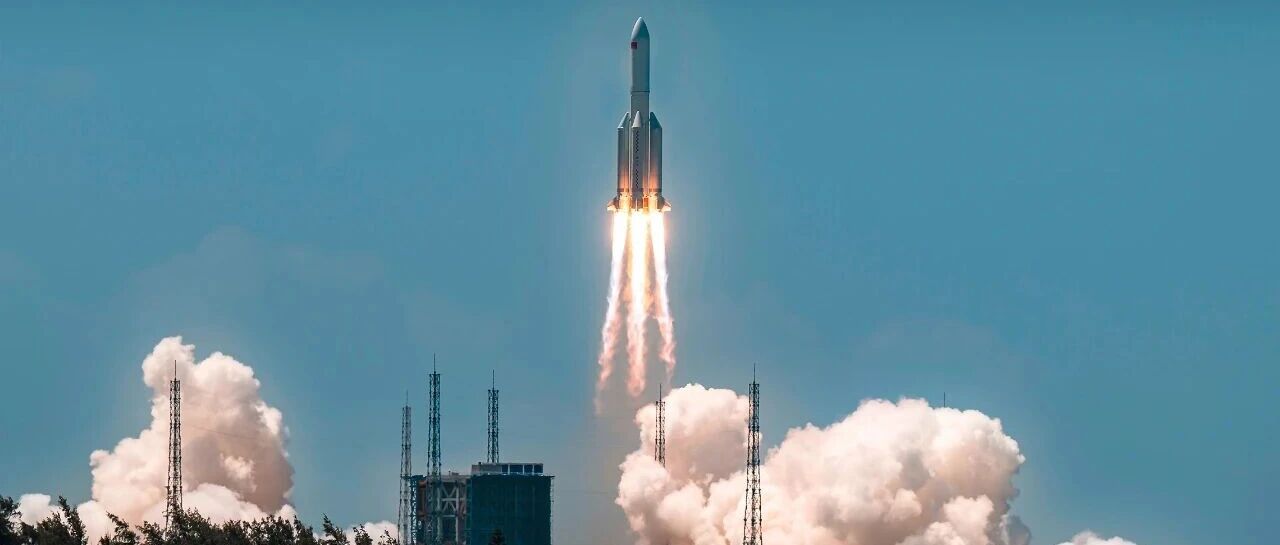
上海港湾(605598):卫星太阳翼能源系统核心企业 深度受益于卫星互联网浪潮
Xin Lang Cai Jing· 2025-10-23 04:27
Core Insights - The company is strategically expanding into the commercial aerospace satellite energy system sector, establishing a second growth curve through its subsidiary, Fuxi Xinkong, which focuses on lightweight, low-cost, and high-efficiency space energy solutions [1] - The company has secured new orders worth 34.02 million yuan during the reporting period and is actively pursuing overseas pilot projects in Southeast Asia and the Middle East [1][6] Group 1: Company Developments - The company has launched a subsidiary, Fuxi Xinkong, to focus on commercial aerospace, specifically in satellite and spacecraft energy systems [1] - The energy systems have successfully supported the launch of 16 satellites and are currently in stable operation for over 40 satellite power systems and solar panels [1] - The company is involved in significant satellite constellation projects, including Jilin-1 and others, serving over 20 satellite manufacturers [1] Group 2: Product Innovations - Fuxi Xinkong's product range includes various types of perovskite solar cells, flexible foldable solar wings for satellites, and power control modules, covering all aspects of satellite power systems [2] - The company has established a complete supply chain for space-grade perovskite solar cells and has passed rigorous space environment tests for its core products [2] - A new production line for space-grade perovskite solar cells and flexible solar arrays has been launched, with a production area of 6,500 square meters [2] Group 3: Market Trends - The commercial aerospace sector is entering a rapid growth phase, with increased satellite launches and a focus on low-cost satellite solutions [4] - The satellite IoT business is entering a commercial trial phase, which is expected to enhance satellite application growth [5] - The satellite constellation system is capable of supporting 340 million communications daily, with a user capacity of 20 million globally [6] Group 4: Financial Projections - Revenue projections for the company are estimated at 1.831 billion yuan in 2025, 2.139 billion yuan in 2026, and 2.552 billion yuan in 2027, with net profits expected to be 183 million yuan, 237 million yuan, and 303 million yuan respectively [6] - The company is rated with a PE of 38, 29, and 23 for the years 2025, 2026, and 2027 [6]

三大运营商发力新场景 卫星通信业务商业化提速
Zheng Quan Shi Bao· 2025-10-22 17:59
Core Viewpoint - The recent issuance of satellite mobile communication business licenses to China Unicom and China Mobile, following China Telecom, marks a significant step in the development of the satellite communication industry in China, enabling all three major telecom operators to engage in satellite communication services, enhancing emergency communication, maritime communication, and connectivity in remote areas [1][2]. Group 1: Industry Development - The Ministry of Industry and Information Technology (MIIT) has accelerated the commercialization process of the satellite mobile communication industry, aiming to create a competitive market environment and enhance service accessibility for ordinary users [2]. - The MIIT's guidelines set a target of over 10 million satellite communication users by 2030, promoting new applications such as direct satellite connections via mobile phones [2]. - The integration of satellite communication with emerging technologies like 5G/6G and artificial intelligence is expected to stimulate market vitality and innovation [2][5]. Group 2: Technological Advancements - China Telecom has developed a comprehensive ecosystem for satellite mobile communication, covering chip development, terminal manufacturing, network construction, application development, and market expansion [5]. - New technologies and products are emerging within the satellite communication industry, such as the Macro WiFi product from Tongyu Communication, which connects satellite networks with terrestrial communication [4]. - China Mobile's STCN technology system aims to optimize satellite resource management and reduce the number of satellites needed for coverage by half, while also decreasing the cost per satellite by 10% [5]. Group 3: Market Applications - Satellite communication is primarily focused on emergency communication and coverage supplementation in remote areas, with services like short messaging and voice communication already in the market [6]. - China Telecom has achieved global leadership in mobile direct satellite communication, allowing users to make calls and send messages without changing their SIM cards or phone numbers [6][7]. - The user base for the Tian Tong satellite has exceeded 3 million, with significant partnerships established with various smartphone manufacturers and automotive companies to promote satellite connectivity [7][8].



三大运营商发力新场景卫星通信业务商业化提速
Zheng Quan Shi Bao· 2025-10-22 17:26
Core Viewpoint - The recent issuance of satellite mobile communication business licenses to China Unicom and China Mobile, following China Telecom, marks a significant step in the development of the satellite communication industry in China, enabling all three major telecom operators to engage in satellite communication services, enhancing emergency communication, maritime communication, and connectivity in remote areas [1][2][6]. Industry Developments - The Ministry of Industry and Information Technology (MIIT) has accelerated the commercialization process of the satellite mobile communication industry, aiming to create a competitive market environment and promote collaboration between telecom operators and the satellite communication industry [2][3]. - The MIIT's guidelines set a target of over 10 million satellite communication users by 2030, with a focus on new applications such as direct satellite connections via mobile phones [2][3]. Technological Innovations - China Mobile has launched the "Beidou + Tiantong" dual-satellite communication service, marking a new phase in commercial operations and contributing to the establishment of an integrated "Heaven and Earth" intelligent communication network [2][3]. - The development of new technologies and products, such as the Macro WiFi product by Tongyu Communication, aims to connect satellite networks with terrestrial communication, enhancing coverage and user capacity [3][4]. Market Applications - Satellite communication is primarily focused on emergency communication and supplementary coverage in areas lacking terrestrial network access, with services already being offered for short messages and voice communications [6][7]. - China Telecom has achieved significant milestones, including the global launch of direct satellite communication services for smartphones, enabling users to make calls and send messages without changing their SIM cards [4][6]. User Adoption and Growth - The user base for Tiantong satellites has exceeded 3 million, with major smartphone manufacturers launching devices capable of direct satellite connections, leading to substantial sales figures [7][8]. - The industry anticipates that satellite communication will become as ubiquitous as 4G/5G, providing seamless connectivity for users in various environments, including remote and extreme locations [8][9].


空天产业崛起长三角!这场“星辰之上的变革”,谁在操盘?
创业邦· 2025-10-20 10:44
Core Viewpoint - The article discusses the rapid development of the aerospace industry in Liangxi District, Wuxi, highlighting its transformation from a low-profile area to a significant player in China's commercial space sector by 2025 [2][3][41]. Group 1: Industry Development - Liangxi District has achieved a breakthrough in the aerospace industry, establishing a complete industrial chain from rocket manufacturing to satellite application, with a goal to cultivate over 150 upstream and downstream enterprises and reach an industry scale of 30 billion yuan by 2025 [3][17]. - Key projects such as the Liangxi Aerospace Industrial Park have been recognized as national reform cases and included in the list of China's top ten commercial aerospace parks [2][3]. - Major companies like Tianbing Technology and Dongfang Space have set up operations in Liangxi, contributing to the formation of a comprehensive aerospace ecosystem [2][11]. Group 2: Policy and Strategic Initiatives - The development of the aerospace industry in Liangxi is driven by a collaborative policy framework, focusing on rocket and satellite manufacturing and space information applications [3][5]. - Liangxi Industrial Development Group has adopted a strategy of nurturing industrial ecosystems rather than traditional investment attraction, emphasizing capital, talent, and innovation [5][19]. Group 3: Collaborative Models - The "West Research, East Production" model has been pivotal for Liangxi, leveraging top-tier aerospace research resources from the western regions while utilizing the manufacturing capabilities and market demand of the Yangtze River Delta [7][9]. - The establishment of the Taihu Aerospace Power Research Institute exemplifies the effective collaboration between research and industrialization, facilitating rapid technology transfer [9][11]. Group 4: Capital and Investment - Liangxi Industrial Development Group has created a multi-layered capital operation system centered on "patient capital," which includes a 10 billion yuan mother fund and various specialized funds to support the aerospace sector [19][22]. - The group has invested in 18 funds with a total scale of 40.037 billion yuan, successfully facilitating the establishment of numerous projects in Liangxi [22][24]. Group 5: Infrastructure and Digitalization - The Liangxi Aerospace Industrial Park spans 1.2 million square meters and is designed as a "fifth-generation industrial park," integrating production and service functions [25][30]. - The park employs a digital management platform to enhance operational efficiency and service delivery, significantly improving response times for tenant companies [28][30]. Group 6: Talent Development - The competition in the aerospace industry is fundamentally a talent competition, with Liangxi focusing on deep collaboration with top universities and research institutions to attract and retain talent [31][35]. - Initiatives such as the establishment of innovation centers in Shenzhen and Xi'an aim to foster technology commercialization and attract tech enterprises [31][35]. Group 7: Future Vision - Liangxi aims to evolve from an aerospace industrial park to a modern "space city," integrating urban functions with aerospace industry development [36][38]. - The vision includes launching a satellite constellation and achieving mass production of rocket engines, thereby supporting the scaling of China's commercial aerospace sector [36][38].
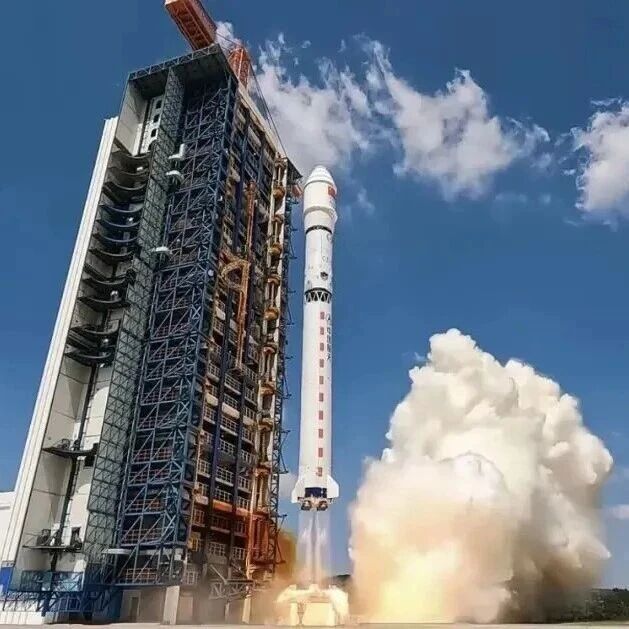
泰国航天博览会助力中泰深化航天合作
Xin Hua She· 2025-10-18 13:49
Core Insights - The 2025 Thailand Space Expo, held from October 16 to 18 in Bangkok, highlighted Sino-Thai space cooperation as a key feature [1][2] - The expo serves as an important platform for Thailand to promote international space collaboration, leveraging advanced technologies and experiences from major space nations [1] - Chinese commercial space enterprises, such as Galaxy Space, are increasingly collaborating with Thai clients, particularly in satellite communication and internet services [1][2] Group 1 - The Thailand Space Expo is organized by the Geo-Informatics and Space Technology Development Agency, aiming to enhance Thailand's space industry through international cooperation [1] - Chinese Academy of Sciences and Chinese Academy of Engineering academicians presented advancements in high-throughput communication satellites, optical and radar remote sensing satellites, and BeiDou positioning systems [1] - Galaxy Space signed a memorandum of understanding with a Thai telecom operator to advance satellite internet projects, indicating growing interest from Thai clients in collaboration with Chinese space companies [1] Group 2 - Beijing JunTian Aerospace Technology Co., Ltd. sees Thailand as a crucial entry point for expanding into the Southeast Asian market and aims to address regional development needs through commercial satellites [2] - The Thai agency's deputy director emphasized the long-standing cooperation between Thailand and China in the space sector, with plans to deepen collaboration in intelligent remote sensing, satellite engineering, and talent training [2] - The expo attracted over 100 space-related enterprises and institutions from around the world, showcasing the global interest in space technology [3]
通信行业周报:华为全联接大会召开,Atlas950柜间全光互联-20250923
Guoyuan Securities· 2025-09-23 11:45
Investment Rating - The report maintains a "Recommended" rating for the telecommunications industry, indicating a positive outlook due to sustained high demand driven by AI, 5.5G, and satellite communications [2][6]. Core Insights - The overall market performance for the telecommunications sector shows resilience, with the industry index rising by 0.52% during the week of September 15-21, 2025, while the Shanghai Composite Index fell by 1.30% [2][12]. - The report highlights that the telecommunications cable and supporting sectors experienced the highest increase, with a rise of 5.77%, while the telecommunications application value-added services saw the largest decline at 2.01% [2][14]. - Notable individual stock performances include Dekeli with a 59.09% increase, followed by Online and Offline at 50.59%, and Changfei Optical Fiber at 35.07% [2][16]. Summary by Sections Market Overview - The telecommunications sector's index increased by 0.52% during the specified week, contrasting with the broader market trends where the Shanghai Composite Index decreased [2][12]. - The telecommunications cable and supporting sector led the gains with a 5.77% increase, while telecommunications application value-added services faced a decline of 2.01% [2][14]. Key Developments - The successful launch of a satellite internet technology test satellite on September 16, 2025, marks a significant advancement in satellite networking capabilities [2][18]. - Huawei's announcement of the "Intelligent World 2035" report predicts a tenfold increase in total computing power by 2035, emphasizing the transformative potential of AI and communication technologies [2][21]. Company Announcements - Key announcements from telecommunications companies during the week include dividend declarations and stock reduction activities, reflecting ongoing corporate governance and shareholder engagement [2][25]. - Upcoming announcements for the following week include stock incentive plans and the release of restricted shares, indicating active corporate actions within the sector [2][25].