
蔚来

Search documents
年末冲刺势如破竹,比亚迪引领新能源汽车市场全速前行
Zhong Guo Qi Che Bao Wang· 2025-12-22 06:46
Core Insights - The automotive market is entering a critical year-end phase, with major car manufacturers accelerating sales efforts to deliver impressive results by year-end. BYD, as a leader in the electric vehicle sector, has achieved remarkable sales figures and is solidifying its global presence [1] Sales Performance - In November, BYD achieved a record monthly sales figure of over 480,000 units, showcasing its strong market appeal and widening the gap with competitors like Tesla and Volkswagen. BYD ranked first in both total sales and electric vehicle sales among Chinese automotive groups [2] - Cumulatively, BYD's sales reached 4.182 million units in the first eleven months of 2025, marking an 11.3% year-on-year increase, with a completion rate of over 90% of its annual sales target [6] Competitive Positioning - BYD's sales performance is supported by a comprehensive and optimized product matrix. The Dynasty and Ocean series have seen significant sales, with the Qin family selling 70,824 units in November and the Yuan family selling 47,835 units [8] - The high-end brand, Fangchengbao, achieved sales of 37,405 units in November, reflecting a staggering 339% year-on-year growth, while the Tengshi brand also showed strong performance with 13,255 units sold [9] Global Expansion - BYD's overseas sales reached 131,661 units in November, representing a 297% year-on-year increase. Cumulatively, overseas sales exceeded 910,000 units in the first eleven months of 2025, more than double the total for 2024 [10] - As of November 2025, BYD's cumulative global electric vehicle sales reached 14.7 million units, reinforcing its position as a leader in the global electric vehicle market [11]



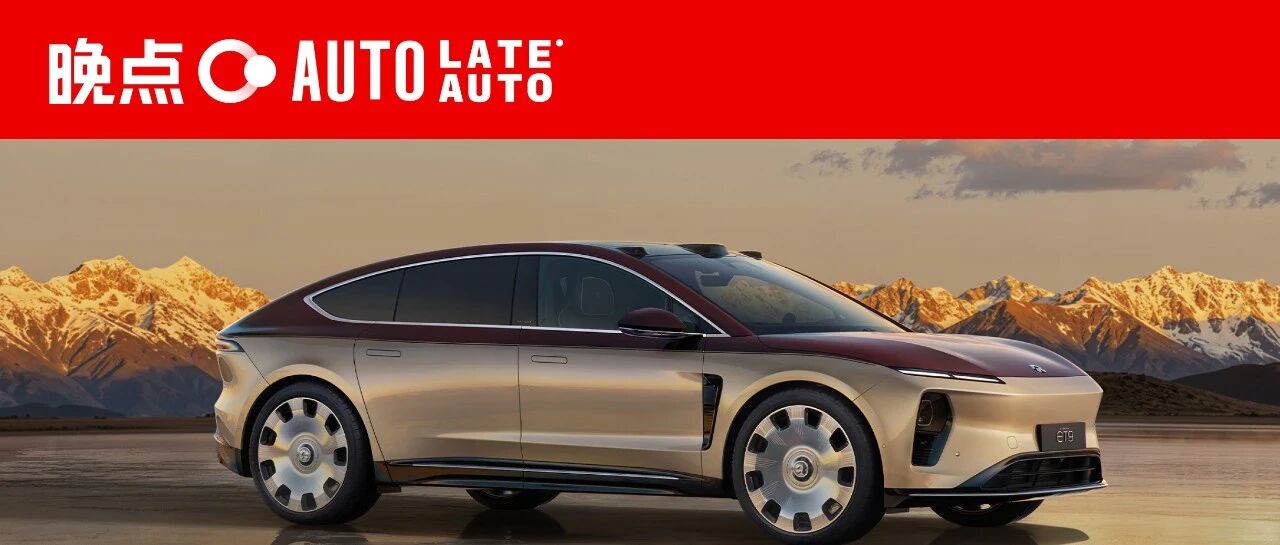
蔚来线控转向攻坚始末:从 “样板车” 到国家标准
晚点Auto· 2025-12-22 04:03
Core Viewpoint - NIO is pioneering the mass production of steer-by-wire technology, aiming to redefine driving experiences and enhance vehicle interior space by decoupling the steering wheel from the wheels [2][5][15]. Group 1: Steer-by-Wire Technology - Steer-by-wire technology replaces the mechanical connection between the steering wheel and the wheels with electronic signals, allowing for more precise and faster steering responses [5]. - The decoupling of the steering wheel and wheels enables a larger and more comfortable front cabin space, with the steering wheel capable of moving back significantly, enhancing user experience [5][12]. - NIO's decision to fully commit to steer-by-wire technology was made during a product decision meeting for the ET9, where the team evaluated various aspects including user experience, technology maturity, and regulatory pathways [8][13]. Group 2: Development Challenges - Initial experiences with steer-by-wire technology revealed challenges such as steering feel, system stability, and safety, prompting NIO to prioritize this project and collaborate closely with ZF [16][19]. - NIO's approach to safety involved implementing a multi-redundancy system, ensuring that even if one part of the steering system fails, the vehicle can still be controlled safely [17]. - The development of a long-stroke electric adjustable steering column faced significant challenges, including noise reduction and maintaining performance standards, leading to extensive testing and optimization [21][23]. Group 3: Regulatory and Market Position - NIO's steer-by-wire system had to navigate a regulatory landscape lacking clear standards, requiring the company to advocate for the need for a "model vehicle" to establish benchmarks for future technologies [25][27]. - The ET9 became the first mass-produced steer-by-wire vehicle approved for sale in China, receiving dual certification from both Chinese and European markets, marking a significant milestone for the industry [28][30]. - NIO played a key role in drafting national standards for steer-by-wire technology, contributing to the establishment of technical boundaries and testing requirements for future implementations [28][30].

申万宏源晨会报告-20251222
Shenwan Hongyuan Securities· 2025-12-22 02:46
Group 1: Market Overview - The Shanghai Composite Index closed at 3890, with a slight increase of 0.36% [1] - The Shenzhen Composite Index also saw a rise of 0.98%, indicating a positive market sentiment [1] - Large-cap indices showed a modest increase of 0.3% yesterday, while mid-cap and small-cap indices performed better with increases of 0.91% and 0.8% respectively over the same period [1] Group 2: Industry Performance - The home decoration industry led the gains with a 3.33% increase yesterday, reflecting strong demand [1] - The energy sector also performed well, with a 3.26% increase, although it has seen a decline of 3.9% over the past month [1] - Conversely, the electronic components sector faced significant declines, with a drop of 3.46% yesterday and a 69.42% decrease over the past six months [1] Group 3: Future Industry Trends - The report highlights key future industries including quantum technology, bio-manufacturing, hydrogen energy, and brain-computer interfaces, emphasizing recent breakthroughs and commercialization efforts [10][8] - In quantum technology, a significant academic breakthrough was reported with the development of an 11-qubit silicon-based processor, marking progress in semiconductor quantum computing [10][8] - The bio-manufacturing sector is seeing advancements with AI applications in pharmaceuticals, as a unicorn company plans to raise 2.277 billion HKD for drug development [10][8] Group 4: Strategic Recommendations - The report suggests focusing on the hydrogen energy sector, particularly with the launch of the world's largest green hydrogen project, which is expected to drive growth in this area [10][8] - The brain-computer interface technology is advancing with successful clinical trials, indicating a promising future for this field [10][8] - The automotive industry is witnessing the approval of L3 autonomous driving models, which is expected to enhance the market for intelligent vehicles [21][22]
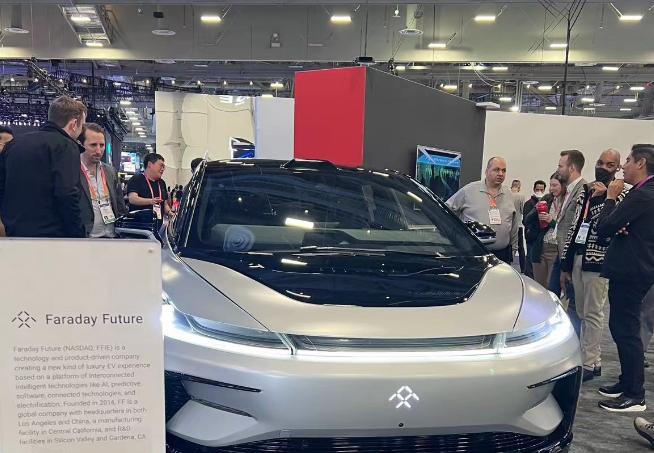
回看贾跃亭造车的十年残梦
3 6 Ke· 2025-12-22 01:33
Core Viewpoint - The article discusses the rise and fall of Faraday Future (FF) and its founder Jia Yueting, highlighting the missed opportunities in the electric vehicle (EV) market and the challenges faced by the company over the past decade [3][5][20]. Group 1: Company Overview - FF was initially launched with high expectations at CES 2016, showcasing the FF Zero 1 concept car, which generated significant media attention [1][3]. - Despite the initial excitement, FF has struggled to deliver on its promises, with production delays and a lack of market presence leading to a perception of failure [3][5]. Group 2: Technological Challenges - FF's technological ambitions were ambitious but ultimately unfocused, leading to a failure to integrate and deliver viable products to the market [6][8]. - The company attempted to assemble a strong technical foundation but ended up with a disjointed array of technologies that did not translate into successful vehicle production [8][11]. Group 3: Strategic Missteps - FF's strategy of integrating its automotive business into a broader ecosystem, similar to its other ventures, did not materialize as expected, leading to financial strain and operational challenges [9][11]. - The company diverted funds from its automotive ambitions to support its broader ecosystem, which ultimately hindered its ability to establish a sustainable automotive business [11][12]. Group 4: Market Positioning - FF's shift in market positioning from affordable vehicles to high-end luxury cars, driven by financial constraints, resulted in missed opportunities in the growing EV market [13][15]. - The FF 91 2.0 Futurist Alliance was launched at a price of $309,000, significantly higher than the mainstream EV market, which is concentrated in the $30,000 to $60,000 range [15]. Group 5: Industry Context - The article contrasts FF's struggles with the success of other Chinese EV manufacturers, which have capitalized on the domestic market's growth and technological advancements [20]. - FF's reliance on the U.S. market and supply chain has proven detrimental, especially as the Chinese EV market matured and offered significant growth opportunities [16][18].

申万宏源证券晨会报告-20251222
Shenwan Hongyuan Securities· 2025-12-22 00:41
Group 1: Market Overview - The Shanghai Composite Index closed at 3890 points, with a daily increase of 0.36% and a monthly change of 0.03% [1] - The Shenzhen Composite Index closed at 2465 points, with a daily increase of 0.98% and a monthly change of -0.34% [1] - Large-cap indices showed a slight increase of 0.3% yesterday, while mid-cap and small-cap indices increased by 0.91% and 0.8% respectively [1] Group 2: Industry Performance - The decoration and renovation industry saw a daily increase of 3.33%, but a decline of 7.79% over the past month, while it increased by 30.51% over the past six months [1] - The energy metals sector increased by 3.26% yesterday, with an impressive 85.77% increase over the past six months [1] - The general retail sector increased by 3.22% yesterday, with an 8.93% increase over the past month and an 18.79% increase over the past six months [1] Group 3: Notable Declines - The components sector experienced a decline of 0.74% yesterday, with a 3.46% increase over the past month and a significant 69.42% increase over the past six months [1] - The other electronics sector declined by 0.68% yesterday, with a 42.32% increase over the past six months [1] - State-owned large banks saw a decline of 0.67% yesterday, with a 7.66% increase over the past six months [1]


车企在激烈厮杀中告别2025,未来竞争更残酷
3 6 Ke· 2025-12-22 00:13
Core Insights - The competitive landscape of the Chinese automotive market is rapidly changing, with new players emerging and established leaders facing challenges [1][2] - The shift from a price war to a "value war" is evident, as companies seek to differentiate themselves amid increasing competition [1][5] - The upcoming reduction in purchase tax for new energy vehicles (NEVs) is expected to intensify competition between fuel and electric vehicles [8][9] Group 1: Market Dynamics - The title of "top car manufacturer" in China is becoming less stable, with BYD narrowly maintaining its lead over SAIC Group in revenue [1] - BYD's sales have been declining in 2025, with monthly sales from July to November showing significant year-on-year decreases [2] - Leap Motor has emerged as the new leader among new car manufacturers, surpassing Li Auto in delivery volumes [3] Group 2: Competitive Strategies - The automotive industry is transitioning from a focus on price competition to a focus on product value and differentiation [5][7] - Companies are increasingly recognizing the need for ecosystem collaboration to meet market demands and enhance competitiveness [7] - The "反内卷" (anti-involution) movement emphasizes the importance of healthy competition and sustainable business practices [6][7] Group 3: Future Outlook - The reduction of NEV purchase tax starting January 1, 2026, is anticipated to shift the market dynamics, potentially leading to a resurgence of fuel vehicle sales [8][10] - Industry leaders predict a "survival of the fittest" phase in the automotive sector, with a clearer competitive landscape emerging over the next five to ten years [10][11] - The competition is expected to become more intense, with a potential widening gap between leading and lagging companies as the market evolves [10]



“变”“拓”“融”绘就汽车产业发展新图景
Zheng Quan Ri Bao Zhi Sheng· 2025-12-21 16:08
Core Insights - The article highlights the significant transformation of the Chinese automotive industry, emphasizing its shift from product export to establishing a global ecosystem, with a market share reaching 38% [1] - Key trends include the rise of smart driving technology, increased penetration of new energy vehicles, and a robust export growth, indicating a strong synergy between policy and market forces [1] Transformation - By 2025, the year is expected to mark a historic leap for smart driving technology, with new car sales featuring advanced driving assistance systems projected to exceed 5 million units, achieving a penetration rate of over 20% [2] - The cost of smart driving hardware has decreased by approximately 50% over two years, with companies like BYD successfully integrating advanced systems into lower-priced models [2] - Software advancements, particularly in large model technology, are expected to further reduce costs and enhance the availability of smart driving features in mid-range vehicles [2][3] Expansion - In 2025, China's automotive exports are anticipated to reach a record high, with 4.95 million vehicles exported in the first three quarters, reflecting a year-on-year growth of 14.8% [4] - The export model is evolving from merely selling vehicles to a collaborative output of technology, standards, and supply chains, enhancing the global competitiveness of Chinese automotive brands [5] Integration - The automotive industry is experiencing a wave of IPOs, with several companies successfully listing on the Hong Kong Stock Exchange, indicating a trend towards capitalizing on market opportunities [6] - Internal consolidation efforts are underway, with companies restructuring to create a more robust and efficient industry framework, moving away from fragmented operations [6] - The concept of "boundaryless cars" is emerging, with companies like Li Auto and XPeng exploring cross-industry innovations, such as AI integration and flying cars, redefining the automotive value chain [7] Future Outlook - The Chinese automotive industry is poised to transition from a follower to a leader in the global market, leveraging technological advancements and a strong export strategy to enhance its global presence [8]

年终报道∣车企在激烈厮杀中告别2025,未来竞争更残酷
Zhong Guo Ji Jin Bao· 2025-12-21 10:00
【导读】车企在激烈厮杀中告别2025,未来竞争更残酷 中国基金报记者 邱德坤 "我觉得每一家车企都是战战兢兢的。"近日,小鹏汽车董事长兼CEO何小鹏向中国基金报等媒体表示, 中国汽车市场变化太快,一年前很难想到现在的情况,如今也很难想象一年后的局面。 对比2024年,2025年车企竞争格局再次骤变:造车新势力"一哥"从理想汽车变为零跑汽车,而国内车 企"一哥"比亚迪正遭遇上汽集团、吉利汽车等车企快速追赶。 车企竞争格局变化的背后,是国内汽车市场的竞争逻辑出现显著变化。2025年以"限时一口价"为代表的 价格战,从上半年愈演愈烈到下半年戛然而止。随后车企集体表态"反内卷",要求开启"价值战"。 国内新能源汽车购置税补贴退坡将成为车企竞争更为残酷的新因素。岚图汽车董事长、党委书记卢放表 示:"一旦走到这个时刻,燃油车和新能源汽车在某种程度上会迎来终极对决。" 车企"一哥"轮流坐庄? 每个领域的"一哥"都会受到各方关注,但国内车企"一哥"的宝座在2025年难言稳固。 2025年上半年,比亚迪险守国内车企"一哥"宝座,汽车业务营业收入仅比上汽集团多81.70亿元。此 前,上汽集团常年稳坐国内车企"一哥"宝座,但202 ...

年终报道∣车企在激烈厮杀中告别2025,未来竞争更残酷
中国基金报· 2025-12-21 09:52
【导读】 车企在激烈厮杀中告别2025,未来竞争更残酷 中国基金报记者 邱德坤 "我觉得每一家车企都是战战兢兢的。"近日,小鹏汽车董事长兼CEO何小鹏向中国基金报等媒体表示,中国汽车市场变化太快,一年前很 难想到现在的情况,如今也很难想象一年后的局面。 对比2024年,2025年车企竞争格局再次骤变:造车新势力"一哥"从理想汽车变为零跑汽车,而国内车企"一哥"比亚迪正遭遇上汽集团、 吉利汽车等车企快速追赶。 车企竞争格局变化的背后,是国内汽车市场的竞争逻辑出现显著变化。2025年以"限时一口价"为代表的价格战,从上半年愈演愈烈到下半 年戛然而止。随后车企集体表态"反内卷",要求开启"价值战"。 国内新能源汽车购置税补贴退坡将成为车企竞争更为残酷的新因素。岚图汽车董事长、党委书记卢放表示:"一旦走到这个时刻,燃油车和 新能源汽车在某种程度上会迎来终极对决。" 车企"一哥"轮流坐庄? 每个领域的"一哥"都会受到各方关注,但国内车企"一哥"的宝座在2025年难言稳固。 2025年上半年,比亚迪险守国内车企"一哥"宝座,汽车业务营业收入仅比上汽集团多81.70亿元。此前,上汽集团常年稳坐国内车企"一 哥"宝座,但20 ...
总书记的关切·落地的回响|全链条深度融合 合肥创新“聚能”
Xin Lang Cai Jing· 2025-12-21 07:19
Group 1: Innovation and Technology Development - The "artificial sun" in Hefei, the EAST nuclear fusion experimental device, achieved a high-confinement plasma operation at 1 million degrees Celsius for 1066 seconds, contributing to the formation of a billion-level fusion energy industry cluster [1] - Hefei has established 13 major scientific devices, with a focus on quantum information, fusion energy, and deep space exploration, enhancing the city's innovation capabilities [1] - The number of national high-tech enterprises in Hefei remains above 10,000, with R&D investment intensity exceeding 4% [1] Group 2: Technology Transfer and Commercialization - Hefei Zhongke Zhiqi Information Technology Co., Ltd. developed a non-contact ECG monitoring technology that allows users to complete heart monitoring without electrodes, benefiting from a new model for promoting scientific achievements [2] - The new model grants approximately 80% ownership of scientific achievements to researchers, leading to the transfer of 76 technology achievements and the establishment of 69 new or increased capital enterprises [2] - Hefei has added over 30,000 high-level talents in the past three years, with a significant portion of university programs closely linked to emerging industries [2] Group 3: Financial Support for Innovation - Hefei Guojing Instrument Technology Co., Ltd. received 5 million yuan in direct investment from Keda Silicon Valley, enabling the company to transition from laboratory technology to application products within a year, with expected orders exceeding 10 million yuan [3] - The city has established a 4 billion yuan angel and seed fund group, investing in over 360 projects with a capital amplification factor exceeding 7 times [3] - Hefei's investment group aims to leverage state-owned capital to attract social capital, fostering the development of leading enterprises and the entire industry chain [3] Group 4: Technology Service and Support - The Anhui Innovation Center has trained nearly 4,000 certified technology managers who play a crucial role in integrating the innovation chain with the industry chain [4] - The city has established a specialized technology service network, serving nearly 200 industrial parks across the province, and initiated the National Technology Market Alliance [4] - Hefei is committed to optimizing the innovation ecosystem by focusing on early, small, and long-term investments in hard technology [4]