宝马

Search documents
欧股汽车股上涨,宝马、保时捷股份、梅赛德斯-奔驰股价上涨2.4%至3.7%
Mei Ri Jing Ji Xin Wen· 2026-01-22 08:25
Group 1 - European automotive stocks experienced an increase, with BMW, Porsche, and Mercedes-Benz shares rising between 2.4% and 3.7% [1]
欧股汽车股上涨,宝马、保时捷股份、梅赛德斯-奔驰股价上涨2.4%至3.7%。
Jin Rong Jie· 2026-01-22 08:18
Group 1 - European automotive stocks have risen, with BMW, Porsche, and Mercedes-Benz shares increasing by 2.4% to 3.7% [1]
2025全球汽车照明用 LED 驱动器行业Top5 生产商排名及市场占比
QYResearch· 2026-01-22 05:57
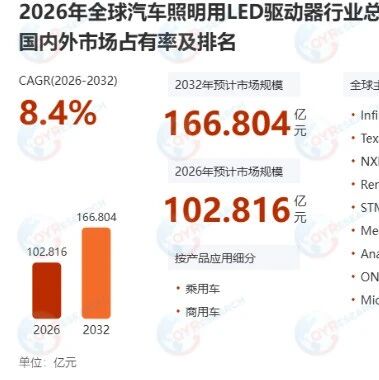
汽车照明用 LED 驱动器是一类用于精确控制车内外照明系统电流与电压的车规级功率管理器件,其核心作用 是在宽温度范围和复杂汽车电气环境下,保持照明亮度的一致性、高能效表现以及长期运行可靠性。通过对 LED 工作状态的稳定调节, LED 驱动器为汽车照明系统提供基础电气支撑,广泛应用于前照灯、尾灯、日行 灯以及智能氛围照明等场景,是实现汽车照明系统智能化与高安全性的关键基础器件之一。 据 QYResearch 调研团队最新报告"全球汽车照明用 LED 驱动器市场报告 2026-2032 "显示,预计 2032 年全球 汽车照明用 LED 驱动器市场规模将达到 24.5 亿美元,未来几年年复合增长率 CAGR 为 8.4% 。 全球 汽车照明用 LED 驱动器 市场前 10 强生产商排名及市场占有率(基于 2025 年调研数据;目前最新数据 以本公司最新调研数据为准) 根据 QYResearch 头部企业研究中心调研,全球范围内汽车照明用 LED 驱动器生产商主要包括 Infineon Technologies , Texas Instruments , NXP 等。 2025 年,全球前三大厂商占有大约 36. ...

甲醇技术路线重构商用车绿色发展版图,加速进入主流市场
Xin Hua Cai Jing· 2026-01-22 01:45
Core Viewpoint - The methanol-based alcohol-hydrogen electric technology is accelerating its entry into the mainstream commercial vehicle market, providing a competitive alternative to pure electric and hydrogen fuel cell technologies, and is expected to create a new trillion-level renewable energy sector [1][4]. Group 1: Market Overview - China is the largest commercial vehicle market globally, with rapid development expected in electric, hydrogen fuel cell, and methanol technologies, driven by supportive policies and both domestic and export demand [2]. - By 2025, domestic sales of commercial vehicles are projected to reach 3.237 million units, with 871,000 units being new energy commercial vehicles, resulting in a penetration rate of 26.9% [2]. - The current penetration rate of new energy in commercial vehicles is low compared to passenger vehicles, which have surpassed 50% [2]. Group 2: Challenges and Opportunities - The slow development of new energy in commercial vehicles is attributed to the limitations of existing technologies, which do not meet the specific needs of commercial vehicle usage [3]. - The commercial vehicle sector is a significant energy consumer, accounting for over half of vehicle fuel consumption and 56% of CO2 emissions from all vehicles [2]. Group 3: Technological Advantages - The alcohol-hydrogen electric vehicle technology, which utilizes methanol as a liquid hydrogen substitute, has shown practical and economic advantages, making it suitable for various operational conditions [4][5]. - Compared to pure electric vehicles, alcohol-hydrogen electric vehicles offer stronger endurance, less impact from weather conditions, and lower infrastructure costs [5]. - The latest generation of methanol-powered systems has achieved a thermal efficiency of 50.3%, with comprehensive energy costs reduced by 32%-52% compared to diesel vehicles [5]. Group 4: Infrastructure and Policy Support - The existing oil and gas pipeline network can be utilized for low-cost transportation of liquid methanol, and converting existing gas stations to methanol refueling stations is significantly cheaper than building new hydrogen stations [6]. - The Chinese government has introduced over 70 policy documents to support the promotion of methanol vehicles, indicating strong institutional backing for the industry [8][9]. Group 5: Global Trends and Future Outlook - European car manufacturers are increasingly developing methanol as a vehicle fuel, with models expected to enter the market post-2035 [7]. - The global methanol industry is expanding, with 414 ships confirmed to adopt methanol fuel by the end of 2025, indicating a growing acceptance of methanol in various transportation sectors [7]. - The integration of green hydrogen, ammonia, and methanol is becoming a key pathway for clean energy consumption and industrial innovation [10].

德启动电动车补贴,对中企开放
Huan Qiu Wang· 2026-01-22 01:41
Group 1 - The German government announced a new subsidy policy for electric vehicles (EVs) amounting to €3 billion, aimed at improving the climate and boosting the struggling automotive industry. The subsidies will be available to all manufacturers, including Chinese brands [1][2] - The subsidy amounts will range from €1,500 to €6,000 depending on the type of vehicle, income level, and family size, covering pure electric vehicles, range-extended electric vehicles, and plug-in hybrid vehicles [1] - The funding is expected to benefit approximately 800,000 electric vehicles over the next 3 to 4 years, with the aim of reducing dependence on gasoline and diesel, thereby protecting the climate [1] Group 2 - The inclusive nature of the subsidy plan distinguishes Germany from other European countries like France and the UK, which have excluded many Chinese vehicles from their subsidy programs [2] - Approximately 80% of newly registered electric vehicles in Germany are manufactured in Europe, indicating a strong confidence in the quality of European and German vehicles [2] - Chinese manufacturers, such as BYD, are expected to benefit significantly from this decision, as they are expanding their market share in Europe with more affordable electric vehicle options [2] Group 3 - A recent consensus between China and Europe regarding electric vehicle tariffs indicates a welcoming stance towards Chinese manufacturers, with new EU guidelines signaling openness [3] - Despite existing tariffs, sales of Chinese vehicles in Europe have been increasing, with no signs of dumping observed in the market [3] - The German automotive industry views the new EU minimum price guidelines positively, believing they will help maintain market stability amidst previous pricing chaos and consumer confidence issues [3]
开年价格战重现:汽车公司从最难的第一季度开始更难的一年
Xin Lang Ke Ji· 2026-01-22 00:03
Core Viewpoint - The automotive industry in China is facing a significant shift in 2026, with predictions of a price war initiated earlier than expected, influenced by changes in subsidy policies and market dynamics [2][3]. Group 1: Market Predictions - The China Passenger Car Association (CPCA) forecasts that domestic car sales in Q1 2026 may remain flat year-on-year but could drop by 25% compared to Q4 2025, with overall annual sales expected to show zero or minimal growth [2]. - Morgan Stanley predicts a substantial decline in Q1 2026 sales by 30%-35% due to reduced purchase tax subsidies, with an annual decrease of 5% anticipated, potentially reaching 7% without considering export sales [2]. - UBS shares a similar outlook, projecting a 2% decline in annual car sales, with export growth slowing from 28% in 2025 to 15% [3]. Group 2: Policy Changes - The National Development and Reform Commission and the Ministry of Finance have yet to announce the continuation of "two new" subsidies for 2026, with significant changes expected in the subsidy structure for new energy vehicles (NEVs) [3]. - The new policy will halve the purchase tax for NEVs, increasing costs for consumers, while the subsidy for new cars will be more detailed and based on vehicle price, with a maximum of 20,000 yuan [3]. Group 3: Industry Sentiment - Industry executives express cautious optimism regarding their companies' growth, with many expecting double-digit growth driven by overseas market expansion, despite a general conservative outlook on overall market growth [7]. - The total sales target for nine major automakers in 2026 is set at 18.339 million units, surpassing the actual sales of 3.86 million units in 2025 [7]. - New energy vehicle manufacturers have aggressive growth targets, with some aiming for increases of 70%-121%, while traditional automakers maintain more conservative targets [9]. Group 4: Price War Dynamics - A price war has already begun, with companies like BMW and Tesla implementing significant price cuts and financing options to stimulate demand ahead of the anticipated subsidy changes [10][13]. - Over 20 automakers have introduced purchase tax guarantees to attract customers, but initial sales data for January 2026 indicate a decline in demand compared to previous months [10][11]. - The adjustment of subsidy policies has raised the entry barriers for consumers, particularly affecting lower-priced vehicles, which may suppress demand in that segment [11]. Group 5: Competitive Landscape - The competition in the high-end market is expected to intensify, with new energy vehicles priced above 300,000 yuan becoming more competitive due to favorable subsidy policies [13]. - Companies like NIO, Xiaomi, and Xpeng are preparing to launch multiple new models in 2026, indicating a strategic focus on high-end segments [13].
星途开路,自主品牌猛抢豪华市场
汽车商业评论· 2026-01-21 23:09
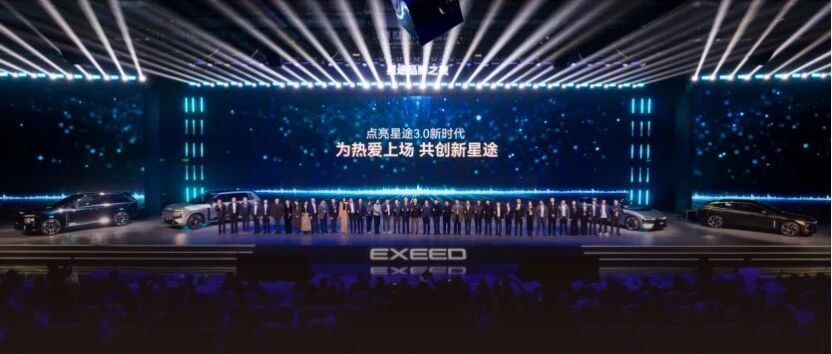
Core Viewpoint - The era of foreign brands monopolizing the luxury car market has ended, with traditional luxury brands facing challenges in 2025 as domestic brands gain ground through advancements in new energy technology and smart features [3][5]. Market Dynamics - The luxury car market is experiencing a significant shift, with reports of steep discounts on traditional luxury brands, such as Maserati and Aston Martin, indicating a competitive landscape [3][5]. - Domestic brands, particularly those focusing on high-end markets, are breaking the long-standing dominance of traditional luxury brands, with companies like Xingtu leading the charge [5][7]. Xingtu's Strategy - Xingtu's chairman outlined a clear strategy for high-end brand development, emphasizing product excellence, cultural depth, and user engagement as core components [7][21]. - The company aims to establish a strong product matrix with multiple new models set to launch in 2025, focusing on both hybrid and electric vehicles [9][10]. Product Innovations - Xingtu is set to release several key models in 2025, including the ES series and EX series, which will feature advanced technology and luxury elements [10][12]. - The ES series will focus on performance and safety, while the EX series will emphasize luxury and user experience, showcasing innovations like high-quality sound systems and advanced driving assistance features [12][14]. Technological Advancements - Xingtu is committed to leveraging cutting-edge technology to create a competitive edge, with plans to introduce a comprehensive intelligent driving solution by 2026 [17][20]. - The company is also focusing on enhancing vehicle safety and user interaction through advanced materials and smart systems, aiming to redefine luxury in the automotive sector [16][20]. Brand Positioning - The competition in the mid-to-high-end automotive market is shifting from price-based strategies to brand value and consumer perception, with Xingtu positioning itself as a leader in the new luxury segment [22][24]. - Xingtu's mission is to create a unique luxury brand identity that resonates with modern consumers, moving away from traditional luxury narratives [24][28]. Sales Performance - In 2025, Xingtu achieved a sales milestone of 120,369 vehicles, marking a significant step in its journey to establish itself as a prominent player in the luxury automotive market [28].
韩面板大厂宣布成功打入极氪9X :供应3款车载OLED屏
Xin Lang Cai Jing· 2026-01-21 12:42
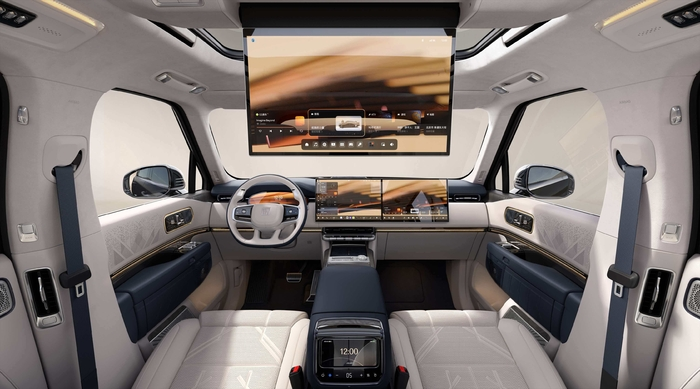
Core Insights - Samsung Display will supply OLED panels for ZEEKR's flagship SUV model, the ZEEKR 9X, marking an expansion into the Chinese market after focusing on the European high-end automotive sector [1][5]. Group 1: Product Details - The ZEEKR 9X features a 16-inch Central Information Display (CID) and a Passenger Information Display (PID), designed to function as a single large screen while also allowing independent use [3][7]. - The 17-inch Rear Seat Entertainment (RSE) screen, developed in collaboration with ZEEKR, can move up to 88 centimeters between the second and third rows, enhancing viewing angles for rear passengers [3][7]. Group 2: Market Expansion - Samsung Display has recently extended its market focus to China, adding partnerships with ZEEKR and other companies, and will supply OLED for the ZEEKR MPV 009 model in 2024 [4][8]. - In the automotive display market, OLED's share was only 6.1% last year but is projected to rise to 20.7% by 2030, with global sales reaching $860.17 million, of which Samsung Display accounted for $577.15 million, representing a 67.1% market share [4][8]. Group 3: Future Outlook - The head of Samsung Display's automotive business stated the company will continue to introduce high-performance products with differentiated value and strengthen partnerships with global automotive clients to lead the growth of the automotive OLED market [4][8].
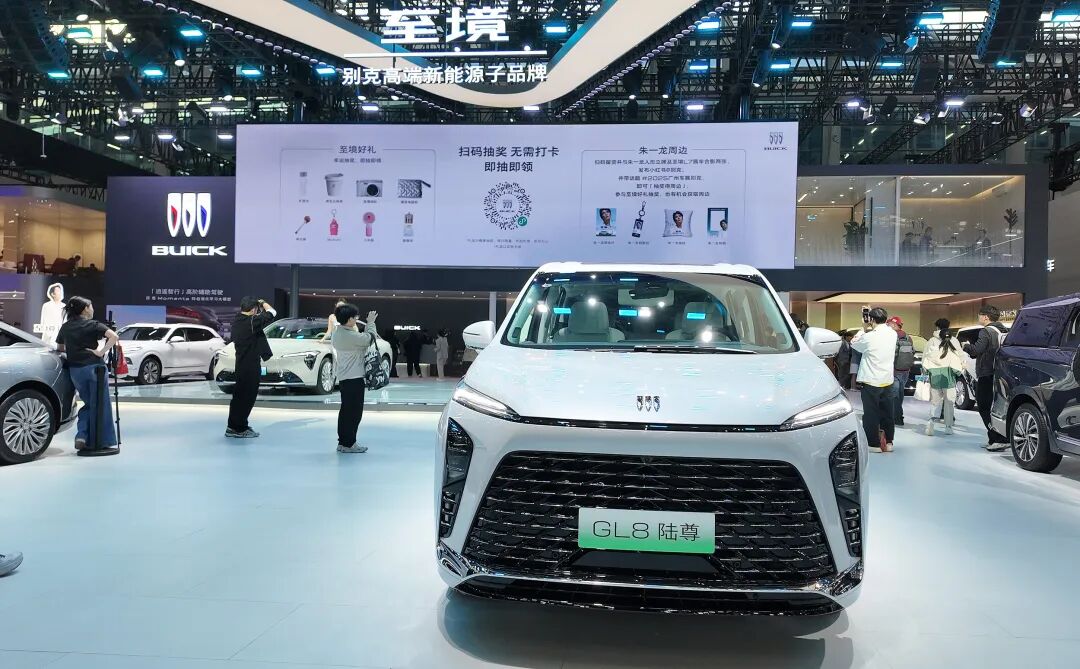
中年别克,不用再靠GL8苦撑了
3 6 Ke· 2026-01-21 11:14
Core Insights - Buick has successfully navigated the challenges of transitioning to new energy vehicles, achieving unexpected growth through its "Joint Venture 2.0" strategy [1][2]. Sales Performance - Buick's sales in China have significantly declined from over 1 million units a decade ago to 360,000 units in 2024, with SAIC-GM reporting a net loss of 26.6 billion yuan that year [2]. - In 2025, Buick's high-end models priced above 300,000 yuan saw a remarkable sales increase of 92.6%, totaling 57,000 units, making it one of the few joint venture brands to achieve significant growth in a challenging high-end market [2]. - The GL8 family of vehicles, particularly in the MPV segment, has shown a year-on-year growth of approximately 23.7%, with total sales exceeding 121,949 units, accounting for nearly 30% of Buick's overall sales [6][8]. Product Strategy - Buick's high-end models include the GL8 fuel version, GL8 plug-in hybrid, Century, and the new high-end brand "至境" (Zhijing) [4]. - The GL8 has historically dominated the business MPV market but faced competition from domestic brands, leading to a decline in sales from 110,000 units in 2023 to 87,700 units in 2024 [6]. - The introduction of the "one-price" sales model has helped stabilize market presence and rebuild dealer confidence, with significant sales increases observed for models like the Envision Plus [9][12]. Technological Advancements - Buick has shifted its R&D focus to local teams, resulting in the development of the "逍遥" (Xiaoyao) architecture and "真龙" (Zhenlong) powertrain, which enhance efficiency and reduce development costs [15][16]. - The new architecture allows for compatibility across various vehicle types and energy sources, marking a significant advancement in Buick's product development capabilities [15]. - The launch of the 至境L7, Buick's first model developed by a Chinese team, has garnered over 12,000 pre-orders within ten days, indicating strong market interest [19]. Future Outlook - Buick plans to launch six new energy vehicles within a year based on the Xiaoyao architecture, including the upcoming 至境E7 SUV and a pure electric version of the 至境世家 [19]. - The transition to a more localized and aggressive strategy positions Buick as a leader in the evolving automotive landscape, showcasing a shift from traditional joint ventures to a more autonomous and innovative approach [19].