福田汽车

Search documents
万通智控2025年上半年营收利润双增 核心业务突破与战略布局重塑增长格局
Zheng Quan Shi Bao Wang· 2025-08-26 13:20
Core Insights - The company reported strong revenue and profit growth in the first half of 2025, driven by its sensor and digital information control equipment business [1][2] - Revenue reached 594 million yuan, an increase of 8.15% year-on-year, while net profit attributable to shareholders was 94.775 million yuan, up 56.60% [1] - The sensor and digital information control equipment segment saw a significant revenue increase of 65.61%, reaching 196 million yuan [1] Business Performance - The metal hose business, a traditional stronghold for the company, generated 305 million yuan in revenue, benefiting from solid competitive barriers [2] - The company’s full subsidiary WMHG is the only global provider of strip-wound welded hose airtight solutions, serving major clients like Volvo and Daimler [2] - The demand for high-specification airtight metal hoses is expected to rise with the implementation of stricter emission standards in China and Europe [2] Research and Development - The company increased its R&D expenditure to 23.8279 million yuan, a growth of 7.63%, focusing on new product development such as low-power NLP sensors and Bluetooth air monitoring sensors [2] - A collaboration with Zhejiang University aims to establish a joint R&D center for embodied intelligent perception technology, with feasibility studies expected to be completed in 2-3 months [2] - An exclusive sales and cooperation contract was signed with Shanghai Shenming Aosi Semiconductor Technology Co., Ltd. for the development and sale of boards based on the Fellow 1 model chip [2] Future Outlook - The company plans to focus on its two core businesses: sensors and digital information control equipment, and metal hoses, while expanding its domestic and international market presence [3] - There is an emphasis on advancing embodied intelligent perception technology and new production capacity to achieve breakthroughs in automotive electronics and robotics [3]
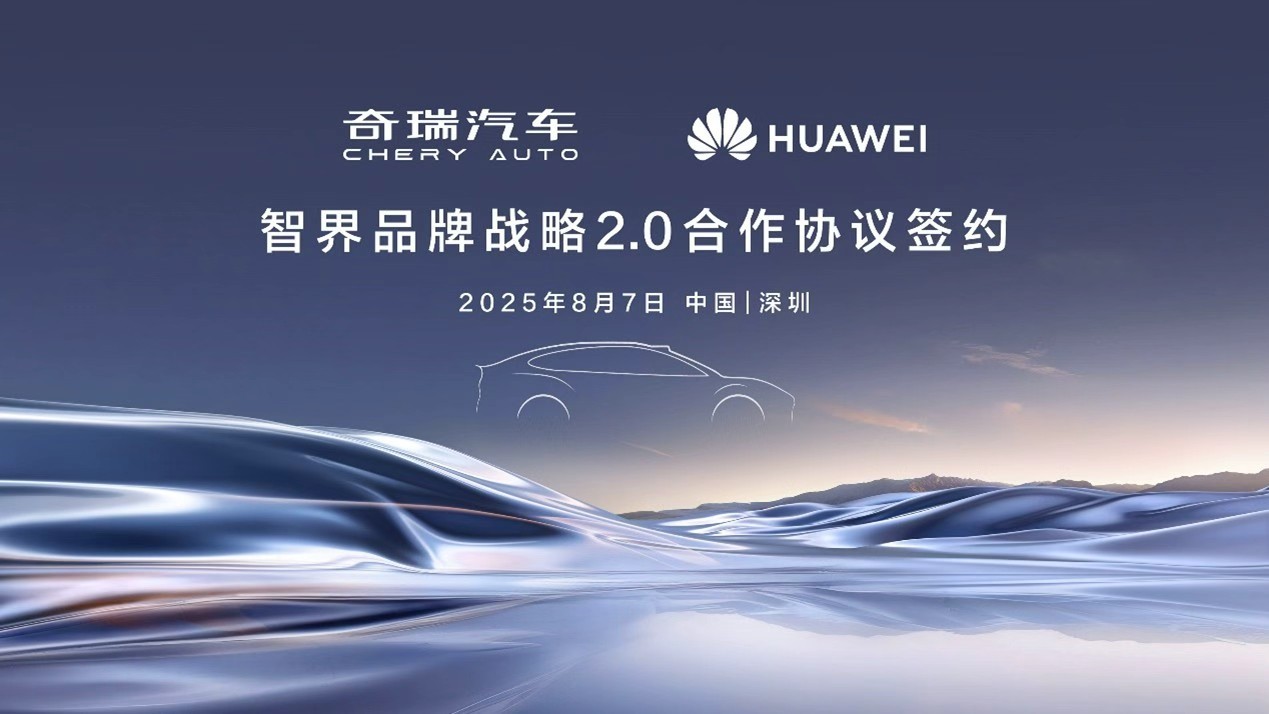
25万级新能源市场最大变量来了
3 6 Ke· 2025-08-26 13:04
Core Insights - The 250,000 RMB market segment is highly competitive, with consumers seeking not only basic functionality but also brand strength, comfort, and new technology [1] - Traditional luxury brands focus on brand and design, while budget brands emphasize functionality, leading to a divide in consumer satisfaction [2][3] - The introduction of new energy vehicles is changing the established market rules [3] Group 1: Product Launch and Market Response - The new models, R7 and S7, were launched with starting prices of 249,800 RMB and 229,800 RMB respectively, showcasing significant brand commitment in the 200,000-300,000 RMB price range [5] - Within 24 hours of launch, orders exceeded 10,000 units, indicating a strong consumer response and a shift in market value rules [6] Group 2: Strategic Adjustments and Investments - A strategic partnership between Huawei and Chery was established, leading to the independence of the Zhijie brand and allowing Huawei to take charge of strategic decisions [7] - Zhijie has increased its R&D team to over 5,000 people and plans to invest over 10 billion RMB in the next three years, alongside establishing new design centers [9] Group 3: Targeting Young Consumers - The new R7 and S7 models are designed to resonate with young consumers, focusing on comprehensive value rather than just brand prestige [14] - The vehicles feature unique design elements and advanced technology, such as the HUAWEI ADS 4 driver assistance system, which is standard across all models [19][20] Group 4: Competitive Advantage and Market Positioning - Zhijie aims to democratize advanced technology, offering features typically found in higher-end models at a more accessible price point [20] - The focus on user experience and emotional connection is a key differentiator for Zhijie, as it seeks to redefine value in the automotive market [24]

「不出海,就出局」,中国车卷到北极圈附近
3 6 Ke· 2025-08-26 11:36
Core Insights - The article emphasizes the urgency for Chinese automotive brands to expand internationally, as overseas markets are becoming crucial for survival and growth [2][3] - The export volume of Chinese automobiles is projected to reach 6.41 million units in 2024, with electric vehicles surpassing 2 million units for the first time [3] - Chinese automotive brands are adopting various strategies for international expansion, including building local infrastructure and factories [1][10] Group 1: Market Expansion and Performance - Chinese automotive exports are expected to reach 3.48 million units in the first half of 2025, marking an 18% year-on-year increase, with new energy vehicles accounting for 41% of this total [2] - Chery is projected to export over 1.14 million passenger vehicles in 2024, capturing one-fifth of China's total automotive exports [3] - In 2023, Chery's new car sales in Russia reached approximately 200,000 units, nearly quadrupling from 2022 [8] Group 2: Strategies of New Players - NIO and Xpeng are focusing on high-end markets in Northern Europe, establishing showrooms and charging infrastructure [4][6] - NIO has opened multiple locations in Norway and Sweden, while Xpeng has a more extensive presence in Denmark and Norway [4] - The establishment of charging stations is critical, with NIO having built 29 charging stations across Norway, Sweden, and Denmark by 2022 [6] Group 3: Traditional Players' Approaches - Chery and Changan are employing a "rural encircling urban" strategy, initially establishing a foothold in Latin America before moving into Europe [7] - Chery's KD factory model allows for significant cost reductions by assembling vehicles locally, which has been effective in markets like Brazil [8] - In 2024, Chery's market share in Brazil reached 3.1%, with sales exceeding 60,000 units [8] Group 4: Local Manufacturing and Supply Chain - BYD is investing heavily in local manufacturing, with plans for 60% localization of parts in Brazil by 2026 [11] - BYD's overseas sales surged to 417,000 units in 2024, a nearly tenfold increase since its international expansion began [11] - The company is also facing challenges in establishing factories in Mexico and Hungary, with plans shifting to Turkey due to complications [12][13]





安徽登顶汽车第一省!新能源浪潮下,传统强省广东为何被反超?
Hua Xia Shi Bao· 2025-08-26 10:51
Core Insights - The restructuring of China's automotive industry is driven by changes in statistical methods and the rise of new energy vehicles, with significant shifts in production rankings among provinces [2][4][5]. Group 1: Production Rankings - Anhui has surpassed Guangdong to become the top automotive production province with 1.4995 million units, a 29.1% increase from 2024 [3][4]. - Guangdong's production has dropped significantly from 2.2917 million units in 2024 to 1.3134 million units in 2025, marking a 42.7% decline [3][4]. - Chongqing leads among cities with 1.2185 million units produced, showing a slight increase of 0.4% year-on-year [3][4]. Group 2: Regional Growth - Central and western provinces are benefiting from the statistical reforms, with Hunan's production increasing by 265.4% to 747,600 units, and Henan's production rising by 93.6% to 679,400 units [4][5]. - The shift in production is attributed to the relocation of the new energy vehicle supply chain to these regions, supported by local government initiatives [5][6]. Group 3: Industry Transformation - The automotive industry is undergoing two major transformations: the shift towards new energy vehicles and the balancing of regional production capabilities [5][6]. - Anhui's automotive production has grown from 105,000 units in 2020 to 1.684 million units in 2024, reflecting a more than 15-fold increase due to early investments in the new energy sector [6][7]. - Traditional automotive strongholds like Shanghai and Beijing are facing challenges, with Shanghai's production remaining stable at 810,500 units and Beijing's production showing a recovery to 713,300 units [7][8]. Group 4: Future Outlook - The ongoing changes in the automotive landscape suggest a transition from scale expansion to quality enhancement, with regions that can balance traditional strengths and emerging trends likely to succeed [8]. - The competition among provinces is expected to continue evolving, with new players and innovations potentially reshaping the market dynamics further [8].
年轻人的购车焦虑,有解了
虎嗅APP· 2025-08-26 10:39
Core Viewpoint - The article highlights the conflicting emotions and dilemmas faced by young consumers in the car-buying process, reflecting their unique demands and expectations that are not fully met by the current market [4][10]. Group 1: Symptoms of Young Consumers' Dilemmas - Symptom 1: Young consumers exhibit a "technology hunger" while also fearing being exploited by overhyped tech features, leading to a condition likened to "post-traumatic stress disorder" from previous experiences with tech products [5][6][7]. - Symptom 2: Young buyers desire high performance and advanced technology within a limited budget, creating a struggle between personal preferences and financial constraints, often resulting in a lack of suitable options [8][9]. - Symptom 3: The abundance of information available through various channels leads to decision paralysis, as young consumers find it challenging to navigate conflicting opinions and recommendations [9][10]. Group 2: Market Response to Young Consumers - The automotive market is shifting from a "configuration competition" to an "experience competition," driven by the demands of young consumers who seek comprehensive and satisfying experiences rather than just technical specifications [10][30]. - The introduction of new models like the Zhijie R7 and S7 aims to address the core concerns of young buyers, focusing on technology, aesthetics, cost-effectiveness, and safety [15][21]. - The collaboration between Huawei and Chery in the Zhijie brand exemplifies a strategic approach to meet young consumers' expectations through a combination of advanced technology and quality manufacturing [28][29]. Group 3: Future Trends in the Automotive Industry - The automotive industry is evolving, with a focus on providing holistic experiences that encompass product quality, customer service, and emotional connections, reflecting the changing preferences of young consumers [30][32]. - The success of the Zhijie brand indicates a trend where automotive companies must adapt to the demands of younger generations, moving beyond traditional marketing strategies to build trust and credibility [27][30]. - The article suggests that the future of automotive competition will hinge on delivering products that resonate with the emotional and practical needs of young consumers, positioning them as key drivers of industry innovation [30][32].

中国汽车流通协会:7月全国商用车出口销量同比增长28.72% 出口额超200亿元
智通财经网· 2025-08-26 09:05
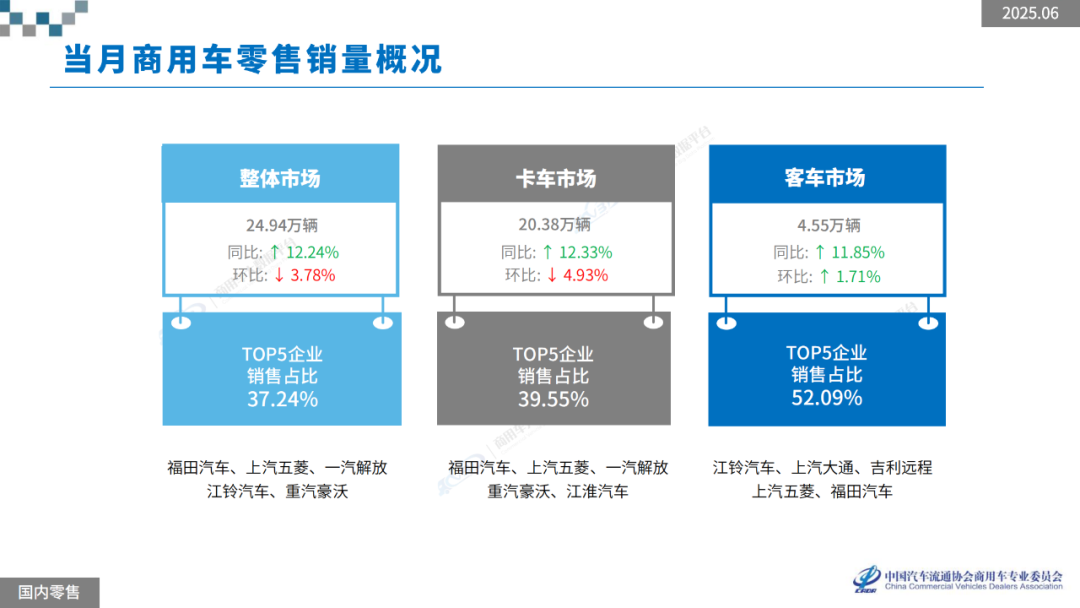
Core Insights - The commercial vehicle retail sales in China for July 2025 reached 249,400 units, representing a year-on-year increase of 12.24% but a month-on-month decrease of 3.78% [2][6] - Cumulative retail sales from January to July 2025 totaled 1.7672 million units, showing a year-on-year growth of 6.47% [7][11] - The export sales of commercial vehicles in July 2025 amounted to 94,300 units, with a year-on-year increase of 28.72% and a month-on-month increase of 2.08%, generating an export value of 20.625 billion yuan [12][14] - Cumulative export sales from January to July 2025 reached 620,100 units, reflecting a year-on-year growth of 25.87%, with a total export value of 130.618 billion yuan [15][18] Retail Sales in July 2025 - The retail sales of trucks in July were 203,800 units, up 12.33% year-on-year but down 4.93% month-on-month [6] - The retail sales of buses in July were 45,500 units, increasing by 11.85% year-on-year and up 1.71% month-on-month [6] - The top five companies accounted for 37.24% of the retail sales, with Foton Motor, SAIC-GM-Wuling, FAW Jiefang, JMC, and Sinotruk as the leading players [5][11] Cumulative Retail Sales from January to July 2025 - Truck retail sales from January to July totaled 1.4907 million units, with a year-on-year increase of 7.65% [11] - Bus retail sales during the same period reached 276,400 units, showing a modest year-on-year growth of 0.50% [11] - The top five companies in cumulative retail sales accounted for 37.84%, with the same leading companies as mentioned above [11] Export Sales in July 2025 - Truck export sales in July were 84,300 units, reflecting a year-on-year increase of 27.35% and a month-on-month increase of 2.57%, with an export value of 16.226 billion yuan [14] - Bus export sales in July were 10,000 units, up 41.46% year-on-year but down 1.80% month-on-month, generating an export value of 4.399 billion yuan [14] Cumulative Export Sales from January to July 2025 - Truck export sales from January to July totaled 558,700 units, with a year-on-year increase of 25.27% [18] - Bus export sales during the same period reached 61,400 units, reflecting a year-on-year growth of 31.58% [18] - The top five export sources were Shandong, Chongqing, Beijing, Anhui, and Henan, while the top five export markets included Mexico, Vietnam, Australia, Saudi Arabia, and Chile [18]



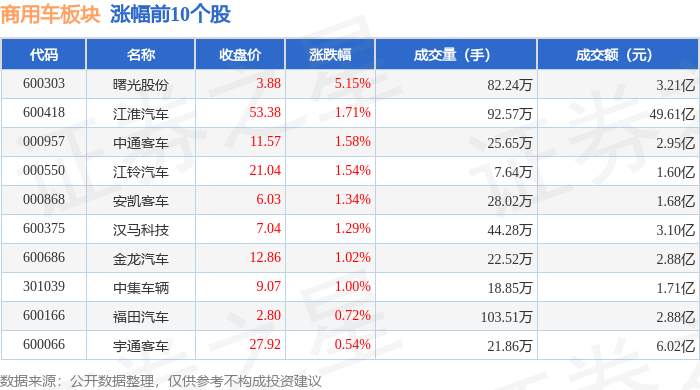
商用车板块8月26日涨0.77%,曙光股份领涨,主力资金净流入2.67亿元
Zheng Xing Xing Ye Ri Bao· 2025-08-26 08:30
Market Overview - The commercial vehicle sector increased by 0.77% on August 26, with Shuguang Co. leading the gains [1] - The Shanghai Composite Index closed at 3868.38, down 0.39%, while the Shenzhen Component Index closed at 12473.17, up 0.26% [1] Stock Performance - Shuguang Co. (600303) closed at 3.88, up 5.15% with a trading volume of 822,400 shares and a turnover of 321 million yuan [1] - Jianghuai Automobile (600418) closed at 53.38, up 1.71% with a trading volume of 925,700 shares and a turnover of 4.961 billion yuan [1] - Zhongtong Bus (000957) closed at 11.57, up 1.58% with a trading volume of 256,500 shares and a turnover of 29.5 million yuan [1] - Other notable performances include JMC (000550) up 1.54%, Ankai Bus (000868) up 1.34%, and Hanma Technology (600375) up 1.29% [1] Capital Flow - The commercial vehicle sector saw a net inflow of 267 million yuan from institutional investors, while retail investors experienced a net outflow of 176 million yuan [2][3] - The main capital inflow was observed in Jianghuai Automobile with 488 million yuan, while retail investors withdrew 360 million yuan [3] - Hanma Technology also saw a net inflow of 27.9432 million yuan from institutional investors, but retail investors withdrew 18.5206 million yuan [3]


1400万元公交车动力电池更新采购!
第一商用车网· 2025-08-26 07:43
Core Viewpoint - Wuhan Public Transport Group is initiating a public tender for the procurement of power batteries for buses in 2025, with a budget of 14 million yuan, indicating a focus on upgrading public transport infrastructure and enhancing the efficiency of electric buses [1][2]. Group 1: Project Overview - The project is officially approved and funded through self-raised capital amounting to 14 million yuan [2]. - The tender is divided into one segment, specifically for the procurement of power batteries for the 2025 bus fleet [2]. Group 2: Bidder Qualifications - Bidders must be legally registered in China with independent legal status and possess good commercial credit [4]. - Bidders are required to provide financial statements or bank credit proofs, especially if they are newly established companies [4]. - Bidders must have the necessary equipment and technical capabilities to fulfill the contract, along with a good record of tax and social security payments [4][5]. - Specific qualifications include being a manufacturer of power batteries or authorized agents with sales qualifications [4]. Group 3: Tender Process - The tender documents can be obtained online from August 26 to September 1, 2025, by sending an email to the designated address [5]. - The deadline for submitting bid documents is September 16, 2025, at 9:30 AM, with submissions required in paper format at a specified location [5]. - The opening of bids will also take place on September 16, 2025, at the same location [5].

福田现新造型!江淮/重汽/比亚迪发力,新能源轻卡竞争进入深水区 | 头条
第一商用车网· 2025-08-26 07:43
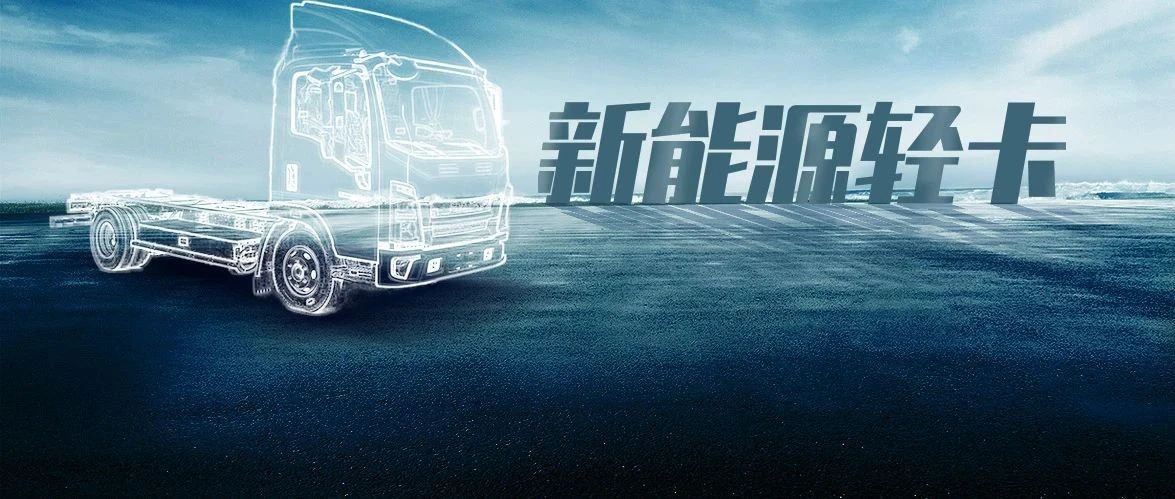
Core Viewpoint - The competition in the new energy light truck market remains intense, with companies needing to accelerate product layout and iteration to avoid falling behind [1] Group 1: Market Overview - The 398th batch of new vehicle announcements includes 14 companies participating in the application for new energy light truck chassis, with a total of 26 models submitted [3] - Although the number of submissions is lower than the previous batch, the level of market competition remains high [3] Group 2: Key Players and Submissions - Foton submitted 5 chassis models, while China National Heavy Duty Truck Group submitted 4 models, and several other companies like Flying Car and BYD submitted 2 models each [4] - The main focus remains on pure electric models, with 22 out of 26 submissions being electric [6] Group 3: Technological Innovations - The 398th batch includes one hydrogen fuel cell truck chassis and one plug-in hybrid truck chassis, indicating a diversification in technology strategies among manufacturers [15][19] - China National Heavy Duty Truck's hydrogen fuel cell model features a proton exchange membrane fuel cell system and a lithium iron phosphate battery, suggesting potential cost advantages [17] Group 4: Product Design and Features - Foton's new chassis models feature a more modern and youthful design, with a focus on user needs across various scenarios [10][12] - The models offer flexibility in powertrain options, allowing users to choose between different power outputs and battery types [12] Group 5: Supply Chain Dynamics - The increasing focus on supply chain autonomy among manufacturers is reshaping the competitive landscape, with companies like Jianghuai and China National Heavy Duty Truck enhancing their control over supply chains [19][21] - The competition is not only about product offerings but also about achieving the best balance between product, technology, and cost [21]
200辆中重卡交车 全部搭载这一品牌发动机!
第一商用车网· 2025-08-26 07:15
Core Viewpoint - The delivery of intelligent driving vehicles and cargo trucks by Dongfeng Cummins to Debon Logistics marks a significant advancement in the logistics industry's shift towards smart and efficient operations, showcasing the technological strength of Dongfeng Cummins in providing effective transportation solutions [1][3][14]. Group 1: Intelligent Driving Technology - Intelligent driving technology is becoming a core driver of transformation in the logistics industry, with the recent delivery expected to enhance network efficiency and reduce operational costs for Debon Logistics [3][6]. - The Z14 engine, developed in collaboration with Yingche Technology, features advanced sensing algorithms and improved stability, reliability, and braking efficiency, enhancing the overall performance of the intelligent driving vehicles [7][9]. - The Z14 engine's design includes high-strength materials and innovative integration, resulting in lower maintenance costs and increased durability, which are crucial for long-distance transportation [9][10]. Group 2: Efficient Transportation Solutions - The D7.0 and D4.5 FE engines provide excellent fuel economy and low maintenance costs, aligning with the logistics industry's demand for high efficiency and cost reduction [12]. - The Dongfeng Tianjin cargo trucks equipped with Dongfeng Cummins engines are positioned to support Debon Logistics in optimizing regional and intercity logistics networks, thereby improving transportation efficiency [12][16]. - The collaboration between Dongfeng Cummins and Dongfeng Commercial Vehicles represents a significant milestone in enhancing the smart operational capabilities and transportation efficiency of logistics companies [14][18]. Group 3: Strategic Collaboration - Dongfeng Cummins and Dongfeng Commercial Vehicles maintain a close strategic partnership, exploring advancements in both traditional and smart driving technologies [14][18]. - The recent delivery is a testament to the deep integration of leading power technologies with vehicle platforms, aimed at boosting the logistics sector's operational efficiency [14][19].