蔚来

Search documents
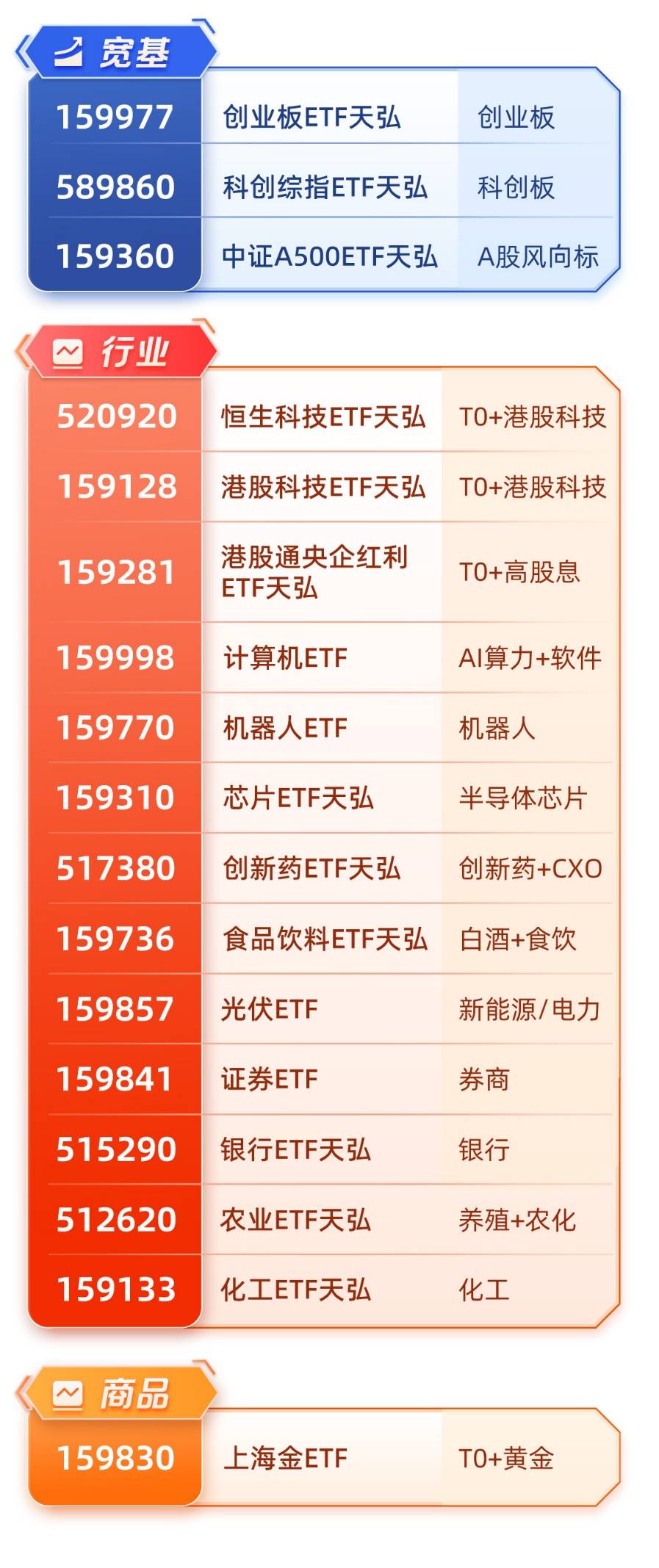
龙头科技股引领港股回购潮!资金借道港股科技ETF天弘(159128)积极布局,连续21日“吸金”7.6亿元!
Sou Hu Cai Jing· 2025-12-15 01:34
Core Insights - The Hong Kong Technology ETF Tianhong (159128) has seen a significant increase in trading volume and net inflow, indicating strong investor interest in the technology sector [1][2] - The Hang Seng Technology ETF Tianhong (520920) also reported record highs in both scale and shares, reflecting robust performance in the technology market [1][2] Fund Performance - As of December 12, 2023, the Hong Kong Technology ETF Tianhong (159128) reached a scale of 1.312 billion yuan, marking a new high since its inception, with a weekly share increase of 22 million [1] - The Hang Seng Technology ETF Tianhong (520920) achieved a scale of 9.322 billion yuan and a total of 10.619 billion shares, both setting new records [1] Capital Inflows - The Hong Kong Technology ETF Tianhong (159128) has experienced continuous net inflows over the past 21 days, totaling 760 million yuan [1] - The Hang Seng Technology ETF Tianhong (520920) has seen net inflows for 32 consecutive days, with a peak single-day inflow of 191 million yuan, accumulating a total of 5.75 billion yuan [2] Market Trends - The Hong Kong stock market has witnessed a surge in share buybacks, with over 700 million shares repurchased in November 2023 alone, compared to lower monthly figures in previous months [2] - Leading technology companies like Tencent and Xiaomi are at the forefront of this buyback trend, indicating a strong commitment to stabilizing market confidence [2] Strategic Developments - The recent Central Economic Work Conference emphasized the importance of deepening and expanding "Artificial Intelligence+" initiatives, aligning with current technological advancements and governance needs [4] - The implementation of a stock buyback mechanism reform by the Hong Kong Stock Exchange in 2024 is expected to enhance corporate buyback activities, allowing companies to retain shares for reuse [3]



2025年关下的车市:20家车企撒钱补贴,市场旺季为何消失?
2 1 Shi Ji Jing Ji Bao Dao· 2025-12-14 15:11
Core Insights - The automotive market is experiencing a tug-of-war between increased costs due to the reduction of purchase tax exemptions and the continuation of government subsidies for trade-in programs, creating uncertainty for consumers and manufacturers [1][2] Group 1: Market Dynamics - From January 1, 2026, the purchase tax for new energy vehicles will change from full exemption to a 50% reduction, with the tax rate effectively becoming 5% [2] - The maximum exemption amount will decrease from 30,000 yuan to 15,000 yuan, impacting consumer decisions significantly [2] - Over 20 automakers, including Zeekr and Xiaomi, have introduced "purchase tax guarantee" policies to cover the tax difference for orders locked in by the end of the year, with a maximum coverage of 15,000 yuan [2][3] Group 2: Sales Trends - Despite the introduction of tax guarantees, there is a cautious outlook for the fourth quarter, with industry leaders indicating that a significant sales spike similar to previous years is unlikely [3][4] - Retail sales of passenger vehicles in December 2024 showed a year-on-year decline of 32% and a month-on-month decline of 8% during the first week [2][3] - The anticipated "tail effect" in sales, where a surge typically occurs in the fourth quarter, has not materialized as expected, leading to a "flat tail" instead [5][6] Group 3: Consumer Behavior - Consumers are exhibiting a tendency to wait for clearer subsidy details before making purchases, which is dampening immediate demand [4][5] - The uncertainty surrounding the continuation of national and local subsidies has led to a more cautious consumer approach, impacting overall sales [5][6] Group 4: Supply Chain and Production Challenges - The automotive industry is facing production challenges due to battery supply shortages, with some manufacturers having to switch suppliers to meet delivery commitments [6][7] - The demand for batteries is shifting towards high-end products, while the energy storage market is also consuming battery production capacity, leading to potential supply constraints [7][8] Group 5: Future Outlook - Predictions for 2026 suggest a slowdown in domestic passenger vehicle sales growth, with estimates indicating a potential decline of 2% compared to an 8% growth in 2025 [9][10] - The market is expected to shift focus towards structural adjustments and value extraction, with opportunities emerging in underdeveloped markets and service-oriented consumption [9][10]

极氪、小米、问界等超20家车企宣布兜底购置税,最高省1.5万
21世纪经济报道· 2025-12-14 15:00
Core Viewpoint - The automotive market is experiencing a tug-of-war between increased costs due to the reduction of purchase tax exemptions and the continuation of national subsidies for trade-ins, leading to uncertainty in consumer and manufacturer decisions [1][3]. Group 1: Policy Changes and Market Reactions - Starting January 1, 2026, the purchase tax for new energy vehicles (NEVs) will shift from full exemption to a 50% reduction, with the current tax rate of 10% effectively becoming 5% for consumers [1]. - The maximum exemption limit will decrease from 30,000 yuan to 15,000 yuan, impacting the tax burden on consumers purchasing NEVs priced at 300,000 yuan and 500,000 yuan [1]. - The Central Economic Work Conference has confirmed the optimization of policies including the continuation of trade-in subsidies, setting a foundation for the extension of current national subsidies beyond 2025 [3]. Group 2: Market Performance and Sales Trends - Despite proactive measures from over 20 car manufacturers to offer purchase tax guarantees, the market remains cautious about the fourth-quarter performance, with expectations of a lack of significant sales spikes compared to previous years [4][5]. - Data from the China Passenger Car Association indicates a 32% year-on-year decline in retail sales of passenger cars in early December, with a 17% drop in the NEV segment [4][6]. - The anticipated "tail effect" in sales, typically seen in the fourth quarter, is not materializing as expected, with November sales down 8.1% year-on-year [5][6]. Group 3: Consumer Behavior and Market Dynamics - The certainty of tax reductions has not translated into expected consumer purchasing behavior, as many are opting to wait for clearer subsidy details before making decisions [6][9]. - The introduction of tax guarantee policies by manufacturers has inadvertently led to a more cautious consumer approach, suppressing immediate purchasing demand [5][6]. - The automotive market is witnessing a shift in focus towards lower-priced vehicles, particularly in the 200,000 yuan and below segment, as consumers become more price-sensitive [5]. Group 4: Supply Chain and Battery Demand - The demand for batteries is intensifying as manufacturers scramble to secure supplies, with some companies facing production delays due to battery shortages [8][9]. - The cumulative installed capacity of domestic power batteries reached 578.0 GWh from January to October, reflecting a 42.4% year-on-year increase [8]. - The upcoming reduction in purchase tax is driving a surge in demand for batteries, leading to potential supply constraints as manufacturers rush to meet the concentrated demand [9][10]. Group 5: Future Market Outlook - Predictions for 2026 indicate a slowdown in the growth rate of domestic passenger car sales, with estimates suggesting a decline from 8% in 2025 to -2% in 2026 [13]. - The market is expected to shift focus towards structural adjustments and value extraction, with opportunities emerging in underdeveloped markets and service-oriented consumption [13][14]. - The automotive industry is likely to face increased pressure to differentiate based on product functionality, performance, and pricing as market dynamics evolve [14].

FINE火热招展中!2026未来产业新材料博览会(6月10-12日 上海)
DT新材料· 2025-12-14 13:32
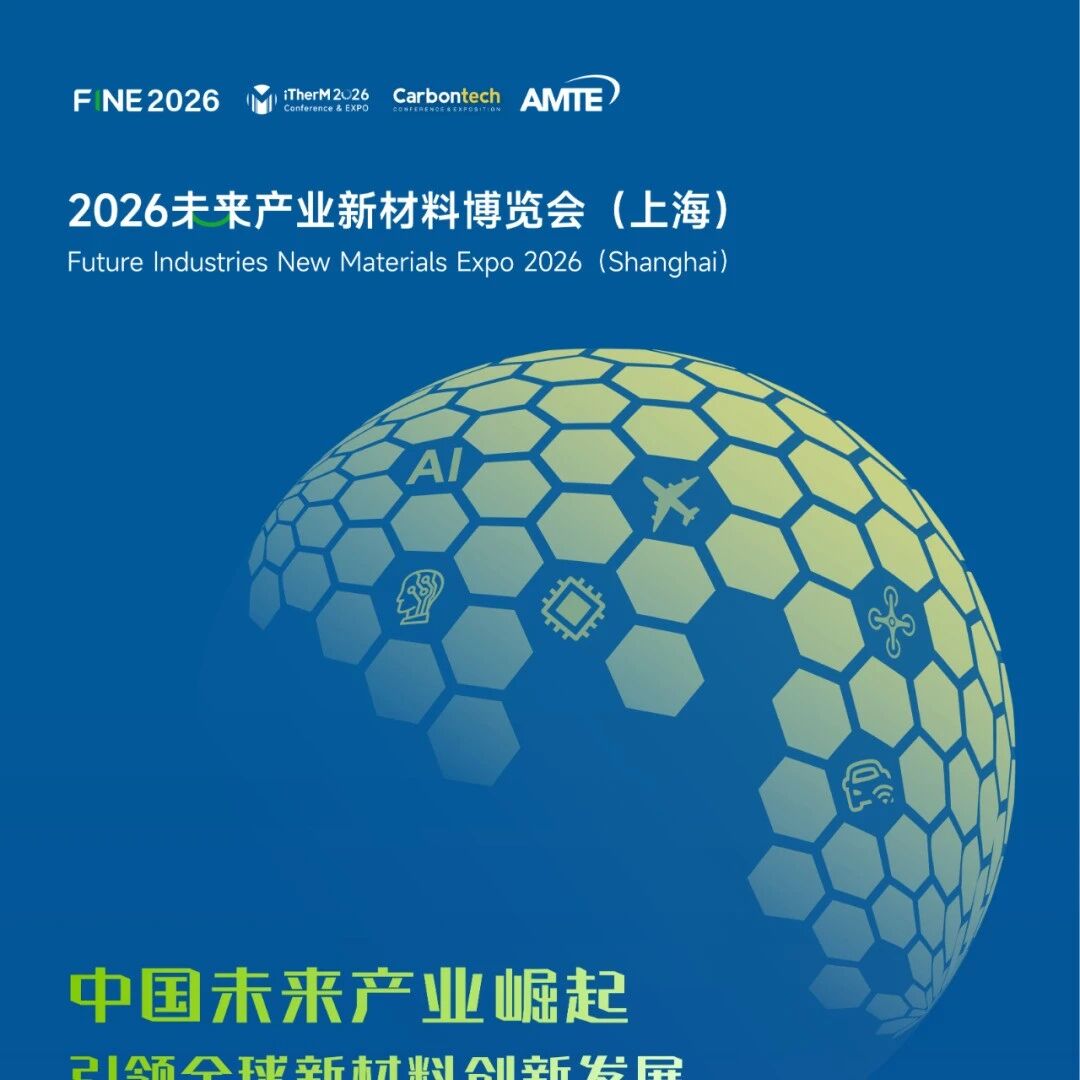
2026未来产业新材料博览会 中国未来产业崛起引领全球新材料创新发展 2026年6月10-12日 上海新国际博览中心 新材料是未来高新技术产业发展的基石和先导,新材料的突破将加速未来产业变革! 2026未来产业新材料博览会(上海) (Future Industries New Materials Expo 2026,简称" FINE 2026 "),由 「 DT新材料 」 主办的 第十届国际碳材料产业博览 会 (Carbontech 2026)、 第七届热管理产业博览会 (iTherM 2026)和 新材料科技创新博览会 (AMTE 2026)三大展重磅升级而来,旨在打造一个以未来产业终端为 引领、立足国际视野的新材料领域标盛会。 FINE 2026 , 以 50,000平 展区 与 超过 300场 战 略与前沿科技报告,全景呈现应用于人工智能、智算/数据中心、具身智能、低空经济、航空航天、智能汽车、 AI消费电子、量子科技、6G、脑机接口、新能源、生物制造等产业的热门创新成果, 并重点聚焦 未来产业五大共性需求(先进半导体、先进电池、轻量化、 低碳可持续、热管理) , 呈现从终端、部件、材料、技术装备到前沿 ...
固态电池独角兽启动创业板IPO!小米、华为都投了!
Zheng Quan Shi Bao Wang· 2025-12-14 12:47
Core Viewpoint - Weilan New Energy, a solid-state battery unicorn, is preparing to go public on the ChiNext board with a valuation of 18.5 billion yuan, as disclosed by the China Securities Regulatory Commission [1][2]. Company Overview - Weilan New Energy was established in 2016 and is incubated by the Chinese Academy of Sciences, focusing on solid-state lithium-ion batteries. The company has a strong R&D, production, and sales framework and is recognized as a national-level "specialized and innovative" enterprise and a unicorn [3]. - The company is led by Yu Huigen, who controls 29.25% of the shares through direct and indirect holdings [1]. Product Offerings - Weilan's products are primarily used in three sectors: new energy vehicles, energy storage, and low-altitude economic power. Key products include: - 360Wh/kg high-energy density power cells, capable of over 1000 km range, with mass production for NIO by the end of 2023 [3]. - 280Ah ultra-safe energy storage cells, already in mass production for various energy storage projects [3]. - 320Wh/kg high-energy density low-altitude economic power cells, supplied to multiple domestic and international clients [3]. Recent Developments - At the recent Guangzhou International Auto Show, Weilan and BASF jointly launched a new generation of solid-state battery packs, marking a significant step in the industrialization of solid-state batteries in China [4]. - The collaboration with BASF aims to enhance safety and efficiency through innovative material applications, addressing key concerns in traditional battery technology [4][5]. Financing and Strategic Partnerships - Weilan recently completed a D+ round of financing, attracting strategic investments from various funds, including the Beijing Green Energy and Low Carbon Industry Investment Fund, which reflects strong market confidence in the solid-state battery sector [5][6]. - New shareholders include major players like Guangdong Energy Group, which has initiated comprehensive strategic cooperation in the energy storage field [6]. - Since its inception, Weilan has completed nine rounds of financing, with notable investors including Xiaomi, NIO, Geely, and Huawei [6].

汽车周报:价格管控反内卷,看好中高端格局及二手车市场-20251214
Shenwan Hongyuan Securities· 2025-12-14 12:29
Investment Rating - The report maintains a positive outlook on the automotive industry, particularly on the mid-to-high-end market and the used car market, indicating a favorable investment environment [2]. Core Views - The industry is experiencing substantial progress in countering "involution," with the State Administration for Market Regulation's pricing management measures reflecting a strong commitment to control [2]. - A three-year price increase cycle is anticipated, with effective demand release in the mid-to-high-end market and companies with overseas expansion strategies mitigating domestic pressures [2]. - The report recommends focusing on companies such as BAIC, JAC, Xiaopeng, and NIO, as well as used car enterprises like Uxin, which are expected to benefit from the price increase cycle [2]. Industry Situation Update - According to the China Passenger Car Association, the average daily retail sales of passenger cars in the first week of December were 42,000 units, a year-on-year decrease of 32% and a month-on-month decrease of 8% [2]. - Recent weeks have seen a decline in traditional and new energy raw material price indices, with traditional car raw material prices down by 1.8% week-on-week and 0.6% month-on-month, while new energy raw material prices decreased by 1.2% week-on-week but increased by 0.9% month-on-month [2]. - The total transaction value in the automotive industry for the week was 469.021 billion yuan, reflecting a week-on-week increase of 11.32% [2]. Market Situation Update - The automotive industry index closed at 7662.00 points, with a weekly increase of 0.16%, outperforming the Shanghai and Shenzhen 300 index, which fell by 0.08% [2]. - A total of 90 stocks in the industry rose, while 180 fell, with the largest gainers being Chaojie Co., Huamao Technology, and Yueling Co., which increased by 39.0%, 28.5%, and 21.9% respectively [2]. Important Events - The continuation of national subsidy policies is expected to provide stable support for consumption and industrial upgrades [3]. - The focus on countering "involution" has been elevated to a key reform task, indicating a shift towards regulating market competition and improving profitability structures [5]. - The smart driving sector is transitioning into a phase of large-scale commercialization, with ecosystem collaboration becoming crucial for development [14]. Investment Analysis Recommendations - The report suggests focusing on domestic leading manufacturers such as NIO, Xiaomi, Xiaopeng, and Li Auto, as well as companies involved in smart technology like Jianghuai Automobile and Seres [2]. - It highlights the importance of state-owned enterprise reforms and recommends attention to SAIC Motor and Dongfeng Motor [2]. - Companies with strong performance growth and overseas expansion capabilities in the parts sector, such as Xingyu, Fuyao Glass, and Newquay, are also recommended [2].
2025年还存活的自动驾驶公司......
自动驾驶之心· 2025-12-14 02:03
Group 1: Industry Overview - The penetration rate of L2 autonomous driving is rapidly increasing, while L3 is on the verge of implementation and L4 is breaking through in scale [2] - The autonomous driving industry is undergoing a new round of reshuffling and resource integration, with some companies exiting the market, others merging or acquiring, and new players emerging [2] Group 2: New Forces in Autonomous Driving - Key new players in the autonomous driving sector include NIO, Xpeng, Li Auto, Xiaomi, Leap Motor, Didi, WM Motor, Niu Chuang, Zeekr, Avita, Lantu, Qianli Technology, and Jiyue [4] Group 3: Tier 1 Suppliers - Major Tier 1 suppliers in the industry consist of Huawei, Baidu, DJI, ZTE, Tencent (smart cockpit/high-precision maps/simulation toolchain), SAIC Lingxu, Jianzhi Robotics, Momenta, Bosch China, Magna, and Youjia Innovation Minieye [6] Group 4: Robotaxi Companies - Companies involved in the Robotaxi segment include Baidu, Pony.ai, Shanghai Zhaofu Intelligent Technology (Hello Robotaxi), WeRide, Didi, Momenta, Qizhou Zhihang, and Yushi Technology [8] Group 5: Robotruck Companies - Key players in the Robotruck sector are Carl Power, Zhijia Technology, Winche Technology, Pony.ai, Mainline Technology, Sien Intelligent Driving, Xijing Technology, Feibu Technology, MuYue Technology (WeRide), Zitu Technology, Changxing Intelligent, Huanyu Zhixing, Xidi Intelligent Driving, Qianhua, Xingxing, Youdao Zhitu, Karui Zhixing, Qianchen, Weidu, Geely Remote, Hengrun, Hongjing, Xidi, and Qingtian Zhika [10] Group 6: Other Autonomous Driving Applications - Companies involved in various applications of autonomous driving include Meituan, Jiushi Intelligent, JD.com, Suning, Alibaba Cainiao, China Post, Baidu Apollo, VIA Technologies, Baixiniu, Zhixingzhe, Yushi Technology, Xingshen Intelligent, Jiazhi Technology, and Xiaoshi Technology [12] - Traditional automakers in the industry include SAIC, Changan, GAC (Aion), BAIC (Extreme Fox), FAW, Great Wall, BYD, Geely (Furuitai), Dongfeng, Chery, and Geely (Zeekr) [14] - Companies focusing on agricultural autonomous driving include Fengjiang Intelligent, Zoomlion, China Yituo, Wuniu Intelligent, Zhongke Yuandong, Leiwo Heavy Industry, Chaoxing Intelligent, Bochuang Liandong, and Haoxing Technology [16] - Companies in the mining autonomous driving sector include Yikong Zhijia, Taga Zhixing, Huituo Intelligent, Lukai Zhixing, Bolai Technology, Mengshi Technology, and Qingzhi Technology [18] - Companies in the sanitation autonomous driving sector include Zhixingzhe, Kuwa, Xiantou, Gaoxian Robotics, Shenlan Technology, Haorui Intelligent, Yuwan Zhijia, and Yunchuang Zhixing [20] - Companies involved in parking solutions include Baidu, Zhuishi, Desai Xiwai, Dongsoft Ruichi, Hedu Technology, Niuli Technology, Hengrun Technology, Lingshi Technology, Moshih Intelligent, Oteming, Zhixingzhe, and Yushi Technology [22] Group 7: High-Precision Mapping - Major players in high-precision mapping include Baidu, Amap, Four-Dimensional Map New, Tencent, Huawei, Didi, JD.com, Meituan, Kuandeng, Shendong, Zhonghaiting, and Yikaton [24] Group 8: Vehicle-to-Everything (V2X) Collaboration - Companies involved in vehicle-to-everything collaboration include Mushroom Car Union, Juefei Technology, Baidu, Huawei, Datang High-Tech, Huali Zhixing, Alibaba, Hikvision, Xingyun Interconnect, and Yunjing Zhixing [24]

银行、科技双双弱势分化,中概股冲高回落,黄金十字星
Ge Long Hui· 2025-12-13 19:36
Market Overview - The three major indices closed lower, with the Dow Jones down 0.51%, the Nasdaq down 1.69%, and the S&P 500 down 1.07% [1] - The banking and technology sectors showed weakness, while Chinese concept stocks experienced a rebound before declining [1] Banking Sector - Bank stocks exhibited mixed performance, with Goldman Sachs dropping 2.53% and Morgan Stanley down 1.04% [3] - Other banks like Zions Bancorporation and US Bancorp also saw slight declines, while Bank of America rose 1.06% and Citigroup and JPMorgan Chase recorded minor gains [3] Technology Sector - The technology sector continued its downward trend, with AMD falling 4.81%, Intel down 4.3%, and Nvidia decreasing by 3.27% [3] - Major tech companies such as Amazon, META, Microsoft, Google, and Qualcomm all experienced declines of over 1%, while Netflix and Apple saw slight increases [3] Chinese Concept Stocks - Chinese concept stocks faced a decline after an initial rise, with the China Golden Dragon index down 0.3% [3] - Notable declines included iQIYI down 4.41%, Baidu down 2.57%, and NIO down 1.95%, while NetEase managed a gain of 2.11% [3] Gold Market - COMEX gold opened lower but later rose before closing up 0.48% at $4329.8 per ounce, with a trading range between a low of $4286 and a high of $4387.7 [3]
蔚来ET5/ET5T远空套装限定车型官图,将于12月16日亮相;文远知行和Uber推出Robotaxi公开运营服务丨汽车交通日报
创业邦· 2025-12-13 10:08
Group 1 - WeRide and Uber have launched a Robotaxi public operation service in Dubai, allowing users to request autonomous rides via the Uber App in popular tourist areas [2] - The service is managed by Tawasul, which will oversee the fleet operations for WeRide's Robotaxi on the Uber platform [2] Group 2 - Geely has officially launched its Global All-Domain Safety Center in Ningbo, covering an area of approximately 45,000 square meters and integrating various safety capabilities [2] - The center focuses on key areas such as passive safety, active safety, health safety, and digital safety, and has introduced the "All-Domain Safety 2.0" technology system that incorporates AI capabilities [2] - Geely has collaborated with several institutions to release a white paper on the development of intelligent vehicle safety, offering testing resources and safety technology results to the industry [2] Group 3 - NIO has released official images of the limited edition ET5/ET5T Far Sky package, which will be unveiled on December 16, featuring a unique Far Sky purple paint color [2]

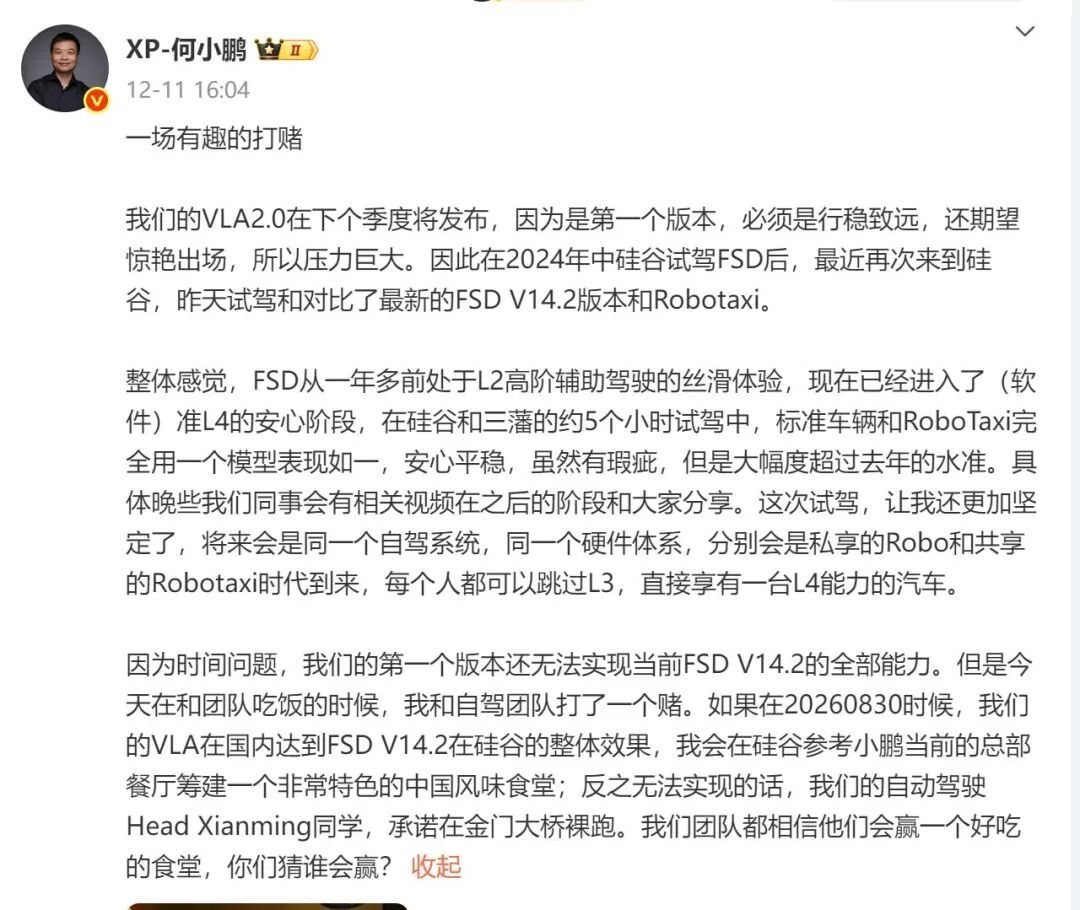
何小鹏立“赌约”:明年8月底前达到特斯拉FSD效果
Mei Ri Jing Ji Xin Wen· 2025-12-13 06:46
Core Viewpoint - Xiaopeng Motors is set to release its VLA 2.0 (Vision-Language-Action) model in the next quarter, with significant pressure on its first version [1] - A bet was placed by Xiaopeng's chairman with the autonomous driving team, aiming to match Tesla's FSD V14.2 performance by August 30, 2026, or face a challenge [1] Group 1: VLA Model and Industry Perspectives - The VLA model is seen as an advanced end-to-end solution, integrating visual perception (V), action execution (A), and a language model (L) to enhance decision-making and environmental understanding [5][11] - The industry has shifted from relying on LiDAR and high-precision maps to adopting AI-driven models like VLA, with a notable divergence in development paths emerging by 2025 [4][11] - Li Auto's VP emphasized the importance of real-world data over model architecture, asserting that VLA is the best solution due to their extensive data collection from millions of vehicles [6][8] Group 2: Diverging Technical Approaches - Huawei's approach focuses on the World Action (WA) model, which bypasses the language processing step, aiming for direct control through visual inputs [8][10] - The World Model concept allows AI systems to simulate the physical world, enhancing predictive capabilities and decision-making in autonomous driving [9][11] - Companies like NIO and SenseTime are also exploring the World Model approach, indicating a broader industry trend [10] Group 3: Future Integration and Evolution - There is a growing trend towards integrating VLA and World Models, with both technologies not being mutually exclusive but rather complementary [11][12] - Xiaopeng's second-generation VLA model aims to combine VLA and World Model functionalities, enhancing data training and decision-making processes [14][15] - The automotive industry anticipates further iterations in autonomous driving technology architecture over the next few years, potentially stabilizing by 2028 [15]